
Review · KYOTO
Kyoto: 1.5-Hour Guided Tour of Fushimi Inari Shrine
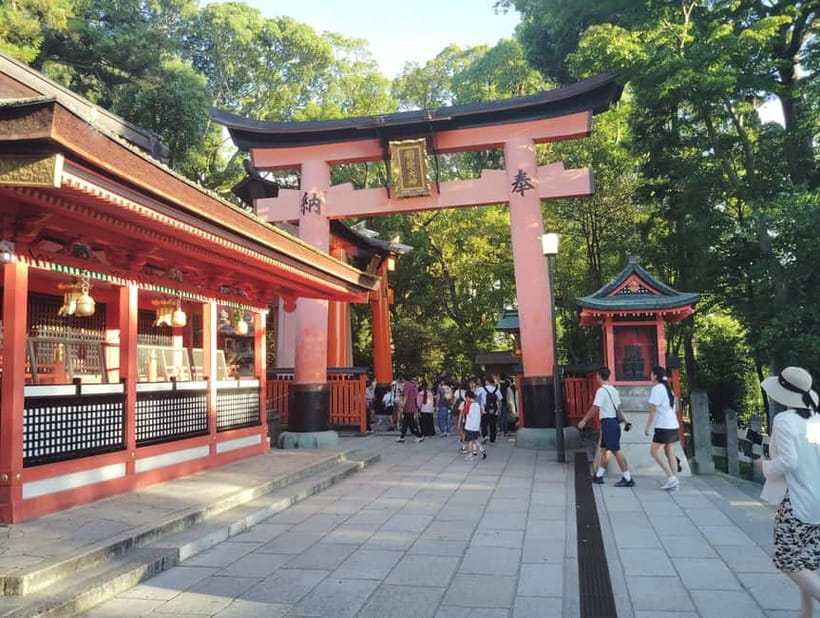
The red gates are only the beginning. This 90-minute tour gives you a clear introduction to Fushimi Inari Shrine, from the main shrine dedicated to rice and prosperity to the quieter Okusha Back Shrine. I especially like the chance to hear cultural context from a local guide and try the Omokaruishi stone ritual, an unusual moment that turns a sightseeing stop into something personal.
I also like the simple start and finish at Inari Station. You do not need to find a distant hotel lobby or a hard-to-spot meeting place. The main drawback is the short running time: one visitor felt the tour ended before it had really got going, and that is worth keeping in mind if you want to explore far up the mountain paths.
Key points at a glance
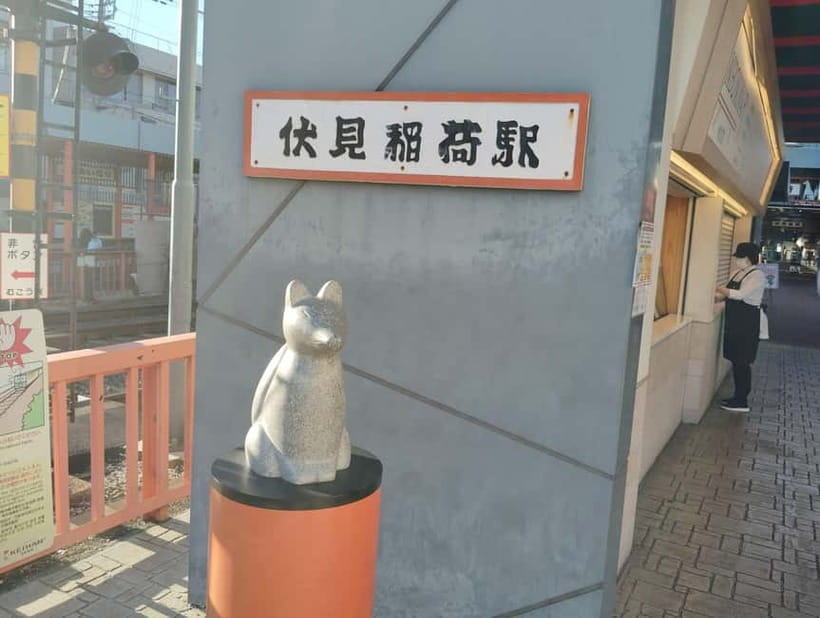
- The meeting point is easy to identify: Look outside, across from the main entrance to JR Inari Station, for a guide holding a bright yellow DeepExperience sign.
- The tour covers the shrine’s main areas: You visit Fushimi Inari Taisha, walk through the famous torii gates, and continue to the Okusha Back Shrine.
- The Omokaruishi ritual adds a hands-on moment: You can lift the stone and use the traditional test of fortune as part of your visit.
- Guide quality matters here: Yoshi received special praise for explaining both Japanese culture and the shrine’s past, not just pointing out sights.
- The price is $32 per person: That is reasonable if you want interpretation and a small-group or private format, but less compelling if you only want to see the gates.
- The schedule is tight: The tour lasts 90 minutes and returns to Inari Station, so plan on an introduction rather than a full exploration of Fushimi Inari.
Why a guide helps at Fushimi Inari
Fushimi Inari is famous for its long passage of red torii gates, but a quick visit can easily become a photo stop. You walk through a striking corridor, take a few pictures, and leave without understanding what the place means. A guide gives the symbols and rituals a human shape.
The shrine is connected with the god of rice and prosperity. That detail changes how you look at the site. The torii are not just decorative arches in a long orange-red tunnel. They belong to a place where worship, gratitude, hopes for prosperity, and everyday Japanese culture meet.
I like this tour because it keeps the explanation tied to what you are seeing. You begin at the main shrine, then move toward the torii gates and the Okusha Back Shrine. The route gives you a basic sense of how the complex works without asking you to commit to a much longer visit.
The guide is the main reason to book rather than walk in alone. Yoshi was praised for explaining Japanese culture as well as history, and that is exactly the right balance for Fushimi Inari. You want enough background to make the symbols meaningful, but not a lecture that pulls your eyes away from the shrine.
More Fushimi Inari Shrine Tours in Kyoto:
- Osaka/Kyoto:Kinkakuji,Arashiyama,FushimiInariShrine,NaraPark
★ 4.1 · 1,596 reviews - Osaka/Kyoto: Arashiyama, Nara & Fushimi Inari Shrine w/Lunch
★ 4.4 · 754 reviews - Kyoto: 3-Hour Fushimi Inari Shrine Hidden Hiking Tour
★ 4.9 · 270 reviews
Meeting your guide at Inari Station
The tour begins at Inari Station, a practical choice for a shrine visit. Your guide waits outside, across from the main entrance to JR Inari Station, holding a bright yellow DeepExperience signboard.
That sign matters. Station areas can be confusing, especially when you are watching for a guide while also checking trains, maps, and signs. Look for the yellow board rather than wandering toward the shrine entrance and hoping you happen to spot the right person.
The route returns to Inari Station after the 90-minute visit. I like this arrangement because the tour has a clear beginning and end. You can continue with your own plans afterward without needing to locate a new meeting point across Kyoto.
The information provided does not give a detailed schedule of departure times, so you need to check availability for the start time that suits you. Arrive with a little breathing room. A late start would matter on a tour this short.
Starting at Fushimi Inari Taisha
The first stop is Fushimi Inari Taisha, the main shrine area. This is where the guide introduces the site and its connection with rice and prosperity.
A good introduction here gives you a frame for the rest of the walk. Rather than rushing straight to the gates, you get a chance to understand why this shrine draws worshippers and sightseers alike. The spiritual side of the visit is not hidden behind a museum label. It is part of the place itself.
This opening section should suit you if you want cultural explanation without committing to a full-day historical tour. The guide speaks in English or Japanese, and the English option is especially useful if you want more than a quick look at the architecture.
Keep your expectations realistic. The tour has only 90 minutes, and the main shrine is just one part of a large site. You will get an organized introduction, not an exhaustive examination of every corner.
Walking through the famous torii gates
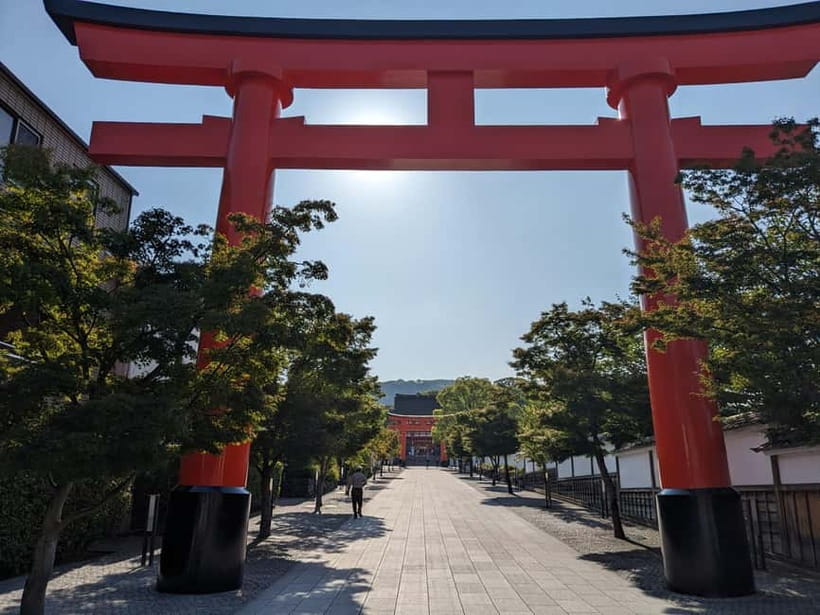
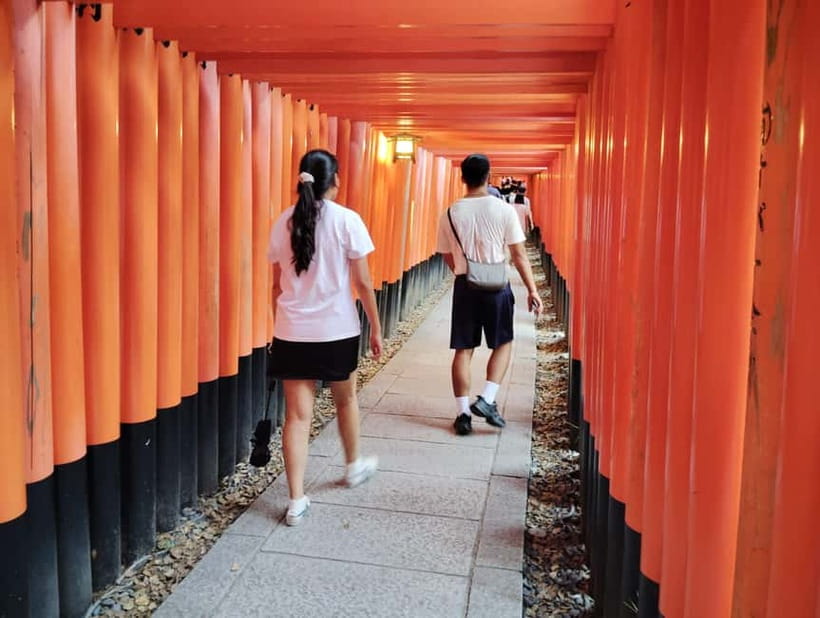
The torii gates are the visual heart of the experience. You walk beneath rows of red gates that create a strong sense of movement and repetition. It is one of Kyoto’s most recognizable scenes, but the guide’s explanation helps it feel less like a backdrop for photographs.
The tour focuses on the historical meaning of the gates. That context is valuable because the path can otherwise seem almost too simple: gate after gate, color after color, with little obvious information in front of you.
You will have opportunities for photographs, and one booking specifically praised the guide for taking incredible pictures. That is a useful extra if you want a few well-composed memories without asking strangers to handle your phone. Still, the exact amount of photo time depends on the pace of the group and the guide.
The torii walk is also where the 90-minute limit becomes most noticeable. If you hope to walk a long way up the mountain, pause often, and explore side paths, this organized route may feel brief. One visitor described the tour as too short and felt it was something they could have done alone. That criticism is fair for independent-minded visitors who already know the shrine.
On the other hand, the short length can be a strength. You get the main visual experience and cultural explanation without giving up half a day. It works well as one piece of a busy Kyoto schedule.
A few more temple visits around Kyoto worth a look
- Kyoto: Tea Ceremony Ju-An at Jotokuji Temple
★ 4.9 · 3,207 reviews - Arashiyama Bamboo, Temple, Monkeys, or Secret Sake Brewery
★ 4.8 · 886 reviews - Kyoto: Arashiyama Bamboo Forest, Monkeys, Matcha & Temple Tour
★ 5.0 · 759 reviews - Kyoto Zen Meditation & Garden Tour at a Zen Temple with Lunch
★ 5.0 · 441 reviews
The quieter Okusha Back Shrine
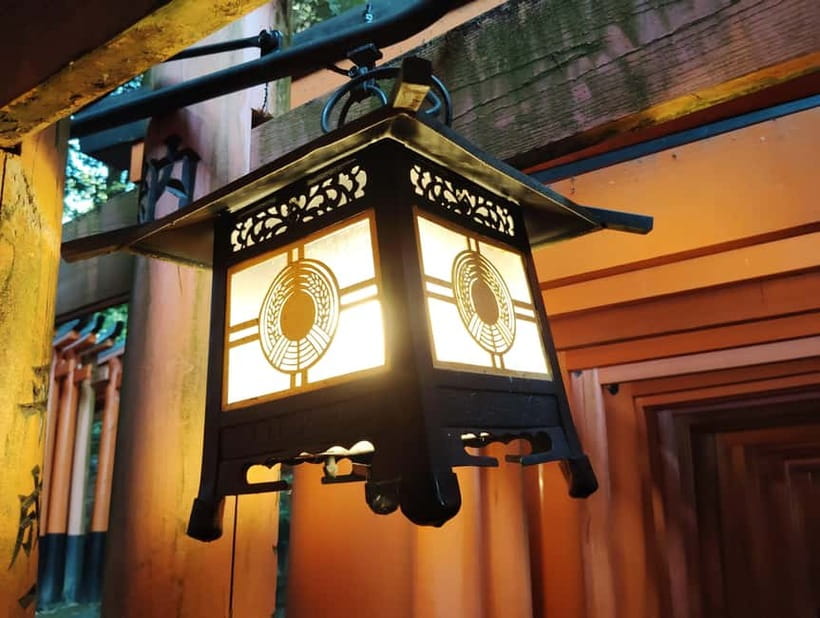
The tour continues to the Okusha Back Shrine, which offers a more intimate spiritual setting than the main entrance area. This stop gives the visit a little breathing space after the attention-grabbing gate corridor.
That change in mood is important. Fushimi Inari can feel visually overwhelming, especially when you are focused on the repeating torii. At Okusha, the emphasis shifts back toward the shrine as a place of worship rather than simply a famous Kyoto sight.
Your guide can help you understand why this smaller stop matters. The information provided does not promise a long stay here, so think of it as a focused visit rather than a quiet retreat. The value comes from seeing another part of the shrine complex and learning how it fits into the larger spiritual setting.
I would pay attention here instead of treating it as a quick photo stop. The main gates will get most of your camera roll. The Okusha Back Shrine is where the tour can feel more personal.
Testing your fortune with the Omokaruishi stones
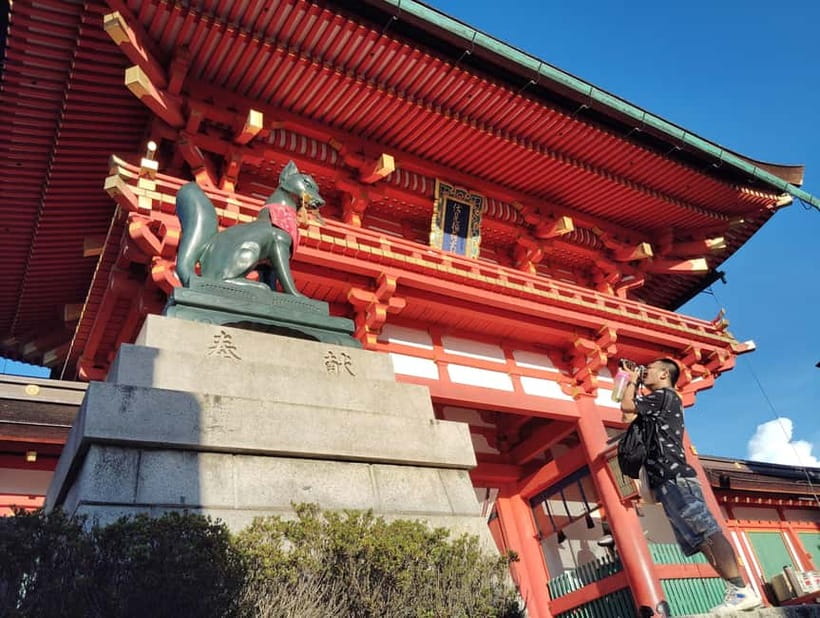
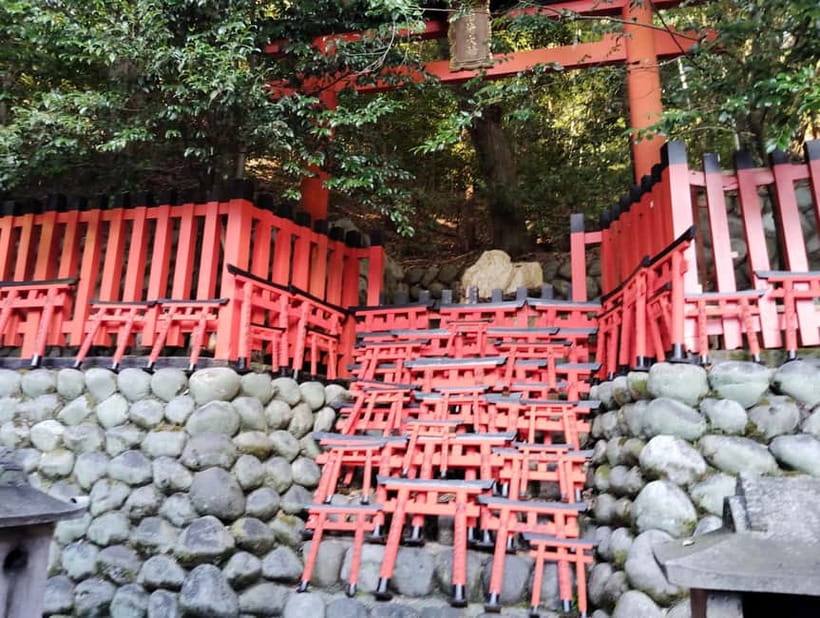
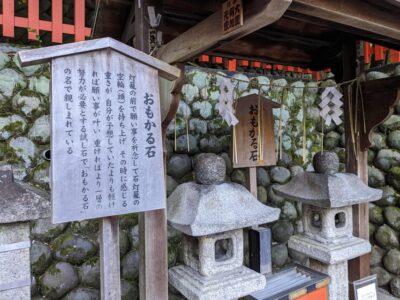
The Omokaruishi stone ritual is the most distinctive activity on the tour. You have the chance to lift the stones and use the experience as a traditional test of fortune and inner strength.
This is a small moment, but it gives you something to do rather than simply observe. You are not only looking at a sacred site or listening to an explanation. You are taking part in a local custom connected with the shrine.
The ritual also gives the guide a natural way to talk about Japanese spiritual culture. You can consider what you expected before lifting the stone and how the experience feels afterward. The attraction is not a prize or a performance. It is the meaning people attach to the act.
Do not expect the stone ritual to fill a large part of the tour. It is one stop within a 90-minute route, not the main event. Its value is that it makes the visit more memorable and gives you a direct connection with the place.
What the guide adds, and where the tour may fall short
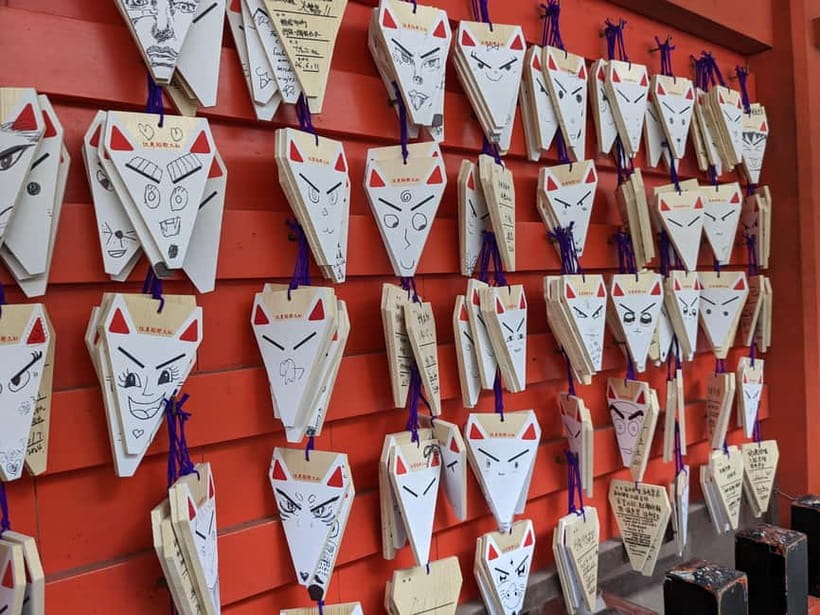
The strongest reason to choose this experience is the guide. The best feedback focused on Yoshi, whose explanations covered both history and Japanese culture. That kind of interpretation can make a major difference at a shrine where visual details are easy to notice but harder to understand.
You also have the option of a private or small-group format. The exact group arrangement depends on the option you select, but these formats generally give you more room to ask questions and set a comfortable pace than a large group would. The provided details do not promise a specific group size, so check the available choice before booking.
The main concern is duration. Ninety minutes sounds generous until you include meeting the guide, reaching several stops, walking through the gates, hearing explanations, taking pictures, and returning to the station. You should treat this as a focused introduction.
A bathroom break can also affect the pace. One visitor felt the tour could have continued after a daughter needed a break, but the experience ended shortly afterward. If someone in your group may need extra time, ask the guide early how the timing will work. The tour does not advertise a longer flexible schedule.
Is $32 good value?
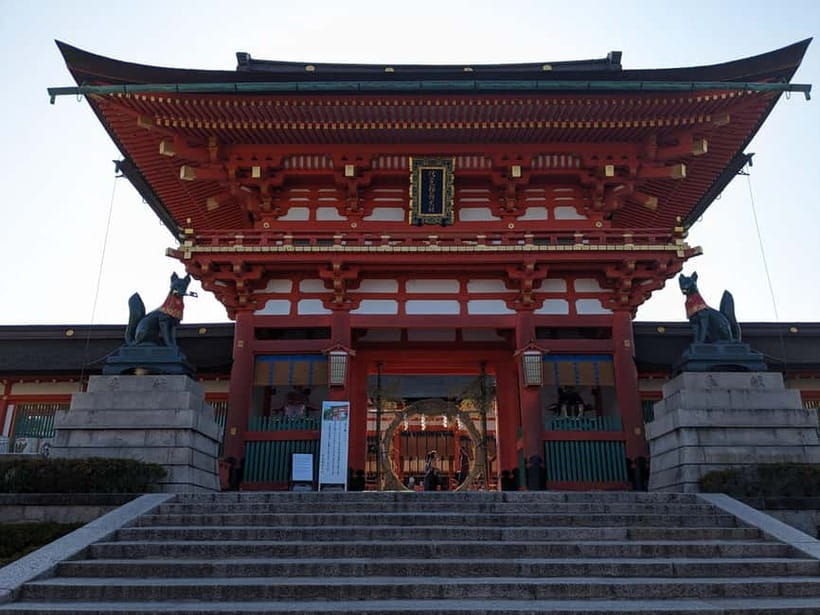
At $32 per person, the price is fair if you want a local guide to explain the shrine and help shape the visit. The value is not in transportation, food, or a long day of sightseeing. The value is in interpretation, a planned route, the Omokaruishi ritual, and help with photographs.
For a first visit to Kyoto, I think the price makes sense if you enjoy learning as you walk. Fushimi Inari is easy to reach and possible to visit independently, so you are paying for understanding and convenience rather than access to a closed area.
If you are comfortable reading about the shrine beforehand and prefer to set your own pace, $32 may feel less attractive. You can walk the torii gates without a guide, and the short format may leave you wanting more.
The private or small-group choice improves the potential value. You have a better chance to ask questions and avoid feeling rushed, though the exact option and price should be checked when you book.
Who should book this 90-minute experience?
I would recommend this tour to you if you are visiting Fushimi Inari for the first time and want a clear explanation of what you are seeing. It is also a good fit if you have limited time in Kyoto and want the key shrine experience without planning the route yourself.
Families may appreciate the short length and the hands-on stone ritual. The activity gives children something concrete to remember, though the tour may feel too brief if your family needs frequent pauses.
This tour also suits anyone who wants help with photos. Yoshi’s photo assistance received particular praise, and a guide who knows the setting can help you leave with more than hurried snapshots.
I would think twice if you want to hike deep into the shrine complex or spend hours wandering. The tour does not promise that kind of extended visit. It gives you a guided taste of the main shrine, gates, Okusha Back Shrine, and stone ritual, then returns you to the station.
Booking details worth knowing
The tour costs $32 per person and lasts 90 minutes. English and Japanese guide options are available, with an English-speaking local expert included.
You meet outside across from the main entrance to JR Inari Station. Look for the bright yellow DeepExperience signboard. The tour ends back at Inari Station, which makes it easy to continue your day from the same area.
Private and small-group options are available. You can cancel up to 24 hours before the tour for a full refund, and the reserve-now, pay-later option lets you hold a place without paying immediately.
Should you book the Fushimi Inari tour?
Book it if you want the red torii gates explained rather than simply photographed. The guide, especially when you get someone as helpful as Yoshi, adds cultural meaning, and the Omokaruishi ritual gives the visit a memorable personal touch.
Skip it if you already know Fushimi Inari well or want a long, independent walk up the mountain. The 90-minute schedule is the clear limitation.
For most first-time visitors with a busy Kyoto plan, I see this as a sensible introduction. It is short, focused, fairly priced, and rooted in the shrine’s spiritual side. Just arrive on time, keep your expectations modest, and remember that this is a guided orientation, not the entire Fushimi Inari experience.
FAQ
How long does the Fushimi Inari tour last?
The tour lasts 90 minutes, or one and a half hours.
Where does the tour begin?
It begins at Inari Station. Your guide waits outside, across from the main entrance to JR Inari Station, holding a bright yellow DeepExperience signboard.
Where does the tour finish?
The tour returns to Inari Station.
What does the tour include?
It includes an English-speaking local expert guide.
Which languages are available?
The live guide options are English and Japanese.
Does the tour visit the red torii gates?
Yes. The route includes a walk through the famous red torii gates at Fushimi Inari Shrine.
Will I visit the Okusha Back Shrine?
Yes. The Okusha Back Shrine is included in the guided visit.
Can I take part in the Omokaruishi stone ritual?
Yes. You have the opportunity to lift the Omokaruishi stones as part of the traditional fortune test.
Can I cancel the booking for a refund?
Yes. You can cancel up to 24 hours in advance for a full refund. You can also reserve now and pay later.
Just added around Kyoto
- Kyoto: Kiyomizudera, Sanjusangendo, Ginkakuji and Higashiyama.★ 5.0 · 3 reviews
- Kyoto: Shakyo & Matcha in Historic Temple Garden★ 5.0 · 4 reviews
- Kyoto:Kiyomizu-dera Temple Rent a kimono and ride a rickshaw★ 4.8 · 7 reviews
- Kyoto:Quiet Arashiyama and Sagano Temples★ 4.8 · 5 reviews
- KYOTO: Tempio Kiyomizu Pagode Gion “Geisya” (Guida Italiana)★ 4.7 · 17 reviews
- Kyoto: Kifune Shrine and the Sacred Kifune Valley Day Trip★ 4.4 · 4 reviews
- KYOTO: Golden Pagoda, Bamboo Forest, Arashiyama (Italian)★ 4.9 · 5 reviews
- KYOTO: Tour guidato tra i tesori della città (in italiano)★ 5.0 · 5 reviews
Fushimi Inari Shrine Tours, compared.
Osaka/Kyoto:Kinkakuji,Arashiyama,FushimiInariShrine,NaraPark
Read our review →
Osaka/Kyoto: Arashiyama, Nara & Fushimi Inari Shrine w/Lunch
Read our review →
Kyoto Tea Ceremony & Kiyomizu-dera Temple Walking Tour
Read our review →Full Day Kyoto Tour : Bamboo Forest, Golden Temple, Fushimi Inari
Read our review →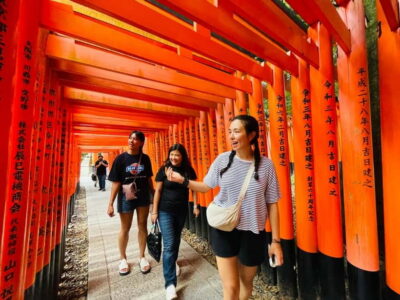
Fushimi Inari Shrine and Tofukuji Temple E-Bike Tour
Read our review →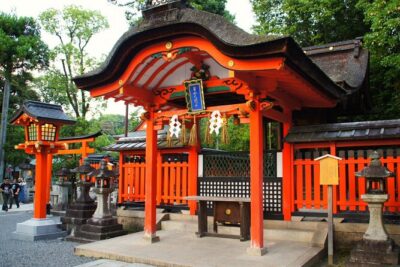
Early Morning Fushimi Inari Shrine – Beat the Crowds
Read our review →Browse the lists this tour appears in