
Review · OSAKA
Full Day Kyoto Tour : Bamboo Forest, Golden Temple, Fushimi Inari
Kyoto packs centuries into one day. This tour makes that possible by linking Arashiyama, Kinkakuji, and Fushimi Inari in a small group rather than a large coach. I like the private air-conditioned vehicle and the chance to see three major Kyoto sights without figuring out several train and bus connections. I also like that entrance fees, bottled water, WiFi, and an English or Mandarin-speaking conductor are included.
The main tradeoff is time. You spend much of the day moving between Osaka and Kyoto, and the schedule gives Fushimi Inari two hours while Arashiyama gets a longer combined visit. If you want a slow, quiet day at one temple, this is not the right choice. If guides such as Taka, Woody, Jin, Tom, and Toru are working, expect a friendly and informative day, but the guide assigned to you can vary.
Key points at a glance
- Three classic Kyoto sights in one day: See Arashiyama’s bamboo, the Golden Pavilion, and Fushimi Inari Shrine.
- Small-group transport: The vehicle holds a maximum of 11 people, a more personal setup than a large sightseeing bus.
- A strong choice from Osaka: The tour handles the long ride between cities, with return drop-off at Shinsaibashi or Umeda.
- Guides earn high marks: Taka, Woody, Jin, Tom, and Toru are praised for warmth, clear explanations, and good organization.
- Plan for serious walking: Expect stairs, hills, and long distances at several stops. Comfortable shoes are essential.
- Lunch is flexible but not included: You have about an hour in Arashiyama to choose a restaurant or food stall.
Why this Kyoto day trip works from Osaka
Kyoto is close enough to visit from Osaka, but the day can become complicated when you add three widely separated sights. Arashiyama is in western Kyoto, Kinkakuji is farther east, and Fushimi Inari lies near the southern side of the city. This tour links them by private vehicle, with the driving and navigation handled for you.
The trip begins at 9:45 am. You meet the conductor at either Shinsaibashi or Umeda DT Tower, then spend about 1 hour and 20 minutes to 1 hour and 30 minutes traveling toward Arashiyama. That ride is a real part of the day, not a minor transfer, but it saves you from managing several public transport changes.
The maximum group size is 11 people. That is small enough for a guide to keep track of the group and answer questions, though it is not a private tour for just your own party. The vehicle is air-conditioned and has WiFi, and bottled water is included.
The strongest praise goes to the guides and drivers. Taka is repeatedly described as friendly, funny, and well organized. Woody is praised for explaining the meaning of each site and for offering a useful okonomiyaki restaurant suggestion. Jin is noted for giving detailed explanations without making the day feel rushed. Drivers Tom and Toru are described as professional and kind.
Those personal touches matter on a busy Kyoto day. A good guide can explain what you are looking at, keep the group moving, and help you avoid wasting time at crowded entrances or confusing streets.
More Fushimi Inari Shrine Tours in Osaka:
- Osaka/Kyoto: Arashiyama, Nara Park, Fushimi Shrine Tour
★ 4.1 · 13 reviews - Osaka/Kyoto:Kinkakuji,Arashiyama,FushimiInariShrine,NaraPark
★ 4.1 · 1,596 reviews - Osaka/Kyoto: Arashiyama, Nara & Fushimi Inari Shrine w/Lunch
★ 4.4 · 754 reviews
Arashiyama begins with Togetsukyo Bridge
Your first Kyoto stop is Togetsukyo Bridge, one of Arashiyama’s best-known viewpoints. The bridge crosses the Katsura River, with wooded hills and a broad river valley around it. You have about 50 minutes here, including crossing the bridge and walking through the surrounding town.
This is a pleasant opening stop because it gives you room to see Kyoto rather than simply arriving at a temple gate. The river, mountains, bridge, and traditional-looking streets create a strong first impression. It is also a useful place to settle into the pace of the tour.
Do not expect a long pause at the bridge itself. The schedule combines the bridge with a walk toward the bamboo area, so your conductor will keep the group on course. If you want carefully composed photographs from several angles, you may find the time tight.
Walking beneath Arashiyama’s bamboo
The Bamboo Forest Trail is the tour’s most instantly recognizable stop. Tall bamboo rises on both sides of the path, creating a narrow corridor of green stalks and filtered light. The grove has cultural ties reaching back more than 1,000 years, including bamboo cultivated by nobles during the Heian period.
You have about 50 minutes for the bamboo forest. That is enough to walk through the main section and take photographs, but it is not a full morning in Arashiyama. The path can be busy, so your experience will depend partly on the day’s crowds and the pace of the group.
The bamboo is beautiful, but the setting is best appreciated as part of a wider visit to Arashiyama. Do not judge the entire area by the famous path alone. The bridge, river, town streets, shops, and food stalls give the stop more character.
A practical point: bring shoes with good support. The tour requires walking at every destination, and the combination of bridge crossings, town streets, hills, and later shrine paths adds up quickly.
Lunch and free time in Arashiyama
After the bamboo forest, you have about one hour in Arashiyama for lunch and shopping. Food is not included, so you can choose a local restaurant or pick up something from a food stall. You can also browse for souvenirs.
This flexible break is useful because not everyone wants the same lunch. You may prefer a sit-down meal, while someone else in the group may want a quick snack and more time to look around. The downside is that one hour is not much time for a long restaurant meal, especially if the area is crowded.
The lunch stop has also been the only notable timing concern in the available feedback. One person felt that the combined bamboo and lunch allocation was longer than needed, while Fushimi Inari felt rushed. That is a fair warning if the red gates are your top priority. If you value time to eat, shop, and walk around Arashiyama, the break may feel well judged.
More Golden Temple and Sikh Heritage Tours in Osaka:
- Golden Temple Guided Tour (Planet Amritsar Inc.)
★ 5.0 · 78 reviews - Amritsar Golden Temple Tour
★ 5.0 · 61 reviews - Golden Temple, Jallianwala Bagh, Partition Museum & Wagha Border – #Travellouge
★ 5.0 · 60 reviews - Golden Temple Night Ceremony and Light Visit Tour with Pick-Drop
★ 5.0 · 42 reviews
Kinkakuji, Kyoto’s Golden Pavilion
The vehicle takes about 25 minutes from Arashiyama to Kinkakuji, the Golden Pavilion. You have around 1 hour and 30 minutes here, including the admission ticket.
Kinkakuji is famous for its gold-covered upper floors, which reflect in the pond in front of the building. The pavilion is viewed from a garden route rather than entered, so the main experience is the changing sight of the building from the permitted viewpoints. The garden adds scale and calm after the narrow bamboo path.
The longer stop gives you time to move at a reasonable pace, take photographs, and listen to the guide’s explanation. This is one place where the conductor’s comments can make a difference. The pavilion is striking on sight, but understanding its place in Kyoto’s religious and architectural tradition gives the visit more meaning.
The stop is also fairly structured. You follow the established route through the grounds, rather than wandering freely through a large temple complex. That makes it easy to cover in a group, though people who prefer unplanned exploration may want more independence.
Fushimi Inari and its endless red gates
The final major sight is Fushimi Inari Taisha Shrine, founded more than 1,300 years ago for Inari Okami, a deity associated with Mount Inari. The shrine is known for its long corridors of red torii gates, donated over time by individuals and businesses.
You have about two hours here, the longest single visit of the day. That may sound generous, but Fushimi Inari is not one small courtyard. The route climbs through the gates and continues up the mountain, so you need to decide how far you want to go.
The lower section is the easiest to reach and usually offers the iconic experience most people expect. Going higher means more stairs and steeper paths. You are not required to complete the entire mountain route, and the tour’s walking warning is important here.
Fushimi Inari is where the schedule can feel rushed for people who want to climb far. You need to allow time to return to the meeting point, so do not walk uphill without keeping an eye on the clock. I would treat the two hours as a chance to see the main torii corridor and climb as far as your energy allows, not as a promise of a full mountain hike.
The shrine also offers a different mood from Kinkakuji. The Golden Pavilion is polished and formal. Fushimi Inari feels more active and spacious as the gates continue up the slope. The contrast makes the three-stop plan work well.
The return to Osaka and what the timing means
After Fushimi Inari, you return to Osaka by vehicle. The ride is listed at about one hour, though the full schedule can change with traffic and weather. You can tell the conductor if you want to get off at Shinsaibashi RIMOWA or Umeda DT Tower.
The overall duration is about eight to nine hours. That makes this a full day, not a short side trip. The schedule includes roughly three hours of driving between Osaka and Kyoto, though the exact timing depends on traffic. You should avoid booking a tightly timed evening activity after the tour.
Traffic is the biggest variable. Kyoto roads can slow the connection between Arashiyama, Kinkakuji, and Fushimi Inari, so the order and timing may change. The operator also notes that bad weather can affect the tour. If poor weather cancels it, you are offered another date or a full refund.
Is $105.71 a fair price?
At $105.71 per person, this is not the cheapest way to reach Kyoto. You could spend less by using public transport and visiting fewer paid attractions on your own. The price makes more sense when you value time, direct transport, admission to Kinkakuji, and a guide who explains what you are seeing.
The vehicle is the main value. Kyoto’s sights are spread out, and public transport can be crowded or slow when you are trying to cover three major areas in one day. With a small group, air conditioning, WiFi, and bottled water, the tour removes much of the day’s practical work.
Lunch and gratuity are extra. You should budget for your own meal in Arashiyama and decide separately whether to tip the conductor or driver. All other listed fees and taxes are included.
I see this as good value for a first Kyoto visit from Osaka, especially if you have limited time in Japan. It is less attractive if you are comfortable planning rail routes, want long visits at each site, or already know Kyoto well.
Who should book this experience?
I would recommend it to a first-time Kyoto visitor staying in Osaka who wants the major sights in one organized day. It also suits people who prefer a guide, do not want to manage transfers, and appreciate a small group rather than a full-size coach.
The tour works well for people who can walk for much of the day. You should be ready for hills, stairs, and extended time on your feet. It is not recommended if you cannot walk long distances.
Most people can participate, and service animals are allowed. Still, the walking demands are clear enough that I would not choose this for anyone who needs a low-effort sightseeing day.
The tour requires at least two people per booking. It may use a multilingual guide, and English or Mandarin service is listed. Since the exact conductor varies, you should not book solely on the expectation of meeting a specific guide.
For booking flexibility, free cancellation is available up to 24 hours before the start time. Changes or cancellations inside that window are not refunded, and the cut-off uses local time.
Should you book the Kyoto day trip from Osaka?
Book it if you want Kyoto’s three headline sights in one day, with transport, admission, and guiding handled for you. The small vehicle, helpful conductors, and return to central Osaka make it a practical choice for a short Japan visit.
Skip it if you want to linger at one temple, climb all of Mount Inari, or set your own pace. The best way to enjoy this tour is to accept its purpose: it is a well-organized introduction to Kyoto, not a slow local wander. Wear sturdy shoes, bring money for lunch, and save your energy for Fushimi Inari.
FAQ
Where does the Kyoto tour start?
The tour starts at 9:45 am. Meeting is available at either Shinsaibashi or Umeda DT Tower.
Where does the tour end?
The activity ends back at the meeting point area. You can tell the tour conductor if you want to disembark at Shinsaibashi RIMOWA or Umeda DT Tower.
How long does the tour last?
The tour lasts approximately eight to nine hours, including travel between Osaka and Kyoto.
Is lunch included?
No. Lunch is not included. You have about one hour in Arashiyama to choose a restaurant, visit a food stall, or shop.
Are admission tickets included?
Admission tickets and all listed fees and taxes are included. Kinkakuji specifically lists admission as included, while the bridge, bamboo forest, Arashiyama town, and Fushimi Inari have no separate admission charge listed.
How much walking is involved?
The tour includes walking at every destination, including stairs and hills. It is not recommended for people who cannot walk long distances.
More Full-Day Tours in Osaka
- Kyoto: Full-Day English Guided Tour of Kyoto’s Highlights
★ 4.5 · 656 reviews - Osaka: Minoh, Katsuoji Temple, & Minoh Falls Full-day Tour
★ 4.9 · 172 reviews - Siem Reap: Full-Day Angkor Wat Guided Tour with Sunset
★ 4.9 · 3,803 reviews - Full-Day Angkor Wat Sunrise Private Tour with Guide from Siem Reap
★ 5.0 · 2,920 reviews
Just added around Osaka
- Osaka Temple :Warm Bamboo Oil Massage – Deep Restore〈60min〉★ 4.9 · 19 reviews
- Osaka Temple :Warm Bamboo Oil Massage – Deep Restore〈90min〉★ 5.0 · 14 reviews
- Osaka: Sumiyoshi, Osaka’s Most Iconic Shrine – Private Tour★ 4.7 · 4 reviews
- Osaka: Temple Tour and Traditional Calligraphy Lesson★ 4.9 · 24 reviews
- Osaka: Private Tour of Shitennoji, Osaka’s Oldest Temple★ 4.5 · 6 reviews
- Osaka: Mind & Spirit Balance Temple Reiki Healing★ 5.0 · 41 reviews
- Osaka Temple Head Spa &Matcha Facial – Refresh & Glow〈90min〉★ 5.0 · 24 reviews
- Osaka Morning Tour: Shitennoji Temple, Shinsekai &Doutonbori★ 5.0 · 23 reviews
Fushimi Inari Shrine Tours, compared.
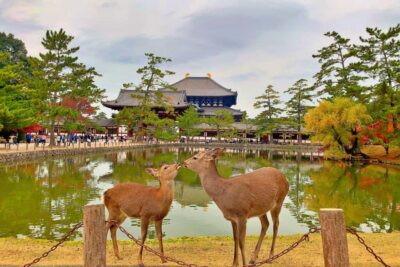
Osaka/Kyoto:Kinkakuji,Arashiyama,FushimiInariShrine,NaraPark
Read our review →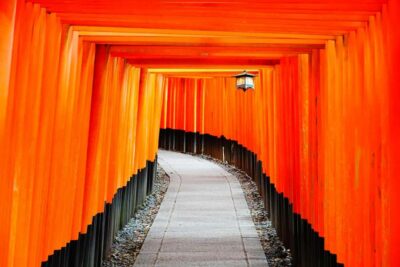
Osaka/Kyoto: Arashiyama, Nara & Fushimi Inari Shrine w/Lunch
Read our review →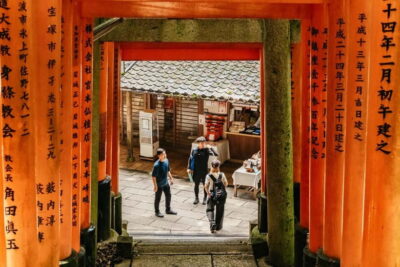
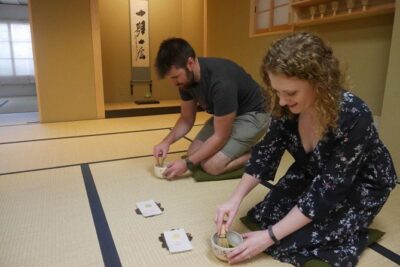
Kyoto Tea Ceremony & Kiyomizu-dera Temple Walking Tour
Read our review →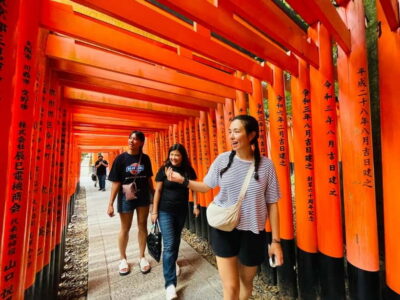
Fushimi Inari Shrine and Tofukuji Temple E-Bike Tour
Read our review →
Early Morning Fushimi Inari Shrine – Beat the Crowds
Read our review →
Kyoto kiyomizu Temple : Maiko and Samurai Couple Photoshoot
Read our review →Browse the lists this tour appears in