
Review · OSAKA
Osaka: Minoh, Katsuoji Temple, & Minoh Falls Full-day Tour
Osaka has a quiet side. This six-and-a-half-hour outing leaves the city behind for Katsuoji Temple, its cheerful Daruma dolls, and the wooded paths of Minoh. I like the mix of culture and nature, and I like that you reach the area by ordinary trains and buses rather than sitting in a tour coach. The main drawback is clear: you need comfortable shoes, steady footing, and the energy for a full day outdoors.
I also like the calm pace. You get real time at the temple, a break beside the 33-metre waterfall, and a mostly gentle walk back toward the station. Guides such as Warren, Adam, and Justin have been praised for explaining local customs, helping with photos, and adjusting the pace. Still, this is not a good choice for wheelchair users or anyone who finds steps, slopes, and extended walking difficult.
Key points to know before booking
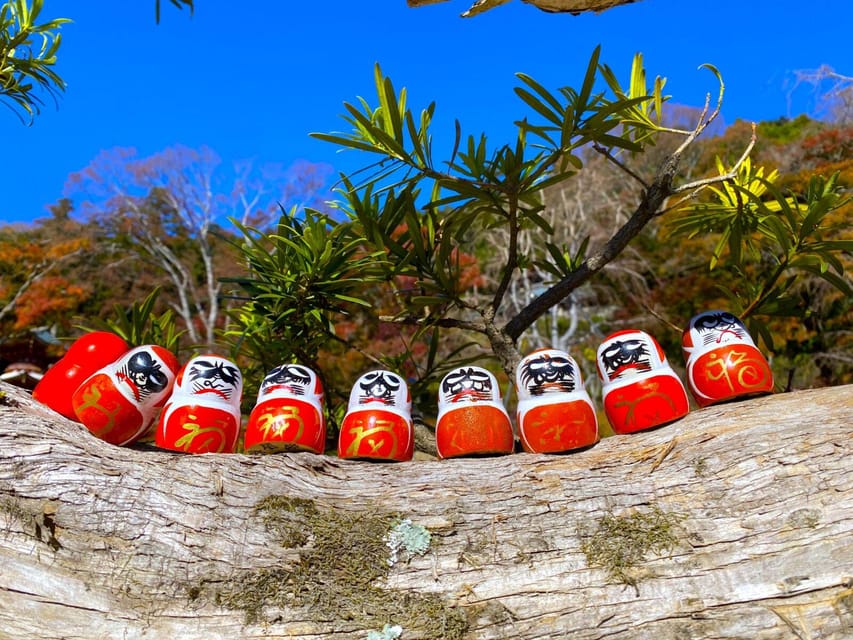
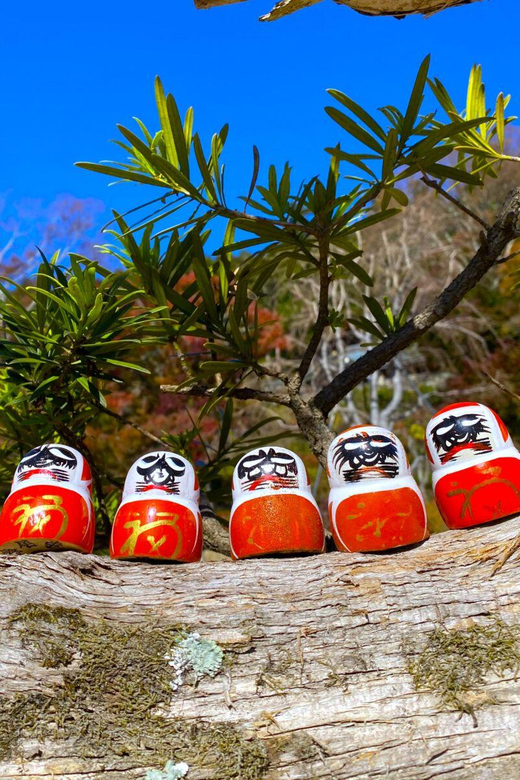
- Katsuoji’s Daruma dolls: Hundreds of red good-luck figures appear around the temple grounds, making this far more than a standard temple visit.
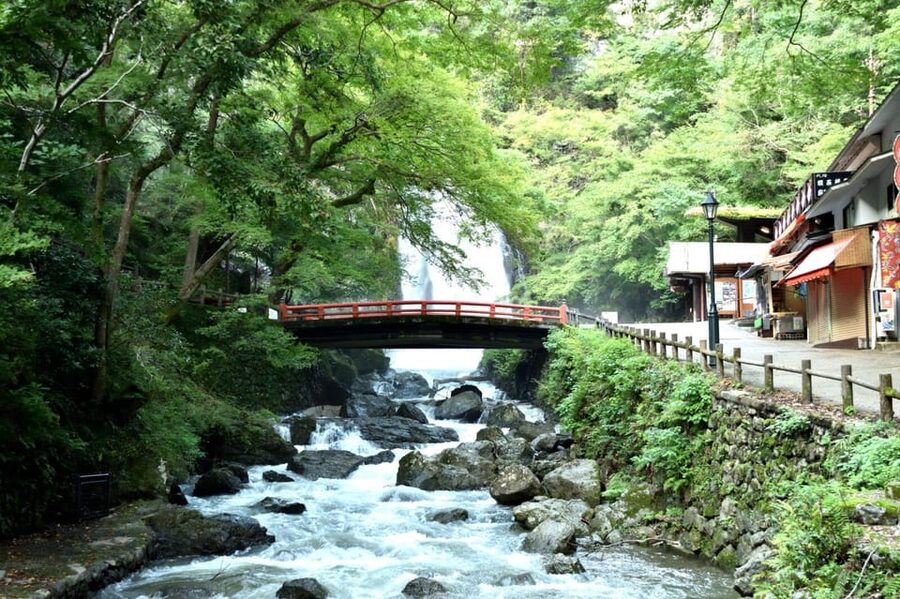
- A 33-metre waterfall: Minoh Falls gives you a peaceful place to rest and eat your own lunch, with the sound of water doing most of the talking.
- Public transport from Osaka Station: Trains, buses, and a short taxi ride are part of the day, so you see how local transport works while avoiding the stress of route planning.
- A mostly gentle return walk: The route from the falls toward the station follows the river valley, with much of the walk described as flat or only gently sloped.
- Seasonal scenery: Autumn colour is a major draw, while summer brings shade but also heat and humidity. Rain can change the feel of the day.
- An English-speaking guide: Warren, Adam, Justin, Joel, and others have been praised for cultural explanations, patience, humour, and practical help.
Leaving Osaka by train and bus
The tour begins at Akatsuki Plaza on the first floor of the North Gate Building inside JR Osaka Station. The meeting area is just north of the Central Exit ticket gates, near the North Central Exit. Look for the SNOW MONKEY RESORTS sign and the broad open space with escalators on both sides. Stay on the first floor rather than going up.
This location is useful but JR Osaka Station can feel like a small city of its own. If you come from the Midosuji Subway Line, follow signs for JR Osaka Station, then head toward the Central Exit. Once you reach the ticket gates, walk north toward Yodobashi Camera. Allow extra time to find the plaza, especially if you are carrying luggage or arriving during the morning rush.
The first ride takes about 40 minutes by subway or metro, followed by roughly 25 minutes by bus. This is part of the experience, not dead time. You see the city thin out and get a practical lesson in Osaka’s efficient public transport. The guide handles the route, transfers, and meeting points, which is valuable if reading Japanese station signs is not your strength.
You should still pay attention when the group changes vehicles. This is a public transport tour, not a private bus excursion. Trains and buses can be crowded, and the exact timing may change with weather or transport conditions.
More Full-Day Tours in Osaka:
- Kyoto: Full-Day English Guided Tour of Kyoto’s Highlights
★ 4.5 · 656 reviews - Full Day Kyoto Tour : Bamboo Forest, Golden Temple, Fushimi Inari
★ 5.0 · 84 reviews - Siem Reap: Full-Day Angkor Wat Guided Tour with Sunset
★ 4.9 · 3,803 reviews
Katsuoji Temple and its sea of Daruma
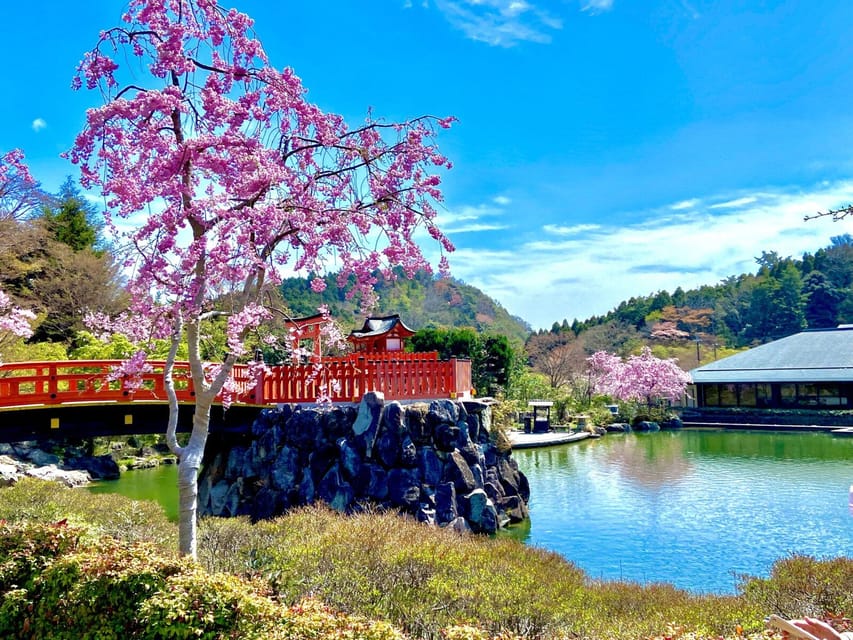
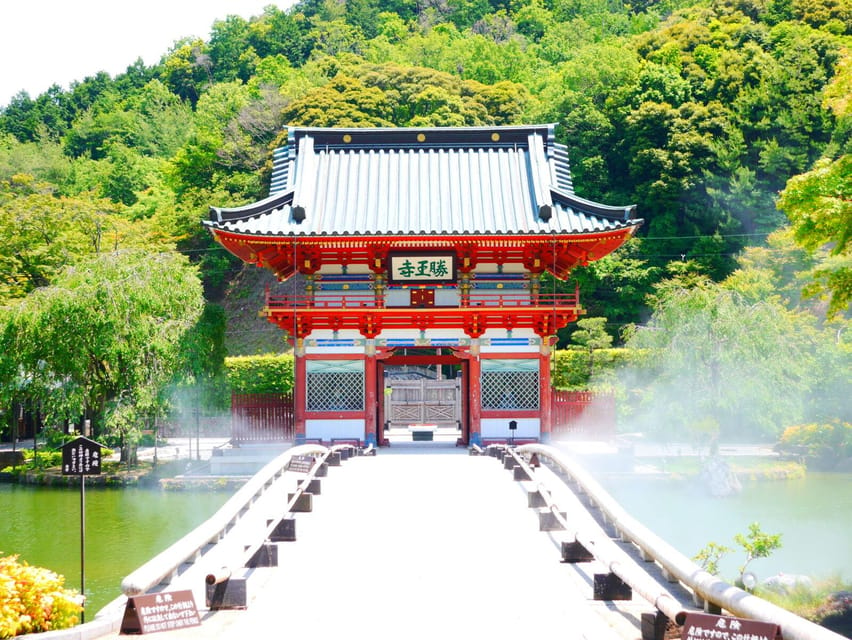
Katsuoji is the cultural heart of the day. The temple dates back to the Nara period and sits among gardens, water, bridges, and seasonal flowers. It has the peaceful setting you hope for when you leave Osaka’s city centre, but the Daruma figures give it a playful twist.
Daruma dolls symbolize perseverance and good luck. Their round bodies and determined faces appear throughout the temple grounds, tucked into gardens, arranged on steps, and placed in small clusters. The result is memorable without feeling like a staged attraction. You can also buy your own Daruma as a personal reminder of a goal or as a small gift.
A guide adds real value here. The dolls are easy to photograph, but the symbolism is less obvious if you are exploring alone. Warren and Adam have been praised for explaining Buddhist and Shinto ideas in clear, relaxed English. Other guides, including Justin and Joel, have also been singled out for patience, humour, and careful attention to the group.
Plan on about two hours and 15 minutes at Katsuoji. That is enough time to see the main grounds without racing from one photo stop to the next. You can look at the architecture, walk beside the pond, cross the bridge, inspect the Daruma displays, and take in the surrounding hills.
There are also small details to watch for. One visitor enjoyed collecting a handwritten goshuin stamp and finding layered stamps around the temple grounds. These are the sorts of details a guide can point out, though you should treat them as optional purchases or souvenirs rather than included features.
The temple is particularly attractive in autumn, when changing leaves frame the grounds. Spring and other flower seasons can also add colour. In summer, the setting remains peaceful, but heat and humidity can make the outdoor time feel longer. Rain does not cancel the charm, though it will affect photos and footing.
The short ride to Minoh Falls
After Katsuoji, the group takes a taxi for about 10 minutes to Minoh Falls. The short ride is welcome because it links two separate parts of the area without forcing you to walk a long road between them.
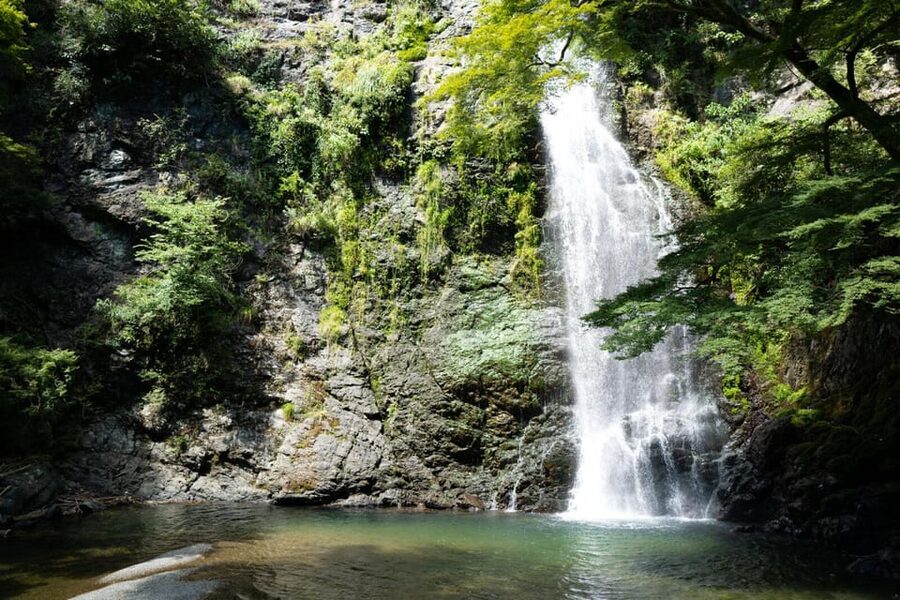
Minoh Falls drops 33 metres into a wooded setting. It is not the largest waterfall you will ever see, but its appeal is the combination of water, trees, rocks, and quiet. The stop gives the day a slower rhythm after the temple visit.
You have about an hour with the guide at the falls. There is time to sit, take photos, listen to the water, and eat your own lunch. Food and drinks are not included, so bring something with you or follow the guide’s suggestions for snacks and lunch. One useful local treat mentioned during the day is tempura maple leaves, a Minoh specialty that some visitors enjoy trying.
This is not a formal restaurant stop. Your lunch break is more casual, and the available seating or exact place to eat may depend on conditions. If you prefer a substantial meal, plan ahead rather than relying on the tour to provide one.
The falls can feel very different by season. Autumn brings colour and higher visual appeal, while summer offers a green, shaded break from Osaka but can be hot. Rain can make the waterfall feel more dramatic, yet you will need proper rain protection and care on wet paths.
The river walk through Minoh Park
The most enjoyable part of the day for many people is the walk from Minoh Falls toward Ryuan-ji and the station. The guided walking section lasts about 50 minutes, although the full route back includes additional time and transport.
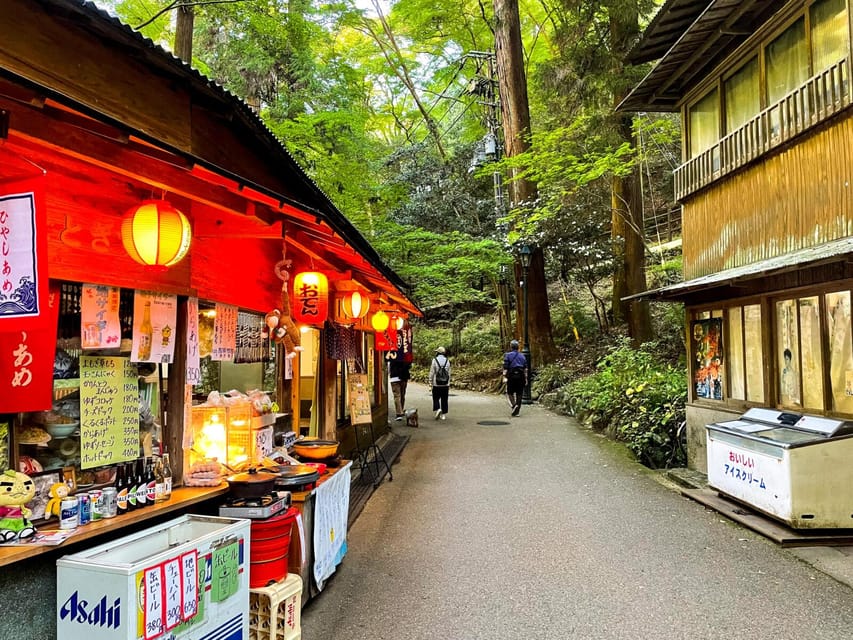
The path follows the river through Minoh Park. You will pass water flowing over rocks and boulders, forested slopes, and several spots where it is worth stopping for a photograph. The route is described as mostly flat, with gradual rises and falls rather than a hard mountain hike. That makes it manageable for many people who are comfortable walking for several hours.
Do not confuse manageable with effortless. The day includes steps, uphill sections, outdoor standing, and a sustained walk. A guest with leg problems was able to take part with frequent rest stops, thanks to a patient guide, but the official guidance says the tour is not suitable for people with mobility impairments or wheelchair users. You should take that warning seriously.
Ryuan-ji adds another cultural stop to the forest walk. The combination works well: Katsuoji gives you the major temple visit, Minoh Falls gives you the natural highlight, and Ryuan-ji helps connect the two through a quieter local setting.
There are plentiful toilet stops along the route, which is reassuring on a six-and-a-half-hour outing. You will also have free time during parts of the day. The guide explains when and where to meet, but you need to keep track of those instructions. If you get separated, call the tour provider immediately.
A few more temple visits around Osaka worth a look
- Osaka Temple Cool Foot Bath & Matcha Experience〈45min〉
★ 4.9 · 82 reviews - Osaka: Mind & Spirit Balance Temple Reiki Healing
★ 5.0 · 41 reviews - Osaka: Minoh Waterfall & Katsuo-ji Temple Half-Day Tour
★ 4.7 · 27 reviews - Osaka: Temple Tour and Traditional Calligraphy Lesson
★ 4.9 · 24 reviews
What the guides add to the day
The guide may be the difference between a pleasant outing and a genuinely useful one. Public transport gets you to Minoh, but the guide gives context to the temple, Daruma tradition, religious customs, local food, and the surrounding park.
Warren receives especially strong praise for being well informed, relaxed, funny, and attentive. Adam is also praised for adjusting the pace, helping with photos, and remaining calm in difficult weather. Justin is described as easygoing and helpful, while Joel is praised for patience and clear explanations.
These details matter if you are travelling alone or in a small group. One solo visitor appreciated having help with photos. Small groups can also feel almost private when demand is low, while a busier departure will naturally involve more waiting and group coordination.
The best guide style here is not a nonstop lecture. The strongest feedback describes guides who notice when people need a break, read how much explanation the group wants, and allow time to enjoy the setting. That suits this tour, since rushing through a forest path would defeat the purpose.
Is $135 good value?
At $135 per person, this is not the cheapest way to visit Minoh. You could arrange public transport and visit the area independently for less. The question is what you are paying to avoid.
The price includes admission fees, public transportation, and an English-speaking guide. You are also paying for a carefully connected day that combines a temple, a waterfall, a river walk, and a second temple without having to work out each transfer yourself.
That matters in Osaka, where station layouts and private railway connections can be confusing. You do not need to decide which bus to take after Katsuoji, find the taxi connection, or work out the best route back from Minoh. The guide also adds cultural background that signs alone may not provide.
Food and drinks are extra. If you already enjoy planning Japanese transport and researching temples, the price may feel high. If you value a relaxed day with local context and clear logistics, the cost is easier to justify. A 4.9 rating from 172 bookings also suggests strong satisfaction, particularly with the guides and pacing.
Who should book this Osaka day trip?
I would recommend it to you if you want a break from Osaka’s dense city centre and prefer a day that mixes culture with outdoor scenery. It suits people who enjoy temples but do not want to spend the entire day inside formal religious sites.
It is also a good match for solo visitors, couples, and small groups who want help with transport. The guide can answer questions, explain customs, help take photos, and keep the day moving without turning it into a race.
Families may enjoy the Daruma figures and waterfall, but the adult pace and walking demands still matter. One guide received praise for being patient and helpful with a child, though the tour is not described as specifically designed for young children.
Autumn is the most obvious choice if changing leaves are your priority. Summer can work well if you carry water, sun protection, and a hat. Rain protection is essential at any time of year because several hours are spent outside.
Wear shoes with good grip and clothing suited to the weather. Bring water, sunshade, rain protection, and money for food, drinks, Daruma dolls, goshuin, or local snacks. The tour is moderate rather than extreme, but you should not arrive expecting a short stroll.
Should you book it?
Book this tour if you want a well-organized escape from Osaka with Daruma-filled temple grounds, a waterfall break, and a scenic walk through Minoh Park. Its strongest points are the guides, the relaxed pace, and the way the transport links several places that would take more effort to arrange alone.
Skip it if you dislike public transport, need step-free access, or want a private vehicle and a short sightseeing day. For most active visitors, though, the $135 fee buys more than admission and transport. It buys a calm route through a quieter part of Osaka, with enough explanation to make the places feel meaningful rather than simply photogenic.
FAQ
How long does the tour last?
The tour lasts 390 minutes, or about six and a half hours. The day includes transport from Osaka Station, time at Katsuoji Temple, Minoh Falls, Ryuan-ji, and the return train.
Where does the tour meet?
Meet at Akatsuki Plaza on the first floor of the North Gate Building inside JR Osaka Station. It is north of the Central Exit ticket gates and near the North Central Exit. Look for the SNOW MONKEY RESORTS sign.
How do I find Akatsuki Plaza from the Midosuji Subway Line?
Follow signs toward JR Osaka Station, then head to the Central Exit. Walk straight north toward Yodobashi Camera after reaching the Central Exit area. Akatsuki Plaza is on the first floor, with escalators on both sides.
What transportation does the tour use?
The tour uses public trains and buses, followed by a short taxi ride from Katsuoji Temple to Minoh Falls. The return to Osaka Station is by train.
Is lunch included?
No. Food and drinks are not included. You can bring your own lunch and eat near Minoh Falls, and the guide may provide suggestions for local food and snacks.
How much walking is involved?
The tour includes moderate walking, outdoor time, steps, and some uphill or downhill sections. The walk from Minoh Falls toward the station is generally gentle, with much of it described as flat or gradually sloped.
Is the tour suitable for wheelchair users?
No. The tour is not suitable for wheelchair users or people with mobility impairments. Anyone with limited walking ability should consider the steps, slopes, public transport, and extended time outdoors.
What language is the tour conducted in?
The tour is conducted in English by a live English-speaking guide.
Just added around Osaka
- Osaka Temple :Warm Bamboo Oil Massage – Deep Restore〈60min〉★ 4.9 · 19 reviews
- Osaka Temple :Warm Bamboo Oil Massage – Deep Restore〈90min〉★ 5.0 · 14 reviews
- Osaka: Sumiyoshi, Osaka’s Most Iconic Shrine – Private Tour★ 4.7 · 4 reviews
- Osaka: Temple Tour and Traditional Calligraphy Lesson★ 4.9 · 24 reviews
- Osaka: Private Tour of Shitennoji, Osaka’s Oldest Temple★ 4.5 · 6 reviews
- Osaka Temple Head Spa &Matcha Facial – Refresh & Glow〈90min〉★ 5.0 · 24 reviews
- Osaka: Mind & Spirit Balance Temple Reiki Healing★ 5.0 · 41 reviews
- Osaka Morning Tour: Shitennoji Temple, Shinsekai &Doutonbori★ 5.0 · 23 reviews
Osaka Temple Tours, compared.
Full-Day English Guided Tour of Kyoto’s Highlights
Read our review →Full Day Kyoto Tour : Bamboo Forest, Golden Temple, Fushimi Inari
Read our review →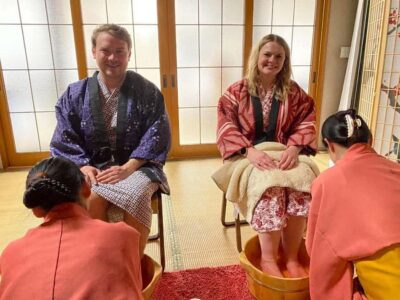
Osaka Temple Cool Foot Bath & Matcha Experience〈45min〉
Read our review →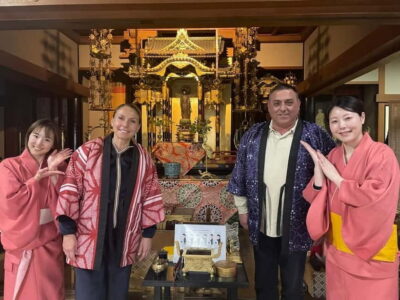
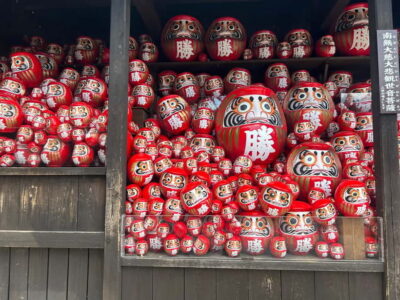
Minoh Waterfall & Katsuo-ji Temple Half-Day Tour
Read our review →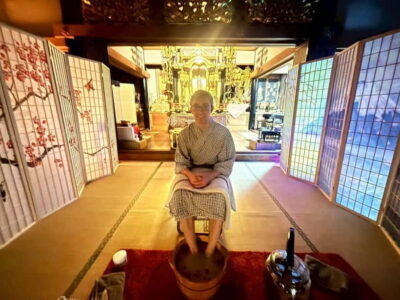
Osaka Temple Head Spa &Matcha Facial – Refresh & Glow〈90min〉
Read our review →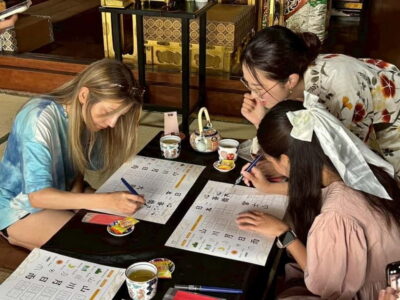

Osaka Morning Tour: Shitennoji Temple, Shinsekai &Doutonbori
Read our review →Browse the lists this tour appears in