
Review · OSAKA
Osaka Temple Cool Foot Bath & Matcha Experience〈45min〉
Let tired feet become part of the ritual. This 45-minute Osaka temple experience pairs a traditional tea ceremony with a cooling foot bath, light massage, incense, meditation, and a yukata photo. I like the calm setting and the way the hosts explain worship and matcha instead of simply putting on a show. The main drawback is the short schedule, so the foot bath, tea lesson, and temple customs move at a fairly brisk pace.
At $34 per person, I see this as a good-value cultural stop, especially after a full day on foot. You get matcha, wagashi sweets, matcha ice cream, a foot scrub massage, photos taken on your smartphone, and time in traditional clothing. The meeting point can vary by booking option, so check your reservation carefully before setting out.
Five details that make this Osaka experience special
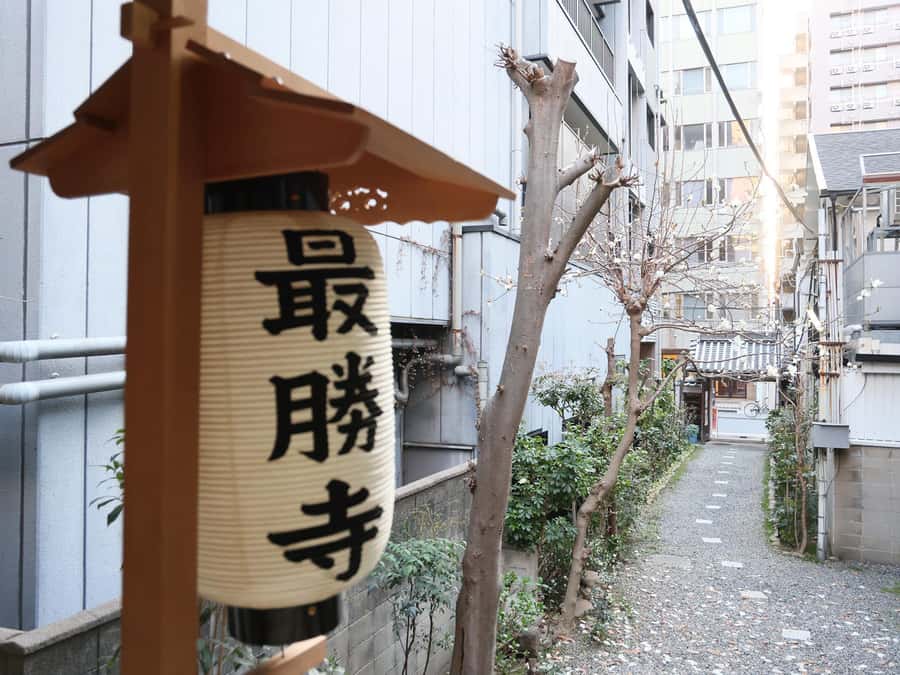
- A temple setting gives the tea ceremony a quieter mood than a standard café demonstration.
- The foot bath includes a light scrub massage, making this part cultural lesson and part travel recovery plan.
- You learn worship customs, including incense offering, kneaded incense, and meditation.
- Matcha comes with wagashi and matcha ice cream, giving you several ways to taste Japanese tea culture.
- The hosts take photos on your smartphone, including a commemorative picture in a yukata.
- The experience is available in Japanese and English, with reserve-now, pay-later booking and free cancellation up to 24 hours before the start.
Why 45 minutes can work well in Osaka
Osaka rewards a full schedule. You may spend the morning in a market, the afternoon around a shopping district, and the evening looking for dinner. That pace is fun, but your feet eventually ask for a vote.
This activity works because it offers a short pause without taking half a day. In 45 minutes, you get a taste of temple customs, a foot bath, a tea lesson, sweets, and photographs. It is not a long formal tea school or an extended religious retreat. Think of it as a compact introduction with a practical comfort break built in.
I especially like this format for a first day in Osaka. You can use it as a gentle cultural introduction before you understand all the small rules surrounding Japanese worship and tea. It also suits the end of a busy sightseeing day, when sitting still begins to feel like an attraction in its own right.
The pace has one clear tradeoff. You should not expect long periods of silence or a detailed study of every tea utensil. The hosts need to guide you through several activities, so each part gets a sensible but limited amount of time.
A few more temple visits around Osaka worth a look
- Osaka: Minoh, Katsuoji Temple, & Minoh Falls Full-day Tour
★ 4.9 · 172 reviews - Full Day Kyoto Tour : Bamboo Forest, Golden Temple, Fushimi Inari
★ 5.0 · 84 reviews - Osaka: Mind & Spirit Balance Temple Reiki Healing
★ 5.0 · 41 reviews
Entering the temple and learning how to worship
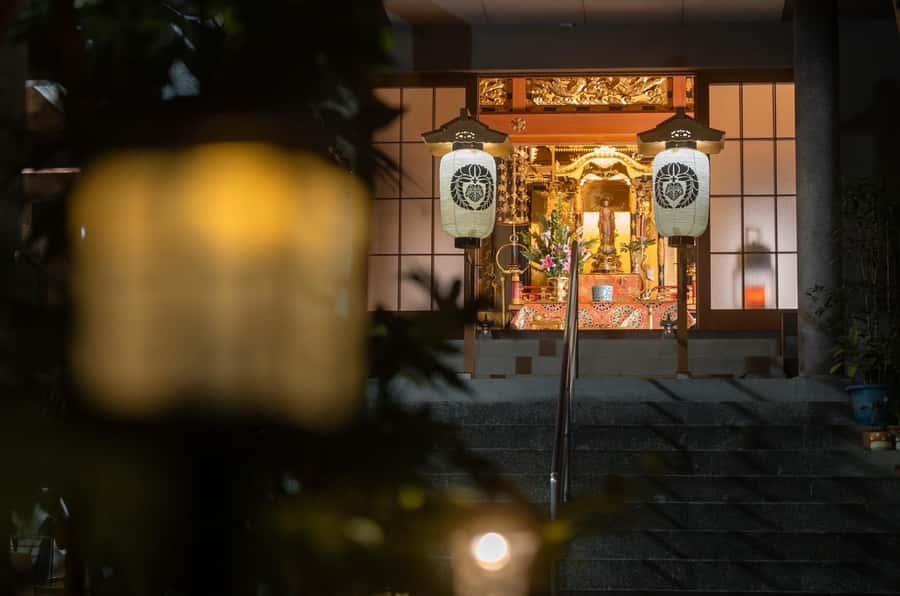
The experience begins with an explanation of the temple and the act of worship. That matters because many visitors see incense, offerings, and gestures at Japanese temples without knowing what they mean. Here, those actions are part of the activity rather than background scenery.
You take part in worship and an incense offering. You also learn about applying kneaded incense and meditation. These simple steps give the visit a more thoughtful shape. Instead of only looking at a beautiful religious space, you receive guidance on how to behave there and why these customs matter.
I appreciate that the temple portion is not treated as decoration for a tea class. It gives context to the quiet mood that follows. The experience asks you to slow down, pay attention, and let the setting do some of the work.
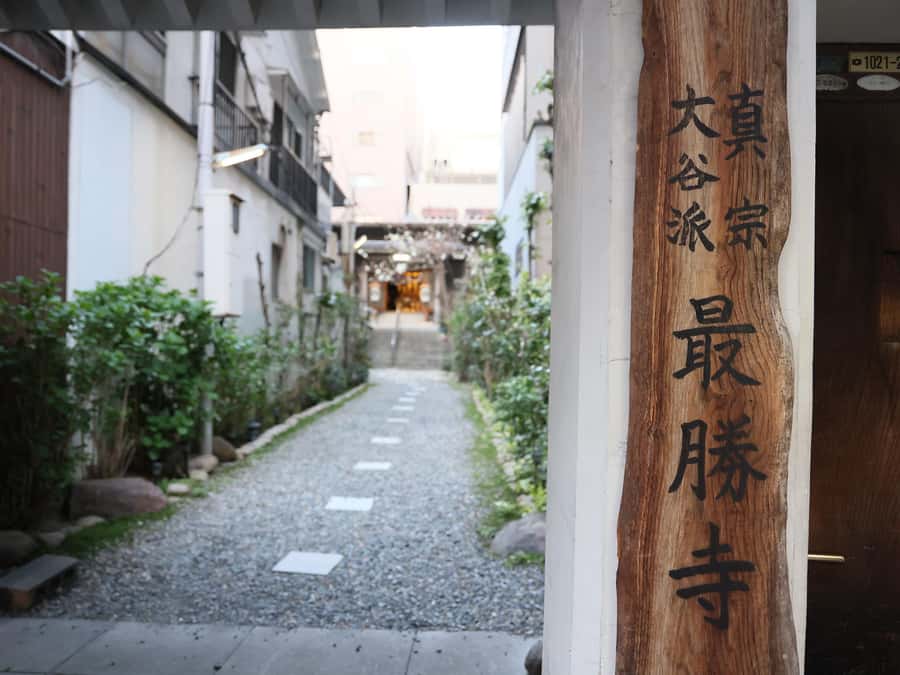
The details of the exact temple and meeting point depend on the option you book. Since the start location may vary, read the booking information carefully. The activity ends back at the meeting point, which makes planning the next stop easier.
The cooling foot bath and scrub massage
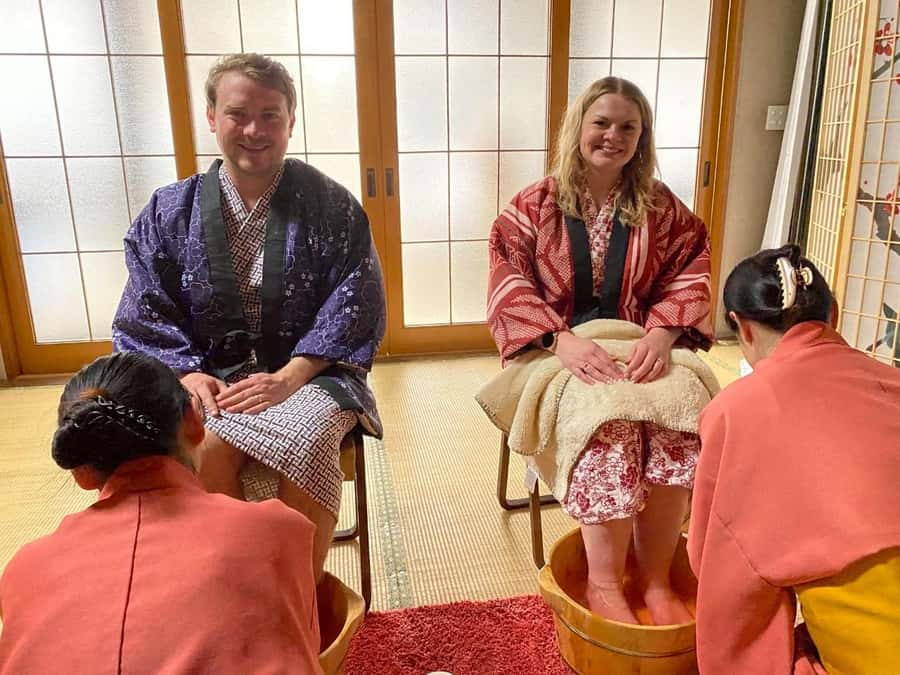
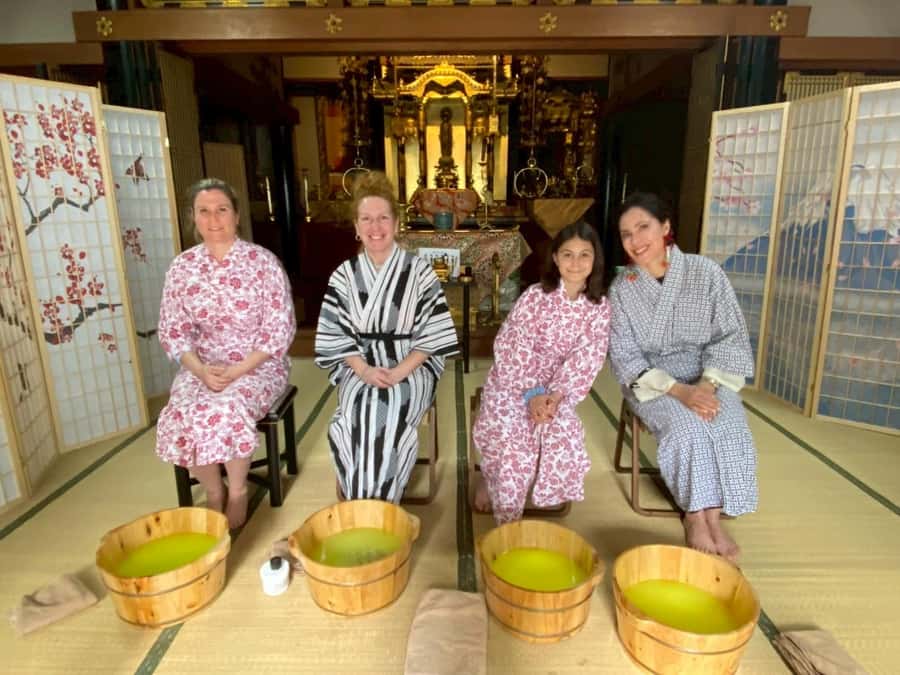
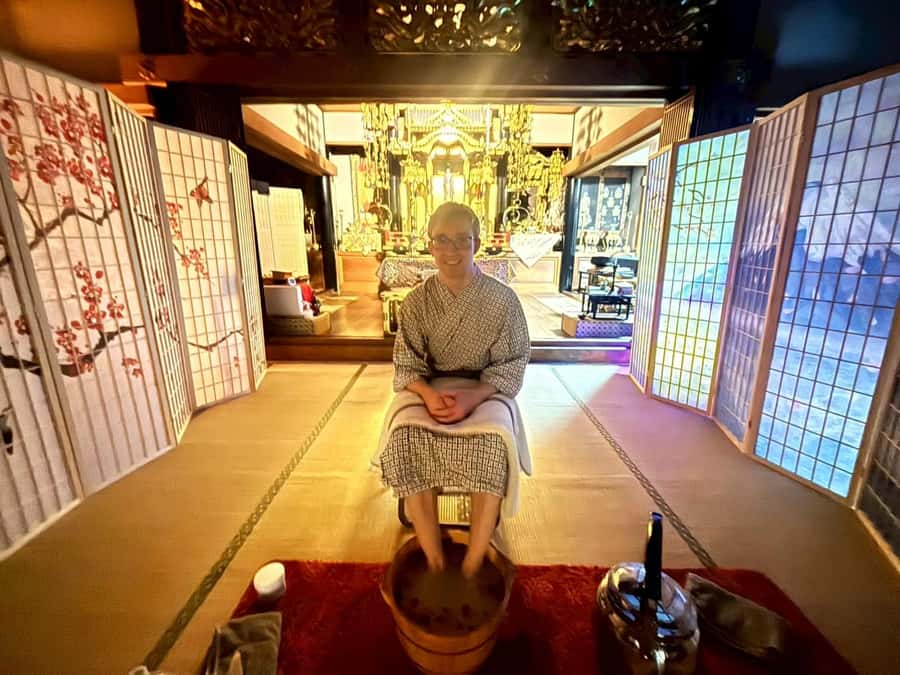
The foot bath is the most practical part of the experience. You sit with your feet in cool water while receiving a little massage and scrub treatment. After hours of walking through Osaka, that can feel better than another cup of coffee.
The treatment is light, not a full spa massage. That distinction is important. You are getting a brief foot refresh as part of a cultural activity, not a long professional massage appointment. The soothing effect comes from the water, the attention to your feet, and the calm setting.
Several parts of the experience work together here. First, the temple visit settles your mind. Then the foot bath gives your body a chance to relax. After that, making and tasting matcha feels less like rushing through a demonstration and more like a quiet shared activity.
If you have been walking 20,000 steps a day, this is the section you will likely value most. It is also a smart choice for couples or friends who want an activity that does not demand more sightseeing energy. The foot bath may be less appealing if you prefer a full-length spa treatment or do not enjoy having your feet handled.
Matcha, wagashi, and the pleasure of doing it yourself
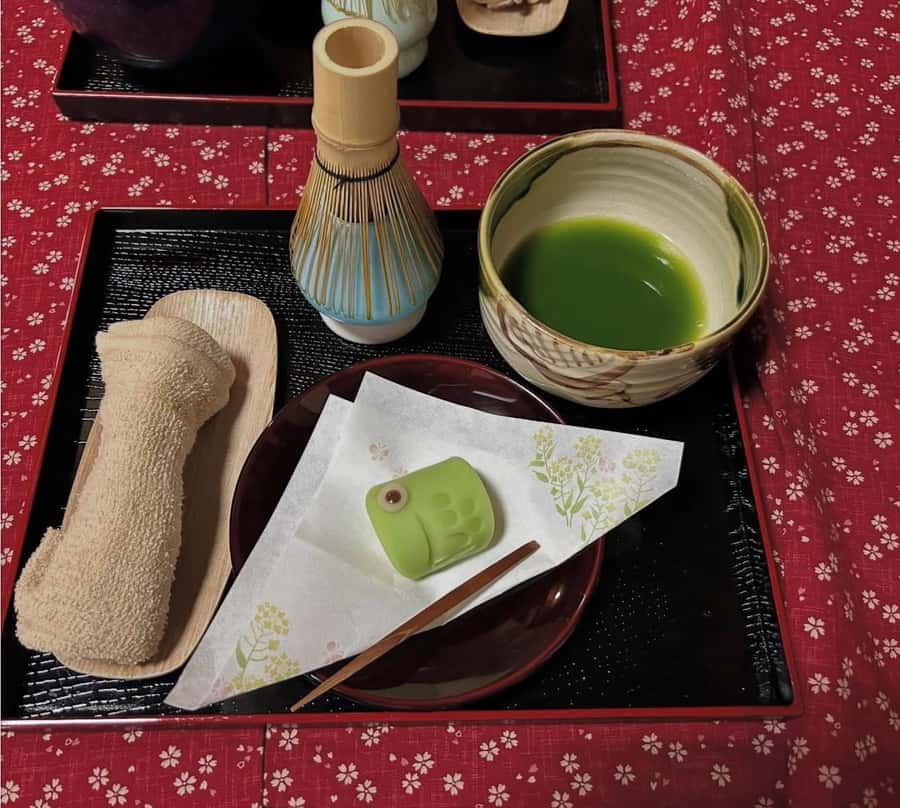
The tea portion introduces you to the flavor and method of matcha. You do not simply receive a prepared drink. You learn how to make it yourself, with the hosts explaining the process and helping you along.
That hands-on element gives the tea a little more meaning. Matcha can taste unfamiliar if you expect the sweetness of ordinary tea. The preparation helps you understand why the powder, water, whisking, bowl, and movements all matter.
Wagashi, the small traditional Japanese sweets served with tea, balance the earthy taste of matcha. The sweets are not just an extra snack. In a tea setting, they help prepare your palate for the drink. One visitor found the traditional dessert memorable enough to become a personal favorite, which makes sense if you enjoy trying foods with a strong connection to place.
The experience also includes matcha ice cream. That offers an easier introduction for anyone who finds straight matcha too bitter or grassy. You get both the classic drink and a cooler, sweeter version.
The hosts are friendly and encouraging. Yuiitsumuni is praised for guiding the full session, while Yumi and Vanessa are also named among the welcoming hosts. One playful comment wished Vanessa could whisk faster, which tells you that the tea-making portion is interactive rather than rushed past you.
Do not worry about performing every movement perfectly. The point is to learn the basic process, notice the flavor, and enjoy the calm. If you are interested in Japanese tea culture, this brief lesson gives you a useful foundation without requiring a full formal ceremony.
Same place, a different morning at the gates:
- Kyoto: Full-Day English Guided Tour of Kyoto’s Highlights
★ 4.5 · 656 reviews - Osaka: Minoh Waterfall & Katsuo-ji Temple Half-Day Tour
★ 4.7 · 27 reviews - Osaka: Temple Tour and Traditional Calligraphy Lesson
★ 4.9 · 24 reviews - Osaka Temple Head Spa &Matcha Facial – Refresh & Glow〈90min〉
★ 5.0 · 24 reviews
Yukata clothing and smartphone photographs
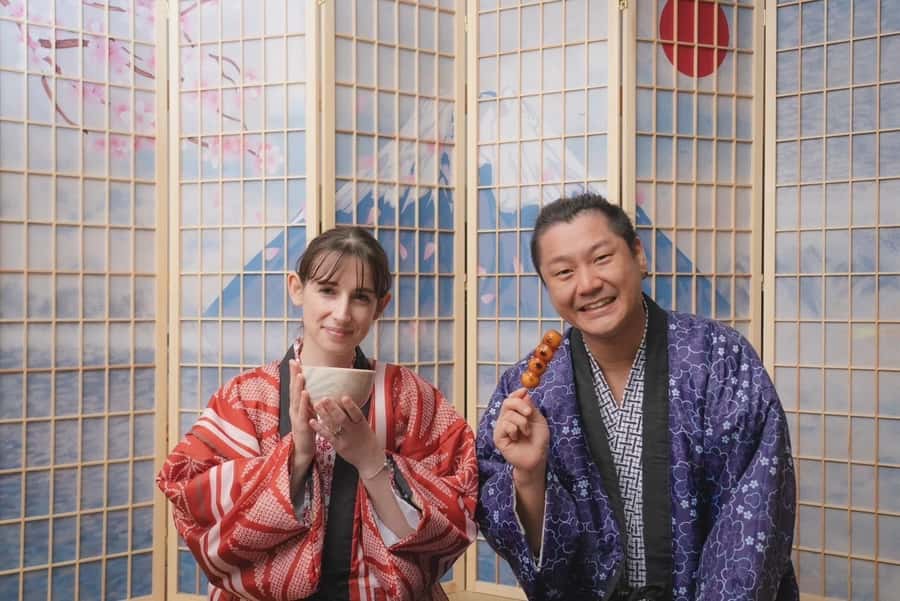
A yukata adds a visual memory to the visit. You learn how to wear this traditional robe, then have a commemorative photo taken. The hosts also take photographs with your smartphone and give them to you.
That service is more useful than it may sound. Temple and tea experiences often create good memories but leave you with few pictures because someone has to stay behind the camera. Here, you can take part without asking another visitor to photograph the moment.
The photographs are made with your own phone, so you already have the files with you. You will want to make sure your phone has enough battery and storage, even though the activity does not specify how many pictures you receive.
The yukata element also gives the tea ceremony a more personal feel. You are not only watching a tradition from the outside. You are dressing for the occasion, learning a little about the clothing, and leaving with a picture that records the setting.
Still, this is a short cultural session, not a dedicated photography experience. If your priority is a long series of professional portraits, you may find the photo portion modest. If you simply want a keepsake from Osaka, it delivers nicely.
What the $34 price includes
At $34 per person, the cost is reasonable for the number of pieces packed into 45 minutes. You receive:
- Matcha
- Wagashi
- Matcha ice cream
- A cooling foot bath
- A light foot massage and scrub
- Worship and incense offering
- Kneaded incense and meditation
- Yukata use for a commemorative photo
- Photos taken with your smartphone
The value is strongest when you want several small experiences in one place. A tea lesson alone might appeal to you, but the addition of the temple customs, foot treatment, sweets, and photo makes the price easier to justify.
It is also good value for an arrival day or a rainy-day plan, provided the experience fits your schedule. You do not need to spend hours moving between attractions. The activity gives you cultural context and a physical break in one compact booking.
The price is less attractive if you want only a serious tea ceremony. In that case, you may prefer an activity built around a longer, more formal presentation. This experience is broader and more relaxed, with wellness and hospitality sharing the stage with the tea.
Who will enjoy this most
I would recommend it most strongly to:
- First-time visitors who want a clear introduction to temple customs
- Couples looking for a calm shared activity
- Friends who need a break after heavy sightseeing
- Anyone curious about matcha but unsure how it is prepared
- Visitors who want a yukata photograph without booking a full photo session
- People who enjoy small cultural experiences with food and hands-on instruction
Families may also appreciate the variety, though the available information does not specify age requirements or child pricing. For that reason, check the booking details before reserving for children.
This is not the best match for someone seeking a long meditation session, an extensive temple tour, or a full spa treatment. It is also not designed as a major sightseeing excursion. Its strength is the combination of several gentle activities in a short, organized visit.
Practical timing and booking advice
The experience lasts 45 minutes, so arrive ready to begin. Since the meeting point may differ by booking option, confirm the exact start location rather than assuming every departure uses the same place.
You can reserve and pay later, which helps if your Osaka schedule is still changing. Cancellation is free up to 24 hours in advance, according to the provided terms. That gives you some protection if weather, transport, or a packed sightseeing day forces a change.
The activity is offered in Japanese and English. If you want every explanation in English, select the appropriate option when booking and check that the chosen time supports it.
Because the session includes a foot bath, meditation, tea preparation, and photos, avoid scheduling it so tightly that you must leave early. The whole point is to slow down. Give yourself enough time to reach the meeting point and stay through the final photograph.
The most praised part: calm, kind hosting
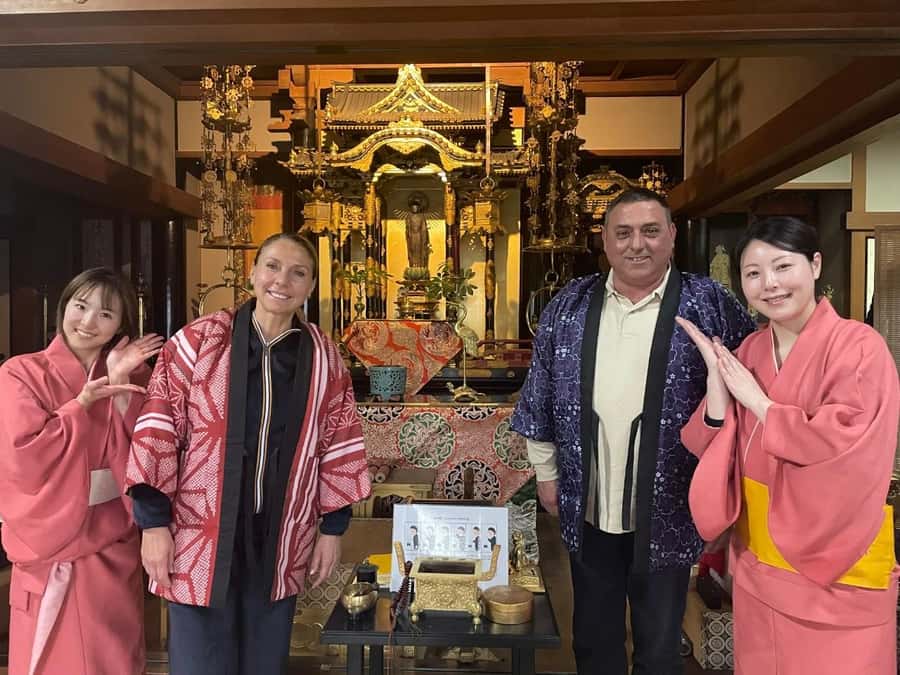
The strongest theme is the people leading the experience. The hosts are described as kind, welcoming, gracious, friendly, and professional. That matters in an activity built around unfamiliar customs.
A good host makes the difference between feeling awkward and feeling invited. You may not know how to handle incense, how to sit, how to whisk matcha, or how to wear a yukata. Clear guidance lets you participate without worrying about making a cultural mistake.
The mood is repeatedly described as tranquil and healing. I would not read that as a promise of a major wellness treatment. Instead, expect the simple relief that comes from sitting quietly, receiving a foot massage, drinking tea, and letting someone else manage the next step.
That gentle guidance also makes the activity suitable for visitors who have never attended a tea ceremony. You do not need prior knowledge. Curiosity is enough.
Should you book the Osaka temple foot bath and matcha experience?
I would book this if you want a short, friendly introduction to Japanese culture with a real comfort benefit. The combination of temple customs, matcha preparation, wagashi, matcha ice cream, foot care, yukata, and smartphone photos gives you more variety than the 45-minute length suggests.
Book it after a walking-heavy day if your feet need help. Choose it early in your Osaka stay if you want a simple introduction to worship and tea before visiting more temples on your own.
Skip it if you want a long, formal tea ceremony or an extended massage. For everyone else, $34 buys a well-rounded pause: thoughtful enough to feel cultural, relaxed enough to feel easy, and short enough to fit into a busy Osaka itinerary.
FAQ
How long does the Osaka temple foot bath and matcha experience last?
The experience lasts 45 minutes.
How much does the experience cost?
The price is $34 per person.
What is included in the experience?
It includes matcha, wagashi, matcha ice cream, worship and incense offering, kneaded incense and meditation, a cooling foot bath, a light foot massage and scrub, and photos taken with your smartphone.
Is a tea ceremony included?
Yes. You take part in a traditional tea ceremony and learn how to make matcha.
Are traditional Japanese sweets included?
Yes. Wagashi, or small traditional Japanese sweets, are included with the tea experience.
Do I get to wear a yukata?
Yes. The experience includes a commemorative photo wearing a yukata, and the hosts explain how to wear it.
What languages are available?
The experience is offered in Japanese and English.
Can I cancel or pay later?
You can reserve and pay later, with nothing due today. You can also cancel up to 24 hours in advance for a full refund.
Just added around Osaka
- Osaka Temple :Warm Bamboo Oil Massage – Deep Restore〈60min〉★ 4.9 · 19 reviews
- Osaka Temple :Warm Bamboo Oil Massage – Deep Restore〈90min〉★ 5.0 · 14 reviews
- Osaka: Sumiyoshi, Osaka’s Most Iconic Shrine – Private Tour★ 4.7 · 4 reviews
- Osaka: Temple Tour and Traditional Calligraphy Lesson★ 4.9 · 24 reviews
- Osaka: Private Tour of Shitennoji, Osaka’s Oldest Temple★ 4.5 · 6 reviews
- Osaka Temple Head Spa &Matcha Facial – Refresh & Glow〈90min〉★ 5.0 · 24 reviews
- Osaka: Mind & Spirit Balance Temple Reiki Healing★ 5.0 · 41 reviews
- Osaka Morning Tour: Shitennoji Temple, Shinsekai &Doutonbori★ 5.0 · 23 reviews
Osaka Temple Tours, compared.
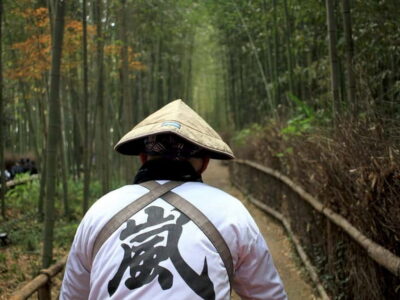
Full-Day English Guided Tour of Kyoto’s Highlights
Read our review →
Minoh, Katsuoji Temple, & Minoh Falls Full-day Tour
Read our review →Full Day Kyoto Tour : Bamboo Forest, Golden Temple, Fushimi Inari
Read our review →
Minoh Waterfall & Katsuo-ji Temple Half-Day Tour
Read our review →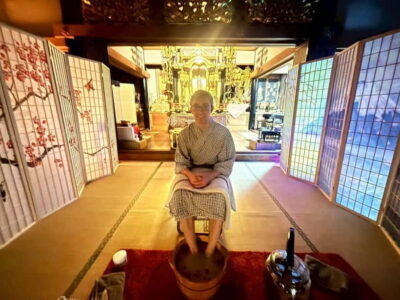
Osaka Temple Head Spa &Matcha Facial – Refresh & Glow〈90min〉
Read our review →
Osaka Morning Tour: Shitennoji Temple, Shinsekai &Doutonbori
Read our review →Browse the lists this tour appears in