
Review · OSAKA
Kyoto: Full-Day English Guided Tour of Kyoto’s Highlights
Four iconic sights, one long day. This English-guided coach tour links Fushimi Inari, Kiyomizu-dera, Kinkaku-ji, and Arashiyama, making it a practical choice when your Kyoto time is short. I like the clear route and the air-conditioned bus, especially in Kyoto’s hot, humid months. I also like that several guides, including Maki, Masa, Yumi, Jewel, and Eiko, are praised for clear instructions, useful explanations, and friendly help with photos.
The tradeoff is simple: you see a great deal, but you do not get unlimited time anywhere. Fushimi Inari and the bamboo grove can feel rushed, and the day involves a lot of walking. The bus may also feel tight for taller people, and finding the meeting point near Kyoto Station can take care if you do not study the directions in advance.
Key points to know before booking
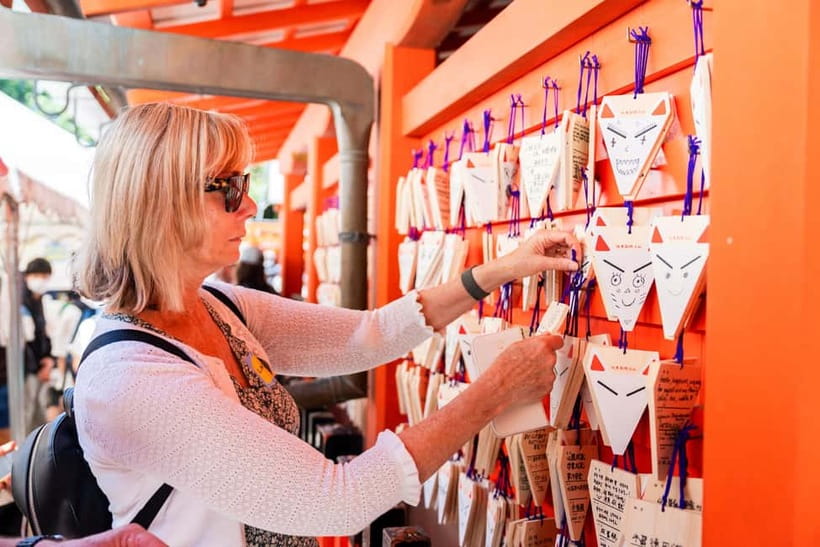
- Four major Kyoto sights: Visit Fushimi Inari, Kiyomizu-dera, Kinkaku-ji, and Arashiyama in about nine hours.
- A useful hot-weather plan: The air-conditioned coach gives you a chance to cool down between outdoor stops.
- Optional lunch and admissions: Choose the package with Japanese lunch and temple tickets if you want fewer decisions during a busy day.
- English guidance throughout: Guides such as Masa, Yuki, Toshi, Maria, Jewel, and Arthur are praised for clear commentary and patient help.
- Strict departure times: Arrive at least 10 minutes early. The coach leaves on schedule and will not wait for late arrivals.
- Best for first-time visitors: This works especially well if you have only one day for Kyoto and want the famous sights rather than a slow neighborhood walk.
What this Kyoto day tour is really designed to do
This is a sightseeing sweep, not a leisurely exploration of Kyoto. In roughly 8.5 to 9.5 hours, you move between four of the city’s best-known places, with a guide handling the route, timing, and basic cultural background.
That structure has real value. Kyoto’s major sights are spread across different parts of the city, and arranging all four by public transport in one day can be tiring. A coach takes care of the long transfers, while the guide gives you landmarks to look for and instructions for getting back to the bus.
You begin from either the Kyoto Station Hachijo Exit Tourist Bus Parking area or Osaka City Air Terminal, also called OCAT. The exact meeting point depends on the option you book. Pay close attention here. One detailed experience with the tour noted that the meeting instructions around Kyoto Station were not as clear as they could have been, and the word Avanti can refer to a hotel rather than a simple station landmark.
Arrive at least 10 minutes early. This is not a flexible hop-on, hop-off outing. The bus leaves on time, and missing it can ruin the day.
More Full-Day Tours in Osaka:
- Osaka: Minoh, Katsuoji Temple, & Minoh Falls Full-day Tour
★ 4.9 · 172 reviews - Full Day Kyoto Tour : Bamboo Forest, Golden Temple, Fushimi Inari
★ 5.0 · 84 reviews - Siem Reap: Full-Day Angkor Wat Guided Tour with Sunset
★ 4.9 · 3,803 reviews
Fushimi Inari and its endless red gates
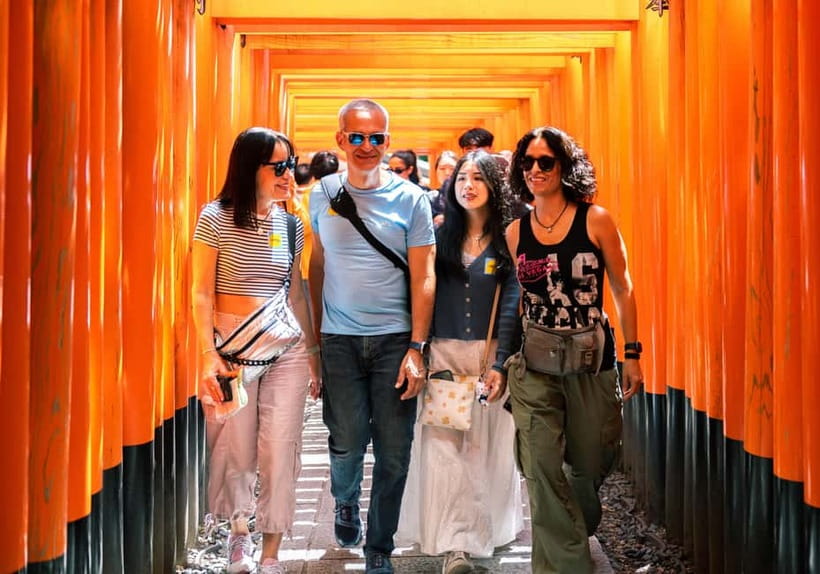
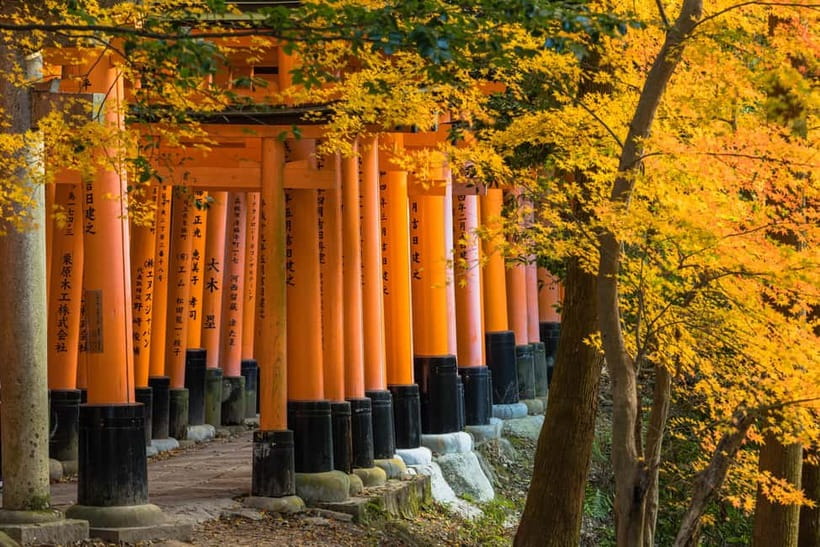
Your first major stop is Fushimi Inari Taisha, with about 80 minutes for visiting and walking. The shrine is dedicated to Inari, a Shinto deity associated with agriculture, and its famous path is lined with thousands of vermillion torii gates.
This is the tour’s most instantly recognizable walk. The gates form shaded tunnels up the hillside, creating a striking rhythm of red, black, and green. You do not need to climb the entire mountain to enjoy the experience. With the time available, you can walk far enough to see the pattern of gates and return without turning the stop into a strenuous hike.
The main limitation is time. Some people wish they had another 30 minutes here, especially because Fushimi Inari rewards slower walking and quiet pauses. Since it is first on the schedule, you may also be arriving when energy and excitement are high, so keep an eye on your watch.
Wear shoes with a firm sole. The route includes walking surfaces and slopes, and you will want to use your time for the shrine rather than worrying about sore feet.
Kiyomizu-dera, the wooden stage, and lunch
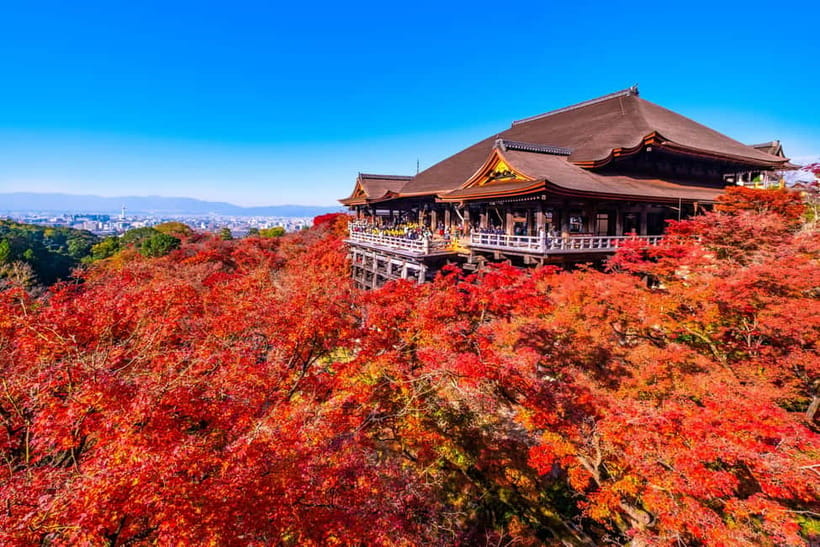
The next stop lasts about 100 minutes, making Kiyomizu-dera the longest temple visit of the day. This UNESCO-listed temple is famous for its wooden stage, which extends over the hillside and offers broad views toward Kyoto and the surrounding hills.
The stage is supported by 139 pillars and was built without a single nail. That construction is impressive, but the setting is just as important. Kiyomizu-dera combines architecture, forest, hillside paths, and a long tradition of pilgrimage in one place.
At Otowa Waterfall, three streams are said to bring different benefits: success, love, and longevity. You may drink from one stream, though the stop can be busy. The temple is also a favorite for spring blossoms and autumn leaves, when the surrounding trees add color to the visit.
The schedule includes time for lunch. If you select the lunch option, the meal is Japanese-style and several people particularly appreciate having it arranged in advance. One experience described the meal as both good and convenient, with a quieter restaurant setting away from the crowds.
At $88 per person, the lunch and admission option can make sense if it includes the entrances listed at booking. It saves you from buying tickets during a tightly timed day and gives you one less practical task to handle. Check exactly which option you select, since lunch and entry tickets are not included in every package.
There is no halal or vegan lunch option. If you need either, choose the package without lunch and bring your own food. Vegetarian requests must be made directly with the provider at least three days before departure.
Kinkaku-ji and the Golden Pavilion
Kinkaku-ji, or the Golden Pavilion, receives about 45 minutes. This is the shortest temple stop, so you should expect a focused visit rather than a long garden stroll.
The pavilion’s gold-leaf exterior reflects in the water and changes with the light. The surrounding gardens preserve Japanese designs associated with the Ashikaga shogunate, giving you more to see than the famous building alone.
The route through the grounds is orderly, and your time is mainly spent viewing the pavilion, walking through the gardens, and taking photographs. You will not have much time to sit and absorb the setting, but the stop is long enough to see the main sights if you keep moving.
This is a good place to listen carefully to the guide’s meeting instructions. The temple grounds are easy to enjoy but can be crowded, and you do not want to be searching for the bus at departure time.
Same place, a different morning at the gates:
- Osaka Temple Cool Foot Bath & Matcha Experience〈45min〉
★ 4.9 · 82 reviews - Osaka: Mind & Spirit Balance Temple Reiki Healing
★ 5.0 · 41 reviews - Osaka: Minoh Waterfall & Katsuo-ji Temple Half-Day Tour
★ 4.7 · 27 reviews - Osaka: Temple Tour and Traditional Calligraphy Lesson
★ 4.9 · 24 reviews
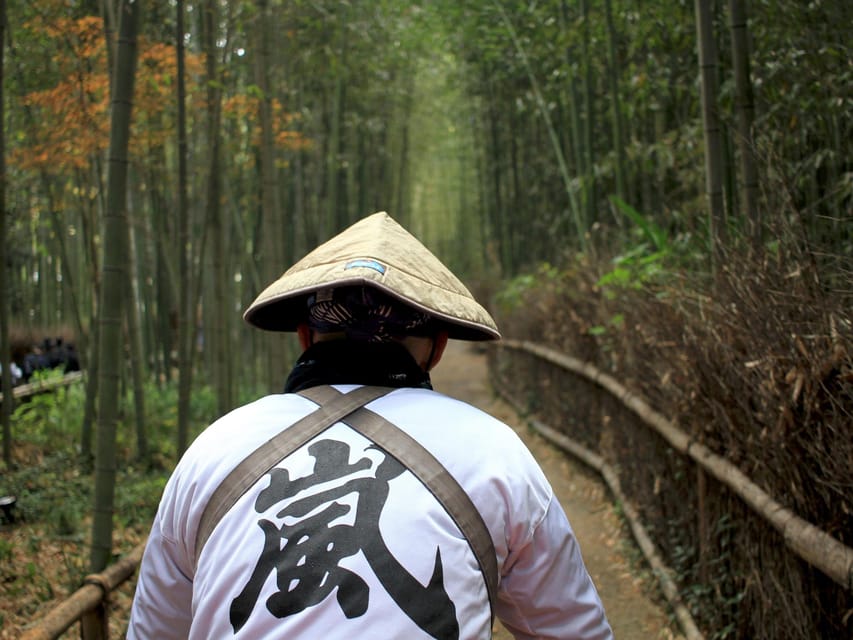
Arashiyama and the Sagano Bamboo Forest

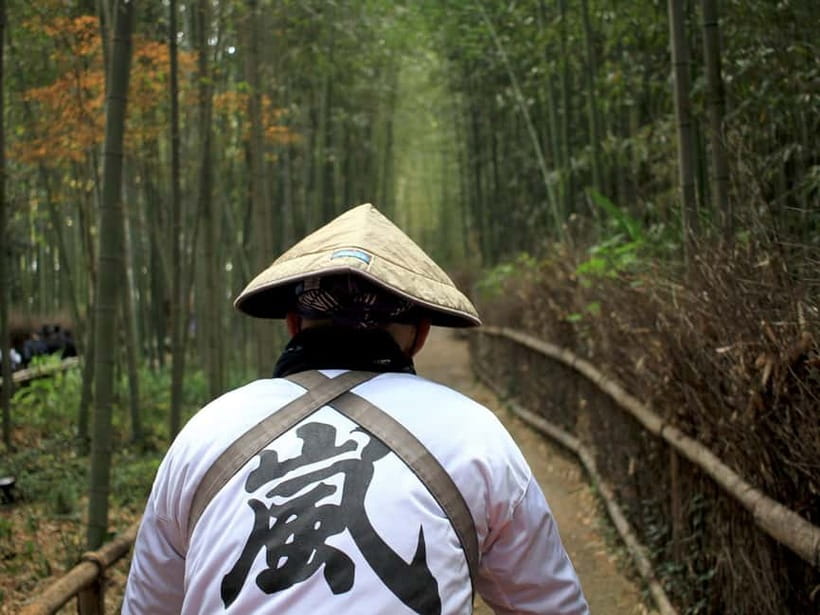
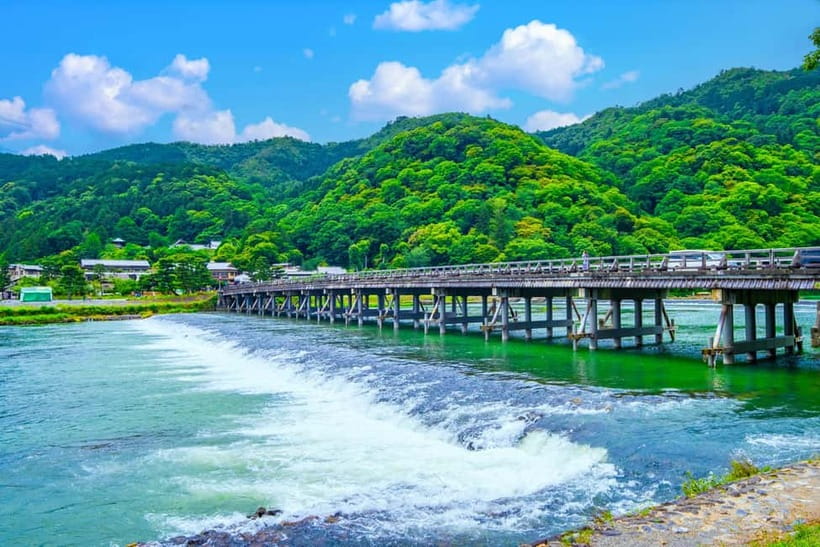
The final major stop is Arashiyama, with about 80 minutes for walking, photographs, free time, and shopping. The area has been associated with seasonal nature viewing since the Heian Period, and it feels different from the city temples earlier in the day.
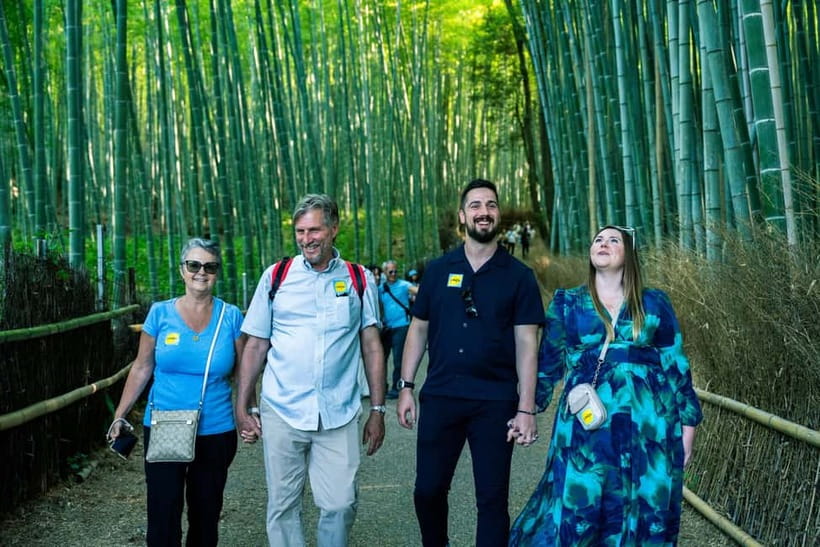
The Sagano Bamboo Forest is the headline attraction. Tall bamboo creates a cool, narrow walking route, and the rustling leaves give the place its special atmosphere. Bring insect repellent if you have it, as one outing found the bamboo area full of mosquitoes.
You can also walk toward the Katsura River, browse for snacks and souvenirs, or simply use the free time to take photographs. The schedule may allow you to catch the late afternoon light, depending on traffic and the season.
The bamboo grove is beautiful but brief on this tour. It is a public walking area, not a private nature experience, and you may find plenty of people along the path. Still, the stop gives the day a welcome change of pace after several temple compounds.
The coach ride and why it matters
The bus is one of the strongest practical reasons to choose this tour. You spend about an hour traveling toward the first sightseeing stop and about 100 minutes returning at the end, with additional transfers between sites.
The coach is air-conditioned and has Wi-Fi on board. Some experiences also note the ability to charge a phone, which is useful after taking photographs all day. On a very hot day, the bus becomes more than transport. It is your chance to sit down, cool off, drink water, and reset before the next stop.
Legroom may be limited. One person who is 165 centimeters tall found their knees touched the seat in front, though they did not find the ride uncomfortable. If you are tall, expect a compact coach rather than a spacious sightseeing vehicle.
The ride also helps you avoid the mental work of changing trains and buses across Kyoto. That convenience is worth more when the weather is poor, when you are traveling with older relatives, or when you have only one full day in the city.
Guides, explanations, and group care

The guide can make a major difference on a schedule this full. The strongest praise goes to guides who keep instructions clear, explain what you are seeing, and stay attentive when the group is moving between the bus and the sights.
Masa is praised for explaining the plan clearly and adding historical and cultural context while maintaining good timing. Jewel receives repeated praise for patience, friendliness, and helping with photographs. Yumi is noted for keeping the day comfortable during very hot weather, while Eiko is praised for excellent English and detailed explanations.
Toshi, Maria, Arthur, Yuki, Haru, Eve, and Josh are also singled out for warmth, useful information, or personal attention. Josh is especially appreciated for helping a solo visitor take photographs. Maki is remembered for waiting after a phone was accidentally left on the bus, a small act that mattered enormously in the moment.
The tour is conducted in English, but the experience level of the guide may vary from day to day. The essential point is that the guide is there to keep the group together and provide context, not to offer a long private lecture at each temple.
Lunch, tickets, and the $88 value
The $88 starting price is reasonable for a full day that combines a coach, an English-speaking guide, and four major Kyoto attractions. The value becomes stronger if your selected package includes lunch and the entry tickets for Kinkaku-ji and Kiyomizu-dera.
Buying the included package also reduces small delays. You do not have to stop and work out where to buy each ticket, and you can use the lunch break for eating rather than searching for a suitable restaurant.
The lower-cost option may be better if you have strict dietary needs or prefer choosing your own meal. Bring snacks and water either way. You will have chances to buy food, but a busy schedule is not the time to rely on finding exactly what you need.
Free cancellation is available up to two days before the tour for a full refund. The route can change because of traffic or weather, and the return time is not something you should treat as exact.
Who should book this tour?
I would choose this tour if you have one day in Kyoto, are visiting for the first time, or want a simple way to see the city’s most famous sights. It is also a sensible option if you are staying in Osaka and want transport arranged from OCAT.
It suits people who prefer a clear schedule to figuring out Kyoto’s transport system alone. Solo visitors may appreciate the social setting and the chance to ask the guide for a photograph.
I would hesitate if you want long, quiet visits at temples, plan to hike deep into Fushimi Inari, or dislike group timing. Families with very young children should think carefully, especially in summer. The heat, walking, and full-day pace can be demanding.
Bring comfortable shoes, water, snacks, a hat, and light clothing. A small towel or cloth helps in hot and humid weather. Only foldable strollers are allowed, and they are stored under the bus. Pets, smoking, and oversized luggage are not allowed.
Should you book the Kyoto highlights tour?
Book it if efficiency matters more than free time. You will see four essential Kyoto sights, hear useful explanations in English, and avoid the strain of planning a complicated route on your own.
Choose the lunch and ticket option if you value convenience and have no dietary conflict. Choose the no-lunch option if you need halal, vegan, or highly specific food. For a first Kyoto visit with limited time, this is a strong-value introduction, as long as you accept the early start, strict timing, crowds, and plenty of walking.
FAQ
How long does the Kyoto highlights tour last?
The tour lasts approximately 8.5 to 9.5 hours. Starting times vary, so check availability when booking.
Where does the tour start?
There are two possible starting locations: Kyoto Station Hachijo Exit Tourist Bus Parking and Osaka City Air Terminal, also called OCAT. The meeting point depends on the option selected.
Where does the tour finish?
The activity ends back at the meeting point, with drop-off available at Kyoto Station Hachijo Exit Tourist Bus Parking or Osaka City Air Terminal.
Is hotel pickup included?
No. Hotel pickup and drop-off are not included. You must reach the assigned meeting point yourself.
Which sights are included?
The tour visits Fushimi Inari Taisha, Kiyomizu-dera, Kinkaku-ji, and the Arashiyama area, including the Sagano Bamboo Forest.
Is the tour conducted in English?
Yes. The tour has a live English-speaking guide.
Is lunch included?
Lunch is included only if you choose the applicable lunch option. A Japanese lunch is provided with that package.
Are temple entrance tickets included?
Entry tickets to Kinkaku-ji and Kiyomizu-dera are included only if you select the package that includes admissions.
Are halal or vegan meals available?
No. Halal and vegan lunches are not available. Choose the option without lunch and bring your own food. Vegetarian requests should be sent to the provider at least three days before the tour.
What should I bring?
Bring comfortable shoes, water, snacks, a camera, and comfortable clothing. A hat, towel, and insect repellent may also be useful, especially in hot weather and around the bamboo forest.
How early should I arrive?
Arrive at least 10 minutes before departure. The bus leaves on schedule and does not wait for late arrivals.
Can infants and strollers join?
Infants from 0 to 2 years old can join free, but no seat or meal is included, and the infant must sit on an adult’s lap. Only foldable strollers are permitted.
Just added around Osaka
- Osaka Temple :Warm Bamboo Oil Massage – Deep Restore〈60min〉★ 4.9 · 19 reviews
- Osaka Temple :Warm Bamboo Oil Massage – Deep Restore〈90min〉★ 5.0 · 14 reviews
- Osaka: Sumiyoshi, Osaka’s Most Iconic Shrine – Private Tour★ 4.7 · 4 reviews
- Osaka: Temple Tour and Traditional Calligraphy Lesson★ 4.9 · 24 reviews
- Osaka: Private Tour of Shitennoji, Osaka’s Oldest Temple★ 4.5 · 6 reviews
- Osaka Temple Head Spa &Matcha Facial – Refresh & Glow〈90min〉★ 5.0 · 24 reviews
- Osaka: Mind & Spirit Balance Temple Reiki Healing★ 5.0 · 41 reviews
- Osaka Morning Tour: Shitennoji Temple, Shinsekai &Doutonbori★ 5.0 · 23 reviews
Osaka Temple Tours, compared.
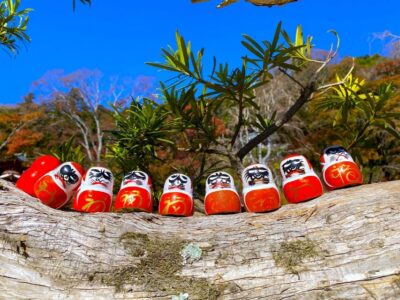
Minoh, Katsuoji Temple, & Minoh Falls Full-day Tour
Read our review →Full Day Kyoto Tour : Bamboo Forest, Golden Temple, Fushimi Inari
Read our review →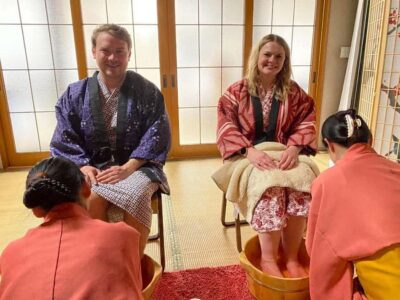
Osaka Temple Cool Foot Bath & Matcha Experience〈45min〉
Read our review →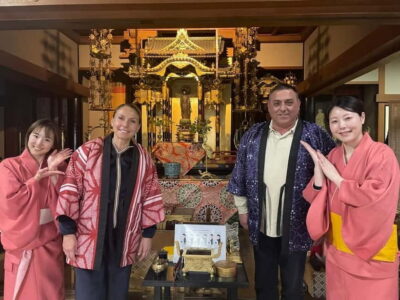
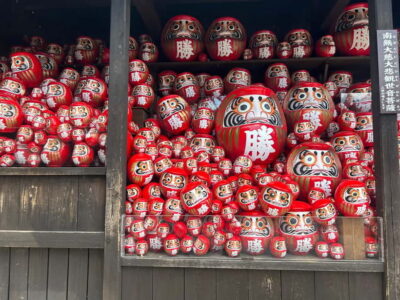
Minoh Waterfall & Katsuo-ji Temple Half-Day Tour
Read our review →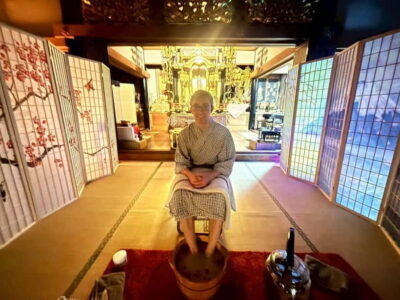
Osaka Temple Head Spa &Matcha Facial – Refresh & Glow〈90min〉
Read our review →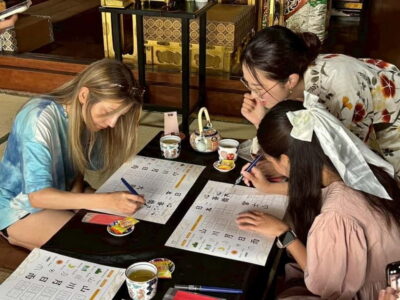

Osaka Morning Tour: Shitennoji Temple, Shinsekai &Doutonbori
Read our review →Browse the lists this tour appears in