
Review · KYOTO
Kyoto: Fushimi Inari Shrine and Tofukuji Temple E-Bike Tour
Kyoto rewards getting off the main road. This four-hour e-bike tour pairs Fushimi Inari Shrine with quiet lanes, riverside riding, Gion stories, and Tofukuji Temple. I like the easy pace and the chance to see ordinary Kyoto neighborhoods rather than spending the whole morning in crowded temple grounds. I also like that local guide Maki brings history, religion, customs, and personal stories into the ride instead of simply pointing at monuments.
The main consideration is time. You cover several places in four hours, so your stop at Fushimi Inari may feel brief if you want to walk far up the mountain. The ride also includes city streets, some walking, and group pacing, so this is best for people comfortable on a bicycle and happy to keep moving.
Key points at a glance
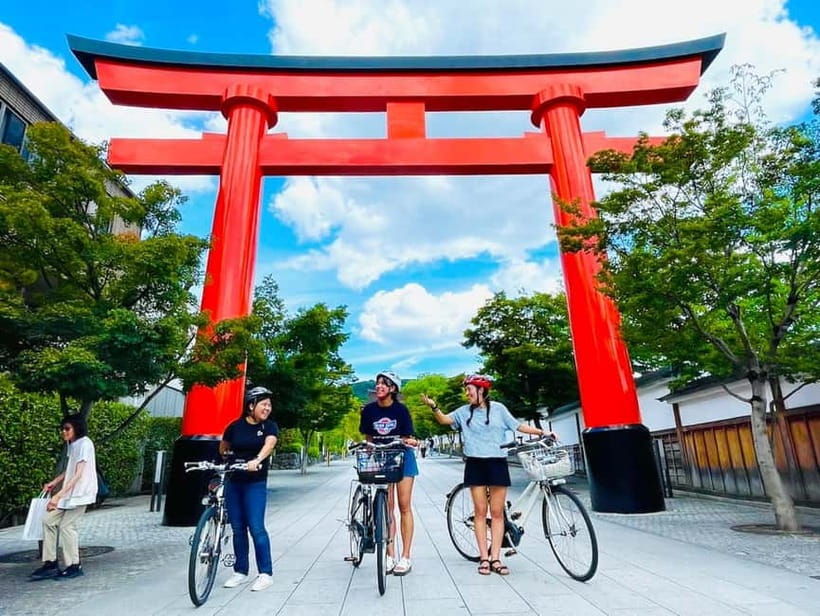
- A small group of up to eight: The limited group size helps Maki give riding directions, answer questions, and keep an eye on everyone in traffic.
- Fushimi Inari without spending a full day there: You visit Kyoto’s famous torii shrine while still making room for Gion, Tofukuji, and quieter streets.
- E-bikes make the route manageable: Electric assistance helps on steeper sections and late in the ride, though you still need to pedal and handle a bicycle.
- Maki is a major part of the experience: Her humor, English, local stories, and ability to explain Japanese customs receive especially strong praise.
- A useful mix of famous and lesser-known places: The route includes popular sights, residential lanes, riverside stretches, and quieter shrines and temples.
- A half-day price with several inclusions: At $83 per person, the fee includes the bike, helmet, insurance, water, a snack, and entrance fees for two places.
Starting near Higashiyama-Sanjyo
You meet at Pedal Adventure Kyoto, at a temple near Higashiyama-Sanjyo. The tour begins with an orientation, which matters more than it may sound. You receive guidance on using the e-bike and on riding in Japan before heading into the city.
That introduction is especially helpful if you feel unsure about cycling on Kyoto roads. The group rides together, and the guide gives directions through busier sections while using quieter streets where possible. Several families and older adults found the bikes easy to handle, but you should still be comfortable braking, steering, and following traffic instructions.
The bikes are described as clean, sturdy, and well maintained. Electric assistance is useful on inclines and when your legs start to tire, but it does not turn the ride into a passive sightseeing trip. You are still out in the open air, riding for much of the four hours.
Wear comfortable clothes and shoes suitable for cycling. Sunscreen is sensible on clear days, and a camera can be useful for the scenery and family photos. Water is included, along with a snack, though bringing extra water is wise if the weather is warm.
More Fushimi Inari Shrine Tours in Kyoto:
- Osaka/Kyoto:Kinkakuji,Arashiyama,FushimiInariShrine,NaraPark
★ 4.1 · 1,596 reviews - Osaka/Kyoto: Arashiyama, Nara & Fushimi Inari Shrine w/Lunch
★ 4.4 · 754 reviews - Kyoto: 3-Hour Fushimi Inari Shrine Hidden Hiking Tour
★ 4.9 · 270 reviews
Gion customs and the quieter side of Kyoto
The first major part of the route passes through Gion, Kyoto’s famous traditional district. Here, Maki explains geisha culture, local customs, and the etiquette that helps you look at the area with respect rather than treating it as a stage set.
That context is valuable because Gion can be easy to misread. You may see elegant wooden buildings, narrow lanes, and visitors hoping for a glimpse of geisha, but the district is also a lived-in part of Kyoto. A guide can explain what you are seeing and remind you to behave carefully around residents and working entertainers.
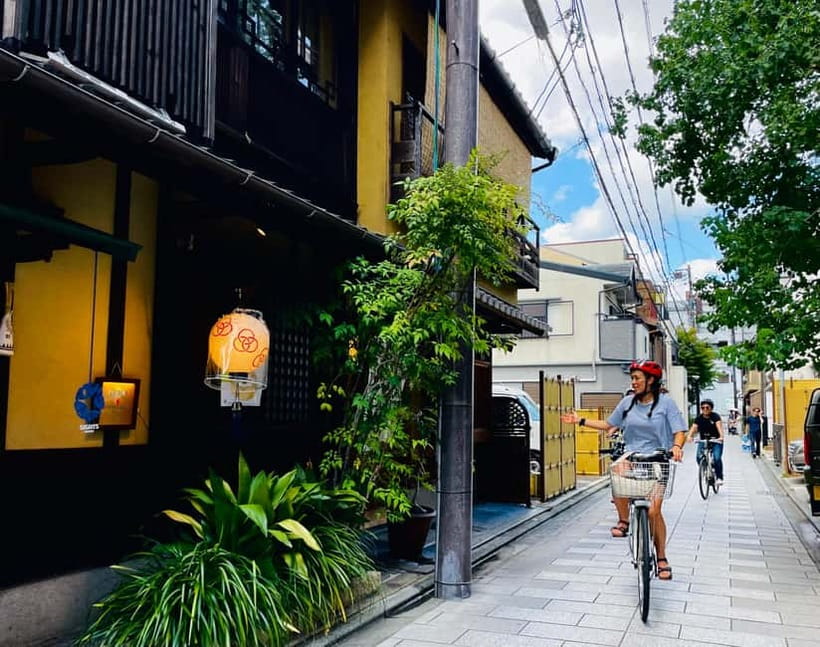
The ride then moves into suburban and residential parts of Kyoto. This is where the tour earns its place in a first visit. You see the ordinary city between its headline sights: side streets, local neighborhoods, waterways, and routes that you might not choose on foot.
I like this contrast. Kyoto is not only temple gates and polished gardens. It is also people commuting, homes tucked along narrow roads, and quiet stretches where daily life continues away from the sightseeing crowds. Riding lets you cover more ground than walking while staying close enough to notice small details.
The group stops regularly for explanations and questions. Maki’s style is lively and personal, with stories about Japanese customs, samurai, religion, infrastructure, and everyday life. Her humor is a recurring part of the experience, and she is also known for taking photos for the group.
One practical point: the guide usually explains things once the group has stopped, not while everyone is riding. A participant suggested that a microphone and earpiece could help riders hear every word, so stay close when the group gathers. If you are curious, ask questions during the stops. The tour is designed for conversation, not just movement.
Fushimi Inari Shrine and its thousands of torii
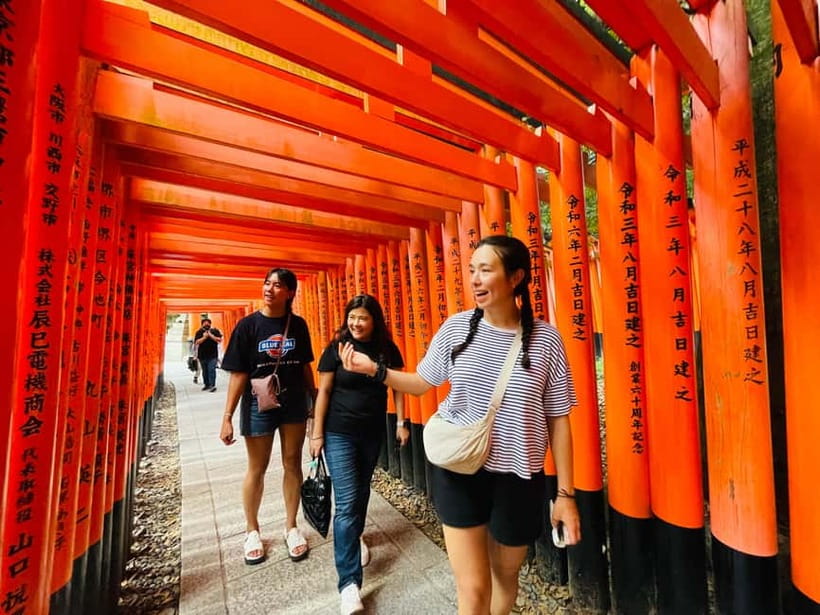
Fushimi Inari Shrine is the star attraction. Its vermilion torii gates form one of Japan’s most recognizable religious scenes, and the shrine is dedicated to Inari, a Shinto deity associated with rice, prosperity, and business.
The guide explains the history and meaning of Fushimi Inari as well as the basics of Shinto practice. That makes the visit more than a photo stop. You learn how to read the shrine setting, what the gates represent, and how Shinto differs from Buddhism, a distinction Maki also explains at other stops.
The important limitation is time. Four hours must cover the cycling, several sites, explanations, and the return route. You will visit Fushimi Inari, but you should not expect a long hike to the upper reaches of the mountain. If your main goal is to walk through the torii for hours, plan a separate visit at another time.
Still, the tour is a good choice if you want an introduction without giving one landmark your entire day. You get the visual impact of Fushimi Inari, the cultural explanation that makes the shrine more meaningful, and then a chance to see another side of Kyoto.
Fushimi Inari can be busy, especially around the most famous lower gates. The e-bike tour does not remove the crowds, but it does help you reach the area efficiently from central Kyoto and keeps the day moving. Follow the guide’s instructions about where to park and when to walk the bikes.
Tofukuji Temple and a pause in the Zen garden
Before returning to the city, the route stops at Tofukuji Temple. This Buddhist temple provides a useful change of mood after the energy of Fushimi Inari and the city streets.
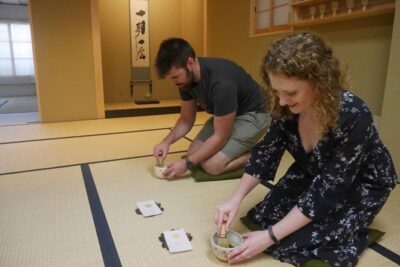
The garden is the place to slow down. You have time to sit, look, and let the setting settle rather than rushing from one photo point to the next. That quiet pause is one of the tour’s best design choices because it gives the four-hour ride some balance.
Maki explains the differences between Shinto shrines and Buddhist temples, helping you understand why both appear so often in Kyoto. You are not simply collecting religious buildings. You are learning how two major traditions shape the city and its customs.
Tofukuji may be especially appealing if you prefer a calmer stop. The visit is not described as an extended temple exploration, so treat it as a focused garden and cultural visit rather than a full tour of every building. The tradeoff is simple: you see more of Kyoto, but you spend less time at each individual site.
More Cycling Tours in Kyoto:
- Kyoto: Hidden Gems E-Bike Tour Through Backstreets & Temples
★ 4.9 · 54 reviews - Bangkok: Temples, Canals & Local Life Bike Tour
★ 4.9 · 3,511 reviews - Bangkok: Night Bike Tour with Temples & Flower Market Visit
★ 4.8 · 751 reviews - Siem Reap: Bike the Angkor Temples – Full-Day 30km Tour
★ 5.0 · 463 reviews
The return ride along Kyoto’s waterways
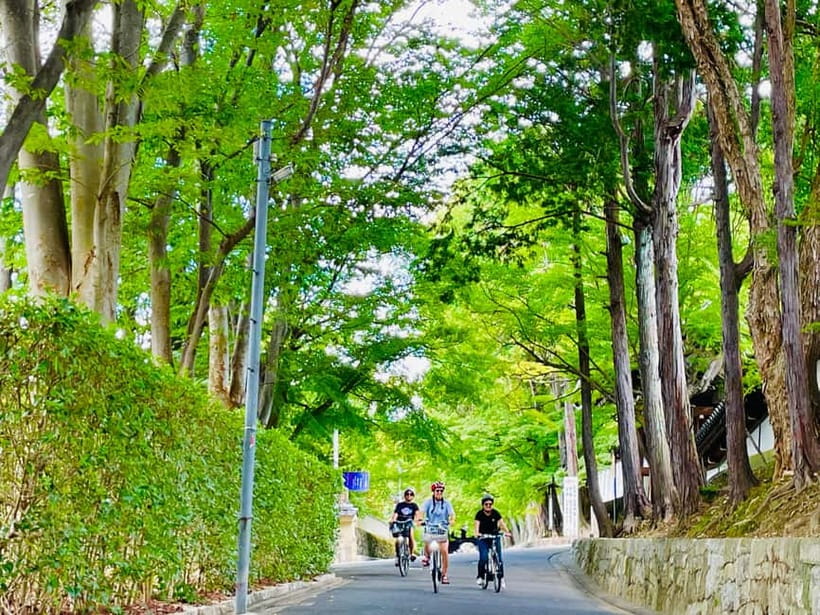
The return journey is part of the attraction, not just transportation back to the shop. The route includes scenic riverside riding, and the final stretch is described as a pleasant way to finish the tour.
After shrine steps, temple paths, and city riding, the river offers a calmer rhythm. You can pedal, take in the views, and think over what you have learned. This also shows why an e-bike is a smart way to explore Kyoto. You cover meaningful distance without the fatigue of walking between widely separated sights.
The ride is not physically demanding for most reasonably active adults, according to the experience described by several families and groups. Even so, you should not book it if you cannot ride a bicycle safely or if standing, walking, and cycling for several hours would be difficult.
Traffic is another practical issue. The route includes quiet roads but also some busy areas. Maki gives instructions and leads the group, and the small size helps with safety, but no urban cycling tour is entirely free of traffic. Keep your attention on the road and leave the sightseeing for the stops.
What Maki adds to the tour
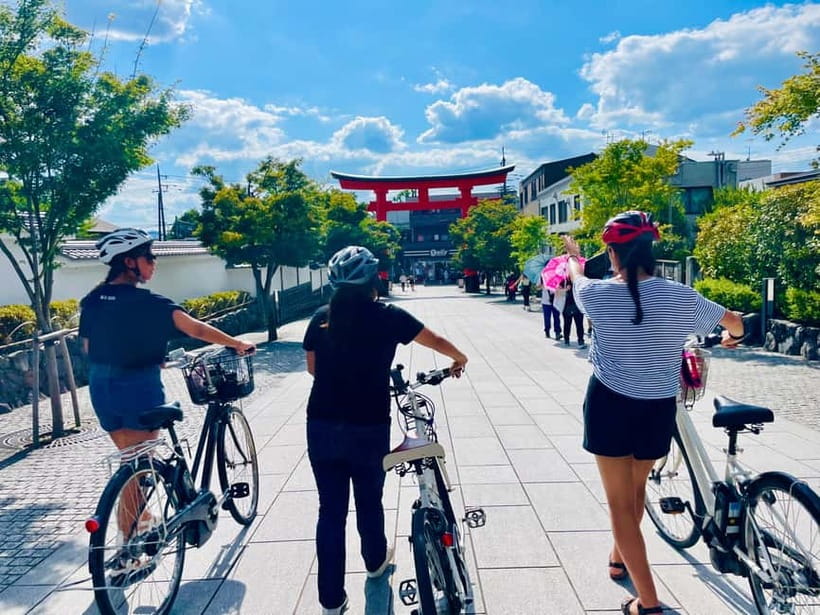
The route matters, but the guide is likely to shape your memory of the day. Maki receives exceptional praise for her humor, warm manner, clear English, and ability to explain complicated subjects in an approachable way.
Her approach combines formal information with personal stories. You may hear about Japanese history, religion, geisha culture, samurai, traditions, and daily life, then have a chance to ask about something you noticed on the road. That back-and-forth helps the tour feel more like an informed conversation than a lecture.
She also appears attentive to different ages. Teenagers and younger riders aged 13 and up enjoyed the tour, and families appreciated her willingness to interact with children and take photos. She is energetic, but the schedule includes breaks and regular stops.
Maki’s Osaka background and sense of humor are part of her personality as a guide. If you prefer a very quiet, formal tour, her cheerful style may feel more animated than expected. If you enjoy stories, questions, and a guide who clearly likes her work, it is a strong match.
Is $83 a fair price?
At $83 per person, this is not the cheapest way to see Kyoto. You could visit many shrines and temples independently for less, especially if you already have a bicycle and know the city well.
The comparison changes when you count what is included. You receive an electric bicycle, helmet, insurance, a snack, a water bottle, a live English-speaking guide, and entrance fees for two places. You also get a planned route connecting Gion, Fushimi Inari, Tofukuji, residential areas, and the river.
The real value is the time saved and the interpretation provided. You do not need to work out the best route between distant sights, figure out how to handle the roads, or research the difference between Shinto and Buddhism while trying to keep moving. For a first Kyoto visit, that combination makes the price reasonable.
It is less worthwhile if you already know Kyoto well, dislike group tours, or want to spend a long time at one major sight. It is also not a substitute for a full Fushimi Inari visit. Think of it as a city orientation and cultural sampler with bicycles, not a specialist shrine tour.
Who should book this Kyoto e-bike tour?
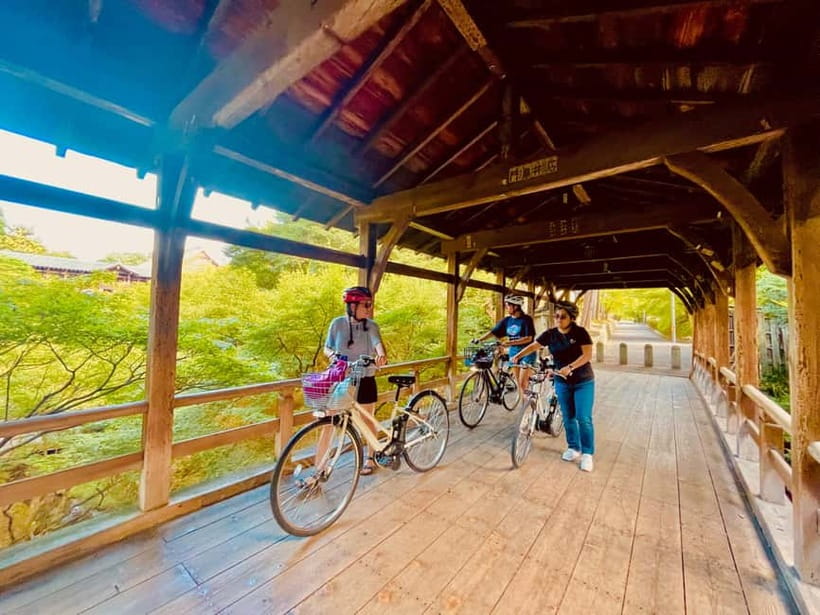
I would recommend it to first-time Kyoto visitors who want a strong introduction in half a day. It suits couples, families with teenagers, and active adults who like seeing a city from street level.
It is also useful early in your stay. You learn how Gion, Fushimi Inari, Tofukuji, and the surrounding neighborhoods fit together, then you can return later to the places that caught your interest. The route gives you a better sense of Kyoto than moving only between major stations by taxi or train.
The minimum age is 12, and the experience is not suitable for pregnant women or people with mobility impairments. Anyone joining should be ready for a mix of cycling and walking, changing road conditions, and several hours outdoors.
The small group limit of eight is a real benefit. You are less likely to feel lost in a large cycling column, and there is more room to ask Maki questions. If your group has mixed cycling abilities, remember that the pace must suit everyone, and one participant wished for more time at Fushimi Inari after slower riding at the start.
Should you book it?
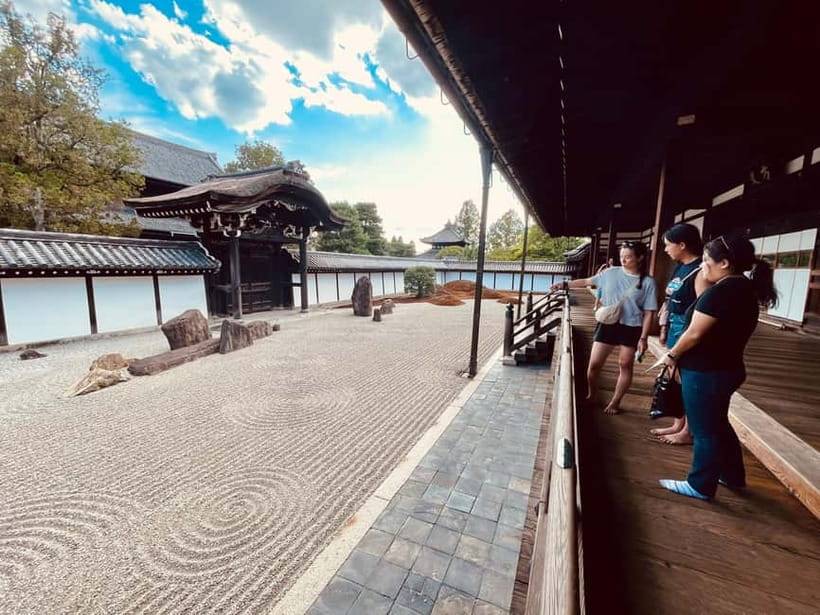
Book this tour if you want a lively cultural introduction to Kyoto, enjoy riding a bike, and would rather see a mix of famous and ordinary places than spend four hours at one shrine. The e-bike takes pressure off the hills, the route covers a lot without feeling like a forced race, and Maki’s stories appear to be the main reason the experience feels personal.
Skip it if Fushimi Inari is your only priority, if you want extended time for photography, or if cycling in city traffic sounds stressful. For everyone else, $83 buys a useful half-day route, solid equipment, cultural explanations, and a guide who can help you understand what you are seeing. That is a fair deal for a first look at Kyoto.
FAQ
How long is the Kyoto e-bike tour?
The tour lasts four hours. It includes cycling, walking, visits to shrines and temples, explanations from the guide, and stops for rest.
Where does the tour begin?
The meeting point is Pedal Adventure Kyoto, at a temple near Higashiyama-Sanjyo.
What language is the tour offered in?
The live tour guide speaks English.
How many people can join the tour?
The tour is limited to eight participants.
Is an electric bicycle included?
Yes. The price includes an electric bicycle, helmet, and insurance.
Are entrance fees included?
Yes. Entrance fees for two places are included.
Does the tour visit Fushimi Inari Shrine?
Yes. Fushimi Inari Shrine is one of the main stops, and the guide explains its history, culture, and Shinto traditions.
Does the tour visit Tofukuji Temple?
Yes. The route stops at Tofukuji Temple, where you can relax in the Zen garden.
What should I bring?
Wear comfortable shoes and cycling-friendly clothing. Sunscreen, a water bottle, and a camera are recommended. A snack and water bottle are included, but extra water can still be useful.
Who should not join this tour?
The experience is not suitable for children under 12, pregnant women, or people with mobility impairments. You should also be comfortable with a mix of cycling and walking.
More E-Bikes in Kyoto
- E-Bike Nara Highlights – Todaiji, Knives, Deer, Shrine
★ 4.8 · 186 reviews - From Siem Reap: Angkor Wat Sunrise and Temples E-Bike Tour
★ 5.0 · 52 reviews - Naha: Guided E-Bike Tour of the 12 Zodiac Temples
★ 4.9 · 50 reviews - e-Bike Cycling Tour to Arkadi Monastery Full Lunch included
★ 5.0 · 26 reviews
Just added around Kyoto
- Kyoto: Kiyomizudera, Sanjusangendo, Ginkakuji and Higashiyama.★ 5.0 · 3 reviews
- Kyoto: Shakyo & Matcha in Historic Temple Garden★ 5.0 · 4 reviews
- Kyoto:Kiyomizu-dera Temple Rent a kimono and ride a rickshaw★ 4.8 · 7 reviews
- KYOTO: Tempio Kiyomizu Pagode Gion “Geisya” (Guida Italiana)★ 4.7 · 17 reviews
- Kyoto:Quiet Arashiyama and Sagano Temples★ 4.8 · 5 reviews
- Kyoto: Kifune Shrine and the Sacred Kifune Valley Day Trip★ 4.4 · 4 reviews
- KYOTO: Golden Pagoda, Bamboo Forest, Arashiyama (Italian)★ 4.9 · 5 reviews
- KYOTO: Tour guidato tra i tesori della città (in italiano)★ 5.0 · 5 reviews
Fushimi Inari Shrine Tours, compared.
Osaka/Kyoto:Kinkakuji,Arashiyama,FushimiInariShrine,NaraPark
Read our review →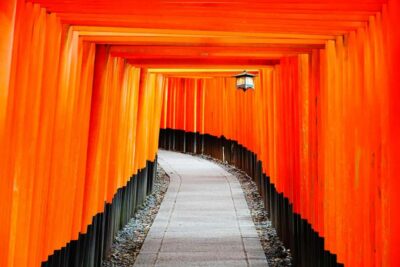
Osaka/Kyoto: Arashiyama, Nara & Fushimi Inari Shrine w/Lunch
Read our review →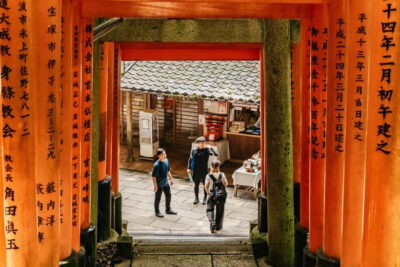
Kyoto Tea Ceremony & Kiyomizu-dera Temple Walking Tour
Read our review →Full Day Kyoto Tour : Bamboo Forest, Golden Temple, Fushimi Inari
Read our review →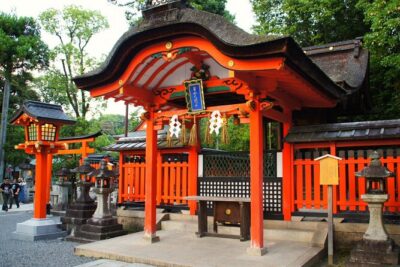
Early Morning Fushimi Inari Shrine – Beat the Crowds
Read our review →
Kyoto kiyomizu Temple : Maiko and Samurai Couple Photoshoot
Read our review →Browse the lists this tour appears in