
Review · KYOTO
KYOTO: Tempio Kiyomizu Pagode Gion “Geisya” (Guida Italiana)
Kyoto reveals itself one lane at a time. This five-hour walk links Kiyomizu-dera, Sannenzaka, Ninenzaka, Gion, and Pontocho, giving you a useful first look at some of the city’s most famous districts. I especially like that the tour is led in Italian by Omae, a Kyoto guide praised for clear explanations, warmth, and careful answers to questions. I also like that transport and scheduled entrance fees are included, so you can focus on the streets rather than sorting out each ticket.
The main caution is the price: $117 per person is a serious outlay for a half-day walk, especially if you are traveling as a family. The value depends on how much you want Italian-language guidance and local context. The route also includes several walking sections and crowded shopping streets, so this is not a quiet temple retreat.
The essential points at a glance
- Italian guidance from Omae: The guide is repeatedly praised for being friendly, well prepared, attentive, and comfortable answering questions in Italian.
- Kiyomizu-dera as the main event: You get a guided visit of about one hour at Kyoto’s celebrated Buddhist temple.
- A classic old-Kyoto walk: Sannenzaka and Ninenzaka bring you along traditional pilgrimage routes lined with sweets, souvenirs, cafés, and small shops.
- Gion without guesswork: The tour gives you a guided look at Kyoto’s famous geisha district, followed by a pass through the Minami-za theater area.
- Transport and entrance fees included: The bus ride from Kyoto Station and scheduled monument admission are covered in the price.
- Flexible planning: Start times and the route can be adjusted on request as far as possible, which helps if your schedule needs some give.
Why this route works for a first Kyoto day
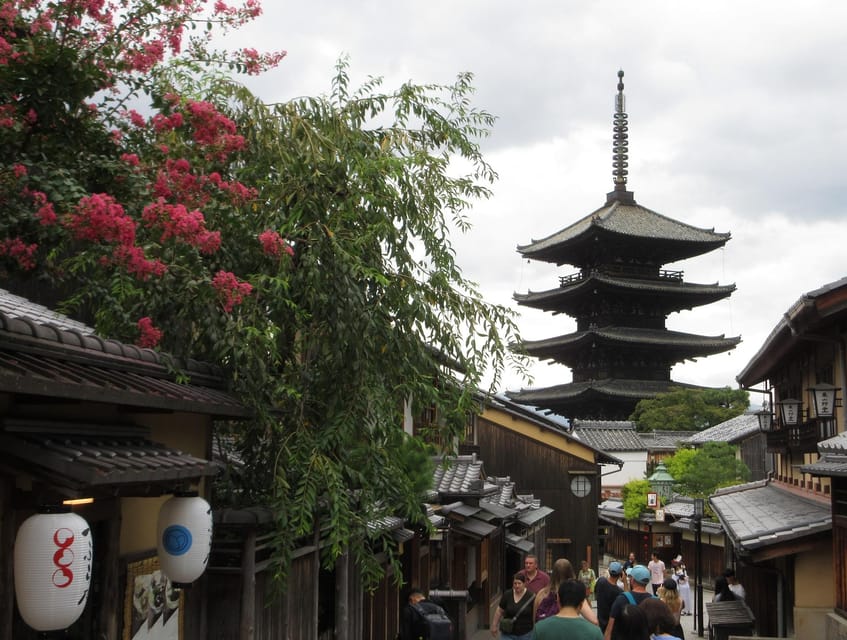
The route has a smart shape. It begins at Kyoto Station, moves east toward Kiyomizu-dera, then gradually heads through the old streets toward Gion and Pontocho. Instead of treating the major sights as isolated photo stops, it connects them by foot along paths shaped by pilgrimage and commerce.
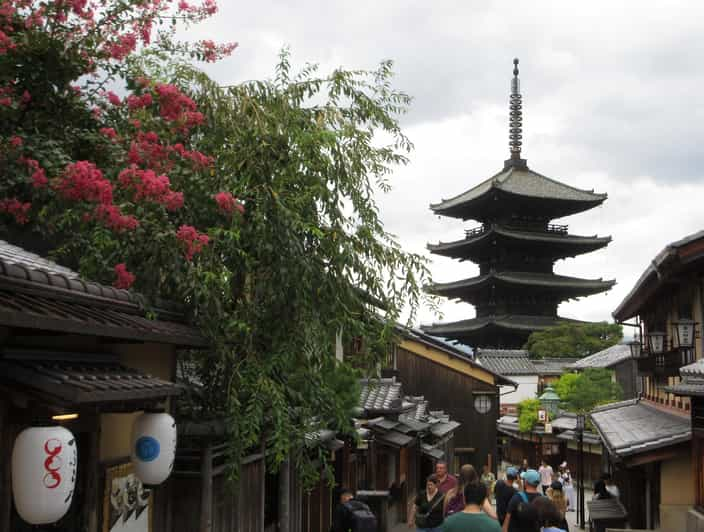
That connection matters. Kiyomizu-dera is impressive on its own, but the approach helps explain how the area grew. You walk through streets that developed around people visiting the temple, buying small religious items, eating sweets, and taking home souvenirs. The old Kyoto feeling comes not only from the temple buildings, but also from the route leading there.
I would choose this experience early in a Kyoto stay if you want help getting oriented. You see several headline sights in one outing, learn how they fit together, and finish near Pontocho, an area that works well for an evening meal or a further walk.
The route is also a good match for Italian-speaking visitors who want more than a guidebook summary. The strongest praise directed at Omae focuses on his personality, accuracy, attention to detail, and ability to explain Japanese culture clearly. That can make a real difference in places where customs and religious symbols are easy to misread.
More Fushimi Inari Shrine Tours in Kyoto:
- Osaka/Kyoto:Kinkakuji,Arashiyama,FushimiInariShrine,NaraPark
★ 4.1 · 1,596 reviews - Osaka/Kyoto: Arashiyama, Nara & Fushimi Inari Shrine w/Lunch
★ 4.4 · 754 reviews - Kyoto: 3-Hour Fushimi Inari Shrine Hidden Hiking Tour
★ 4.9 · 270 reviews
Starting at Kyoto Station and finding the group
The meeting point is outside the central north entrance of Kyoto Station, known as the Karasuma-Guchi side. You meet in the open space between the four escalators in front of the taxi terminal, not the bus terminal.
A useful orientation trick is the Kyoto Tower. From the meeting space, it should be in front of you, toward the upper left, not the right. That detail is worth remembering because Kyoto Station is large, busy, and full of similar-looking exits. You receive a confirmation email by the day before with the meeting details, so check it before leaving your hotel.
The first transport segment takes about 15 minutes by bus or coach. This is a practical start rather than wasted time. Kiyomizu-dera is not beside Kyoto Station, and having the transport arranged keeps the group moving without making you work out the route at the beginning of the day.
Kiyomizu-dera: one focused hour at the temple
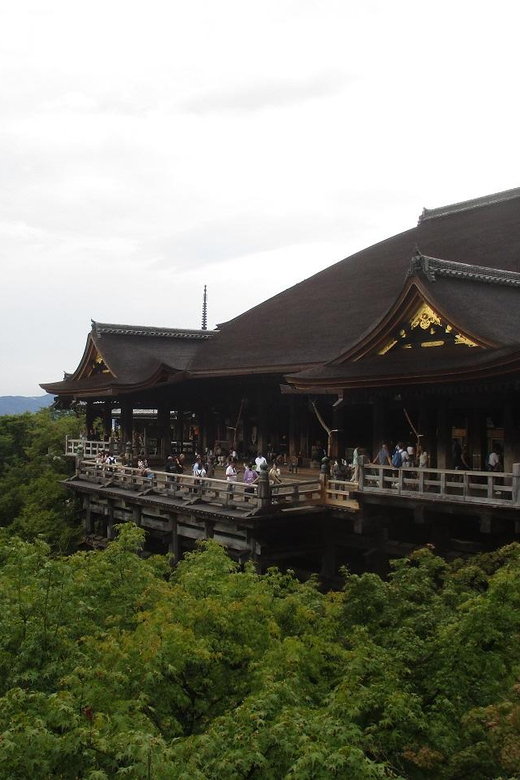
The guided visit to Kiyomizu-dera lasts about one hour. That is enough time for a meaningful introduction, though not enough for a slow, unhurried exploration of every corner. If you like to linger over architecture or take many photographs, you may want to return independently later.
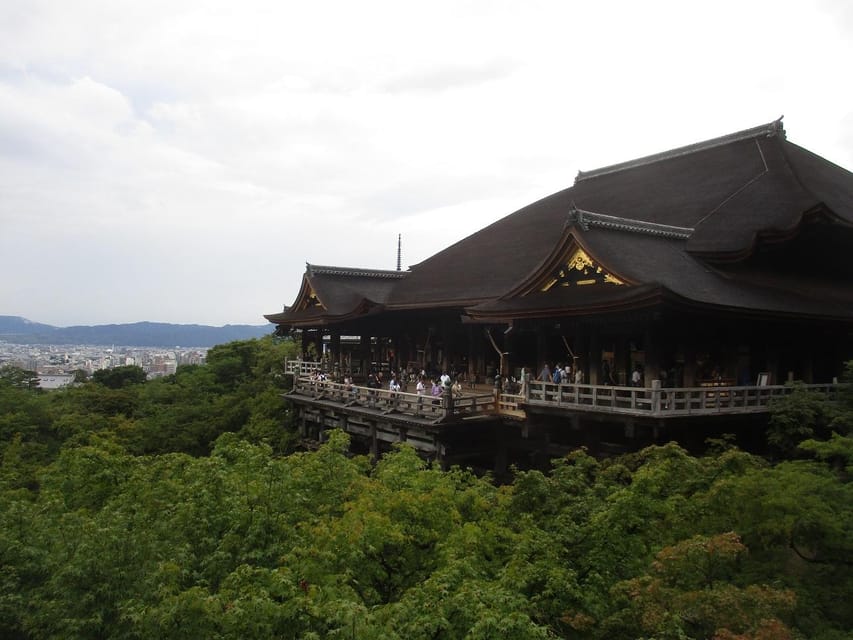
Kiyomizu-dera is a Buddhist temple with roots reaching back to the eighth century. Its setting above the eastern part of Kyoto gives the visit a strong sense of place, while the approach roads show how religious destinations shaped the city around them. The guide’s role is especially useful here because the temple is not simply a scenic stop. Its practices, buildings, and symbols carry religious meaning that can be easy to miss when you are moving with a crowd.
Omae’s explanations are the reason this stop appears to work so well for many Italian-speaking participants. His style is described as both precise and easygoing. He has been praised for answering questions, explaining small details, and helping visitors approach Japanese culture with confidence.
The temple stop is also where the tour’s walking demands begin in earnest. Wear comfortable shoes. The full route includes several short walks, and the stone streets around the temple can feel tiring after a few hours, particularly if you are carrying shopping bags or traveling with young children.
Sannenzaka and Ninenzaka: the old approach streets
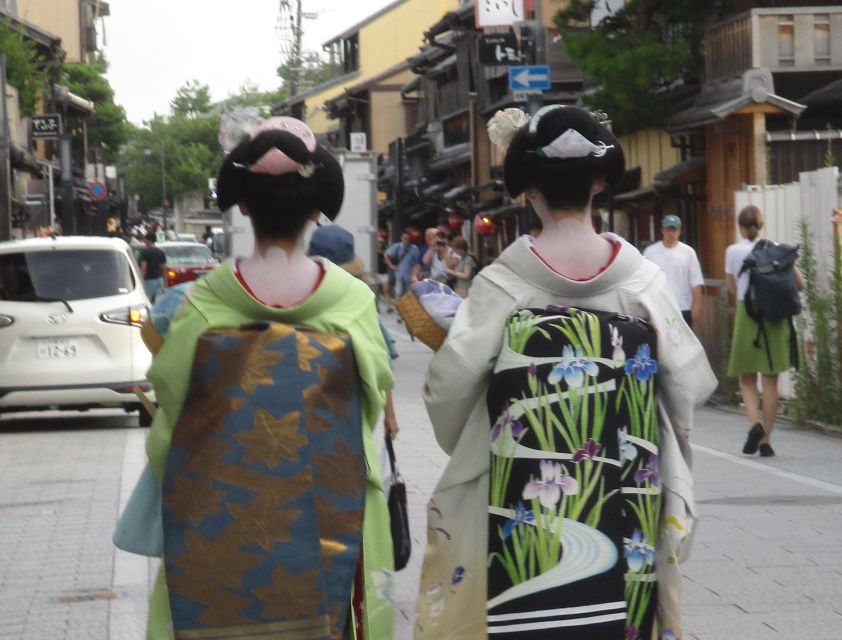
After Kiyomizu-dera, you continue on foot to Sannenzaka and then Ninenzaka. The stated walking sections are short, but the experience is not meant to be rushed. These streets form part of the old approach to the temple, and their appeal lies in the combination of traditional-looking surroundings and active shops.
You can expect a steady run of souvenir stores, sweet shops, cafés, and places aimed at visitors from across Japan and around the world. That commercial side is part of the charm, but it is also the main trade-off. This is not an untouched historic quarter. It is a popular visitor area, and the pleasure comes from seeing how old pilgrimage routes continue to function as places for eating, shopping, and social life.
A guide adds useful context here. Rather than simply pointing out pretty façades, Omae can explain why the route developed and how religious visits shaped the neighborhood. The information is delivered in Italian, which lets you ask about customs, food, architecture, or the meaning of details you might otherwise pass without noticing.
Give yourself room for small discoveries, but remember that the tour has a schedule. If you stop at every sweet shop, the five-hour route could become tight. The best approach is to note places you want to revisit after the tour.
Same place, a different morning at the gates:
- Kyoto: Tea Ceremony Ju-An at Jotokuji Temple
★ 4.9 · 3,207 reviews - Kyoto Arashiyama Walking Tour: Bamboo, Monkeys, Gardens & Secrets
★ 5.0 · 1,216 reviews - Arashiyama Bamboo, Temple, Monkeys, or Secret Sake Brewery
★ 4.8 · 886 reviews - Kyoto: Arashiyama Bamboo Forest, Monkeys, Matcha & Temple Tour
★ 5.0 · 759 reviews
Walking toward Gion and the geisha district
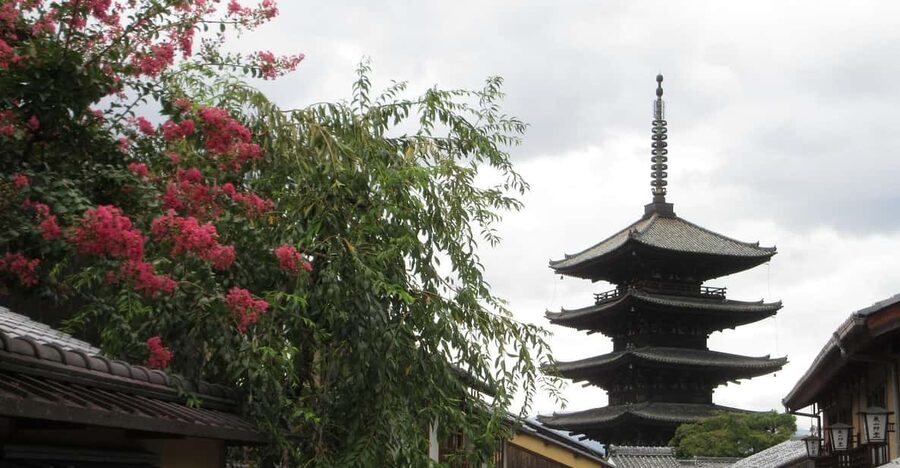
The walk from Ninenzaka toward Gion takes about 15 minutes. This is one of the longer walking sections listed, though the whole route is broken into manageable stages. Gion is scheduled for about 30 minutes of guided sightseeing.
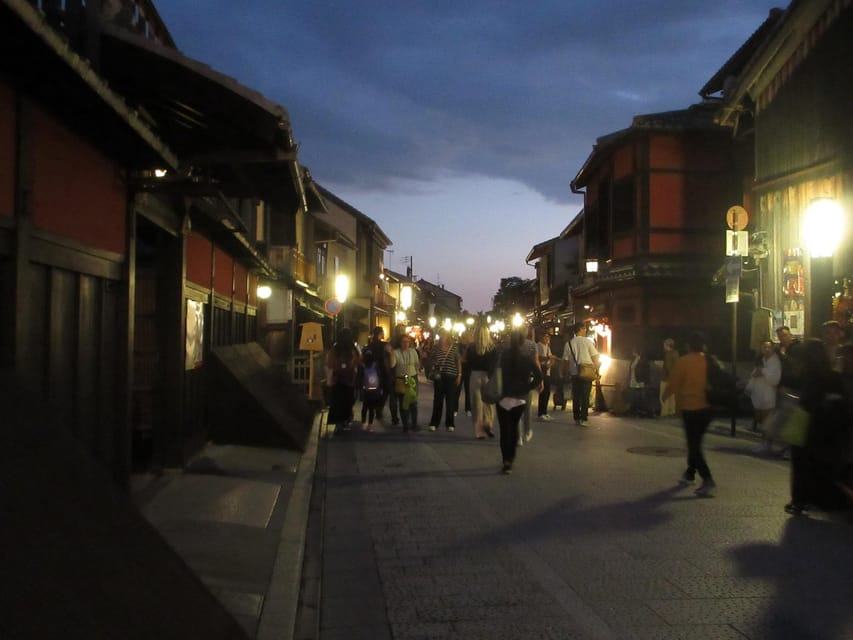
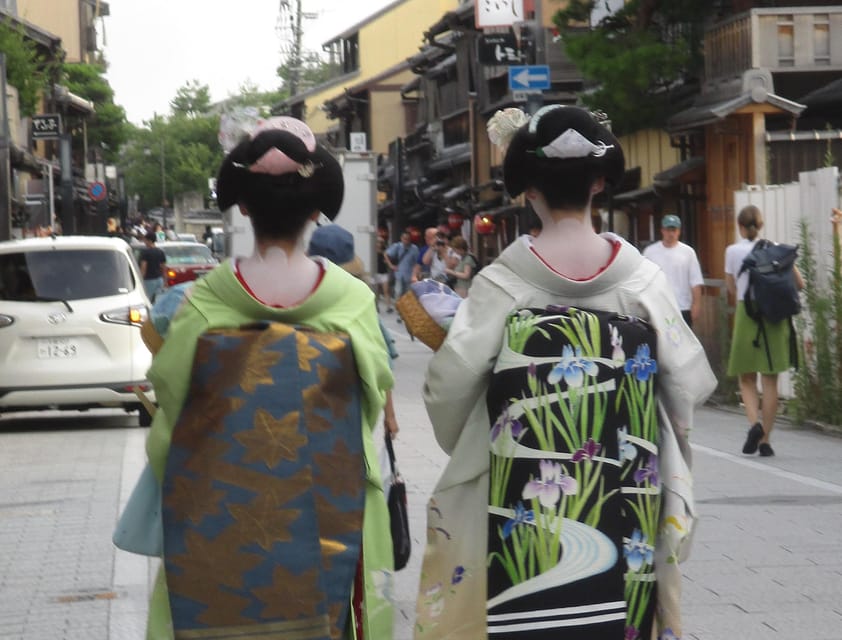
Gion is one of Kyoto’s best-known traditional entertainment districts. The name is often connected in popular culture with geisha, but the area deserves more careful treatment than a quick search for costumed performers. A good guide can help you understand the district as a working cultural area rather than a stage set created for photographs.
That is where the tour’s Italian-language support becomes valuable. You can ask what you are seeing, how to behave respectfully, and which details matter. The description promises answers to questions and any necessary assistance during the itinerary, so you are not left to guess your way through unfamiliar customs.
Thirty minutes is enough for an introduction, not a full study of Gion. If this district is your chief reason for booking, keep your expectations measured. The route provides a guided look at the area, but it does not promise an evening performance, a private geisha encounter, or extended free time.
The short Gion visit also means you should keep your camera ready while respecting local rules and privacy. The tour’s value is in learning how the district fits into Kyoto, not in treating it as a parade of photo opportunities.
Minami-za and the finish at Pontocho
After Gion, the group passes by Kyoto Minami-za, Kyoto’s famous kabuki theater, for about three minutes. This is a brief exterior stop rather than a theater visit. It works as a compact reminder that the route is moving through one of Kyoto’s historic entertainment zones.
The tour then continues on foot for about three minutes to Pontocho, where it ends. Pontocho is a useful finishing point because it places you near one of Kyoto’s well-known dining and evening areas. The tour does not include a meal or a restaurant reservation, so you will need to make your own plans after the guide says goodbye.
Ending here gives you options. You can eat nearby, continue walking, or use the area as a springboard for further sightseeing. It is a more useful finish than returning all the way to Kyoto Station, particularly if you want to continue your evening in central Kyoto.
What the $117 price really buys you
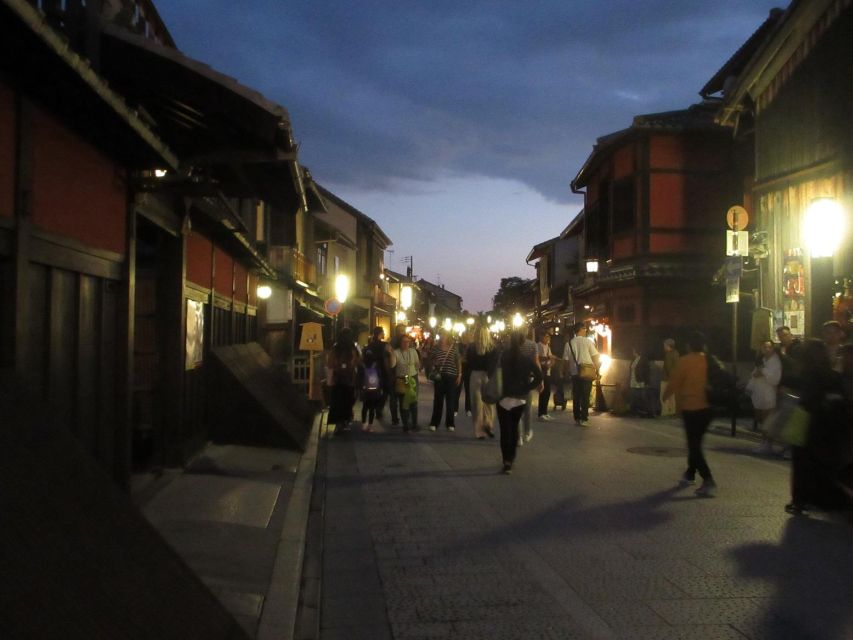
At $117 per person, this is not a budget sightseeing walk. The price includes the bus or coach transport, admission to the monuments scheduled on the route, and an Italian-speaking guide. Those inclusions reduce the number of small expenses and decisions you need to handle during the day.
The bigger question is the guide. If you speak Italian and care about historical, cultural, and religious explanation, the price may be reasonable. You are paying for interpretation, language access, route planning, and assistance, not just movement between famous places.
The value is weaker if you are comfortable exploring independently, already know Kyoto well, or mainly want photographs. You can visit these districts without a guide, and the walking route itself is not difficult to understand once you have a map and transport information.
The published score is 4.7 from 17 ratings, and the strongest praise centers on Omae. Specific comments describe him as friendly, accurate, prepared, attentive, and able to make the cultural side of Japan approachable. That consistency is important because a five-hour tour depends heavily on the person leading it.
Timing, flexibility, and physical effort
The activity lasts five hours, with starting times shown according to availability. The provider also accepts requests for flexible itineraries and schedules as far as possible. This does not guarantee a custom private program, but it is useful if you need to work around other plans.
The experience is listed as wheelchair accessible. Still, the exact ease of every old street, temple approach, and walking section may depend on the day’s conditions and the requested route. If accessibility is essential for you, raise the matter when arranging the tour so the guide can confirm what can be adjusted.
You should plan for a mix of riding and walking. The listed sections include a 15-minute bus ride, a one-hour temple visit, several short walks, and a 15-minute walk toward Gion. Comfortable footwear is the simple answer, and a small bag is easier than luggage on busy streets.
Because shops and cafés line much of the route, the day can tempt you into frequent stops. That is pleasant, but it may conflict with the planned schedule. Ask Omae at the beginning how much time you will have for browsing.
Who will get the most from this experience
I would recommend this tour to Italian-speaking visitors who want cultural explanation without the strain of organizing Kyoto’s transport and major sights alone. It suits first-time visitors especially well, since it links several important districts in a logical half-day route.
It also works for families and mixed-age groups who benefit from having help with directions, tickets, and questions. The promise of assistance during the itinerary adds comfort when you are dealing with unfamiliar signs, customs, or transport.
I would be more cautious about booking if you prefer long, quiet visits at one temple. The route covers a lot of ground, and Kiyomizu-dera receives the longest scheduled visit at about one hour. Likewise, serious photographers may want a slower private arrangement.
The tour can also suit repeat visitors who want a fresh cultural explanation in Italian. Kyoto rewards context. Seeing the same streets with a guide who can explain their religious and social background may give a return visit more purpose.
Should you book it?
Book this experience if Italian-language guidance is central to your Kyoto plans and you want Kiyomizu-dera, the old approach streets, Gion, Minami-za, and Pontocho connected in one outing. Omae’s praised manner, attention to detail, and willingness to answer questions are strong reasons to consider it.
Think twice if you are watching every yen, dislike scheduled walking, or want a slow temple visit with plenty of unplanned time. At $117, the tour makes the most sense for the language support and interpretation, not simply for transport between sights.
FAQ
Where does the tour meet?
The meeting point is at Kyoto Station, outside the central north entrance known as Karasuma-Guchi. Meet in the space between the four escalators in front of the taxi terminal, not the bus terminal.
How can I identify the meeting point?
From the meeting space, you should see Kyoto Tower in front of the station toward the upper left. A confirmation email is sent by the day before with the meeting details.
What language is the tour conducted in?
The live guided tour is conducted in Italian.
How long does the experience last?
The total duration is five hours.
Is transport included?
Yes. The price includes the scheduled means of transport, including the approximately 15-minute bus or coach ride from Kyoto Station.
Are entrance tickets included?
Yes. Entrance fees for the monuments scheduled during the route are included.
Is the tour wheelchair accessible?
The activity is listed as wheelchair accessible. It also offers itinerary and schedule flexibility on request as far as possible.
Just added around Kyoto
- Kyoto: Kiyomizudera, Sanjusangendo, Ginkakuji and Higashiyama.★ 5.0 · 3 reviews
- Kyoto: Shakyo & Matcha in Historic Temple Garden★ 5.0 · 4 reviews
- Kyoto:Kiyomizu-dera Temple Rent a kimono and ride a rickshaw★ 4.8 · 7 reviews
- Kyoto:Quiet Arashiyama and Sagano Temples★ 4.8 · 5 reviews
- Kyoto: Kifune Shrine and the Sacred Kifune Valley Day Trip★ 4.4 · 4 reviews
- KYOTO: Golden Pagoda, Bamboo Forest, Arashiyama (Italian)★ 4.9 · 5 reviews
- KYOTO: Tour guidato tra i tesori della città (in italiano)★ 5.0 · 5 reviews
- Kyoto : Kiyomizu-dera Temple : kimono and Indoor photo shoot★ 4.6 · 5 reviews
Fushimi Inari Shrine Tours, compared.
Osaka/Kyoto:Kinkakuji,Arashiyama,FushimiInariShrine,NaraPark
Read our review →
Osaka/Kyoto: Arashiyama, Nara & Fushimi Inari Shrine w/Lunch
Read our review →
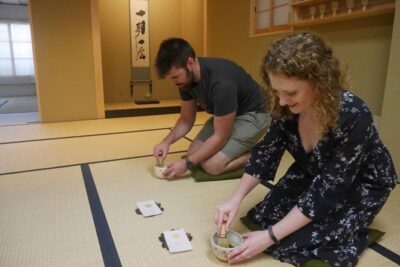
Kyoto Tea Ceremony & Kiyomizu-dera Temple Walking Tour
Read our review →Full Day Kyoto Tour : Bamboo Forest, Golden Temple, Fushimi Inari
Read our review →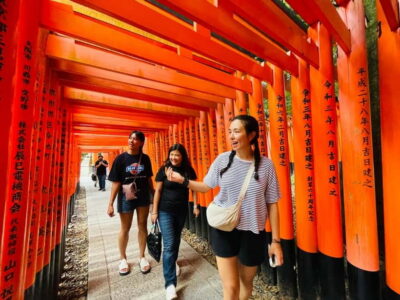
Fushimi Inari Shrine and Tofukuji Temple E-Bike Tour
Read our review →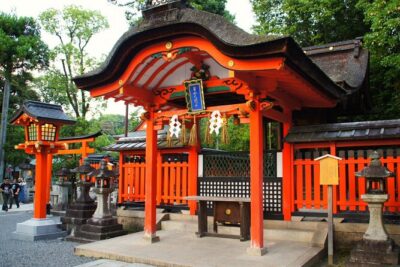
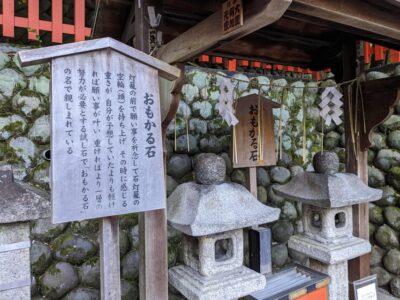
Early Morning Fushimi Inari Shrine – Beat the Crowds
Read our review →Browse the lists this tour appears in