
Review · KYOTO
Kyoto: Tea Ceremony Ju-An at Jotokuji Temple
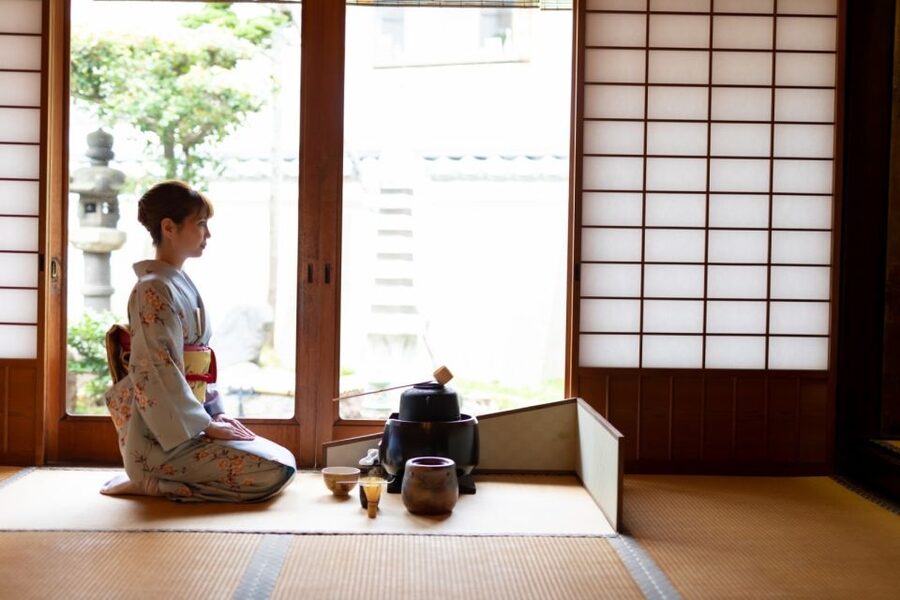
Quiet moments are rare in Kyoto. This 70-minute tea ceremony at Jotokuji Temple offers two things I especially like: a proper introduction to matcha and a chance to take part, not just watch. The calm temple setting and small group make the experience feel personal. The main drawback is simple: the tearoom has three steps and is not wheelchair accessible.
You enter through the temple gates, take part in a purification ritual, then remove your shoes before sitting in the Grand Tearoom. English-speaking hosts, including Kate and Taka, explain each gesture in clear, friendly language. Seats and stools are available if sitting on the floor is uncomfortable, and the $29 price is fair for a guided cultural activity in central Kyoto.
Key points at a glance
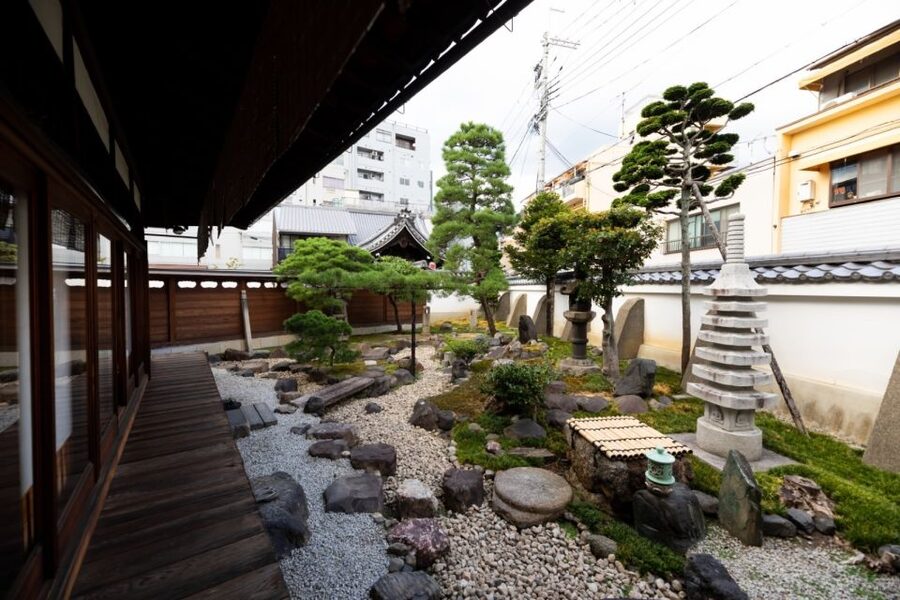
- Purification comes first: You begin with a traditional ritual beside the temple buildings, giving the ceremony a proper cultural setting.
- You prepare your own matcha: After watching the tea master, you get to make tea yourself with the ceremonial tools.
- The group stays small: A maximum of 10 people leaves room for questions and individual guidance.
- Jotokuji Temple adds atmosphere: You can look around the temple grounds and pause by the purification fountain before entering the tearoom.
- English explanations are central: The instructor explains the meaning behind the movements, not just the mechanics of whisking tea.
- Traditional seating has a practical option: Chairs and stools can be provided, though the tearoom itself is not suitable for wheelchair users.
Arriving at Jotokuji Temple
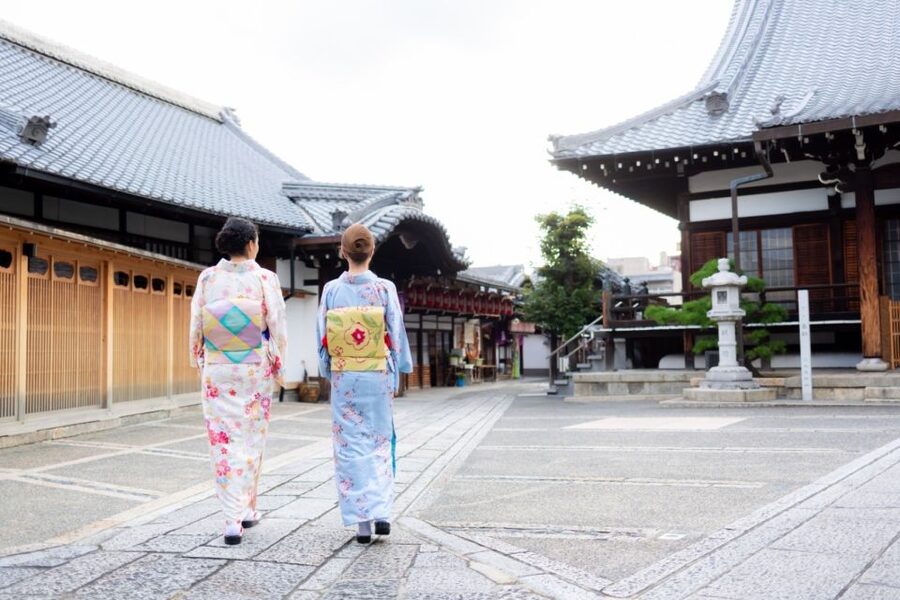
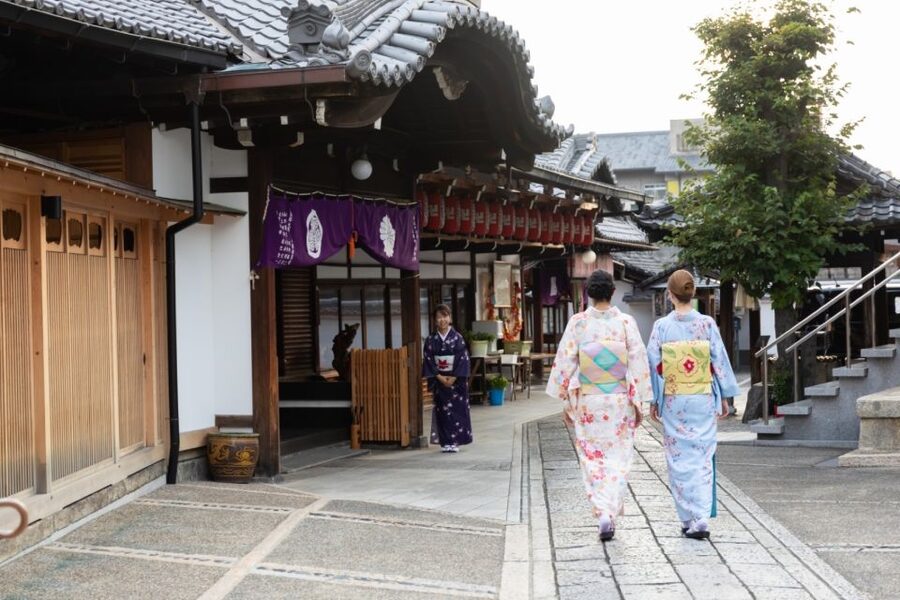
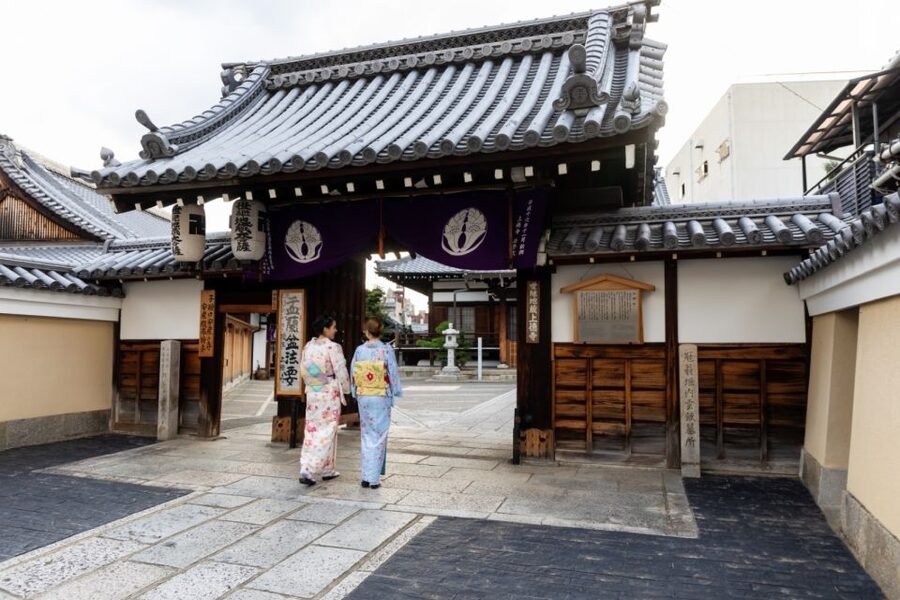
The experience begins at Tea Ceremony Ju-An, at 556 Gojo-sagaru, Tominokoji Dori, in Kyoto’s Shimogyo Ward. Once inside the temple, face the Main Hall and look to the left for a few steps leading to the tea room.
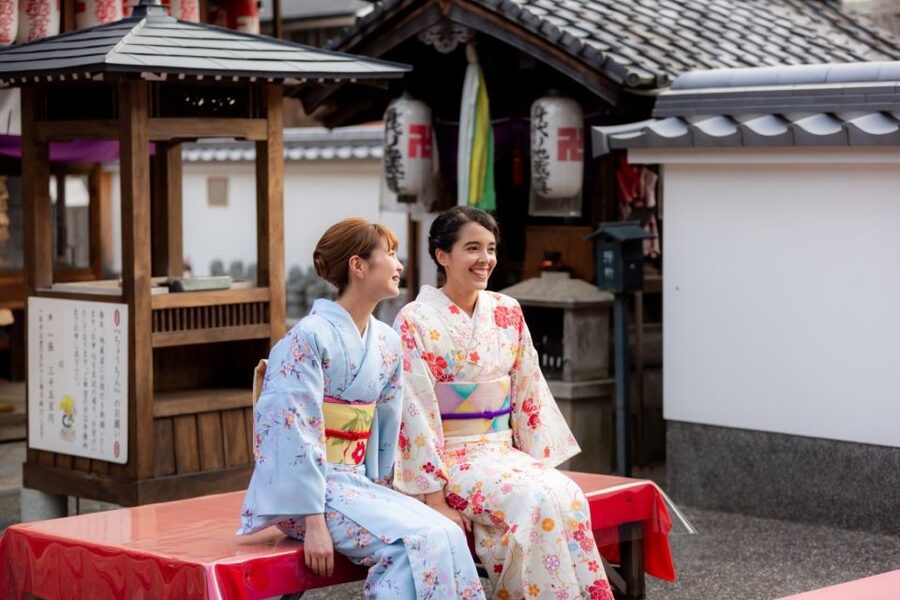
Do not rush through the entrance. The first part gives you time to notice the temple architecture, the Main Hall, the Grand Tearoom, and the parish shop beside it. You meet near the red benches, where your guide waits. In good weather, these benches offer a pleasant place to sit and take in the setting before the ceremony starts.
If rain arrives, you can wait beneath the shop’s gable or inside the Grand Tearoom. That small detail matters in Kyoto, where weather can change quickly and standing around outside with an umbrella is no one’s idea of a peaceful cultural experience.
The temple visit is not a long sightseeing tour. It is an introduction to the place where the ceremony happens. That keeps the focus on tea, but it also means you should not expect a full temple history lesson or an extended tour of the grounds.
A few more temple visits around Kyoto worth a look
- Arashiyama Bamboo, Temple, Monkeys, or Secret Sake Brewery
★ 4.8 · 886 reviews - Kyoto: Arashiyama Bamboo Forest, Monkeys, Matcha & Temple Tour
★ 5.0 · 759 reviews - Osaka/Kyoto: Arashiyama, Nara & Fushimi Inari Shrine w/Lunch
★ 4.4 · 754 reviews
The purification ritual before the tea
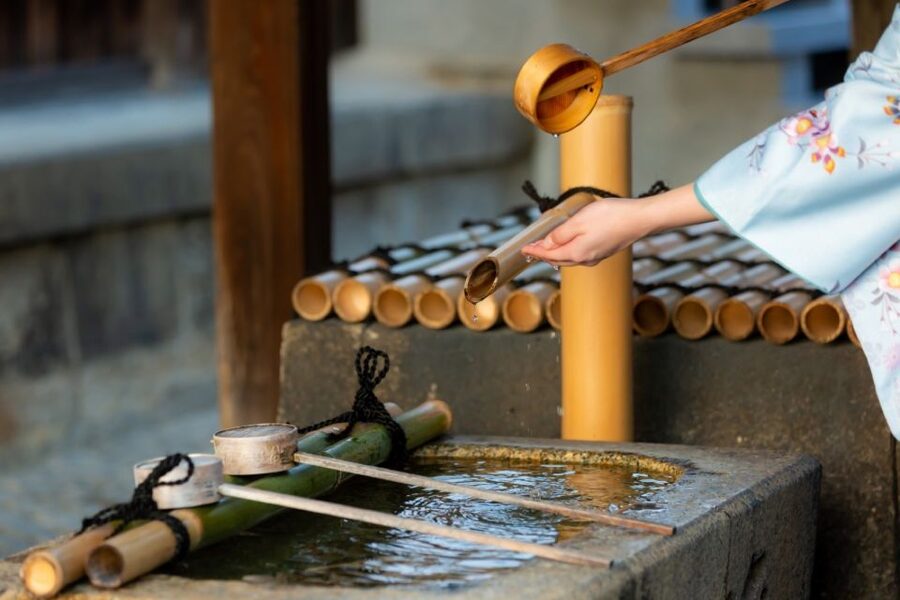
Before entering the tearoom, you take part in a traditional purification ritual. For many visitors from outside Japan, this is one of the most meaningful parts because it explains the change in mood from ordinary sightseeing to formal ceremony.
The ritual is not presented as a performance. You are shown what to do and why it matters, then invited to take part. This gives you a better sense of the care and attention built into Japanese tea culture.
The purification fountain is also a useful visual anchor. You can admire the temple setting while learning that a tea ceremony is about more than drinking a warm green beverage. The gestures, pauses, tools, room, and behavior all help create a respectful space.
I like this opening because it gives the activity a sense of place. A matcha workshop in a modern room might teach you how to whisk tea. Here, the ritual helps explain why the ceremony feels deliberate from the start.
Entering the Grand Tearoom
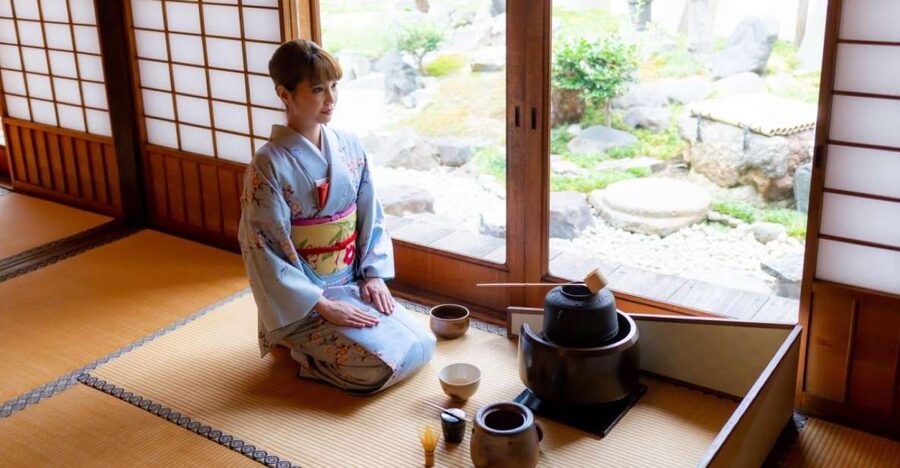
You remove your shoes before entering the Grand Tearoom. This is a practical detail, but it also marks a clear transition. Outside, you are a sightseeing visitor moving through Kyoto. Inside, you are asked to slow down, observe, and follow the rhythm of the ceremony.
The tearoom is reached by three steps, so it is not wheelchair accessible. The temple itself is wheelchair accessible, but the tea room is not. If sitting on the floor in the traditional position is difficult, ask for a seat or stool. This option makes the activity easier for many people, but it does not remove the steps at the entrance.
The small-group format helps here. With no more than 10 participants, the instructor can explain what is happening without shouting across a crowded room. You also have a better chance to ask questions about the utensils, the movements, or the meaning of the ceremony.
The atmosphere is quiet and formal, but not stiff. That balance is important. You are learning a respected tradition, yet the hosts make space for beginners who may not know how to sit, bow, hold a bowl, or respond at the right moment.
Watching the tea master prepare matcha
The tea master guides you through the preparation of matcha step by step. You see the measured movements involved in handling the bowl, adding the tea, pouring the water, and whisking it into a smooth drink.
The appeal is in the detail. A quick demonstration could leave you with a cup of green tea and a few photographs. This presentation explains the purpose behind the actions, so the ceremony becomes easier to appreciate.
The tea master’s movements are careful and controlled. That quiet precision is part of the lesson. The ceremony asks you to notice things that are easy to miss during a normal meal: the sound of the whisk, the shape of the bowl, the placement of each item, and the pauses between actions.
You also receive a traditional sweet with the matcha. The sweetness helps balance the sharp, grassy flavor of the tea. If you have only tried bottled green tea or a sweetened matcha drink, expect ceremonial matcha to taste stronger and more direct.
The hosts explain how to drink it properly and why certain actions matter. You are not expected to arrive with prior knowledge. The English instruction is designed for first-time participants, and the explanations are repeated or clarified when needed.
Same place, a different morning at the gates:
- Osaka/Kyoto:Kinkakuji,Arashiyama,FushimiInariShrine,NaraPark
★ 4.1 · 1,596 reviews - Kyoto Arashiyama Walking Tour: Bamboo, Monkeys, Gardens & Secrets
★ 5.0 · 1,216 reviews - Kyoto 1 Day Tour from Kyoto
★ 4.0 · 582 reviews - Kyoto Zen Meditation & Garden Tour at a Zen Temple with Lunch
★ 5.0 · 441 reviews
Making your own bowl of matcha
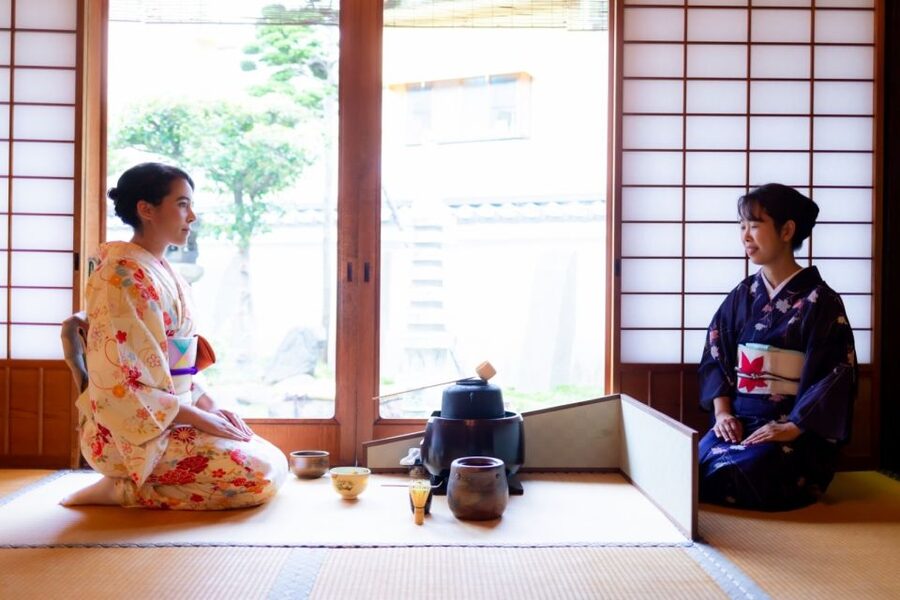
The most useful part of the experience is the chance to prepare your own tea. After watching the tea master, you use the ceremonial implements under guidance.
This turns the activity from a demonstration into a workshop. You learn how much effort goes into creating the foam, how to hold the whisk, and how the preparation differs from simply stirring powder into water. It also gives you permission to make mistakes in a relaxed setting.
I appreciate this practical element because it gives you something to remember after leaving Kyoto. You are not only carrying away a photograph or a general impression. You have tried the process yourself and can better understand the skill behind the tea master’s work.
The workshop also makes the ceremony less intimidating. The formal movements can look mysterious at first. Once you try them, you see that the ceremony is made from simple actions performed with focus and care.
The hosts make the difference
The English-speaking guides are a major part of the experience. Kate is praised for clear explanations and for making room for questions. Taka is also named as one of the hosts, and the ceremony is supported by tea masters who patiently guide participants through the process.
The strongest feature is not simply that the hosts speak English. It is that they explain the why as well as the how. You learn about the history and purpose of the tea ceremony, Japanese ideas about hospitality, and the importance of attention to detail.
That matters because cultural activities can sometimes reduce a tradition to a few photo-friendly gestures. Here, the explanations connect the actions to everyday ideas about respect, calm, and presence. You leave with a better sense of the ceremony as part of Japanese life rather than as a staged show for tourists.
The tone is warm and encouraging. Questions are welcome, and beginners are not made to feel awkward. That is especially helpful if you are unsure about traditional etiquette.
Why the 70-minute format works
A full traditional tea ceremony can last much longer. This experience gives you a shorter introduction, which is useful if you are fitting it between other Kyoto sights.
Seventy minutes is enough time to walk through the temple, complete the purification ritual, watch the demonstration, taste the tea and sweet, and prepare your own matcha. It is not long enough to become tiring, particularly for anyone who is not used to sitting in a formal position.
The shorter format does involve a tradeoff. You receive an introduction rather than an exhaustive study of tea ceremony schools, utensils, seasonal customs, or advanced etiquette. If your main interest is academic or highly specialized, you may want a longer course.
For most first-time visitors, though, the length is well judged. You get a real ceremony, practical participation, and useful cultural context without giving up half a day of your Kyoto schedule.
Is $29 good value?
At $29 per person, this is a reasonable Kyoto activity, especially because the price includes a guide and the chanoyu workshop ceremony. You also receive matcha, a traditional sweet, instruction from the tea master, and access to a temple setting during the experience.
The value comes from the combination. You could drink matcha for less elsewhere, but a café would not give you the purification ritual, the formal tea preparation, the explanations, or the chance to use the ceremonial tools.
The small group improves the value further. A 10-person limit means the fee is paying for instruction, not just admission to a room where someone performs tea at a distance.
I would not book this solely for the tea itself. Matcha is an acquired taste, and the drink can be quite strong. Book it for the setting, the guided learning, and the chance to participate in a tradition you cannot easily experience on your own.
Who should book this tea ceremony?
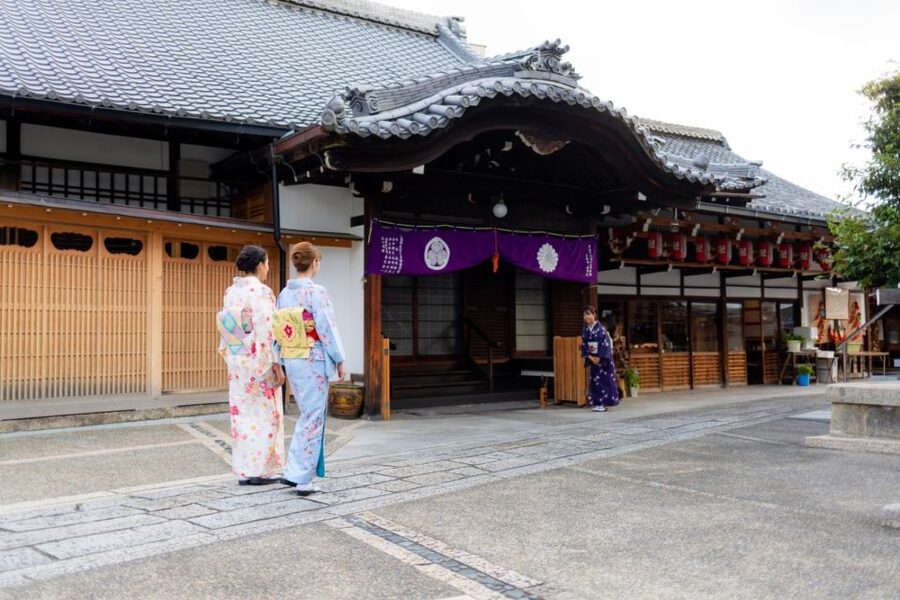
This experience suits first-time visitors to Japan who want a gentle introduction to tea ceremony customs. It also works well for couples, families with older children, and solo visitors who enjoy calm, structured cultural activities.
You will get the most from it if you are willing to listen, observe, and take part. This is not a loud entertainment show or a quick tasting stop. The pleasure comes from slowing down and noticing small actions.
It is also a good choice for anyone who wants a break from Kyoto’s busy sightseeing areas. The temple setting creates a quiet pause in the day, and the ceremony gives you a reason to stop checking the time.
You may want to skip it if you dislike formal rituals, do not enjoy matcha, or want a long temple tour. The activity is focused and intimate. It does not try to cover every aspect of Japanese culture.
Practical details before you go
The instructor speaks English, and the group is limited to 10 participants. Starting times vary, so check availability when choosing your date.
Wear something that makes it easy to remove your shoes. You may sit traditionally on the floor, although seats and stools can be provided on request. The tearoom has three steps and cannot accommodate wheelchair users, even though the temple grounds themselves are accessible.
Allow a little time to find the entrance and meet at the red benches. Inside the temple, face the Main Hall and look left toward the steps for the tea room.
You can cancel up to 24 hours before the experience for a full refund, and you can reserve now while paying later. Those options are useful if your Kyoto plans are still shifting.
My verdict: should you book it?
I would book this if you want a clear, respectful, hands-on introduction to Japanese tea ceremony. The strongest points are the calm Jotokuji Temple setting, the purification ritual, the small group, and the chance to make your own matcha.
The hosts also deserve credit. Kate, Taka, and the tea masters make the ceremony understandable without stripping away its formality. You get enough explanation to appreciate the tradition, but enough participation to keep the hour from feeling like a lecture.
The main limits are the three steps into the tearoom and the short format. This is an introduction, not a four-hour formal ceremony or a complete course in tea culture.
For $29, it offers a rare mix of access, instruction, and atmosphere. If you have room in your Kyoto schedule for one quiet cultural experience, Ju-An at Jotokuji Temple is a strong choice.
FAQ
How long does the tea ceremony last?
The experience lasts 70 minutes.
Where does the tea ceremony take place?
It takes place at Tea Ceremony Ju-An in Jotokuji Temple, at 556 Gojo-sagaru, Tominokoji Dori, Shimogyo-Ku, Kyoto.
How do I find the tea room inside the temple?
Once inside, face the Main Hall and look to the left. A few steps lead up to the tea room.
Is the experience conducted in English?
Yes. The instructor and explanations are in English.
What is included in the price?
The experience includes a tour guide and the chanoyu workshop ceremony.
Is food included?
A traditional sweet is served with the matcha, but a meal is not included.
Can I make my own matcha?
Yes. The tea master demonstrates the preparation, then guides you as you prepare your own tea.
Is the tearoom wheelchair accessible?
No. The temple is wheelchair accessible, but the tearoom has three steps and is not suitable for wheelchair users.
Can I use a chair instead of sitting on the floor?
Yes. Seats and stools can be provided for people who are not comfortable sitting in the traditional position.
Can I cancel the booking?
Yes. You can cancel up to 24 hours in advance for a full refund. You can also reserve now and pay later.
Just added around Kyoto
- Kyoto:Kiyomizu-dera Temple Rent a kimono and ride a rickshaw★ 4.8 · 7 reviews
- Kyoto: Kiyomizudera, Sanjusangendo, Ginkakuji and Higashiyama.★ 5.0 · 3 reviews
- Kyoto: Shakyo & Matcha in Historic Temple Garden★ 5.0 · 4 reviews
- KYOTO: Tempio Kiyomizu Pagode Gion “Geisya” (Guida Italiana)★ 4.7 · 17 reviews
- Kyoto:Quiet Arashiyama and Sagano Temples★ 4.8 · 5 reviews
- Kyoto: Kifune Shrine and the Sacred Kifune Valley Day Trip★ 4.4 · 4 reviews
- KYOTO: Golden Pagoda, Bamboo Forest, Arashiyama (Italian)★ 4.9 · 5 reviews
- KYOTO: Tour guidato tra i tesori della città (in italiano)★ 5.0 · 5 reviews
Kyoto Temple Tours, compared.
Osaka/Kyoto:Kinkakuji,Arashiyama,FushimiInariShrine,NaraPark
Read our review →
Kyoto Arashiyama Walking Tour: Bamboo, Monkeys, Gardens & Secrets
Read our review →
Arashiyama Bamboo, Temple, Monkeys, or Secret Sake Brewery
Read our review →
Arashiyama Bamboo Forest, Monkeys, Matcha & Temple Tour
Read our review →
Osaka/Kyoto: Arashiyama, Nara & Fushimi Inari Shrine w/Lunch
Read our review →
Kyoto Zen Meditation & Garden Tour at a Zen Temple with Lunch
Read our review →
Browse the lists this tour appears in