
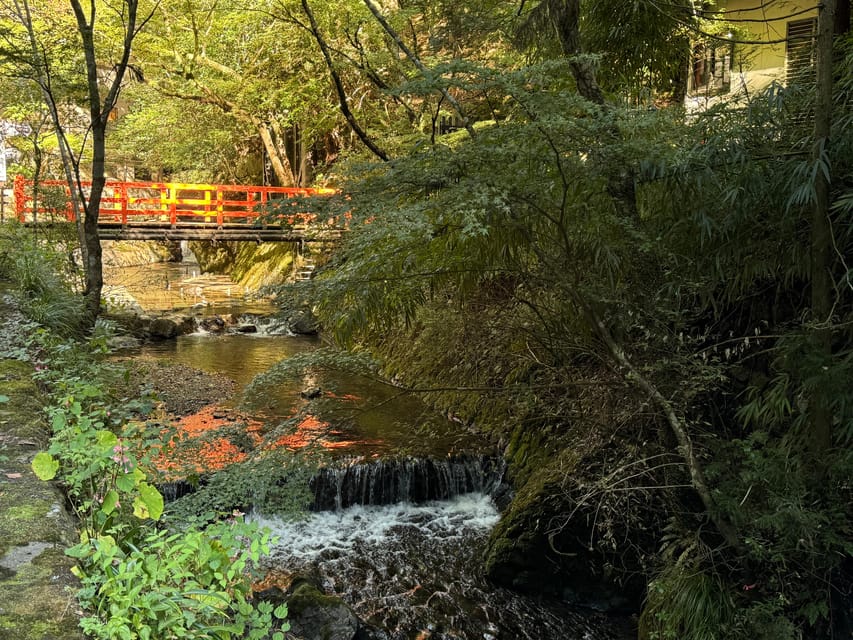
Review · KYOTO
Kyoto: Kifune Shrine and the Sacred Kifune Valley Day Trip
Quiet mountains, sacred water, and a little Kyoto magic. This private outing takes you from Kyoto toward the peaceful Kifune Valley, where forest paths, clear streams, and Kifune Shrine offer a welcome change from the city. I especially like the scenic Eizan Railway ride and the chance to try the rare Mizu-ura water fortune ritual.
I also like the personal feel of a private group, with English or Japanese guiding available. Guides such as Yoshi and Kisho Hasegawa have earned warm praise for their kindness and cultural knowledge. The main concern is meeting-point confusion: one booking has already lost time because the wrong starting place was used, so you should confirm your exact option before setting out.
Key points at a glance
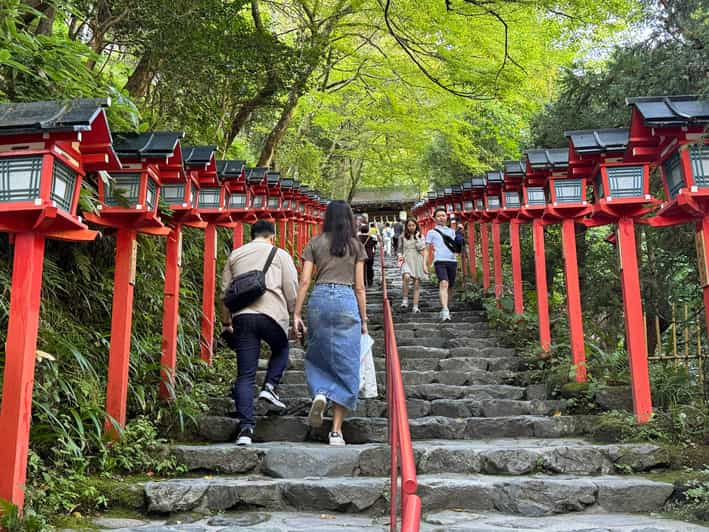
- A scenic train ride from Kyoto: Travel from Kyoto Station toward Demachiyanagi, then ride the Eizan Railway through quieter countryside to Kifune-guchi.
- Kifune Shrine among streams and trees: Spend about 30 minutes at the main shrine grounds, with nature providing much of the atmosphere.
- A second spiritual stop at Nakamiya: The middle shrine gives the visit more depth than a quick photo stop at the main hall.
- Try Mizu-ura fortune telling: Place your fortune paper on the shrine’s water and watch the message appear.
- Private guiding for $81: The price makes more sense if you value personal explanations and help with the route.
- Walking shoes matter: This is not suitable for wheelchair users, and the mountain setting calls for steady footwear.
Why Kifune makes a fine break from central Kyoto
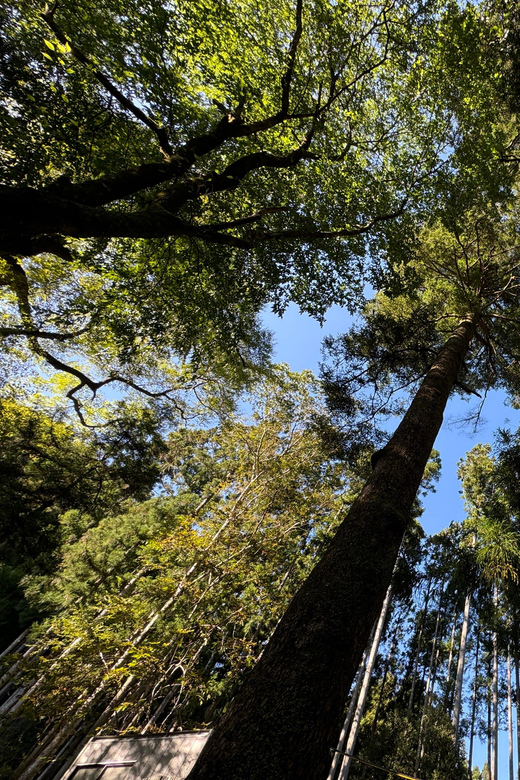
Kyoto can feel wonderfully intense. Temples, shopping streets, packed buses, and famous shrines fill your schedule fast. Kifune offers a different pace. Here, the focus shifts to mountain air, flowing water, tall trees, and a quieter form of religious practice.
Kifune Shrine is tied closely to water, which makes the setting feel fitting rather than decorative. The clear streams around the valley help explain why this place has long held spiritual importance. You are not simply checking off another ornate building. You are walking through a natural setting that is part of the shrine experience.
I would choose this outing if you want a cultural visit with room to breathe. It suits you especially well if you have already seen several of Kyoto’s major central temples and now want a place with fewer city distractions. The tour is also a good match for anyone who prefers a guide to explain customs rather than simply point out buildings.
The mood is peaceful, but do not mistake peaceful for effortless. The experience includes walking, a railway transfer, and a meeting arrangement that needs careful attention. You should also expect a short visit rather than an all-day guided expedition, since the listed duration ranges from 90 minutes to four hours depending on the option and schedule.
More Day Trips in Kyoto:
- Kyoto 1 Day Tour from Kyoto
★ 4.0 · 582 reviews - Kyoto to Arashiyama Day Trip – Private & Personalized
★ 4.2 · 22 reviews - Athens: Cape Sounion & Poseidon Temple Sunset Half-Day Trip
★ 4.8 · 8,241 reviews
From Kyoto Station to Kifune-guchi by rail
The journey begins at Kyoto Station’s JR West Exit in the stated route plan. From there, you proceed to Demachiyanagi Station and board the Eizan Railway toward Kifune. This train ride is one of the outing’s best features because the transition from urban Kyoto to mountain country happens gradually.
That change matters. You get a sense of leaving the busy core behind instead of appearing suddenly at a shrine by taxi. The railway portion gives the trip a proper sense of place, with the city giving way to quieter countryside on the route toward Kifune-guchi Station.
At Kifune-guchi, you continue to the shrine area. The available information does not promise a specific train service, reserved seating, or a particular travel time, so you should check the exact schedule attached to your booking. The overall timing can vary, and the activity may be listed as anywhere from 90 minutes to four hours.
The starting-point details deserve special care. The options include Kifune Ichinotani sightseeing toilet and Kurama Mountain Great Tengu, with the meeting point depending on what you book. Those are not interchangeable places in practical terms. Confirm the Japanese name, the map location, and the meeting time before leaving your hotel.
One guest lost part of the experience after a misleading meeting point sent the group to the wrong location. That is a clear warning, not a minor footnote. Save the meeting details offline, allow extra time, and contact the provider if the location does not match your confirmation.
Kifune Shrine and the 30-minute main-hall visit
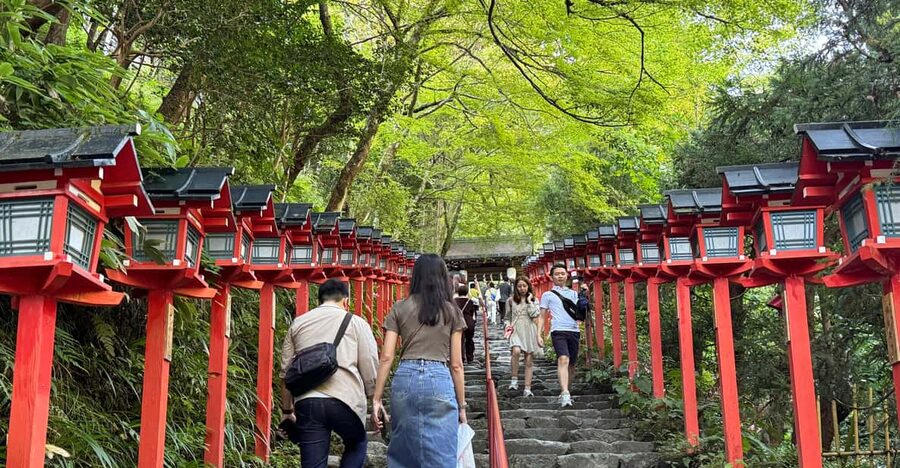
The main Kifune Shrine visit lasts about 30 minutes within the guided walking portion. That is enough time to take in the sacred grounds, look closely at the main hall, and listen to an explanation of the site without making the stop feel rushed.
The setting does much of the work. Dense forest surrounds the shrine, while clear mountain streams add sound and movement. You get a stronger feeling of connection between religious practice and the natural world than you might at a temple surrounded by city streets.
A guide can also help you notice details that a quick independent visit might miss. Yoshi received especially warm praise for explaining Japanese culture and history while remaining kind throughout the outing. Kisho Hasegawa was also praised for his helpful manner and strong knowledge of local culture. Since this is a private group, you have a better chance to ask questions and set a comfortable pace.
Keep your expectations realistic. This is not described as a long lecture or an extended shrine study. The main stop is focused, and the total time at Kifune Shrine may feel short if you want to photograph every corner or linger in silence. I would treat the guided explanation as the core benefit, then use any spare time for careful looking rather than trying to cover a huge complex.
Bring a camera, but do not let it run the whole visit. The forest, water, and shrine buildings create attractive views, yet the quiet setting is part of the point. A few minutes without photographing can make the place feel more memorable.
The Mizu-ura fortune ritual and water as a guide
One unusual part of the outing is the Mizu-ura fortune ritual. This water divination practice uses the shrine’s water to reveal your fortune, giving you a small, hands-on connection to Kifune’s spiritual identity.
The attraction is not just novelty. Many shrine visits involve observing rituals from the edge. Here, you have a simple action to perform, and the result gives you something personal to consider after leaving. It is a modest experience, but it helps the visit feel specific to Kifune rather than like a generic stop at another Japanese shrine.
The supplied details identify Mizu-ura as a rare water fortune experience, but they do not state an extra price or explain every step. Ask your guide how it works when you arrive. That is also a good moment to ask about the meaning of the fortune and the proper way to handle it.
Because the ritual relates to water, it fits the setting particularly well. The streams are not merely scenery for photographs. They help connect the physical place with the shrine’s religious purpose. I find that kind of connection more satisfying than a sightseeing stop where the surrounding nature is only a backdrop.
A few more temple visits around Kyoto worth a look
- Kyoto: Tea Ceremony Ju-An at Jotokuji Temple
★ 4.9 · 3,207 reviews - Arashiyama Bamboo, Temple, Monkeys, or Secret Sake Brewery
★ 4.8 · 886 reviews - Kyoto: Arashiyama Bamboo Forest, Monkeys, Matcha & Temple Tour
★ 5.0 · 759 reviews - Osaka/Kyoto: Arashiyama, Nara & Fushimi Inari Shrine w/Lunch
★ 4.4 · 754 reviews
Nakamiya, the middle shrine, adds a quieter second act
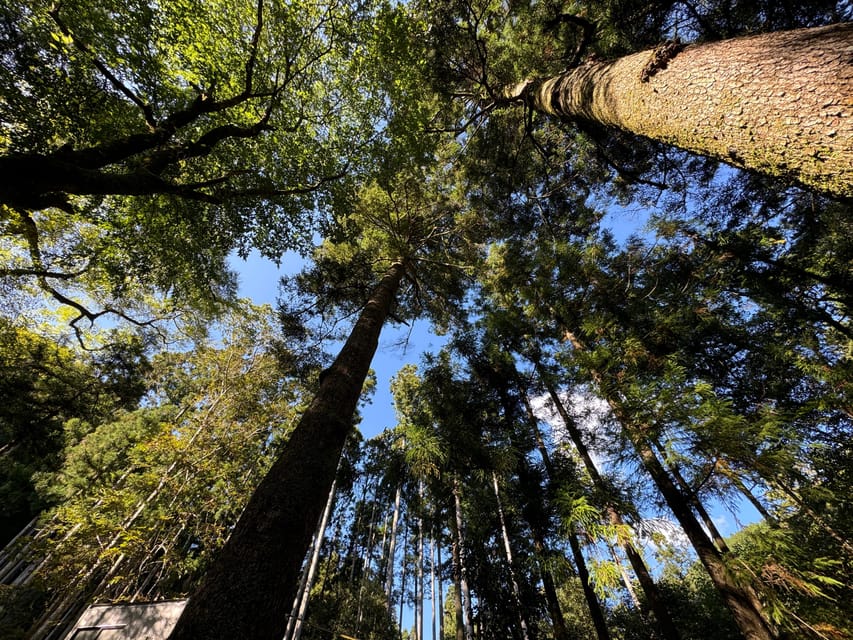
After the main shrine, the tour includes a visit to Nakamiya, the middle shrine of Kifune. This second stop is important because it gives the outing a broader spiritual shape. You are not simply arriving, photographing the main hall, and turning back.
The visit to Nakamiya offers more time for quiet reflection and a closer look at the sacred character of the valley. The information provided does not give a separate duration for this stop, so the amount of time may depend on your selected option, guide, and transport schedule.
I would ask your guide to explain the relationship between the main shrine and Nakamiya. That context can make the route feel purposeful. Without it, you might see the second stop as just another building along the path. With it, the walk becomes part of understanding how the site is organized and why different shrine areas matter.
This is also where the private format has real value. You can pause for a question, request a slower walk, or spend a little more time in a quiet spot if the schedule allows. A larger group would make that harder.
There is a practical limit. The total program is not guaranteed to be a full-day exploration of every religious site in the valley. If you want a long mountain walk, extensive photography time, or a broad visit to nearby areas, you should check the exact duration before booking.
What $81 buys you, and when it feels worthwhile
At $81 per person, this is more expensive than simply making your own way to Kifune. The price has to earn its keep through guidance, route support, and the private-group format.
For me, the strongest value comes from combining several small pieces: the train journey, the transfer to the shrine, an explanation of the main grounds, the Nakamiya visit, and the Mizu-ura ritual. You are paying for a structured cultural outing rather than an admission ticket alone.
The value is better if you are visiting Japan for the first time, feel unsure about local shrine customs, or want to ask questions in English. It is also useful if you prefer someone else to manage the route while you focus on the scenery.
The value is weaker if you are comfortable with Japanese rail travel and already plan to visit Kifune independently. You may prefer to spend your own time at the shrine and avoid the fixed schedule. Meals and drinks are not included, so allow money and time for your own food arrangements.
The rating shown for the activity is 4.4 from four reviews. That is a promising score, but it is still a small sample. The feedback is notably strong on guide quality, with Yoshi and Kisho Hasegawa praised for kindness and cultural explanations. The lower rating identifies a serious logistics issue, so I would put more weight on meeting-point clarity than on the average number alone.
Walking, timing, and what to bring
Wear comfortable walking shoes. The route includes shrine grounds and walking around a mountain valley, and the activity is not suitable for wheelchair users. Even if the guided section is short, uneven or sloped surfaces can change how comfortable the visit feels.
Bring water and a camera. Water is especially sensible because meals and drinks are not included. A camera will serve you well around the forest, streams, shrine buildings, and scenic rail route, but you should also leave space for simply watching the valley.
The tour can end back in Kyoto in the late afternoon, with the stated plan concluding by about 16:00. However, the activity page also gives a duration range of 90 minutes to four hours. Treat the exact booking option as the final word, and do not schedule a tight evening reservation until you know the selected start time and return plan.
The drop-off information lists Kifune Shrine and the Lantern Stairs as possible locations. That suggests the final point can vary by option. Check this before booking if you need to meet someone, catch a train, or return to a hotel at a particular hour.
Cancellation is flexible, with a full refund available when you cancel at least 24 hours ahead. You can also reserve and pay later, which helps if your Kyoto plans are still shifting. These policies do not fix a confusing meeting point, though, so read the confirmation carefully.
Who will enjoy this Kifune outing most
I would recommend it to you if you want:
- A quieter side of Kyoto away from the central temple circuit
- A private group rather than a large sightseeing party
- A guide who can explain Japanese culture in English or Japanese
- A scenic rail journey paired with a shrine visit
- A short spiritual outing with time for reflection
- A distinctive activity such as the Mizu-ura fortune ritual
You may want to skip it if you dislike transfers, prefer a completely independent schedule, or need step-free access. It may also disappoint you if you expect a long, strenuous mountain hike or a full day packed with multiple major attractions.
The outing works best when you value atmosphere over volume. You will not see dozens of sights. Instead, you get a focused visit to one sacred valley, with enough explanation to understand why the water and forest matter.
Should you book the Kifune Shrine tour?
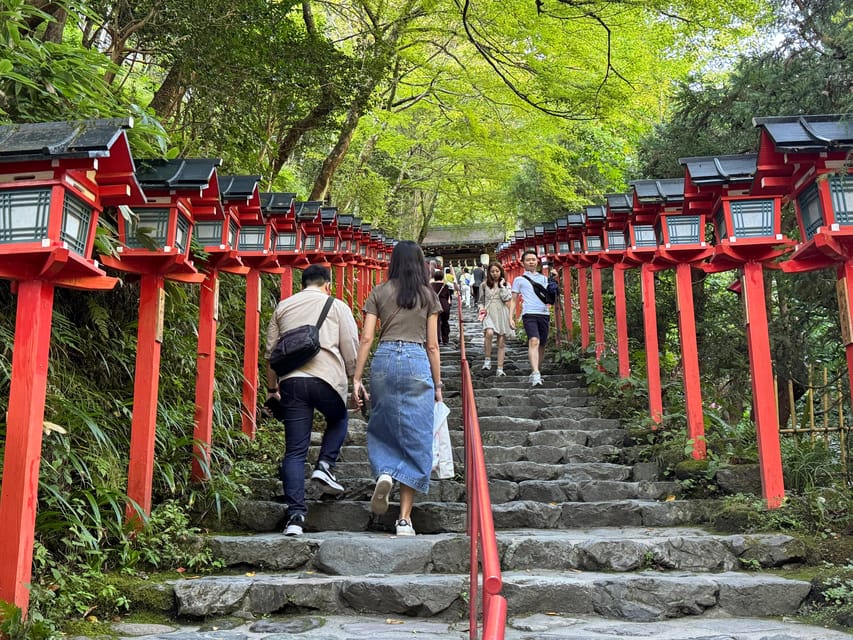
Book it if Kifune’s quiet setting appeals to you and you want help making sense of the route and shrine customs. The strongest reasons are the scenic train ride, the private guiding, the visit to both the main shrine and Nakamiya, and the rare Mizu-ura water fortune ritual.
I would book with one condition: verify the exact starting point and drop-off location before you pay. The meeting confusion reported for one booking is the main flaw in an otherwise appealing outing.
At $81, this is a fair choice for a private cultural experience, especially if you value a guide such as Yoshi or Kisho Hasegawa and would rather not manage the journey alone. If you are confident navigating Kyoto’s rail system and want unlimited time at Kifune, go independently. For a guided escape into Kyoto’s mountains with a clear spiritual focus, this tour earns consideration.
FAQ
Where does the tour start?
The meeting point depends on the option booked. The listed starting choices include Kifune Ichinotani sightseeing toilet and Kurama Mountain Great Tengu. Check your booking confirmation carefully for the correct location.
How long does the experience last?
The listed duration ranges from 90 minutes to four hours, depending on availability and the selected option. The planned return to Kyoto is in the late afternoon, with the stated schedule ending by about 16:00.
Is transportation included?
The route includes travel from Kyoto toward Demachiyanagi Station and a scenic Eizan Railway ride to Kifune-guchi Station, followed by the journey to Kifune Shrine. Check the details of your selected option for the exact transportation arrangements.
Is the tour available in English?
Yes. Live guiding is available in English and Japanese.
Are food and drinks included?
No. Meals and beverages are not included, so bring water and plan separately for food.
Is the tour suitable for wheelchair users?
No. The activity is not suitable for wheelchair users. Comfortable walking shoes are recommended.
Just added around Kyoto
- Kyoto: Kiyomizudera, Sanjusangendo, Ginkakuji and Higashiyama.★ 5.0 · 3 reviews
- Kyoto: Shakyo & Matcha in Historic Temple Garden★ 5.0 · 4 reviews
- Kyoto:Kiyomizu-dera Temple Rent a kimono and ride a rickshaw★ 4.8 · 7 reviews
- KYOTO: Tempio Kiyomizu Pagode Gion “Geisya” (Guida Italiana)★ 4.7 · 17 reviews
- Kyoto:Quiet Arashiyama and Sagano Temples★ 4.8 · 5 reviews
- KYOTO: Golden Pagoda, Bamboo Forest, Arashiyama (Italian)★ 4.9 · 5 reviews
- KYOTO: Tour guidato tra i tesori della città (in italiano)★ 5.0 · 5 reviews
- Kyoto : Kiyomizu-dera Temple : kimono and Indoor photo shoot★ 4.6 · 5 reviews
Kyoto Temple Tours, compared.
Osaka/Kyoto:Kinkakuji,Arashiyama,FushimiInariShrine,NaraPark
Read our review →
Kyoto Arashiyama Walking Tour: Bamboo, Monkeys, Gardens & Secrets
Read our review →
Arashiyama Bamboo, Temple, Monkeys, or Secret Sake Brewery
Read our review →
Arashiyama Bamboo Forest, Monkeys, Matcha & Temple Tour
Read our review →
Osaka/Kyoto: Arashiyama, Nara & Fushimi Inari Shrine w/Lunch
Read our review →
Kyoto Zen Meditation & Garden Tour at a Zen Temple with Lunch
Read our review →Browse the lists this tour appears in