
Review · KYOTO
Kyoto Zen Meditation & Garden Tour at a Zen Temple with Lunch
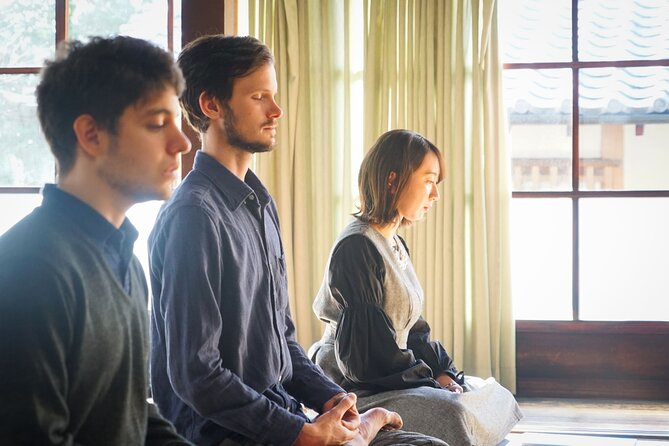
Kyoto slows down inside a Zen temple. This four-and-a-half-hour outing pairs a monk-led meditation session with peaceful gardens and temple walks, and I especially like the chance to learn zazen directly rather than simply photograph a temple. The included traditional Buddhist lunch adds real cultural value, though the late meal on the 10:45 departure can catch you off guard.
The small group, capped at seven people, gives you room to ask questions and follow the guide at an easy pace. You should also plan carefully: the tour begins on time, private conversation is not allowed during meditation, and the food may not suit every allergy or dietary need.
Key points to know before booking
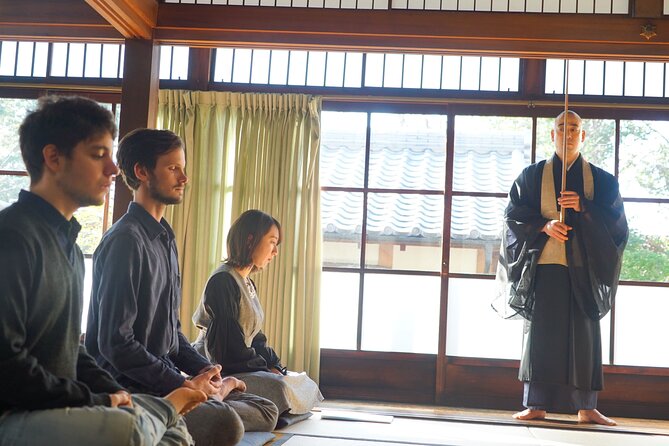
- Meditation with a resident Zen monk: You receive instruction in zazen, practice quietly, and have a chance to ask questions through your guide.
- Several temple areas in one morning or afternoon: The route includes Tofukuji, Zen gardens, and another temple area near Chishaku-in.
- Small groups of seven or fewer: This makes it easier to hear explanations and ask about Buddhism, Shinto, architecture, and local customs.
- A traditional Buddhist meal is included: The food is vegetarian and historically associated with meals served at Zen temples.
- Strict timing matters: If you miss the group, you cannot join later, reschedule, or receive a refund.
- Comfort depends on the season: Bring water and a hat in summer, and wear thick socks in winter when temple floors can feel cold.
Why this Kyoto Zen experience feels different
Kyoto offers no shortage of temples, but many visits are built around looking. This tour asks you to slow down, sit still, and learn why Zen practice matters. That change in pace is the main reason I would consider it, especially if your Kyoto schedule already includes several crowded sightseeing stops.
The experience is based around one of Kyoto’s five major Zen temples. You walk through temple grounds and a dry garden, listen to explanations from a local guide, and then take part in a formal meditation session. The result is more than a quick temple stop, but it is not a religious retreat either. It is a guided introduction for curious visitors.
The strongest part is the connection between place and practice. A garden is easier to understand when you learn how it supports quiet attention. A meditation hall feels less mysterious when someone explains how to sit, what to expect, and why silence matters.
The tone is calm and respectful. Guides such as Yutaka, Yukata, and Hikari have been praised for their warmth, clear explanations, and love of Kyoto. Hikari, in particular, has helped bridge the language gap during the monk’s instruction, while Yutaka has been noted for explaining Zen Buddhism and Kyoto culture with patience.
A few more temple visits around Kyoto worth a look
- Osaka/Kyoto: Arashiyama, Nara & Fushimi Inari Shrine w/Lunch
★ 4.4 · 754 reviews - Teotihuacan, Guadalupe Shrine & Tlatelolco Day Tour with Lunch
★ 5.0 · 11,603 reviews - From Bangkok: Ayutthaya Temples Guided Tour with Lunch
★ 4.7 · 10,535 reviews
Starting near Tofukuji Station
The meeting point is FamilyMart Nakai Tofukuji, at 12-chome-232 Honmachi in Kyoto’s Higashiyama Ward. It is near public transportation, but you still need to allow time to find the exact convenience store and gather before departure.
Do not treat the start time as a suggestion. The group leaves on time, and arriving late means you may lose the entire activity without a refund. I would arrive early enough to locate the meeting point, use the restroom, and settle in before the guide begins.
The route begins in the Tofukuji area, where the streets and temple buildings provide an early introduction to Kyoto’s religious side. Your guide gives context as you walk, helping you notice the difference between a simple photo stop and a place designed for ritual, study, and quiet reflection.
Because the group is limited to seven, you should be able to hear without straining. That matters in temple grounds, where large groups can quickly become scattered and explanations can get lost.
Walking through Tofukuji and its Zen gardens
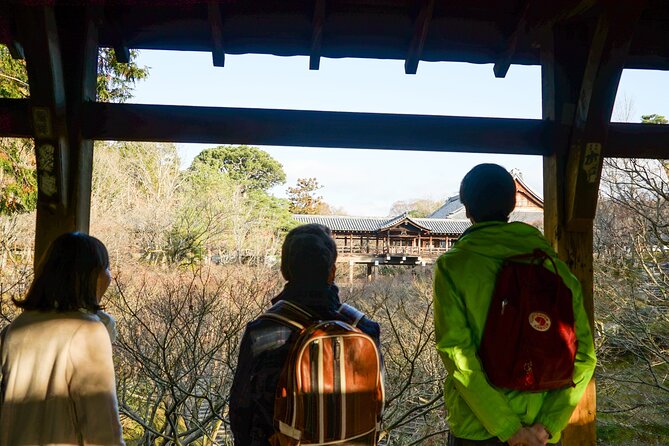
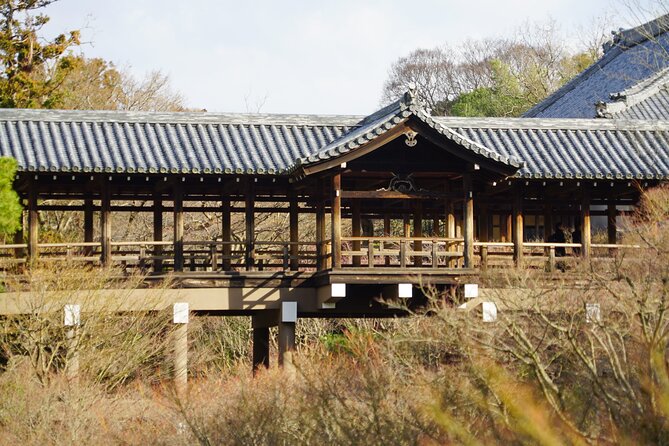
Tofukuji is one of the major Zen temple complexes connected with this experience. The visit is not only about entering a famous site and moving on. Your guide explains the temples, gardens, and religious traditions as you walk, giving the scenery a clearer purpose.
The dry garden is likely to be a highlight if you enjoy simple design and quiet spaces. Carefully placed stones, gravel, and open areas create a setting meant for contemplation rather than entertainment. Your guide’s comments help you understand why the garden feels so spare and how Zen ideas shape the way it is viewed.
You will also have time to pause and take photographs, but the value here is in giving yourself a moment before reaching the meditation session. Several people who enjoyed this outing especially appreciated the calm walk through Tofukuji and the chance to sit quietly before meditation.
Keep your expectations realistic. This is a guided cultural walk, not a private garden visit. The temple areas may have other visitors, and the tour does not turn every stop into a long period of silence. The quietest part comes later, inside the meditation setting.
Temple admission is included, which is helpful in Kyoto, where entrance fees can quickly add up across a day of sightseeing. You do not need to handle separate admission payments during the tour.
Preparing for zazen with a local guide
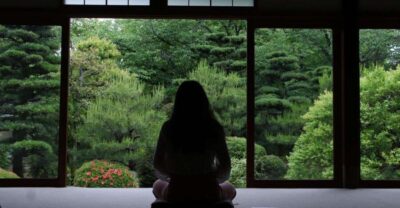
Before you sit with the monk, the guide explains the basics of zazen, or Zen meditation. This preparation is important if you have never meditated in a temple. You learn what the session involves, how to behave, and what kind of quiet is expected.
The meditation itself is not presented as a performance or a test. You are there to try the practice under instruction. The monk leads the session, and your guide helps translate or clarify what is happening, particularly when the monk speaks only Japanese.
One especially useful arrangement is that the guide prepares you before the monk arrives. That means you are not left guessing about posture, silence, or the purpose of the session. During the meditation, private conversation is generally prohibited, and you may receive written material to read silently.
The session can last about an hour, with a short break in the middle. Afterward, the monk may speak with the group and answer questions through the guide. This gives you a chance to ask about meditation, Zen practice, or the temple itself rather than simply leaving after sitting in silence.
I like this balance. The session is authentic enough to require respect and quiet, but the guide makes it approachable for first-time participants. You do not need previous meditation experience, and the tour is aimed at adults and older children over age 12.
Do note the physical side. Sitting on a temple floor can be demanding if you have stiff knees or are not used to floor-based practice. The provided information does not promise chairs or special seating, so ask the operator in advance if you have a concern. In winter, thick socks are a smart choice because temple floors can be very cold.
Same place, a different morning at the gates:
- Kyoto: Tea Ceremony Ju-An at Jotokuji Temple
★ 4.9 · 3,207 reviews - Osaka/Kyoto:Kinkakuji,Arashiyama,FushimiInariShrine,NaraPark
★ 4.1 · 1,596 reviews - Kyoto Arashiyama Walking Tour: Bamboo, Monkeys, Gardens & Secrets
★ 5.0 · 1,216 reviews - Arashiyama Bamboo, Temple, Monkeys, or Secret Sake Brewery
★ 4.8 · 886 reviews
Learning from the monk without losing the silence
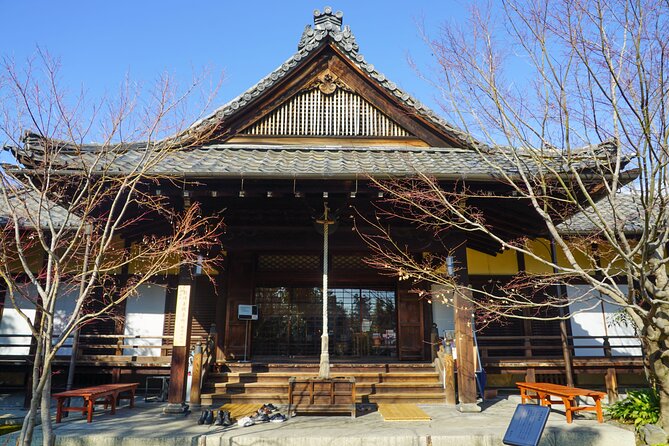
The meditation works because the tour protects the atmosphere. You are not expected to chat through the session or take a running series of photographs. The quiet may feel unusual at first, especially after a busy day in Kyoto, but that is part of the point.
The language arrangement also deserves attention. The monk may give instruction in Japanese, while the guide provides explanations in English. Hikari has been praised for translating additional comments and questions, and guides including Yutaka have helped visitors understand both the practical method and the wider ideas behind Zen.
This is one area where a good guide makes a major difference. You are not simply following an unknown ritual. You learn what you are doing and why it matters.
Still, you should not expect a long philosophical seminar. The meditation session is the central experience, while the guide’s explanations provide a useful introduction. If you already study Zen Buddhism seriously, you may find the material basic. If you are new to meditation, the format should feel welcoming and manageable.
Finishing with a traditional Buddhist lunch
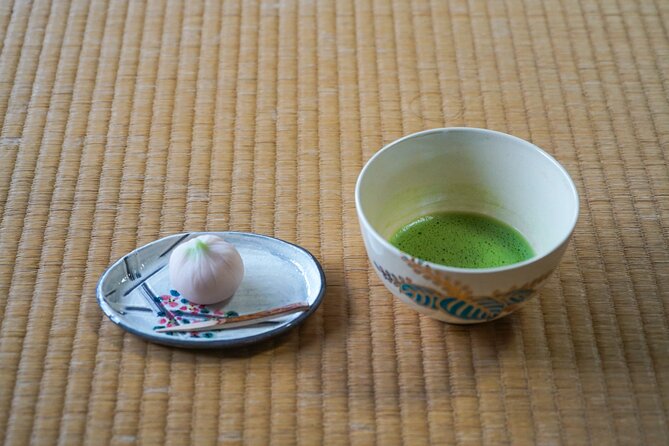
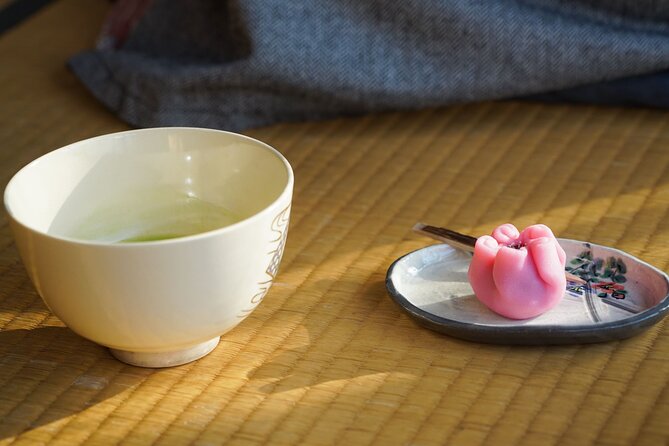
Food is included, and it is more than a convenient snack between temple stops. The meal is a traditional Buddhist lunch associated with food historically served by Zen monks. It is vegetarian and gives the tour another way to connect daily life with temple practice.
Several people have particularly enjoyed the meal, with one describing the Kyoto-style lunch as generous and unexpectedly satisfying. I would see it as a strong part of the price, since it saves you from arranging lunch separately and gives you a cultural experience you might not choose on your own.
The schedule matters here. On the 10:45 departure, lunch is expected at about 2:15 p.m., after meditation. Eat a proper breakfast or early brunch before you go. You do not want hunger distracting you during a quiet hour in the temple.
Dietary planning requires care. You can submit a dietary request by the day before, but same-day changes are not accepted. The operator cannot guarantee an allergy-free meal because the food is prepared in kitchens it does not control, and substitutions may not be possible at every stop.
If you have a serious allergy or strict dietary requirement, contact the provider before booking and bring a backup snack if needed. The included meal is a benefit, but it should not be treated as fully customizable.
Ending near Chishaku-in Temple
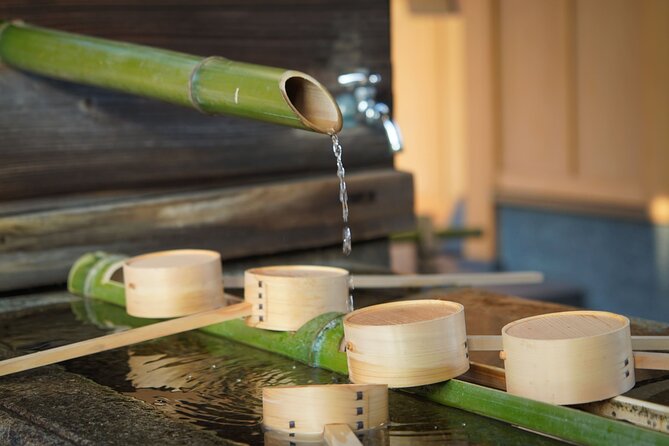
The activity is described as returning to the meeting point, but the practical plan is to finish and disband at the last shop near Chishaku-in Temple. This detail is worth noting because it affects your afternoon plans.
Chishaku-in gives you a useful location for continuing your Kyoto day, but you should not assume you will be escorted back to FamilyMart. Confirm the final meeting and departure instructions with your guide on the day.
The route’s ending also means you may need to plan your next stop from the Chishaku-in area rather than from Tofukuji. That is not a problem if you are flexible, but it matters if you have a timed reservation elsewhere.
Is $110.10 a fair price?
At $110.10 per person, this is not a budget temple walk. The price makes more sense when you count what is bundled together: a small-group guide, temple admission, a monk-led meditation session, access to Zen garden areas, and lunch.
You are also paying for interpretation and organization. Visiting a temple on your own costs less, but you may not know where meditation is offered, how to behave during the session, or how to ask questions afterward. The guide connects those pieces.
The value is strongest for a first-time visitor who wants an organized introduction to Zen Buddhism. It is less compelling if you only want to see gardens quickly, if you dislike group schedules, or if you already have a serious meditation practice and can arrange a temple session independently.
The seven-person limit helps. You are not being moved through the grounds in a large crowd, and the guide can respond to individual questions. That personal attention is a practical reason the price is higher than a basic sightseeing walk.
Who will enjoy this most?
I would recommend this experience to you if you want a quieter counterpoint to Kyoto’s busy shopping streets and major attractions. It suits solo visitors particularly well because the structure makes it easy to learn, reflect, and speak with a guide without arranging a private tour.
It also works for couples, friends, and families with participants over age 12 who are comfortable following temple etiquette. The session is suitable for beginners, and the guide explains what to expect before you sit.
You may want to skip it if you need a flexible start, cannot sit quietly for an extended period, or require guaranteed allergy-free food. It is also not ideal for anyone who wants a fast checklist of famous sights. The pace is deliberate by design.
Bring water and a hat in summer. Kyoto can be hot and humid, and the operator specifically warns about heat-related illness. In winter, wear thick socks. Dress for walking, sitting, and entering temple spaces rather than treating this as a purely outdoor stroll.
Booking and cancellation details
You receive confirmation when you book, and the experience uses a mobile ticket. Free cancellation is available if you cancel at least 24 hours before the local start time.
Cancellations or changes made less than 24 hours ahead are not accepted, and late arrival is especially risky. Because the group cannot wait, build extra time into your morning or afternoon.
My recommendation
I would book this tour if you want to understand Kyoto through both its buildings and its practice. The strongest elements are the monk-led zazen session, the small group, the guide’s interpretation, and the Buddhist lunch.
Go in expecting quiet, not entertainment. Eat before a late departure, disclose dietary needs early, wear suitable socks, and arrive well ahead of time. For a visitor who wants a thoughtful half-day with genuine religious context, this is a strong use of four and a half hours.
FAQ
Where does the Kyoto Zen meditation tour begin?
It begins at FamilyMart Nakai Tofukuji, 12-chome-232 Honmachi, Higashiyama Ward, Kyoto, 605-0981, Japan.
How long does the experience last?
The tour lasts approximately four hours and 30 minutes.
How many people can join the tour?
The group has a maximum of seven participants.
Is temple admission included?
Yes. You do not need to pay separate admission fees for the temples included in the experience.
Is lunch included?
Yes. A traditional Buddhist meal is included, and it is vegetarian.
What time is lunch on the 10:45 departure?
For the 10:45 start, lunch is scheduled for about 2:15 p.m., after the meditation session.
Is the meditation led by a monk?
Yes. A resident Zen monk guides the meditation experience, with help from the local guide when translation or further explanation is needed.
Can beginners join the meditation?
Yes. The guide explains the fundamentals of zazen before the session, so previous meditation experience is not required.
Are children allowed to join?
Participants must be over 12 years old.
Can I cancel for a full refund?
You can cancel for a full refund if you do so at least 24 hours before the experience start time. Changes or cancellations made less than 24 hours ahead are not accepted.
Just added around Kyoto
- Kyoto: Kiyomizudera, Sanjusangendo, Ginkakuji and Higashiyama.★ 5.0 · 3 reviews
- Kyoto: Shakyo & Matcha in Historic Temple Garden★ 5.0 · 4 reviews
- Kyoto:Kiyomizu-dera Temple Rent a kimono and ride a rickshaw★ 4.8 · 7 reviews
- KYOTO: Tempio Kiyomizu Pagode Gion “Geisya” (Guida Italiana)★ 4.7 · 17 reviews
- Kyoto:Quiet Arashiyama and Sagano Temples★ 4.8 · 5 reviews
- Kyoto: Kifune Shrine and the Sacred Kifune Valley Day Trip★ 4.4 · 4 reviews
- KYOTO: Golden Pagoda, Bamboo Forest, Arashiyama (Italian)★ 4.9 · 5 reviews
- KYOTO: Tour guidato tra i tesori della città (in italiano)★ 5.0 · 5 reviews
Kyoto Temple Tours, compared.
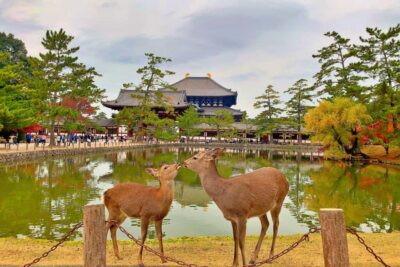
Osaka/Kyoto:Kinkakuji,Arashiyama,FushimiInariShrine,NaraPark
Read our review →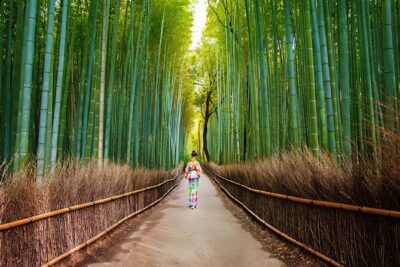
Kyoto Arashiyama Walking Tour: Bamboo, Monkeys, Gardens & Secrets
Read our review →
Arashiyama Bamboo, Temple, Monkeys, or Secret Sake Brewery
Read our review →
Arashiyama Bamboo Forest, Monkeys, Matcha & Temple Tour
Read our review →
Osaka/Kyoto: Arashiyama, Nara & Fushimi Inari Shrine w/Lunch
Read our review →
Browse the lists this tour appears in