
Review · KYOTO
Kyoto: Shakyo & Matcha in Historic Temple Garden
Slow down in Kyoto’s temple country. This 150-minute experience pairs shakyo, the meditative copying of Buddhist sutras, with matcha and seasonal wagashi at Sennyu-ji, a historic temple designated as an Important Cultural Property. I like the quiet focus of the writing session, and I like that the price includes admission, materials, tea, sweets, and an English-speaking guide.
The main consideration is physical comfort. You walk about 15 minutes each way from Tofukuji Station, then sit quietly for 60 to 90 minutes. Children under 10, wheelchair users, and people with mobility impairments should choose another Kyoto activity.
The strongest praise centers on the guide’s calm manner, the temple’s peaceful setting, and the chance to rest during a packed Japan itinerary. One especially useful touch: the guide may also offer tips for planning the rest of your day.
Key points to know before booking
- Shakyo takes 60 to 90 minutes: Your writing speed sets the pace, so this is not a quick brush demonstration.
- The setting is Sennyu-ji: You visit a historic Kyoto temple, learn about Buddhist culture, and spend time in a carefully designed garden.
- Matcha comes with seasonal wagashi: The tea and sweet are served after the copying session, with seasonal variations possible.
- The group is limited to 10 people: A small group suits the quiet nature of the activity and gives you a better chance to ask questions.
- You walk from Tofukuji Station: Allow 15 minutes each way and wear clothes that feel comfortable for sitting.
- The price covers the main costs: At $35 per person, admission, materials, guiding, matcha, and wagashi are included.
Why this Sennyu-ji visit feels different from a standard temple stop
Many Kyoto temple visits move at sightseeing speed. You arrive, take photographs, glance at the architecture, and continue to the next stop. This experience asks you to do something slower and more personal.
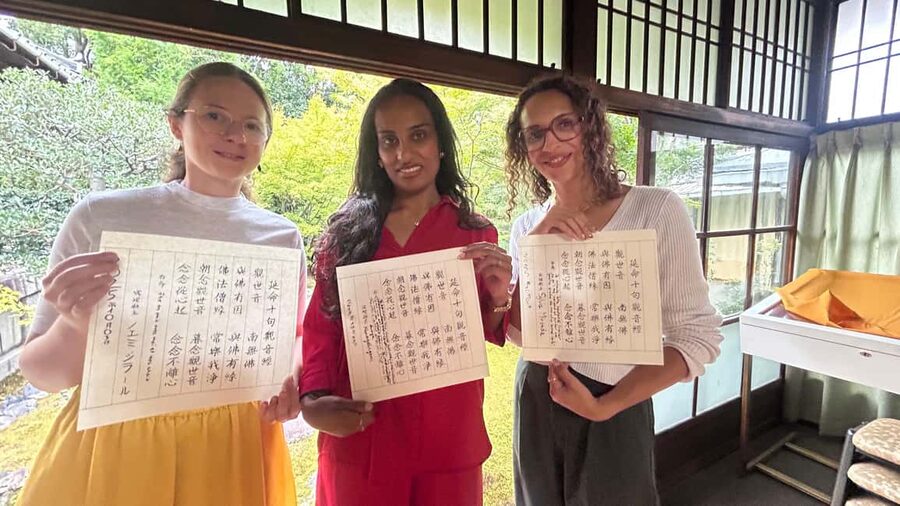
At Sennyu-ji, you spend much of your time with a brush in hand. Shakyo has been practiced for centuries as a Buddhist exercise in concentration and reflection. You copy sutra text on paper using brushes and ink supplied by the activity. The goal is not calligraphic perfection. The value comes from paying attention to each stroke and letting your mind settle.
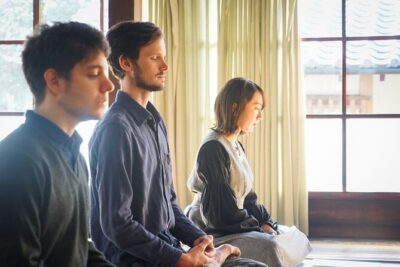
I like this format for a simple reason: it gives you a reason to stop checking the clock. The gentle scent of incense, birdsong, and the quiet room help create a setting where concentration feels natural. You are not simply looking at Japanese tradition from the outside. You are taking part in one small piece of it.
That said, this is not a good match for anyone seeking constant movement or a fast cultural overview. The shakyo session can last up to 90 minutes, and the activity depends on quiet sitting. If your ideal temple visit includes several buildings, lots of photographs, and a short explanation before moving on, this may feel slow.
More History Tours in Kyoto:
- Chiang Mai: Historic Temples and City Guided Walking Tour
★ 4.7 · 650 reviews - Mt. Fuji Heritage Tour: Traditional Villages, Lakes & Shrine
★ 4.5 · 509 reviews - Malta: Prehistoric Temples, Limestone Heritage & Blue Grotto
★ 4.2 · 412 reviews
Meeting at Tofukuji Station and walking to the temple
The experience begins at the East Gate of Keihan Station at Tofukuji Station. Look for a guide with a yellow fluorescent band on their bag. That marker matters in a busy station area, so keep your eyes open rather than wandering around looking for a large tour sign.
From the meeting point, you walk about 15 minutes to Sennyu-ji. The walk is short by Kyoto standards, but it still affects the practical side of the experience. Comfortable shoes are a wise choice, especially if you have already spent the morning walking between temples.
The route is part of the transition. You leave the station area and head toward a quieter temple setting, preparing for a slower two hours. The return walk also takes about 15 minutes, bringing you back to Tofukuji Station when the activity ends.
The walk and temple setting mean this is not suitable for wheelchair users or people with mobility impairments. Baby strollers, baby carriages, luggage, large bags, pets, and electric wheelchairs are not allowed. Travel light for this one.
Entering a historic temple with time to pay attention
Sennyu-ji is presented as a temple of cultural importance, not simply a photo stop. Your English-speaking guide explains the temple’s place in Kyoto’s Buddhist traditions and the wider cultural background of the area.
The exact balance between sightseeing, explanation, and the class can vary, but you should expect a guided visit lasting around two hours at the temple. There is time to look around, hear context, take in the garden, and prepare for shakyo.
I value this kind of explanation because a temple can otherwise become a blur of names and dates. The guide helps connect the place to Buddhist practice and Japanese heritage. You do not need prior knowledge of Buddhism to follow along.
Photography may be limited inside certain parts of the temple. That is a reasonable trade for preserving the quiet atmosphere, but it is worth knowing before you arrive. Keep your camera ready for permitted areas, then put it away when the space calls for respect.
The small group, capped at 10 people, helps here. A guide can speak without shouting, and you can ask questions without turning the visit into a lecture for a large crowd. The available feedback gives particular weight to the guide’s calm, professional manner and strong cultural explanations.
Shakyo: a brush, a page, and a slower mind
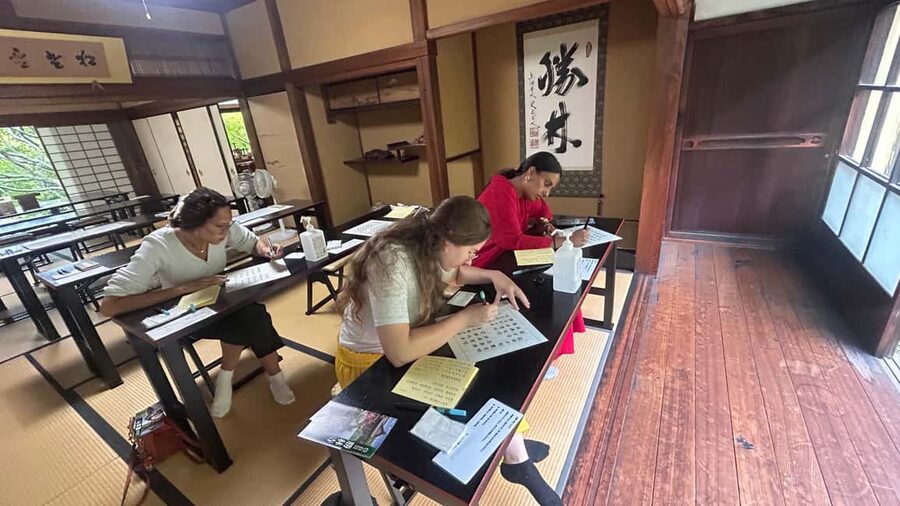
The central activity is shakyo, the copying of Buddhist sutras. Brushes, paper, and ink are provided, so you do not need to bring any special equipment.
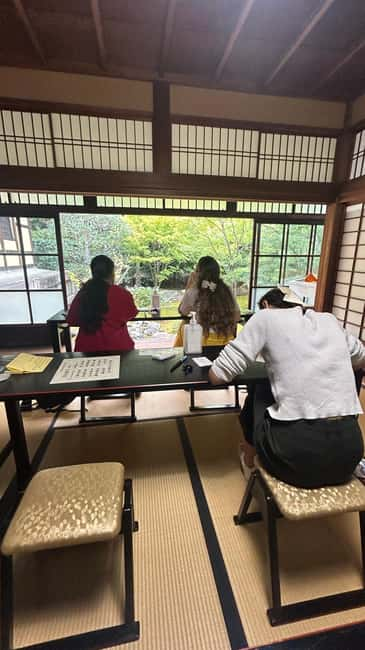
Expect to sit quietly and work at your own pace. The session usually lasts 60 to 90 minutes, depending on how quickly you write. That range is important. Some people may finish closer to an hour, while careful writers may need the full time.
You do not need to be a skilled calligrapher. The point is steady attention, not producing a perfect piece of art. The act of repeating the brush movements can help you slow down after busy days of trains, shopping, sightseeing, and crowded streets.
I see this as the best part of the experience for anyone whose Kyoto schedule is packed. A quiet temple room gives you something that many sightseeing programs do not: permission to pause. The combination of incense, birdsong, and focused brushwork creates a calm rhythm without requiring a formal meditation background.
You should wear clothing that allows you to sit comfortably for an extended period. Avoid treating this like a quick stop between major attractions. Give yourself enough mental space to settle in. If you arrive already rushing, the first part of the session may be spent trying to switch gears.
There is also a cultural courtesy involved. Sennyu-ji is a sacred place, so speak softly, follow the guide’s instructions, and respect photography limits. You are taking part in a practice within an active religious setting, not attending a craft workshop at a shopping center.
A few more temple visits around Kyoto worth a look
- Kyoto: Tea Ceremony Ju-An at Jotokuji Temple
★ 4.9 · 3,207 reviews - Arashiyama Bamboo, Temple, Monkeys, or Secret Sake Brewery
★ 4.8 · 886 reviews - Kyoto: Arashiyama Bamboo Forest, Monkeys, Matcha & Temple Tour
★ 5.0 · 759 reviews - Osaka/Kyoto: Arashiyama, Nara & Fushimi Inari Shrine w/Lunch
★ 4.4 · 754 reviews
Matcha and wagashi in view of the garden
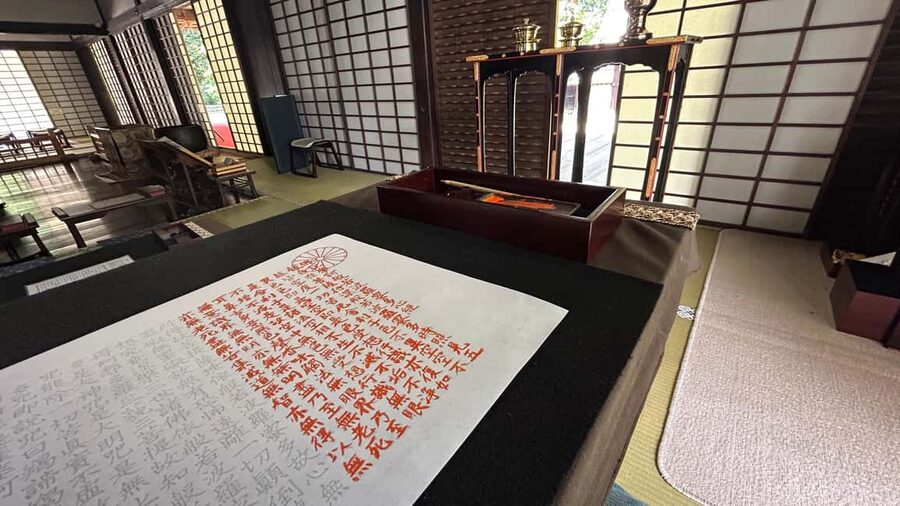
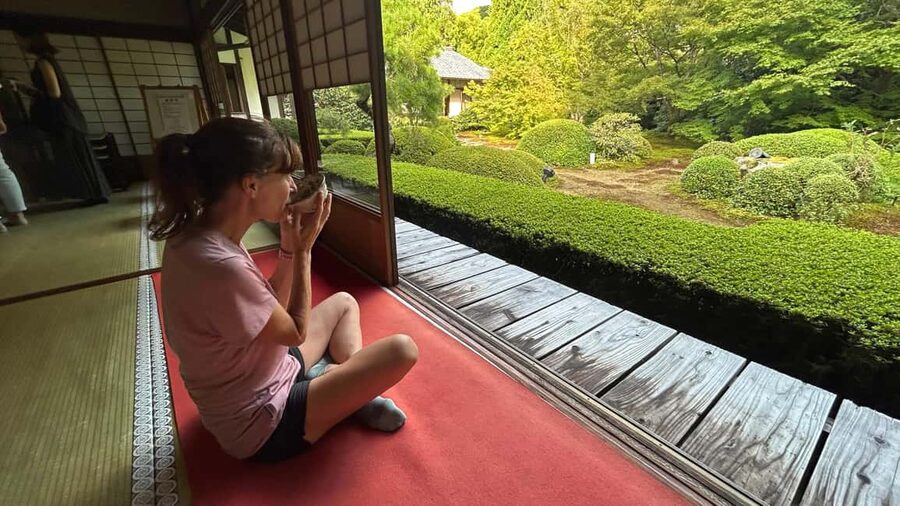
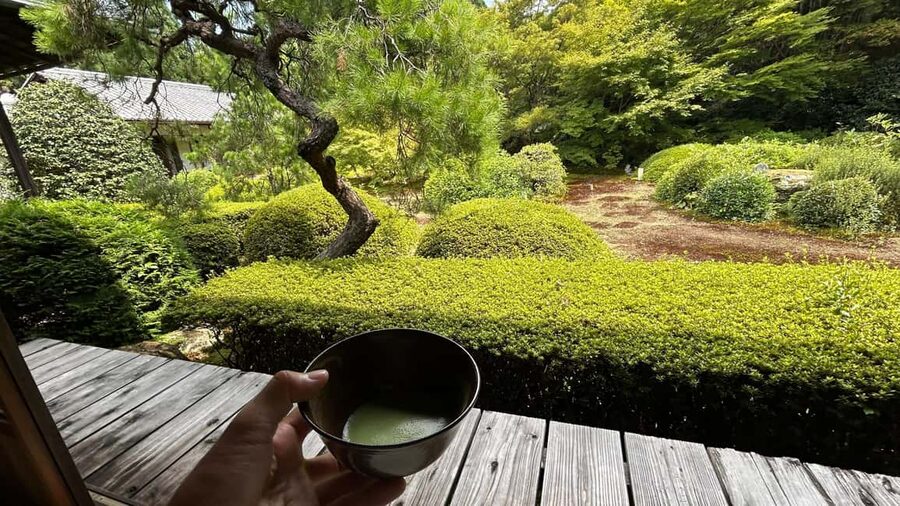
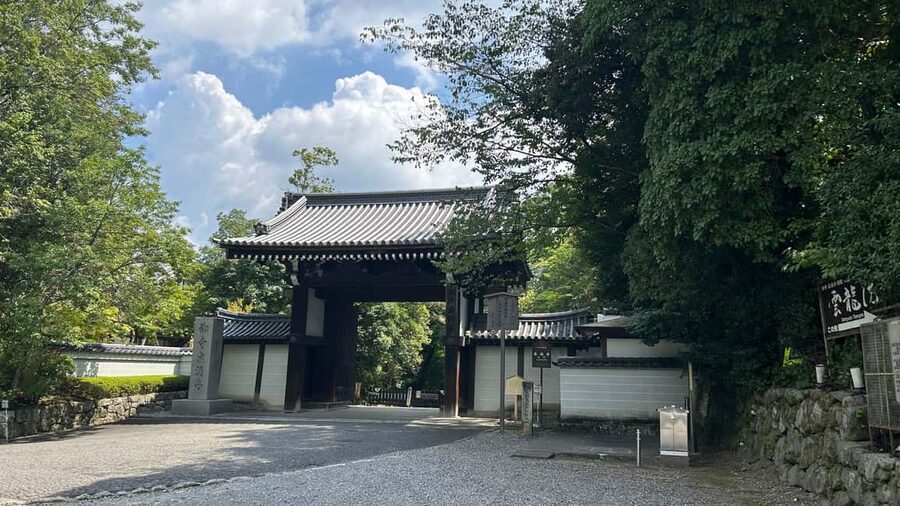
After shakyo, you receive freshly prepared matcha with seasonal wagashi. The pairing is simple but well judged. The slightly bitter green tea works with the delicate sweetness of the wagashi, giving you a pleasant finish after the concentration of the writing session.
The sweets change with the season, so do not expect one fixed item. That variation is part of the appeal. Wagashi are often designed to reflect the time of year, and the seasonal element makes the tea stop feel connected to the calendar rather than added as a generic refreshment.
You enjoy the tea while looking out at a Japanese garden designed to suggest harmony and serenity. The garden is not just background decoration. It gives you a visual place to rest after focusing on the page.
This portion may be short compared with the writing session, but it is not an afterthought. Matcha gives the experience a social and sensory finish. You can ask the guide questions, take in the garden, and let the temple visit settle before walking back to the station.
Do not expect a full meal. Matcha and wagashi are a small refreshment, not lunch. If you book this around a meal, leave room in your schedule for food elsewhere.
What you learn about Kyoto along the way
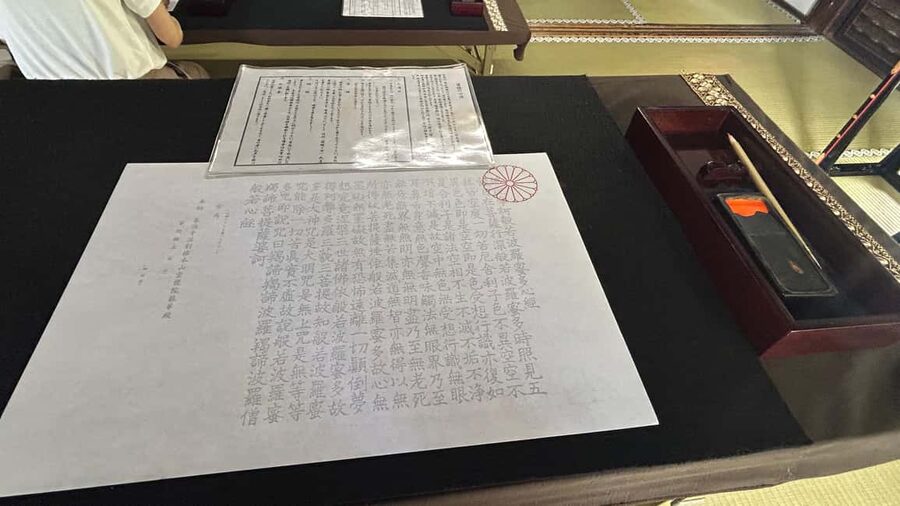
The activity includes explanations of Kyoto’s history, Buddhist culture, and the temple’s place in Japan’s heritage. The guide’s role is especially valuable here because the experience combines several subjects that can seem separate at first: temple architecture, religious practice, garden design, tea, and seasonal sweets.
You gain a more useful understanding when these parts are presented together. Shakyo shows a practice of concentration. Matcha introduces a familiar Japanese tradition through taste. The garden provides a setting for quiet observation. The guide connects those pieces to the temple and to Kyoto.
The strongest feedback about the experience praises the guide’s historical and cultural explanations. One participant also appreciated help planning the rest of the day. That is a practical bonus, especially if you are unsure what fits nearby after the temple visit.
The guide speaks English, but the supplied information does not name the guide or promise a particular style of presentation. You should expect live English guidance and a chance to ask questions, while the exact depth of discussion may depend on the group.
Is $35 a fair price for two and a half hours?
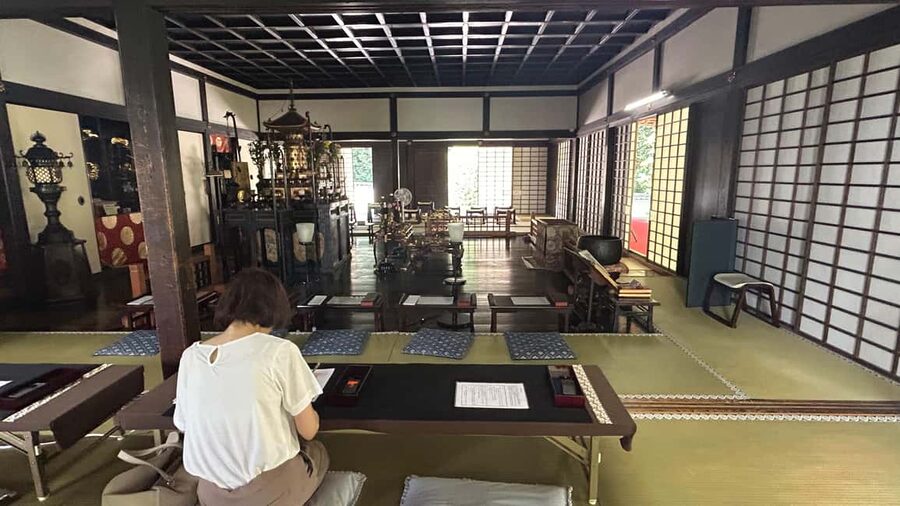
At $35 per person, the value is strong if you want an active cultural experience rather than simple temple admission. The fee includes the shakyo session, all brushes and paper, ink, matcha, seasonal wagashi, temple admission, a guided visit, and cultural explanations.
The small group also matters. With no more than 10 participants, you are paying for a more personal format than a large coach tour. The activity does not include transportation, but the walk from Tofukuji Station is short and clearly defined.
The price is easiest to justify if you use the full session. You receive the most value by giving the writing time your attention, listening to the guide, and staying for the tea and garden view. If you plan to rush through the shakyo or treat it as a box to check, the experience will feel less worthwhile.
For budget-minded visitors, this is a good way to combine admission, instruction, and refreshments in one booking. The main cost is not financial. It is time and patience. You give up two and a half hours that could have gone to several more sightseeing stops, but you gain a calmer kind of Kyoto experience.
Who should book this experience?
I would recommend it most strongly to adults and older children who enjoy cultural activities with a quiet, reflective pace. It suits you if you want to understand more than you can get from looking at a temple exterior.
It is also a smart choice during a busy Kyoto itinerary. After several days of long walks and packed attractions, shakyo provides a change of pace. The calm setting was repeatedly praised, and that makes sense: the format is built around rest, concentration, and gentle conversation.
This is a good fit for:
- First-time Kyoto visitors who want an introduction to Buddhist practice
- Returning visitors seeking a different temple experience
- People interested in calligraphy, tea, gardens, or Japanese culture
- Couples and friends who enjoy quiet shared activities
- Anyone with a crowded itinerary who needs a peaceful break
You may want to skip it if you dislike sitting still, need full wheelchair access, or want a highly active tour. Children under 10 are not accepted, and the activity does not accommodate baby strollers or large bags.
Practical advice for making the visit comfortable
Meet at the East Gate of Keihan Station and look for the yellow fluorescent band on the guide’s bag. Arriving with only a small day bag will make the walk and temple visit easier.
Wear comfortable clothing suitable for quiet sitting. The shakyo session can last as long as 90 minutes, so restrictive clothing will become annoying. Comfortable shoes also help with the 15-minute walk to the temple and the return walk.
Keep your phone and camera ready for outdoor or permitted areas, but expect photography limits in some temple spaces. Treat those restrictions as part of the experience rather than an inconvenience.
The activity offers free cancellation up to 24 hours before the start time, and you can reserve now and pay later. Starting times vary, so check availability when choosing your date.
Should you book the Kyoto shakyo and matcha experience?
Book it if you want Kyoto to feel quieter and more personal for an afternoon. The combination of sutra copying, temple history, matcha, seasonal wagashi, and garden views gives you more substance than a quick stop for photographs.
I would especially choose it for a mid-trip pause, when your schedule has begun to feel like a race between stations and temples. At $35, the package offers good value, provided you are comfortable walking, sitting quietly, and respecting a sacred setting.
Skip it if you need a fully accessible activity, are traveling with young children, or want to cover several attractions in a short time. For everyone else, this is a thoughtful way to meet Kyoto at a slower pace.
FAQ
Where does the experience begin?
Meet at the East Gate of Keihan Station at Tofukuji Station. Look for the guide carrying a bag with a yellow fluorescent band.
How long does the experience last?
The full activity lasts 150 minutes. This includes the walks to and from Sennyu-ji and the temple visit, shakyo session, and matcha service.
How long does the shakyo session take?
The shakyo session usually takes 60 to 90 minutes, depending on your writing speed.
Are shakyo materials provided?
Yes. Brushes, paper, and ink are provided for the sutra copying session.
Is the tour offered in English?
Yes. The experience includes a live English-speaking guide.
Is the activity suitable for children or wheelchair users?
Children under 10 are not accepted. The experience is not suitable for wheelchair users or people with mobility impairments, and baby strollers, baby carriages, electric wheelchairs, luggage, and large bags are not allowed.
Just added around Kyoto
- Kyoto: Kiyomizudera, Sanjusangendo, Ginkakuji and Higashiyama.★ 5.0 · 3 reviews
- Kyoto:Kiyomizu-dera Temple Rent a kimono and ride a rickshaw★ 4.8 · 7 reviews
- KYOTO: Tempio Kiyomizu Pagode Gion “Geisya” (Guida Italiana)★ 4.7 · 17 reviews
- Kyoto:Quiet Arashiyama and Sagano Temples★ 4.8 · 5 reviews
- Kyoto: Kifune Shrine and the Sacred Kifune Valley Day Trip★ 4.4 · 4 reviews
- KYOTO: Golden Pagoda, Bamboo Forest, Arashiyama (Italian)★ 4.9 · 5 reviews
- KYOTO: Tour guidato tra i tesori della città (in italiano)★ 5.0 · 5 reviews
- Kyoto : Kiyomizu-dera Temple : kimono and Indoor photo shoot★ 4.6 · 5 reviews
Kyoto Temple Tours, compared.
Osaka/Kyoto:Kinkakuji,Arashiyama,FushimiInariShrine,NaraPark
Read our review →
Kyoto Arashiyama Walking Tour: Bamboo, Monkeys, Gardens & Secrets
Read our review →
Arashiyama Bamboo, Temple, Monkeys, or Secret Sake Brewery
Read our review →
Arashiyama Bamboo Forest, Monkeys, Matcha & Temple Tour
Read our review →
Osaka/Kyoto: Arashiyama, Nara & Fushimi Inari Shrine w/Lunch
Read our review →
Kyoto Zen Meditation & Garden Tour at a Zen Temple with Lunch
Read our review →Browse the lists this tour appears in