
Review · KYOTO
KYOTO: Tour guidato tra i tesori della città (in italiano)
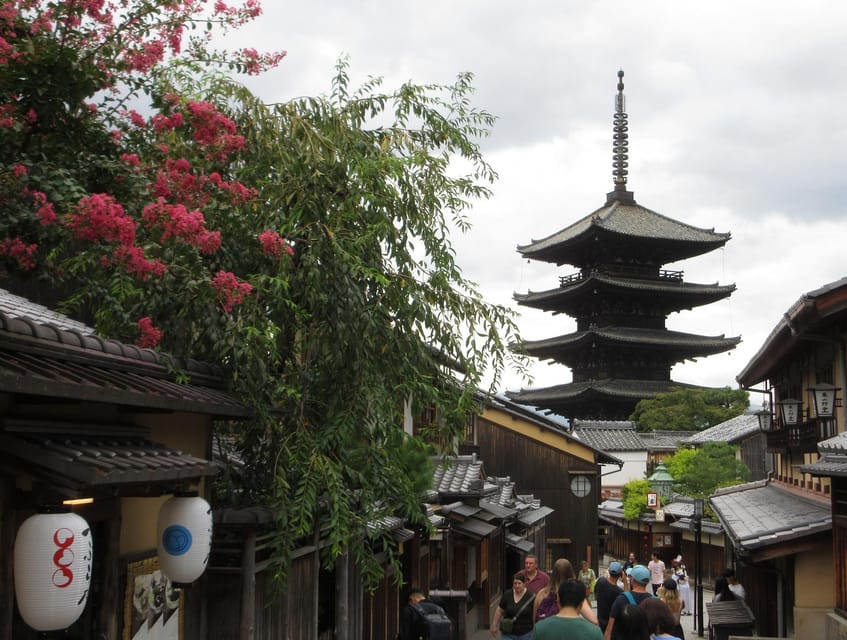
Kyoto rewards a good plan. This Italian-language tour links the city’s biggest sights with a native Kyoto guide who explains history, customs, and ordinary life along the way. I especially like the clear Italian commentary and the smart mix of temples, bamboo paths, old streets, and Gion. The guide is also praised for being friendly, patient, and willing to answer questions.
I also like that transport and entrance fees are included. You move by train, bus, subway, and on foot instead of having to work out Kyoto’s public transport on your own. The main drawback is the pace: Kinkaku-ji, the Bamboo Forest, Kiyomizu-dera, Gion, and several old lanes make for a full schedule, with plenty of walking and limited time at each stop.
The route begins at Kyoto Station and finishes in Pontocho, so you do not have to return to your starting point at the end. You can also leave partway through, which helps if you want the morning sights but have evening plans.
Key points at a glance
- Italian-speaking native Kyoto guide: You get explanations about imperial life, aristocrats, samurai, religion, and modern Kyoto in fluent Italian.
- Two major temple visits: Kinkaku-ji and Kiyomizu-dera are both included, with entrance fees covered.
- Sagano Bamboo Forest on foot: The route gives you about an hour in one of Kyoto’s most photographed areas.
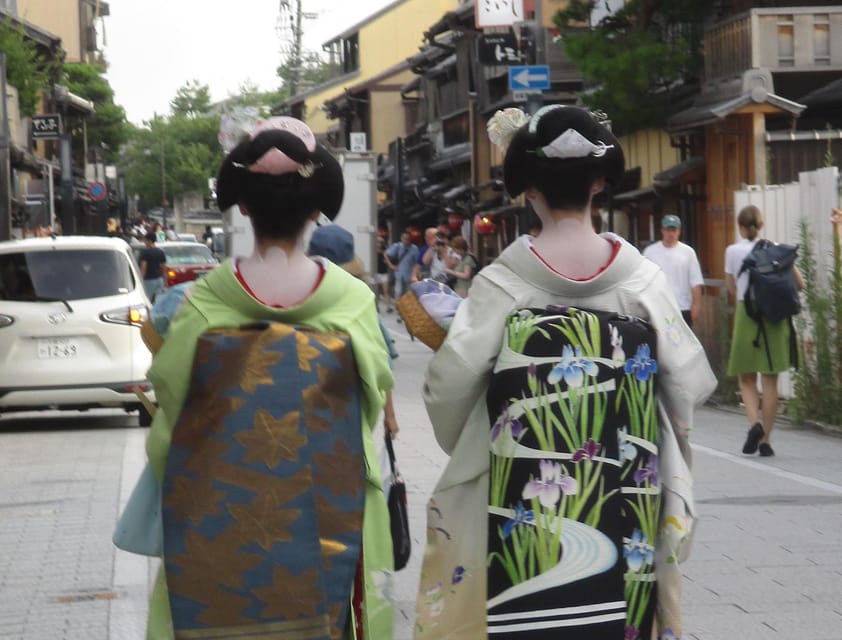
- Gion and Pontocho finish: The afternoon brings you through traditional streets, the geiko and maiko district, and the Minami-za theater area.
- Public transport is part of the experience: Trains, buses, and the subway are included, making the day easier for visitors who do not know Kyoto.
- A demanding but efficient route: You see a lot in one outing, though this is not a slow, linger-over-everything kind of tour.
Why this Kyoto route works
Kyoto is spread across a wide area, and its famous sights do not sit neatly beside one another. Kinkaku-ji is in the northwest, the Sagano district lies farther west, and Kiyomizu-dera and Gion are in the eastern part of the city. Visiting all of them in one day takes planning.
This tour handles that problem for you. It combines several forms of transport with guided walks, so you spend less time guessing which train or bus to take. The result is a broad introduction to Kyoto rather than a detailed study of one neighborhood.
The guide’s role matters here. The sights are beautiful on their own, but a good explanation helps you understand why Kyoto contains imperial residences, aristocratic retreats, samurai associations, religious monuments, and traditional entertainment districts side by side. The experience is designed to cover both national history and daily life, not only postcard views.
The Italian language is the main reason to choose this particular tour. Two available ratings give it a perfect score, with special praise for the guide’s fluent Italian, detailed explanations, availability, and good humor. No guide name is provided, but the personal approach is clearly a central part of the experience.
Other temples and shrines people visit around Kyoto:
- Kyoto: Tea Ceremony Ju-An at Jotokuji Temple
★ 4.9 · 3,207 reviews - Osaka/Kyoto:Kinkakuji,Arashiyama,FushimiInariShrine,NaraPark
★ 4.1 · 1,596 reviews - Kyoto Arashiyama Walking Tour: Bamboo, Monkeys, Gardens & Secrets
★ 5.0 · 1,216 reviews
Meeting at Kyoto Station without confusion
The meeting point is at Kyoto Station’s north side, at the North Entrance, also called the Karasuma-guchi. Look for the open space between the two escalators in front of the taxi terminal, not the bus terminal.
Kyoto Tower should be visible in front of you, slightly to the upper left from the meeting area. That detail is useful because Kyoto Station is large, and a vague instruction to meet at the station would not be enough. You receive a confirmation email with more precise instructions by the day before the tour.
I would arrive early. The first movement is by train, and a busy station is not the place to search for a guide at the last second. Keep your phone charged and have the meeting details ready.
Sagano Bamboo Forest: a short walk with a big reputation
The first sightseeing stop is the Sagano Bamboo Forest, reached by train from Kyoto Station in about 20 minutes. The guided visit and walk last about an hour.
The bamboo paths are one of Kyoto’s signature scenes. Tall green stalks rise on both sides of the route, creating a setting that feels very different from the stone temple grounds later in the day. The appeal is visual and atmospheric, but the famous setting also means you should not expect a private woodland walk.
An hour gives you enough time to experience the path and hear the guide’s comments, but not enough for a long independent exploration of the wider Sagano area. That is a fair trade if your goal is to see several Kyoto highlights in one day. If you prefer slow photography, quiet pauses, or extended walking, this stop may feel brief.
The guide also uses the area to explain the northwestern suburbs of Kyoto and the old leisure and retirement settings associated with imperial relatives, aristocrats, and literary figures. That context helps turn a simple bamboo walk into part of a larger story about how Kyoto’s elite used the countryside.
Kinkaku-ji, the Golden Pagoda
After the bamboo forest, the route returns by train for about 20 minutes, followed by a bus ride of roughly 15 minutes to Kinkaku-ji. The temple visit lasts about an hour and includes a guided explanation.
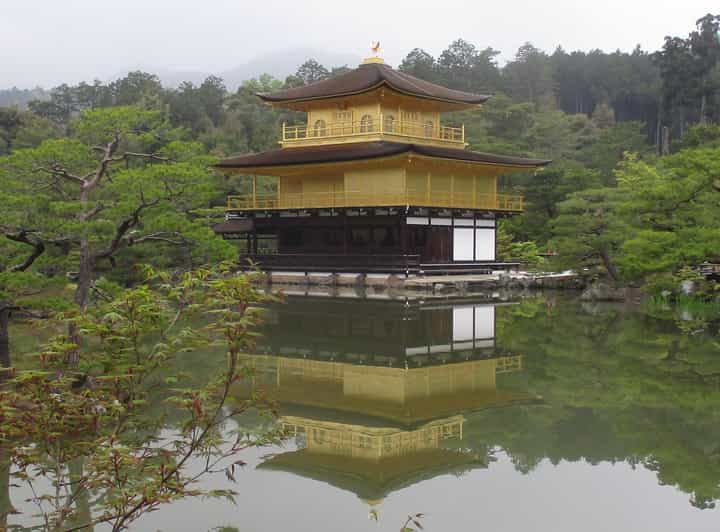
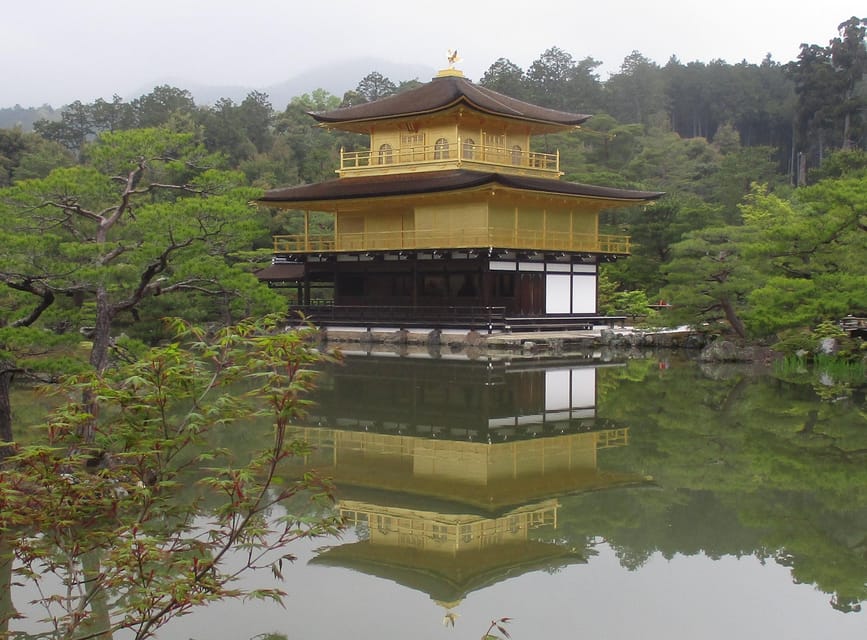
Kinkaku-ji is Kyoto’s celebrated Golden Pavilion. Its bright exterior and reflection beside the water make it one of the city’s most recognizable sights. You come here for the view, but the guide adds the historical setting and explains the place within Kyoto’s religious and aristocratic past.
An hour is enough to see the principal route and take photographs. It is not a long temple study session. The pace may suit you if this is your first visit and you want a clear introduction to the site. If you already know Kinkaku-ji well, the Italian commentary may be the part that adds the most value.
Entrance fees are included, which makes the price easier to assess. You are not paying only for an escort between famous locations. The fee covers transportation during the route, admission to the monuments visited, and a full day of interpretation in Italian.
Same place, a different morning at the gates:
- Arashiyama Bamboo, Temple, Monkeys, or Secret Sake Brewery
★ 4.8 · 886 reviews - Kyoto: Arashiyama Bamboo Forest, Monkeys, Matcha & Temple Tour
★ 5.0 · 759 reviews - Osaka/Kyoto: Arashiyama, Nara & Fushimi Inari Shrine w/Lunch
★ 4.4 · 754 reviews - Kyoto 1 Day Tour from Kyoto
★ 4.0 · 582 reviews
The Kyoto Station break and change of pace
From Kinkaku-ji, you continue by bus for about 15 minutes and then by subway for roughly 15 minutes back to Kyoto Station. A one-hour break follows.
This pause matters. The first half combines transport, a bamboo walk, and a temple visit, so you will appreciate time to sit down and reset. The information provided does not specify whether lunch is included, so you should treat the break as free time rather than part of the meal arrangements.
The return to Kyoto Station also divides the tour into two useful sections. You could leave after the morning portion if your plans change, since the experience allows you to depart partway through. If you continue, the afternoon shifts toward eastern Kyoto, old streets, traditional arts, and the historic entertainment quarters.
Kiyomizu-dera and the eastern hills
After the break, a bus ride of about 15 minutes brings you to Kiyomizu-dera. The guided visit lasts around an hour.
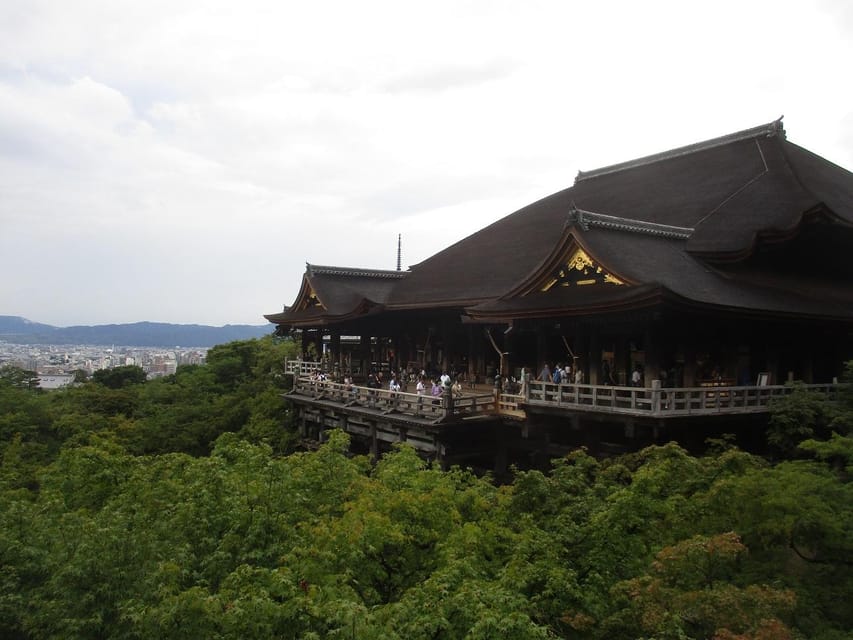
Kiyomizu-dera is one of Kyoto’s essential temple stops, known for its large wooden stage and hillside setting. The visit gives you a different feel from Kinkaku-ji. Kinkaku-ji is viewed largely as a carefully framed pavilion and garden scene, while Kiyomizu-dera leads you into a broader temple area connected with the eastern hills.
The tour’s historical focus is useful here. Your guide can connect the temple to the religious life of Kyoto and to the city’s long role as Japan’s ancient capital. The emphasis is not limited to architecture. You also hear about customs, social life, and the people who shaped the city.
Expect walking on the next section. The route continues on foot for about five minutes to Sannenzaka, then another short walk to Ninenzaka. These old lanes are among the most attractive streets in the Kiyomizu area, with traditional buildings and a strong sense of old Kyoto.
The listed stops are brief, just a few minutes each in the schedule. That suggests a guided orientation rather than a long shopping stop. You can see the streets, understand their place in the district, and continue with the group. Wear comfortable shoes, since the route includes hills, temple grounds, and several walking sections.
Sannenzaka and Ninenzaka: Kyoto on foot
Sannenzaka and Ninenzaka offer a welcome change from formal temple grounds. Here, the focus shifts to streets, buildings, movement, and the texture of an old neighborhood.
The short timing means you should not expect an unhurried browse through every shop. Instead, I would treat these lanes as a connecting walk with historical value. They lead you from Kiyomizu-dera toward Gion while showing how Kyoto’s older districts are experienced at street level.
This is also one reason the tour works best for a first visit. You get the major temple, the approach streets, and the explanation of how these places fit together. You do not have to spend your limited time figuring out how to connect them.
Gion and the world of maiko and geiko
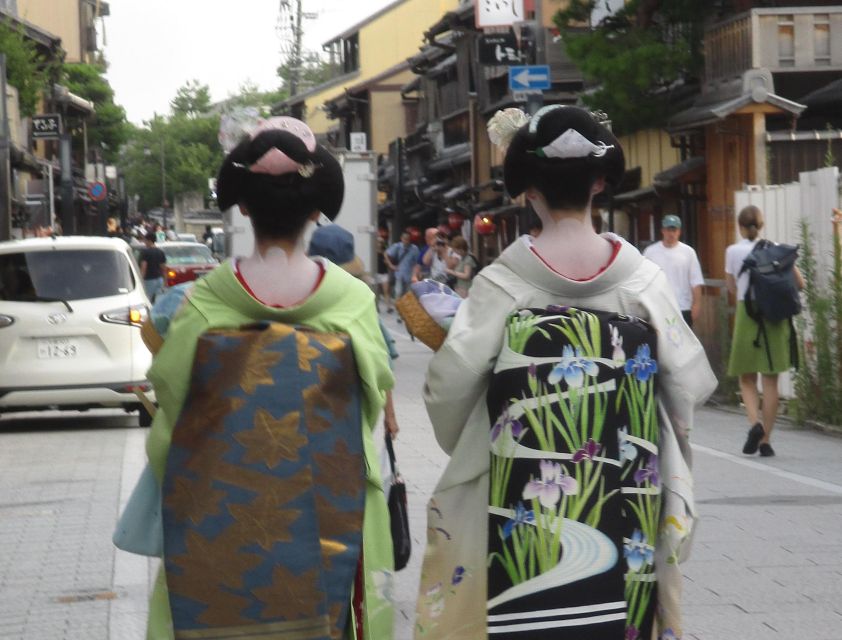
The walk from Ninenzaka to Gion takes about 15 minutes, followed by a guided visit of about 30 minutes.
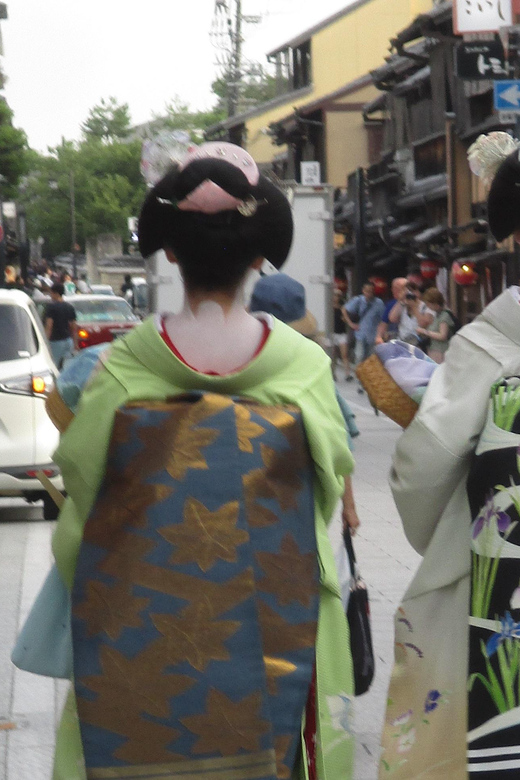
Gion is associated with Kyoto’s professional traditional artists, including maiko and geiko. The experience presents the district as a workplace and cultural area, not merely as a place to search for costume photographs. That distinction is important. You are being introduced to a living tradition with rules, training, and professional practice.
The tour also uses the Gion visit to explain the difference between common popular labels and the terms used in Kyoto. The supplied description refers to geiko and maiko, while noting that they are often called geisha outside Japan. A guide can give you the needed context without reducing the district to a sightseeing backdrop.
The 30-minute visit is concise. You should not expect a performance or a private encounter with a maiko or geiko, since none is included in the information provided. You are visiting the area with interpretation, not attending a show.
Minami-za and the walk to Pontocho
The final sightseeing point is Kyoto’s Minami-za theater, reached on foot in about five minutes from Gion. The guided stop lasts roughly three minutes, followed by a short three-minute walk to Pontocho.
Minami-za is one of the historic theater locations connected with Kyoto’s performing arts. Even a brief stop helps complete the afternoon’s theme, moving from temple religion and old streets to professional entertainment and traditional stage culture.
The tour ends in Pontocho rather than at Kyoto Station. That is practical if you want to continue your evening in central Kyoto. It also means you can finish near restaurants and nightlife areas without retracing the route to the station, though the tour information does not include a meal or restaurant reservation.
The final location is a useful design choice. The morning begins with major sights outside the center, and the afternoon ends in one of Kyoto’s central traditional districts. You finish in an area where you can make your own plans.
What the $153 price buys you
At $153 per person, this is not a low-cost sightseeing walk. Its value depends on how much help you want with transport, admissions, and interpretation.
The price includes all transportation during the itinerary, entrance fees to the monuments visited, and an Italian-speaking guide. Those costs can add up in Kyoto, especially when the route crosses several parts of the city. You are also paying for the time saved by having one person organize the connections.
The strongest value is for Italian-speaking visitors who want detailed historical and cultural explanation. The available ratings praise the guide’s fluent Italian, careful explanations of each place, friendliness, and willingness to help. That is more useful than a basic transfer service, particularly when you want to ask questions about ancient and modern Japanese life.
The value is weaker if you prefer to move slowly, skip famous sights, or explore independently. You will have little control over the order and length of each stop. The tour gives you breadth and structure, not a flexible private itinerary.
It is also worth noting the schedule wording. The activity is described as lasting one day, while the route description calls it a half-day itinerary and includes a one-hour break at Kyoto Station. Because the route continues through the afternoon and ends in Pontocho, plan for a substantial part of the day rather than assuming a short morning outing. Check the available starting time before booking.
Who should book this experience
I would recommend this tour to a first-time Kyoto visitor who wants to see the city’s essential sights without managing a complicated transport plan. It is especially suitable if you speak Italian and want more than short, generic commentary.
It also fits solo visitors and couples who value a guided structure, families who want an organized day, and anyone interested in the link between temples, aristocratic culture, samurai society, and modern Kyoto. The option to leave partway gives you some useful flexibility.
I would be more cautious if you have limited mobility or dislike frequent changes of transport, despite the activity being marked wheelchair accessible. The route includes trains, buses, a subway, temple grounds, and several walks. Ask the provider for current details about how each section is handled if you need specific access arrangements.
You should also think about the pace. The perfect ratings praise the guide, not a leisurely schedule. With two major temple visits, the bamboo forest, old lanes, Gion, and Minami-za in one day, you will see a great deal, but you will not linger everywhere.
Should you book it?
Book this experience if you want a broad, well-organized introduction to Kyoto in Italian, with transport and admission handled for you. The guide’s fluent language, detailed explanations, friendly manner, and local Kyoto perspective are the main reasons to choose it.
Skip it if your ideal Kyoto day means picking one neighborhood and exploring it slowly. At $153, the tour makes sense when you value expert interpretation and efficient coverage of distant sights. It makes less sense if you want independence.
For most first visits, the route offers a strong overview: bamboo in Sagano, the Golden Pavilion, Kiyomizu-dera, old eastern streets, Gion, Minami-za, and an ending in Pontocho. Just wear comfortable shoes, arrive early at the correct side of Kyoto Station, and plan for a full, active day.
FAQ
Where does the tour begin?
It begins at Kyoto Station’s North Entrance, also called Karasuma-guchi. Meet in the space between the two escalators in front of the taxi terminal, not the bus terminal.
Where does the tour finish?
The tour finishes in Pontocho. You do not return to Kyoto Station at the end.
What language is the tour conducted in?
The tour is conducted in Italian by an Italian-speaking native Kyoto guide.
Are transport and entrance fees included?
Yes. Transportation used during the itinerary and entrance fees to the monuments visited are included.
Which major sights are visited?
The route includes Sagano Bamboo Forest, Kinkaku-ji, Kiyomizu-dera, Sannenzaka, Ninenzaka, Gion, and Kyoto’s Minami-za theater area.
Can I leave the tour partway through?
Yes. You are free to leave partway through the experience.
Can I cancel for a full refund?
You can cancel up to 24 hours before the experience for a full refund.
Just added around Kyoto
- Kyoto: Kiyomizudera, Sanjusangendo, Ginkakuji and Higashiyama.★ 5.0 · 3 reviews
- Kyoto: Shakyo & Matcha in Historic Temple Garden★ 5.0 · 4 reviews
- Kyoto:Kiyomizu-dera Temple Rent a kimono and ride a rickshaw★ 4.8 · 7 reviews
- Kyoto:Quiet Arashiyama and Sagano Temples★ 4.8 · 5 reviews
- KYOTO: Tempio Kiyomizu Pagode Gion “Geisya” (Guida Italiana)★ 4.7 · 17 reviews
- Kyoto: Kifune Shrine and the Sacred Kifune Valley Day Trip★ 4.4 · 4 reviews
- KYOTO: Golden Pagoda, Bamboo Forest, Arashiyama (Italian)★ 4.9 · 5 reviews
- Kyoto : Kiyomizu-dera Temple : kimono and Indoor photo shoot★ 4.6 · 5 reviews
Kyoto Temple Tours, compared.
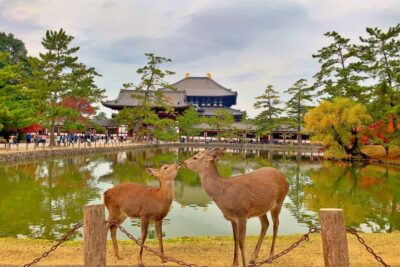
Osaka/Kyoto:Kinkakuji,Arashiyama,FushimiInariShrine,NaraPark
Read our review →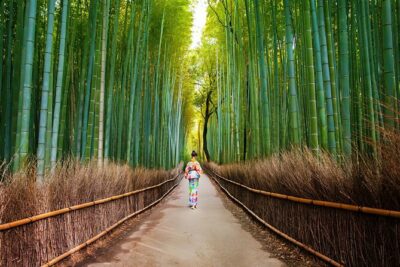
Kyoto Arashiyama Walking Tour: Bamboo, Monkeys, Gardens & Secrets
Read our review →
Arashiyama Bamboo, Temple, Monkeys, or Secret Sake Brewery
Read our review →
Arashiyama Bamboo Forest, Monkeys, Matcha & Temple Tour
Read our review →
Osaka/Kyoto: Arashiyama, Nara & Fushimi Inari Shrine w/Lunch
Read our review →
Kyoto Zen Meditation & Garden Tour at a Zen Temple with Lunch
Read our review →Browse the lists this tour appears in