
Review · KYOTO
Kyoto: Hidden Gems E-Bike Tour Through Backstreets & Temples
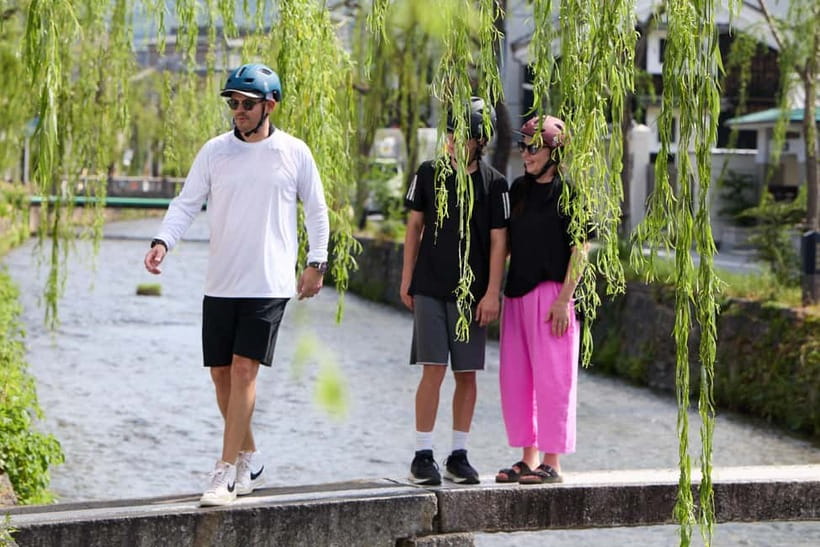
Kyoto rewards those who leave the main road. This four-hour e-bike ride links famous sights with quiet temples, leafy paths, and lesser-known corners that are easy to miss on foot. I especially like the small groups of no more than eight and the way guides such as Ben and Yuki adjust the pace and commentary to suit the group. The main drawback is simple: you need to be comfortable riding in city traffic and on some lower hills.
The $87 price is fair for a four-hour guided ride, bike rental, and visits across several parts of eastern and central Kyoto. I also like that the tour can feel personal, with guides stopping for photos, answering questions, and allowing time to look around. The starting point can be a little hard to identify, so use Google Maps carefully and look in front of Kyoto Tourist Lounge Gion on Yamatooji-dori Street.
Five things to know before you book
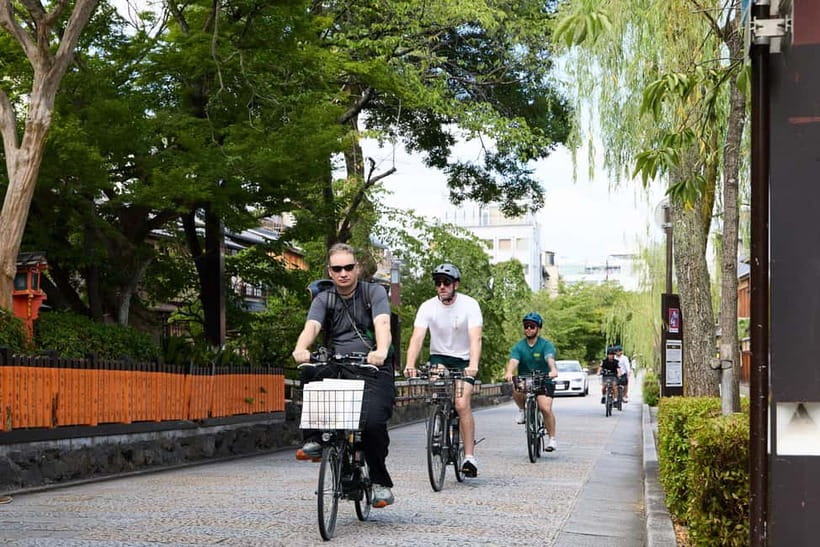
- You cover a wide slice of Kyoto: The route connects Gion, Nanzenji, Heian Shrine, Philosopher’s Path, Shimogamo-jinja, and the Imperial Palace in one morning or afternoon.
- The e-bike matters on the eastern hills: The ride is not an athletic test, but a few stretches call for electric assistance, especially around the lower hills east of the city.
- The quieter stops are the real prize: The tour is designed to avoid the heaviest crowds, giving you a calmer look at temples, shrines, streets, and riverside areas.
- The guides add much of the value: Ben, Yuki, Kenji, Yukio, and other English-speaking guides are praised for local stories, cultural explanations, safe riding, and help with photographs.
- Plan for a minimum height of 145 centimeters: Children under 10 are not suitable, and the tour is not designed for babies or very small children.
Starting in Gion, then leaving the crowds behind
The meeting point is in front of Kyoto Tourist Lounge Gion, facing Yamatooji-dori Street. The guide waits there with the e-bikes, but the meeting spot does not have especially clear signage. I would arrive early, check the map pin before leaving your hotel, and avoid assuming that a general search for Gion will take you to the right place.
Gion is a useful starting point because it puts you close to one of Kyoto’s best-known historic districts. You may see traditional wooden facades, narrow lanes, and the atmosphere associated with geisha culture, but this is not a long Gion walking tour. The 20-minute visit gives you an introduction before the bike route carries you farther from the most visited streets.
That change of pace is central to the experience. Kyoto’s famous lanes can be packed, especially during high season. On a bicycle, you can move between districts more efficiently and spend your limited sightseeing time at a wider mix of places. You are not simply checking off one temple after another. You are seeing how the city’s major sights connect with quieter neighborhoods.
More Cycling Tours in Kyoto:
- Kyoto: Fushimi Inari Shrine and Tofukuji Temple E-Bike Tour
★ 5.0 · 75 reviews - Bangkok: Temples, Canals & Local Life Bike Tour
★ 4.9 · 3,511 reviews - Bangkok: Night Bike Tour with Temples & Flower Market Visit
★ 4.8 · 751 reviews
Nanzenji Temple and the eastern hills
Nanzenji receives about 30 minutes, enough for a focused visit rather than a full study of the entire temple complex. It is one of the tour’s more recognizable stops, but the setting gives you a stronger sense of quiet Kyoto than the busiest central attractions.
The ride here also explains why an e-bike is useful. The eastern side of Kyoto is not brutally steep, but there are gentle inclines and stretches where electric power saves your legs. You can still pedal as much as you like, or use the motor when the route turns uphill.
I would not book this experience expecting to coast without effort. You still need to steer, watch the road, and keep up with the group. The benefit is that the motor reduces the strain, leaving you more alert for the temples and streets around you.
Guide quality matters at Nanzenji. Ben is often praised for giving clear historical detail without filling every minute with talk. Other guides, including Yuki and Yukio, bring a local connection and explain customs, religion, and daily life in a way that gives the buildings more meaning.
Heian Shrine, with room to pause
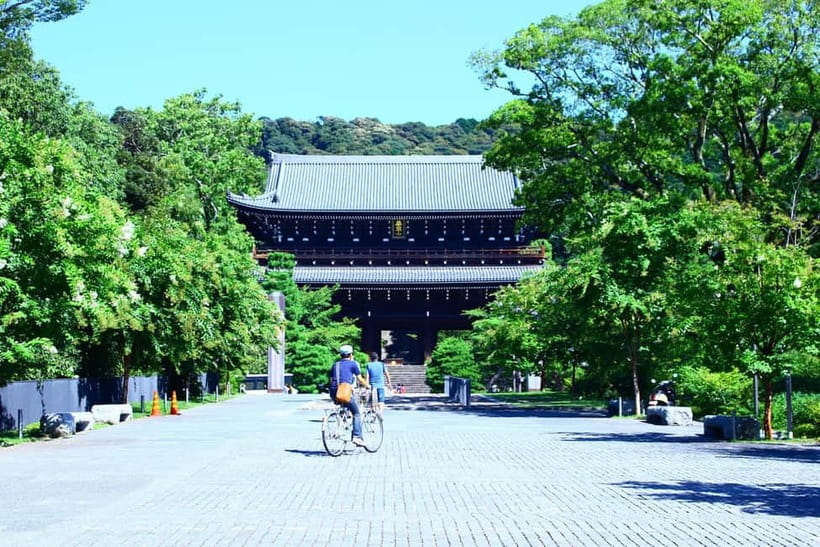
The next 30-minute stop is Heian Shrine, a major Kyoto landmark with a broad approach and a very different feel from Nanzenji. Its scale gives the tour some visual variety. After smaller lanes and temple grounds, you reach a place that feels open and ceremonial.
A half-hour is enough to take photographs, hear the basic story of the shrine, and look at the architecture without turning the tour into a formal lecture. Your guide may also point out details about Shinto practice and local traditions. The commentary is especially helpful if you are visiting Japan for the first time and want more than a quick photograph.
The schedule is fairly brisk. You should expect an introduction and a chance to look around, not unlimited time in every section. That tradeoff lets the tour reach six major areas in four hours, but it may leave serious architecture fans wanting longer at each stop.
Philosopher’s Path, where the ride slows down
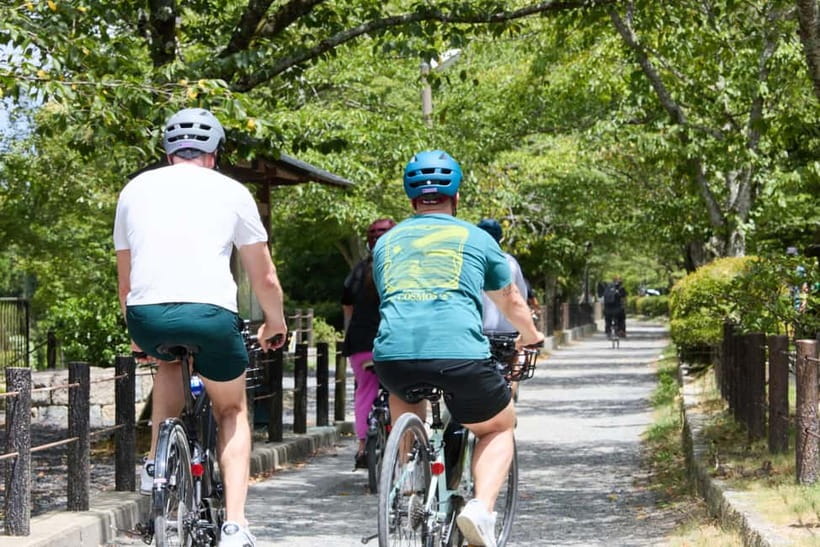
The 30-minute stop along Philosopher’s Path is one of the route’s natural highlights. This pedestrian path follows a canal and is known for its peaceful setting, especially when the trees are in season. It also gives you a welcome break from regular streets and traffic.
The path is not just a photo stop. It helps show why Kyoto works so well by bicycle. You can move through several different moods in a short time: urban lanes, temple grounds, canal-side greenery, and quiet residential areas. The ride itself becomes part of the sightseeing.
You should follow the guide’s instructions closely here and be prepared to walk the bike if needed. The tour description presents the experience as a cycle ride through scenic streets and sites, but individual areas may call for slower movement. Safety comes first, particularly where pedestrians share the route.
One practical tip comes from the riding conditions: insect repellent may be useful, especially in warmer months near water and greenery. Summer can also be hot, so bring water and dress for several hours outdoors.
A few more temple visits around Kyoto worth a look
- E-Bike Nara Highlights – Todaiji, Knives, Deer, Shrine
★ 4.8 · 186 reviews - From Siem Reap: Angkor Wat Sunrise and Temples E-Bike Tour
★ 5.0 · 52 reviews - Naha: Guided E-Bike Tour of the 12 Zodiac Temples
★ 4.9 · 50 reviews - e-Bike Cycling Tour to Arkadi Monastery Full Lunch included
★ 5.0 · 26 reviews
Shimogamo-jinja and Kyoto’s older spiritual side
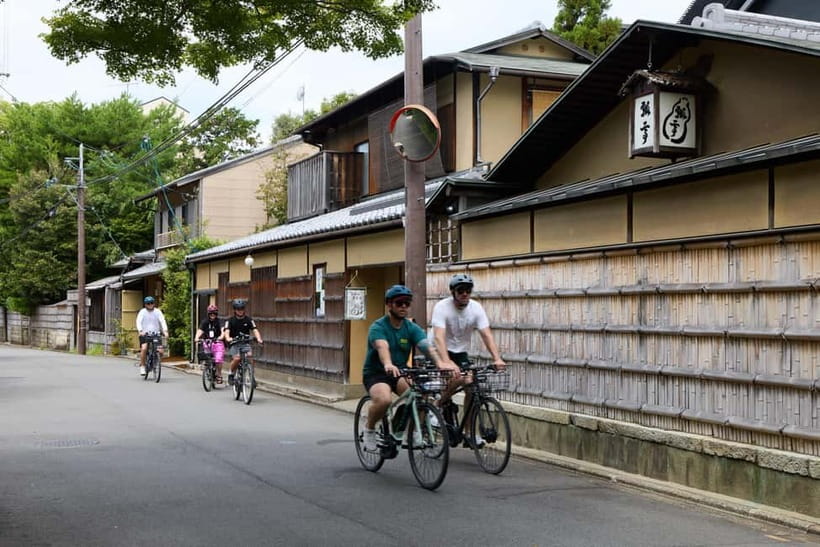
Shimogamo-jinja receives about 20 minutes, making it one of the shorter visits. Even so, the stop adds an important change of setting. The shrine is connected with Kyoto’s long Shinto tradition and gives the guide a chance to explain the customs and beliefs behind the spaces you are seeing.
This is where local commentary can make a short visit worthwhile. A guide from Kyoto can explain what to notice, how the shrine functions, and why certain features matter. The best guides do not bury you in dates. They offer enough context to help you understand the place, then give you time to look.
The shorter stop also reflects the tour’s broad design. You are not spending an entire morning at one famous temple. You are sampling several sides of Kyoto and relying on the guide to point out what deserves your attention.
Kyoto Imperial Palace and the ride back to Gion
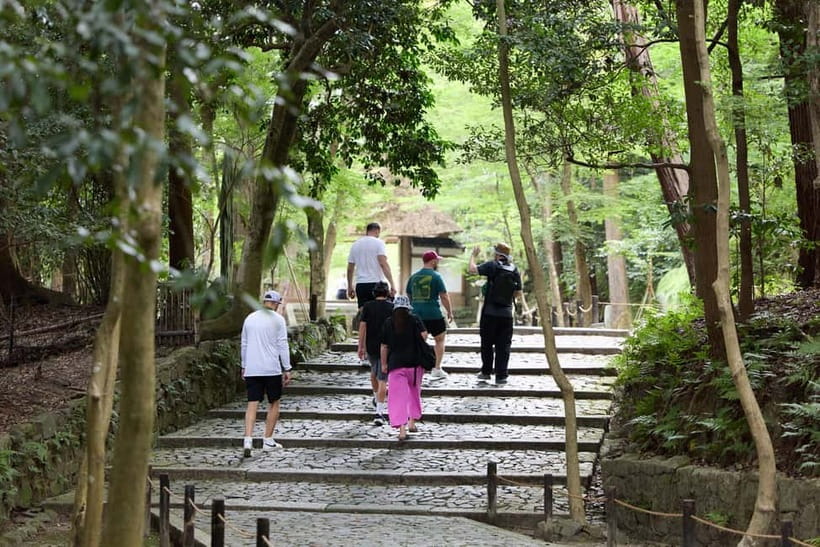
The Imperial Palace is allotted about 30 minutes. This is another spacious, important site that balances the smaller temples and shrines earlier in the route. The visit gives you a look at Kyoto’s role as Japan’s former imperial capital and adds a civic and political layer to the day.
Expect a guided overview rather than an exhaustive palace tour. The value lies in reaching the palace efficiently by bike and placing it within the larger story of Kyoto. By this stage, you will have seen religious sites, traditional districts, waterways, and central city spaces.
The route then returns to Kyoto Tourist Lounge Gion. Because the tour ends where it begins, you do not have to work out a complicated transfer from a distant neighborhood. You can continue sightseeing in Gion, find lunch nearby, or use the area as a base for the rest of your day.
What the four-hour pace feels like
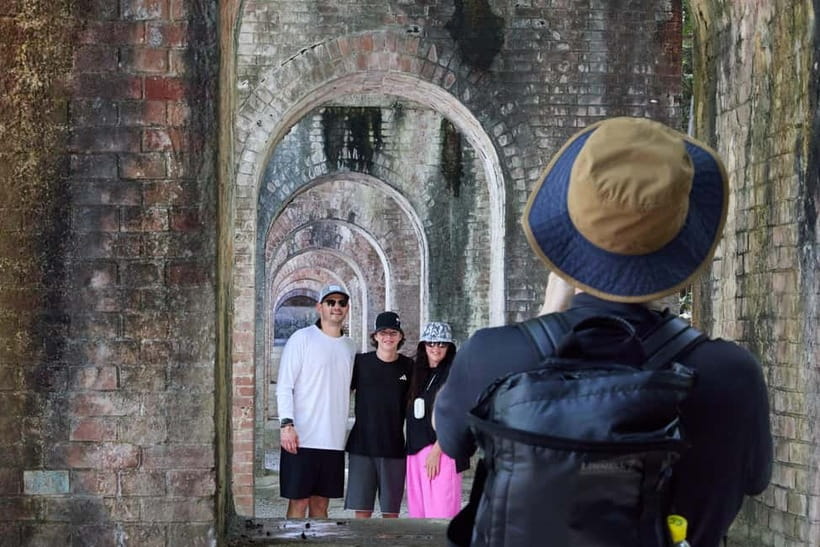
The itinerary includes roughly 20 to 30 minutes at each major stop, plus the cycling between them. That makes the experience active but not punishing. Several people who rode with Ben described the balance between pedaling, rest stops, and conversation as one of the strongest parts of the outing.
Your guide may adjust the ride to your group’s ability. Kenji, for example, is praised for shaping the route around the group’s skill level and interests. That does not mean every part is optional, but it suggests the tour is not run as a rigid race.
The small group limit matters here. With up to eight participants, the guide can check that everyone is following, answer questions, and take photographs. One guide was specifically praised for repeatedly checking back with the group on wet roads, while another extended the ride to include a quiet temple away from the main route.
Weather can change the feel of the outing. A rainy ride is still possible, but wet streets demand more care and suitable clothing. If you want the easiest conditions, choose a dry forecast and allow some flexibility around the date when possible.
The guides are a major part of the value
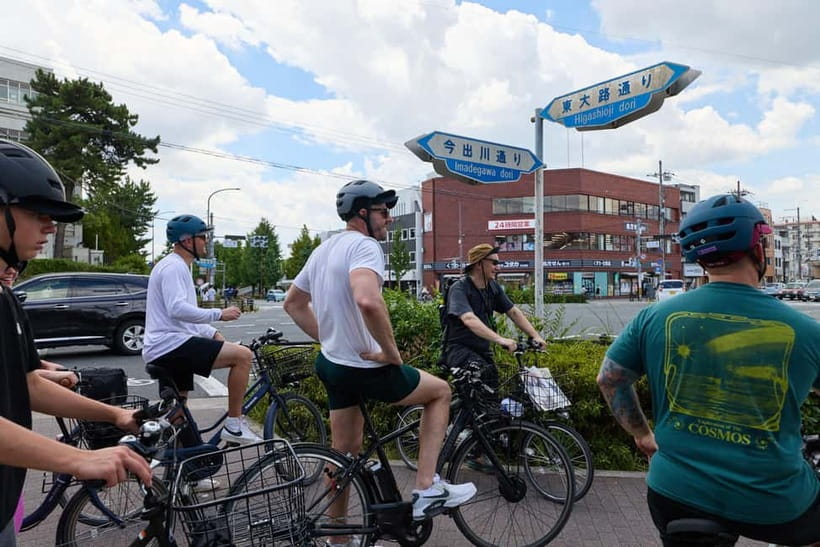
The strongest praise centers on the guides, not only the bikes or the route. Ben is described as funny, patient, well organized, and clear. Yuki brings pride in Kyoto as a local and has been praised for finding peaceful places away from the crowds. Yukio is noted for clear English and safe handling of narrow streets.
That range matters because the route itself is only half the experience. You can visit many of these places independently, but you may pass through without understanding what you are seeing. A good guide explains the difference between Buddhist temples and Shinto shrines, adds local stories, and points out customs that are easy to miss.
Photography is another useful extra. Guides often offer to take pictures at scenic stops, which means you do not have to choose between being in the frame and remembering the moment. Do not treat this as a dedicated photography tour, but it is a welcome service.
The commentary also seems well judged for people who dislike long lectures. One guide is praised for giving essential information without unnecessary padding. That suits a cycling tour, where you want clear explanations and enough quiet time to enjoy the surroundings.
E-bikes, safety, and who will enjoy the ride
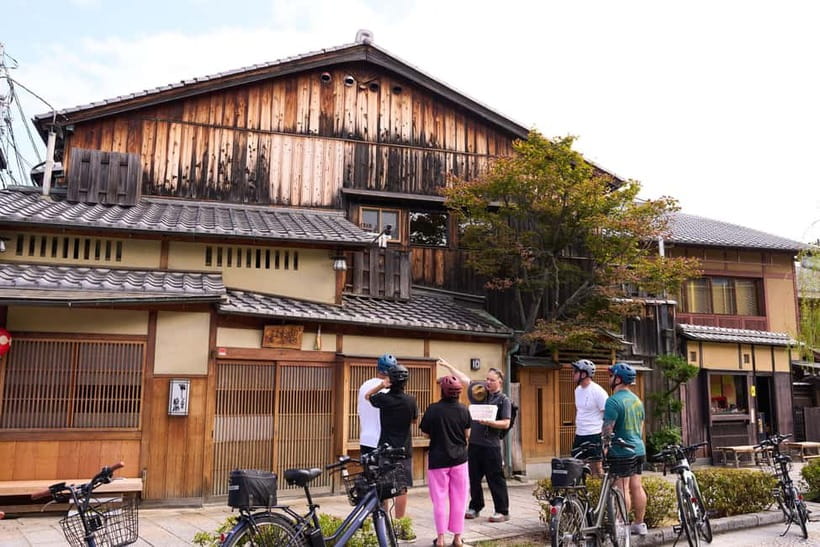
The e-bikes are described as comfortable and in good condition. Their main benefit is not speed. It is the ability to cover more ground without arriving at each temple tired and overheated.
You must still be able to ride a bicycle confidently. The route includes city streets, narrow roads, and some hills. The guide leads the group and watches the pace, but you are responsible for controlling the bike and following road instructions.
The minimum height is 145 centimeters. Children under 10 are not suitable, and babies under one year are excluded. The tour will work best for adults, older children who already ride well, and anyone who wants an active way to see Kyoto without committing to a hard athletic outing.
It is not suitable if you want a completely passive sightseeing experience. You will spend four hours outdoors, moving between stops, and paying attention to the road. Alcohol and drugs are not allowed, which is sensible for a bicycle tour.
Is $87 a fair price in Kyoto?
At $87 per person, the tour is not the cheapest way to see Kyoto. You could visit many of the same districts using buses, trains, and your own walking route. You would also have more time at individual sites if you traveled independently.
The value comes from combining transport, a comfortable e-bike, a local English-speaking guide, cultural explanations, and access to quieter places in one four-hour outing. Kyoto can be confusing to cover efficiently, particularly when you are trying to avoid the most crowded routes. The guide handles the route planning while you focus on riding and looking around.
The small group limit strengthens the value. A group of eight is much easier to manage than a large coach tour, and it gives you a better chance to ask questions or request a photograph. If your stay in Kyoto is short, the ability to see Gion, the eastern hills, northern shrine areas, and the Imperial Palace in one outing may justify the cost.
I would compare it with the price of a half-day private guide, bike rental, and local transport. On that basis, $87 is reasonable, particularly if you value local explanations and do not want to plan the route yourself.
Small practical details that can improve the day
Use Google Maps for the exact meeting point, and look for the guide in front of Kyoto Tourist Lounge Gion on Yamatooji-dori Street. The lack of obvious signs has caused confusion, so do not leave this detail until the last minute.
Wear clothes suited to several hours of riding. Comfortable shoes are essential, and insect repellent is worth considering in warm weather near the canal and shrine grounds. You should also be ready for changing weather, since the ride operates outdoors.
The tour is offered in English and allows free cancellation up to 24 hours before departure for a full refund. You can also reserve now and pay later, which helps if your Kyoto plans are still shifting. Starting times vary, so check availability for your date.
Who should book this Kyoto e-bike tour?
I would choose this ride if you want to see more than the standard Kyoto checklist and prefer local stories to a large group lecture. It is especially useful on your first day, since the route introduces several districts and helps you understand how the city fits together.
It also suits repeat visitors who have already seen the major tourist sites. The quieter temples, side streets, and less crowded stops offer a different view of Kyoto, even if you have already taken another city tour.
You should think twice if you dislike cycling, have trouble on hills, or want long, unhurried visits inside each temple. The tour gives you a broad sample of Kyoto, not an exhaustive examination of every stop.
FAQ
Where does the Kyoto e-bike tour start?
The meeting point is in front of Kyoto Tourist Lounge Gion on Yamatooji-dori Street. Check the location on Google Maps before you arrive because signage at the meeting point may be limited.
How long does the tour last?
The tour lasts four hours and returns to Kyoto Tourist Lounge Gion.
Which language is the tour offered in?
The live tour guide speaks English.
How many people can join the group?
The tour is limited to eight participants.
Is the tour suitable for children?
Children under 10 are not suitable, and riders must be over 145 centimeters tall. Babies under one year are not suitable for the experience.
What is included in the price?
The price includes the e-bike rental, an expert local guide, visits to the listed sights and quieter locations, cultural and historical commentary, and a small-group experience. Insurance is not included.
Should you book it?
Book this tour if you want a practical, active introduction to Kyoto with a strong chance of quieter streets and personal guide attention. The best reasons to go are the e-bikes, the wide route, and guides such as Ben and Yuki, who bring local pride, safe riding, useful stories, and help with photos.
Skip it if your ideal Kyoto day means standing still at one temple for hours or avoiding bicycles altogether. For most reasonably confident riders, though, $87 buys a smart mix of transportation, sightseeing, and local context, with far less route planning than doing it alone.
Just added around Kyoto
- Kyoto: Kiyomizudera, Sanjusangendo, Ginkakuji and Higashiyama.★ 5.0 · 3 reviews
- Kyoto: Shakyo & Matcha in Historic Temple Garden★ 5.0 · 4 reviews
- Kyoto:Kiyomizu-dera Temple Rent a kimono and ride a rickshaw★ 4.8 · 7 reviews
- KYOTO: Tempio Kiyomizu Pagode Gion “Geisya” (Guida Italiana)★ 4.7 · 17 reviews
- Kyoto:Quiet Arashiyama and Sagano Temples★ 4.8 · 5 reviews
- KYOTO: Tour guidato tra i tesori della città (in italiano)★ 5.0 · 5 reviews
- Kyoto: Kifune Shrine and the Sacred Kifune Valley Day Trip★ 4.4 · 4 reviews
- KYOTO: Golden Pagoda, Bamboo Forest, Arashiyama (Italian)★ 4.9 · 5 reviews
E-Bikes, compared.

E-Bike Nara Highlights – Todaiji, Knives, Deer, Shrine
Read our review →
Fushimi Inari Shrine and Tofukuji Temple E-Bike Tour
Read our review →
Naha: Guided E-Bike Tour of the 12 Zodiac Temples
Read our review →
e-Bike Cycling Tour to Arkadi Monastery Full Lunch included
Read our review →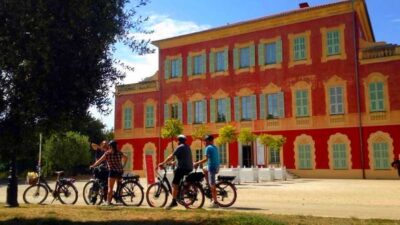
Nice: 7 Hills Monastery & Waterfall (EBike Tour Local Guide)
Read our review →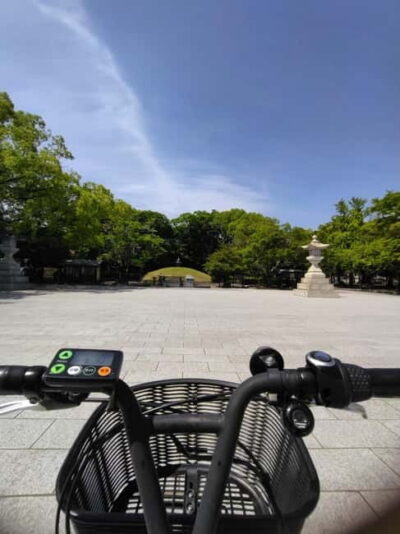
Hiroshima: Peace Park, Castle, and Mitaki Temple E-Bike Tour
Read our review →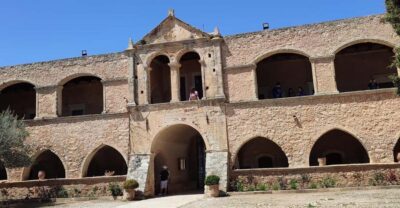
Browse the lists this tour appears in