
Review · TOKYO
Tokyo: Meiji Jingu Shrine and Shinto Culture Walking Tour
Tokyo’s quiet center is hiding in plain sight. This two-hour walking tour leads you from Harajuku into Meiji Jingu’s forest, where a local English-speaking guide explains Shinto customs, shrine etiquette, the Meiji period, and the meaning behind the grounds. I especially like the small-group format and the chance to ask direct questions rather than simply follow a guide from one photo stop to the next. The tour also includes the Imperial Garden and shrine admission, which makes the $19 price quite attractive.
The main consideration is time. Two hours gives you a useful introduction, but Meiji Jingu is a large sacred area and the tour moves through several stops. If you want a long, quiet visit for personal prayer, shopping for charms, or careful photography, you may want extra time before or after the walk.
Key points at a glance
- A low-cost introduction to Shinto: At $19, you receive two hours with an English-speaking guide, shrine and Imperial Garden admission, cultural explanation, and photos taken during the walk.
- A forest walk in central Tokyo: The route passes through a sacred forest of about 100,000 trees, creating a striking change from the busy Harajuku streets.
- Small groups help the conversation: Groups can be as large as 12, but several departures have been much smaller, making it easier to ask questions and hear explanations.
- The best guides add local advice: Guides including Maya, Minori, Nicholas, Yota, Ryota, Andres, Hoshi, Haydn, and Sara have been praised for clear English, warmth, history, and restaurant suggestions.
- Useful for a first day in Japan: You learn shrine manners, prayer customs, and basic differences between Shinto and Buddhism.
- Accessible and flexible booking: The tour is wheelchair accessible, offered in English, and allows cancellation up to 24 hours before departure for a full refund.
Why Meiji Jingu makes a good first Tokyo tour
Meiji Jingu is one of Tokyo’s most famous shrines, but its appeal is not only the shrine buildings. The approach takes you through a broad wooded area, and that change in mood is the point. Harajuku’s shops and crowds are close by, yet the shrine grounds offer a slower setting where the guide can explain how Shinto connects sacred places with nature.
That setting gives the tour more substance than a quick stop at a photogenic gate. You are not only looking at architecture. You are learning how to behave at a Shinto shrine, why certain objects appear on the grounds, and how the modern city relates to an important religious site.
I would choose this tour early in a Tokyo visit. Several guides, including Andres and Yota, have helped visitors understand shrine etiquette and use the city’s transport system. The food and neighborhood suggestions are a useful bonus, especially if you arrive in Tokyo without a clear plan for your first day.
The tour does not try to cover every part of Tokyo. That is a good thing. It stays focused on Meiji Jingu, the surrounding forest, and the cultural meaning of the site.
More Temple Walking Tours in Japan
- Tokyo: Asakusa Walking Tour with Sensoji Temple Visit
★ 4.8 · 1,583 reviews - Tokyo: Meiji Shrine Walking Tour — Shinto & Imperial System
★ 4.9 · 266 reviews - Tokyo: Meiji Shrine and Shinto Culture Walking Tour
★ 5.0 · 225 reviews
Meeting at Harajuku’s Starbucks
The meeting point is in front of the Starbucks closest to Meiji Shrine, at coordinates 35.6705208, 139.7031067. This is a practical location because Harajuku is easy to connect with other parts of Tokyo, but you should check the exact shop before setting out. There can be more than one Starbucks in a busy Tokyo district.
The tour returns to the same Starbucks after two hours. That makes planning easier if you want to continue around Harajuku, visit nearby shops, or arrange lunch after the walk.
I would arrive with enough time to identify the correct entrance and meet the guide without rushing. The meeting point has been described as easy to find, but busy streets and multiple nearby businesses can still cause confusion if you arrive at the last minute.
Entering Meiji Jingu Gyoen and the sacred forest
The first major part of the walk is Meiji Jingu Gyoen, described as the Imperial Garden within the shrine grounds. The guided visit lasts about 30 minutes. This is where the tour begins to separate itself from a basic shrine visit.
The forest contains around 100,000 trees, and the walk through it gives you a sense of why nature matters in Shinto practice. The trees are not simply decoration around a historic building. They help form the sacred setting, and the guide explains the connection between the natural world and Japanese religious tradition.
This portion should suit you if you prefer context along with scenery. The guide can point out features you might pass without noticing and explain the role of the area in the wider Meiji Shrine grounds.
The forest also affects the pace. This is a walking tour, not a vehicle-based sightseeing trip. Wear comfortable shoes, and remember that weather can shape the experience. A heavy rain departure still received praise for being enjoyable and personal, but wet conditions will make the walk less comfortable.
The Big Torii and the first change of pace
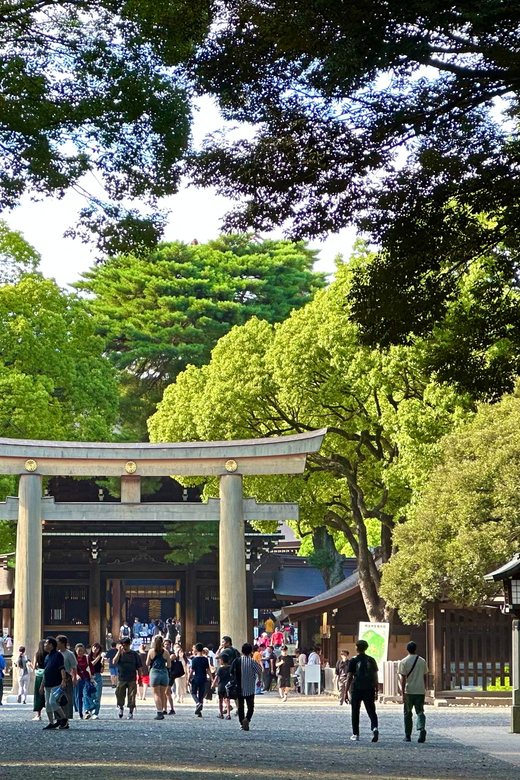
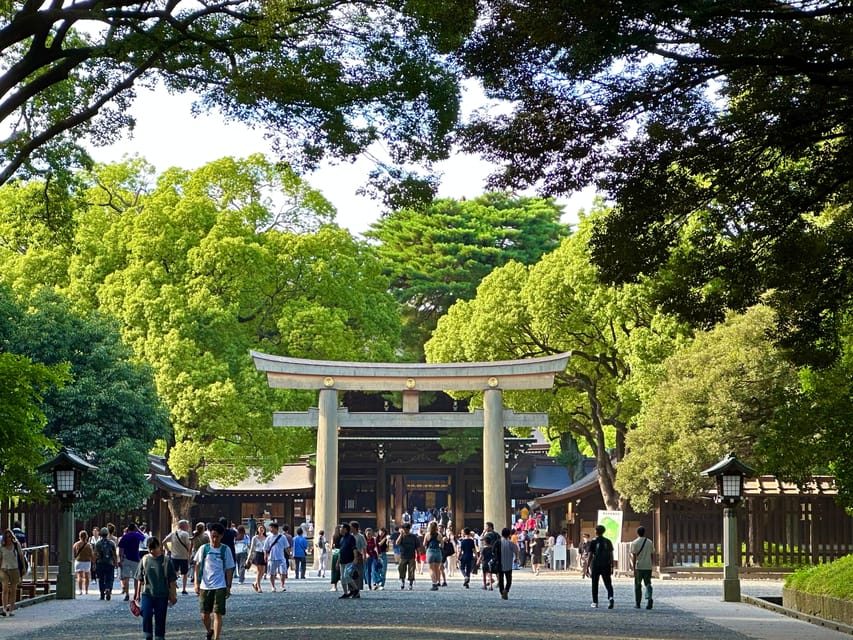
The Big Torii receives about 10 minutes of guided attention. It marks a clear transition from the city into the shrine precinct, so the guide’s explanation here helps you understand the ritual idea of entering a sacred space.
This is a short stop, but it is not filler. A guide can explain what to do as you approach, how to show respect, and why the gate matters before you continue toward the shrine buildings.
For photography, the torii is an obvious pause. The guide also takes photos during the tour, which is useful if you are traveling alone or want a picture of your group. Just keep in mind that a guided stop may not allow unlimited time for composing every shot.
More Temple Walking Tours in Tokyo
- Tokyo: Meiji Shrine Walking Tour — Shintoism & Imperial System
★ 5.0 · 209 reviews - Tokyo: Asakusa Temple & Shrine Walking Tour with Local Guide
★ 5.0 · 105 reviews - Tokyo’s Kitchen: Tsukiji Market Food & Culture Walk
★ 4.7 · 74 reviews - Tokyo: Asakusa & Tokyo’s Oldest Temple Senso-ji Walking Tour
★ 4.6 · 21 reviews
Sake barrels and the role of offerings
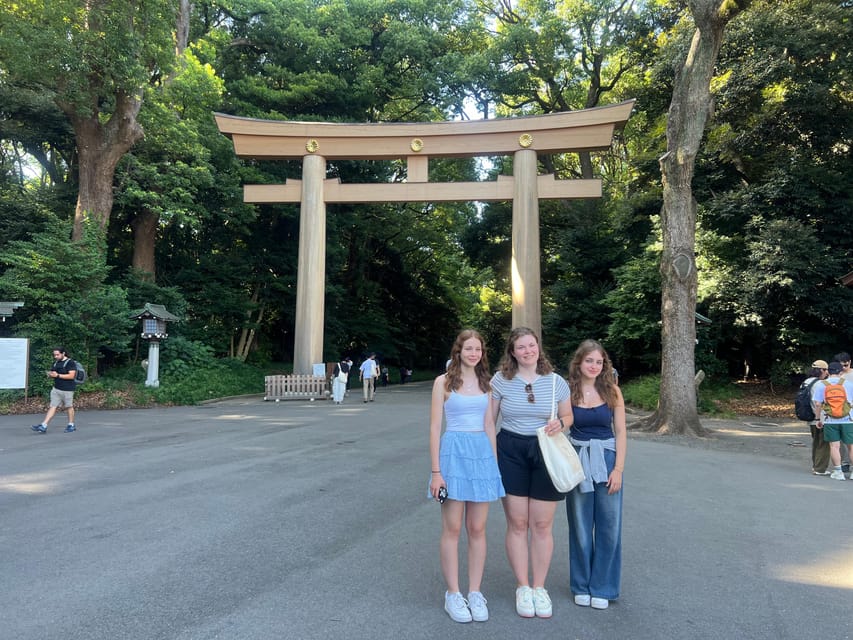
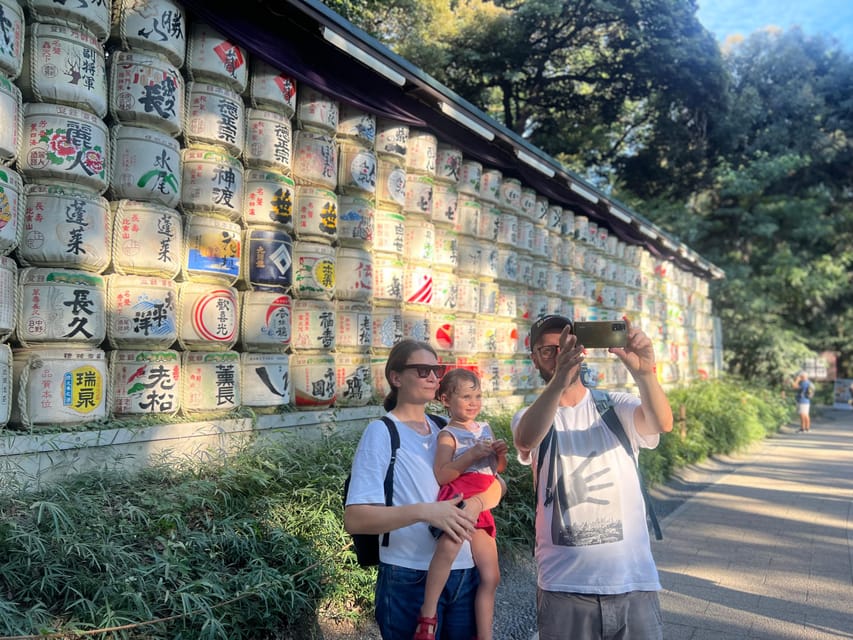
The route continues to the consecrated sake barrels, with about 10 minutes of explanation. These barrels offer a visual reminder that shrines are connected with community support, ceremony, and offerings.
This is one of the places where a guide adds real value. Without explanation, the barrels can look like a colorful display. With context, you begin to understand why they are placed at a major shrine and how offerings fit into Japanese religious life.
You will likely stop briefly, listen, and take photographs before moving on. The schedule keeps the tour moving, so this is not a tasting stop and should not be treated as one.
The consecrated wine barrels
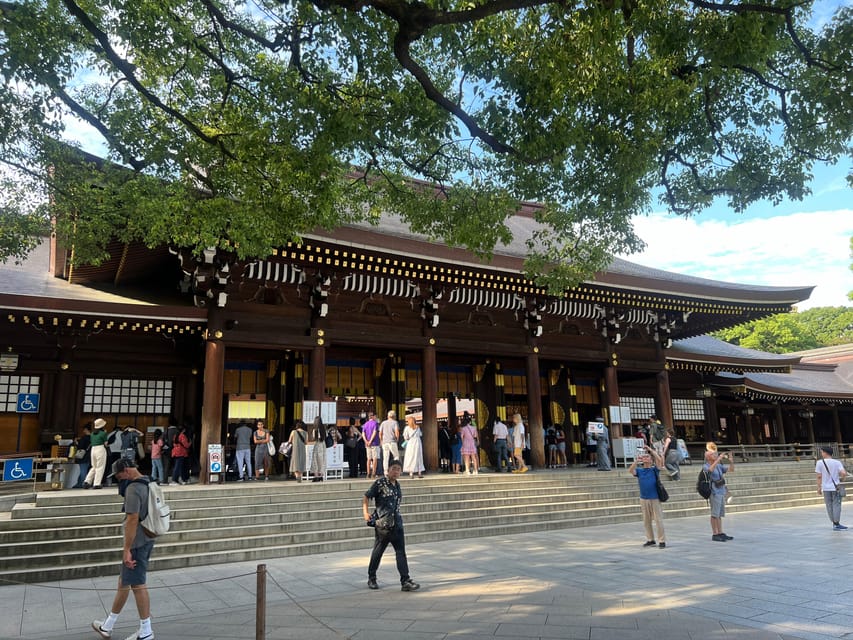
The wine barrels receive another 10-minute guided stop. Their presence adds an unusual detail to a shrine visit and gives the guide a chance to explain the relationship between Meiji Jingu and international exchange.
This stop is especially useful if you are curious about how Japanese traditions respond to modern history. The guide can place the barrels within the broader story of the Meiji period and the changes associated with that era.
The tour does not present the shrine as an isolated relic. It shows how different objects on the grounds can open a conversation about Japan’s past, religious customs, and contact with the wider world.
One hour at Meiji Shrine
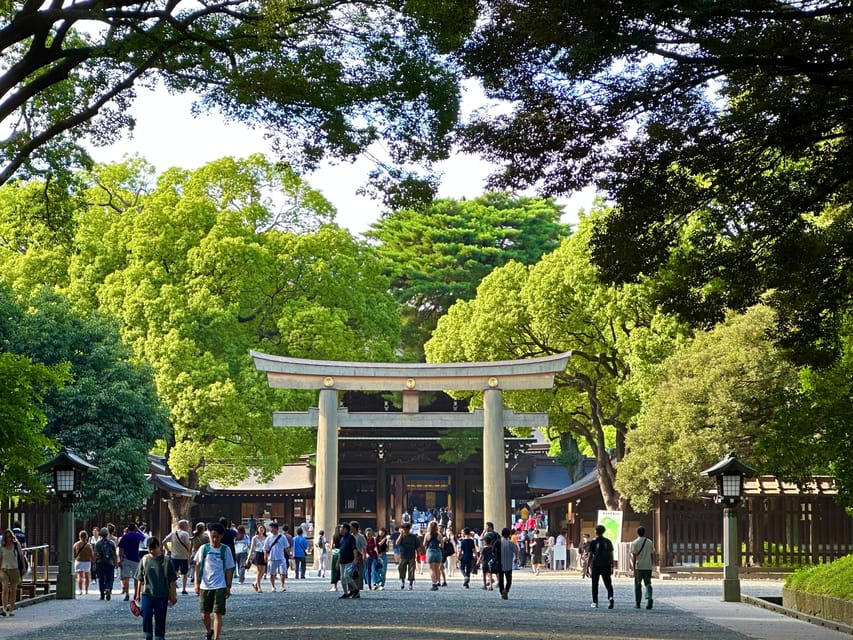
The longest part of the itinerary is the shrine itself, with about an hour for guided sightseeing. This is where the pieces of the walk come together: the forest, the gates, the offerings, and the Shinto practices you have been learning.
Guides have explained how to pray properly at shrines, and that practical instruction is one of the strongest reasons to book rather than walk through alone. You can ask questions about Shinto and Buddhism, which are often confused by first-time visitors. Several people have found the comparison especially helpful.
The guide may also explain the founding of Meiji Shrine and its connection to the Meiji period. Hoshi, Minori, Haydn, Yota, Ryota, and Andres have each been praised for making this history clear and approachable. The guide assigned to your departure may differ, but the repeated strength of the tour is its emphasis on conversation and explanation.
You may have time to write an ema wooden wish plaque or receive a stamp in a book, as one family did during its visit. These activities are not listed as guaranteed parts of the tour, so treat them as possible extras rather than promised inclusions.
An hour is enough to gain a solid understanding of the shrine, but it can pass quickly. If you want to browse every shop, make a long personal prayer, or take your time with each building, return after the tour or plan an independent visit later.
What the guides add to the visit
The guide is the key variable in any walking tour, and this one has received unusually strong praise for its personal style. Maya has been described as friendly and clear, while Minori and Nicholas were appreciated for explaining both the shrine’s history and the differences between Shinto and Buddhist teachings.
Yota and Ryota have also been praised for taking photos, answering many questions, and adapting the walk to individual interests. Andres has been especially useful for first-time visitors, explaining customs and offering food suggestions around Tokyo. Sara, Hoshi, Haydn, Matt, Maria, Naruto, and others have likewise been praised for warmth, clear English, and enthusiasm.
Those names do not mean you can request a particular guide or expect a private tour. They show the range of personal attention available on different departures. One person ended up alone with the guide, while another group had four people. The stated maximum can reach 12, so the experience may feel intimate or more social depending on the date.
The small-group approach matters because Shinto customs can raise basic questions. You can ask when to bow, how to pray, what separates a shrine from a Buddhist temple, or why a particular object is present. A large crowd would make that harder.
Price and value at $19
At $19 per person, this is one of the easier Tokyo tours to justify. The fee covers a professional English-speaking guide, photos taken during the walk, historical and cultural explanation, Meiji Shrine admission, and entry to the Imperial Garden.
You are paying for interpretation rather than transport or a meal. That distinction matters. If you only want to see the shrine buildings, you can visit independently. If you want to understand what you are seeing and learn basic etiquette without spending half a day, the price is strong.
The value is even better for a first visit to Japan. A good guide can prevent small cultural mistakes, explain unfamiliar customs, and give you useful ideas for the rest of your Tokyo stay. Food recommendations came up often, including suggestions for sushi, ramen, wagyu, black sesame ice cream, and other local choices. Those tips are not part of the formal itinerary, but they can make the tour feel useful beyond the shrine.
The tradeoff is that the two-hour format cannot offer a full study of Shinto or Meiji-era history. Think of it as a well-guided introduction, not a specialist lecture.
Group size, pace, and accessibility
The tour is wheelchair accessible, and it runs for two hours. The route includes walking through the shrine grounds, so you should still consider your own comfort with outdoor movement and changing weather.
Group size varies. The tour can have up to 12 people, though several departures have been much smaller. A small group gives you more chances to ask questions and makes it easier for the guide to take photos or adjust explanations.
The pace is structured around several short stops followed by a longer shrine visit. That works well if you like a clear route. It may feel brisk if you want to linger at every gate or building.
English is the tour language. The guides have been praised for speaking clearly, and one guide was also able to assist Spanish-speaking members of a group. The advertised language, however, is English.
When to book and what to bring
Morning is a smart choice if you want a calmer visit. Yota specifically recommended arriving early for peace and stillness, and the shrine can become more crowded as the day progresses.
Wear comfortable shoes and bring water, especially in warm weather. A small umbrella or rain layer is sensible because the experience is outdoors and the tour continues in wet conditions.
You do not need to prepare a detailed history lesson before arriving. A little curiosity is enough. I would, however, think of a few questions in advance, because the guides are willing to go beyond the basic explanation when the group is engaged.
The free cancellation policy allows a full refund when you cancel up to 24 hours before departure. You can also reserve now and pay later, which helps if your Tokyo schedule is still changing.
Who should book this Meiji Jingu walk?
I would recommend it to first-time visitors who want a clear introduction to Japanese customs. Families can also benefit, especially if children enjoy writing an ema or collecting stamps, though those activities are not guaranteed parts of the tour.
It is a good match for solo visitors because the guide can take photos and provide company without the cost of a private tour. Couples and small groups will appreciate the chance to ask questions at their own pace.
You may not need it if you already know Meiji Jingu well, understand shrine etiquette, and prefer to explore without a set schedule. Even then, a guide such as Yota, Ryota, or Andres could add local restaurant advice and historical details that are easy to miss alone.
Should you book it?
Book this tour if you want meaning, not just photos. For $19, you get a focused walk through Meiji Jingu’s forest, Imperial Garden, gates, offerings, and shrine, plus a guide who can explain how Shinto fits into Japanese culture.
I would schedule it near the start of your Tokyo visit. You will leave with basic shrine manners, a clearer sense of Shinto and Buddhism, and practical suggestions for what to eat and see next.
Skip it only if you want a completely independent visit or several quiet hours inside the grounds. For most visitors, the modest price and strong personal attention make this a smart way to meet Tokyo’s spiritual side.
FAQ
How long does the Meiji Jingu walking tour last?
The tour lasts two hours.
What language is the tour offered in?
The live tour guide speaks English.
Where is the meeting point?
You meet in front of the Starbucks closest to Meiji Shrine. The listed coordinates are 35.6705208, 139.7031067.
Where does the tour finish?
The tour returns to the same Starbucks near Meiji Shrine.
What does the tour include?
It includes a professional English-speaking guide, photos taken during the tour, historical insights into the districts, and admission to Meiji Shrine and the Meiji Shrine Imperial Garden.
Is the tour wheelchair accessible?
Yes, the activity is listed as wheelchair accessible.
How much does the tour cost?
The price is $19 per person.
Can I cancel the tour for a refund?
Yes. You can cancel up to 24 hours before the tour for a full refund.
Can I reserve now and pay later?
Yes. The booking option allows you to reserve your place and pay later.
More Meiji Shrine and Senso-ji Tours in Tokyo
- Tokyo Panoramic 1 Day: Meiji Shrine, Asakusa, Odaiba and SKYTREE®
★ 4.5 · 1,222 reviews - Tokyo: Asakusa and Tokyo’s Oldest Temple Senso-ji Tour
★ 4.9 · 352 reviews - Tokyo Morning Tour: Asakusa, Meiji Shrine and Tsukiji Fish Market
★ 5.0 · 128 reviews - Tokyo Morning Tour: Meiji Shrine, Asakusa & Fish Market
★ 4.9 · 44 reviews
Just added around Tokyo
- :Tokyo,Shibuya /Meiji Shrine tour in KIMONO/English-friendly★ 5.0 · 4 reviews
- Tokyo: Snow Monkey and Zenkoji Temple Day Trip In Low Price★ 5.0 · 5 reviews
- Tokyo War History Tour: Yasukuni Shrine & War Museum★ 4.5 · 6 reviews
- Tokyo: Gotokuji Culture Walk & Lucky Cat Temple Experience★ 4.9 · 5 reviews
- Tokyo: Shibuya Sky, Harajuku & Meiji Shrine Highlights Tour★ 4.5 · 9 reviews
- Tokyo: Visit 5 Shrines & Collect Goshuin on Private Tour★ 5.0 · 3 reviews
- Tokyo: Sensoji Temple & Street Food: Private Tour with guide★ 4.6 · 8 reviews
- Tokyo’s Kitchen: Tsukiji Market Food & Culture Walk★ 4.7 · 74 reviews
Meiji Shrine & Senso-ji Tours, compared.
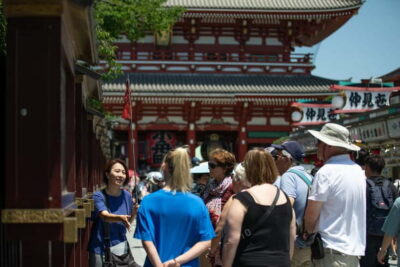
Asakusa Walking Tour with Sensoji Temple Visit
Read our review →
Tokyo Panoramic 1 Day: Meiji Shrine, Asakusa, Odaiba and SKYTREE®
Read our review →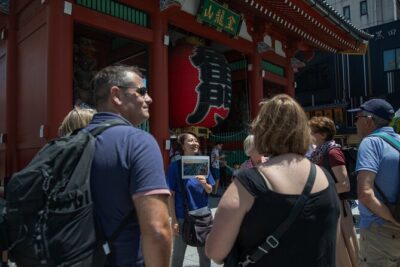
Asakusa Senso-ji Temple and Old Tokyo Walking Tour
Read our review →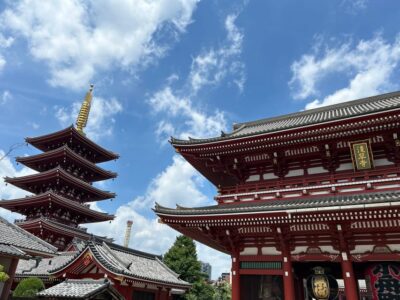
Asakusa and Tokyo’s Oldest Temple Senso-ji Tour
Read our review →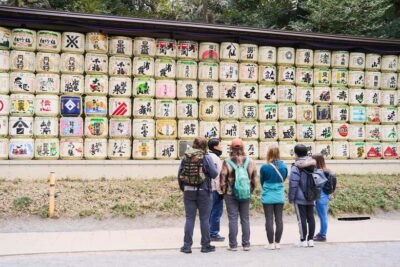
Meiji Shrine Walking Tour — Shinto & Imperial System
Read our review →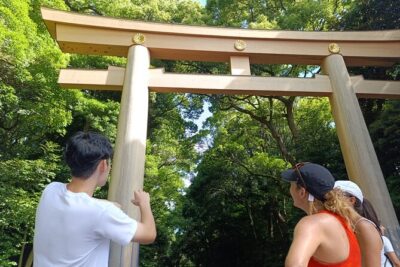
Meiji Shrine Walking Tour — Shintoism & Imperial System
Read our review →
Tokyo Morning Tour: Asakusa, Meiji Shrine and Tsukiji Fish Market
Read our review →Browse the lists this tour appears in