Review · TOKYO
Tokyo’s Kitchen: Tsukiji Market Food & Culture Walk
Tokyo starts with a bite. This three-hour walk through Tsukiji Outer Market gives you a friendly way into Tokyo’s food culture, with a guide translating menus, explaining customs, and steering you toward small tastings you might miss alone. I especially like the maximum group of six, which keeps the market manageable, and the generous mix of sushi, tamagoyaki, snacks, sweets, and drinks. The main drawback is that Tsukiji can be crowded, wet, and noisy, and anyone hoping for a behind-the-scenes look at the market’s working operations may find the tour stays mostly in public areas.
The best part is the connection between food and belief. You learn why shrines, Buddhist traditions, offerings, seasonal sweets, and market manners belong in the same story. Guides such as Oku, Mihori, Shino, Yumi, and Kyou have been praised for their warmth and clear explanations, though the experience depends on who leads your group and what stalls are open that morning.
Key points to know before you go
- Start at Kabukiza Theatre: Meet at Higashi-ginza Station Exit 3, beside the small shrine and torii gate at street level.
- Eat in small bites: Tastings can include sushi, sashimi, tamagoyaki, Kobe beef, matcha, dashi, soybeans, mochi, wagashi, sake, and other market foods.
- Keep the group tiny: Six participants is the stated limit, and some departures may be even smaller.
- Expect culture, not just lunch: Kabuki Inari Shrine and Namiyoke Inari Jinja add simple Shinto rituals and market history to the food walk.
- Wear closed shoes: Market floors may be wet, so sneakers or other closed-toe shoes are the sensible choice.
- Tell the operator about food needs early: Vegetarian and vegan choices are possible, but limited by the seafood-focused market.
Meeting at Kabukiza and Kabuki Inari Shrine
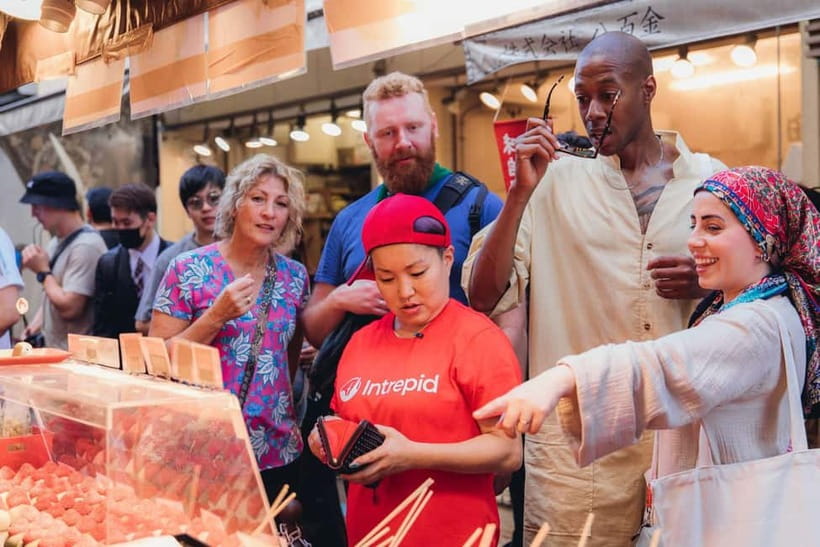
Your morning begins at Higashi-ginza Station, Exit 3, on the Hibiya or Asakusa subway lines. Go up to street level and look for the top of the escalator, in front of the Kabukiza Theatre on the Harumi Street side. The little shrine and torii gate are the useful markers.
This is a good meeting point because it is easy to identify, but do not rush out of the station without checking the exit number. Tokyo stations can turn a simple rendezvous into a small expedition.
The walk begins at Kabuki Inari Shrine. It is a brief but meaningful opening. Instead of treating Tsukiji as a place to eat until full, your guide begins by showing how food, performance, worship, and neighborhood life overlap in Japan.
You will learn the basic gestures used at a shrine, including how to show respect. The lesson is simple and practical, not a long lecture. That matters because you can use these customs at other shrines during your time in Japan.
The small group helps here. With six people or fewer, you can ask questions without holding up a large crowd. Guides have used maps, photographs, and models to explain points clearly, which is useful when a short shrine visit opens into a larger story about Tokyo.
More Temple Walking Tours in Japan
- Tokyo: Asakusa Walking Tour with Sensoji Temple Visit
★ 4.8 · 1,583 reviews - Tokyo: Meiji Shrine Walking Tour — Shinto & Imperial System
★ 4.9 · 266 reviews - Tokyo: Meiji Jingu Shrine and Shinto Culture Walking Tour
★ 5.0 · 245 reviews
Walking into Tsukiji Outer Market
From the shrine, you head toward Tsukiji Outer Market, the famous food district that continues to operate after the wholesale tuna auction moved to Toyosu. That distinction is important. Tsukiji is still a working food neighborhood and a major place to shop and eat, but it is not the current site of the wholesale auction.
If you arrive expecting a quiet museum or a polished food hall, adjust your expectations. The market is active, crowded, and full of competing smells, signs, samples, and narrow passages. The floors can be wet, so sturdy closed-toe shoes are more than a packing suggestion.
This is where a local guide earns the $80 price. Alone, you can walk past dozens of stalls and recognize very little. With an English-speaking guide, you can ask what a food is, how it is made, how to eat it, and why it matters. The guide also helps the group move together without becoming a nuisance to vendors.
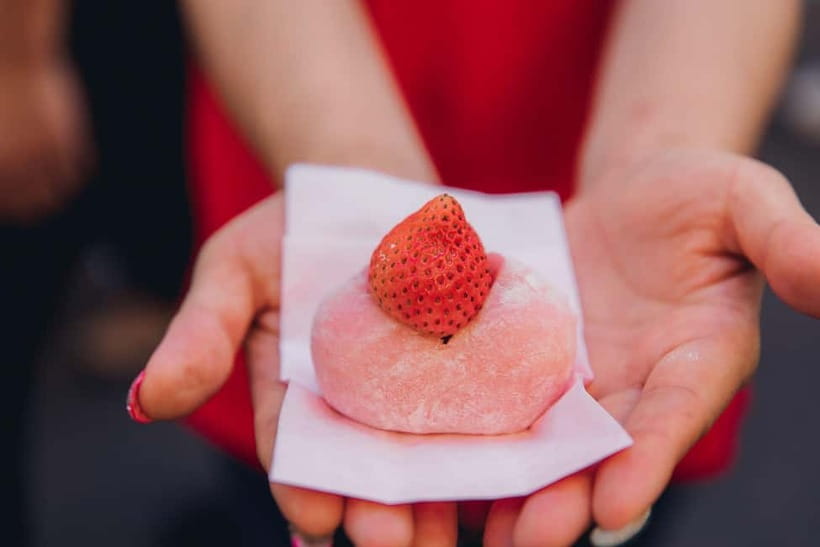
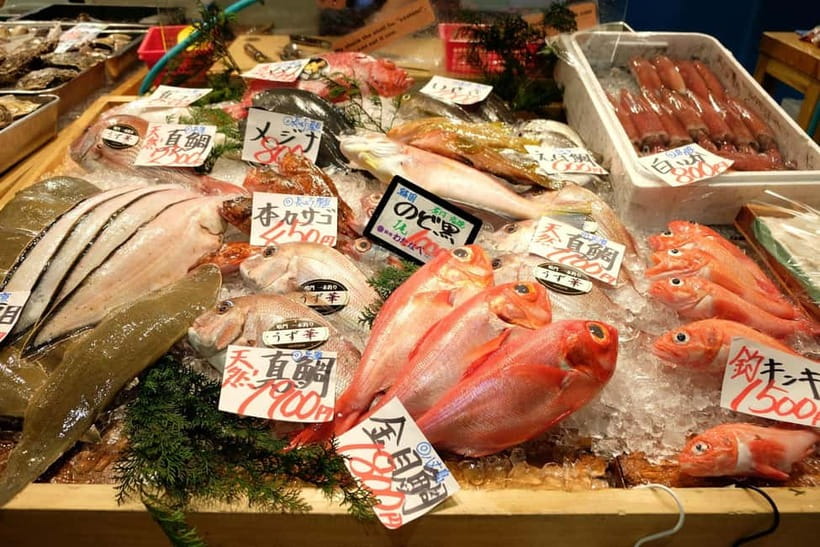
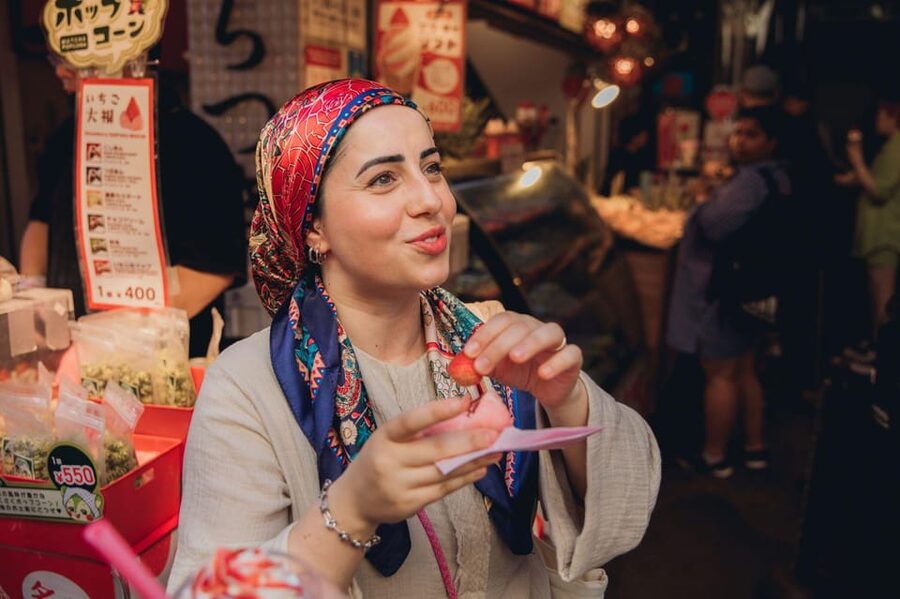
The market is known for seafood, but the experience is not limited to fish. You might see strawberries, soybeans, matcha, dashi ingredients, tamagoyaki, Kobe beef, tuna, handmade sweets, and seasonal wagashi. The tastings are generally small, which is good news because the variety adds up quickly.
Several guides have made the vendor relationships part of the experience. A guide may greet shopkeepers by name and make an introduction before you taste anything. That creates a more relaxed exchange and gives you a better chance to hear about the food instead of simply pointing at a display.
You should still respect the setting. Tsukiji is not an all-you-can-eat attraction. It is a place where people shop and work. Stay close to the guide, follow directions about where to stand, and avoid blocking narrow lanes while taking photographs.
Tasting sushi, tamagoyaki, and seasonal wagashi
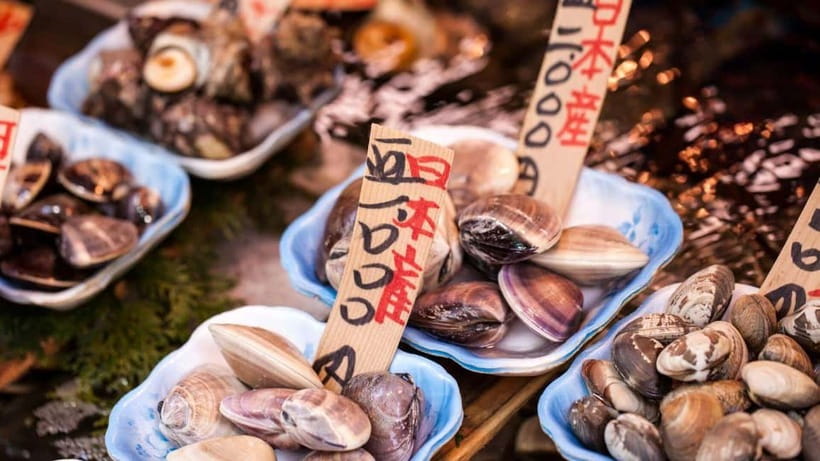
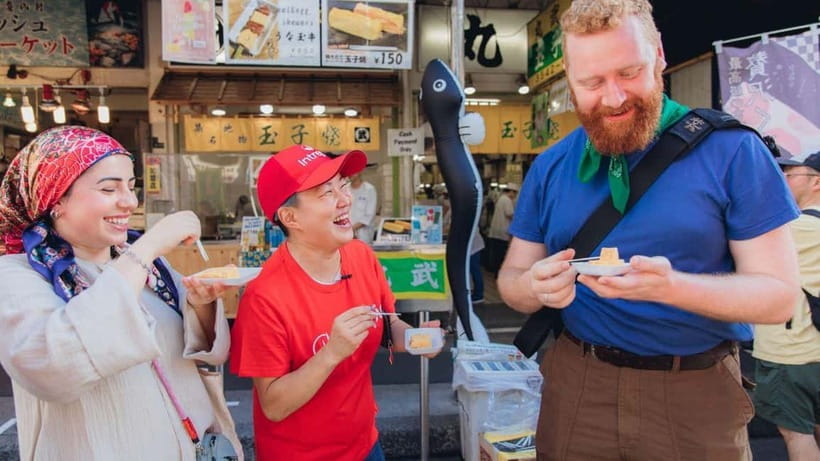
The food is the heart of the morning, and the tastings go well beyond one piece of sushi. Depending on the day, the group may try fresh sushi or sashimi, tamagoyaki, Japanese snacks, matcha, mochi, wagashi, dashi, soybeans, Kobe beef, and other market specialties.
One particularly useful feature is the explanation attached to each bite. Sushi becomes more than raw fish. You hear about its development and place in Japanese food culture. Tamagoyaki becomes a lesson in technique and shop craft, especially when you can see where it is prepared. Wagashi offers a way to talk about seasonality, presentation, and the Japanese habit of marking time through food.
The portions are small, but you should arrive ready to eat. Several people have found that the tastings form a full morning meal. Do not plan a large breakfast beforehand unless you enjoy the challenge of eating your way through a market on top of a full stomach.
Some tastings may include alcohol, such as sake. In Japan, guests must be at least 20 years old to drink alcohol. Anyone younger receives a non-alcoholic alternative.
A memorable detail from one departure was grinding fresh wasabi before eating sushi. Another included sashimi and sake near the end of the walk. These details may vary by group and market conditions, so I would not book this expecting one fixed menu. The appeal is the range and the explanation, not a guaranteed list of exact dishes.
Food preferences deserve advance notice. Vegetarian and vegan options are available where possible, but this is a seafood-centered market. The choices may be limited, so tell the operator when you book rather than hoping to solve the problem at the first stall.
Namiyoke Inari Jinja and the market’s spiritual side
The later shrine visit is Namiyoke Inari Jinja, a small shrine near the market. It gives the walk a quiet pause after the noise and food stalls.
Your guide explains the connection between the market, Buddhist beliefs, and Shinto ideas about spirit and respect. This helps explain why food traditions in Japan can involve more than ingredients and technique. Offerings, gratitude, cleanliness, seasonal customs, and careful preparation all sit close to the act of eating.
You will also learn a few basic shrine customs. The focus is not on turning you into an expert, but on helping you behave respectfully when you visit other sacred places. That practical lesson is one of the strongest parts of the tour because it travels with you beyond Tsukiji.
This stop also gives the market a longer timeline. You hear how the area changed after the tuna auction moved to Toyosu, while still retaining its role as a place for food shops, small businesses, and local routines.
The shrine does not turn the tour into a religious program. It is a short cultural stop within a food walk. If you only want tastings, it may feel like a pause. If you want to understand why food matters so much in Japan, it adds needed depth.
More Temple Walking Tours in Tokyo
- Tokyo: Meiji Shrine and Shinto Culture Walking Tour
★ 5.0 · 225 reviews - Tokyo: Meiji Shrine Walking Tour — Shintoism & Imperial System
★ 5.0 · 209 reviews - Tokyo: Asakusa Temple & Shrine Walking Tour with Local Guide
★ 5.0 · 105 reviews - Tokyo: Asakusa & Tokyo’s Oldest Temple Senso-ji Walking Tour
★ 4.6 · 21 reviews
What the small group changes
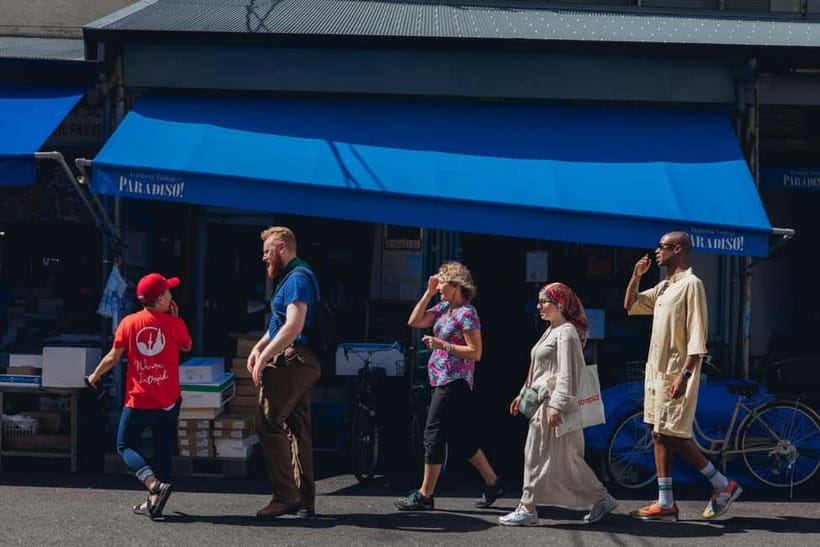
The stated group limit is six, and this is not a minor detail. Tsukiji’s lanes are too tight for a large tour to feel personal. A group of six can gather around a stall, hear an explanation, and move on without creating a human traffic jam.
The small size also makes dietary questions easier. Guides can ask what you enjoy, slow down when needed, and answer specific questions. On one departure, only two people attended, and the guide was still able to run the tour rather than cancel it.
Different guides bring different personalities. Mihori has been praised for warmth and for handling food preferences carefully. Shino has been described as enthusiastic and generous with explanations. Oku used photos, maps, and models, while also making time for questions and jokes. Kyou even helped one participant feel more comfortable around fish.
That variety is part of the charm, but it also means the tone can change. Some guides may emphasize food, others history, and others the social side of the market. The common thread is the small group and personal guidance.
What the tour does not promise
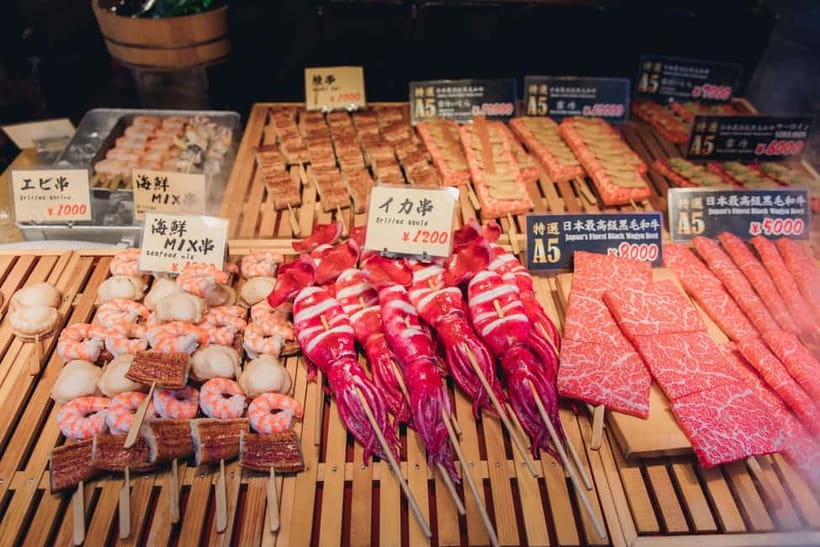
It is important to understand what you are buying. This is a guided tasting walk through the Outer Market, not a tour of the current Toyosu wholesale auction. The tuna auction moved away from Tsukiji, and the public market experience here is centered on shops, stalls, food, and nearby shrines.
You may see food being prepared, including tamagoyaki, but a full behind-the-scenes market visit is not guaranteed. One participant wanted more access to the working side of the market and found the public-facing route less revealing than expected.
The market itself can also be tiring. It may be crowded, and lines form at popular food counters. Rain and wind can make the morning uncomfortable, as one person discovered after arriving poorly prepared. Check the forecast, wear practical shoes, and bring protection from the weather.
This is not the best choice for someone who wants a quiet, sit-down meal or a carefully controlled tasting menu. It suits you better if you enjoy sampling many things, walking through busy streets, and letting the guide shape the morning.
Is $80 a fair price?
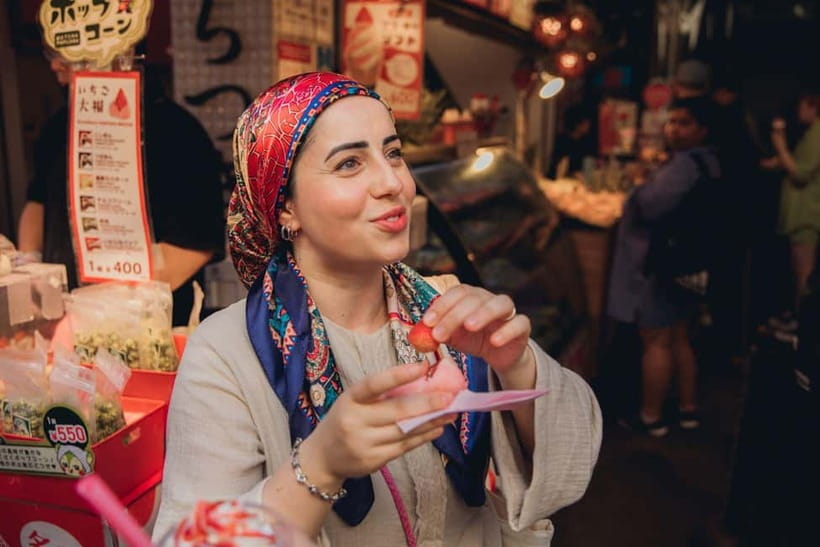
At $80 per person, this is not the cheapest way to eat at Tsukiji. You can buy individual snacks and sushi on your own for less. The price makes more sense when you count the guide, the English explanations, the multiple tastings, the shrine visits, and the access created by local vendor relationships.
I would especially consider it good value on your first morning in Tokyo. The guide helps you understand what you are seeing before the city’s food customs become a blur of unfamiliar labels and ingredients. You also get a practical introduction to shrine etiquette and market behavior.
The value is weaker if you already know Tsukiji well, speak Japanese, or prefer to choose every bite yourself. It is also less compelling if you want a tour focused on the wholesale trade rather than the public food district.
The experience lasts three hours, which is long enough to build a meal and a cultural story without taking your entire day. It finishes at Tsukiji Fish Market, leaving you in a useful area for more shopping or independent eating.
Who should book this Tsukiji walk?
I would recommend it to first-time visitors who want help getting oriented. It is also a strong fit for curious eaters who want to try foods they might otherwise pass by.
Families can bring children, and children aged five and under join free. Keep in mind that the market is crowded and the walk includes several tastings, so very young children may need close supervision.
Food-focused couples and small groups will appreciate the relaxed pace. Solo visitors can also benefit from the compact group, especially if they want company without joining a large bus-style tour.
I would hesitate if you have strict dietary limits and need a wide range of guaranteed alternatives. Vegetarian and vegan options are possible, but the seafood setting limits choice. I would also hesitate if your main goal is the famous tuna auction, since that now takes place at Toyosu rather than Tsukiji.
Practical details for a smoother morning
Meet at Higashi-ginza Station, Exit 3, beside the Kabukiza Theatre and the small torii gate on Harumi Street. Arrive with enough time to find the correct street-level meeting point.
Wear closed-toe shoes with a good grip. Market floors may be wet, and sandals are a poor match for crowded food lanes.
Bring an appetite, but not a huge breakfast. You will receive several small tastings, and the total can feel like a substantial meal.
Tell the operator about vegetarian, vegan, or other dietary needs in advance. Alcohol is limited to people aged 20 and older, with non-alcoholic choices for younger participants.
The tour is conducted in English and can be canceled up to 24 hours ahead for a full refund. You can also reserve now and pay later, which helps if your Tokyo schedule is still changing.
Should you book it?
Book this tour if you want Tsukiji explained, not merely visited. The combination of small-group guidance, varied tastings, vendor connections, sushi history, and shrine customs gives you a useful picture of how Tokyo eats and shows respect.
Skip it if you want the tuna auction, a private restaurant meal, or a guaranteed behind-the-scenes look at market operations. For most first-time visitors who enjoy trying many foods and asking questions, the $80 cost is justified by the guidance and variety. Come hungry, wear sensible shoes, and let the morning unfold one small bite at a time.
FAQ
Where does the Tsukiji food tour begin?
It begins at Higashi-ginza Station, Exit 3, for the Tokyo Metro Hibiya Line and Toei Asakusa Line. Meet at street level in front of the Kabukiza Theatre, on the Harumi Street side, by the small shrine and torii gate.
How long does the experience last?
The tour lasts three hours. Starting times vary, so check availability when booking.
What foods are included?
Tastings can include fresh sushi, sashimi, Japanese snacks, tamagoyaki, seasonal wagashi, mochi, matcha, dashi, soybeans, Kobe beef, tuna, and other market foods. The exact selection can vary.
Is the tour suitable for vegetarians or vegans?
Vegetarian and vegan options are available where possible, but choices may be limited because Tsukiji is a seafood-focused market. Tell the operator about your needs ahead of time.
Can children join the tour?
Yes. Children aged five and under join free. Let the operator know when booking if you are bringing a child under six.
Is alcohol included for everyone?
No. Only people aged 20 or older may drink alcohol in Japan. Younger participants receive non-alcoholic alternatives.
What should I wear?
Closed-toe shoes such as sneakers are recommended because the market floors may be wet. Dress suitably for the weather, since rain and wind can affect your comfort.
More Food in Tokyo
- Seoul: Palace, Temple and Market Guided Foodie Tour at Night
★ 4.9 · 750 reviews - Bangkok: Tuk Tuk Adventure Chinatown Michelin Food & Temples
★ 4.3 · 725 reviews - Old Delhi Food-Spice Market-Temples Tour Soon Featured on NETFLIX
★ 5.0 · 304 reviews - Seoul Night Palace & Market Food Tour with Vehicle
★ 5.0 · 275 reviews
More Food & Drink in Tokyo
- Tokyo: Sensoji Temple & Street Food: Private Tour with guide
★ 4.6 · 8 reviews - Nagano: Snow Monkeys, Zenkoji Temple & Sake Day Trip
★ 5.0 · 4 reviews - Bangkok by Night: Temples, Markets and Food Tuk-Tuk Tour
★ 5.0 · 3,752 reviews - Bangkok: Markets, Temples and Food Night Tour by Tuk Tuk
★ 4.9 · 2,371 reviews
Just added around Tokyo
- :Tokyo,Shibuya /Meiji Shrine tour in KIMONO/English-friendly★ 5.0 · 4 reviews
- Tokyo: Snow Monkey and Zenkoji Temple Day Trip In Low Price★ 5.0 · 5 reviews
- Tokyo War History Tour: Yasukuni Shrine & War Museum★ 4.5 · 6 reviews
- Tokyo: Gotokuji Culture Walk & Lucky Cat Temple Experience★ 4.9 · 5 reviews
- Tokyo: Shibuya Sky, Harajuku & Meiji Shrine Highlights Tour★ 4.5 · 9 reviews
- Tokyo: Visit 5 Shrines & Collect Goshuin on Private Tour★ 5.0 · 3 reviews
- Tokyo: Sensoji Temple & Street Food: Private Tour with guide★ 4.6 · 8 reviews
- Tokyo: Nikko Day Tour Shrines, Lake Chūzenji & Kegon Falls★ 4.9 · 26 reviews
Temple Walking Tours, compared.
City Highlights Temple and Market Walking Tour
Read our review →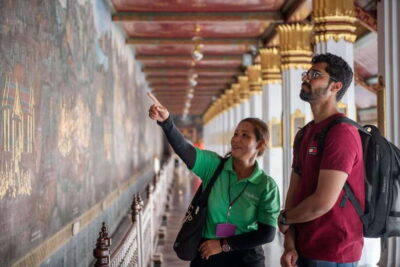
Grand Palace and Wat Phra Kaew Guided Walking Tour
Read our review →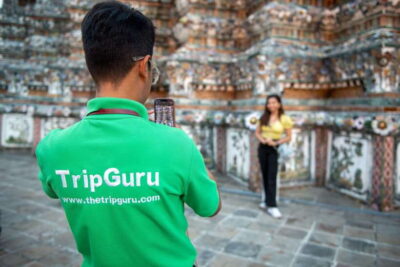
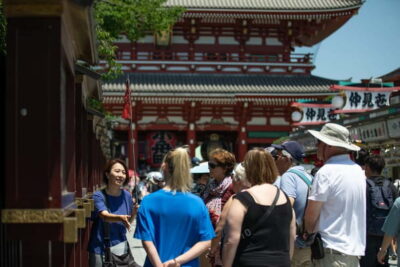
Asakusa Walking Tour with Sensoji Temple Visit
Read our review →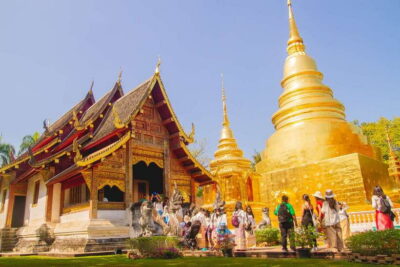
3 Hour Old City and Temples Guided Walking Tour
Read our review →
Kyoto Arashiyama Walking Tour: Bamboo, Monkeys, Gardens & Secrets
Read our review →