
Review · TOKYO
Tokyo: Meiji Shrine and Shinto Culture Walking Tour
A quiet forest waits behind Harajuku. This two-hour walking tour gives you a clearer look at Meiji Jingu Shrine, explaining the Shinto customs, symbols, and history that are easy to miss when you visit alone. I like the small maximum group of 15, which leaves room for questions, and I like the modest $18 price for a guided introduction to one of Tokyo’s most important sites. The main consideration is that this is a walking tour with a fairly tight schedule, so it offers an introduction rather than a full study of Shinto.
I also like the way the tour connects the shrine to Emperor Meiji and Empress Shoken, rather than treating the grounds as just a scenic stop. Guides such as Yumi, Sara, Haydn, Matt, and Benjamin have been praised for clear explanations and friendly help. You should also expect to meet at Starbucks Coffee at WITH HARAJUKU, not directly at the shrine gates.
Key things to know before you book
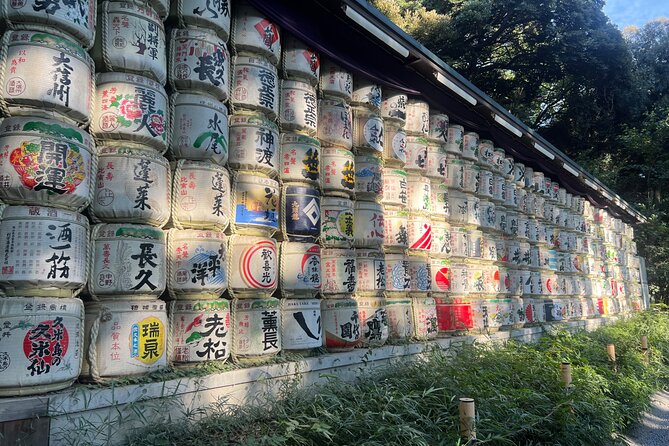
- A 70-hectare forest in central Tokyo: Meiji Jingu feels far removed from Harajuku’s busy streets once you enter its tree-lined approach.
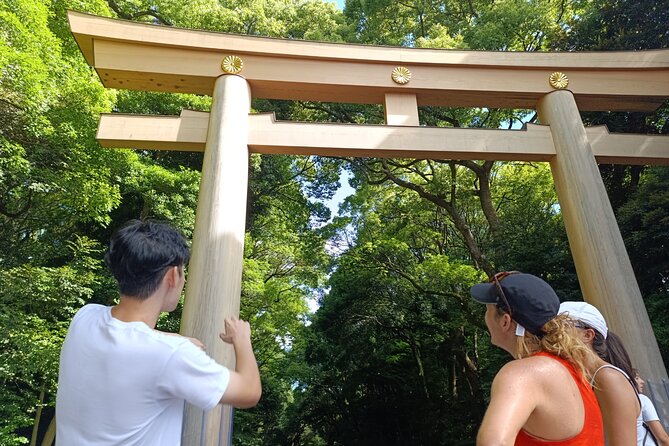
- A giant 12-meter torii: The main wooden gate is 17.1 meters wide and makes an immediate impression before the shrine visit begins.
- A practical Shinto lesson: Your guide explains customs such as bowing at the gates and ritual purification, details that can be confusing on a first visit.
- A small group capped at 15 people: The group size should make it easier to hear the guide and ask questions.
- A two-hour cultural introduction: The tour includes the shrine and historical context, but not every corner of the grounds.
- An inexpensive guided option: At $18 per person, the tour can be good value if you want context without paying for a long sightseeing program.
Why Meiji Jingu is worth your time
Meiji Jingu is dedicated to the deified spirits of Emperor Meiji and Empress Shoken. Established in 1920, the shrine honors the imperial couple associated with Japan’s rapid modernization during the Meiji period.
That setting matters. You are not simply walking through a pretty patch of trees. The shrine links Japan’s modern national story with Shinto practice, giving your guide two useful subjects to explain: the people commemorated here and the rituals still followed at the shrine.
The grounds cover about 70 hectares and form an artificial forest in one of Tokyo’s busiest areas. That contrast is one of the site’s great pleasures. Harajuku is close by, yet the approach to the shrine has a calmer, more spacious feel.
I would set aside expectations of a flashy temple complex. Meiji Jingu is a Shinto shrine, and its character comes from the long approach, the torii gates, the forest, the open grounds, and the careful customs observed along the way. The guide helps these elements make sense.
More Temple Walking Tours in Japan
- Tokyo: Asakusa Walking Tour with Sensoji Temple Visit
★ 4.8 · 1,583 reviews - Tokyo: Meiji Shrine Walking Tour — Shinto & Imperial System
★ 4.9 · 266 reviews - Tokyo: Meiji Jingu Shrine and Shinto Culture Walking Tour
★ 5.0 · 245 reviews
Meeting at Harajuku and starting the walk
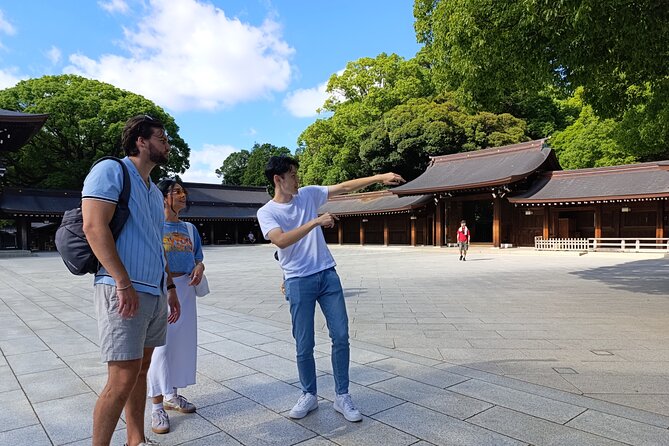
The tour begins at Starbucks Coffee at WITH HARAJUKU, at 1-chome 14-30 Jingumae, Shibuya, Tokyo 150-0001. This location is near public transportation and gives you a clear urban meeting point before the group heads toward the shrine.
Arrive with enough time to find the café and identify the guide. The meeting point is not the same as the shrine entrance, so do not assume you can simply wait beside the main torii. A mobile ticket is provided, and booking confirmation arrives at the time of booking.
Once the group sets off, the transition from city streets to shrine grounds is part of the experience. The guide can frame what you are seeing before the forest path begins, which is useful if this is your first Shinto site in Japan.
The group can include up to 15 people. That is not a private tour, but it is smaller than a large coach group. You should have a reasonable chance to hear explanations and ask about customs, especially if you stay near the guide.
The giant torii and the forest approach
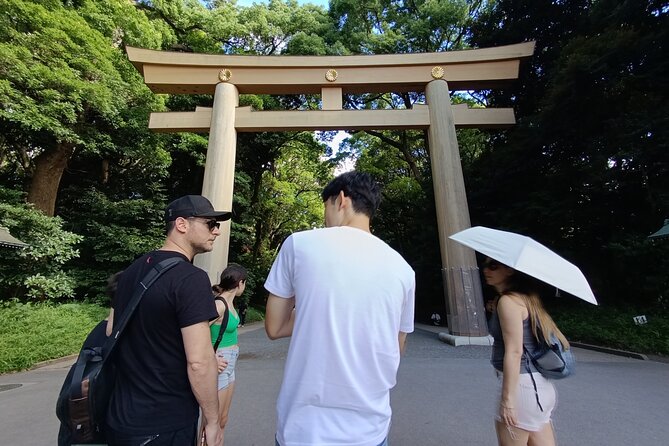
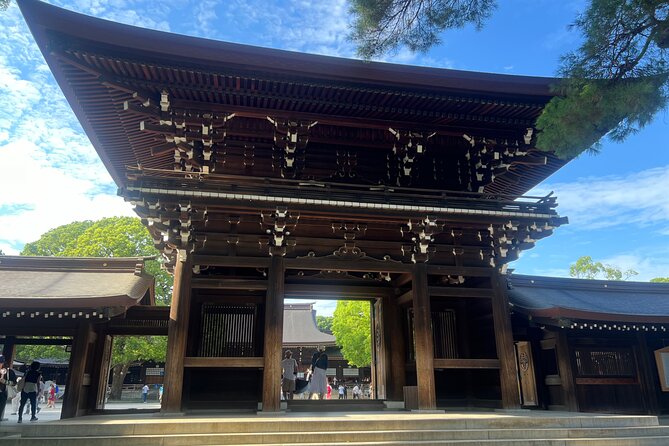
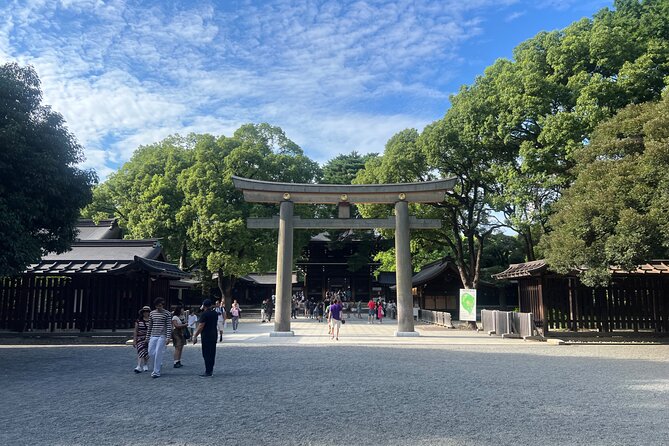
One of the first major sights is the large wooden myojin-style torii. It rises 12 meters high and measures 17.1 meters across. The scale is hard to miss, and it gives the entrance a strong sense of ceremony.
Your guide can explain how to behave at the gate, including the custom of bowing. These details are small, but they change the way you move through the shrine. Instead of treating the torii as a photo frame, you begin to see it as a boundary between ordinary city space and sacred ground.
After the gate, the route continues through the forested approach. The walk is one of the most appealing parts of the visit because the site feels surprisingly removed from central Tokyo. The path and trees provide a pause after the dense streets around Harajuku.
The one-hour shrine visit is the main stop listed for the tour, with admission included. The full experience lasts about two hours, allowing time for the walk, explanations, questions, and return to the meeting point.
You should wear comfortable shoes. The tour is not presented as a seated talk, and the main activity is walking through the grounds. The forest path is attractive, but anyone who dislikes walking tours should keep the format in mind before booking.
Understanding Shinto customs instead of guessing
A guide adds the most value when explaining actions that can look mysterious from the outside. The tour covers rituals and traditions followed at Meiji Jingu, including bowing at gates and the practice of ritually cleaning yourself before approaching the shrine.
Purification is easy to copy incorrectly if you have never seen it explained. A short demonstration or explanation can help you understand why people use the water at the entrance and how the action fits into Shinto practice.
The tour also gives you a chance to ask questions about symbolism and religious customs. The small group format is helpful here. You are not limited to reading a sign or watching people from a distance. You can ask why a ritual is performed, what a feature means, or how the shrine differs from a Buddhist temple.
The guide’s role is especially useful for families and first-time visitors. Children may notice the gates, forest, and rituals but not understand how they fit together. An interactive guide can keep the visit focused without turning it into a formal lecture.
Several guides have received especially warm praise for their approach. Yumi has been described as accommodating and helpful with Tokyo navigation. Sara is noted for friendly, interactive explanations of Meiji Jingu and Shinto customs. Haydn led a detailed small-group visit, while Matt offered thoughtful explanations of the Meiji Restoration and Emperor Meiji’s achievements. Benjamin was praised for calm explanations of Japanese customs.
Guide assignments can change, so you should not book expecting a particular person unless the operator confirms it. Still, the repeated praise for clear, friendly guiding suggests that the human element is central to the experience.
More Temple Walking Tours in Tokyo
- Tokyo: Meiji Shrine Walking Tour — Shintoism & Imperial System
★ 5.0 · 209 reviews - Tokyo: Asakusa Temple & Shrine Walking Tour with Local Guide
★ 5.0 · 105 reviews - Tokyo’s Kitchen: Tsukiji Market Food & Culture Walk
★ 4.7 · 74 reviews - Tokyo: Asakusa & Tokyo’s Oldest Temple Senso-ji Walking Tour
★ 4.6 · 21 reviews
Emperor Meiji, Empress Shoken, and modern Japan
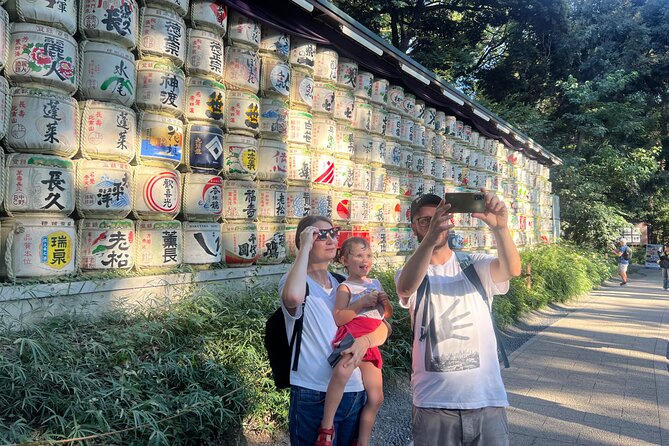
Meiji Jingu has a subject that reaches beyond religion. Emperor Meiji and Empress Shoken are remembered here as important figures in Japan’s modern transformation.
The Meiji period brought major change, and the shrine provides a place to discuss that shift alongside Shinto tradition. A guide can help you see why this particular shrine matters to Tokyo and Japan, rather than presenting it as just another stop on a sightseeing route.
This historical layer is a strong reason to choose the tour over a solo walk. You can visit the shrine on your own, but the connection between the imperial couple, modernization, and the shrine’s creation in 1920 is easy to pass over without context.
The explanations also make the grounds feel more specific. You are not just admiring a large torii or a forest path. You are learning why these features belong to a shrine dedicated to these figures and how the site fits into Japanese spiritual and national life.
The tour does not promise an exhaustive course in Japanese history. At two hours, it gives you the key ideas and a working understanding of the customs. If you want detailed political history, extensive religious study, or a long visit to every part of the grounds, you will need more time elsewhere.
What the $18 price really offers
At $18 per person, this is one of the easier Tokyo tours to justify if you value explanation. Admission is included, and the price covers a guide plus historical insight into the district.
The value comes less from exclusive access and more from interpretation. You can enter Meiji Jingu without this tour, so you are paying for someone to show you what to notice and explain what to do. For a first visit, that can prevent a beautiful but confusing walk.
The price also suits a packed Tokyo schedule. Two hours is long enough to add substance but short enough to fit around other plans in Harajuku, Shibuya, or central Tokyo. The tour ends back at the meeting point, making it simple to continue your day from the same area.
The tradeoff is limited depth. A small, affordable group tour cannot offer the same flexibility as a private guide. The maximum group size is 15, and the route and timing are set. If you want to linger at a particular feature or spend extra time photographing the forest, you may prefer to return on your own afterward.
Who will get the most from this tour
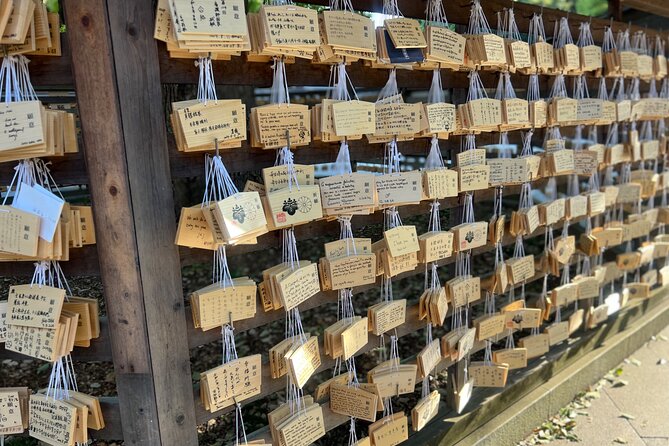
I would recommend this experience to first-time visitors to Tokyo who want help understanding Shinto customs. It is also a good choice if you prefer a guide who can explain cultural details in plain language rather than simply point out major sights.
Families can benefit from the interactive format. One family visit in June 2025 was led by Sara, who was described as fun and engaging while explaining Meiji Jingu. That kind of approach can make the rituals more approachable for younger visitors.
The tour also suits anyone interested in the Meiji period, Emperor Meiji, or the connection between Japanese spirituality and national history. The shrine offers a strong setting for those subjects.
You may want to skip it if you already know Shinto practice well, have visited Meiji Jingu several times, or prefer exploring alone. The tour covers the highlights in about two hours, so independent visitors who enjoy setting their own pace may find the structure unnecessary.
Rain does not automatically ruin the experience. Matt was praised for making the walk worthwhile despite wet weather, but you should still dress for the forecast. The tour takes place outdoors, and the forest path is part of the visit.
Practical details that affect your day
The tour has a maximum of 15 people, includes a guide, and ends at the starting meeting point. Most people can participate, and the location is near public transportation.
Free cancellation is available if you cancel at least 24 hours before the start time. Cancellations made less than 24 hours ahead are not refunded, and changes inside that period are not accepted. The cut-off uses Tokyo local time, so check the clock carefully if you are arranging plans from another time zone.
Tips are not included. You should treat gratuities as optional and based on the quality of the guiding you receive.
The 100 percent recommendation rate and 5.0 rating from 225 reviews point to consistently strong satisfaction, with the most praised qualities being guide expertise, friendly service, cultural explanation, and the beauty of the shrine grounds. Those strengths match what this tour is designed to do.
Should you book the Meiji Shrine walking tour?
Book it if you want clear cultural context, a manageable two-hour route, and a friendly guide at a low price. The giant torii, quiet forest, and shrine rituals are all more meaningful when someone explains what you are seeing.
I would especially choose it for a first Tokyo visit, a family outing, or a short stay when you want one well-organized introduction to Shinto culture. I would not choose it if you prefer complete independence or want a long, highly detailed study of Meiji Jingu.
For $18, the risk is small. Just remember that the tour begins at Starbucks Coffee at WITH HARAJUKU, involves walking, and gives you a focused introduction rather than unlimited time. If that matches your plans, this is a sensible and worthwhile way to meet one of Tokyo’s most important shrines.
FAQ
How long does the Meiji Shrine and Shinto Culture Walking Tour last?
The tour lasts approximately two hours.
Where does the tour begin?
It begins at Starbucks Coffee at WITH HARAJUKU, 1-chome 14-30 Jingumae, Shibuya, Tokyo 150-0001.
Where does the tour end?
The activity ends back at the meeting point.
Is admission to Meiji Jingu included?
Yes. Admission to Meiji Jingu Shrine is included.
What does the tour price include?
The $18 price includes a tour guide and historical insights into the district.
Are tips included?
No. Tips are not included in the tour price.
How many people can join the tour?
The activity has a maximum group size of 15 people.
Is the tour available with a mobile ticket?
Yes. The experience offers a mobile ticket.
What is the cancellation policy?
You can cancel at least 24 hours before the start time for a full refund. Cancellations or changes made less than 24 hours before the experience are not accepted for a refund.
More Meiji Shrine and Senso-ji Tours in Tokyo
- Tokyo Panoramic 1 Day: Meiji Shrine, Asakusa, Odaiba and SKYTREE®
★ 4.5 · 1,222 reviews - Tokyo: Asakusa and Tokyo’s Oldest Temple Senso-ji Tour
★ 4.9 · 352 reviews - Tokyo Morning Tour: Asakusa, Meiji Shrine and Tsukiji Fish Market
★ 5.0 · 128 reviews - Tokyo Morning Tour: Meiji Shrine, Asakusa & Fish Market
★ 4.9 · 44 reviews
Just added around Tokyo
- :Tokyo,Shibuya /Meiji Shrine tour in KIMONO/English-friendly★ 5.0 · 4 reviews
- Tokyo: Snow Monkey and Zenkoji Temple Day Trip In Low Price★ 5.0 · 5 reviews
- Tokyo War History Tour: Yasukuni Shrine & War Museum★ 4.5 · 6 reviews
- Tokyo: Gotokuji Culture Walk & Lucky Cat Temple Experience★ 4.9 · 5 reviews
- Tokyo: Shibuya Sky, Harajuku & Meiji Shrine Highlights Tour★ 4.5 · 9 reviews
- Tokyo: Visit 5 Shrines & Collect Goshuin on Private Tour★ 5.0 · 3 reviews
- Tokyo’s Kitchen: Tsukiji Market Food & Culture Walk★ 4.7 · 74 reviews
- Tokyo: Sensoji Temple & Street Food: Private Tour with guide★ 4.6 · 8 reviews
Meiji Shrine & Senso-ji Tours, compared.
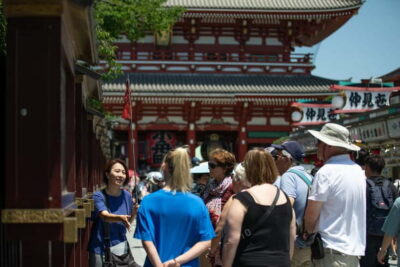
Asakusa Walking Tour with Sensoji Temple Visit
Read our review →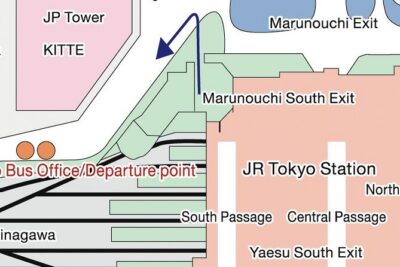
Tokyo Panoramic 1 Day: Meiji Shrine, Asakusa, Odaiba and SKYTREE®
Read our review →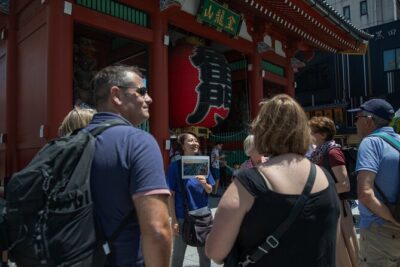
Asakusa Senso-ji Temple and Old Tokyo Walking Tour
Read our review →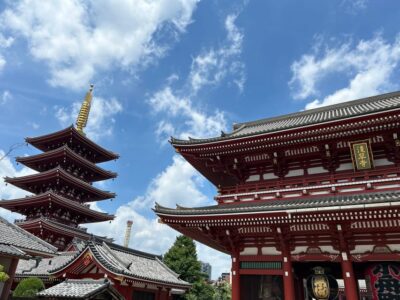
Asakusa and Tokyo’s Oldest Temple Senso-ji Tour
Read our review →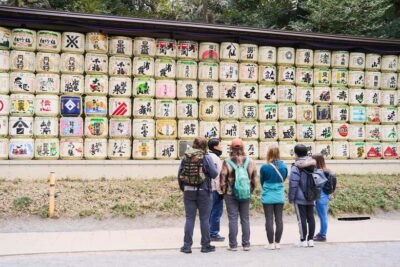
Meiji Shrine Walking Tour — Shinto & Imperial System
Read our review →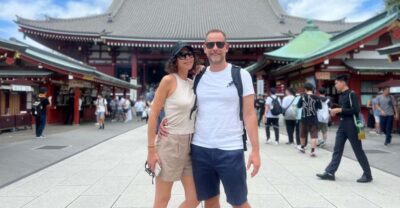
Meiji Jingu Shrine and Shinto Culture Walking Tour
Read our review →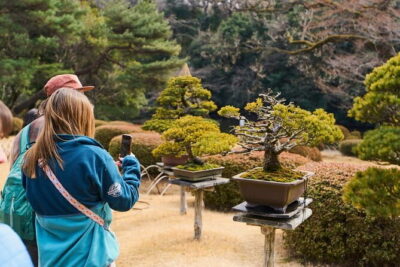
Meiji Shrine Walking Tour — Shintoism & Imperial System
Read our review →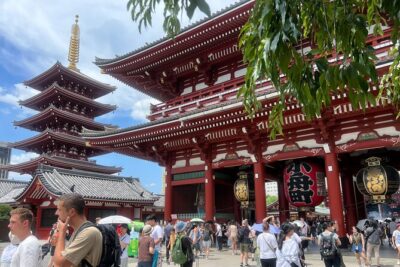
Tokyo Morning Tour: Asakusa, Meiji Shrine and Tsukiji Fish Market
Read our review →Browse the lists this tour appears in