
Review · TOKYO
Tokyo: Meiji Shrine Walking Tour — Shintoism & Imperial System
A quiet forest waits beside Harajuku. This 90-minute small-group walk takes you from Harajuku Station through Meiji Shrine’s wooded grounds, past one of Japan’s largest wooden torii gates, and into the customs of Shinto and the Japanese Imperial system. I like the peaceful forest route and the chance to learn what you are seeing instead of simply taking photographs. I also like that the garden admission is included in the $21.22 price.
The main consideration is time. Ninety minutes gives you a clear introduction, but not a slow, wide-ranging visit to every corner of the shrine grounds. The tour can include up to 15 people, so it is personal enough for questions but not a private walk. Still, that size is a sensible compromise for a first visit.
Key points at a glance
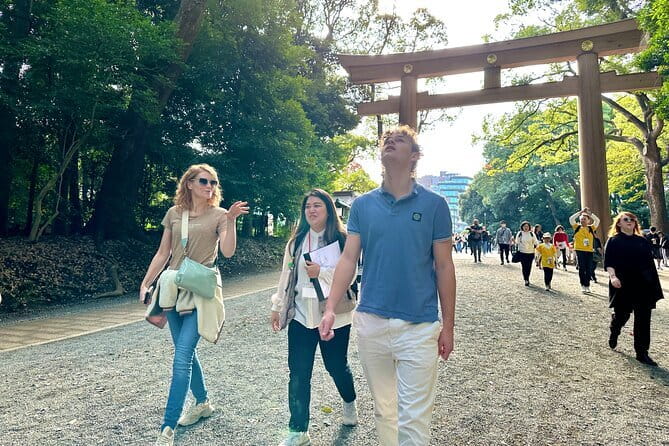
- A forest path beside Harajuku: You leave the station area and walk toward the shrine through a broad, quiet route shaded by trees.
- A huge cypress torii: The gate is made from ancient cypress brought from Taiwan, making it one of the most memorable sights early in the walk.
- Shinto explained in place: Your guide covers purification, prayer, omikuji, ema, and omamori while you see each custom firsthand.
- Guide quality matters here: Yuuki, Nono, Nana, Keiko, Nonoka, and Nanami are praised for clear English, patience, warmth, and enthusiasm.
- Good value for a short visit: At $21.22 per person, the tour adds context and includes admission to the Meiji Shrine Garden.
- Simple transport and timing: Meet at Harajuku Station, choose between two tour times, and finish back at the meeting point.
Why Meiji Shrine works so well as a first Tokyo walk
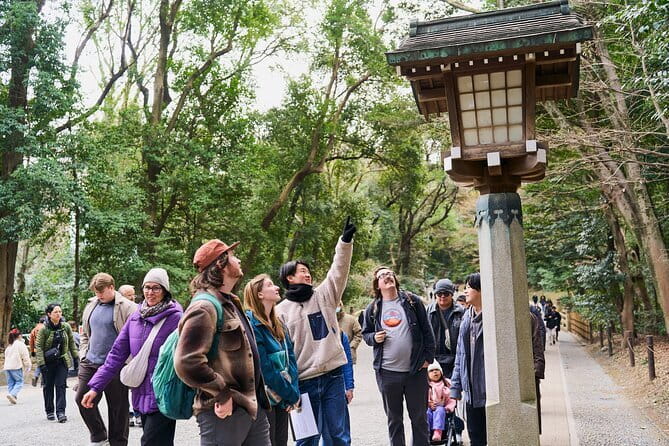
Tokyo can feel like several cities at once. Harajuku brings fashion shops, crowds, and bright signs, yet Meiji Shrine begins close to the station with a very different mood. The walk into the grounds gives you a clean change of pace without requiring a long trip across the city.
I like this contrast because it makes the shrine easier to understand. You do not need to spend a full day at a remote temple to see a quieter side of Tokyo. In a few minutes, the city noise gives way to a forest path, large wooden gates, and the measured rituals of Shinto.
A guide is especially useful here. Meiji Shrine is attractive even if you know nothing about Japanese religion, but the visual details can otherwise pass by as decoration. With an explanation, the purification fountain, sake barrel displays, prayer area, omikuji, ema, and omamori become parts of a living tradition rather than a series of photo stops.
The tour also focuses on two subjects that are easy to flatten into general sightseeing: Shintoism and the Imperial system. You will not leave with a full academic course in either topic, but you should gain a useful framework for understanding the shrine and its place in Japan.
More Temple Walking Tours in Japan
- Tokyo: Asakusa Walking Tour with Sensoji Temple Visit
★ 4.8 · 1,583 reviews - Tokyo: Meiji Shrine Walking Tour — Shinto & Imperial System
★ 4.9 · 266 reviews - Tokyo: Meiji Jingu Shrine and Shinto Culture Walking Tour
★ 5.0 · 245 reviews
Meeting at Harajuku Station
The tour begins at Harajuku Station, at 1 Chome-18 Jingumae in Shibuya. That is a practical meeting point because the station is close to the shrine entrance and easy to reach by public transportation.
You should allow enough time to find the meeting point before the scheduled start. The experience is only about an hour and a half, so a late arrival could take a large bite out of the visit. Confirmation is provided at booking, which gives you the meeting details in advance.
Two tour times are available. Since the exact times are not provided here, check the booking choices against your day plan. An earlier option may suit you if you want to see the shrine before a busy afternoon in Harajuku. A later option can fit around other Tokyo sightseeing, but you should not assume that every part of the grounds will feel equally quiet at every hour.
The group limit is 15 people. That is not a private experience, but it is small enough for the guide to explain rituals to the full group and answer questions without the feel of a large coach tour.
Walking beneath the giant torii
The first major sight is the Big Torii, one of Japan’s largest wooden torii gates. It is made from ancient cypress brought from Taiwan, a detail that gives the gate more meaning than its sheer size alone.
A torii marks the entrance to a Shinto sacred area. Your guide can help you notice the shift from ordinary city space to shrine grounds as you pass beneath it. The gate is given about five minutes in the planned route, which sounds brief, but the structure makes an immediate impression and does not require a long stop to appreciate.
This is also a good place to remember that a shrine visit is not simply a walk through a park. The route has a sense of transition. You are moving away from Harajuku’s commercial streets and toward a place where conduct, quiet, and ritual matter.
The path is broad and peaceful. You will walk through wooded grounds toward the main shrine, with the guide pointing out features along the way. The tour description gives about 30 minutes to this opening section, so expect a steady walk rather than a long pause at every object.
The forest path and the first Shinto lessons
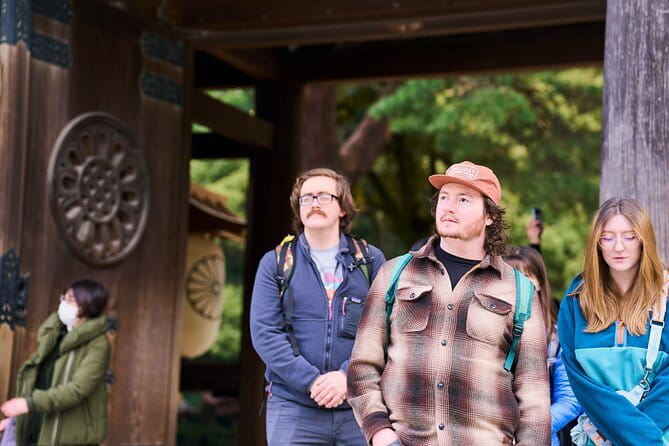
The forest route is one of the strongest parts of the experience. The trees provide a cool, calm setting, and one person specifically appreciated how shaded the grounds felt even during a hot summer visit. That makes this tour appealing when you need a break from Tokyo’s concrete streets and crowded shopping areas.
The guide introduces Shinto customs as you go. You will see displays of sake barrels, pass additional torii gates, and visit the purification fountain. These details are easy to photograph, but the useful part is learning how they relate to shrine practice.
The purification fountain is not just a decorative water feature. It is connected with preparing yourself before prayer. Your guide can show you the proper sequence and explain the meaning, which is helpful because visitors often want to participate respectfully but are unsure of the steps.
The sake barrels offer another visual link to shrine life. Their arrangement is striking, and the guide’s explanation gives the display context. This is the kind of small detail that makes a guided walk worthwhile. You could pass it alone, take a picture, and move on. With an explanation, you have a better sense of why it belongs there.
Keep your pace comfortable. The walk is not described as strenuous, and most people can take part, but you are on foot for the full experience. Comfortable shoes are a sensible choice, especially if you plan to continue sightseeing afterward.
More Temple Walking Tours in Tokyo
- Tokyo: Meiji Shrine and Shinto Culture Walking Tour
★ 5.0 · 225 reviews - Tokyo: Asakusa Temple & Shrine Walking Tour with Local Guide
★ 5.0 · 105 reviews - Tokyo’s Kitchen: Tsukiji Market Food & Culture Walk
★ 4.7 · 74 reviews - Tokyo: Asakusa & Tokyo’s Oldest Temple Senso-ji Walking Tour
★ 4.6 · 21 reviews
Meiji Jingu, prayer, and the Imperial connection

The central stop is Meiji Jingu Shrine, where the tour spends about 30 minutes. This is the heart of the visit, and it is where the guide connects the physical setting with Shinto belief and the Japanese Imperial system.
You have the chance to offer a prayer at the shrine. If you have never prayed at a Shinto shrine, having a guide nearby is valuable. You can ask questions before taking part rather than copying the nearest person and hoping for the best.
The stop also includes several familiar Japanese shrine items:
- Omikuji: You can draw a distinctive type of fortune paper.
- Ema: You can write a wish on a wooden plaque.
- Omamori: You can browse protective charms and other types of good-luck items.
These are not simply souvenirs. They show how religious practice, personal hopes, and everyday Japanese culture meet at the shrine. The guide can explain the differences between them and help you decide what interests you.
The tour’s focus on the Imperial system adds another layer. Meiji Shrine is not presented only as a quiet green place. You are encouraged to consider the connection between the shrine, national history, and the imperial institution. The short format means this will be an introduction, but it is a useful one for anyone who wants more than a general photo stop.
The strongest guide praise is consistent across the named guides. Yuuki is described as patient and clear. Nana is praised for placing Shinto rituals and history into context. Keiko is noted for her passion for the shrine, Japanese culture, and its story. Nonoka is described as friendly and enthusiastic, while Nanami is praised for explaining the shrine’s creation, history, and even the flowers in the grounds. One guide is also specifically praised for speaking English very well and answering questions carefully.
Those details matter because the quality of a short cultural tour depends heavily on the person leading it. The guide names may vary, so you should not book expecting one particular person unless the operator confirms that in advance. Still, the range of positive comments suggests that the experience is built around warm, engaged local guides rather than a memorized audio script.
The garden admission and the final café stop

Admission to the Meiji Shrine Garden is included. That improves the value of the tour, since you are not paying the tour price and then adding another required entry fee during the visit.
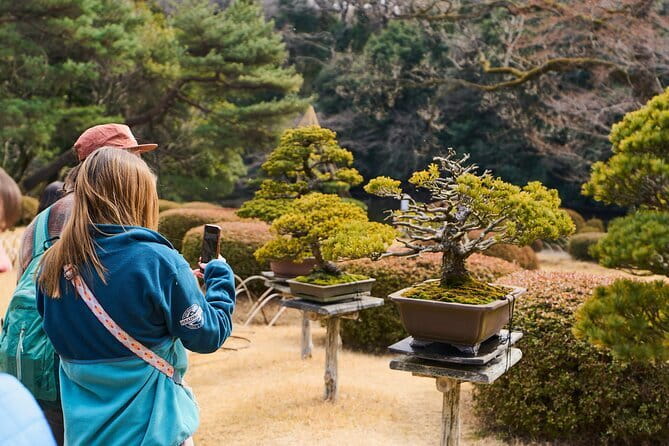
The garden section gives the walk a different rhythm. The shrine itself centers on worship and formal space, while the garden offers a more relaxed setting for seeing the grounds. The available information does not specify every garden feature or how long you spend in each part, so think of this as an included extension of the shrine visit rather than a separate garden tour with a full botanical focus.
The final stop is Café Mori no Terrace, near the shrine grounds. It includes a café and gift shop, with light meals and drinks available in a quiet forest setting. The shop carries charms, traditional goods, and items exclusive to Meiji Jingu.
The planned time here is about 15 minutes. That is enough for a short look, a drink, or a small purchase, but not a leisurely meal. If you want to sit down for a longer break, you may need to return after the tour or adjust the rest of your schedule.
The ending is convenient because the activity returns to the meeting point. You are not left at a distant station or sent off with a complicated route. You can continue around Harajuku afterward, using the station as your base.
What the $21.22 price really gives you
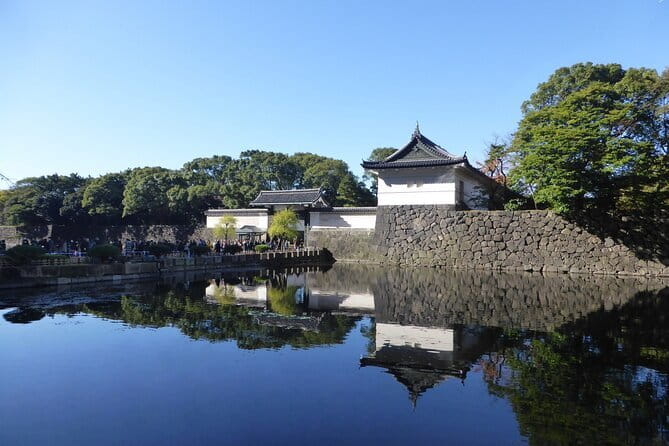
At $21.22 per person, this is a modestly priced guided experience for Tokyo. The real value is not the physical walk. You can enter much of the shrine area on your own and see the large gates, forest, and main shrine without paying for a guide.
The value comes from interpretation and structure. For 90 minutes, you have a local guide explaining what to do, what you are seeing, and how Shinto customs connect with the shrine’s wider meaning. The garden admission is included, and the small group keeps the experience more focused than a large organized outing.
I would recommend the price to a first-time Tokyo visitor who wants cultural context but does not want to commit half a day. It is also a good fit for solo visitors. A guided walk gives you someone to ask about prayer, fortune papers, charms, and the Imperial connection without needing to research every point on your phone.
The value is less clear if you already know Meiji Shrine well or prefer to explore at your own pace. The 90-minute structure means you may want to linger at the main shrine, take more photographs, or browse the shop longer than the group schedule allows.
Who should book this walking tour?

I would choose this tour if you want:
- A short introduction to Shinto customs
- A calm break from Harajuku’s shopping streets
- A local guide who can answer cultural questions
- A visit that combines a forest walk, shrine, garden, and café
- A small group rather than a large bus tour
- A simple activity that fits into a busy Tokyo itinerary
It also suits families and solo visitors, since most people can participate and the maximum group size is 15. The tour is a good choice for anyone who feels unsure about shrine etiquette but wants to take part respectfully.
You may prefer a self-guided visit if you want to move slowly, spend extra time writing an ema, browse the charms at length, or sit at the café without watching the clock. The tour is an introduction, not a full study of Meiji Shrine or the Imperial system.
The tour has a 5 out of 5 rating from 209 reviews, with 100 percent recommendation shown in the supplied information. That is a strong signal for guide quality, particularly because the praise focuses on patience, English ability, warmth, and clear explanations rather than only on the scenery.
Cancellation and planning notes
Free cancellation is available if you cancel at least 24 hours before the start time. Cancellations within 24 hours are not refunded, and changes made inside that period are not accepted. The cut-off follows local Tokyo time, so check your schedule before the final day.
The tour has a mobile ticket, is near public transportation, and ends back at the starting point. You should plan for a walking visit through forest paths and shrine grounds, wear practical shoes, and keep the 90-minute schedule in mind.
My verdict on the Meiji Shrine walk
Yes, I would book this tour for a first or second Tokyo visit, especially at $21.22. It gives you the right amount of structure for a short stop and explains the rituals that make Meiji Shrine more than a pretty forest beside Harajuku.
Book it if you want context, clear guidance, and a quiet change of pace. Skip it if you already understand Shinto shrine customs or want complete freedom to wander. For most people, the combination of the huge cypress torii, shaded path, garden admission, and friendly local guides makes this a sensible introduction to Meiji Shrine.
FAQ
Where does the Meiji Shrine walking tour begin?
The tour begins at Harajuku Station, at 1 Chome-18 Jingumae, Shibuya, Tokyo 150-0001, Japan.
Where does the tour finish?
The activity ends back at the meeting point.
How long does the tour last?
The experience lasts approximately 1 hour and 30 minutes.
What is included in the price?
The tour includes a local guide and admission to the Meiji Shrine Garden. The listed price is $21.22 per person.
How large is the tour group?
The tour can have a maximum of 15 travelers.
Can I choose a tour time?
Yes. Two tour times are available, allowing you to choose an option that fits your Tokyo plans.
What is the cancellation policy?
You can cancel at least 24 hours before the start time for a full refund. Cancellations or changes made less than 24 hours before the start time are not accepted, and the amount paid is not refunded.
More Meiji Shrine and Senso-ji Tours in Tokyo
- Tokyo Panoramic 1 Day: Meiji Shrine, Asakusa, Odaiba and SKYTREE®
★ 4.5 · 1,222 reviews - Tokyo: Asakusa and Tokyo’s Oldest Temple Senso-ji Tour
★ 4.9 · 352 reviews - Tokyo Morning Tour: Asakusa, Meiji Shrine and Tsukiji Fish Market
★ 5.0 · 128 reviews - Tokyo Morning Tour: Meiji Shrine, Asakusa & Fish Market
★ 4.9 · 44 reviews
Just added around Tokyo
- :Tokyo,Shibuya /Meiji Shrine tour in KIMONO/English-friendly★ 5.0 · 4 reviews
- Tokyo: Snow Monkey and Zenkoji Temple Day Trip In Low Price★ 5.0 · 5 reviews
- Tokyo War History Tour: Yasukuni Shrine & War Museum★ 4.5 · 6 reviews
- Tokyo: Gotokuji Culture Walk & Lucky Cat Temple Experience★ 4.9 · 5 reviews
- Tokyo: Shibuya Sky, Harajuku & Meiji Shrine Highlights Tour★ 4.5 · 9 reviews
- Tokyo: Visit 5 Shrines & Collect Goshuin on Private Tour★ 5.0 · 3 reviews
- Tokyo’s Kitchen: Tsukiji Market Food & Culture Walk★ 4.7 · 74 reviews
- Tokyo: Sensoji Temple & Street Food: Private Tour with guide★ 4.6 · 8 reviews
Meiji Shrine & Senso-ji Tours, compared.
Asakusa Walking Tour with Sensoji Temple Visit
Read our review →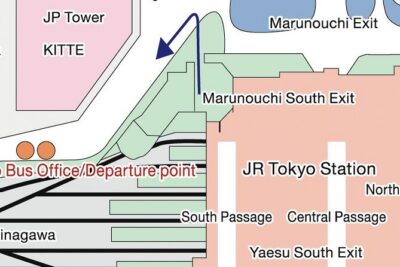
Tokyo Panoramic 1 Day: Meiji Shrine, Asakusa, Odaiba and SKYTREE®
Read our review →
Asakusa Senso-ji Temple and Old Tokyo Walking Tour
Read our review →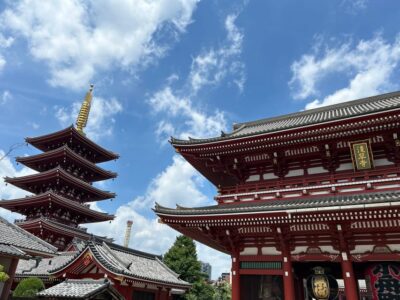
Asakusa and Tokyo’s Oldest Temple Senso-ji Tour
Read our review →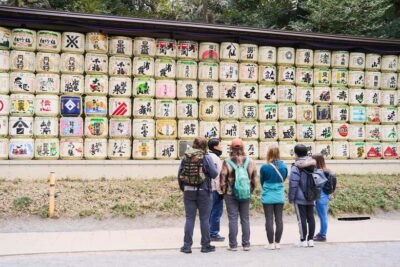
Meiji Shrine Walking Tour — Shinto & Imperial System
Read our review →
Meiji Jingu Shrine and Shinto Culture Walking Tour
Read our review →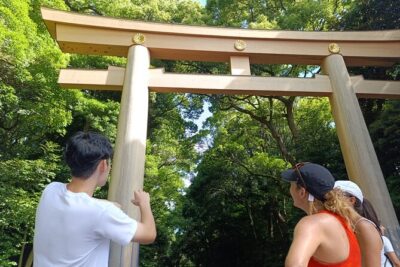
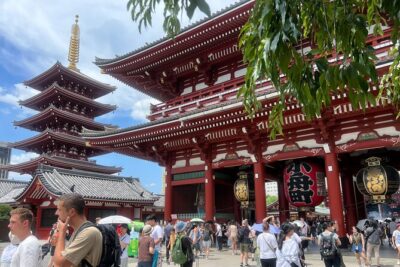
Tokyo Morning Tour: Asakusa, Meiji Shrine and Tsukiji Fish Market
Read our review →Browse the lists this tour appears in