
Review · TOKYO
Tokyo Morning Tour: Meiji Shrine, Asakusa & Fish Market
Tokyo wakes early for a reason. This 4.5-hour morning tour links three very different parts of the city: the quiet paths of Meiji Shrine, the food stalls of Tsukiji Outer Market, and the old streets around Asakusa. I like the smart route, which moves from spiritual calm to market energy and then to classic Tokyo sights. I also like that the English-speaking guides add cultural context rather than simply pointing at buildings. The main thing to consider is the pace: with only 270 minutes and public transport between stops, you will need comfortable shoes and a willingness to keep moving.
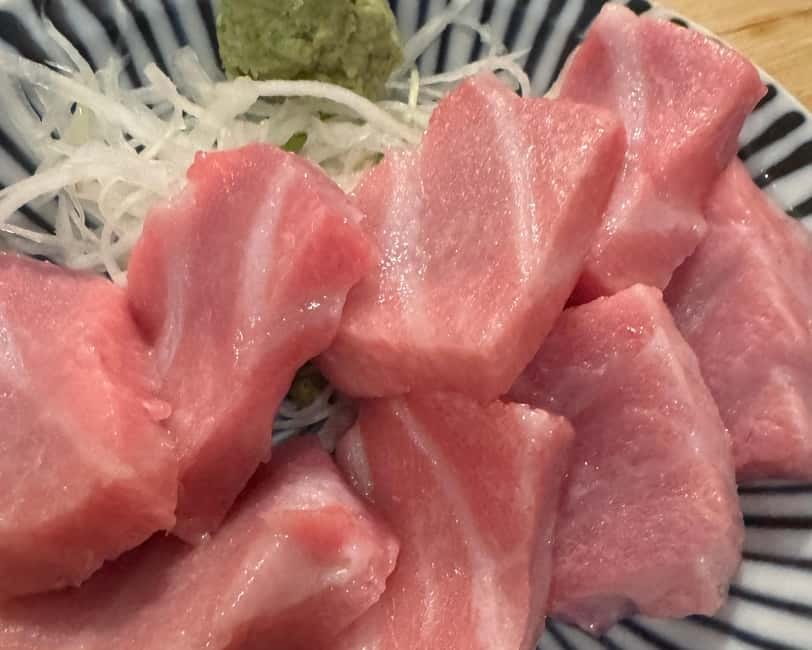
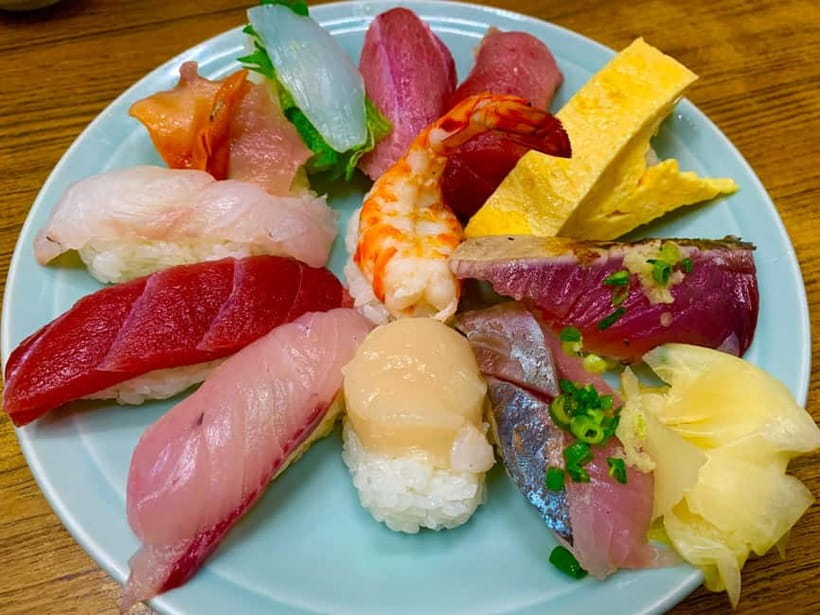
I especially like the food focus. Fresh sushi and sashimi at Tsukiji, followed by croquettes and Japanese sweets in Asakusa, gives you a taste of Tokyo without turning the tour into a long restaurant meal. Guides such as Yosuke, Lax, Lex, Remu, Ken, and Yo Yo have been praised for clear English, warm attention, and useful explanations of Shinto, Buddhism, and local customs.
Key points to know before booking
- Three major Tokyo districts in one morning: Start at IKEA Harajuku, visit Meiji Shrine, continue to Tsukiji Outer Market, and finish around Senso-ji in Asakusa.
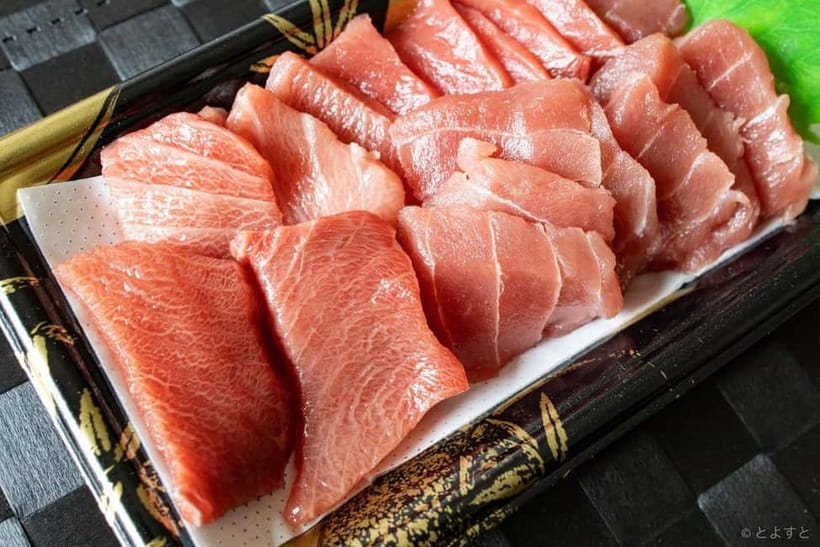
- Food is part of the route: Expect fresh sushi and sashimi at Tsukiji, plus croquettes and traditional sweets in Asakusa.
- The guides are a major strength: Yosuke, Lax, Lex, Remu, Ken, and Yo Yo are praised for their English, patience, cultural explanations, and friendly care.
- The tour mixes Shinto and Buddhist sites: Meiji Shrine and Senso-ji offer a useful introduction to two important Japanese religious traditions.
- Budget around 550 yen for transport: Public transportation is not included, so keep this amount ready in addition to the $83 tour price.
- You finish in Asakusa: This is handy if you want to continue exploring Senso-ji, Nakamise Street, or the surrounding district on your own.
Why this morning route works so well
Many Tokyo tours ask you to choose between food, history, and famous sights. This one makes a reasonable attempt at all three. The order also makes sense. Meiji Shrine gives you a calm start, Tsukiji brings the morning food culture, and Asakusa ends with temples, shopping, and old Tokyo atmosphere.
The tour lasts 270 minutes, or four and a half hours. That is enough time to see the main character of each area, but not enough for slow, independent wandering at every stop. You are getting an introduction rather than a complete study of Harajuku, Tsukiji, and Asakusa.
The meeting point is in front of IKEA Harajuku. From there, your guide leads the group to Meiji Shrine. The tour finishes in Asakusa rather than returning to Harajuku, which is useful if you want to spend the afternoon in eastern Tokyo.
The price is $83 per person. That is not a bargain-priced walking tour, especially since public transport costs about 550 yen extra. Still, the value improves if you want a guide to explain the religious customs, lead you through the market, recommend food, take photos, and keep the morning organized. You are paying for structure and interpretation, not just admission to places you could enter independently.
More Meiji Shrine and Senso-ji Tours in Tokyo:
- Tokyo: Asakusa Walking Tour with Sensoji Temple Visit
★ 4.8 · 1,583 reviews - Tokyo Panoramic 1 Day: Meiji Shrine, Asakusa, Odaiba and SKYTREE®
★ 4.5 · 1,222 reviews - Tokyo: Asakusa and Tokyo’s Oldest Temple Senso-ji Tour
★ 4.9 · 352 reviews
Meiji Shrine gives the morning a quiet start
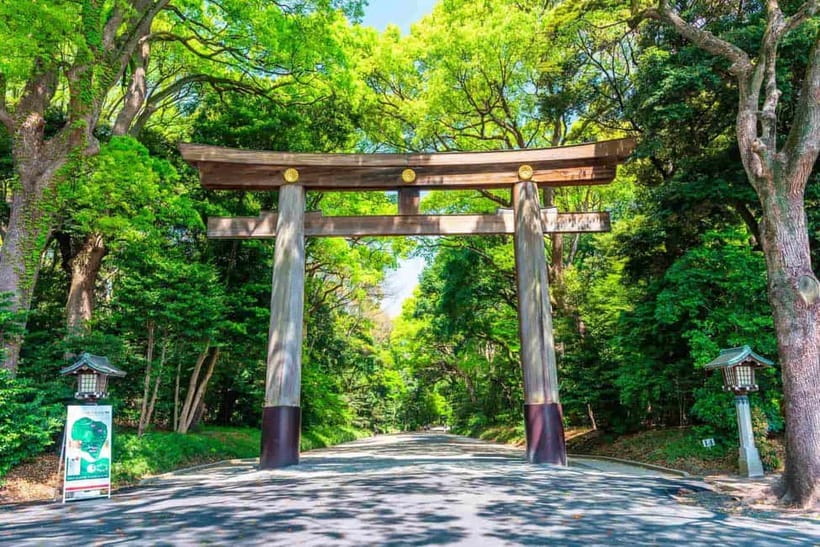
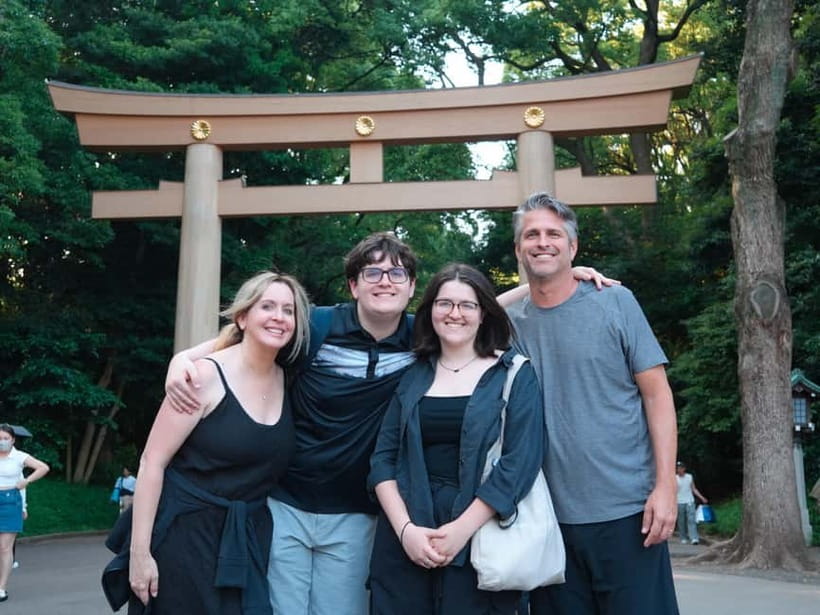
Meiji Shrine is the first major stop, with about an hour set aside for the visit. This is a good choice early in the day. The shrine is known for its calm setting and its role in Shinto, Japan’s native religious tradition. Your guide can explain how to behave at the entrance, how shrine customs differ from Buddhist practice, and what you are seeing along the approach.
The stop is more than a quick photograph at a famous gate. The tour gives you time to take in the peaceful setting and learn why the shrine matters. Guides have been praised for explaining the relationship between Shinto and Buddhism, including how the two traditions differ and how they have influenced Japanese life.
Several of the strongest guide comments focus on this part of the experience. Lax has been praised for explaining Japanese culture in a clear and engaging way. Lex was singled out for making the shrine visit both peaceful and informative, while Remu received praise for discussing Shinto and Buddhism and explaining a fire ritual connected with the experience.
That fire ceremony deserves a small note of caution. It appears in some tour experiences, but it is not listed as a guaranteed stop in the formal route. You should treat it as something that may be included on a particular departure, not as the main reason to book.
An hour at Meiji Shrine is enough for orientation and basic cultural explanation. It is less suitable if you want extended photography, quiet personal reflection, or a detailed look at every feature of the shrine grounds. The guide-led format keeps the visit moving.
Tsukiji Outer Market turns breakfast into a lesson
The largest section of the morning is Tsukiji Outer Market, with about 110 minutes scheduled for sightseeing. This is where the tour shifts from quiet religious space to food and street life.
Tsukiji is a strong fit for a morning itinerary because food is central to the experience. You can taste fresh sushi and sashimi from market stalls, then look at the shops and food displays around the market area. The tour also gives you a chance to ask questions about ingredients, eating customs, and the role of markets in Tokyo’s food culture.
The guide matters here. Tsukiji can feel crowded and confusing, especially if you are seeing it for the first time. A guide can point out worthwhile stops and help you understand what you are looking at instead of leaving you to wander past rows of unfamiliar products.
The 110-minute visit is generous compared with the shorter shrine and Asakusa stops. You have time for food, sightseeing, and conversation. Still, food purchases and tastings may vary in cost, and the tour price should not be treated as an all-you-can-eat allowance. The supplied information specifically highlights sushi and sashimi, but it does not give a separate food budget or a fixed tasting menu.
The market is also the best place to keep your expectations realistic. This is a working food district, not a polished museum. You may find a lively mix of stalls, shoppers, and narrow walking areas. The appeal is the direct contact with Tokyo’s food culture. The tradeoff is that it can feel busy, and you may not have time to stop at every place that catches your eye.
Martin from Germany praised Yosuke’s explanations at Tsukiji, including his ability to connect the market with Japanese history, culture, and religion. That is the kind of guidance that adds value here. Without it, the market can be enjoyable but hard to interpret.
Asakusa combines temple, snacks, and old Tokyo views
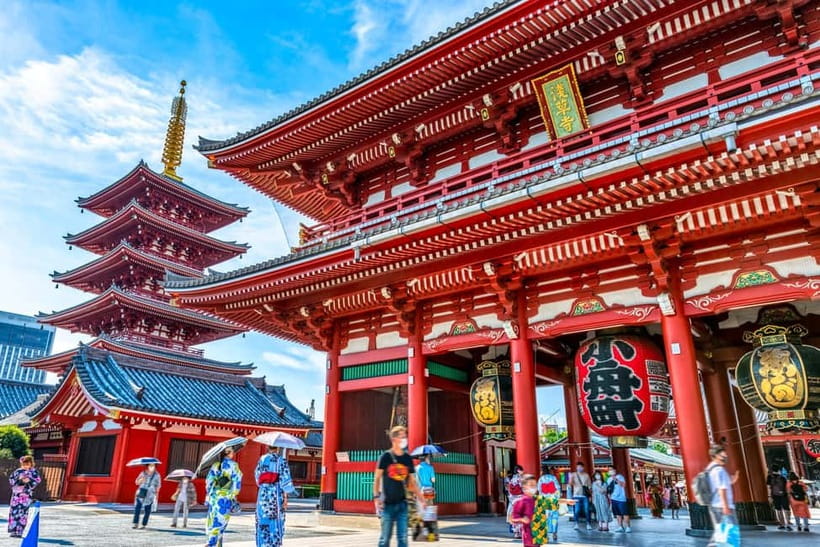
The final major stop is Asakusa, with about an hour for walking, shopping, sightseeing, and a visit to Senso-ji Temple. This is the most visually traditional part of the route. The area gives you a different side of Tokyo from Meiji Shrine and Tsukiji.
Senso-ji is a Buddhist temple, making it a useful counterpart to the Shinto shrine earlier in the morning. A good guide can help you understand the difference between the two traditions without turning the visit into a lecture. That contrast is one of the tour’s best features. You see two major religious settings in a single morning and learn how each fits into Japanese culture.
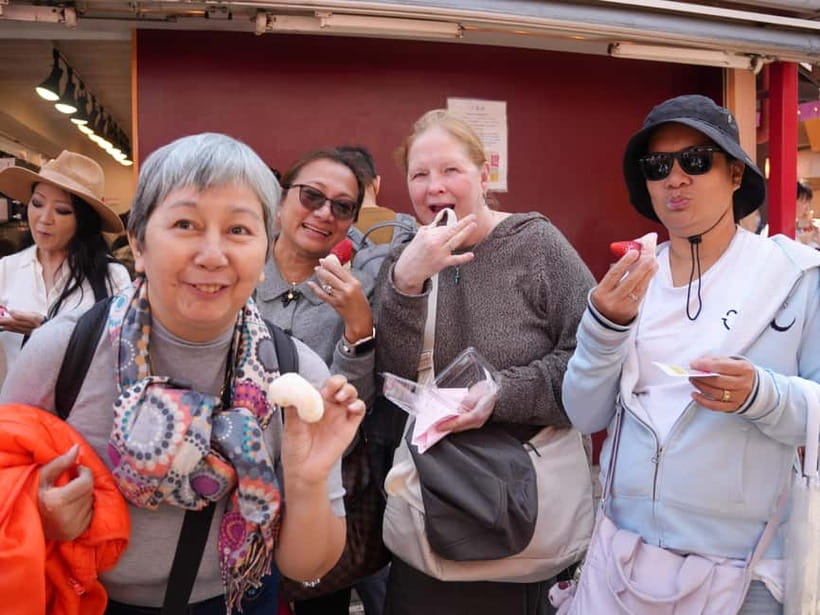
Food remains part of the stop. You can try croquettes and traditional Japanese sweets while walking through the historic streets. This makes Asakusa feel less formal than a temple-only visit. The snacks also give you a practical way to sample local food without committing to a long meal.
The hour goes quickly. You will have time to see Senso-ji, walk through the surrounding streets, and make a few food or shopping stops, but you should not expect a leisurely afternoon in the district. Since the tour ends here, you can stay on after the guide leaves and continue at your own pace.
That finish is a real advantage. You do not have to backtrack to Harajuku, and Asakusa offers a natural place to continue sightseeing. The tour provides an introduction, then leaves you in one of Tokyo’s most useful areas for an independent afternoon.
More Market Visits in Tokyo:
- Tokyo Morning Tour: Asakusa, Meiji Shrine and Tsukiji Fish Market
★ 5.0 · 128 reviews - Tokyo’s Kitchen: Tsukiji Market Food & Culture Walk
★ 4.7 · 74 reviews - Bangkok: City Highlights Temple and Market Walking Tour
★ 4.5 · 3,990 reviews - Mini Group Xian Day Tour to Terracotta Army, City Wall, Pagoda and Muslim Bazaar
★ 5.0 · 1,320 reviews
The guides make the difference
The strongest part of this experience is the guide service. The rating is 4.9 from 44 reviews, and the praise is consistent about personal attention, English ability, and cultural explanation.
Yosuke is described as active, positive, kind, and fluent in English. He also made a point of checking that a parent and child were comfortable, which matters for families. Another account praises his broad knowledge and willingness to answer questions at Tsukiji and the religious sites.
Lax is praised for being thoughtful, engaging, patient, and well prepared. Lex is described as professional and especially good at making Meiji Shrine clear and approachable. Remu is praised for explaining Shinto and Buddhism in a way that was both informative and enjoyable.
Ken and Yo Yo also receive warm praise. Yo Yo is described as passionate and caring, with a talent for making cultural details accessible. A solo participant who joined a departure with no other group members described it as a private experience, though you should not assume every departure will be private.
The guide names are useful because they show the range of personalities you might encounter, but the exact guide is not guaranteed. The common thread is strong English and an effort to make the morning personal rather than mechanical.
How much value do you get for $83?
At $83, this is a mid-range guided city tour rather than a cheap way to tick off landmarks. The included features help justify the cost:
- An English-speaking guide
- Photos taken during the tour
- Historical explanations of the districts
- Admission connected with Meiji Jingu Shrine, Tsukiji Fish Market, and Senso-ji Temple
Public transportation is extra, at about 550 yen. You should also allow money for food at Tsukiji and Asakusa, since the tour highlights tastings but does not state that all food is included.
I think the price makes sense for first-time visitors who want a clear introduction to Tokyo’s culture and food. It is less attractive if you already know these districts, prefer to explore alone, or want a long meal instead of several short tastings.
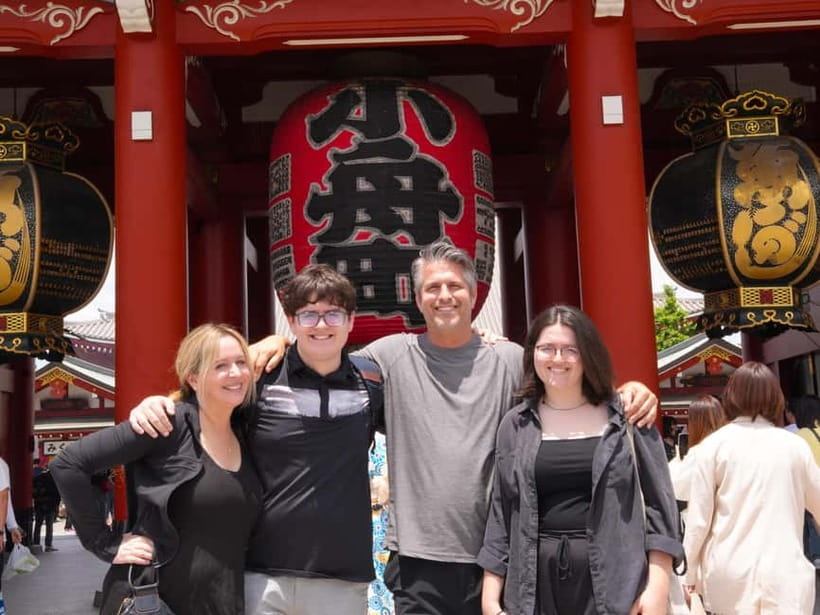
The photo service is a nice extra. You can focus on the guide and the surroundings while the tour captures parts of the morning for you. The exact number of photos is not specified, so consider it a bonus rather than the main value.
Who will enjoy this tour most?
This tour suits first-time Tokyo visitors who want to understand what they are seeing. It is especially useful if you are curious about Japanese religion, want help choosing market food, or have limited time in the city.
Families may appreciate the guide’s attention to comfort and the mix of food, temple scenery, and short walks. The route also works well for solo visitors. One solo participant received a private-style experience because no one else joined that departure, though group size can differ.
Food-focused visitors will like the Tsukiji and Asakusa stops. Culture-focused visitors will appreciate the explanations of Shinto, Buddhism, and local customs. The tour is also a good first morning in Tokyo because it gives you several reference points for later independent sightseeing.
You may want something else if you need a slow pace, extensive shopping time, or a deep focus on only one district. The route covers a lot, and the public transport connections add movement to the morning.
Wear shoes that handle walking, keep your food budget separate, and remember that the tour ends in Asakusa. The starting point is in Harajuku, so plan your morning route to IKEA Harajuku rather than assuming the meeting point is at a station.
Booking flexibility and practical details
You can cancel up to 24 hours in advance for a full refund. The reserve-now, pay-later option also gives you some flexibility while you finalize your Tokyo plans.
The tour is conducted in English. It lasts 270 minutes, but starting times depend on availability. The meeting point is in front of IKEA Harajuku, and the end point is Asakusa.
The public transportation fare is not included and costs around 550 yen. Admission to Meiji Jingu Shrine, Tsukiji Fish Market, and Senso-ji Temple is listed as included.
Should you book this Tokyo morning tour?
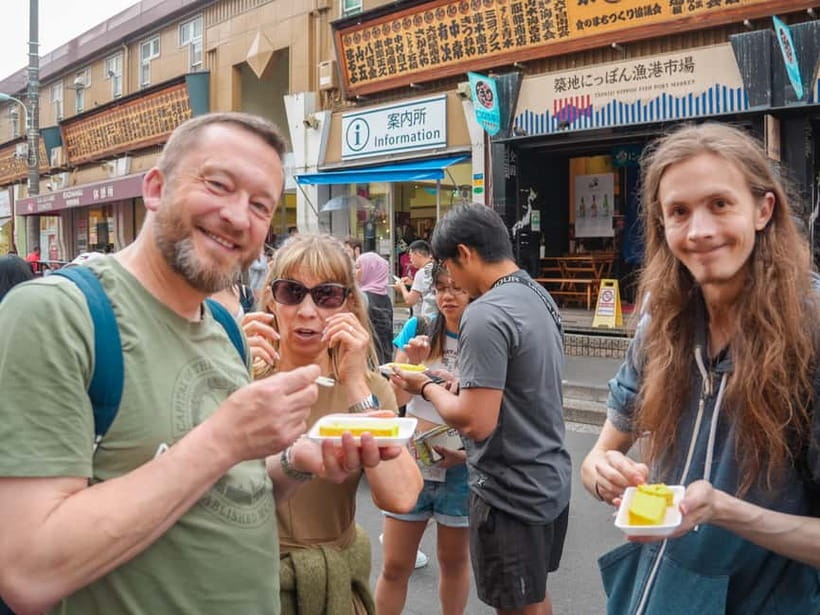
I would recommend it if you want a well-organized first look at Tokyo’s spiritual sites, food culture, and older neighborhoods. The strongest reasons to book are the capable English guides, the contrast between Meiji Shrine and Senso-ji, and the chance to taste sushi, sashimi, croquettes, and Japanese sweets in the places where they belong.
I would skip it if you prefer setting your own pace or already know Harajuku, Tsukiji, and Asakusa well. The $83 price is fair for the guidance and structure, but it is not the cheapest way to visit these areas.
For most first-time visitors, this is a smart opening morning. You finish in Asakusa with the rest of the day still ahead, a few Tokyo food discoveries behind you, and enough cultural context to make the city easier to read.
FAQ
How long does the Tokyo morning tour last?
The tour lasts 270 minutes, or four and a half hours.
Where does the tour start?
The meeting point is in front of IKEA Harajuku.
Where does the tour finish?
The tour finishes in Asakusa.
Which language is the tour conducted in?
The live tour guide speaks English.
Which places does the tour visit?
The route includes Meiji Shrine, Tsukiji Outer Market, and Asakusa, including Senso-ji Temple.
Is food included in the tour price?
The experience highlights fresh sushi and sashimi at Tsukiji, along with croquettes and traditional Japanese sweets in Asakusa. The provided details do not specify a separate food allowance or fixed tasting menu.
Is public transportation included?
No. Public transportation costs around 550 yen and is paid separately.
What is included in the $83 price?
The price includes an English-speaking guide, photos taken during the tour, historical information about the districts, and admission connected with Meiji Jingu Shrine, Tsukiji Fish Market, and Senso-ji Temple.
Can I cancel the booking?
Yes. You can cancel up to 24 hours in advance for a full refund.
Can I reserve now and pay later?
Yes. The tour offers a reserve-now, pay-later option.
More Shopping Tours in Tokyo
- Bangkok: Railway and Floating Market Tour with Dragon Temple
★ 4.6 · 1,225 reviews - Bangkok: Night Bike Tour with Temples & Flower Market Visit
★ 4.8 · 751 reviews - Seoul: Palace, Temple and Market Guided Foodie Tour at Night
★ 4.9 · 750 reviews - Old Delhi Food-Spice Market-Temples Tour Soon Featured on NETFLIX
★ 5.0 · 304 reviews
Just added around Tokyo
- :Tokyo,Shibuya /Meiji Shrine tour in KIMONO/English-friendly★ 5.0 · 4 reviews
- Tokyo: Snow Monkey and Zenkoji Temple Day Trip In Low Price★ 5.0 · 5 reviews
- Tokyo War History Tour: Yasukuni Shrine & War Museum★ 4.5 · 6 reviews
- Tokyo: Gotokuji Culture Walk & Lucky Cat Temple Experience★ 4.9 · 5 reviews
- Tokyo: Shibuya Sky, Harajuku & Meiji Shrine Highlights Tour★ 4.5 · 9 reviews
- Tokyo: Visit 5 Shrines & Collect Goshuin on Private Tour★ 5.0 · 3 reviews
- Tokyo’s Kitchen: Tsukiji Market Food & Culture Walk★ 4.7 · 74 reviews
- Tokyo: Sensoji Temple & Street Food: Private Tour with guide★ 4.6 · 8 reviews
Meiji Shrine & Senso-ji Tours, compared.
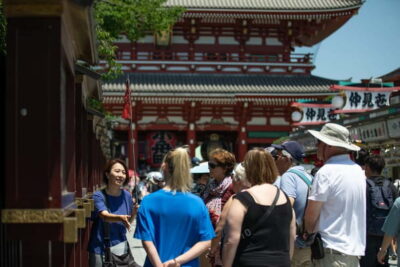
Asakusa Walking Tour with Sensoji Temple Visit
Read our review →
Tokyo Panoramic 1 Day: Meiji Shrine, Asakusa, Odaiba and SKYTREE®
Read our review →
Asakusa Senso-ji Temple and Old Tokyo Walking Tour
Read our review →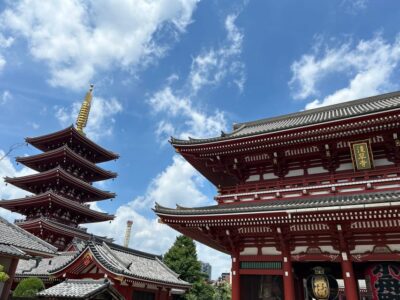
Asakusa and Tokyo’s Oldest Temple Senso-ji Tour
Read our review →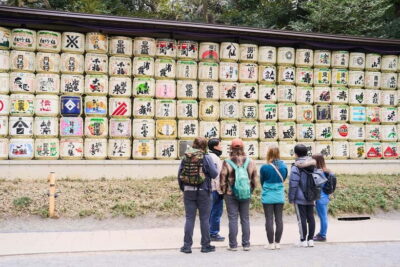
Meiji Shrine Walking Tour — Shinto & Imperial System
Read our review →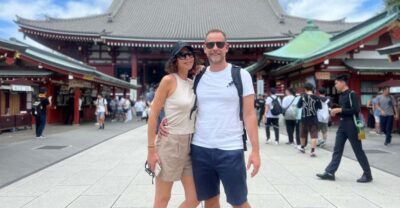
Meiji Jingu Shrine and Shinto Culture Walking Tour
Read our review →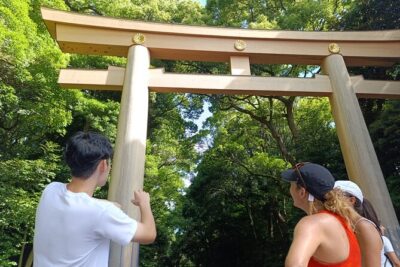
Meiji Shrine Walking Tour — Shintoism & Imperial System
Read our review →Browse the lists this tour appears in