
Review · TOKYO
Tokyo: Asakusa Walking Tour with Sensoji Temple Visit
Tokyo’s old soul is easiest to find on foot. This two-hour Asakusa tour links Kaminarimon Gate, Sensoji Temple, Asakusa Shrine, and local shopping streets in a compact route that gives you useful cultural context instead of a quick photo stop. I like the clear route and the chance to see both Buddhist and Shinto sites. I also like the practical food and shopping tips many guides share at the end. The main consideration is pace: two hours is enough for an introduction, but not enough for a slow, detailed look at every corner.
The tour costs $22 per person, a fair price for an English-speaking guide who explains customs, architecture, and local stories as you walk. Guides such as Aya, Keiko, Hiroko, Glenda, and Loc have been praised for their warmth and clear explanations. You need to arrive on time, since the guide cannot wait long for late arrivals.
Key points at a glance
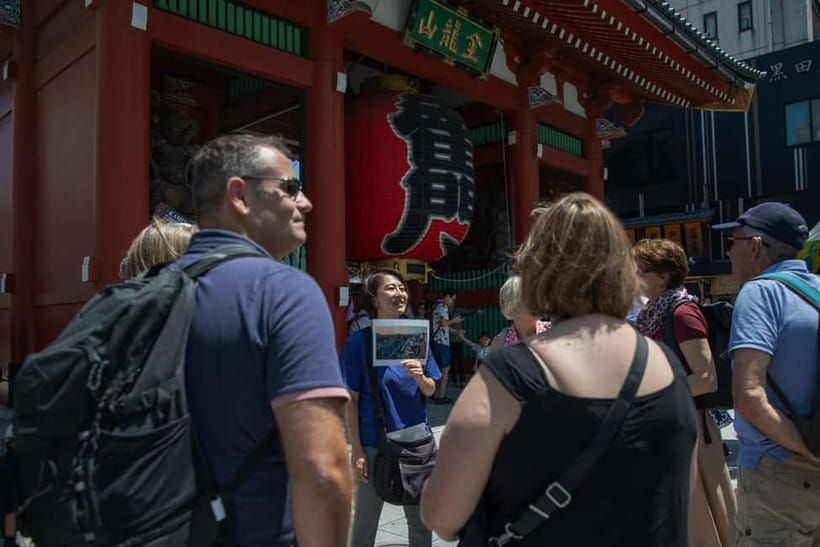
- Kaminarimon sets the scene: Begin beneath Asakusa’s famous Thunder Gate, the dramatic entrance to Sensoji.
- Sensoji gets real attention: You have time for a guided visit, photos, free exploration, and an explanation of incense customs.
- Two faiths in one walk: The route includes both Sensoji Buddhist Temple and nearby Asakusa Shrine.
- Markets are part of the experience: Nakamise and Shin-Nakamise offer traditional goods, snacks, and plenty of browsing.
- Guides add practical value: Many guides share restaurant ideas and suggestions for the rest of your Tokyo visit.
- Good for first-time visitors: The route gives you an easy cultural introduction without requiring trains or taxis between stops.
Why Asakusa makes a smart first Tokyo walk
Asakusa feels different from Tokyo’s taller, faster districts. Here, temple roofs, old shopping lanes, food stalls, shrines, and pleasure-district landmarks create a more traditional setting. It is still a busy part of the city, but the focus shifts from skyscrapers and electronics to ritual, craftsmanship, local food, and neighborhood history.
I especially like this tour for your first day or two in Tokyo. You get basic guidance on how to approach a Buddhist temple, what the red gate represents, how incense is used, and why a Shinto shrine can sit close to a Buddhist temple. Those details make later visits across Japan easier to understand.
The route also gives you a useful orientation. It finishes at Azuma Bridge, so you are not left back at the starting point with no idea where to eat or what to do next. Several guides have pointed people toward nearby restaurants and additional Asakusa sights, making the tour useful beyond its stated two hours.
The tradeoff is that Asakusa can be crowded, especially around the temple and shopping streets. You will be walking through active public spaces, not entering a quiet museum. Keep your expectations practical: this is a guided introduction, not a private archaeological tour.
More Temple Walking Tours in Japan
- Tokyo: Meiji Shrine Walking Tour — Shinto & Imperial System
★ 4.9 · 266 reviews - Tokyo: Meiji Jingu Shrine and Shinto Culture Walking Tour
★ 5.0 · 245 reviews - Tokyo: Meiji Shrine and Shinto Culture Walking Tour
★ 5.0 · 225 reviews
Meeting beneath the Kaminarimon Gate
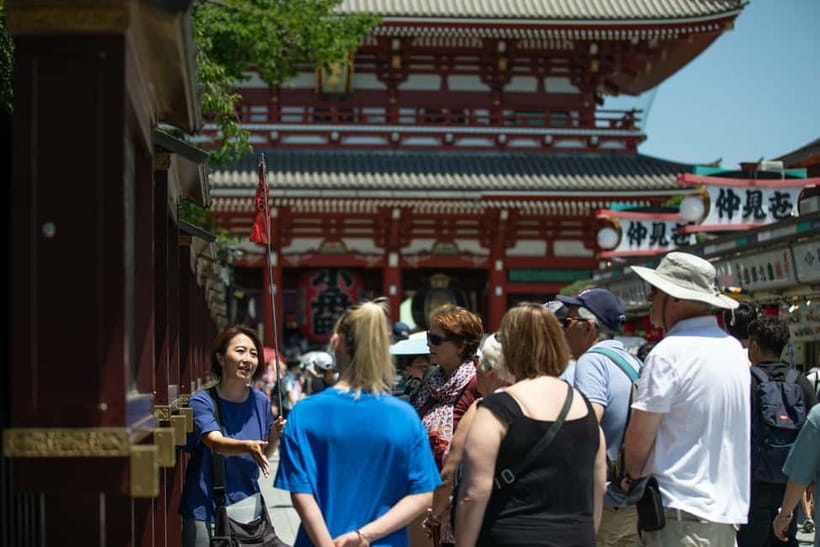
The tour begins at Kaminarimon, also called the Thunder Gate. Your guide waits on the left side of the gate near Tokiwado Kaminari-okoshi Honpo, holding a sign for the tour.
This meeting point is easy to recognize once you reach the gate, but it can be crowded. Give yourself extra time to find the correct side and spot the guide. The instruction to arrive promptly matters because the tour cannot pause for late arrivals.
The first guided explanation lasts about ten minutes. That may sound brief, but the gate is an effective opening lesson. You can take in the enormous lantern, the gate’s bold red structure, and the flow of people heading toward Sensoji. Your guide helps turn an impressive entrance into a place with meaning.
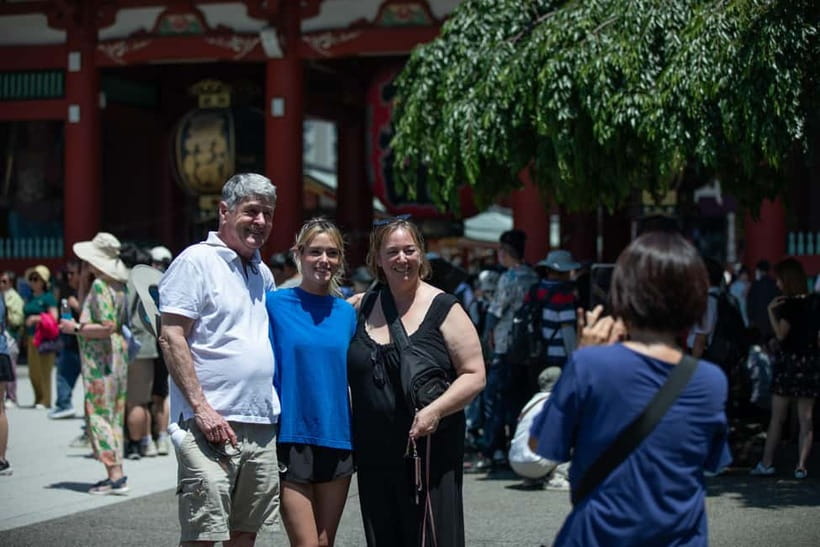
For photography, this is one of the best stops on the route. The gate gives you an immediate sense of scale and ceremony. It also works as a useful meeting landmark if you later return to Asakusa on your own.
Nakamise Street: souvenirs, snacks, and old Tokyo commerce
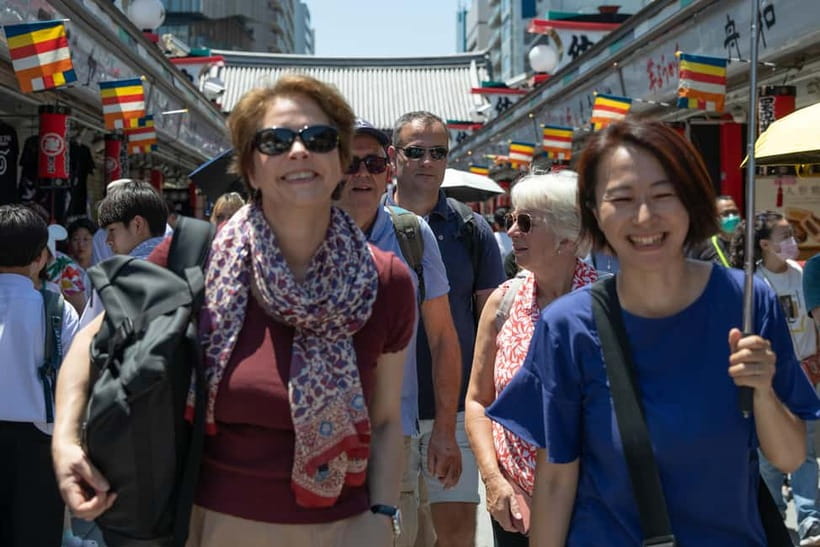
From Kaminarimon, you walk along Nakamise Shopping Street. The guided visit lasts around fifteen minutes, so the aim is to understand the street rather than shop at every stall.
Nakamise is one of Japan’s oldest shopping centers. Its position leading toward Sensoji has made it part of the temple visit for generations. Today, you will find traditional crafts, souvenirs, sweets, snacks, and small gifts. It is a good place to see how religious sites and commerce have long worked side by side.
I would not plan to make all your purchases during the guided portion. Fifteen minutes passes quickly, and you may want to keep moving with the group. Instead, note the shops that interest you and return after the tour if you have time.
Your guide can also help separate useful local items from generic souvenirs. The supplied experience information does not promise tastings or shopping discounts, so think of Nakamise as a place for browsing and cultural context, not a food tour.
Sensoji Temple, Tokyo’s central cultural stop
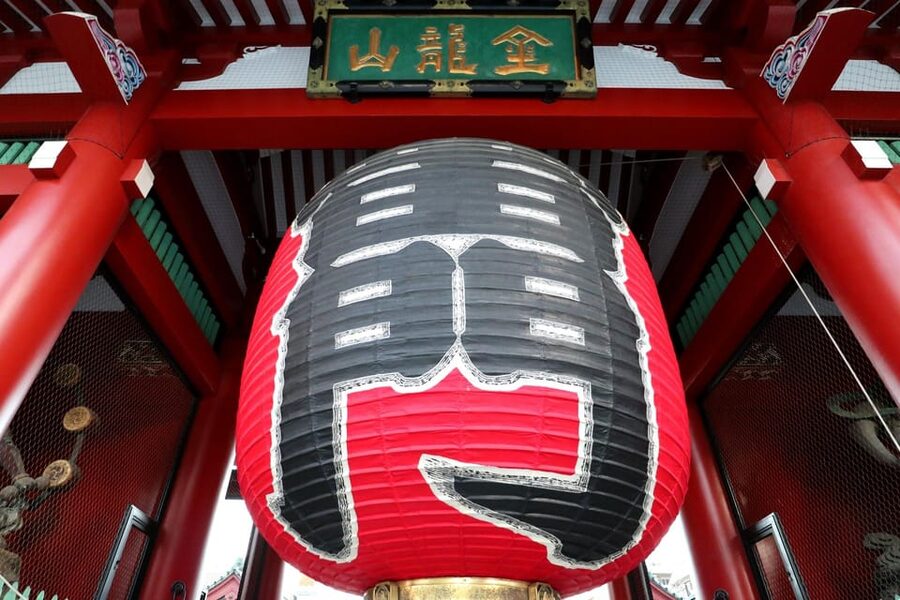
Sensoji is the heart of the walk. It is Tokyo’s oldest-established Buddhist temple, also known as Asakusa Kannon. The scheduled temple portion lasts about thirty minutes and includes a visit, guided explanation, photographs, and free time.
That balance works well. You receive enough instruction to understand what you are seeing, then get a few minutes to look around at your own pace. Guides explain the temple’s details, traditions, and stories connected to its long history. Several highly praised guides have also discussed architecture, miracles, and the cultural role of the site.
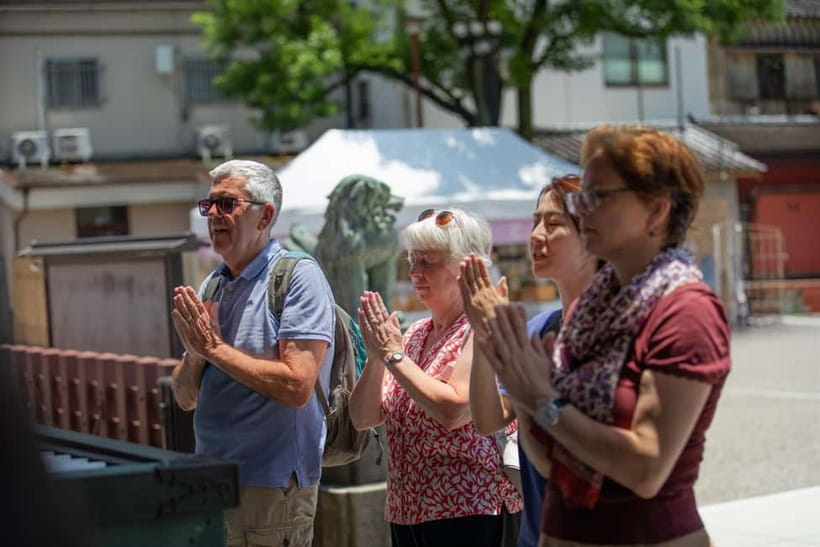
A key part of the visit is the incense ritual. Your guide explains the custom of burning incense and how people take part. You do not need prior knowledge of Buddhist practice, and the guide can help you approach the ritual respectfully rather than simply copy the nearest person.
Sensoji is a working religious site, not only a sightseeing stop. That matters. You may see people praying, taking photos, and shopping within the same complex. The tour helps you understand that these activities can exist together without reducing the temple to a backdrop.
The thirty-minute allocation is useful but limited. If you want detailed architectural study or quiet reflection, plan to return later. The tour gives you the framework. A second visit lets you slow down.
More Temple Walking Tours in Tokyo
- Tokyo: Meiji Shrine Walking Tour — Shintoism & Imperial System
★ 5.0 · 209 reviews - Tokyo: Asakusa Temple & Shrine Walking Tour with Local Guide
★ 5.0 · 105 reviews - Tokyo’s Kitchen: Tsukiji Market Food & Culture Walk
★ 4.7 · 74 reviews - Tokyo: Asakusa & Tokyo’s Oldest Temple Senso-ji Walking Tour
★ 4.6 · 21 reviews
Asakusa Shrine and the meeting of Buddhist and Shinto traditions
The walk continues to Asakusa Shrine for about twenty minutes. You have time for a visit, guided explanation, and photos.
This is one of the strongest parts of the route because it places a Shinto shrine near a major Buddhist temple. You can compare the setting, rituals, and visual details while the information is still fresh. One guide, Augustina, was especially praised for showing both Buddhist and Shinto places and explaining the difference between them.
For many first-time visitors to Japan, this pairing clears up a common source of confusion. Temples and shrines are not interchangeable, even though both may be part of the same sightseeing day. A good guide points out the distinctions without turning the lesson into a lecture.
The shrine stop also gives the tour a change of mood. After the large temple grounds and busy approach, a smaller sacred space can feel more focused. Still, it remains part of an active urban neighborhood, so expect people moving through rather than complete silence.
Hoppy Street and Shin-Nakamise after the temples
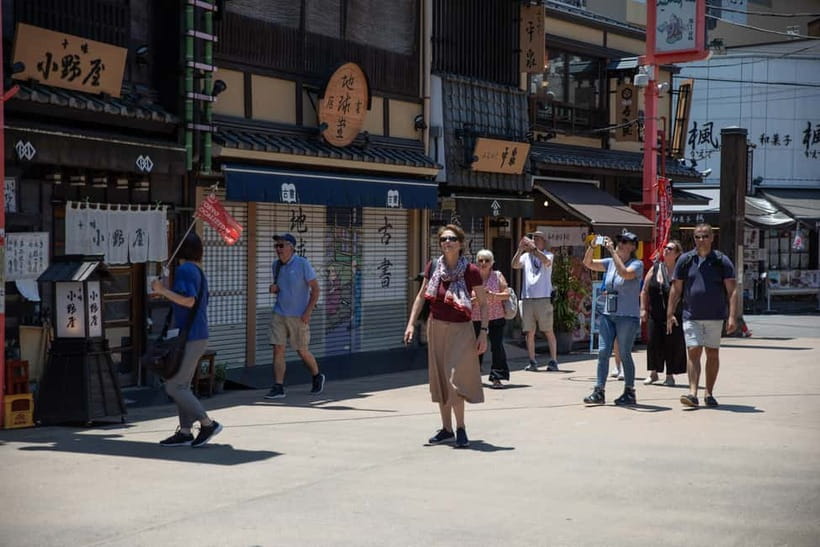
The route then shifts toward Hoppy Street, with about ten minutes for a guided visit. Hoppy Street is associated with casual eating and drinking in Asakusa. The short stop is mainly about seeing the atmosphere and learning where the area’s food culture fits into the neighborhood.
Do not expect a full meal here. Food is not listed as included, and the tour does not promise tastings. Think of this as a useful introduction to places you might revisit after the walk.
Next comes Shin-Nakamise Shopping Street, also known as Asakusa Shin-Nakamise Shopping Street. The guided visit lasts another ten minutes. This street adds a different side of Asakusa shopping, with more shops and eateries extending beyond the famous temple approach.
These final commercial stops are practical. They help you see that Asakusa is not only a historic temple district. It is also a place where people eat, shop, meet, and spend an ordinary afternoon. Guides often give restaurant suggestions here or near the end of the tour, which can save you from choosing lunch at random.
Finishing at Azuma Bridge
The walk ends at Azuma Bridge. This is a useful finish because it gives you a clear next point rather than returning you to the original crowd at Kaminarimon.
The bridge area connects naturally with the wider Asakusa waterfront setting, though the supplied details do not promise a dedicated bridge sightseeing stop or a long view break. Treat it as the official endpoint and a place to continue your day.
By this point, you will have covered the main temple approach, the principal religious sites, market streets, and food lanes. You can return to a shop, choose lunch, or continue with your own plans. Several guides have offered suggestions for restaurants and other Tokyo sights, so it is worth asking questions before the tour ends.
What the guides add to the experience
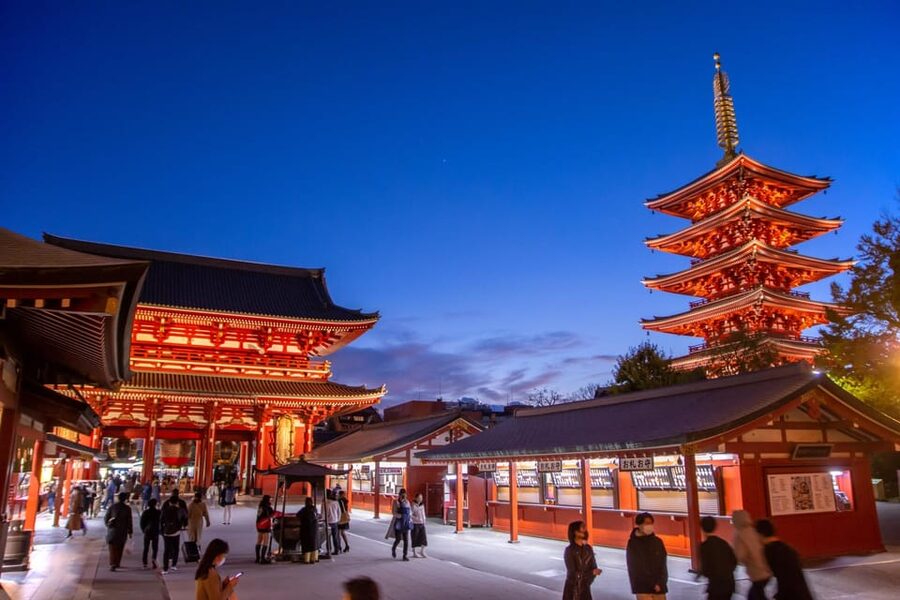
The biggest strength of this tour is the guide-led explanation. A self-guided walk can show you the gate, temple, shrine, and markets, but it may not explain the customs connecting them.
The guide names most often praised include Aya, Keiko, Hiroko, Glenda, Loc, Polina, Miyu, Rio, and Augustina. Their individual styles vary, but the strongest patterns are clear: friendly delivery, good English, patience with questions, humor, and attention to the group’s walking pace.
Keiko has been praised for keeping children and a fourteen-year-old engaged while making sure everyone could hear. Aya is often described as especially helpful with local food suggestions and extra Asakusa sights. Rio brought additional charts and information, while other guides have explained temple history and modern local life with equal ease.
Do remember that this is a shared tour, so the exact personality and depth of the experience will depend on the guide assigned that day. The rating is 4.8 from 1,583 reviews, which points to consistently strong guide performance, but no walking tour can guarantee the same presentation every time.
Is $22 good value for two hours?
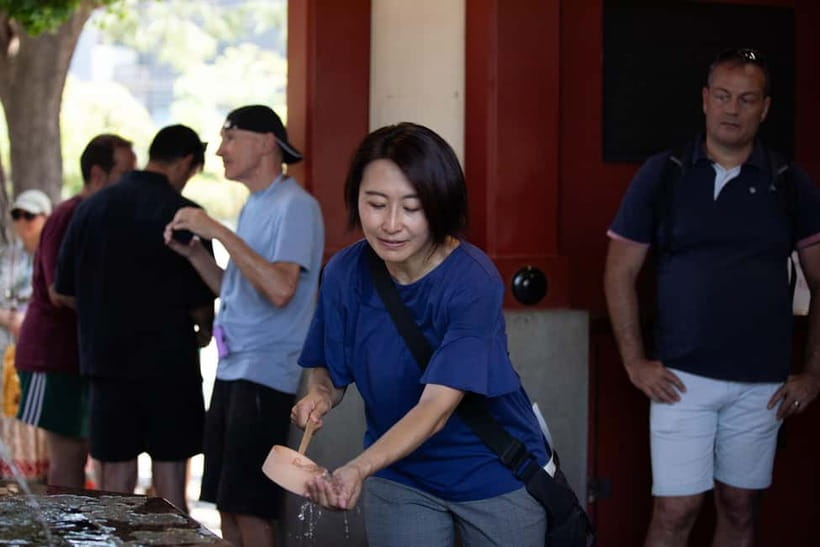
At $22 per person, this is good value if you want cultural explanation and a sensible route. The price covers the walking tour and English-speaking guide. You are not paying for transport, food, admission extras, or a private experience.
That keeps the comparison simple. A free walk can take you to the same public sites, but you would need to research the customs and history yourself. A more expensive private tour might offer more control and time, but this option costs much less while covering the core Asakusa sights.
The tour is especially worthwhile if you have just arrived in Tokyo and want help understanding what you are seeing. It also suits families, based on the guide feedback about engaging younger participants. People who prefer long, quiet temple visits may find the fixed schedule too brisk.
The free cancellation option up to 24 hours before the activity and the reserve-now, pay-later arrangement add flexibility. Those policies are useful in Tokyo, where weather, jet lag, and changing plans can affect your day.
Who should book this Asakusa tour?
I would recommend it to first-time Tokyo visitors, families, couples, and anyone who wants a gentle introduction to Japanese religious customs. It also works well for people who prefer walking to navigating several train connections during their first days.
You should book it if you want a guide to explain what the rituals mean, point out details you might miss, and suggest places to eat afterward. The English-only format is ideal for English speakers, and wheelchair access is listed.
You may want another option if you want a private pace, a dedicated food tasting, extensive shopping time, or a long architectural study. Those are not promised here. This tour’s strength is its compact route and human explanation.
FAQ
How long is the Asakusa walking tour?
The tour lasts two hours.
How much does the tour cost?
The listed price is $22 per person.
What language is the tour offered in?
The live tour guide speaks English.
Where does the tour meet?
The guide waits in front of Kaminarimon Gate on the left side, near Tokiwado Kaminari-okoshi Honpo. The guide holds a tour sign.
Where does the tour finish?
The tour finishes at Azuma Bridge.
Does the tour visit Sensoji Temple?
Yes. The route includes a guided visit to Sensoji Temple, with time for photos and free exploration.
Does the tour include Asakusa Shrine?
Yes. Asakusa Shrine is included, with a guided visit and photo stop.
Is food included?
No food is listed as included. The route visits Hoppy Street and shopping areas, and guides may suggest places to eat afterward.
Can I cancel for a full refund?
Yes. You can cancel up to 24 hours in advance for a full refund. You can also reserve now and pay later.
Should you book it?
Book this tour if you want a clear, affordable introduction to Asakusa rather than a rushed checklist of photo stops. The combination of Kaminarimon, Nakamise, Sensoji, Asakusa Shrine, Hoppy Street, and Shin-Nakamise gives you a useful first look at the district.
Arrive early, wear comfortable walking shoes, and keep time after the tour for lunch or a second look at the temple. At $22, the guide’s cultural explanations and local suggestions make this a sensible starting point for Tokyo.
More Meiji Shrine and Senso-ji Tours in Tokyo
- Tokyo Panoramic 1 Day: Meiji Shrine, Asakusa, Odaiba and SKYTREE®
★ 4.5 · 1,222 reviews - Tokyo: Asakusa and Tokyo’s Oldest Temple Senso-ji Tour
★ 4.9 · 352 reviews - Tokyo Morning Tour: Asakusa, Meiji Shrine and Tsukiji Fish Market
★ 5.0 · 128 reviews - Tokyo Morning Tour: Meiji Shrine, Asakusa & Fish Market
★ 4.9 · 44 reviews
Just added around Tokyo
- :Tokyo,Shibuya /Meiji Shrine tour in KIMONO/English-friendly★ 5.0 · 4 reviews
- Tokyo: Snow Monkey and Zenkoji Temple Day Trip In Low Price★ 5.0 · 5 reviews
- Tokyo War History Tour: Yasukuni Shrine & War Museum★ 4.5 · 6 reviews
- Tokyo: Gotokuji Culture Walk & Lucky Cat Temple Experience★ 4.9 · 5 reviews
- Tokyo: Shibuya Sky, Harajuku & Meiji Shrine Highlights Tour★ 4.5 · 9 reviews
- Tokyo: Visit 5 Shrines & Collect Goshuin on Private Tour★ 5.0 · 3 reviews
- Tokyo’s Kitchen: Tsukiji Market Food & Culture Walk★ 4.7 · 74 reviews
- Tokyo: Sensoji Temple & Street Food: Private Tour with guide★ 4.6 · 8 reviews
Meiji Shrine & Senso-ji Tours, compared.
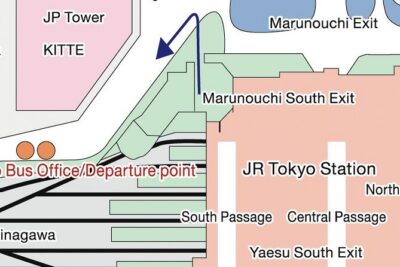
Tokyo Panoramic 1 Day: Meiji Shrine, Asakusa, Odaiba and SKYTREE®
Read our review →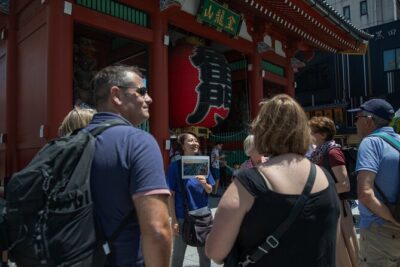
Asakusa Senso-ji Temple and Old Tokyo Walking Tour
Read our review →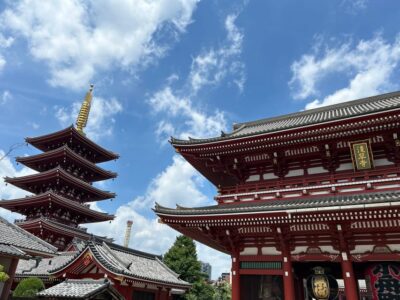
Asakusa and Tokyo’s Oldest Temple Senso-ji Tour
Read our review →
Meiji Shrine Walking Tour — Shinto & Imperial System
Read our review →
Meiji Jingu Shrine and Shinto Culture Walking Tour
Read our review →
Meiji Shrine Walking Tour — Shintoism & Imperial System
Read our review →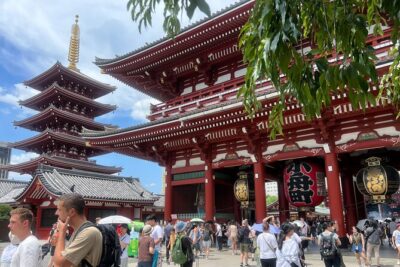
Tokyo Morning Tour: Asakusa, Meiji Shrine and Tsukiji Fish Market
Read our review →Browse the lists this tour appears in