
Review · JAPAN
Nara Heritage Walkabout from Nara Park to Todaji-ji temple
The deer are only the beginning. This four-hour walk links Nara Park and Toda-ji with Kasuga Taisha and the old lanes of Naramachi, giving you a useful first look at Nara without having to plan each stop yourself. I like the clear mix of nature, temples, Shinto worship, food, and local shopping. I also like that the guide can add practical help, from deer-feeding advice to good places for dinner.
The main consideration is the amount of walking. The route includes a 20-minute walk near Nara Station, time in the park, temple grounds, shrine grounds, and Naramachi. That makes comfortable shoes important. The price is $102 per person, which is not cheap for four hours, but entrance fees, public transportation, a private or small group format, and live English commentary improve the value. Guides including Ferdinand and Angelito have been praised for clear English, local tips, photos, humor, and adapting to walking problems.
At a glance: what makes this Nara walk worthwhile
- Feed Nara’s shika deer: Buy traditional shika senbei and learn why these deer are linked with the gods in local Shinto tradition.
- See the Great Buddha at Toda-ji: Enter the huge Great Buddha Hall and view one of Nara’s most important sights.
- Walk beneath Kasuga Taisha’s lanterns: The shrine’s vermilion buildings, stone lanterns, and hanging lanterns give this stop a very different mood.
- Explore Naramachi: Browse traditional machiya houses, local shops, handmade goods, sweets, and food.
- Get a snack included: A traditional Japanese treat gives the food portion of the walk a small but welcome local touch.
- Choose a more personal format: Private and small group options are available, with an English-speaking guide.
Meeting near Kintetsu Nara Station
Your meeting point is the Lawson convenience store directly outside Kintetsu Nara Station. This is a sensible place to begin because it is easy to identify, and the tour returns to 3 Higashimuki Nakamachi at the end.
The walk includes a 20-minute stretch connected with Nara Station before the main sightseeing begins. Your guide handles the route, so you do not need to work out the best order for the park, temple, shrine, and old town. Public transportation is included, although the day itself involves plenty of walking.
A small group or private format matters here. Nara’s major sights can feel crowded, and a smaller party gives you more room to ask questions about customs, buildings, and food. It also lets the guide adjust the pace more easily. One guide, Angelito, was praised for helping with local shops, dinner suggestions, photos, and deer-feeding tips. Another guide, Ferdinand, was praised for his helpful explanations and strong command of English.
The advertised length is four hours. That is enough for a useful introduction, but not enough for a slow visit to every corner of each site. You should think of this as a well-organized overview rather than a full-day examination of Nara.
More History Tours in Japan:
- Mt. Fuji Heritage Tour: Traditional Villages, Lakes & Shrine
★ 4.5 · 509 reviews - Tokyo History: Sensoji Temple & Asakusa District Private Tour
★ 5.0 · 28 reviews - Fukuoka’s Sacred Path: Temples, History & Culture
★ 5.0 · 17 reviews
Nara Park and the art of feeding deer
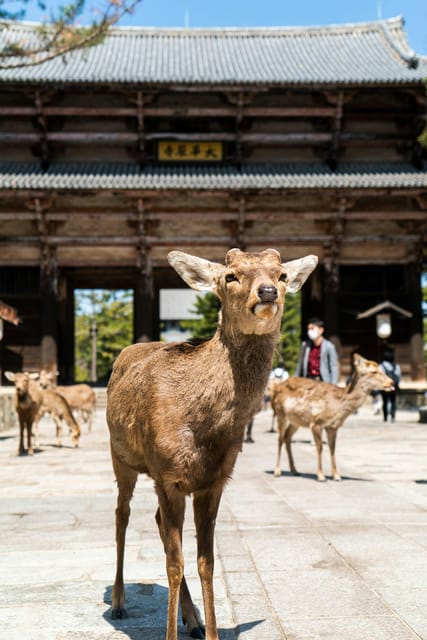
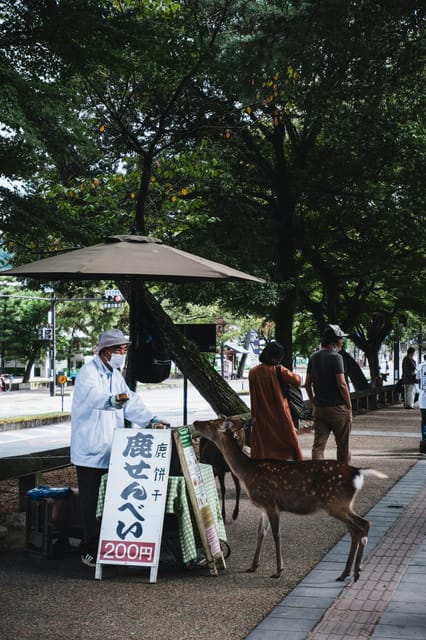
Nara Park is the most playful part of the experience. The shika deer wander through the park and are famous for approaching people who have food. You can buy shika senbei, traditional deer crackers, and offer them while your guide explains the animals’ place in Japanese folklore and Shinto belief.
The deer are considered divine messengers, which gives the encounter more meaning than a simple wildlife stop. You are not just taking pictures of tame animals. You are seeing how religion, public space, and daily life overlap in Nara.
The practical advice is useful. Keep the crackers together until you are ready to feed the deer, then offer them in a controlled way. Once the stack is gone, show your empty hands. A guide can help you understand the local approach and avoid fumbling with food while several deer are nearby.
I like that the park portion is not treated as a quick photo stop. The route allows about 45 minutes for scenic views and wildlife viewing. That gives you time to notice the quieter side of the park between the deer encounters. Still, the animals are unpredictable, and this is not a formal wildlife activity. You should follow the guide’s instructions and keep personal belongings secure.
Families, photographers, and first-time visitors will probably enjoy this part most. If you dislike animals approaching you closely, the deer may be less charming than advertised. The guide can make the encounter easier, but cannot control the animals.
Toda-ji and the Great Buddha Hall
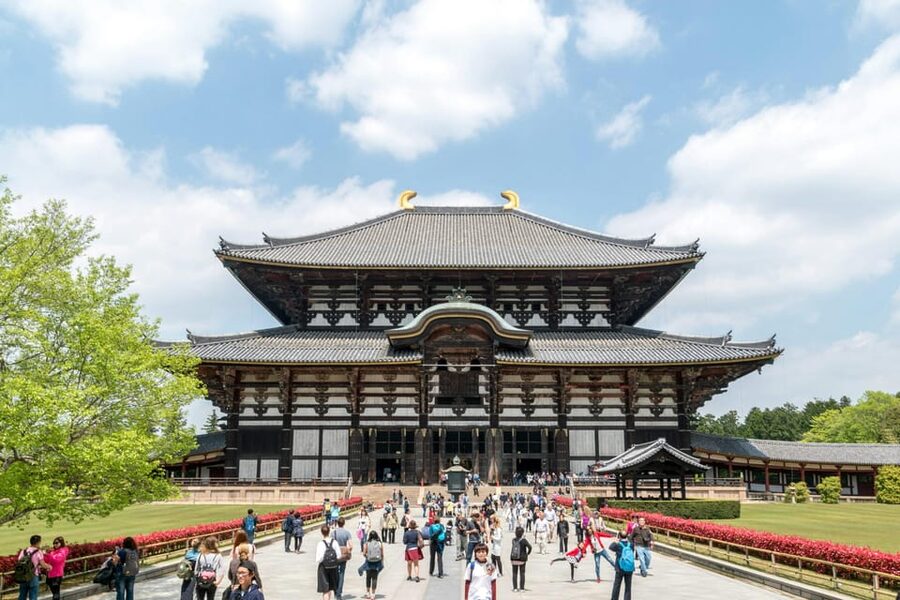
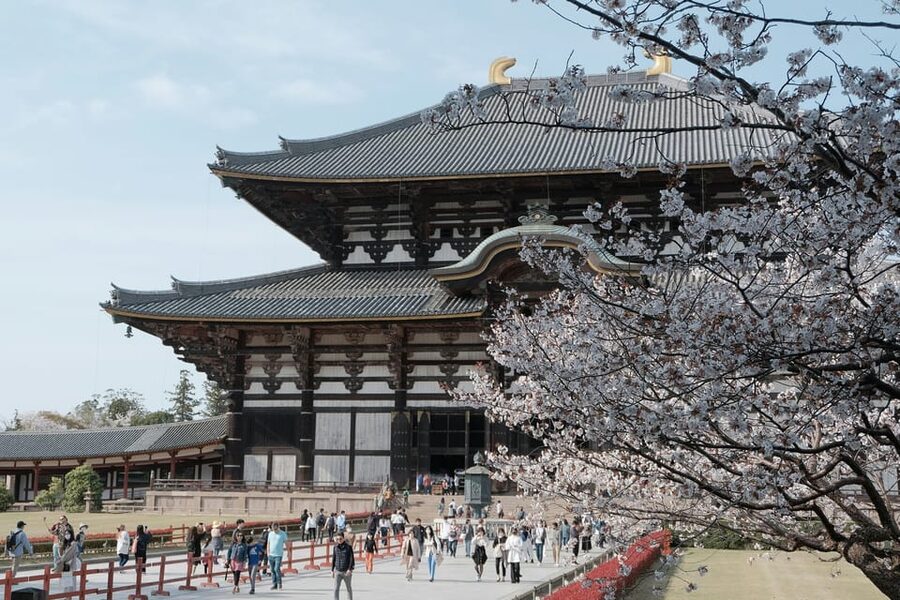
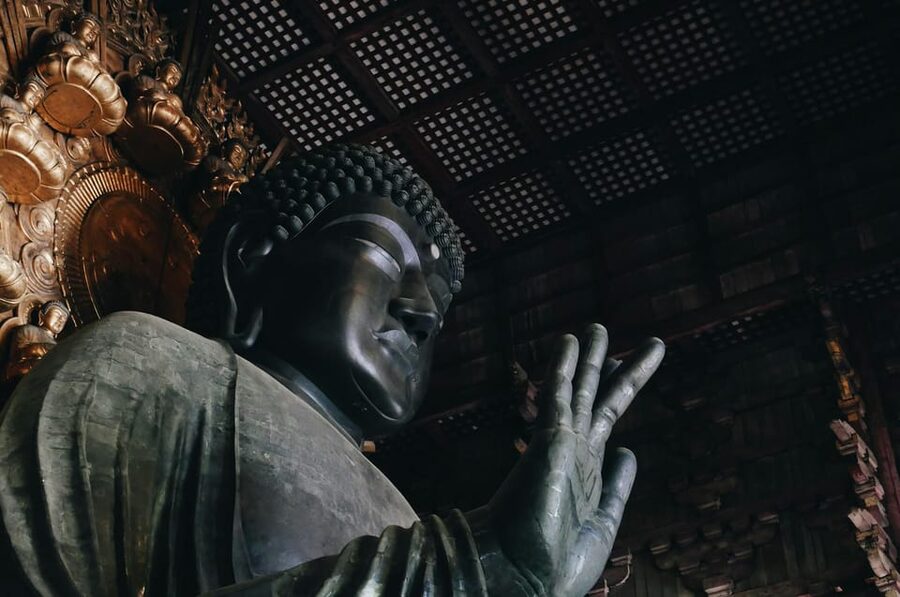
Toda-ji is the architectural high point of the walk. The guided visit lasts about an hour and includes sightseeing inside the temple grounds. The Great Buddha, or Daibutsu, sits inside the enormous Great Buddha Hall, known as Daibutsuden.
The scale is the point. The bronze figure is difficult to grasp from photographs alone, and the hall gives you a strong sense of proportion as soon as you see it. Your guide adds the religious and historical setting, helping you understand why this is more than a large statue in a large building.
The approach also includes Nandaimon Gate. Fierce Nio guardian figures watch over the entrance, creating a sharp contrast with the friendly deer outside. This is one of those places where a guide earns the fee by drawing your attention to details you might otherwise pass without noticing.
Inside, look for the pillar with a hole at the rear of the temple. Tradition says that anyone who squeezes through it will gain enlightenment. The opening is famously tight, so not everyone will want to try. You can still enjoy the story and watch the attempts without treating it as a required challenge.
Toda-ji contains ancient scriptures, intricate woodwork, and other religious treasures. An hour gives you time to see the main features and hear the essential explanations. It may feel brief if you want to study every artifact carefully, but the pace helps the tour reach the shrine and old town within four hours.
Entrance fees are included. That matters because the temple is a central reason to visit Nara, and paying separately would make the day less simple. You should still allow for some standing and walking on temple grounds.
Kasuga Taisha, lanterns, and Shinto atmosphere
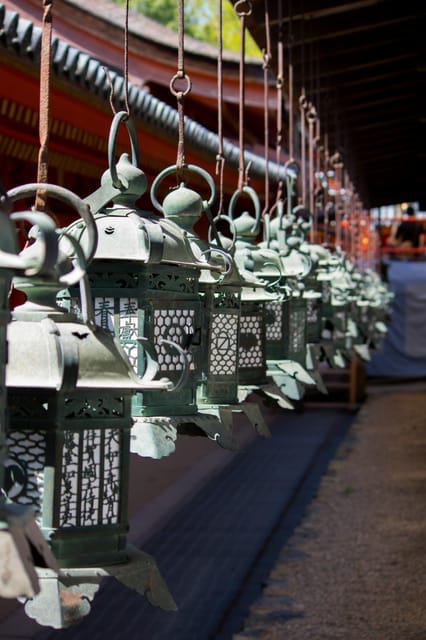
Kasuga Taisha changes the tone of the day. After the open park and grand Buddhist temple, the shrine brings you into a more enclosed setting of greenery, stone lanterns, vermilion-lacquered buildings, and hanging lanterns.
The shrine was founded in the eighth century and has served Shinto rituals for more than a thousand years. The tour presents that setting through guided commentary, so you get more than a quick look at the main structure. Your guide can explain the role of the shrine and point out its carved woodwork and other architectural details.
Thousands of lanterns are associated with Kasuga Taisha, and they are especially striking during festivals when they are lit. Even outside festival periods, the lanterns help define the shrine’s character. They give the walk a sense of repetition and quiet that differs from the monumental scale of Toda-ji.
The scheduled time is about 45 minutes. That is enough to appreciate the shrine and ask questions, but you should not expect an extended spiritual retreat. You will be moving through a working religious site, so modest behavior and attention to local customs are appropriate.
This stop suits you if you want more than famous landmarks. It connects Nara’s buildings with living religious practice. If your main interest is shopping or food, the shrine may feel slower, but that pause is part of what makes the route balanced.
A few more temple visits around Japan worth a look
- Kyoto: Tea Ceremony Ju-An at Jotokuji Temple
★ 4.9 · 3,207 reviews - Tokyo: Asakusa Walking Tour with Sensoji Temple Visit
★ 4.8 · 1,583 reviews - Nikko: Kegon Falls, Lake Chuzenji & Toshogu Temple
★ 4.6 · 1,577 reviews - Tokyo: Nikko Toshogu Shrine and Kegon Waterfall Tour
★ 4.5 · 1,266 reviews
Naramachi’s old houses, shops, and local snack
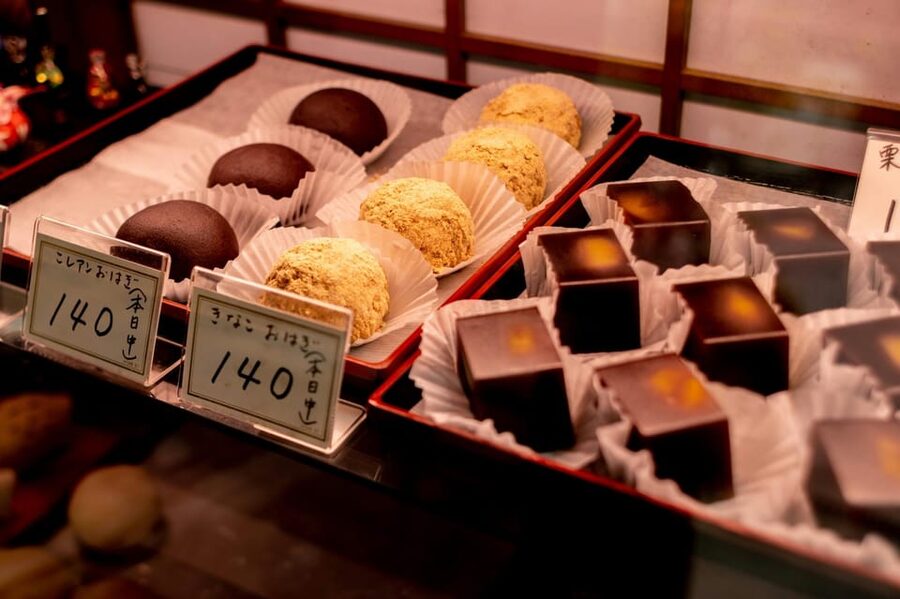
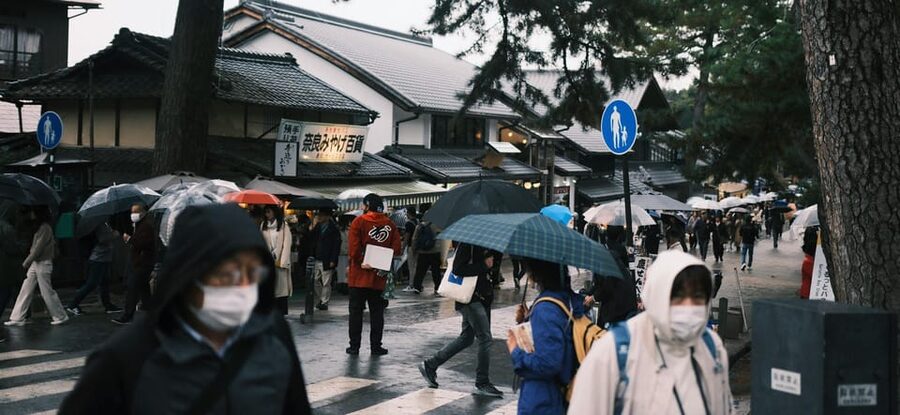
Naramachi is the most relaxed stop. This old town district is known for traditional machiya houses, narrow lanes, shops, local products, and food. The 45-minute visit includes sightseeing, shopping, and a food market stop.
You can browse handmade crafts, vintage items, sweets, and other local goods. The area is a good place to compare Nara with the major temple grounds. Instead of monumental halls and formal shrine paths, you get traditional architecture woven into an ordinary neighborhood.
A traditional Japanese snack is included. That is a small detail, but it makes the final stop feel more personal than simply being led past a row of shops. The tour does not include lunch, so do not arrive expecting a full meal. You may want to ask your guide for dinner suggestions, especially since Angelito has been praised for sharing useful recommendations.
The shopping portion is also where personal spending can grow. Souvenirs, extra snacks, and local products are not included in the $102 price. I would treat Naramachi as a chance to browse first and buy later, unless you already know what you want.
Naramachi works well at the end because it leaves you near the return point and gives you time to continue exploring after the formal walk. If you find a shop or food stall you like, note its location. Four-five minutes can pass quickly in this district.
What the $102 price really covers
At $102 per person, this is a premium half-day experience. You are paying for more than a guide walking beside you. The price includes professional guiding, entrance fees, public transportation, and commentary at each major site. Private and small group formats are also available.
The value is strongest if you want context. Nara’s park, temple, shrine, and old town are all easy to visit independently, but independent sightseeing requires route planning, ticket handling, and research. A good guide also helps you understand why deer are treated as sacred, how Buddhist and Shinto sites differ, and what to look for in the architecture.
The price is less attractive if you already know Nara well, prefer to move slowly, or mainly want time for shopping and photography. Four hours also limits how long you can spend at each location. For an independent-minded visitor, the same money could cover transport and admissions while leaving more control over the day.
The guide quality is central to the value. The available feedback is uniformly positive, with special praise for Ferdinand and Angelito. Ferdinand is described as helpful and well informed about the sites. Angelito is praised for strong local knowledge, good photos, deer advice, restaurant suggestions, and assistance with local shops. A guide called out for humor, kindness, and adapting to a walking problem is another sign that the human part of the experience matters.
There are only five published ratings, so I would not treat the perfect score as a guarantee. Still, the praise is specific rather than vague, and it focuses on the things that can make a guided walk succeed: communication, care, and practical help.
Walking, comfort, and access
Wear comfortable shoes. This is the most important practical advice because the route combines streets, park paths, temple grounds, shrine grounds, and an old-town district.
The activity is listed as wheelchair accessible, but you should still consider the length of the route and the amount of movement between stops. One guide was specifically praised for adapting to a participant’s walking problems, which is encouraging. If you have particular mobility needs, tell the provider before booking so the route and pace can be discussed clearly.
The tour is in English and uses a live guide. That is useful at sites where signs alone may not explain the religious meaning or traditional customs. You should also expect a fairly active four hours rather than a vehicle-based sightseeing tour.
There is no lunch included. The Japanese snack helps, but it is not a substitute for a meal. Eat beforehand or plan food after the tour, and keep money available for personal snacks and souvenirs.
Cancellation is free up to 24 hours before the activity for a full refund. You can also reserve now and pay later, which helps if your Nara plans are not fully settled.
Who should book this Nara experience?
I would choose this walk if you have one day in Nara and want the major sights arranged in a sensible order. It is especially useful for first-time visitors who want explanations instead of simply collecting photographs.
It also suits couples, families, and small groups who value personal attention. The deer are an easy hit with children, while Toda-ji and Kasuga Taisha give adults plenty of cultural material. The Naramachi stop adds food and shopping so the day does not become a temple-only outing.
You may want a different plan if you dislike walking, need a long lunch, or want to spend hours inside one temple. You should also think twice if your budget is tight and you are comfortable navigating Nara independently.
Final verdict: a strong first look at Nara
I recommend this experience for a first visit, particularly if you want the deer, Toda-ji, Kasuga Taisha, and Naramachi in one organized morning or afternoon. The strongest parts are the guide-led explanations, the practical local advice, and the range of experiences packed into four hours.
The $102 cost makes sense when you choose a private or small group format and use the guide’s knowledge. It is harder to justify if you only want transportation between sights. Book it for the human guidance, not just the admission tickets, and wear shoes ready for a serious walk.
FAQ
Where does the tour meet?
The meeting point is the Lawson convenience store directly outside Kintetsu Nara Station.
How long does the experience last?
The experience lasts four hours.
What language is the tour conducted in?
The live tour guide speaks English.
Is the tour private or shared?
Private and small group options are available.
Is the tour wheelchair accessible?
Yes, the activity is listed as wheelchair accessible. The route still includes considerable walking, so discuss specific mobility needs with the provider before booking.
Are entrance fees included?
Yes, entrance fees are included in the price.
Is public transportation included?
Yes, public transportation is included.
Is lunch included?
No. Lunch is not included, although a traditional Japanese snack is provided.
Can I cancel for a full refund?
Yes. You can cancel up to 24 hours in advance for a full refund.
Just added around Japan
- Private guided tour: Mt. Aso volcano, grasslands, Aso Shrine★ 5.0 · 19 reviews
- Takayama Inari Shrine Tour with Private Transportation★ 5.0 · 5 reviews
- From Asakusa: Old Tokyo, Temples, Gardens and Pop Culture★ 5.0 · 47 reviews
- Goshuin Collecting tour at Asakusa Local Temples & Shrines, Tokyo★ 5.0 · 8 reviews
- :Tokyo,Shibuya /Meiji Shrine tour in KIMONO/English-friendly★ 5.0 · 4 reviews
- Tokyo: Snow Monkey and Zenkoji Temple Day Trip In Low Price★ 5.0 · 5 reviews
- Tokyo War History Tour: Yasukuni Shrine & War Museum★ 4.5 · 6 reviews
- Tokyo: Gotokuji Culture Walk & Lucky Cat Temple Experience★ 4.9 · 5 reviews
Historical Tours, compared.
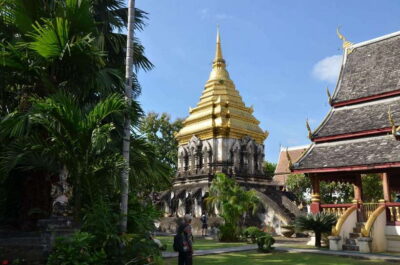
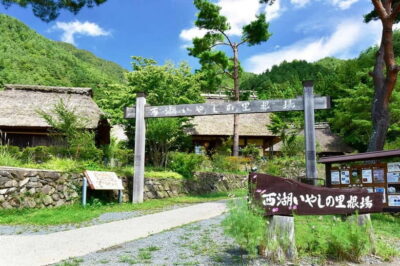
Mt. Fuji Heritage Tour: Traditional Villages, Lakes & Shrine
Read our review →
Malta: Prehistoric Temples, Limestone Heritage & Blue Grotto
Read our review →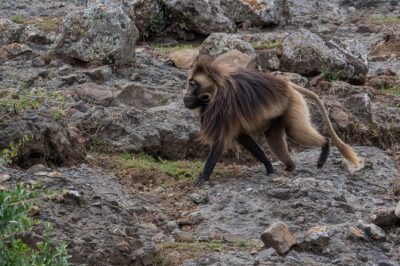
Day Trip From Addis Ababa See Historical Monastery,Stunning Nature,Animals,Birds
Read our review →
Beijing Historical Tour II including Summer Palace, Lama Temple & Panda Garden
Read our review →
“Porto: Fado Show with Guided Tour in a Historic Monastery”
Read our review →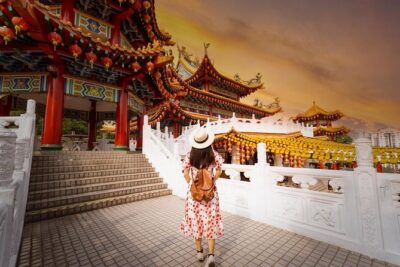
Private Half-Day Temples and Cultural Tour in Kuala Lumpur
Read our review →
Beijing Historical Tour I – Forbidden City, Tiananmen Square & Temple of Heaven
Read our review →Browse the lists this tour appears in