Review · TOKYO
Tokyo History: Sensoji Temple & Asakusa District Private Tour
Asakusa is old Tokyo with a pulse. This three-hour private walk gives you a personal guide through Sensoji Temple, Nakamise Street, traditional craft shops, local snacks, and Kappabashi’s famous kitchen-supply district. I like the one-to-one format, which lets you ask questions and adjust the pace. I also like the small temple offering and food stops, since they add local customs and flavor to what could otherwise be a standard sightseeing walk. The main drawback is time: seven stops in about three hours can make the final parts feel brisk.
The tour costs $139.63 per person, so it is not a budget stroll for one person. For a couple, family, or small group, though, the private guide can make the price easier to justify, especially if you want cultural explanations rather than a quick look at the temple gates. Guides such as Sheilina, Gulay, Carlos, RamKy, Abu, and William have been praised for being warm, flexible, and generous with practical advice.
Five things to know before you book
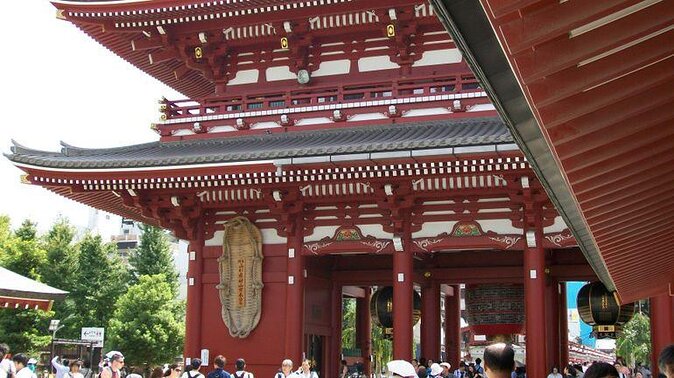
- Sensoji dates to 628: The temple is the center of the walk, with incense, gates, customs, and stories about Tokyo’s past.
- Nakamise is more than a souvenir street: You can browse traditional goods, sweets, snacks, and small gifts along a shopping route used for centuries.
- The guide can shape the walk: Private touring means you can ask for more history, more food, or more time in shops.
- Kappabashi adds a playful modern touch: This kitchen district is known for restaurant dish models and unusual cooking goods.
- Food is part of the experience: The route includes a small temple offering and an Age Manju tasting, but other food and drinks cost extra.
Why a private walk works well in Asakusa
Asakusa can look simple at first: one large red gate, a long shopping street, and a grand temple at the end. But the area rewards explanation. Religious customs, old neighborhoods, shopping traditions, festivals, crafts, and everyday food all overlap here.
A private guide gives you room to stop and ask what you actually want to know. You might want the background of Sensoji, an explanation of incense rituals, help understanding Japanese customs, or advice about what to buy. The flexible format is especially useful for families and first-time visitors who do not want to follow a fixed group schedule.
Several guides have received strong praise for this personal approach. Abu is described as flexible with requests. Sheilina is noted for her warmth and care with individual needs. Gulay has been praised for explaining Japanese culture while guiding visitors through busy holiday crowds. Carlos has offered suggestions for other places in Tokyo, while RamKy has been described as an engaging teacher during a walk through the backstreets.
The quality of a private tour depends partly on guide assignment, so the personality and interests of your guide will shape the day. That is not a flaw, but it is worth understanding. You are paying for personal attention and local interpretation, not a scripted lecture delivered identically each time.
More Private Temple Tours in Japan
- From Tokyo: Private Tour Snow Monkey Park & Zenko-ji Temple
★ 4.7 · 184 reviews - Tokyo Private Tour: Temples, Culture & Modern City Highlights
★ 5.0 · 56 reviews - From Tokyo: Snow Monkey Park & Zenko-ji Temple Private Tour
★ 4.9 · 42 reviews
Starting beneath Kaminarimon’s giant lantern
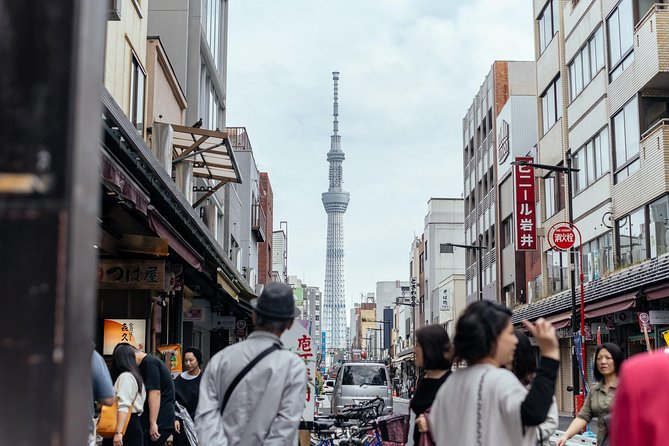
The meeting point is at 2-chōme-16-11 Kaminarimon in Taito City. This places you near Kaminarimon, the famous entrance gate to the Sensoji area. The gate’s large lantern and guardian figures create an immediate sense of arrival, and it is a practical place to begin because the first section of the walk leads directly toward the temple grounds.
Your guide should help you read the setting rather than simply point at it. The gate, lanterns, statues, and approach road establish the tone for the whole district. This is where the contrast begins: an intensely photographed monument sits beside an active shopping street used by people buying food, gifts, and small items for daily life.
You should wear comfortable shoes. The tour is on foot, uses public areas, and requires a moderate level of physical fitness. Hotel pickup and drop-off are not included, and the walk ends back at the meeting point, so plan your Tokyo transportation around Kaminarimon rather than expecting a hotel transfer.
Nakamise Street and the first taste of Asakusa
The first scheduled stop is Nakamise Shopping Street, with about 20 minutes to look around. The route runs between the outer gate and Sensoji, and its long tradition gives the approach to the temple a special character.
This is a good place to ask your guide what is worth browsing and what may be aimed mainly at shoppers. You can find souvenirs, traditional-style goods, sweets, and street food. The guide may also point out details you would pass without noticing, such as the old-fashioned feel of the shopfronts and the role of the street as a gateway to a major religious site.
Do not expect a quiet lane. Nakamise is a popular shopping route, and a short stop means you will need to choose what interests you most. If you love browsing, you may wish the tour allowed more time here. If you prefer context to shopping, the guide can keep the visit moving toward the temple.
Hozomon Gate and a warm Age Manju
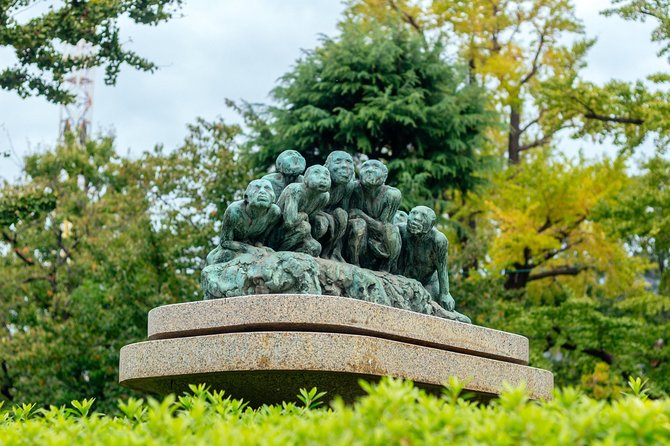
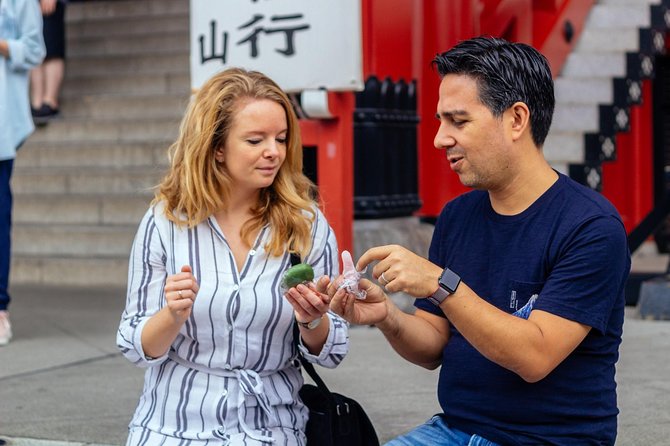
At Hozomon, the second major gate, you have another 20-minute stop. The route includes a pause at a shop where you can try Age Manju, a fried sweet bun available in different flavors.
This small tasting is one of the tour’s better touches. Food gives you a direct connection to the neighborhood, and choosing a flavor makes the stop feel personal rather than ceremonial. It also breaks up the history and architecture with something simple and enjoyable.
After the snack, your guide leads you through Hozomon toward the temple. The gate is not just a passageway. It marks a shift from commercial activity into the central religious grounds, and a guide can explain that change as you enter.
Food and beverages beyond the stated Age Manju tasting are not included. If you are building your day around snacks, bring room in your budget for extra purchases.
More Private Temple Tours in Tokyo
- Tokyo/Nagano: private Tour with Snow Monkey Park & Temples
★ 4.8 · 13 reviews - From Tokyo: Nikko Customize private Tour With English Driver
★ 4.9 · 11 reviews - Tokyo: Sensoji Temple & Street Food: Private Tour with guide
★ 4.6 · 8 reviews - Tokyo: Visit 5 Shrines & Collect Goshuin on Private Tour
★ 5.0 · 3 reviews
Sensoji Temple, incense, and a small offering
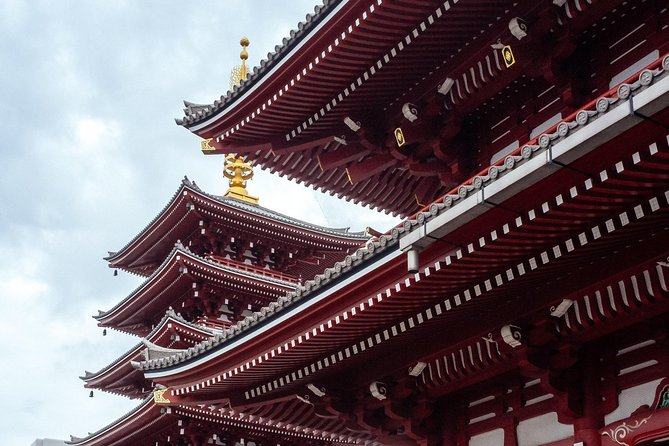
Sensoji is the heart of the experience. It is considered Tokyo’s oldest temple and dates to the year 628, giving your guide a clear starting point for explaining how the area developed around it.
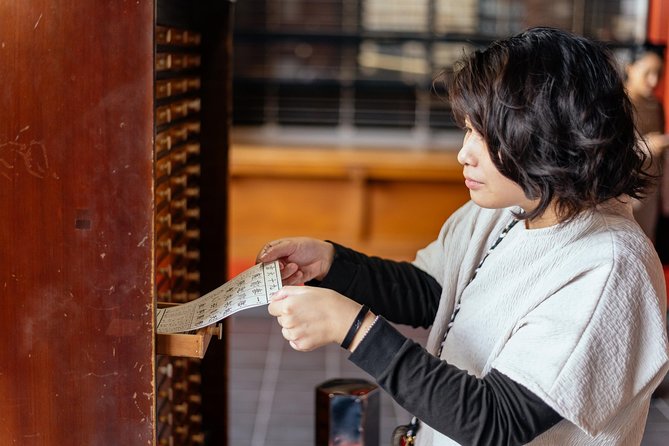
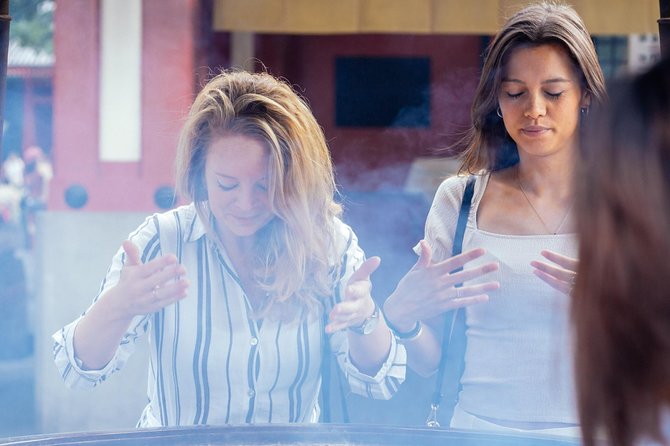
Before entering the main temple area, you can let incense smoke waft over you. This is a familiar ritual for many visitors, but it can be confusing if you do not know what is happening. The guide can explain the custom and help you approach it respectfully. The tour includes a small offering for you to make at Sensoji, which adds a hands-on element without turning the visit into a formal religious event.
The temple grounds can reward slow looking. You may see details in the gates, statues, rooflines, or worship practices that are easy to miss when you are focused only on taking a photograph. One person on the tour happened to see a wedding ceremony and a samurai ceremony, though those are occasional sights, not promised parts of the experience.
Allow your guide to set the pace here. The temple is the place where extra questions are most useful. Ask about customs, Japanese Buddhism, the temple’s age, or the difference between what you see at a temple and what you might see at a Shinto shrine. The guides have been praised for explaining culture as well as dates and names, which is one of the strongest reasons to choose this private walk.
Backstreets, melon pan, and Hanayashiki
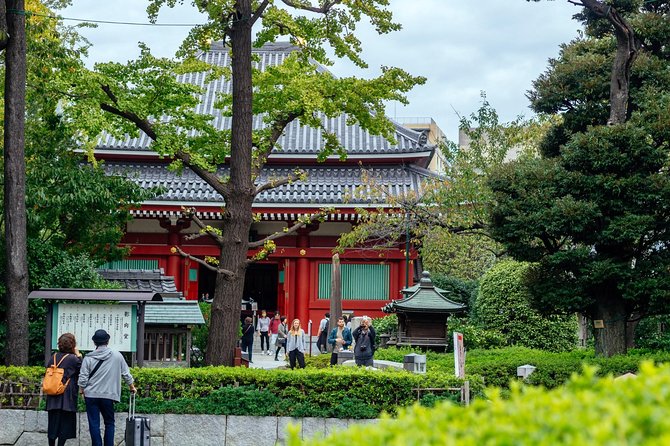
After Sensoji, the route turns through narrow streets toward Asakusa Hanayashiki. This short 15-minute section changes the mood. Instead of moving through the grand temple approach, you get a glimpse of smaller streets and local food culture.
The stop is known for freshly made melon pan bread. The name can be misleading if you expect melon filling. It refers to the sweet bread’s shape and surface, and the appeal here is the fresh, casual snack rather than a formal meal.
You pass through Hanayashiki, adding another layer to Asakusa’s identity. The neighborhood is not only a temple precinct. It also has entertainment, snack shops, side streets, and long-standing local attractions. The short timing means this is more of a taste than a full visit, so do not book this tour expecting an extended amusement-park stop.
Traditional crafts and working artists
The Edo Taito Traditional Crafts Center, also called the Edo Shitamachi Traditional Crafts Museum, receives about 15 minutes. Here you can see items made by Tokyo artists and craftspeople.
This stop matters because it shifts the focus from old buildings to living skills. A display of finished objects tells you what was made, but watching a craftsperson work tells you something about patience, tools, and technique. If you visit on a weekend, you may see someone demonstrating a craft in person.
The time is short, so think of the museum as an introduction. You may not have enough time to study every object or shop at length. Still, it is a useful counterpoint to the mass-produced souvenirs along Nakamise. If handmade work interests you, tell your guide early so the stop gets the attention it deserves.
Kappabashi and Tokyo’s remarkable food models
The route continues to Kappabashi Street, also known as Kappabashi Dogugai. This district is famous for restaurant supplies, and one of its most amusing features is the realistic plastic food used to show dishes outside restaurants.
You can explore the street and learn how those perfect-looking bowls of noodles, plates of sushi, and other displays are created. The tour information lists Kappabashi twice for 15 minutes each, so the exact schedule may divide the visit into two sections or allow more time in the same district.
Kappabashi is a good place for practical shopping. The tour does not promise specific purchases, so ask your guide what is worth looking at during your visit. One guide helped a visitor find special small bowls, which later became a lasting souvenir used at home. That is a better kind of shopping memory than grabbing a generic gift at the airport.
The district also gives you a look at the working side of Japanese food culture. You are not only seeing temples and old streets. You are seeing the tools, displays, and objects that support restaurants and home kitchens.
What the three-hour schedule really feels like
Three hours is long enough to understand the main shape of Asakusa, but not long enough to linger everywhere. The route includes seven listed stops, with several scheduled for 15 or 20 minutes. Add walking between them, questions, photos, food, and possible crowds, and the time moves quickly.
I would treat this as a guided introduction rather than a complete exploration of Asakusa. You will see the essential temple approach, Sensoji, nearby streets, traditional crafts, and Kappabashi. You probably will not have the leisure to browse every shop or spend a long time at each site.
The private format helps. A guide can adjust the balance if you care more about history than shopping, or more about food and crafts than temple architecture. Still, mention your priorities at the start. A short walk becomes much more useful when the guide knows what you want from it.
The experience is generally recommended by everyone who has rated it, with a 5.0 score from 28 reviews. The most consistent praise centers on guides who are friendly, flexible, and able to explain Japanese culture in a clear way. That is more important here than a long list of monuments because Asakusa’s meaning often lies in the customs and small details.
Price, group size, and who gets the best value
At $139.63 per person, this is a premium walking tour. A solo visitor pays the full per-person rate and may find it costly for three hours. The value improves for couples, families, or small groups because the guide’s attention is shared only with your party, and group discounts are available.
You are paying for more than entrance tickets. The listed stops are free, and the cost does not cover regular food and drinks. The main value comes from private guidance, cultural explanations, a small temple offering, the Age Manju tasting, and the ability to ask questions throughout the walk.
I think the price makes the most sense early in your Tokyo stay. A guide can help you understand temple customs and Japanese culture, then suggest other places to see. One parent and an 18-year-old daughter used the experience as a first introduction to local traditions, and that is a strong use of this format.
It also suits you if you want a private walk without committing to a full-day tour. People who prefer to explore entirely on their own can cover much of this area without paying a guide. The added value appears when you want context, personal recommendations, and help making sense of what you are seeing.
Practical details before you go
Confirmation is provided at booking, and the experience is available with a mobile ticket. It operates near public transportation, but you must reach the Kaminarimon meeting point yourself.
The tour is private, so only your group and guide participate. That makes it a better choice than a large group if you dislike waiting for strangers, want to ask many questions, or have mixed interests within your party.
The activity has free cancellation up to 24 hours before the local start time. Cancellations or changes made within 24 hours are not refunded or accepted, so keep that cutoff in mind when arranging your Tokyo schedule.
The experience is listed as carbon neutral, with tour emissions offset. That will not change the route itself, but it may matter if you prefer activities that account for their carbon output.
Should you book the Asakusa private tour?
Book it if you want Sensoji explained rather than simply photographed. The strongest reasons are the private format, adaptable conversation, temple offering, Age Manju tasting, and the chance to connect the famous sights with crafts, food, and shopping.
I would especially recommend it for first-time Tokyo visitors, families, couples, and anyone curious about Japanese customs. Guides such as Gulay, Sheilina, Carlos, RamKy, Abu, and William have been praised for warmth, clear explanations, and flexibility.
Skip it if your priority is a low-cost walk, long shopping time, or a full visit to every attraction in Asakusa. Three hours passes quickly, and the price is high for a route whose public stops are free. For the right reader, though, this is a useful and personable way to get your bearings in one of Tokyo’s most important old districts.
FAQ
How long does the Asakusa private tour last?
The tour lasts approximately three hours.
Where does the tour start?
It starts at 2-chōme-16-11 Kaminarimon, Taito City, Tokyo 111-0034, Japan.
Where does the tour end?
The activity ends back at the meeting point.
Is this a private tour?
Yes. Only your group and the local guide participate.
Is Sensoji Temple admission included?
There is no admission charge listed for the Sensoji Temple stop. The tour includes a small offering for you to make at the temple.
Is food included?
A small Age Manju tasting and the temple offering are included. Other food and beverages are not included.
Can I cancel for a full refund?
Yes, if you cancel at least 24 hours before the experience start time. Cancellations within 24 hours are not refunded, and changes made within that period are not accepted.
More History Tours in Tokyo
- Mt. Fuji Heritage Tour: Traditional Villages, Lakes & Shrine
★ 4.5 · 509 reviews - Tokyo War History Tour: Yasukuni Shrine & War Museum
★ 4.5 · 6 reviews - Chiang Mai: Historic Temples and City Guided Walking Tour
★ 4.7 · 650 reviews - Malta: Prehistoric Temples, Limestone Heritage & Blue Grotto
★ 4.2 · 412 reviews
More Meiji Shrine and Senso-ji Tours in Tokyo
- Tokyo: Asakusa Walking Tour with Sensoji Temple Visit
★ 4.8 · 1,583 reviews - Tokyo Panoramic 1 Day: Meiji Shrine, Asakusa, Odaiba and SKYTREE®
★ 4.5 · 1,222 reviews - Tokyo: Asakusa and Tokyo’s Oldest Temple Senso-ji Tour
★ 4.9 · 352 reviews - Tokyo: Meiji Shrine Walking Tour — Shinto & Imperial System
★ 4.9 · 266 reviews
Just added around Tokyo
- :Tokyo,Shibuya /Meiji Shrine tour in KIMONO/English-friendly★ 5.0 · 4 reviews
- Tokyo: Snow Monkey and Zenkoji Temple Day Trip In Low Price★ 5.0 · 5 reviews
- Tokyo War History Tour: Yasukuni Shrine & War Museum★ 4.5 · 6 reviews
- Tokyo: Gotokuji Culture Walk & Lucky Cat Temple Experience★ 4.9 · 5 reviews
- Tokyo: Shibuya Sky, Harajuku & Meiji Shrine Highlights Tour★ 4.5 · 9 reviews
- Tokyo: Visit 5 Shrines & Collect Goshuin on Private Tour★ 5.0 · 3 reviews
- Tokyo: Sensoji Temple & Street Food: Private Tour with guide★ 4.6 · 8 reviews
- Tokyo’s Kitchen: Tsukiji Market Food & Culture Walk★ 4.7 · 74 reviews
Meiji Shrine & Senso-ji Tours, compared.
Asakusa Walking Tour with Sensoji Temple Visit
Read our review →
Tokyo Panoramic 1 Day: Meiji Shrine, Asakusa, Odaiba and SKYTREE®
Read our review →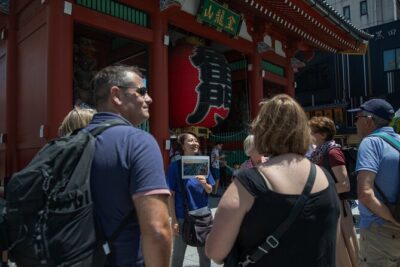
Asakusa Senso-ji Temple and Old Tokyo Walking Tour
Read our review →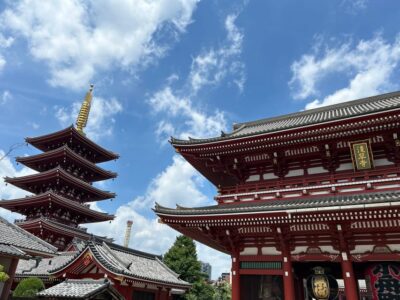
Asakusa and Tokyo’s Oldest Temple Senso-ji Tour
Read our review →
Meiji Shrine Walking Tour — Shinto & Imperial System
Read our review →
Meiji Jingu Shrine and Shinto Culture Walking Tour
Read our review →