
Review · JAPAN
Takayama Inari Shrine Tour with Private Transportation
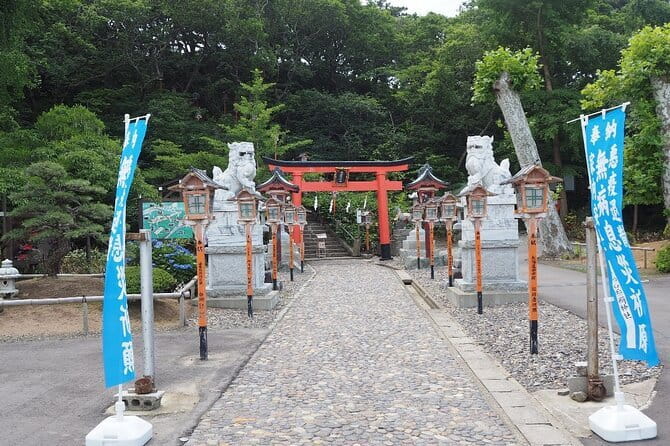
Red gates make a memorable detour. This half-day outing takes you from Aomori to Takayama Inari Shrine, where rows of red Torii gates climb a small hill, then on to Kizukuri Station and its giant Jomon clay figurine design. I like the easy private transport and the chance to see a corner of northern Japan that is not simple to reach by public transit. The main drawback is the stair climb, though a slope is available.
I also like that the tour stays private for your group of up to four people. Guide and driver Tomio Yokouchi speaks excellent English, drives a clean, comfortable car, and adds useful context about northern Japan. At $253.64 per group, the price makes the most sense with four people sharing it, rather than one or two.
Key points to know before booking
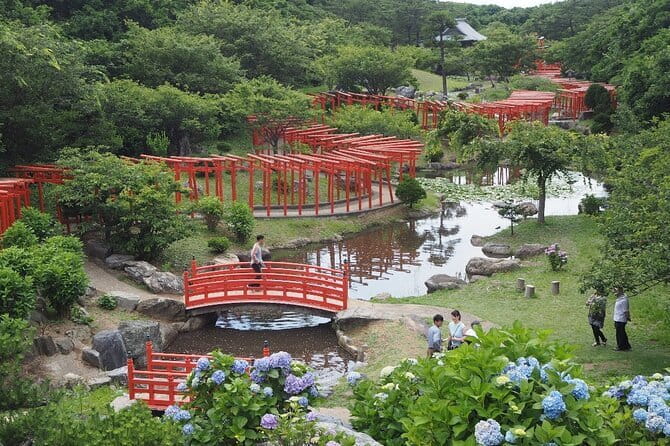
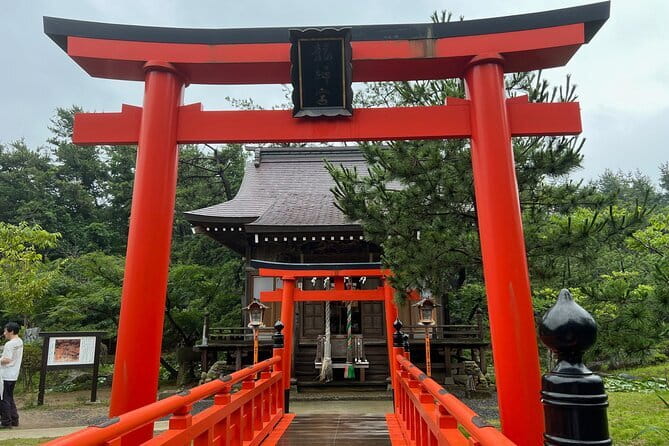
- Hundreds of red Torii gates create the main photo stop at Takayama Inari Shrine, with the gates running up a small hill.
- You need to handle about 90 steps, going up and down, although you can use a slope instead.
- Private transport removes a major headache for reaching a remote shrine and returning to the starting point.
- Tomio Yokouchi is both guide and driver, with excellent English and a clean, comfortable vehicle.
- Kizukuri Station adds a quick architectural oddity, shaped like the Jomon clay figurine called Shako-chan.
- The tour lasts about four to five hours, starts at 9:00 am, and ends back at the meeting point.
Why this Aomori half-day works well
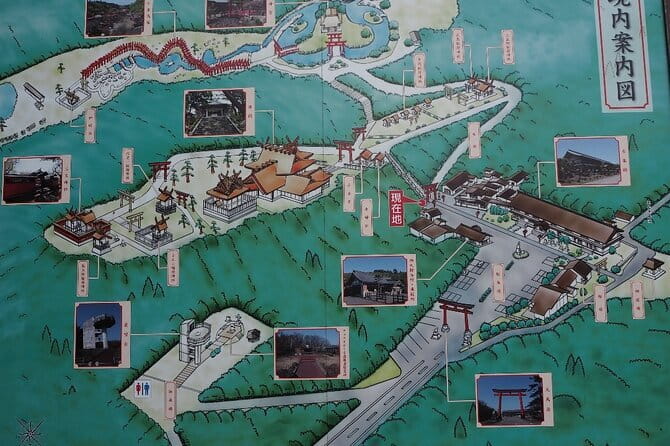
Aomori has plenty of well-known sights, but Takayama Inari Shrine offers a different kind of day out. The appeal is visual and simple: red Torii gates, a small wooded rise, and a shrine setting that feels far removed from a city station or shopping street.
The challenge is getting there. Public transportation can make a visit to a distant shrine time-consuming, especially when you are working around train schedules and the return journey. Here, the private car handles the difficult part. You can focus on the shrine rather than piecing together each leg of the trip.
The outing is private, so only your group participates. That matters if you want to take photos at your own pace, ask questions without holding up strangers, or avoid the fixed rhythm of a large coach tour. It also makes the experience a practical choice for a family or small group of friends.
The tour begins at 9:00 am and runs for roughly four to five hours. That leaves much of the day free for other Aomori plans. Keep in mind that the stated time includes transport, so this is not four or five hours spent walking around the shrine grounds.
A few more temple visits around Japan worth a look
- Kyoto: Tea Ceremony Ju-An at Jotokuji Temple
★ 4.9 · 3,207 reviews - Tokyo: Asakusa Walking Tour with Sensoji Temple Visit
★ 4.8 · 1,583 reviews - Nikko: Kegon Falls, Lake Chuzenji & Toshogu Temple
★ 4.6 · 1,577 reviews
Takayama Inari Shrine and its red gate hillside
The shrine is famous for its large number of red Torii gates. The gates line the route toward a small hill, creating the repeating pattern that gives the visit its strong visual appeal.
You will have about two hours at this stop, including transportation time to the shrine. That should give you time to walk toward the gates, take photographs, see the shrine setting, and make the climb without treating the stop like a quick roadside photo break.
The most important practical point is the elevation. You need to walk up and down around 90 steps. The tour information also notes that you can use a slope, which gives you another option if stairs are uncomfortable. Still, you should expect some walking and allow enough time to move carefully.
I would bring shoes with a firm grip and avoid planning the stop around a rushed photo. The gates are the reason to come, but the setting works best when you pause and look at how the rows lead the eye up the hill. The view is most memorable as a sequence of gates and paths rather than a single object.
The shrine is also a good match for photographers who enjoy repetition, color, and strong lines. You can frame the gates from different points along the route, and the red structures provide a clear contrast with the surrounding outdoor setting. The exact appearance will change with weather and season, so the tour should be viewed as a scenic visit rather than a guarantee of one perfect photograph.
I appreciate that the tour description is clear about the steps. That small warning is useful. Some shrine visits are presented as easy stops, only for you to discover a long stairway after arriving. Here, you can decide in advance if the walk suits your group.
What the shrine visit tells you about the tour
Takayama Inari Shrine is not simply a place to stop, take one picture, and leave. The two-hour allocation gives the visit enough breathing room, while private transport means you do not need to watch a bus departure or rush back to a train platform.
The tour is especially useful if you are staying in Aomori and want to see more than the central sights. You get a rural shrine setting without having to organize the driving yourself. For a small group, that convenience is the central value of the experience.
I would not choose this outing if your main goal is a long temple or shrine study with extensive time for quiet observation. The day includes another stop, and the total experience lasts only half a day. But if you want one strong scenic shrine and an unusual station building in the same outing, the balance is sensible.
Kizukuri Station and the Shako-chan building
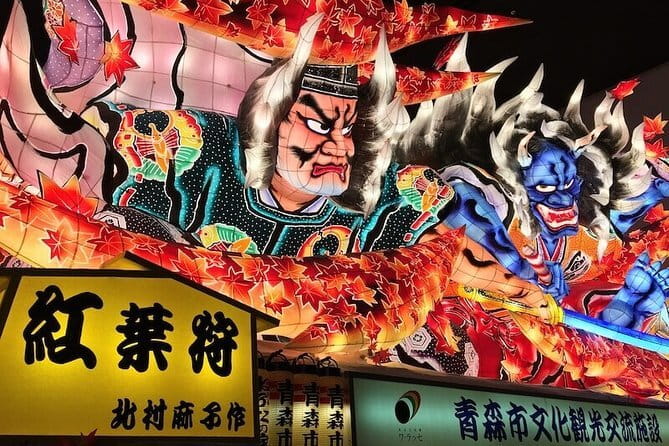
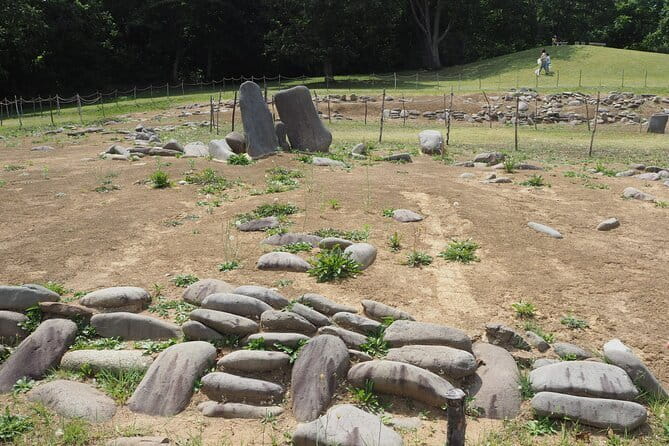
The second stop is Kizukuri Station, where the station building is shaped like a large Jomon clay figurine known as Shako-chan. It is an unusual sight, and it gives the tour a lighter, more playful finish after the traditional shrine.
You will have about 1 hour and 30 minutes allocated to this part, with the return time to the starting point included. The information provided does not promise an extended station visit or a separate cultural program, so you should think of Kizukuri primarily as a photo stop and a chance to see a distinctive piece of local design.
That limited scope is not a weakness if you enjoy odd and memorable architecture. A giant figurine-shaped station is the sort of small regional detail that can stay in your memory long after more standard sightseeing stops blur together.
It also gives the tour some variety. Takayama Inari Shrine offers gates, paths, and religious architecture. Kizukuri Station offers a modern public building built around the shape of a Jomon figure. You are not looking at two versions of the same attraction.
The station stop is likely best for you if you enjoy unusual landmarks and want photographs that show a less familiar side of Aomori. If you prefer every minute of a tour to focus on major historical sites, this stop may feel brief or whimsical. The guide can help give it context, but the main attraction is the building itself.
Same place, a different morning at the gates:
- Osaka/Kyoto:Kinkakuji,Arashiyama,FushimiInariShrine,NaraPark
★ 4.1 · 1,596 reviews - Tokyo: Nikko Toshogu Shrine and Kegon Waterfall Tour
★ 4.5 · 1,266 reviews - Tokyo Panoramic 1 Day: Meiji Shrine, Asakusa, Odaiba and SKYTREE®
★ 4.5 · 1,222 reviews - Kyoto Arashiyama Walking Tour: Bamboo, Monkeys, Gardens & Secrets
★ 5.0 · 1,216 reviews
Private transport is the real advantage
The car is not just a comfort feature. It is what makes this particular combination of stops practical.
Takayama Inari Shrine is described as difficult and time-consuming to reach by public transportation. Private transportation allows you to go directly from the meeting point, wait while you visit the shrine, continue to Kizukuri Station, and return to where the tour began.
That is especially useful in northern Japan, where distances between points of interest can matter more than they appear on a map. A public transit plan may require transfers, careful timing, and a long wait if one connection is missed. Here, the transport is built into the half-day plan.
The tour is for a maximum of four people. This keeps the group small and makes the vehicle arrangement more personal than a large bus. You can also share the cost, which has a major effect on value.
At the listed total price of $253.64:
- Four people pay about $63.41 each.
- Two people pay about $126.82 each.
- One person pays the full group price alone.
For four people, the price is quite reasonable for private transport and an English-speaking guide over four to five hours. For a solo visitor, the same total is harder to justify unless reaching the shrine independently would be especially difficult. The price does not include a gratuity, which is optional.
Tomio Yokouchi as guide and driver
The guide can make or break a private road outing. In this case, Tomio Yokouchi receives especially strong praise for his excellent English, courteous manner, professional approach, and driving.
You can expect him to serve as both guide and driver. That arrangement keeps the day efficient, but it also means the experience is not built around a large team of specialists or a formal lecture at each stop. The value comes from personal assistance, conversation, local context, and getting you safely between places.
The vehicle is described as clean and comfortable, which matters on a trip with a fair amount of driving. A tidy car and a smooth driver can make the difference between a pleasant half-day and a tiring one.
Tomio’s background in the history and culture of northern Japan is another reason to consider this tour. The provided information does not give a detailed script or list of specific subjects covered, so I would not book it expecting a long academic talk. I would book it for clear English, polite service, reliable driving, and useful explanations along the way.
A private guide also gives you someone to ask about the shrine, the region, and the Jomon figure at Kizukuri Station. That personal contact is more useful than a generic audio guide when you want a little context but do not want a full-day lecture.
Who should book this experience

I think this tour suits you best if you meet several of these conditions:
- You are based in Aomori and want to reach a distant shrine.
- You prefer a private car to public transit.
- You are traveling with up to three companions and can split the group price.
- You like distinctive photo locations.
- You want an English-speaking guide and driver.
- You can manage stairs or use a slope.
- You have about half a day available.
It is also a good fit for visitors who have already seen central Aomori and want a quieter regional outing. The two stops are different enough to keep the trip from feeling repetitive.
I would be more cautious if you have serious mobility limits. The option of a slope helps, but the visit still involves walking around the shrine grounds and the tour information specifically warns about going up and down approximately 90 steps. The provider says most people can participate, but that is not the same as promising a step-free experience.
This is also not the right choice if you want a fully flexible day with no fixed second stop. The plan includes Kizukuri Station, and its appeal depends on your interest in an unusual building rather than a major museum or landmark.
Timing, booking, and weather details
The tour starts at 9:00 am and ends back at the meeting point. Pickup is offered, and the activity includes a mobile ticket, which keeps the morning simple once your booking is confirmed.
Confirmation is sent within 48 hours of booking, subject to availability. Since the experience is often booked well ahead, planning early is sensible. The average booking lead time is about 89 days, so last-minute availability may not be something you should count on.
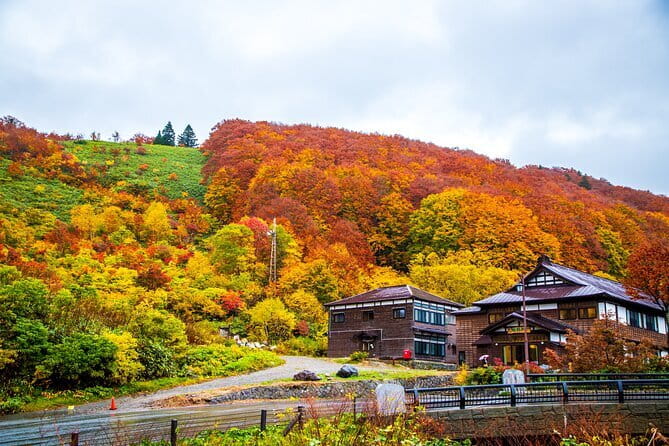
Weather matters for this outing. The experience requires good weather, and poor conditions can lead to a new date or a full refund. That policy is especially relevant here because the main attraction involves walking outdoors and climbing around the shrine hillside.
Free cancellation is available up to 24 hours before the start time for a full refund. If you cancel less than 24 hours before departure, the payment is not refunded, and changes made within that same period are not accepted. Cutoff times follow local time in Japan.
Is the tour worth $253.64?
For a group of four, I think the price offers solid value. You receive private transportation, an English-speaking professional guide, a clean and comfortable car, and a half-day route to two places that may be awkward to combine on your own.
The calculation becomes less favorable for one person or a couple. At that point, you are paying mainly for convenience and access rather than a low-cost sightseeing day. That can still be worthwhile if you value your time, dislike transport planning, or have limited days in Aomori.
The strongest value is not admission, since both stops are free. It is the time saved and the reduced hassle of reaching Takayama Inari Shrine. You are paying for the road connection, local assistance, and private pace.
I would also consider the tour a good use of time if you are already interested in the shrine’s red gates. Public transport may be cheaper in theory, but the extra time and planning can reduce the practical value of that saving.
Should you book the Takayama Inari Shrine tour?
Book it if you want a private, photo-focused half-day from Aomori and the idea of red Torii gates on a hillside appeals to you. It is particularly attractive for four people sharing the cost, and Tomio Yokouchi adds a strong combination of English guidance, courteous service, and dependable driving.
Before booking, make sure everyone in your group is comfortable with the walking and the possible 90-step climb, even though a slope is available. Also decide if Kizukuri Station sounds like a fun oddity or a stop you would rather skip.
For me, the tour earns its place on a northern Japan schedule because it reaches a difficult-to-access shrine without turning the day into a transport puzzle. The cost is fair for a full private car with a guide, but the value depends heavily on group size. Four people should find it appealing. Solo visitors need to care enough about Takayama Inari Shrine to pay for the convenience.
FAQ
Where does the Takayama Inari Shrine tour take place?
The tour takes place in Aomori, Japan. It visits Takayama Inari Shrine and Kizukuri Station.
What time does the tour start?
The tour starts at 9:00 am.
How long does the experience last?
The experience lasts approximately four to five hours, including transportation time.
How many people can join the private tour?
The private tour is available for a group of up to four people. Only your group participates.
Is transportation included?
Yes. Private transportation and an English-speaking professional guide are included, and pickup is offered.
Are there stairs at Takayama Inari Shrine?
Yes. You need to walk up and down approximately 90 steps. A slope is also available as an alternative.
What happens if bad weather cancels the tour?
If poor weather causes the tour to be canceled, you will be offered a different date or a full refund.
Just added around Japan
- Private guided tour: Mt. Aso volcano, grasslands, Aso Shrine★ 5.0 · 19 reviews
- From Asakusa: Old Tokyo, Temples, Gardens and Pop Culture★ 5.0 · 47 reviews
- Goshuin Collecting tour at Asakusa Local Temples & Shrines, Tokyo★ 5.0 · 8 reviews
- :Tokyo,Shibuya /Meiji Shrine tour in KIMONO/English-friendly★ 5.0 · 4 reviews
- Tokyo: Snow Monkey and Zenkoji Temple Day Trip In Low Price★ 5.0 · 5 reviews
- Tokyo War History Tour: Yasukuni Shrine & War Museum★ 4.5 · 6 reviews
- Tokyo: Gotokuji Culture Walk & Lucky Cat Temple Experience★ 4.9 · 5 reviews
- Tokyo: Visit 5 Shrines & Collect Goshuin on Private Tour★ 5.0 · 3 reviews
Japan Temple Tours, compared.

Osaka/Kyoto:Kinkakuji,Arashiyama,FushimiInariShrine,NaraPark
Read our review →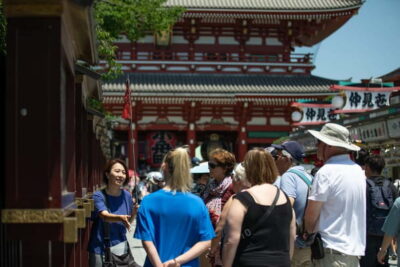
Asakusa Walking Tour with Sensoji Temple Visit
Read our review →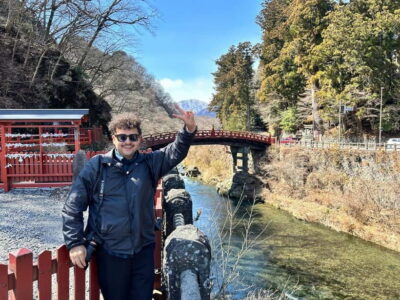

Nikko Toshogu Shrine and Kegon Waterfall Tour
Read our review →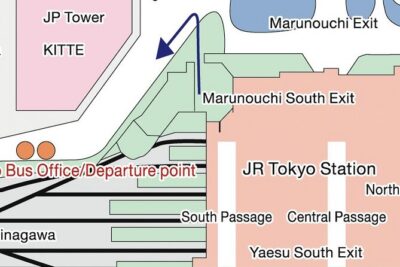
Tokyo Panoramic 1 Day: Meiji Shrine, Asakusa, Odaiba and SKYTREE®
Read our review →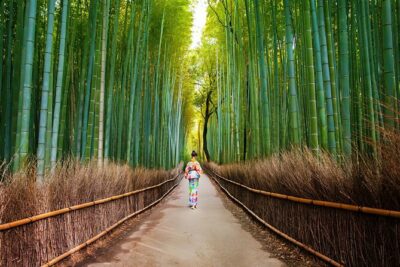
Kyoto Arashiyama Walking Tour: Bamboo, Monkeys, Gardens & Secrets
Read our review →
1-Day Snow Monkeys, Zenko-ji Temple & Sake in Nagano
Read our review →Browse the lists this tour appears in