
Review · KYOTO
KYOTO-NARA: Giant Buddha Deer Pagoda “Geisya” (Italian, full day)
Nara’s deer are only the beginning. This full-day outing links Todai-ji and its giant Buddha with Kyoto’s Kiyomizu-dera and Gion-kobu district, making it a useful choice if you want major sights without piecing together trains, buses, tickets, and walking routes yourself. I especially like the Italian-speaking guide and the small group limit of 15 people. The guide can also adapt the pace and answer questions, which gives the day a more personal feel.
I also like the balance between famous monuments and everyday street life. You feed tame deer in Nara, walk old pilgrimage routes toward Kiyomizu-dera, and finish near Pontocho after seeing the Gion area associated with Maiko and Geiko performers. The main drawback is the price, $176 per person, and the packed schedule. With long train rides, a one-hour break, and several walks, this is a full day rather than a relaxed wander.
Key points to know before booking
- Italian guidance is the main selling point: The local guide explains the monuments, religious customs, legends, and historical background in Italian. Guide Omae received especially strong praise for fluent Italian, humor, and careful explanations.
- Nara and Kyoto are combined in one day: You visit Todai-ji and the deer park in the morning, then return to Kyoto for Kiyomizu-dera and Gion-kobu.
- Transport is included: Scheduled train and bus fares, along with monument entrance fees, are included in the price.
- The group is limited to 15 people: That is small enough for questions and assistance, though the experience is still a shared tour rather than a private outing.
- The walking is real but broken into sections: The route includes short walks in Nara and Kyoto, plus the streets leading to Kiyomizu-dera.
- The finish near Pontocho is useful: You end in central Kyoto, close to one of the city’s best-known evening areas rather than returning to the starting point.
Meeting your guide at Kyoto Station
The day starts at Kyoto Station, in the space between the four escalators in front of the taxi terminal. The taxi terminal is east of the north central entrance. Do not head to the bus terminal.
A useful landmark is Kyoto Tower. From the meeting area, you should see it in front of the station toward the upper left, not the right. You receive a confirmation email with detailed meeting information the day before, so check that message carefully. Kyoto Station is large enough to turn a simple meeting into a small adventure of its own.
The guide leads the group onto a train for roughly 45 minutes to Nara Station. A bus ride of about 15 minutes follows. Having these connections handled is a real benefit, especially if you are not yet comfortable reading Japanese station signs or figuring out which local bus serves the temple area.
The tour is designed for a small group of up to 15 people. That matters here because the guide is not only giving information. The service also includes assistance during the itinerary, and the operator says it can adjust schedules and plans when reasonably possible. Do not expect every preference to reshape the day, but a flexible guide is useful when a group needs help, extra explanation, or a little more time for photographs.
More Full-Day Tours in Kyoto:
- Kyoto: Nara, Todaiji, Kasuga Taisha Shrine Private Full Day
★ 4.9 · 18 reviews - Siem Reap: Full-Day Angkor Wat Guided Tour with Sunset
★ 4.9 · 3,803 reviews - Full-Day Angkor Wat Sunrise Private Tour with Guide from Siem Reap
★ 5.0 · 2,920 reviews
Todai-ji and the giant Buddha in Nara
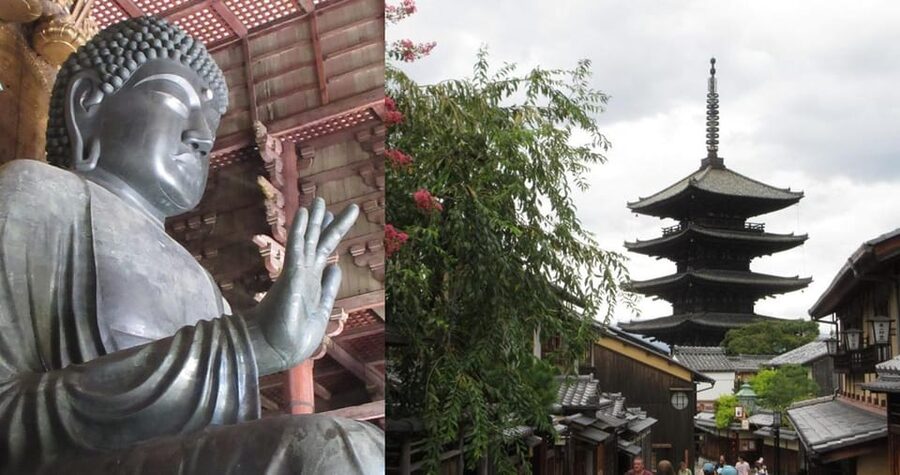
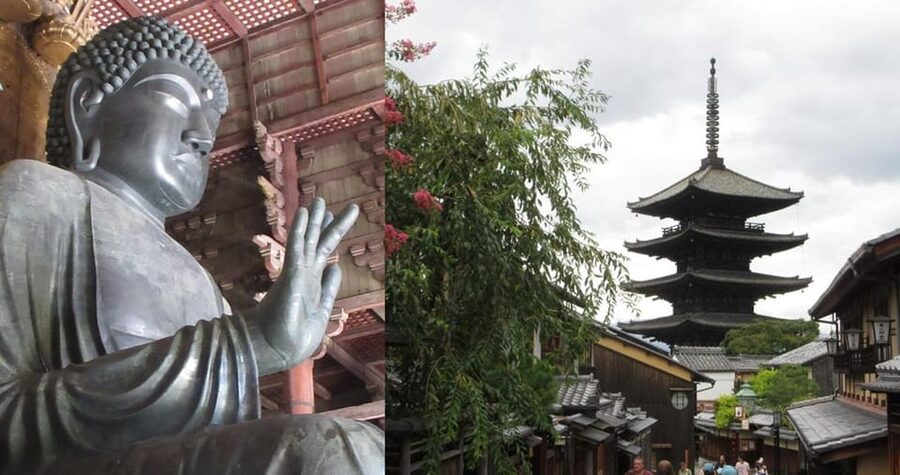
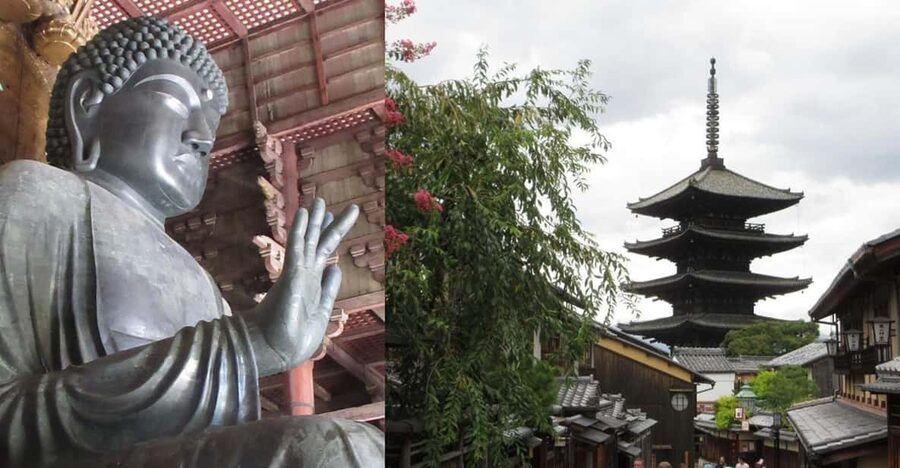
Todai-ji is the morning’s main event. The temple is famous for its enormous Buddha statue, one of Japan’s largest, and the guide spends about 90 minutes on the visit. Entrance is included, so you can focus on the building, the statue, and the explanations rather than stopping to sort out another ticket.
The temple’s importance is not limited to its size. The guide explains monuments designated as national treasures and places them within Buddhist devotion and Japanese history. The tour description also promises stories and details about ordinary people and local beliefs, including points that are not usually printed in standard guidebooks. That kind of explanation can make a familiar photograph feel less like a checklist stop.
The strongest praise for this experience centers on the guide. Several Italian-speaking participants singled out Omae, a Japanese guide who lived in Italy for more than a decade. His Italian was described as fluent and refined, and his explanations included legends and mythological stories connected with the monuments and objects. That is valuable at a site where the visual scale can easily overpower the cultural meaning.
You should also have some room to explore and take photographs. One particularly positive account noted that Omae gave the group space while still keeping the visit organized. That is the right balance at Todai-ji. A guide who talks nonstop can make a temple feel like a classroom, while too little explanation leaves you admiring a giant statue without understanding why it matters.
The possible weakness is time. Ninety minutes is enough for a guided visit, but not enough for an unhurried look at every corner, a long shopping stop, and extensive photography. If Todai-ji is your central reason for visiting Nara, you may want a separate visit on another day. For a two-city overview, the allotted time is practical.
Feeding the deer in Nara Park
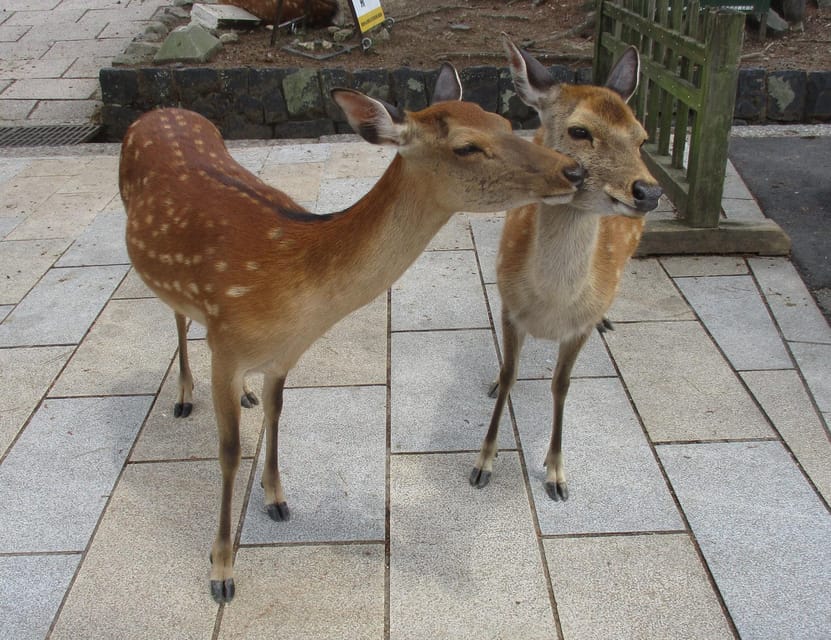
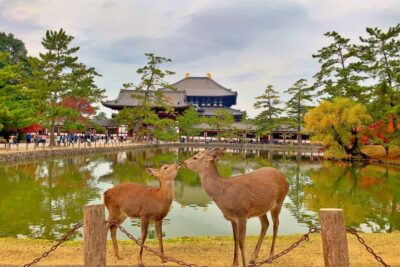
The park around Todai-ji gives the morning its most playful moment. Tame deer roam freely among the public spaces and have lived alongside local residents since ancient times. Special stalls sell cookies that you can feed to them.
This is a simple activity, but it adds an experience that a temple-only tour cannot provide. You move from Buddhist architecture and formal monuments into a large open park where animals are part of the daily scene. The guide can also explain the local relationship between the deer and the city, rather than leaving the encounter as a quick photo opportunity.
Keep your expectations sensible. The deer are not part of a staged animal show, and the information provided does not promise a long wildlife visit. The tour gives you time around the temple grounds and a brief walk before continuing. Buy the cookies only when you are ready to feed them, and keep the activity within the group’s schedule.
A short stop at Ukimido
After Todai-ji, the route includes about five minutes of walking to Ukimido, followed by a visit of roughly ten minutes. The stop is brief, with time to walk and pass by the area before another ten-minute walk.
This is not a second major temple visit. Think of it as a short scenic and cultural pause within the Nara portion of the day. It breaks up the morning before the return train and gives you another view of the park setting without adding a long detour.
The limited time is both its strength and its weakness. You gain another point of interest without sacrificing the main Todai-ji visit, but you should not expect a detailed tour here. If you prefer a slower pace, this is one place where a flexible schedule could matter.
A few more temple visits around Kyoto worth a look
- Kyoto: Tea Ceremony Ju-An at Jotokuji Temple
★ 4.9 · 3,207 reviews - Arashiyama Bamboo, Temple, Monkeys, or Secret Sake Brewery
★ 4.8 · 886 reviews - Kyoto: Arashiyama Bamboo Forest, Monkeys, Matcha & Temple Tour
★ 5.0 · 759 reviews - Osaka/Kyoto: Arashiyama, Nara & Fushimi Inari Shrine w/Lunch
★ 4.4 · 754 reviews
Returning to Kyoto for a real break
The trip back to Kyoto takes about 45 minutes by train. Once you reach Kyoto Station, the schedule allows a one-hour break before the afternoon portion begins.
That pause is important. The morning includes an early meeting, a train, a bus, temple sightseeing, walking, and another train. You can use the hour to rest, find food, or simply reset before the Kyoto walking route. Meals are not listed as included, so plan to arrange your own food during this break.
The stop also makes the itinerary more manageable than a continuous march from Nara to Kiyomizu-dera. Still, this is not a leisurely day. You need to be back on time for the bus and the afternoon meeting point, and the schedule does not provide a long restaurant meal.
Walking the old route to Kiyomizu-dera
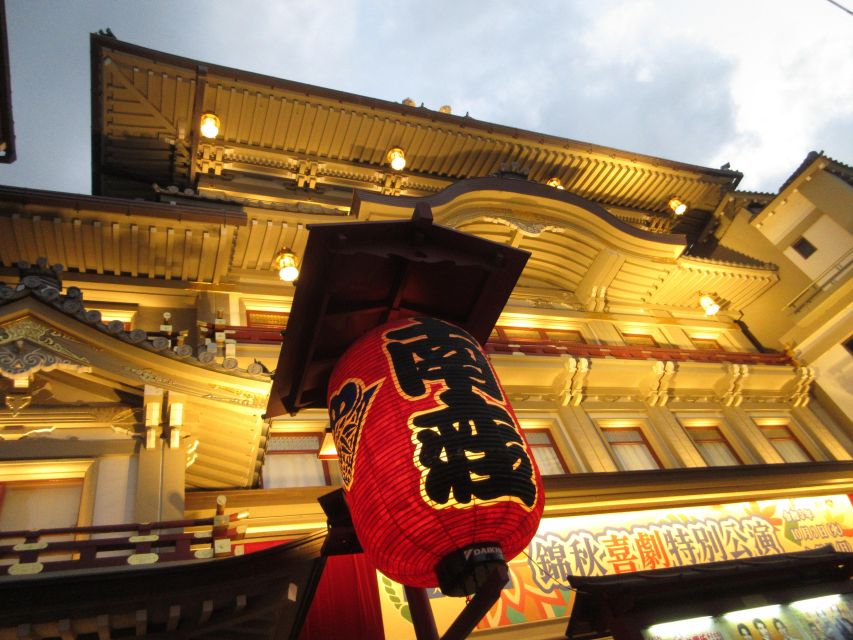
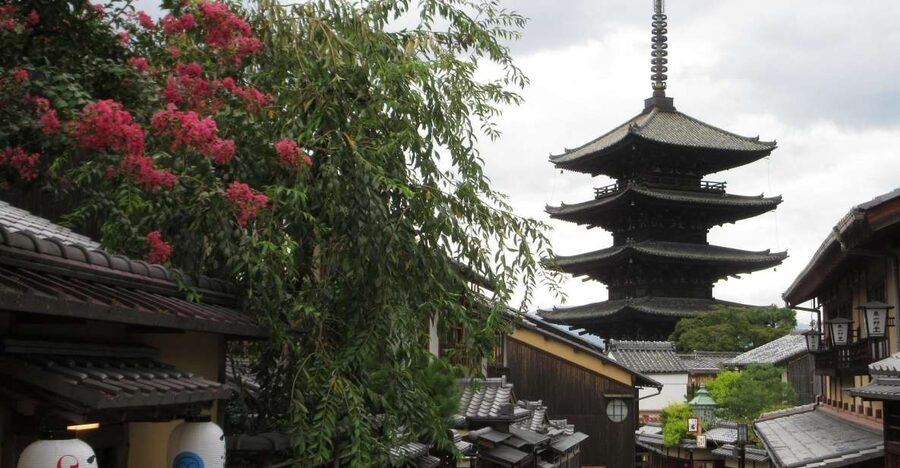
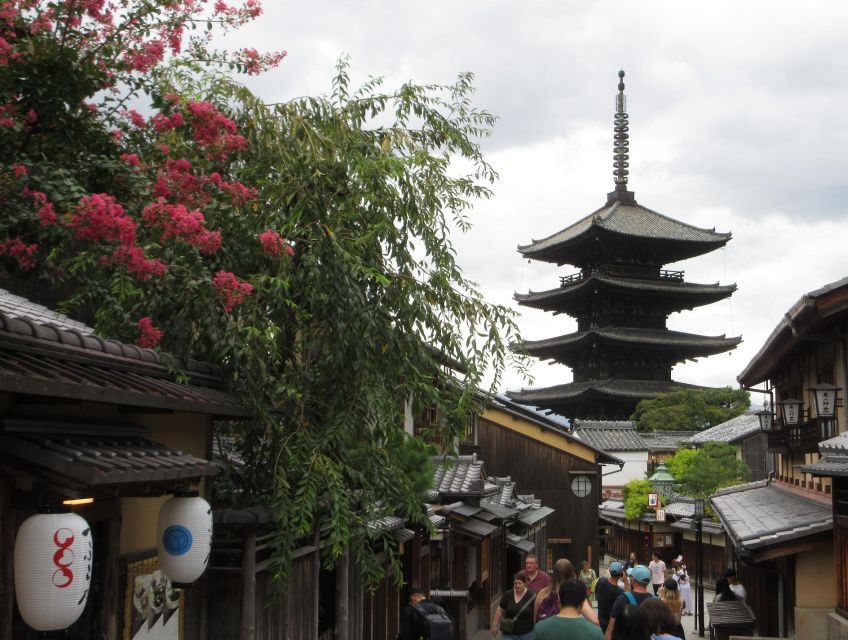
The afternoon begins with a bus ride of about 15 minutes, followed by roughly 15 minutes on foot to Kiyomizu-dera. The approach is part of the experience. Streets leading toward the temple have developed from the eighth century to the present and are lined with souvenir shops, sweet shops, bars, and other places aimed at visitors.
Some people love this lively approach because it gives the temple a sense of arrival. You see how pilgrimage, shopping, snacks, and sightseeing have grown together over time. Others may find the commercial streets crowded or too shop-focused. The tour does not hide that side of Kyoto. It presents the route as a place where religious tradition and modern tourism meet.
The guide explains the historical, cultural, and religious details along the way, pointing out sights and answering questions. This is where a native Kyoto guide can add real value. The streets can look like a continuous run of shops if you do not know what you are seeing. Context helps you separate the old pilgrimage route from the newer layers of retail and entertainment.
Kiyomizu-dera receives about one hour. That gives you time for a guided visit and an overall look at the temple, but the stop is not designed for a slow, solitary exploration. You should expect the guide to establish the meaning of the site and show the key areas rather than provide unlimited time for every shop, view, and photograph.
The approach involves slopes and walking, so comfortable shoes are a sensible choice. The activity is marked as wheelchair accessible, but the route includes buses and foot travel, and the detailed accessibility arrangements are not provided. If you need specific assistance, ask the operator before booking.
Gion-kobu and the world of Maiko and Geiko
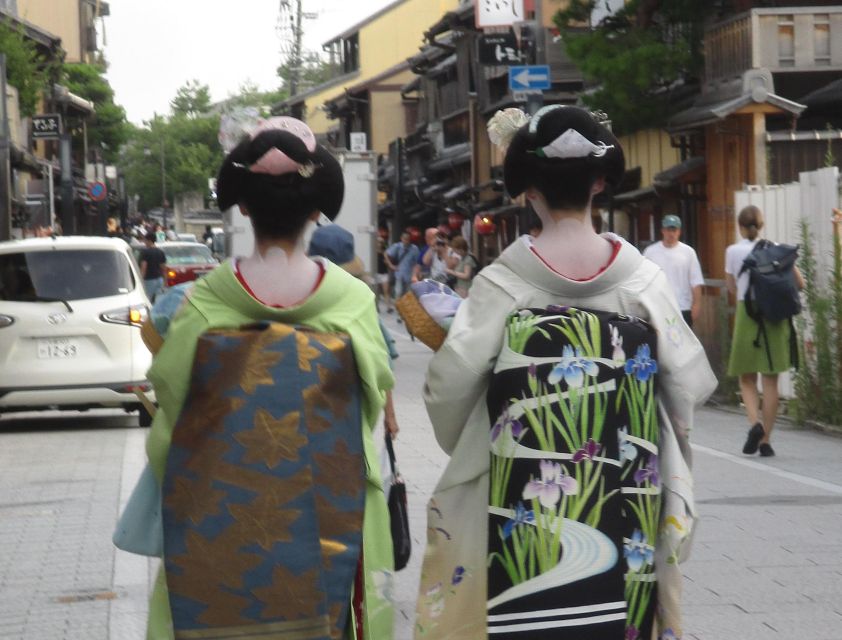
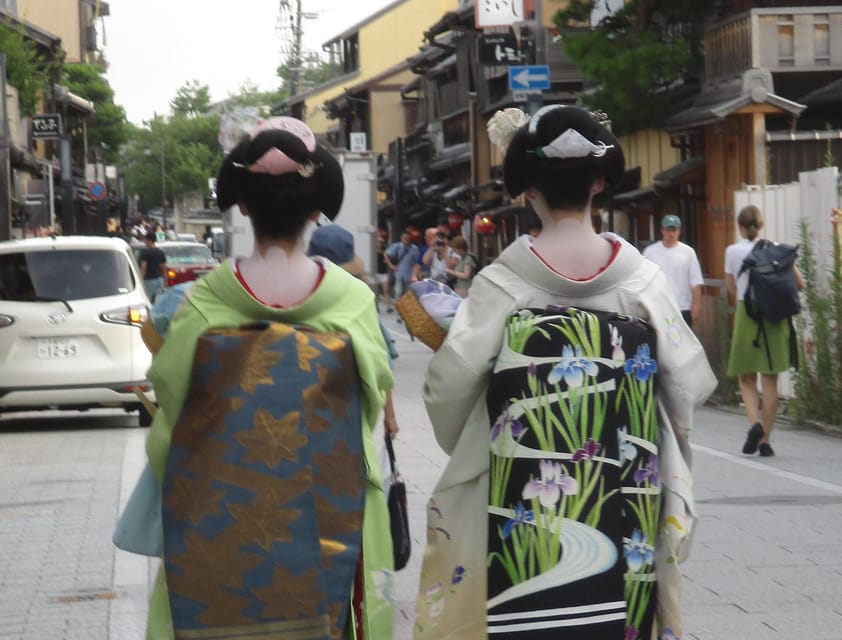
From Kiyomizu-dera, the group walks for about 20 minutes before reaching Gion. A further ten-minute walk brings the tour to its finish at Pontocho. The guided visit in Gion lasts around 20 minutes.
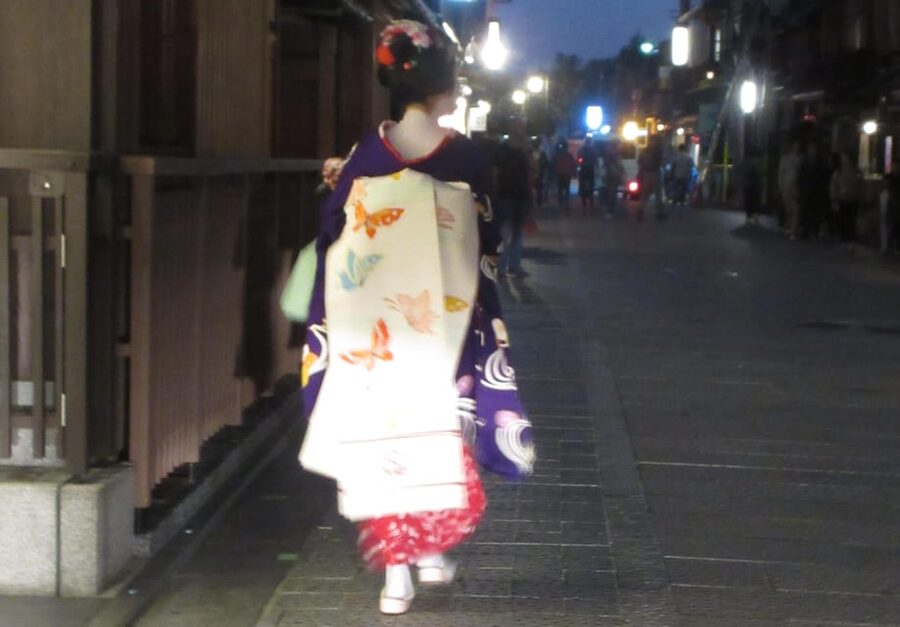
The focus is the Gion-kobu area, one of the Kyoto districts associated with professional Maiko and Geiko artists. The description sometimes uses the spelling Geisya, but Maiko and Geiko are the more useful terms here. The tour explains the cultural setting in which these performers work. It does not promise a private performance or guarantee that you will see a particular artist.
That distinction matters. You are visiting a working cultural district, not entering a theater show arranged for the group. A respectful attitude is essential, and the guide’s explanation can help you understand the area without treating it as a photo set.
The final walk to Pontocho makes practical sense. You finish in central Kyoto, where you can continue your evening independently. The tour does not return you to Kyoto Station after the Gion visit, so check your evening plans before booking. For many people, ending near Pontocho is more useful than retracing the route back to the station.
What the $176 price includes
At $176 per person, this is not a budget sightseeing day. The value depends on how much help you want with logistics and interpretation.
The price includes the scheduled train and bus fares, entrance fees for the monuments in the program, Italian explanatory material about the historical sites, and practical information about travel in Japan upon request. The live guide is the central part of the cost. You are paying for someone to connect Nara’s temple and deer park with Kyoto’s religious sites, explain the background, and assist with questions during a long day.
The small-group limit improves that value. A group of 15 is not private, but it gives the guide a better chance to respond to individual questions than a large coach tour. The very strong ratings, 4.7 from 15 reviews, also point to consistent satisfaction, especially with the guide’s language ability and personality.
Still, you should compare the price with your own comfort level. Independent visitors can arrange trains, buses, temple admission, and the same general sights for less. You may prefer this tour if you want Italian explanations, help with transport, and a fixed plan. If you are confident navigating Kyoto and Nara alone, the premium may feel high.
Who will enjoy this day most
I would recommend it most strongly to Italian-speaking visitors on a first trip to Japan who want the key sights explained rather than simply photographed. It also suits families, since the deer and the giant Buddha give children a clear focus, while the guide can help keep the day moving.
The tour works well for anyone who wants both Nara and Kyoto in one day. You see a major Buddhist temple, a historic park, a pilgrimage route, a famous Kyoto temple, and Gion without planning each connection yourself.
It is less suitable if you want long meals, slow photography, extensive shopping, or quiet time at each temple. The day has several transfers and a fixed sequence. One participant felt the content could have been fuller for the time and cost, even while praising the guide’s courtesy and precision. That is a fair warning: the itinerary is broad, not leisurely.
The operator offers free cancellation up to 24 hours before the start and a reserve-now, pay-later option. Those policies make it easier to hold a place while your plans settle. Check availability for the exact starting time, since the activity is listed as a full day rather than with one universal departure hour.
FAQ
Is the tour conducted in Italian?
Yes. The live tour guide language is Italian, and the included explanatory material is also in Italian. The description also says the guide can answer questions in English, so confirm your preferred language if this matters to you.
Where does the tour begin?
It begins at Kyoto Station, in the space between the four escalators in front of the taxi terminal, east of the north central entrance. Kyoto Tower should appear toward the upper left from that meeting area.
Where does the tour end?
The tour ends at Pontocho after the Gion visit and the final walk.
How long is the train ride from Kyoto to Nara?
The morning train ride takes about 45 minutes. The return train from Nara to Kyoto also takes about 45 minutes.
Are transport fares included?
Yes. The scheduled train and bus fares listed for the tour are included.
Are entrance fees included?
Yes. Entrance fees for the monuments visited in the program are included.
How large is the group?
The tour is a small-group experience limited to 15 participants.
Can the tour be canceled for a refund?
Yes. You can cancel up to 24 hours in advance for a full refund. You can also reserve now and pay later.
Should you book this Kyoto and Nara tour?
Book it if you want Italian guidance, simple transport logistics, and a broad first look at Nara and Kyoto in one demanding but well-organized day. The praise for Omae’s Italian, humor, cultural explanations, and willingness to give people time for photographs is a strong reason to consider it.
Skip it if your priority is low cost or a slow temple visit. At $176, you are paying for guidance and convenience more than for admission tickets alone. For the right person, especially an Italian-speaking first-time visitor, that help can be worth the premium.
Just added around Kyoto
- Kyoto: Kiyomizudera, Sanjusangendo, Ginkakuji and Higashiyama.★ 5.0 · 3 reviews
- Kyoto: Shakyo & Matcha in Historic Temple Garden★ 5.0 · 4 reviews
- Kyoto:Kiyomizu-dera Temple Rent a kimono and ride a rickshaw★ 4.8 · 7 reviews
- KYOTO: Tempio Kiyomizu Pagode Gion “Geisya” (Guida Italiana)★ 4.7 · 17 reviews
- Kyoto:Quiet Arashiyama and Sagano Temples★ 4.8 · 5 reviews
- Kyoto: Kifune Shrine and the Sacred Kifune Valley Day Trip★ 4.4 · 4 reviews
- KYOTO: Golden Pagoda, Bamboo Forest, Arashiyama (Italian)★ 4.9 · 5 reviews
- KYOTO: Tour guidato tra i tesori della città (in italiano)★ 5.0 · 5 reviews
Kyoto Temple Tours, compared.
Osaka/Kyoto:Kinkakuji,Arashiyama,FushimiInariShrine,NaraPark
Read our review →
Kyoto Arashiyama Walking Tour: Bamboo, Monkeys, Gardens & Secrets
Read our review →
Arashiyama Bamboo, Temple, Monkeys, or Secret Sake Brewery
Read our review →
Arashiyama Bamboo Forest, Monkeys, Matcha & Temple Tour
Read our review →
Osaka/Kyoto: Arashiyama, Nara & Fushimi Inari Shrine w/Lunch
Read our review →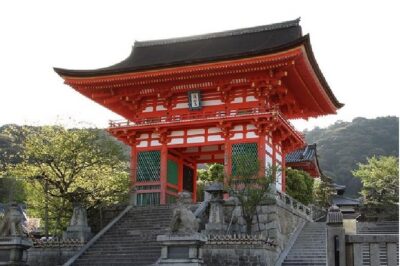
Kyoto Zen Meditation & Garden Tour at a Zen Temple with Lunch
Read our review →Browse the lists this tour appears in