
Review · KYOTO
Candlelit Zen: Evening Meditation at Kyoto’s Secret Temple
Quiet Kyoto feels different after sunset. This 70-minute Zen session takes you into a temple not open to the general public, where a monk explains Zazen, leads seated meditation, and shares tea beside a garden. I like the candlelit setting and the chance to speak with a monk rather than simply tour another famous temple. I also like that the private group can include up to nine people, making it workable for families and small groups. The main drawback is the price: at $774 per group, it offers good value for nine people, but feels costly for a couple.
You meet at the toilet on the northern side of Kodaiji Park, not at the temple itself. That meeting point is practical but not especially elegant, so allow time to find the guide. Communication by WhatsApp helped one group locate the meeting spot, and guide Soma was praised for being kind and helpful. This is an evening-only experience, so it fits best after a day of sightseeing, not as a quick daytime stop.
What makes this Kyoto meditation worth your evening
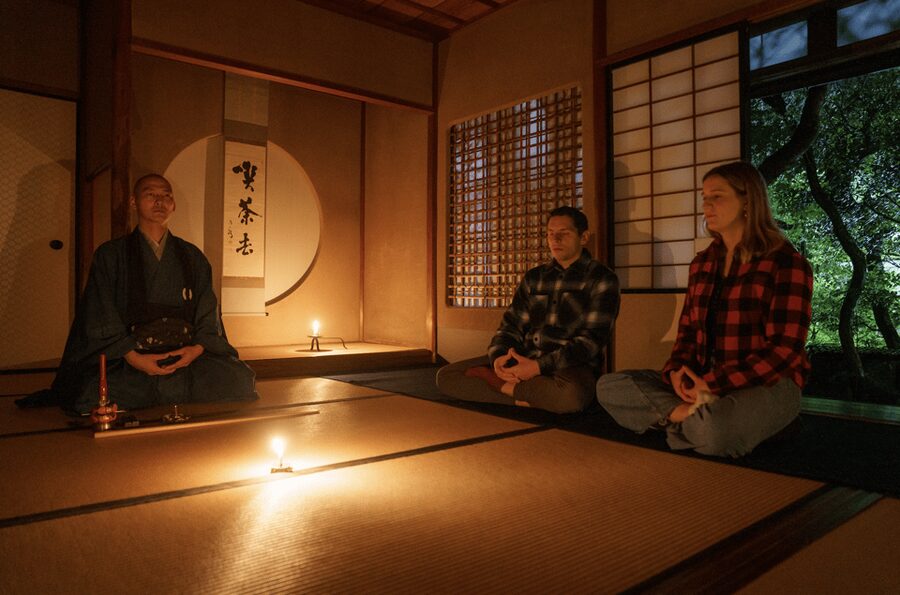
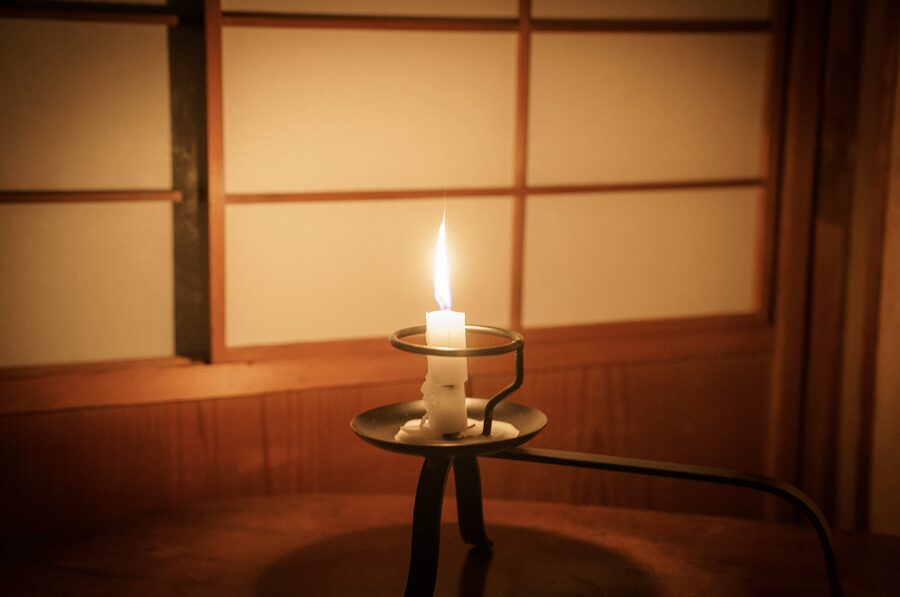
- Candlelight changes the mood: Soft candlelight and a moss garden give the meditation a quiet, memorable setting.
- A monk leads the practice: You learn the principles and techniques of Zazen directly from a Buddhist monk.
- The temple is not open to the general public: Entry provides access to a private setting rather than a standard public temple visit.
- The group stays private: Your booking covers up to nine people, with an English-speaking guide.
- Tea closes the session: After meditation, you sit with tea, garden views, and time for discussion.
- Families can take part: A group with children aged 12 to 18 found the session worthwhile for everyone.
Meeting at Kodaiji Park before the temple visit
Your evening begins at Kodaiji Park, at the toilet on its northern side. The guide waits there, so look for the correct side of the building rather than wandering toward the temple entrance and hoping to spot the group.
This is the one part of the experience that needs a little care. The meeting point is specific, but it is not the sort of place that immediately feels like a tour office. I would arrive early, keep the guide’s contact details handy, and avoid assuming the temple itself is the meeting place.
An English-speaking guide accompanies the group. Guide Soma received especially warm praise for being friendly and helpful, and WhatsApp communication made it easier for one small group to find the starting point. That practical help matters in Kyoto, where narrow lanes, temple walls, and evening darkness can make a simple meeting point less obvious than expected.
Once everyone is together, you enter through a separate entrance. This allows the private group to avoid a standard public entrance line, though the main benefit is access to a temple space that is not generally open to the public.
A few more temple visits around Kyoto worth a look
- Kyoto: Tea Ceremony Ju-An at Jotokuji Temple
★ 4.9 · 3,207 reviews - Arashiyama Bamboo, Temple, Monkeys, or Secret Sake Brewery
★ 4.8 · 886 reviews - Kyoto: Arashiyama Bamboo Forest, Monkeys, Matcha & Temple Tour
★ 5.0 · 759 reviews
A private temple setting after dark
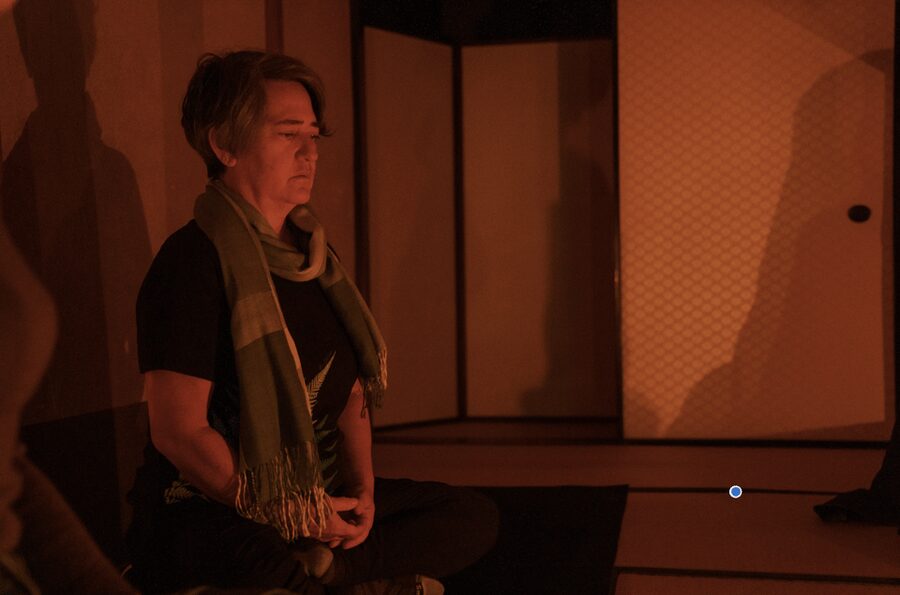
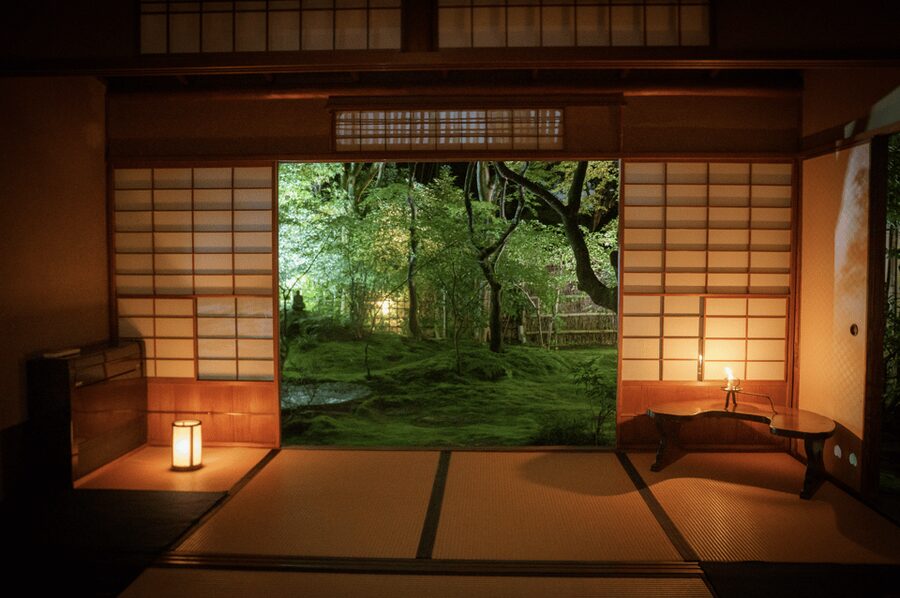
The setting is a major part of the experience. You are not sitting in a bright classroom or a busy cultural center. You enter a hidden Kyoto temple in the evening, with candles providing the main visual focus and a moss garden adding a soft natural backdrop.
Several details make this setting especially appealing. The moss garden was repeatedly singled out as beautiful, and the combination of candlelight and garden views gives the session a strong sense of place. You can also take photographs inside the temple and with the monk, creating a record of the visit after the formal meditation has ended.
Photography is allowed, but flash photography is not. That rule is easy to follow and protects the quiet atmosphere. I would keep your phone ready for the garden and temple views, then put it away once the meditation starts. Food and drinks are not allowed inside the temple, so finish dinner or snacks before you arrive.
The temple is not presented as a sightseeing stop with a long list of rooms and objects to inspect. Its value comes from the setting and the time spent there. If you want a broad architectural tour, this is not the right choice. If you want a calm place to sit, listen, and practice, the restricted access makes the visit feel more personal.
Learning what Zazen actually asks of you
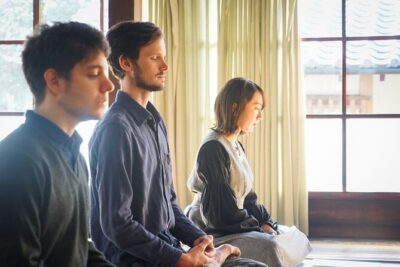
The monk begins with a lecture on Zazen, the seated meditation practice central to Zen Buddhism. You learn the basic principles and techniques before trying them, which gives the session more substance than simply being told to sit quietly.
The introduction also touches on Japanese culture and Zen. One participant especially valued learning about different Buddhist sects, so the conversation can go beyond breathing instructions and posture. The exact depth of the explanation may depend on the questions your group asks, but the format gives you a chance to connect meditation with Japanese religious life.
Zazen is not offered as a magic trick for instant calm. The practice asks you to sit, breathe rhythmically, and notice what is happening in your mind. The language used for the session includes self-awareness, confronting yourself, and letting go of ego and worldly concerns. That may sound lofty, but the practical point is simple: you stop moving, focus on breathing, and give your attention one task.
You do not need prior meditation experience. The session is designed to explain the practice first, then give you a guided chance to try it. That makes it suitable for a first encounter, while people who already meditate may appreciate the setting and the chance to learn from a monk.
The candlelit meditation session
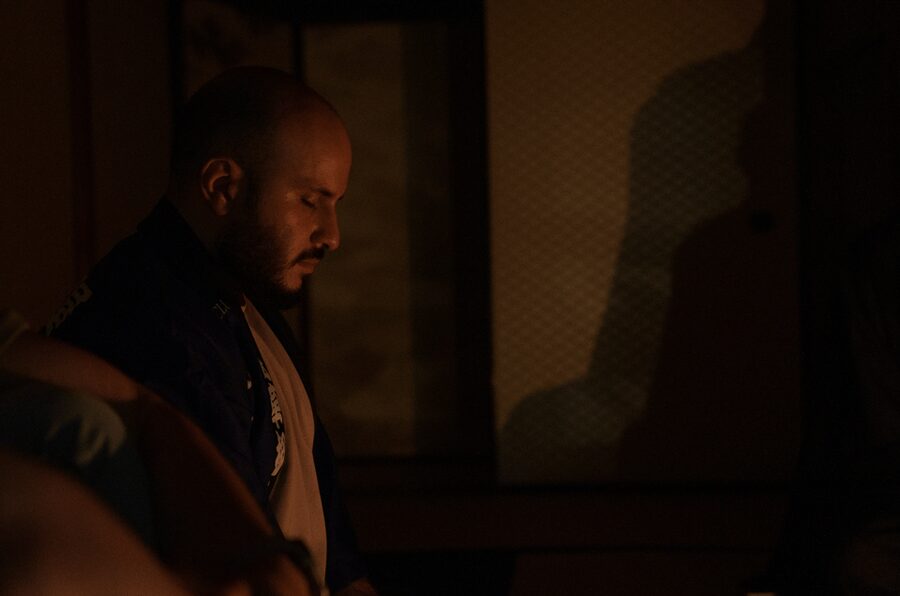
The actual practice is the heart of the evening. After the explanation, you sit for Zazen with the monk guiding the group. The candlelight gives you a fixed, gentle visual atmosphere, while the temple setting removes many of the distractions found in a normal sightseeing day.
I like the fact that the meditation is not separated from the cultural experience. You are not simply handed a breathing exercise and sent on your way. The monk explains the practice, then guides you through it in a place connected to Zen Buddhism.
The session may feel very peaceful, but it still requires patience. If you find sitting quietly difficult, the 70-minute length can feel substantial, especially after a full day in Kyoto. That is not a flaw in the activity, but it is worth considering before booking. This is a meditation experience first, with sightseeing elements around it.
Families can make it work. A group of seven with four children aged 12 to 18 found that everyone enjoyed the session, although each person took something different from it. That is a useful clue: you do not need to share the same expectations. A teenager may appreciate the unusual setting, while an adult may focus more closely on the breathing practice.
Same place, a different morning at the gates:
- Osaka/Kyoto:Kinkakuji,Arashiyama,FushimiInariShrine,NaraPark
★ 4.1 · 1,596 reviews - Kyoto Arashiyama Walking Tour: Bamboo, Monkeys, Gardens & Secrets
★ 5.0 · 1,216 reviews - Osaka/Kyoto: Arashiyama, Nara & Fushimi Inari Shrine w/Lunch
★ 4.4 · 754 reviews - Kyoto 1 Day Tour from Kyoto
★ 4.0 · 582 reviews
Tea, garden views, and conversation with the monk
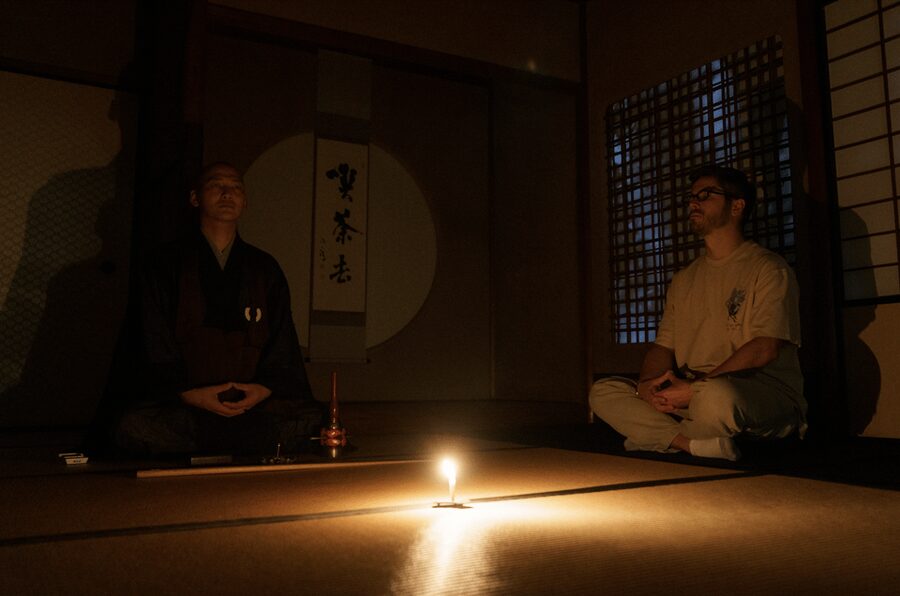
After the meditation, the pace shifts. You drink tea while looking out at the temple gardens, then have time to discuss the experience with the monk. This closing conversation is important because it gives you a chance to ask questions rather than leaving as soon as the meditation ends.
The tea is not described as a full formal tea ceremony with a long sequence of demonstrations. It is better understood as a quiet tea experience after meditation, paired with garden views and conversation. That distinction matters if you are specifically seeking a detailed lesson in tea preparation.
The garden is one of the evening’s strongest visual features. The moss, candlelight, and nighttime setting create the kind of scene that stays in your memory, even though the visit itself is brief. You can take photographs at this point, including photographs with the monk, as long as you continue to avoid flash.
The discussion also gives the experience a human side. A monk who has just guided your meditation can explain more about Zen, Japanese culture, or the ideas raised during the session. I would prepare one or two questions in advance if you have a particular interest, since the conversation may be your best chance to make the visit personal.
How the $774 group price works
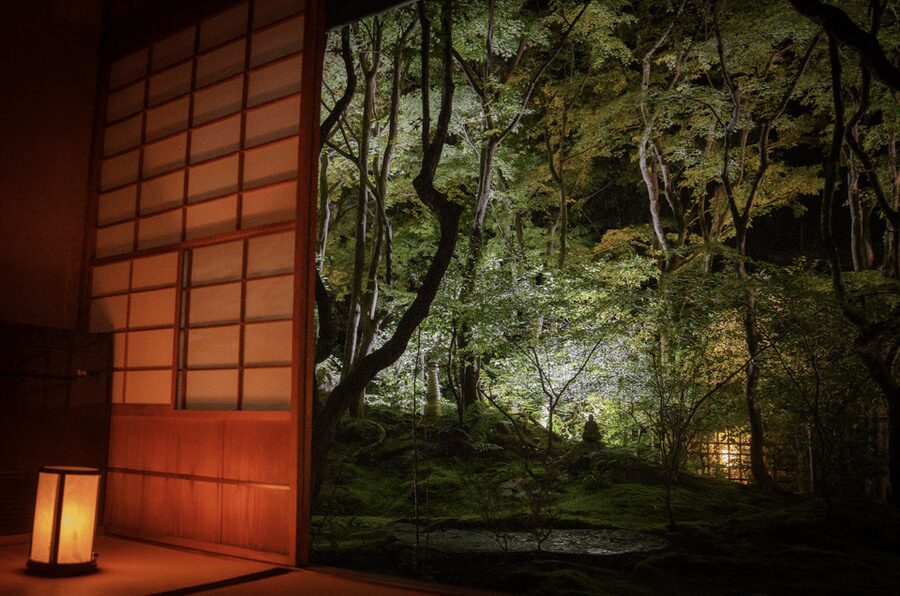
The listed price is $774 per private group of up to nine people. That pricing makes the experience much easier to justify for a full group than for one or two people.
Here is the rough cost before any additional booking charges:
- Nine people: about $86 per person
- Seven people: about $111 per person
- Four people: about $194 per person
- Two people: $387 per person
For nine people, you receive temple entry, an English-speaking guide, a monk-led lecture, guided Zazen practice, tea, and a private group setting. That is a fair price for a restricted-access cultural experience, particularly if you value personal contact over a standard temple visit.
For a couple, the calculation changes. You are paying for privacy and the monk’s time, not simply for 70 minutes of sightseeing. If your budget is tight, a public temple visit and an independent meditation session will cost less. They will not offer the same private setting or direct conversation with a monk.
The group size also affects the atmosphere. A group of four can feel especially comfortable and personal. A group of nine remains private, but it may feel less intimate during the conversation. Families and friends may prefer filling the booking, while solo visitors should think carefully about the high per-person cost.
Who will enjoy this most
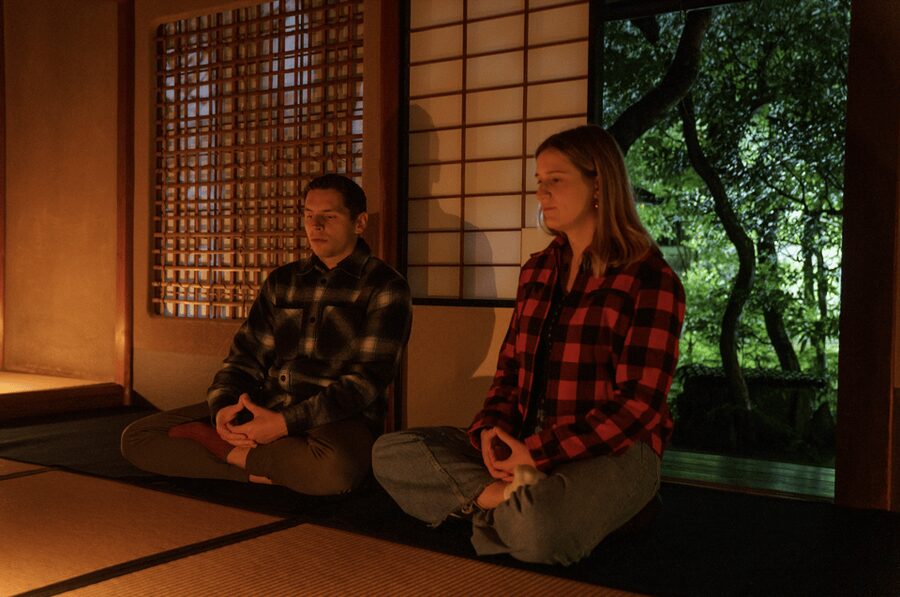
I would recommend this experience to you if you want a calm cultural activity and are willing to give most of the hour to sitting and listening. It suits people who are curious about Zen but do not want a full retreat or a highly technical meditation course.
It is also a good fit for:
- Families with older children and teenagers
- Couples who value a private cultural experience
- Small groups sharing the cost
- Visitors who want an evening activity beyond food and nightlife
- People interested in Japanese Buddhism and culture
- Anyone looking for a quiet setting after a busy day
You may want to skip it if you want a fast temple visit, extensive sightseeing, or a long tour of Kyoto architecture. It is also a poor match if your group cannot sit quietly or has no interest in meditation.
The English language option keeps the experience accessible, but the session is still built around silence and concentration. You will get more from it if you arrive ready to slow down rather than expecting constant explanation.
Timing, practical rules, and cancellation
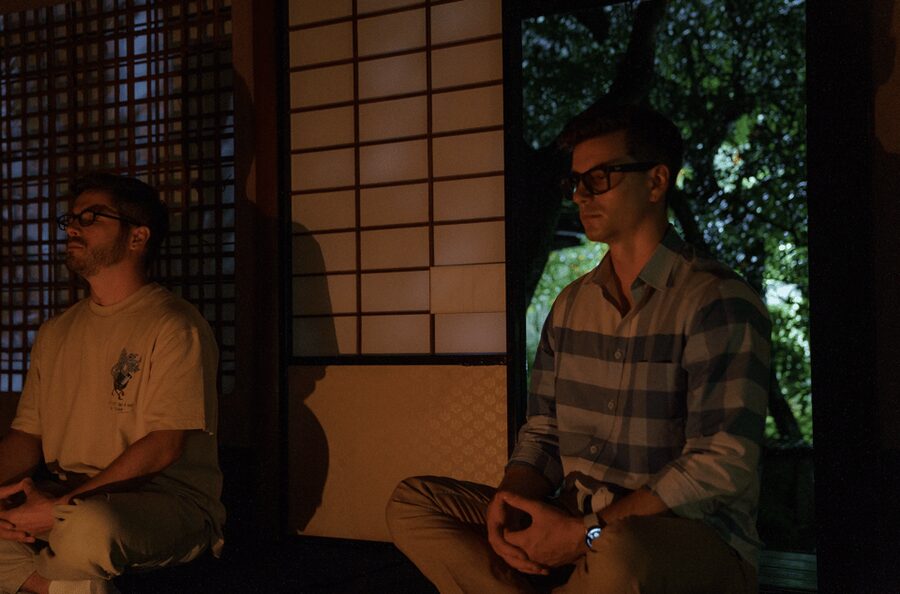
The session takes place in the evening and lasts 70 minutes. Starting times vary, so check availability for your date. Since hotel pickup and drop-off are not included, you must make your own way to Kodaiji Park and continue independently after the session.
You can cancel up to 24 hours before the start time for a full refund, and the reserve-now, pay-later option allows you to hold a place without paying immediately. Those policies are useful if your Kyoto schedule may change.
Remember the simple temple rules: no food or drinks inside, and no flash photography. Wear something that allows you to sit comfortably, though no special clothing requirement is provided. Most important, arrive at the northern side of the toilet in Kodaiji Park, where the guide waits.
Is this candlelit Zen experience worth booking?
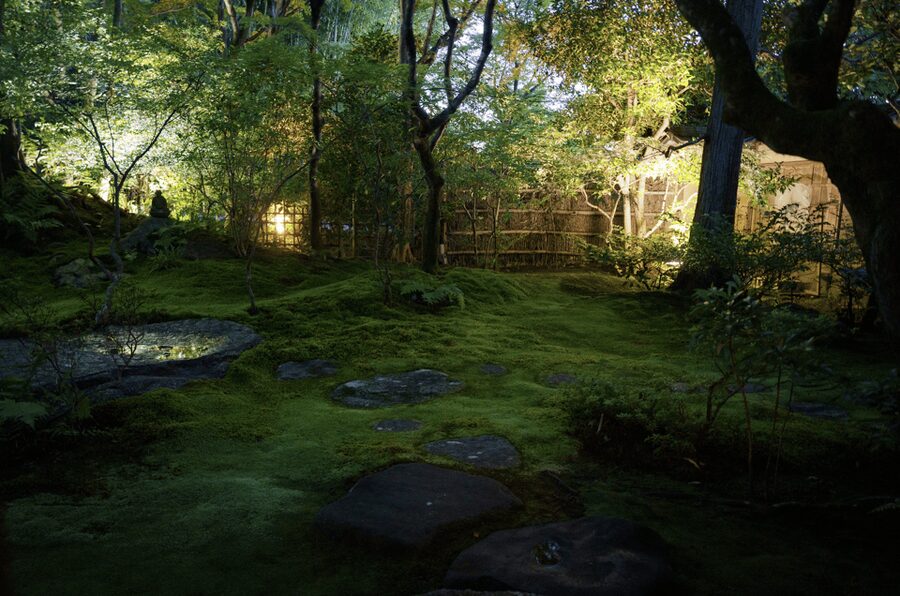
I would book it if you want a personal, quiet evening and can share the cost with a group. The private temple access, monk-led Zazen, candlelight, moss garden, tea, and conversation offer more than a quick photo stop.
I would hesitate if you are booking for only one or two people and are mainly interested in seeing a temple. At that price, the experience needs to matter to you as a cultural encounter, not just as another item on a Kyoto checklist.
For the best value, bring a small group of friends or family members. For the best mindset, arrive without expecting a dramatic transformation. Give the candles, breathing, monk, and garden enough attention, and you may leave with exactly what a busy Kyoto day often lacks: a little stillness.
FAQ
Where does the experience take place?
It takes place at a hidden temple in Kyoto on Honshu, Japan. The temple is not open to the general public.
Where is the meeting point?
Meet at the toilet in Kodaiji Park. The guide waits on the northern side of the toilet.
How long does the experience last?
The experience lasts 70 minutes.
Does the experience take place during the day?
No. The experience takes place in the evening.
Is the experience conducted in English?
Yes. An English-speaking live guide accompanies the private group.
What is included?
The booking includes the Zen experience, entry to the temple, a lecture on meditation principles and techniques, and practice of Zazen.
Is hotel transportation included?
No. Hotel pickup and drop-off are not included.
Can I take photographs?
Yes. Photography is allowed, but flash photography is not permitted.
Can I bring food or drinks into the temple?
No. Food and drinks are not allowed inside the temple.
Can I cancel for a refund?
Yes. You can cancel up to 24 hours in advance for a full refund. You can also reserve now and pay later.
Just added around Kyoto
- Kyoto: Kiyomizudera, Sanjusangendo, Ginkakuji and Higashiyama.★ 5.0 · 3 reviews
- Kyoto: Shakyo & Matcha in Historic Temple Garden★ 5.0 · 4 reviews
- Kyoto:Kiyomizu-dera Temple Rent a kimono and ride a rickshaw★ 4.8 · 7 reviews
- KYOTO: Tempio Kiyomizu Pagode Gion “Geisya” (Guida Italiana)★ 4.7 · 17 reviews
- Kyoto:Quiet Arashiyama and Sagano Temples★ 4.8 · 5 reviews
- Kyoto: Kifune Shrine and the Sacred Kifune Valley Day Trip★ 4.4 · 4 reviews
- KYOTO: Golden Pagoda, Bamboo Forest, Arashiyama (Italian)★ 4.9 · 5 reviews
- KYOTO: Tour guidato tra i tesori della città (in italiano)★ 5.0 · 5 reviews
Kyoto Temple Tours, compared.
Osaka/Kyoto:Kinkakuji,Arashiyama,FushimiInariShrine,NaraPark
Read our review →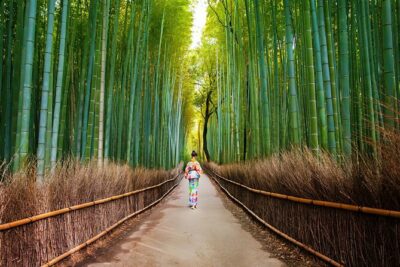
Kyoto Arashiyama Walking Tour: Bamboo, Monkeys, Gardens & Secrets
Read our review →
Arashiyama Bamboo, Temple, Monkeys, or Secret Sake Brewery
Read our review →
Arashiyama Bamboo Forest, Monkeys, Matcha & Temple Tour
Read our review →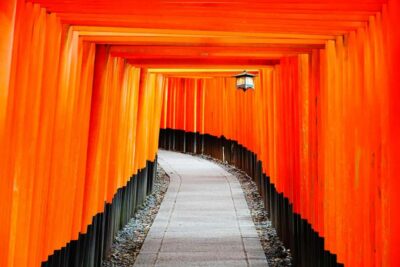
Osaka/Kyoto: Arashiyama, Nara & Fushimi Inari Shrine w/Lunch
Read our review →
Kyoto Zen Meditation & Garden Tour at a Zen Temple with Lunch
Read our review →Browse the lists this tour appears in