
Review · KYOTO
Kyoto: Private Walking Tour with Kiyomizu Temple & Gion
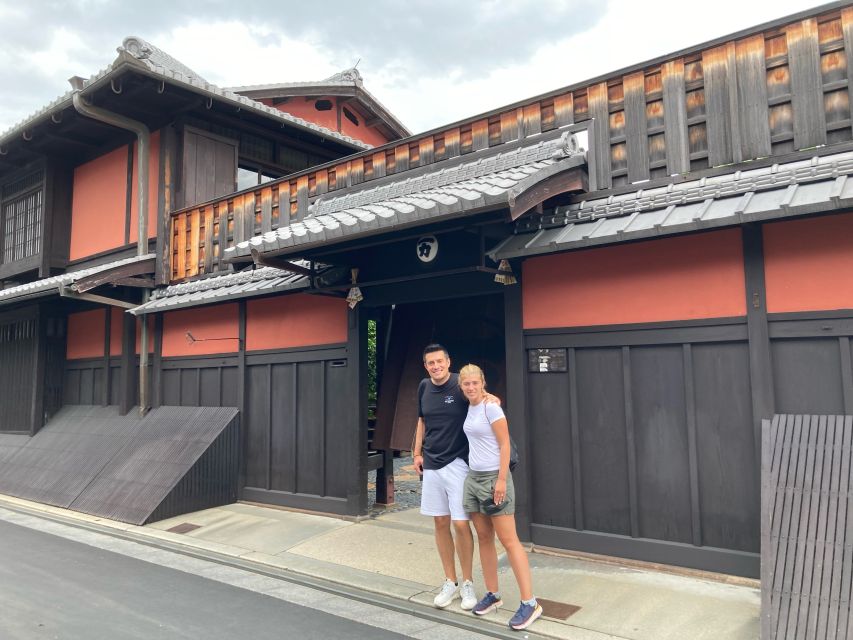
Kyoto rewards curious walkers. This private tour links Kiyomizu Temple, Gion, and Nishiki Market in one well-packed morning or afternoon, with a local guide to explain customs that are easy to miss on your own. I especially like the private format and the chance to learn the correct way to pray at Yasaka Shrine.
I also like the mix of grand sights and ordinary Kyoto streets, from Kiyomizu’s famous observatory to small food stalls at Nishiki Market. The main concern is the distance: you will walk more than 3 miles, or 5 kilometers, and the route includes temple grounds and traditional streets. That makes comfortable shoes essential, and the experience may not suit anyone with limited mobility.
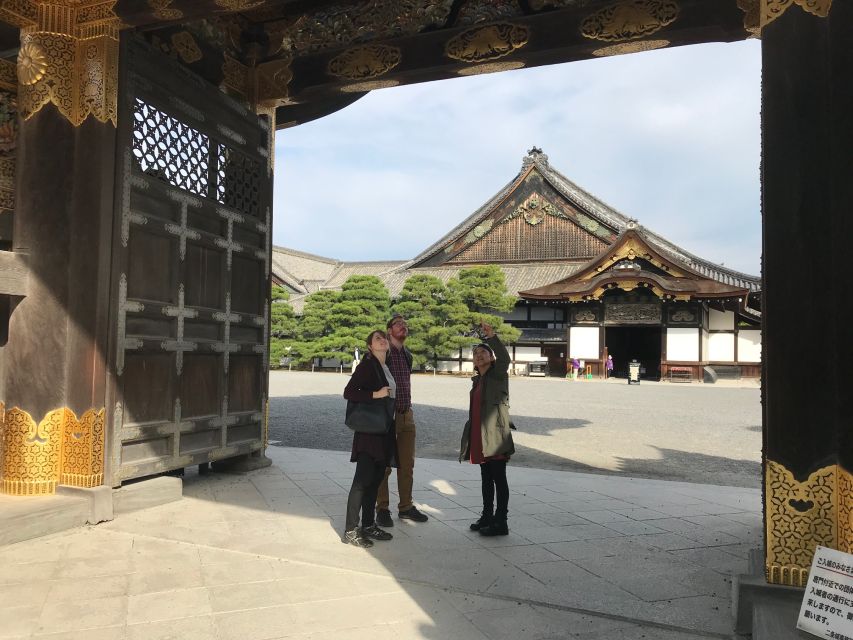
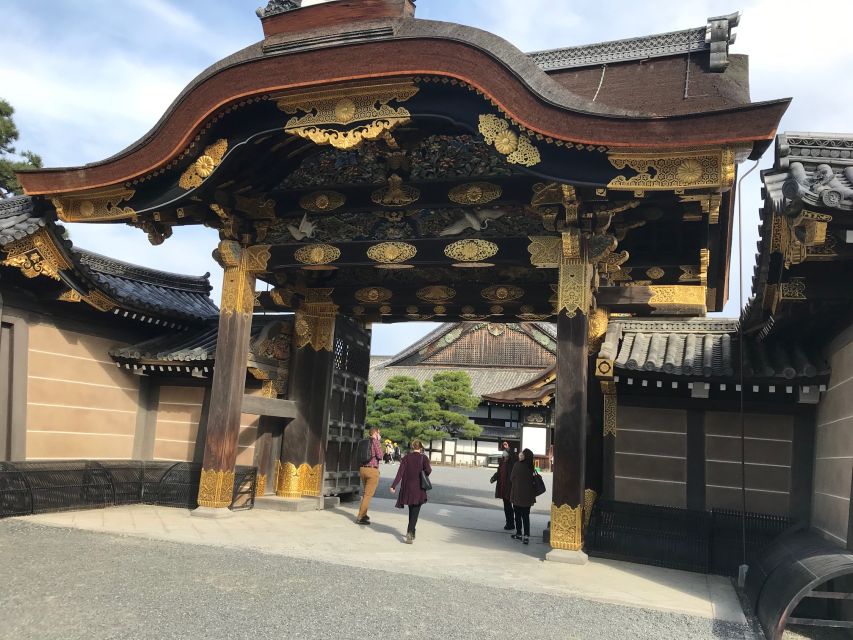
- Kiyomizu Temple’s observatory provides the tour’s big visual moment, with a guide explaining the temple as you move from the gate to the main building.
- Ninenzaka and Sannenzaka add old Kyoto streets, food shops, and souvenir stores between major sights.
- Yasaka Shrine turns a quick photo stop into a useful lesson in shrine etiquette and prayer.
- Gion’s backstreets offer a quieter look at the district’s ochaya teahouses and traditional streets.
- Nishiki Market is the best place on this route to pause for local snacks, tea, pickles, fried foods, and kitchen goods.
- Phillip, one of the guides, earned especially strong praise for detailed explanations, friendly service, and careful attention to the group.
A Smart Way to See Several Sides of Kyoto
Kyoto can feel scattered at first. Kiyomizu Temple sits east of the central shopping streets, Gion spreads below it, and Nishiki Market lies farther into downtown. This tour connects those areas on foot, so you spend less time deciding where to go next and more time understanding what you are seeing.
The tour lasts 210 minutes, or three and a half hours. That is long enough to cover a useful slice of eastern and central Kyoto, but short enough to fit around other plans. You receive a private English-speaking guide for your group, with pickup included from your hotel lobby. Wait there five minutes before the agreed time.
The price is $174 for up to two people. For a pair, that works out to $87 each before temple admission and any taxi or public transportation costs. That is not the cheapest way to see Kyoto, but the value improves if you want personal attention, help with shrine customs, and a flexible pace. A private guide can also make the route more useful for a first visit than a large group moving from stop to stop.
Keep your bag small. Large bags and luggage are not allowed on the tour, and you will be walking for more than 5 kilometers.
Starting at Kiyomizu Temple
Kiyomizu Temple gives the tour a strong opening. Your guide begins with the main gate, then takes you inside the main building before reaching the large observatory. Each point offers a different way to understand the site, rather than treating the temple as one quick photo stop.
The observatory is the visual highlight. It is the place to pause, take in the views, and hear why this part of Kiyomizu is so well known. Your guide can also explain the temple’s past and the purpose of the buildings as you move through them.
This is where the walking demands begin. Temple approaches and historic lanes are not the same as a flat city sidewalk, so take the warning about footwear seriously. Sandals that slip or shoes with little support can make the rest of the route less pleasant.
Entrance to Kiyomizu Temple is not included. You should plan for that extra cost when comparing the tour price with a self-guided visit. Taxi or public transportation to Kiyomizu Temple is also separate, although hotel pickup is included.
More Temple Walking Tours in Japan
- Kyoto Arashiyama Walking Tour: Bamboo, Monkeys, Gardens & Secrets
★ 5.0 · 1,216 reviews - Kyoto Tea Ceremony & Kiyomizu-dera Temple Walking Tour
★ 5.0 · 115 reviews - Kyoto: Fushimi Inari Shrine Walking Tour
★ 5.0 · 72 reviews
Browsing Ninenzaka and Sannenzaka
After Kiyomizu Temple, the route continues through Ninenzaka and Sannenzaka. These streets are lined with food shops and souvenir stores, giving you a more commercial but still distinctly Kyoto setting.
I like this section because it creates breathing room after the temple. You can look at local foods, browse gifts, and notice the traditional street setting without needing to rush straight to the next shrine. If something catches your eye, your private guide can help explain what it is, although the tour still has several major stops ahead.
The tradeoff is that these lanes can be tempting. It is easy to spend too much time shopping and then feel hurried later at Gion or Nishiki Market. I would treat this section as a preview, saving serious food purchases for the final market unless your guide suggests otherwise.
Learning Shrine Customs at Yasaka Shrine
Yasaka Shrine sits at the eastern end of the Gion district. Here, the tour shifts from Buddhist temple architecture to Shinto practice, which makes the stop useful for understanding the difference between two important Japanese religious traditions.
Your guide explains how to pray properly at a Japanese shrine. That practical instruction is one of the tour’s best features. Instead of simply copying the nearest person, you learn what to do at the main stage and why the actions matter.
You will also hear what the main stage was set up for. Another stop involves touching underground water said to improve the beauty of body and mind. You should treat that as a traditional belief rather than a promise, but it adds a memorable bit of local custom to the visit.
Yasaka Shrine is more than a quick landmark between Kiyomizu and Gion. It gives you a chance to participate respectfully, even if you know little about Japanese religious etiquette before arriving.
Walking Into Gion’s Traditional Streets
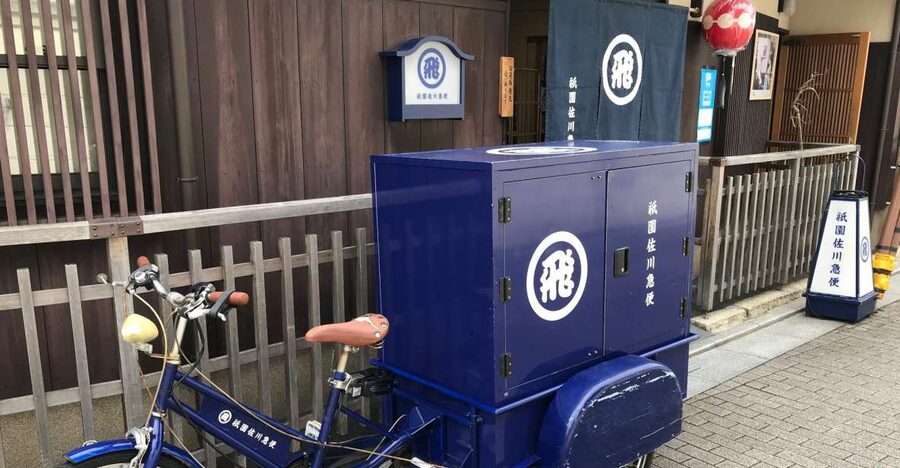
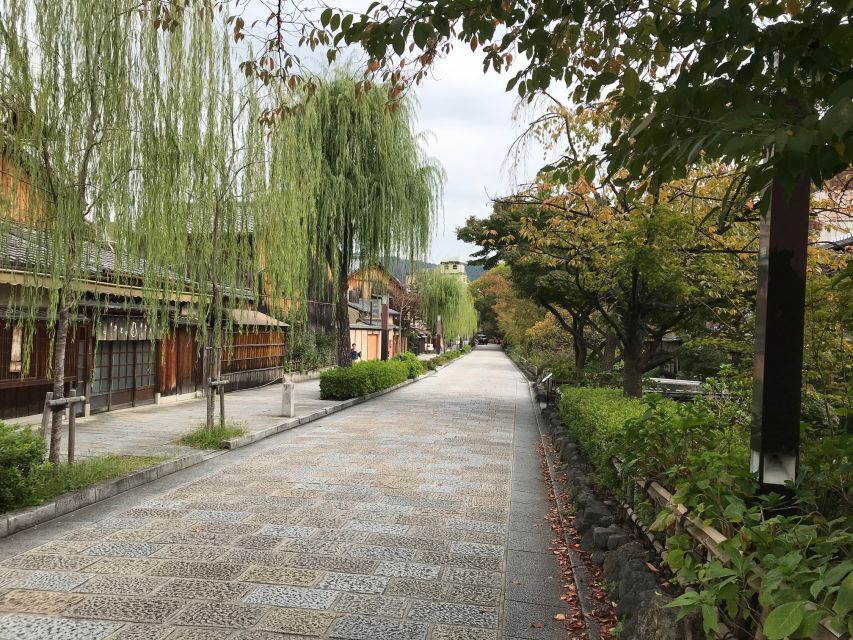
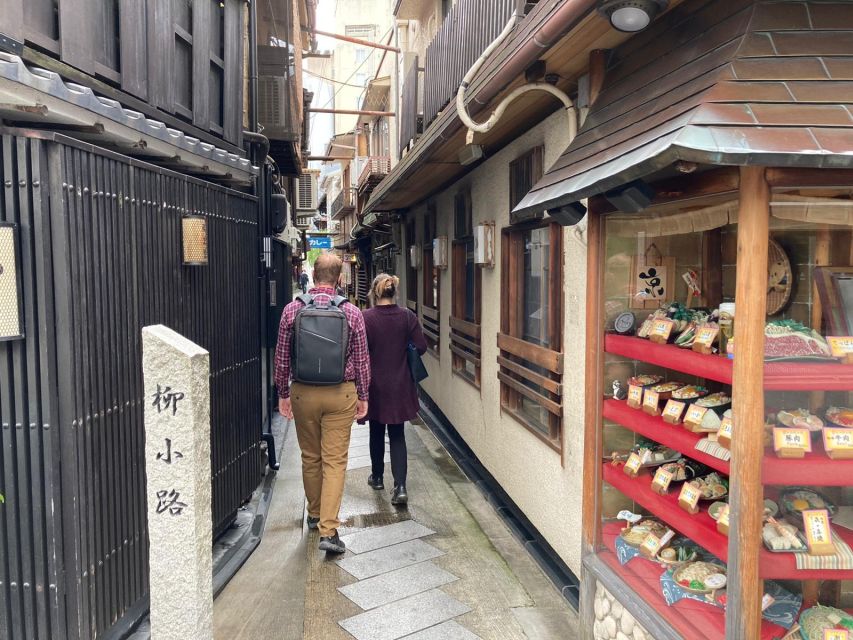
From Yasaka Shrine, the route enters Gion. You will see Minamiza Kabuki Theatre and walk along Hanamikoji Street, one of the district’s best-known traditional thoroughfares. Your guide then takes you onto smaller backstreets where ochaya teahouses can be found.
This is an important distinction. Gion is not only a photo backdrop. It is a working neighborhood connected with traditional entertainment, and the backstreets give you a better sense of that than the main road alone. An informed guide can explain what the buildings are used for and why the district has such a careful, traditional appearance.
Do not expect to meet a maiko or geisha during the daytime. The tour makes that clear. You might see one if you return to Gion in the evening, but no sighting is promised, and respectful behavior matters. The backstreets are not a stage built for visitors, so keep your voice low and avoid blocking doorways.
The private format works well here. You can ask questions without holding up a large group, and your guide can adjust the explanation to your interests. Phillip received particularly strong praise for giving detailed background and making the places interesting. That kind of guide is especially useful in Gion, where a short explanation can add meaning to an otherwise quiet lane.
More Temple Walking Tours in Kyoto
- Kyoto: Fushimi Inari Taisha Shrine Walking Tour with Guide
★ 4.8 · 18 reviews - Kyoto Tea Ceremony & Kiyomizu-dera Temple Walking Tour
★ 4.5 · 4 reviews
Optional Downtown Streets Before the Market
If time allows, the route may continue through Shin Kyogoku Street, Sanjo Street, and Kiyamachi Street before reaching Ponto Street. This portion gives you a look at Kyoto’s downtown shopping and dining side.
You will find shops, cafes, and restaurants along the way. It is also the most natural place to pause for coffee or lunch if you need a break. Since the tour has a fixed duration and several required sights, this part depends on the pace of the earlier stops.
That flexibility is useful, but it also means you should not assume every optional street will receive equal time. If you care most about Nishiki Market, tell your guide early. If you would rather stop for lunch or see more of the downtown streets, that preference can help shape the remaining walk.
Ponto Street is a fitting link between old-style Kyoto and the modern city around it. The route does not leave you with only temples and shrines. It shows how historic districts, shops, restaurants, and ordinary city life sit close together.
Sampling Kyoto at Nishiki Market
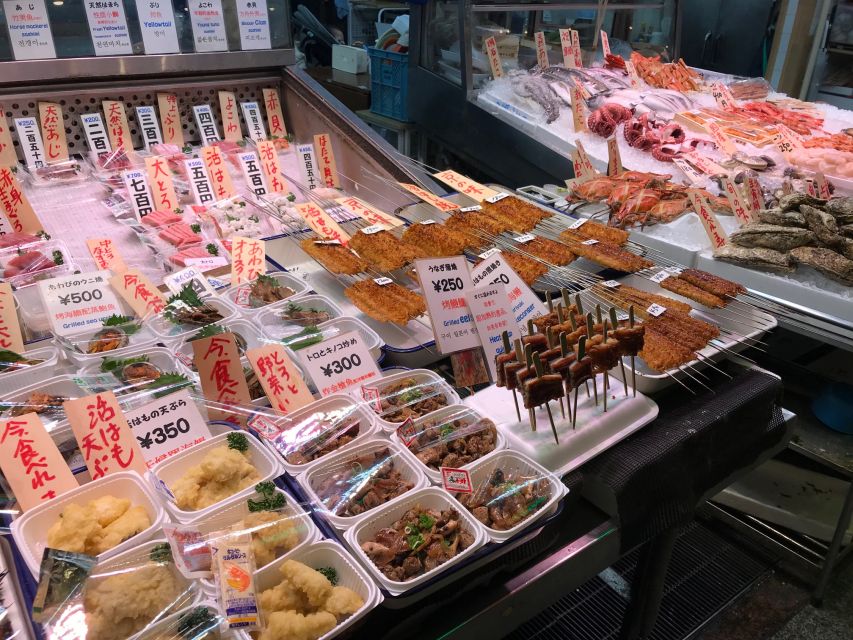
Nishiki Market is the final major stop, and it gives the tour a lively finish. The market offers a broad selection of foods, including seafood, Japanese pickles, karaage, takoyaki, Japanese spices, ice cream, green tea, and egg rolls.
You can stop, taste, and buy as you go. This makes Nishiki more than a place for photographs. It is a practical introduction to flavors and snacks you may not recognize in a restaurant. Small purchases also let you try something without committing to a full meal.
The market has useful souvenirs for cooks and food lovers. You may find Japanese knives, teacups, and plates, so leave room in your luggage if you plan to shop. Remember that large bags are not allowed during the tour, and carrying fragile purchases for the rest of the walk may be inconvenient.
Nishiki can also be the most expensive part of the outing if you sample without watching your spending. Since food and shopping are not included in the tour price, bring a payment method and set your own limit. The guide can help identify foods, but you pay for anything you choose to eat or buy.
What the Private Format Adds
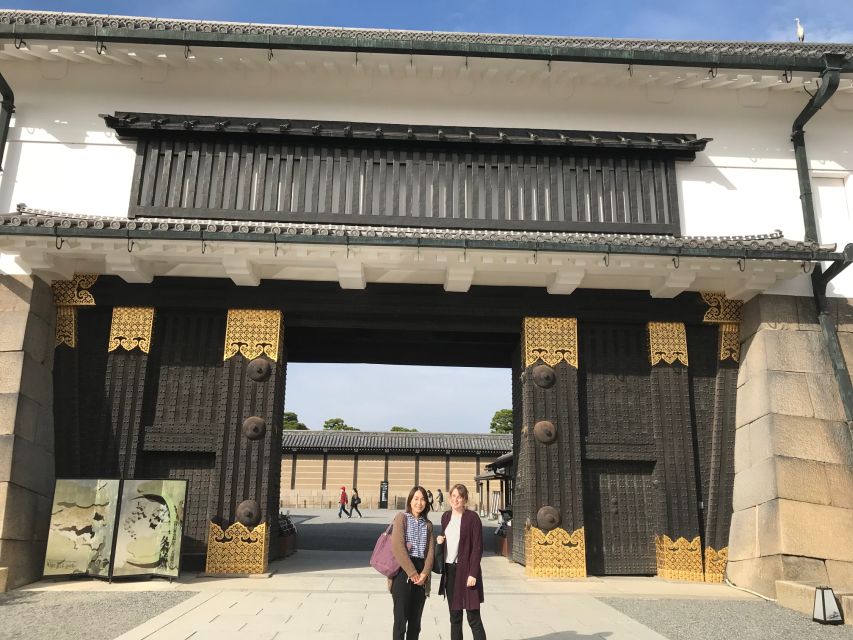
A private tour changes the feel of the day. You are not following a large group with one fixed pace, and you can ask about a temple detail, a shrine ritual, or a food item when the question occurs to you.
That matters most at Yasaka Shrine and Nishiki Market. At the shrine, you receive direct instruction on prayer. At the market, you can stop for a taste or ask about an unfamiliar ingredient without worrying that the group will move on immediately.
The private setup also makes the $174 price easier to assess. For two people, you share the guide fee rather than paying separate full tour prices. For one person, it is a much higher per-person cost, so the experience makes the most financial sense for a couple, two friends, or a small private group that values personal guidance.
The guide service is the main inclusion. Temple admission, transportation to Kiyomizu Temple, food, shopping, and personal expenses are extra. I would choose this tour for the explanations and route planning, not as a package that covers every cost.
Walking Requirements and Practical Limits

The tour is listed as wheelchair accessible, but the same information says it is not suitable for people with mobility impairments and warns that you will walk more than 5 kilometers. Those details do not fully match, so anyone with mobility concerns should confirm the route directly before booking.
For most people, the key issue is stamina rather than speed. You move through a temple, historic lanes, a shrine, Gion, downtown streets, and a market in three and a half hours. Wear supportive shoes and avoid bringing luggage or a large daypack.
The tour is offered in English. If you need a break, a private guide may be able to help you find a cafe or lunch stop, especially during the downtown portion, but the tour still has a full route to cover.
Cancellation is flexible if your plans change. You can cancel up to 24 hours before the tour for a full refund, and you can reserve now while paying later. That is useful when your Kyoto schedule is still shifting.
What the Reviews Tell You About the Guiding
The recorded ratings are all five stars, though the total number of reviews is small. The clearest praise focuses on the guide rather than one single attraction.
Phillip is specifically praised for detailed explanations of the places visited, making the tour interesting, and showing strong command of Kyoto’s history. Another review describes the guide as friendly, accommodating, and worth recommending. Those comments point to the main strength of the experience: you are paying for context, not just transportation between famous spots.
The short reviews do not provide much detail about timing, food quality, or the exact amount of time at each stop. That means you should book with realistic expectations. The tour offers a strong route and personal guidance, but it does not promise a long meal, an evening geisha sighting, or every optional downtown street.
Who Should Book This Kyoto Walk?
I would choose this tour if you have limited time in Kyoto and want a guided introduction to several important districts. It suits first-time visitors who want help with shrine etiquette, temple context, Gion customs, and local foods.
It is also a good fit for couples or small groups who prefer a private guide and are happy to walk. Food lovers will enjoy finishing at Nishiki Market, while shoppers may like the chance to look for knives, ceramics, tea, and edible souvenirs.
I would think twice if you dislike walking, want a slow temple visit, or hope to meet a geisha during the day. The route covers a lot, and the Gion section offers atmosphere and explanation rather than a guaranteed encounter.
Should You Book It?
Book this tour if you value a well-planned route and clear local explanations more than the lowest possible price. The strongest reasons are the private English guide, the practical shrine instruction, the backstreet walk through Gion, and the broad food stop at Nishiki Market.
Skip it if you are comfortable planning Kyoto on your own and want to spend long, unhurried periods at each site. For everyone else, especially two people sharing the $174 group price, it offers a useful first look at Kyoto’s temples, customs, traditional streets, and food culture. Just budget for temple admission, transportation, food, shopping, and a full afternoon or morning on your feet.
FAQ
How long does the Kyoto walking tour last?
The tour lasts 210 minutes, or three and a half hours.
What is the price for the private tour?
The price is $174 per group of up to two people.
Is the tour private?
Yes. It is offered as a private group experience.
Is a guide included?
Yes. An English-speaking live guide is included.
Is hotel pickup available?
Yes. Pickup is included, and you should wait in your hotel lobby five minutes before the scheduled pickup time.
Are transportation costs included?
No. Taxi or public transportation costs for reaching Kiyomizu Temple are not included.
Is the entrance fee to Kiyomizu Temple included?
No. You pay the Kiyomizu Temple entrance fee separately.
How much walking is involved?
You will walk more than 3 miles, or 5 kilometers, during the tour.
Can I meet a maiko or geisha during the tour?
The daytime tour does not include a guaranteed meeting with a maiko or geisha. You may see one if you return to Gion in the evening.
Can I cancel for a refund?
Yes. You can cancel up to 24 hours in advance for a full refund.
More Fushimi Inari Shrine Tours in Kyoto
- Osaka/Kyoto:Kinkakuji,Arashiyama,FushimiInariShrine,NaraPark
★ 4.1 · 1,596 reviews - Osaka/Kyoto: Arashiyama, Nara & Fushimi Inari Shrine w/Lunch
★ 4.4 · 754 reviews - Kyoto: 3-Hour Fushimi Inari Shrine Hidden Hiking Tour
★ 4.9 · 270 reviews - Kyoto: Fushimi Inari Shrine and Tofukuji Temple E-Bike Tour
★ 5.0 · 75 reviews
Just added around Kyoto
- Kyoto: Shakyo & Matcha in Historic Temple Garden★ 5.0 · 4 reviews
- Kyoto:Kiyomizu-dera Temple Rent a kimono and ride a rickshaw★ 4.8 · 7 reviews
- Kyoto: Kiyomizudera, Sanjusangendo, Ginkakuji and Higashiyama.★ 5.0 · 3 reviews
- KYOTO: Tempio Kiyomizu Pagode Gion “Geisya” (Guida Italiana)★ 4.7 · 17 reviews
- Kyoto:Quiet Arashiyama and Sagano Temples★ 4.8 · 5 reviews
- Kyoto: Kifune Shrine and the Sacred Kifune Valley Day Trip★ 4.4 · 4 reviews
- KYOTO: Golden Pagoda, Bamboo Forest, Arashiyama (Italian)★ 4.9 · 5 reviews
- KYOTO: Tour guidato tra i tesori della città (in italiano)★ 5.0 · 5 reviews
Fushimi Inari Shrine Tours, compared.
Osaka/Kyoto:Kinkakuji,Arashiyama,FushimiInariShrine,NaraPark
Read our review →
Osaka/Kyoto: Arashiyama, Nara & Fushimi Inari Shrine w/Lunch
Read our review →
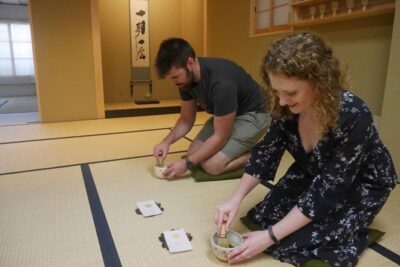
Kyoto Tea Ceremony & Kiyomizu-dera Temple Walking Tour
Read our review →Full Day Kyoto Tour : Bamboo Forest, Golden Temple, Fushimi Inari
Read our review →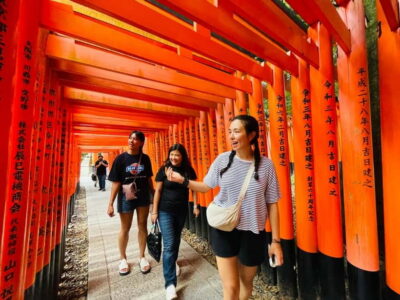
Fushimi Inari Shrine and Tofukuji Temple E-Bike Tour
Read our review →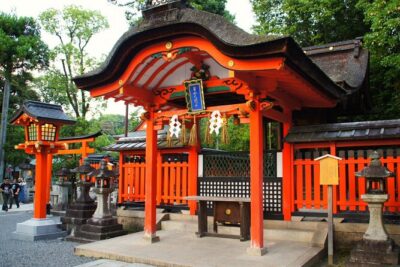
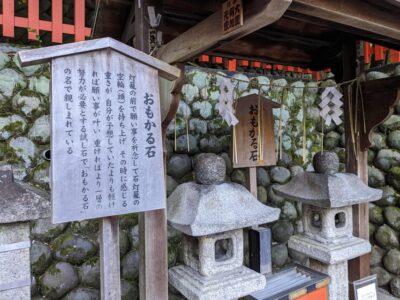
Early Morning Fushimi Inari Shrine – Beat the Crowds
Read our review →Browse the lists this tour appears in