
Review · KYOTO
Kyoto Tea Ceremony & Kiyomizu-dera Temple Walking Tour
Kyoto rewards slow walking. This three-hour outing pairs Kiyomizu-dera Temple with a traditional tea ceremony, giving you both a famous sight and a quieter cultural lesson in one morning. I like the small maximum of six people, and I like having a local guide explain Shinto, Buddhism, temple customs, and the streets around the shrine. The main drawback is the steep walking route and the unclear meeting-point directions, which may cause stress before the tour begins.
I also like that the price includes the temple entrance, matcha, snacks, and photos taken during the walk. Guide Hide has a knack for keeping things relaxed, adding humor, and even chatting about baseball when the group needs a lighter moment. You should still plan for heat, hills, and possible food limitations, especially in summer or if you have allergies.
Key points at a glance
- Small group of six or fewer: You can ask questions without shouting across a crowd.
- Kiyomizu-dera from the wooden stage: The elevated platform gives views toward Kyoto and the surrounding cherry and maple trees.
- Otowa Waterfall ritual: Use a long-handled cup to choose one of three streams for good fortune.
- Tea ceremony with matcha: The ceremony adds a calm, hands-on cultural experience after the busy temple streets.
- Kiyomizu-zaka, Sannenzaka, and Ninenzaka: The route passes old-style shops, sweets stores, souvenir stalls, and traditional streets.
- Useful practical limits: The tour begins at 9:00 a.m., returns to Yasaka Shrine, and does not accept children under six.
A smart first morning in Kyoto
If you are new to Kyoto, this tour gives you a useful introduction without making you spend half a day studying a map. You meet at Yasaka Shrine’s Western Tower Gate at 9:00 a.m., then walk toward the Kiyomizu-dera area with a guide who can explain what you are seeing as you go.
That matters here. Kyoto’s eastern temple district is easy to enjoy but not always easy to read. A street may look like a simple shopping lane, yet it can also be part of an old approach to a temple. A guide helps connect those pieces instead of leaving you to guess which gate, slope, or side street matters.
The tour lasts about three hours and ends back at the starting point. That makes it a practical morning activity. You can still have lunch elsewhere, return to your hotel, or continue sightseeing in eastern Kyoto afterward.
The 9:00 a.m. start is helpful for a second reason. Kiyomizu-dera’s approach streets can become crowded, and an early start gives you a better chance to appreciate the temple before the day grows hotter and busier. The route is still active, and you should not expect an empty shrine district, but the timing is sensible.
More Temple Walking Tours in Japan
- Kyoto Arashiyama Walking Tour: Bamboo, Monkeys, Gardens & Secrets
★ 5.0 · 1,216 reviews - Kyoto: Fushimi Inari Shrine Walking Tour
★ 5.0 · 72 reviews - Kyoto: Fushimi Inari Taisha Shrine Walking Tour with Guide
★ 4.8 · 18 reviews
From Yasaka Shrine to Kyoto’s old streets
Yasaka Shrine is more than a meeting place. It puts you in Gion and near some of Kyoto’s most recognizable traditional streets from the first minute. Confirm the exact Western Tower Gate before you leave, since one person found the meeting instructions hard to follow and felt panicked at the start.
That is the one piece of preparation I would take seriously. Bring your mobile ticket, arrive early, and look for the guide around the specified gate. Once the walk begins, the small group format should make it easier to keep track of everyone and ask for help if needed.
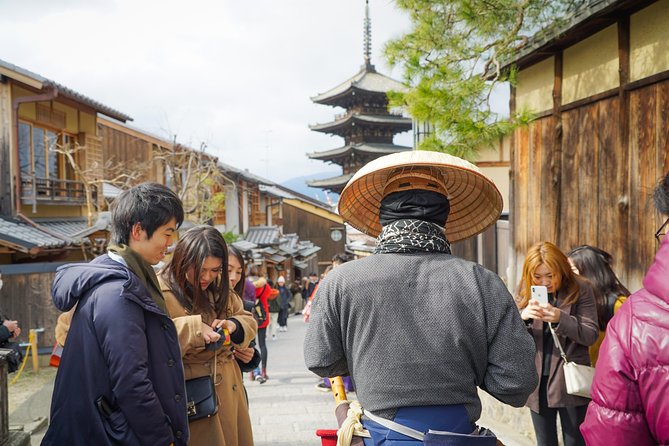
The route includes photo stops and a walk through Kiyomizu-zaka, an area made up of several traditional-feeling streets. Old tea shops, Japanese sweets shops, and stores selling sundried foods line the route. You might also see people dressed as maiko or geisha in the area, though the tour’s value is not dependent on spotting them.
One particularly colorful stop is Yasaka Koshindo. It adds variety before the main temple visit and gives your guide a chance to point out a less familiar part of the district. The tour is not simply a direct march to Kiyomizu-dera. It uses the walk to show you how the approach to the temple has developed into a destination of its own.
Kiyomizu-zaka and the climb to the temple
Kiyomizu-zaka is a roughly one-kilometer pilgrimage route leading toward Kiyomizu-dera. It begins where Matsubara-dori crosses Higashioji-dori and rises toward the temple gates. The street is lined with souvenir shops, pickle sellers, yatsuhashi shops, Japanese sweets, and other Kyoto specialties.
This is a pleasant place to browse, but it is also a real hill. Wear shoes that can handle uneven or sloping streets. The route is not described as difficult for most people, and most participants can take part, but anyone with limited mobility should consider the incline before booking.
The shop-lined section can feel more commercial than the quiet lanes elsewhere in Kyoto. That is not necessarily a flaw. It shows the long-standing connection between pilgrimage, food, souvenirs, and local business. Still, you should know that this part of the walk is not a silent temple garden.
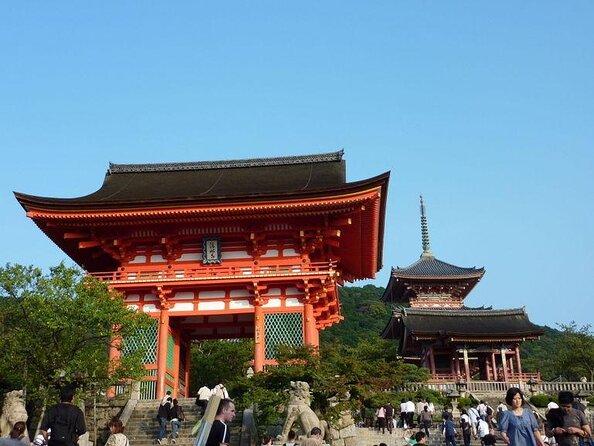
Near the top, the Niomon Gate and the three-story pagoda create a strong arrival point. The approach gives you a sense of moving toward an important religious site rather than simply walking into a museum. Your guide can make that transition more meaningful by explaining the customs and symbols you might otherwise pass without noticing.
Kiyomizu-dera and the famous wooden stage
Kiyomizu-dera was built on the site of Otowa Waterfall about 1,200 years ago. Its name comes from the waterfall’s pure water, and the connection between the temple and the spring remains central to the visit.
The temple’s wooden stage is about 13 meters above the ground. From here, you can look over the trees and toward Kyoto. The view is especially appealing during cherry blossom and autumn foliage seasons, when the surrounding trees add strong color. The tour description does not promise specific seasonal conditions, so your view will depend on when you visit.
I like that the guide-led visit leaves room for questions. You can ask about the temple’s history, the religious practices, and the difference between Shinto and Buddhism. One of the strongest guide experiences came from Hide, who explained both religions clearly and made the walk enjoyable with gentle jokes and conversation about baseball.
That mix is useful. A temple visit can become a blur of gates, statues, and rooflines when you do not know what deserves attention. A good guide gives you a framework, then lets you enjoy the view without turning the whole stop into a lecture.
The temple entrance fee is included, which keeps the morning simple. You do not need to stop and arrange separate admission during the tour.
More Temple Walking Tours in Kyoto
- Kyoto: Private Walking Tour with Kiyomizu Temple & Gion
★ 5.0 · 7 reviews - Kyoto Tea Ceremony & Kiyomizu-dera Temple Walking Tour
★ 4.5 · 4 reviews
Choosing your stream at Otowa Waterfall
Otowa Waterfall is one of the most memorable parts of the visit because it turns a scenic stop into a small ritual. The water is divided into three streams, with each stream linked to a different benefit. You choose one stream, then use a cup attached to a long pole to drink the water.
The experience is less about collecting every possible blessing and more about taking part in the Japanese way of worshipping. Your guide can explain the process and help you understand what to do, which is useful if this is your first temple visit in Japan.
The information provided does not specify the exact benefit attached to each stream, so you should listen to the guide on the day rather than rely on a general list from elsewhere. The tour presents the choice as a good-luck ritual, not as a complicated religious test.
You may need to wait briefly at the waterfall depending on conditions. The small group helps here, since the guide can keep the instructions clear without forcing you to stay far away from the action.
The tea ceremony is the quiet center
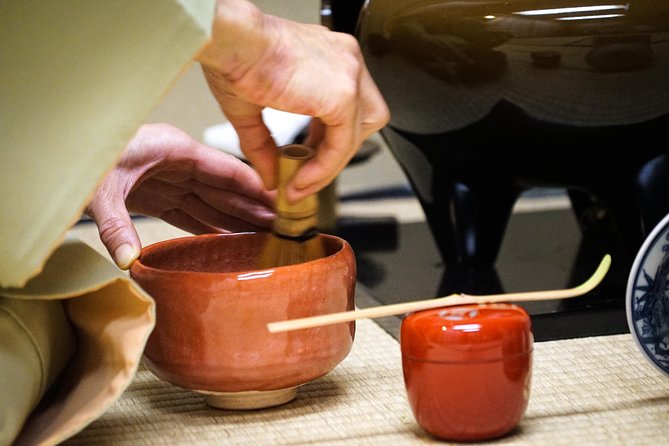
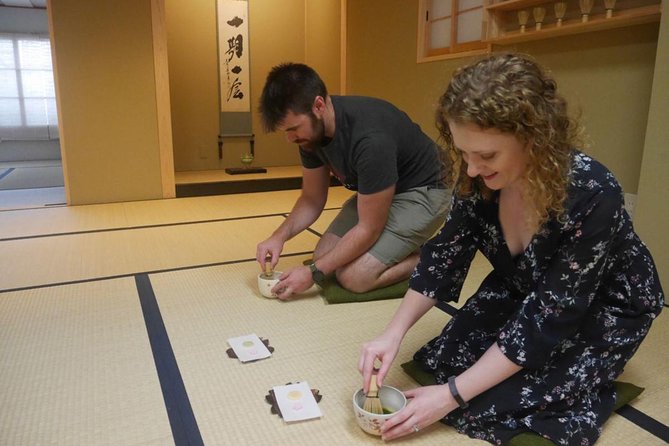
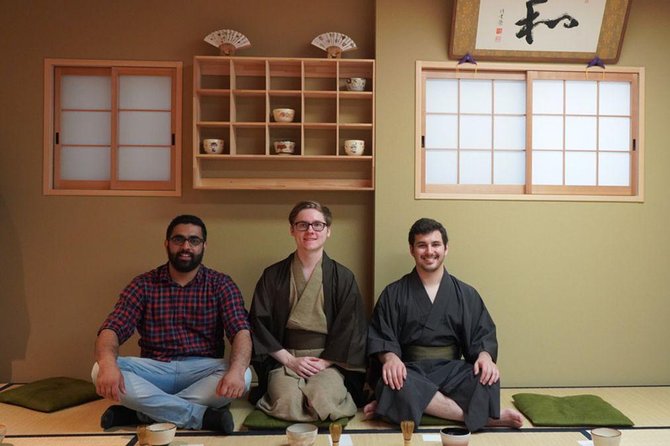
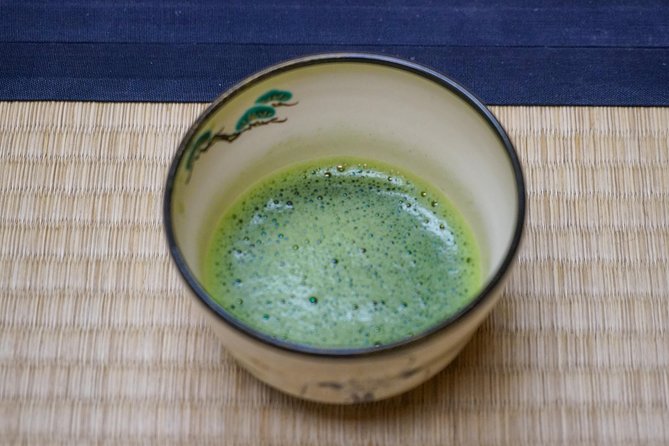
After the temple and its busy approach streets, the tea ceremony changes the pace. You receive matcha and take part in a traditional Japanese cultural experience led by a tea instructor. The ceremony is described as calming and relaxing, and that makes sense as a balance to the walking portion.
The ceremony is not just a drink stop. It gives you a chance to watch the careful movements, manners, and preparation behind Japanese tea. One tea host named Haruki was praised for being warm and entertaining, while another session was led by a woman whose skill and control made a strong impression.
You should not expect a long formal training course. The experience is part demonstration and part participation, with explanations of the ceremony’s customs. It works well for first-time visitors because you can focus on observing and asking questions rather than worrying about getting every movement perfect.
Matcha is included, as are a few food samples. The snacks add a welcome taste of Kyoto, but the included food is not intended to replace a meal. Additional food and drinks cost extra.
Food restrictions need careful thought. The operator cannot guarantee an allergy-free experience or cater to every dietary restriction because the food is prepared in kitchens it does not control. Substitutions may not be possible at every stop, although efforts may be made to compensate at other stops. If food safety is a serious concern, contact the provider before booking and be prepared to decline samples.
What the guide adds to the experience
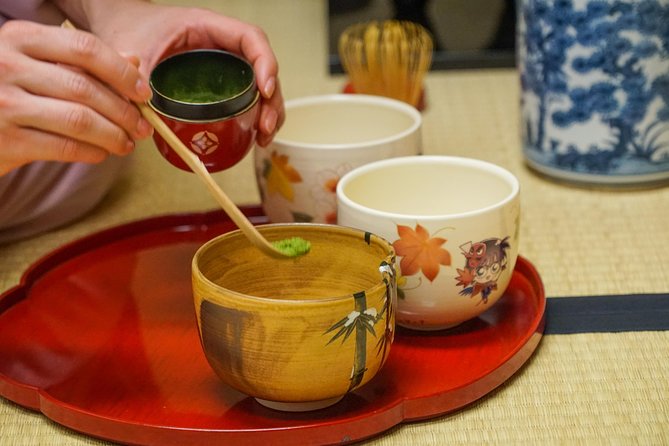
The guide is the key difference between this tour and visiting Kiyomizu-dera alone. You can certainly reach the temple independently, but a guide helps with directions, temple etiquette, and the meaning behind the places you see.
Hide received repeated praise for being friendly, helpful, and well informed. His approach appears to be relaxed rather than stiff. He explained Shinto and Buddhist traditions, took photos during the tour, and kept the mood light with jokes and casual conversation.
The photo service is a small but useful benefit. You can enjoy the walk without constantly holding your phone out, and you may come away with pictures of the group and the setting. The exact number or style of photos is not specified, so treat this as a welcome extra rather than a formal photography package.
The maximum group size is six. That is small enough for questions and personal attention, but it does not guarantee a private tour. You may share the morning with other participants, and the route still follows public streets and busy temple grounds.
Price and value at $109.39
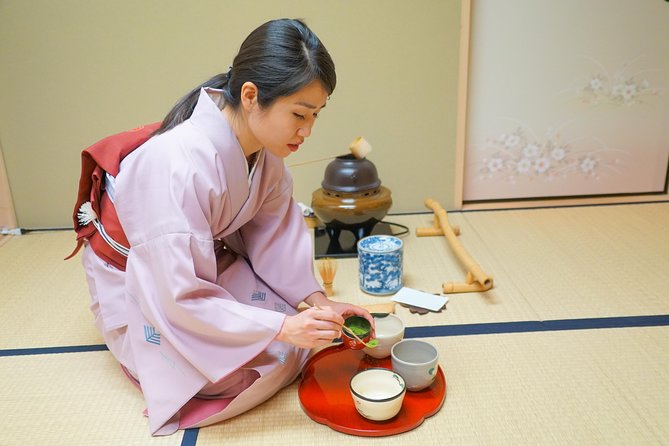
At $109.39 per person, this is not the cheapest way to see Kiyomizu-dera. You can visit the temple independently for less, especially if you already understand Kyoto’s transport system and are comfortable researching the site.
The price becomes easier to justify if you value structure and interpretation. It covers the Kiyomizu-dera entrance fee, a three-hour local guide, the tea ceremony, matcha, snacks, and photos. You are also paying for a small group, a planned route through several historic streets, and help with temple customs.
For a first morning in Kyoto, that package can offer good value. You see a major UNESCO World Heritage Site, take part in a cultural activity, and get oriented to an important part of the city. If you prefer to move at your own pace, shop for a long time, or spend an hour photographing one temple gate, the fixed schedule may feel less worthwhile.
The tour is booked about 30 days in advance on average. That suggests you should not leave it until the last few days if your Kyoto dates are fixed, especially if you want a particular morning.
Heat, hills, and what to bring
Summer in Japan can be very hot and humid. Bring water and wear a hat to reduce the risk of heat exhaustion. The tour operator specifically advises both, and the advice is practical rather than optional.
Choose comfortable walking shoes. The route includes slopes, the climb toward Kiyomizu-dera, and traditional streets that may be uneven. You should also dress in a way that lets you walk comfortably for three hours and take part in a respectful temple visit.
Children under six are not allowed. The activity is near public transportation, and most people can participate, but the supplied information does not provide a detailed accessibility assessment. If you have mobility needs, ask the provider about the slopes, steps, and temple access before booking.
Free cancellation is available when you cancel at least 24 hours before the local start time. Cancellations or changes made less than 24 hours before the tour do not qualify for a refund.
Who should book this Kyoto morning?
I would choose this tour if you are visiting Kyoto for the first time, want a clear introduction to Kiyomizu-dera, and enjoy learning through conversation. It is also a good fit if you want a small group and would rather have someone explain temple customs than work everything out alone.
The experience suits couples, solo visitors, and families with children six or older who can manage a three-hour walking route. The tea ceremony gives the morning a cultural focus that a standard temple visit may lack.
I would think twice if you have strict dietary restrictions, dislike hills, or prefer completely independent sightseeing. You may also find the price high if your only goal is to photograph Kiyomizu-dera and leave.
Should you book it?
Book it if you want Kiyomizu-dera plus context, not just admission to a famous temple. The best reasons are the small group, the guide’s personal explanations, the Otowa Waterfall ritual, and the calm tea ceremony with matcha and snacks included.
Skip it if you want a slow private visit, need guaranteed allergy-safe food, or plan to avoid walking uphill. For most first-time Kyoto visitors who want a well-shaped morning and a friendly local guide, the combination offers a solid introduction to eastern Kyoto at a fair, though not bargain, price.
FAQ
Where does the Kyoto tea ceremony and Kiyomizu-dera tour begin?
It begins at Yasaka Shrine’s Nishiromon Gate, also called the Western Tower Gate, at 625 Gionmachi Kitagawa in Kyoto’s Higashiyama Ward.
What time does the tour start?
The tour starts at 9:00 a.m.
How long does the experience last?
The activity lasts approximately three hours.
Where does the tour end?
The tour ends back at the Yasaka Shrine meeting point.
Is the Kiyomizu-dera entrance fee included?
Yes. The Kiyomizu-dera entrance fee is included in the tour price.
Is a tea ceremony included?
Yes. A traditional tea ceremony experience and matcha are included.
Are snacks included?
Yes. The tour includes a few food samplings. Additional food and drinks are not included.
How many people can join the tour?
The maximum group size is six participants.
Can children under six join?
No. Children under six years old are not allowed on this tour.
More Fushimi Inari Shrine Tours in Kyoto
- Osaka/Kyoto:Kinkakuji,Arashiyama,FushimiInariShrine,NaraPark
★ 4.1 · 1,596 reviews - Osaka/Kyoto: Arashiyama, Nara & Fushimi Inari Shrine w/Lunch
★ 4.4 · 754 reviews - Kyoto: 3-Hour Fushimi Inari Shrine Hidden Hiking Tour
★ 4.9 · 270 reviews - Kyoto: Fushimi Inari Shrine and Tofukuji Temple E-Bike Tour
★ 5.0 · 75 reviews
Just added around Kyoto
- Kyoto: Kiyomizudera, Sanjusangendo, Ginkakuji and Higashiyama.★ 5.0 · 3 reviews
- Kyoto: Shakyo & Matcha in Historic Temple Garden★ 5.0 · 4 reviews
- Kyoto:Kiyomizu-dera Temple Rent a kimono and ride a rickshaw★ 4.8 · 7 reviews
- KYOTO: Tempio Kiyomizu Pagode Gion “Geisya” (Guida Italiana)★ 4.7 · 17 reviews
- Kyoto:Quiet Arashiyama and Sagano Temples★ 4.8 · 5 reviews
- Kyoto: Kifune Shrine and the Sacred Kifune Valley Day Trip★ 4.4 · 4 reviews
- KYOTO: Golden Pagoda, Bamboo Forest, Arashiyama (Italian)★ 4.9 · 5 reviews
- KYOTO: Tour guidato tra i tesori della città (in italiano)★ 5.0 · 5 reviews
Fushimi Inari Shrine Tours, compared.
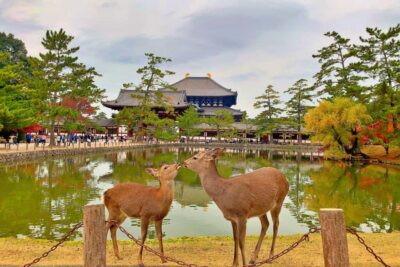
Osaka/Kyoto:Kinkakuji,Arashiyama,FushimiInariShrine,NaraPark
Read our review →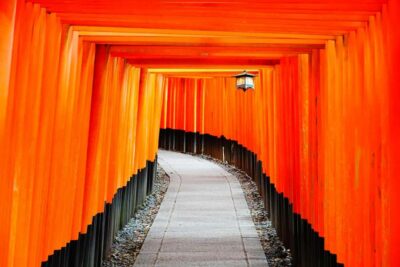
Osaka/Kyoto: Arashiyama, Nara & Fushimi Inari Shrine w/Lunch
Read our review →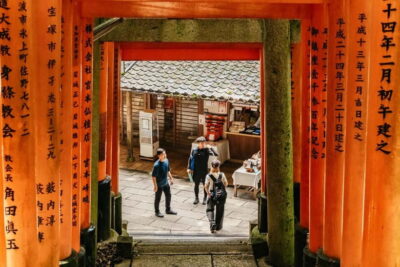
Full Day Kyoto Tour : Bamboo Forest, Golden Temple, Fushimi Inari
Read our review →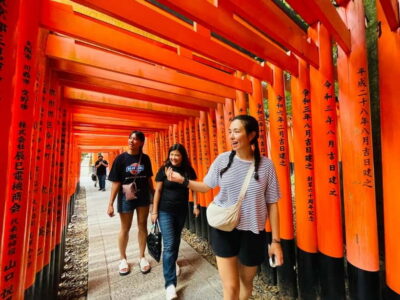
Fushimi Inari Shrine and Tofukuji Temple E-Bike Tour
Read our review →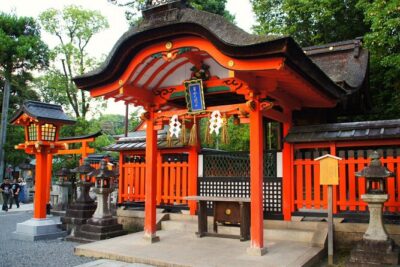
Early Morning Fushimi Inari Shrine – Beat the Crowds
Read our review →
Kyoto kiyomizu Temple : Maiko and Samurai Couple Photoshoot
Read our review →Browse the lists this tour appears in