
Review · KYOTO
Kyoto: Fushimi Inari Shrine Walking Tour
The torii gates are only the beginning. This two-hour evening walk gives you useful context for Fushimi Inari-taisha, from fox symbolism and shrine rituals to the meaning of the orange-red gates. I especially like the small group of no more than 10 and the guide’s effort to find quieter paths and good viewpoints. The main drawback is the climb: the mountain trail can be tiring, and the shrine may still feel busy at 6 pm.
I also like the convenient meeting point beside Daily Yamazaki Fushimi Inari Shrine and the fact that the tour returns there. At $39.64 per person, the price is fair if you want cultural explanation and help with navigation, but less appealing if you only want quick photos of the first gates.
Key Points Before You Book
- Evening start at 6 pm: A later departure suits a Kyoto day of sightseeing and gives the experience a calmer, more reflective mood.
- Maximum 10 people: The small group makes it easier to hear explanations and stay with the guide.
- Two-hour mountain walk: Expect scenic forest trails, a climb, shrine rituals, and panoramic views of Kyoto.
- Fox deity and torii symbolism: The guide explains details that are easy to miss when you explore alone.
- Returns to the starting point: The walk begins and ends near Fushimi Inari Station’s area at Daily Yamazaki, 93 Fukakusa Inarionmaechō.
- Strong guest satisfaction: The tour has a 5 out of 5 rating from 72 reviews, with 100 percent recommending it.
Why Fushimi Inari Works Best With a Guide
Fushimi Inari-taisha is famous for its seemingly endless rows of orange-red torii gates. That fame creates a simple problem: many people arrive, take a few photos at the entrance, and leave without understanding what they are seeing.
This tour aims to fix that. Rather than treating the shrine as a scenic tunnel, it explains the spiritual ideas behind the site. You learn about Inari worship, the fox deity connected with the shrine, and the rituals taking place around you.
I like that approach. The gates are striking, but the symbols give the walk more meaning. Fox statues, small offerings, shrine customs, and the mountain setting become part of one story instead of a series of attractive photo stops.
The guide also handles the route. Fushimi Inari is not difficult to find, but the complex spreads up Mount Inari, and the trails can feel confusing once you move beyond the busiest section. Having someone else choose the route saves time and lets you pay attention to the shrine.
The group limit matters here. With no more than 10 people, you are less likely to lose sight of the guide in the gate corridors. You also have a better chance of asking questions, hearing explanations, and stopping at viewpoints without creating a traffic jam.
More Temple Walking Tours in Japan
- Kyoto Arashiyama Walking Tour: Bamboo, Monkeys, Gardens & Secrets
★ 5.0 · 1,216 reviews - Kyoto Tea Ceremony & Kiyomizu-dera Temple Walking Tour
★ 5.0 · 115 reviews - Kyoto: Fushimi Inari Taisha Shrine Walking Tour with Guide
★ 4.8 · 18 reviews
Meeting Near Daily Yamazaki at 6 pm
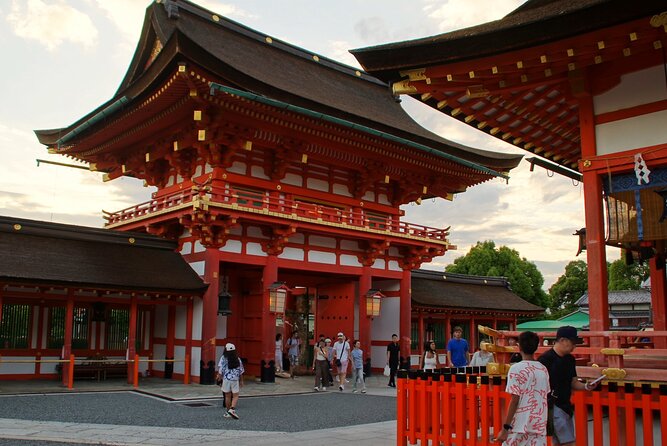
The tour begins daily at 6 pm outside Daily Yamazaki Fushimi Inari Shrine, at 93 Fukakusa Inarionmaechō in Kyoto’s Fushimi Ward. The location is near public transportation, which makes it practical to reach without a taxi.
I would arrive early. Fushimi Inari can be crowded around the main entrance, and the meeting point is near a busy sightseeing area. Giving yourself extra time also lets you use the restroom, buy a drink, or get your bearings before the walking begins.
The tour ends back at the same meeting point. That is helpful because you do not need to work out a new route at the end of the evening. It also makes the activity easy to fit into a larger Kyoto plan.
The 6 pm departure is one of the tour’s more appealing details. You can spend the day at temples, gardens, or markets and then come here for a focused evening experience. Still, do not assume the shrine will be empty. One direct comment about the tour described the evening as busy, even though the guide handled it well.
Starting at Fushimi Inari-taisha
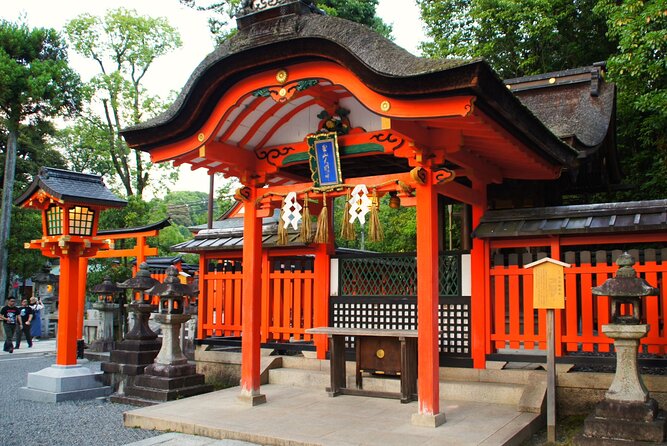
The first part of the experience centers on Fushimi Inari-taisha, one of Kyoto’s best-known Shinto shrines. Its defining feature is the long sequence of orange-red torii gates that climb through the forested mountain.
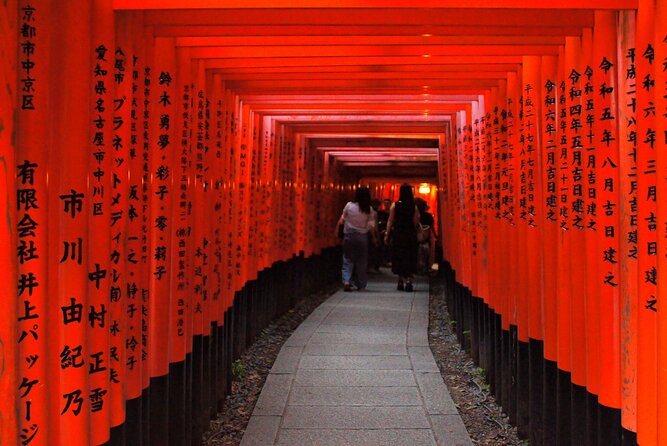
The gates are not just decoration. They mark the path through sacred ground and create the visual rhythm that makes this shrine so recognizable. A guide can point out the symbolism and customs connected with them, details you might pass without noticing on your own.
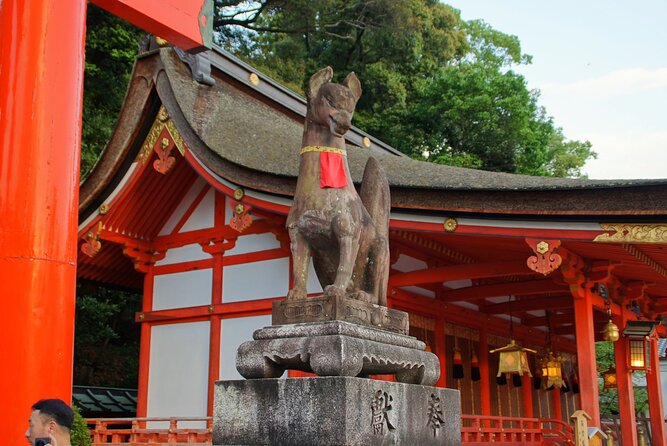
The shrine is also strongly connected with Inari, a deity associated with rice, prosperity, and commerce in Japanese religious tradition. Fox figures appear throughout the complex because foxes are regarded as messengers of Inari. The tour places special attention on those statues and the stories connected with them.
That focus earned repeated praise. The guide’s explanations reportedly made each fox statue feel more meaningful, rather than just another object along the route. For me, this is one of the clearest reasons to pay for the tour. You are not simply walking through a famous site. You are getting a framework for understanding it.
The experience also covers traditional practices and rituals happening around the shrine. The exact rituals you see can vary, but the guide explains what is taking place and how to behave respectfully. That kind of help is valuable in any active religious site, especially when you are unsure whether an action is meant for worship, purification, or simple observation.
Through the Torii Gates and Into the Forest
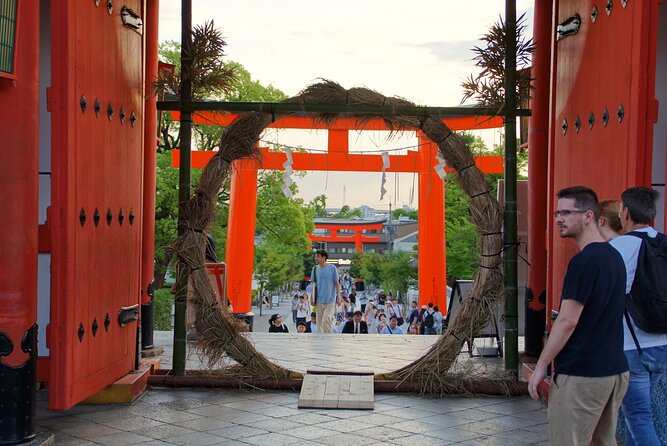
After the shrine area, the walk follows scenic trails through the mountain. The torii gates continue along the route, but the setting changes as you move away from the first crowded stretches.
This is where the tour becomes more than a standard sightseeing stop. The forested paths offer a quieter setting for discussion and reflection. Several comments praised the guide for finding peaceful places, meditation spots, and sections that many people miss.
You should expect a real walk, not a flat city stroll. One person described the climb as considerable, and another called the tour a hiking experience. The available information does not give an exact distance or elevation gain, so I would plan for uneven mountain paths and a steady uphill section rather than assume the whole route is easy.
Wear comfortable shoes. Bring water if you need it, since food and drinks are not included. The tour lasts about two hours, so the outing is manageable for most people who can participate in a moderate walk, but the climb may be uncomfortable if you have limited mobility or dislike hills.
The forest setting also changes the mood of the visit. At the main gate area, Fushimi Inari can feel like a major sightseeing attraction. Farther along the trail, the experience can feel more personal and quiet. That contrast is one of the strongest parts of the route.
More Temple Walking Tours in Kyoto
- Kyoto: Private Walking Tour with Kiyomizu Temple & Gion
★ 5.0 · 7 reviews - Kyoto Tea Ceremony & Kiyomizu-dera Temple Walking Tour
★ 4.5 · 4 reviews
Viewpoints Over Kyoto
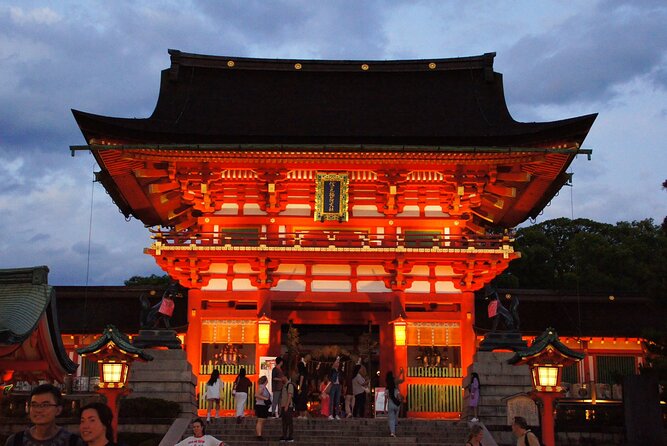
The walk includes panoramic views of Kyoto as the group ascends. These viewpoints give you a reason to continue beyond the most photographed torii gates.
The views are not guaranteed to be clear, since weather and light affect what you can see. Still, the combination of mountain trail, shrine architecture, and the city below gives the tour a strong sense of place. You are not only looking at Kyoto from street level. You are seeing how the shrine rises above the city and continues into a wooded mountain setting.
The guide’s choice of stopping points seems especially useful here. Several comments praised the way the guide found good places for photos and quiet reflection. That is a practical benefit in a site where the most obvious photo locations are often crowded.
You should also keep your expectations sensible. The tour is not built around a long photography session, and the two-hour schedule means the group needs to keep moving. If you want extensive time for tripod shots, private contemplation, or a complete mountain hike, an independent visit may suit you better.
For most people, though, the viewpoints add a welcome payoff to the climb. The walk has cultural content at the shrine, natural scenery in the forest, and a broad city view near the higher sections.
What the Guide Adds
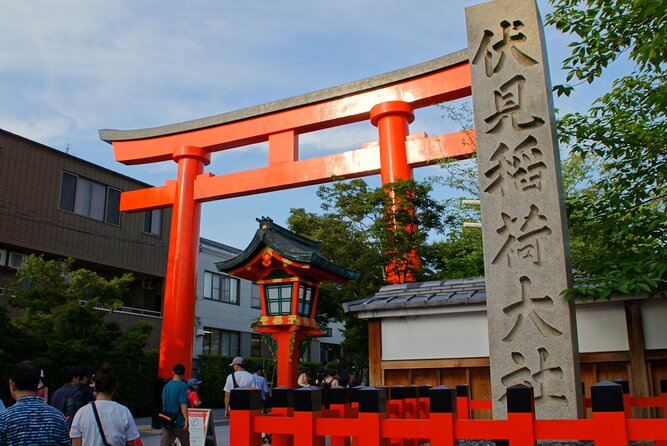
The guide is the heart of this experience. The strongest praise centers on clear explanations, friendly conversation, local insight, and the ability to answer questions about Japanese spirituality.
You can expect discussion of shrine etiquette, Inari worship, fox folklore, torii gates, and the customs you see during the visit. The guide also provides historical context for the district, which helps connect the shrine to its wider setting in Fushimi.
I like the balance between explanation and movement. The tour is not described as a formal lecture. Instead, the information comes during the walk, at ritual areas, beside statues, and at viewpoints. That makes the cultural details easier to connect with what is in front of you.
The guide also helps with crowd management. One highly praised feature was knowing when to visit different sections to avoid the worst congestion. At a famous shrine, timing and route choice can make a bigger difference than an impressive speech.
No individual guide name is provided, so you should book for the structure and subject rather than expecting a particular named host. The available feedback is consistently positive about the guiding, with repeated praise for friendliness, passion, personal attention, and strong explanations.
A Fair Look at the $39.64 Price
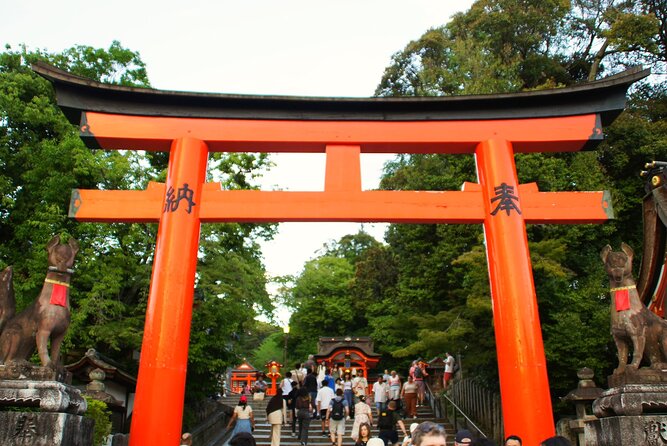
At $39.64 per person, this is not the cheapest way to see Fushimi Inari. You can enter the shrine without paying for this guided activity, and you can walk the grounds independently.
The question is what you want from the visit. If you only need the famous gates and a few photos, the tour may not offer enough extra value. You can walk through the lower section on your own and spend nothing on a guide.
I think the price makes more sense if you want the cultural layer. You are paying for an English-speaking guide, route planning, shrine explanations, district context, and a small group. You also avoid the uncertainty of deciding how far to walk, where to pause, and what the fox figures or rituals mean.
The included entry to Fushimi Inari-taisha is useful, although the shrine itself is not presented as a major paid attraction. The practical value is less about saving a large admission fee and more about having the visit organized for you.
Food, drinks, and tips are not included. Plan for those separately, though you may not need to buy anything during a two-hour walk if you arrive prepared.
Who Will Enjoy This Walk Most
I would recommend this tour to first-time Kyoto visitors who want more than photographs. It is especially suitable if you enjoy learning about religion, local customs, folklore, and the meaning behind familiar sights.
It also suits people who prefer a set route. Fushimi Inari is easy to reach, but the mountain trails can feel less straightforward than the entrance suggests. A guide takes away the need to plan the climb while still giving you time to enjoy the setting.
The small group is a good match for anyone who dislikes large guided tours. A maximum of 10 people allows for questions and makes it easier to stay connected with the guide.
Families and older participants should think about the uphill walking before booking. The information says most people can participate, but the tour includes scenic mountain trails and a climb. If you need a flat route or frequent extended breaks, check your comfort level first.
Independent explorers may prefer to visit earlier, stay longer, and choose their own route. The guided tour has a fixed 6 pm start, lasts about two hours, and returns to the meeting point. That structure is a benefit for some people and a restriction for others.
Practical Details That Matter
The mobile ticket makes the experience easy to carry on your phone. Confirmation arrives at booking, and free cancellation is available if you cancel at least 24 hours before the 6 pm start time. Changes or cancellations inside that window are not accepted for a refund.
Bring comfortable walking shoes and water. Since the tour may be busy and includes a climb, keep your belongings manageable and avoid footwear that makes uneven paths harder.
The shrine can be crowded even in the evening, so the guide’s route planning is important. Stay close to the group, particularly in the torii corridors, where it is easy to lose sight of people.
The tour is offered in English. Food and drinks are not included, and tips are optional. The activity ends where it begins, near Daily Yamazaki Fushimi Inari Shrine.
Should You Book the Fushimi Inari Walking Tour?
Book it if you want to understand Fushimi Inari rather than simply photograph it. The guide’s explanations about Inari, fox symbolism, shrine customs, and torii gates add real value, while the forest trails and Kyoto views make the walk feel like more than a standard city tour.
The strongest reasons to go are the small group, the thoughtful route, and the guide’s ability to point out quiet places and meaningful details. The 5 out of 5 rating from 72 reviews and 100 percent recommendation rate support that choice.
Skip it if you want a free, flexible visit or if a mountain climb sounds unpleasant. At $39.64, the tour earns its price through interpretation and convenience, not through exclusive admission or luxury treatment.
For a first Kyoto visit, I think it is a sensible way to experience one of the city’s most famous sights. Just arrive ready to walk uphill, expect some crowds, and leave room for the shrine to be more than a backdrop for photos.
FAQ
How much does the Fushimi Inari walking tour cost?
The tour costs $39.64 per person.
How long does the tour last?
The experience lasts approximately two hours.
What time does the tour start?
It starts daily at 6 pm.
Where does the tour meet?
The meeting point is Daily Yamazaki Fushimi Inari Shrine, 93 Fukakusa Inarionmaechō, Fushimi Ward, Kyoto, 612-0881, Japan.
Where does the tour end?
The activity ends back at the meeting point.
What is the maximum group size?
The tour allows a maximum of 10 travelers.
Is an English-speaking guide included?
Yes. An English-speaking guide is included.
Is admission to Fushimi Inari-taisha included?
Yes. Entry to Fushimi Inari-taisha Shrine is included.
Are food and drinks included?
No. Food and drinks are not included.
Can I cancel for a full refund?
Yes, if you cancel at least 24 hours before the experience start time. Cancellations made less than 24 hours before the start are not refunded.
More Fushimi Inari Shrine Tours in Kyoto
- Osaka/Kyoto:Kinkakuji,Arashiyama,FushimiInariShrine,NaraPark
★ 4.1 · 1,596 reviews - Osaka/Kyoto: Arashiyama, Nara & Fushimi Inari Shrine w/Lunch
★ 4.4 · 754 reviews - Kyoto: 3-Hour Fushimi Inari Shrine Hidden Hiking Tour
★ 4.9 · 270 reviews - Kyoto: Fushimi Inari Shrine and Tofukuji Temple E-Bike Tour
★ 5.0 · 75 reviews
Just added around Kyoto
- Kyoto: Kiyomizudera, Sanjusangendo, Ginkakuji and Higashiyama.★ 5.0 · 3 reviews
- Kyoto: Shakyo & Matcha in Historic Temple Garden★ 5.0 · 4 reviews
- Kyoto:Kiyomizu-dera Temple Rent a kimono and ride a rickshaw★ 4.8 · 7 reviews
- KYOTO: Tempio Kiyomizu Pagode Gion “Geisya” (Guida Italiana)★ 4.7 · 17 reviews
- Kyoto:Quiet Arashiyama and Sagano Temples★ 4.8 · 5 reviews
- Kyoto: Kifune Shrine and the Sacred Kifune Valley Day Trip★ 4.4 · 4 reviews
- KYOTO: Golden Pagoda, Bamboo Forest, Arashiyama (Italian)★ 4.9 · 5 reviews
- KYOTO: Tour guidato tra i tesori della città (in italiano)★ 5.0 · 5 reviews
Fushimi Inari Shrine Tours, compared.
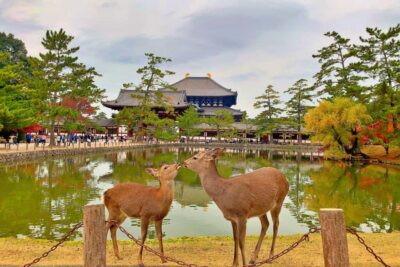
Osaka/Kyoto:Kinkakuji,Arashiyama,FushimiInariShrine,NaraPark
Read our review →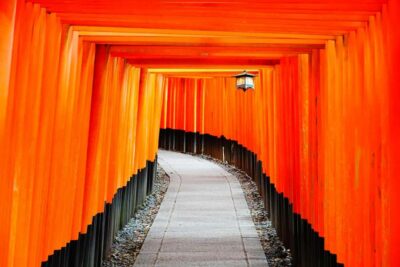
Osaka/Kyoto: Arashiyama, Nara & Fushimi Inari Shrine w/Lunch
Read our review →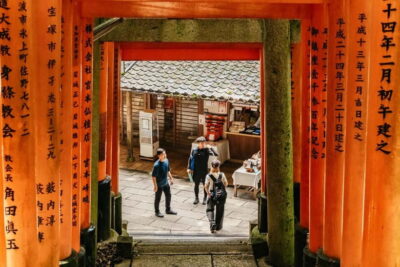
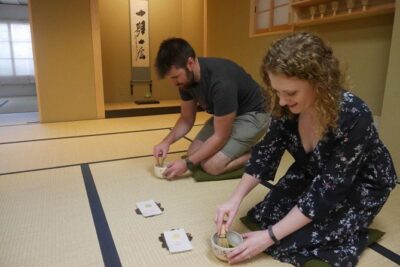
Kyoto Tea Ceremony & Kiyomizu-dera Temple Walking Tour
Read our review →Full Day Kyoto Tour : Bamboo Forest, Golden Temple, Fushimi Inari
Read our review →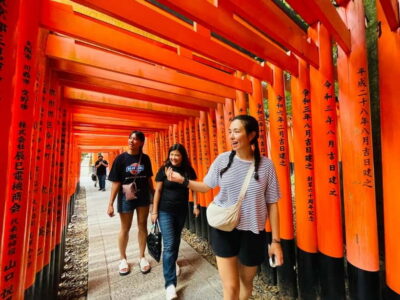
Fushimi Inari Shrine and Tofukuji Temple E-Bike Tour
Read our review →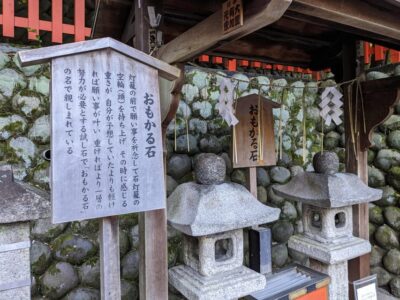
Early Morning Fushimi Inari Shrine – Beat the Crowds
Read our review →
Kyoto kiyomizu Temple : Maiko and Samurai Couple Photoshoot
Read our review →Browse the lists this tour appears in