
Review · TOKYO
Tokyo: Asakusa and Tokyo’s Oldest Temple Senso-ji Tour
Old Tokyo begins behind a red gate. This two-hour walk through Asakusa gives you a small group capped at 10 people and clear introductions to Senso-ji, Nakamise Street, and Asakusa Shrine. I especially like the local customs and food advice shared by guides such as Shino, Aska, Embla, and Nicolas. The main drawback is simple: Asakusa can be crowded, and two hours only gives you an introduction rather than a full day in the district.
At $14 per person, this is an easy-value way to get your bearings before exploring on your own. You meet at the Starbucks closest to Asakusa Station, then follow an English-speaking guide through Tokyo’s oldest temple district. Bring comfortable shoes, keep an eye on the group in crowded areas, and download WhatsApp before meeting so you can contact the guide if needed.
Key points to know before booking
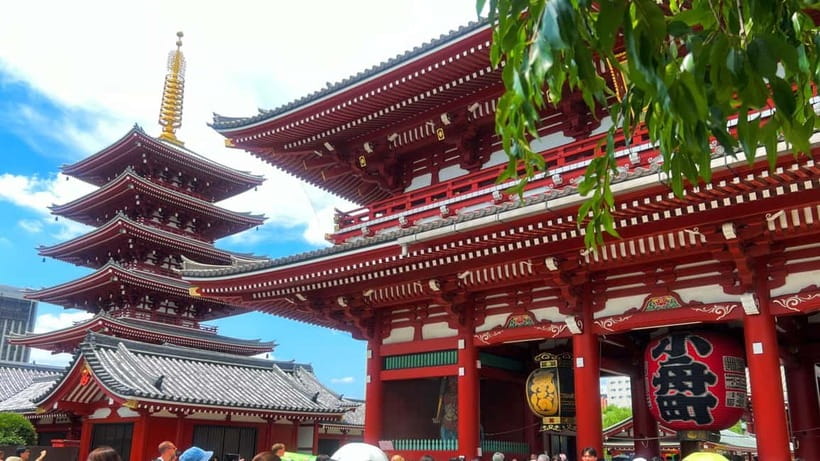
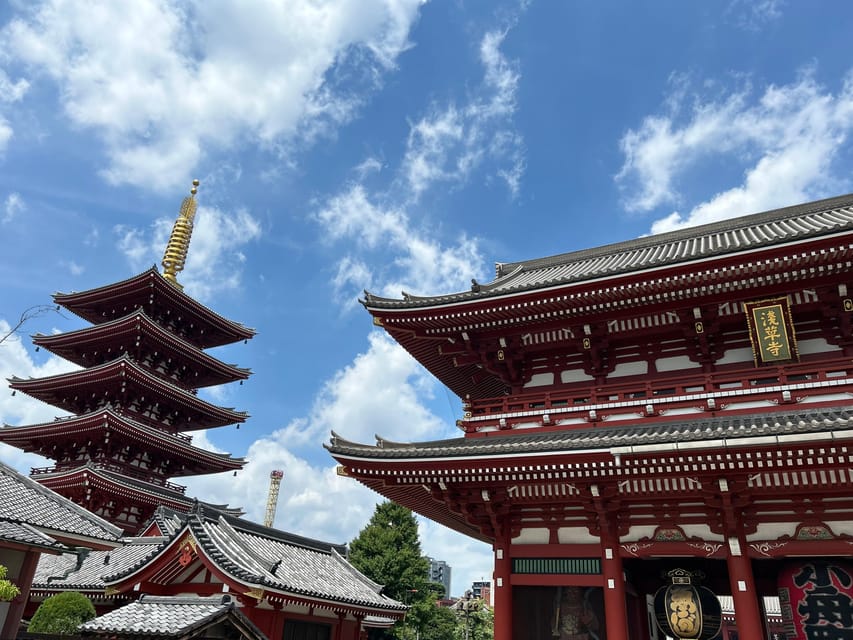
- A compact introduction to old Tokyo: In two hours, you see Kaminarimon, Nakamise Street, Senso-ji, and Asakusa Shrine.
- Small groups make a difference: With no more than 10 participants, it is easier to hear explanations and ask questions.
- Local guidance is the strongest feature: Guides including Shino, Aska, Embla, Nicolas, Joe, and Ryota explain customs, food, history, and everyday Tokyo life.
- Crowds are part of the setting: The route passes through one of Tokyo’s best-known sights, so staying close to the guide matters.
- Good value for first-time visitors: The price is low, and the tour helps you understand what you are seeing before returning independently.
- The pace is friendly rather than strenuous: Expect a steady walk with stops for stories, photos, and questions.
Why Asakusa is one of the best places to meet old Tokyo
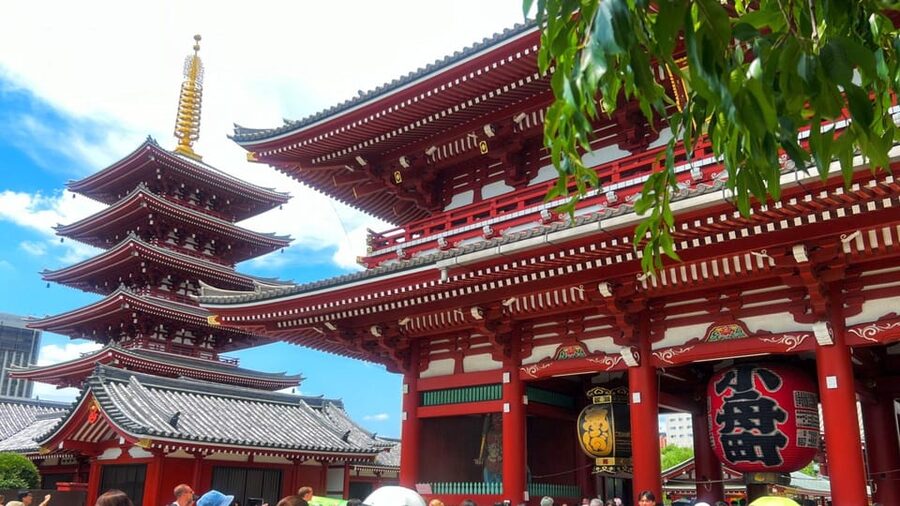
Tokyo is famous for neon districts, giant stations, department stores, and fast trains. Asakusa gives you a different opening chapter. Its streets connect present-day Tokyo with the city once known as Edo, when temples, shrines, entertainers, merchants, and samurai shaped daily life.
The neighborhood is not frozen in time. You will see modern shops, crowds, and the usual Tokyo traffic. But the old religious buildings, narrow side streets, lanterns, traditional sweets, and long-running shopping lanes give the area a clear sense of place.
That mix makes Asakusa useful for a first visit. You do not need to know much about Buddhism, Japanese history, or temple etiquette before arriving. The guide explains the basics as you go, so the buildings and rituals become easier to understand instead of turning into a blur of wooden gates and rooflines.
I also like the tour’s scale. A large group can make a crowded temple even harder to manage. A limit of 10 means the guide can answer questions and keep the pace more personal. One booking even turned into a group of only two solo visitors, which shows that the experience can sometimes feel close to a private walk.
More Meiji Shrine and Senso-ji Tours in Tokyo:
- Tokyo: Asakusa Walking Tour with Sensoji Temple Visit
★ 4.8 · 1,583 reviews - Tokyo Panoramic 1 Day: Meiji Shrine, Asakusa, Odaiba and SKYTREE®
★ 4.5 · 1,222 reviews - Tokyo: Meiji Shrine Walking Tour — Shinto & Imperial System
★ 4.9 · 266 reviews
Meeting at Asakusa Station and getting started
The meeting point is in front of the Starbucks closest to Asakusa Station. The coordinates provided are 35.7119461, 139.7979446. You should allow time to find the correct Starbucks, since Asakusa has several station exits and the surrounding area can feel confusing on a first visit.
WhatsApp is part of the meeting arrangement. Download it before the tour, and keep your phone charged. Guides have used the app to share their location and help people reconnect with the group, which is practical in a district filled with visitors and side streets.
The tour is conducted in English. Guide quality is the part most likely to shape your morning, and the guiding team receives especially strong praise for clear explanations, friendly manners, patience, and good English. Shino is a Tokyo local who has shared customs, food suggestions, and souvenir ideas. Aska has taught people how to pray at the temple. Nicolas has explained Buddhism and the history of the area with a strong storytelling style.
Names may change from one departure to another, but the pattern is consistent: expect more than a basic walk from gate to gate. The guide is there to explain what you are looking at and how to behave respectfully.
Kaminarimon: the dramatic first stop
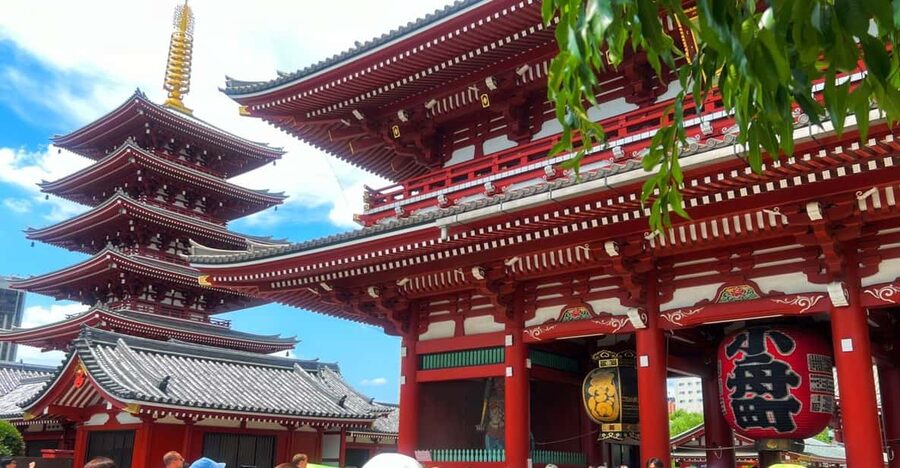
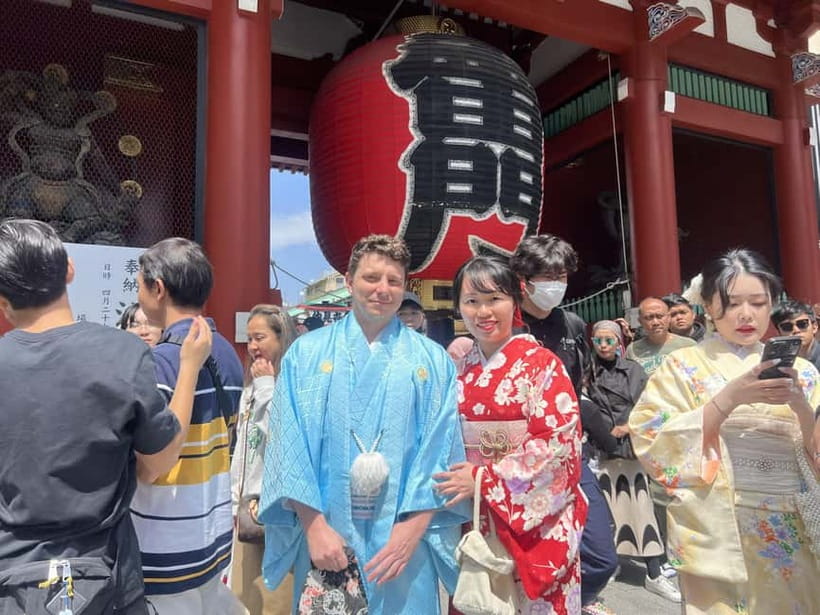
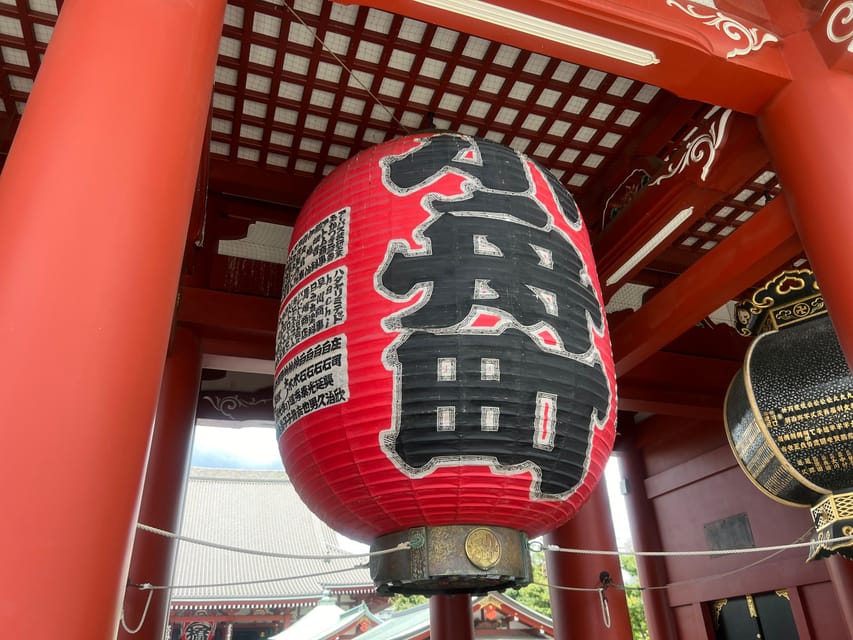
The first major stop is Kaminarimon, or the Thunder Gate. This is the grand entrance to Senso-ji and one of the most recognizable sights in Asakusa. Its huge lantern makes an obvious photo stop, but the guide gives you a reason to look beyond the postcard view.
Plan on about 30 minutes here for visiting, photographs, and explanation. That may sound long for one gate, but the opening stop sets up the whole visit. It introduces Senso-ji as a working religious site rather than only a famous Tokyo landmark.
This is also where the guide can help you understand the layout and the customs you will encounter later. The value is not simply learning a date or a name. You begin to see how the entrance, shopping street, temple grounds, and nearby shrine fit together.
Crowds can build around Kaminarimon, especially because everyone wants the same photograph. Stay close to the guide and avoid stopping in the middle of the main flow. The tour includes a photo stop, but it is not designed to give you unlimited time for posed pictures.
Nakamise Street: sweets, souvenirs, and a living approach to the temple
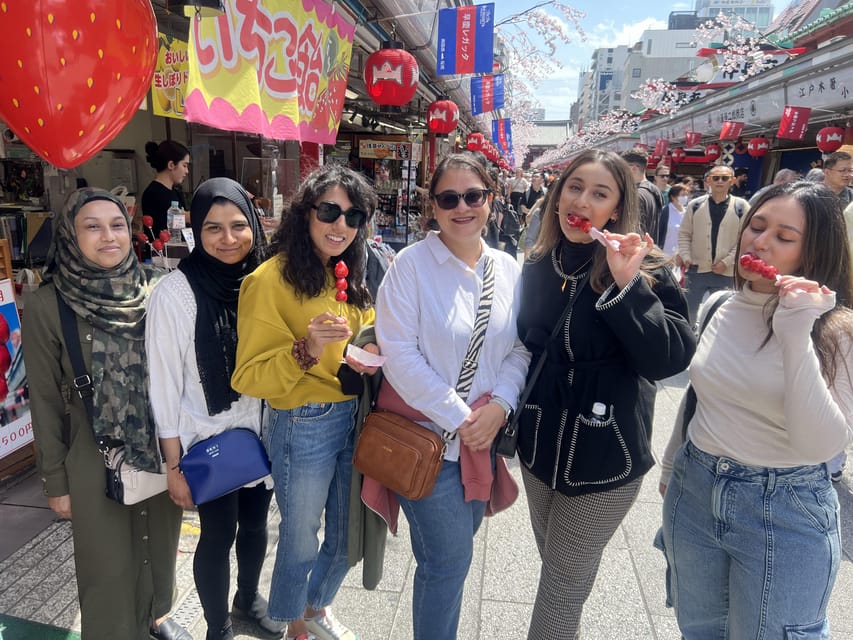
From Kaminarimon, you continue along Nakamise Shopping Street. This traditional shopping lane leads toward Senso-ji and is lined with shops, colorful lanterns, local sweets, snacks, and souvenirs.
The guide turns this section into more than a shopping stroll. You can learn which foods are associated with the area and what kinds of souvenirs carry real meaning. Several guides have pointed out local specialties, including ningyo-yaki, a traditional red bean-filled snack that one visitor particularly enjoyed.
I would treat Nakamise as a place to look and learn first, then return later if you want to shop. The 20-minute guided visit gives you an introduction, not enough time to compare every shop or make thoughtful purchases. That is a fair trade because the guide keeps the walk moving and leaves you with a better sense of where to return.
The street can be packed. If you dislike crowds or want quiet temple photographs, this part may test your patience. Still, the crowd is part of the experience. Nakamise shows how commerce and religious visits have long existed side by side around Senso-ji.
Listen for food tips. Guides have recommended places to eat in Asakusa, local favorites, and souvenirs with a connection to Japanese customs. That kind of advice can save you from buying the first generic item you see.
A few more temple visits around Tokyo worth a look
- Nikko: Kegon Falls, Lake Chuzenji & Toshogu Temple
★ 4.6 · 1,577 reviews - Tokyo: Nikko Toshogu Shrine and Kegon Waterfall Tour
★ 4.5 · 1,266 reviews - Tokyo: Zen Meditation at a Private Temple with a Monk
★ 5.0 · 510 reviews - Mt. Fuji Heritage Tour: Traditional Villages, Lakes & Shrine
★ 4.5 · 509 reviews
Senso-ji: understanding Tokyo’s oldest temple
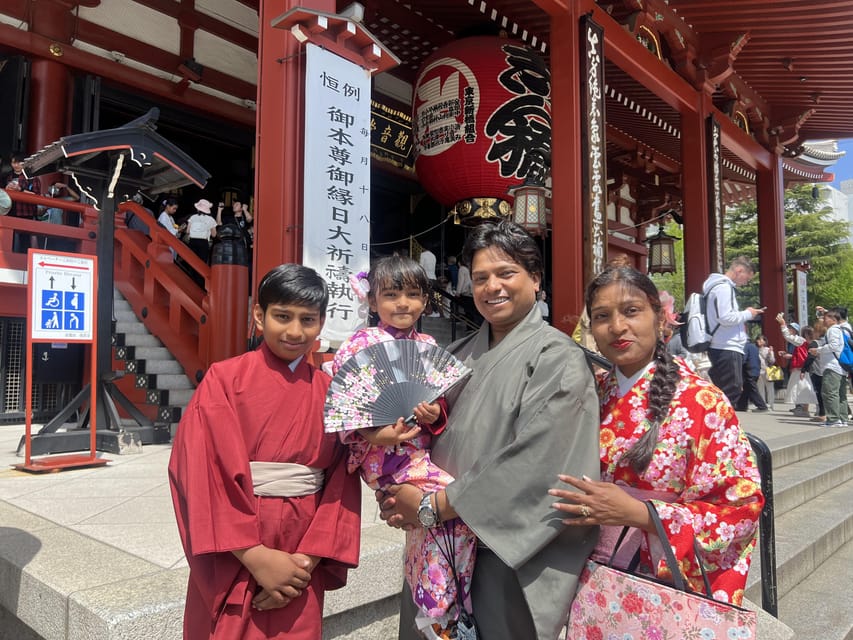
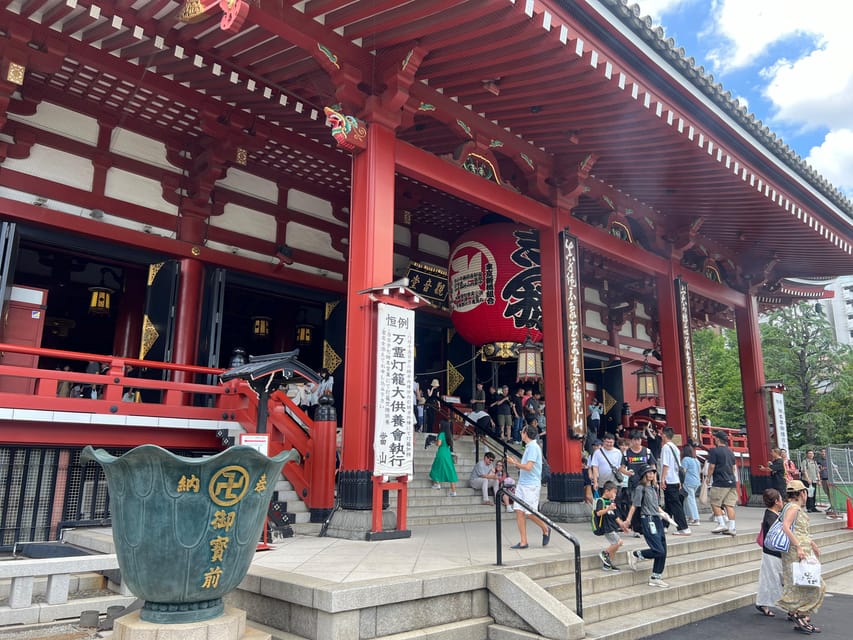
Senso-ji is the center of the walk. Founded in the 7th century, it is described as Tokyo’s oldest temple and remains the main reason many people come to Asakusa.
You have about 30 minutes for a guided visit, walking, and photographs. The guide explains the temple’s past and its place in Japanese religious life. You can also learn how to approach the temple respectfully, including the basic way to pray. That practical instruction is one of the most useful parts of the tour because it helps you take part without feeling awkward.
The visit also brings up the legends connected with Senso-ji, the area’s Buddhist traditions, and the changes Asakusa has seen over time. Guides have discussed the district’s growth from Edo-era Tokyo through the post-war period, along with the nearby entertainment and geisha districts.
Do not expect a private or silent temple visit. Senso-ji is one of Tokyo’s most famous sights, and the grounds attract many people. The guide’s job is to help you notice meaning and details even when the setting is busy.
You may also choose to try your fortune at the temple. One participant especially enjoyed this part. If your fortune is not favorable, Japanese custom offers a way to leave the paper behind rather than carry the bad luck with you. The tour does not promise any particular ritual or activity, so think of this as an option during your temple visit, not a fixed performance.
Asakusa Shrine: a quieter contrast nearby
The final main stop is Asakusa Shrine, with about 30 minutes for photographs and explanation. Its proximity to Senso-ji makes the pairing especially useful. In a short distance, you encounter both a Buddhist temple and a Shinto shrine.
This is where the differences between the two traditions can become easier to discuss. Guides have explained shrine customs, how to pray, and the religious significance of the site in Japanese culture. Aska, in particular, has been praised for showing people how to pray correctly.
The stop also helps break up the crowds around the temple. It remains part of the same historic district, but the mood and religious setting are different. Your guide can connect the two places without treating them as interchangeable.
As with Senso-ji, the available time is limited. If you want to inspect every corner, take detailed photographs, or spend time in quiet reflection, plan to return after the tour. The guide gives you the framework, then you can explore at your own speed.
What the guides add to the walk
The most highly praised part of this tour is the guiding. People have singled out Shino’s local knowledge, Embla’s organization, Nicolas’s storytelling, Joe’s friendly energy, and Ryota’s approachable style. Other guides, including Connie, Haydn, Naoya, Jae, and Yota, have also been praised for clear English, patience, and useful recommendations.
That variety matters because this is not a self-guided audio walk. The guide adjusts the experience to the group. Guides have answered questions about history, religion, daily life, food, souvenirs, and nearby places to visit in Tokyo.
They also keep an eye on the practical side of group travel. One guide made sure no one was left behind in heavy foot traffic. Another stayed calm when part of the group moved slowly or talked while explanations were underway, then became more direct when the tour needed to continue.
This is a social walking tour, not a private scholarly lecture. Your experience will depend partly on the group, and crowded streets can make conversation harder. Still, the small-group limit gives the guide a fair chance to keep everyone involved.
Is two hours enough for Asakusa?
Two hours is enough to understand the main sights, learn proper temple and shrine manners, and gather ideas for a longer visit. It is not enough to explore all of Asakusa.
That limitation is useful if you are new to Tokyo or have a packed schedule. The tour returns to the Starbucks near Asakusa Station, so you can continue independently with a clearer plan. You might return to Nakamise for food, visit shops at your own speed, spend longer at Senso-ji, or wander the older side streets mentioned during the walk.
The pace is not described as strenuous, and guides have been praised for keeping people comfortable in hot weather and avoiding an overly fast walk. You still need comfortable shoes because this is a walking tour with several stops.
The best strategy is to treat the two hours as an orientation. Do not expect every alley, shrine, shop, or food stall. Expect to leave knowing what deserves more of your time.
Is $14 good value?
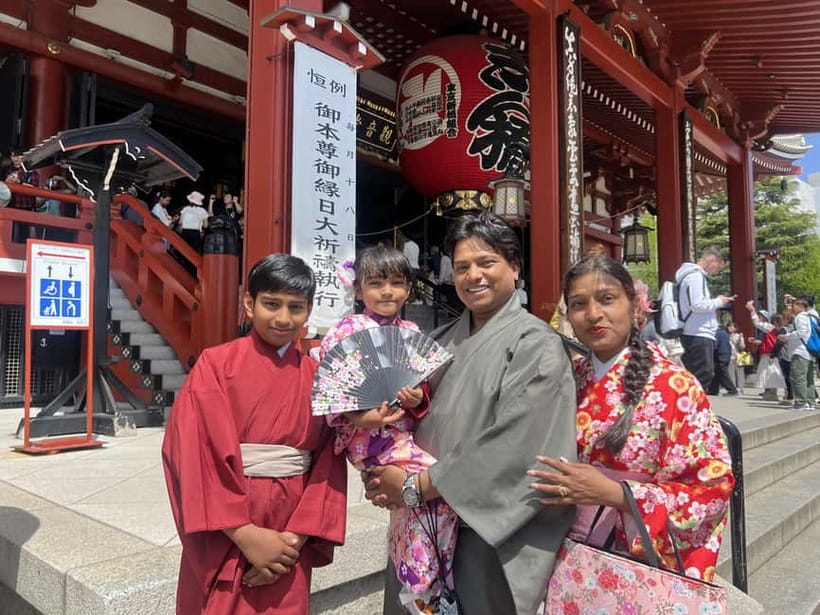
Yes, especially for a first visit. At $14, you are paying for a live English-speaking guide, a small group, and a focused route through four important parts of Asakusa. The price is low enough that the tour makes sense even if you plan to explore more on your own afterward.
The real value comes from context. You can see Kaminarimon and Senso-ji without a guide, but it is harder to understand the connection between the temple, shrine, shopping street, Edo-era neighborhood, and modern Tokyo. Food recommendations and instruction on temple etiquette add practical value that a quick photo stop does not provide.
This is not the right choice if you want a long food tour, extensive shopping time, or a private guide. The route is short and public, and the temple area can be crowded. For a compact introduction, though, the price is hard to argue with.
The booking terms are flexible. You can cancel up to 24 hours before the tour for a full refund, and you can reserve now and pay later. Starting times vary, so check availability when you choose your date.
Who should book this Asakusa walk?
I would recommend it to first-time visitors who want a clear introduction to traditional Tokyo. It also suits solo visitors who prefer a small group, couples, families, and anyone interested in Japanese customs but unsure how to begin.
It is particularly useful if you want help with:
- Understanding the difference between a Buddhist temple and a Shinto shrine
- Learning how to pray respectfully
- Finding local foods and meaningful souvenirs
- Hearing stories about Edo, geisha districts, samurai-era Tokyo, and post-war Asakusa
- Getting recommendations for what to see and eat after the tour
I would be more cautious if you have already spent a full day in Asakusa and know the main sites well. You may still learn something new, as one repeat visitor did, but the tour is designed mainly as a first look.
Should you book the Senso-ji and Asakusa tour?
Book it if you want good context in a short time. The route is focused, the price is modest, and the guides add the details that turn a famous temple visit into a more meaningful look at Japanese culture.
Do not book it expecting an empty temple, a long shopping session, or a private tour every time. Crowds are part of Asakusa, and the two-hour format leaves plenty for you to discover later.
For most first-time Tokyo visitors, I think it is a smart opening walk. Meet at the station, stay close in the crowds, ask questions, and use the guide’s food and neighborhood tips to shape the rest of your day.
FAQ
How long is the Asakusa and Senso-ji tour?
The tour lasts two hours.
What language is the tour conducted in?
The live tour guide speaks English.
How many people are in the group?
The group is limited to 10 participants.
Where does the tour meet?
You meet in front of the Starbucks closest to Asakusa Station.
Should I download WhatsApp before the tour?
Yes. The meeting instructions ask you to download WhatsApp so you can connect with the guide smoothly.
What places are included?
The route includes Kaminarimon, Nakamise Shopping Street, Senso-ji Temple, and Asakusa Shrine.
Is admission included?
Admission to Asakusa, Senso-ji Temple, and Nakamise Shopping Street is included in the activity.
How much does the tour cost?
The listed price is $14 per person.
Can I cancel the booking?
Yes. You can cancel up to 24 hours in advance for a full refund. You can also reserve now and pay later.
Just added around Tokyo
- :Tokyo,Shibuya /Meiji Shrine tour in KIMONO/English-friendly★ 5.0 · 4 reviews
- Tokyo: Snow Monkey and Zenkoji Temple Day Trip In Low Price★ 5.0 · 5 reviews
- Tokyo: Gotokuji Culture Walk & Lucky Cat Temple Experience★ 4.9 · 5 reviews
- Tokyo War History Tour: Yasukuni Shrine & War Museum★ 4.5 · 6 reviews
- Tokyo: Shibuya Sky, Harajuku & Meiji Shrine Highlights Tour★ 4.5 · 9 reviews
- Tokyo: Visit 5 Shrines & Collect Goshuin on Private Tour★ 5.0 · 3 reviews
- Tokyo: Sensoji Temple & Street Food: Private Tour with guide★ 4.6 · 8 reviews
- Tokyo’s Kitchen: Tsukiji Market Food & Culture Walk★ 4.7 · 74 reviews
Meiji Shrine & Senso-ji Tours, compared.
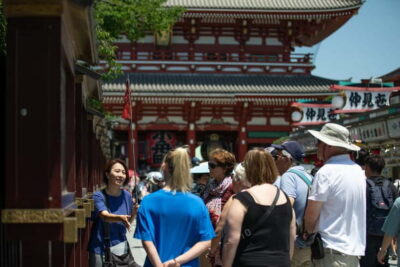
Asakusa Walking Tour with Sensoji Temple Visit
Read our review →
Tokyo Panoramic 1 Day: Meiji Shrine, Asakusa, Odaiba and SKYTREE®
Read our review →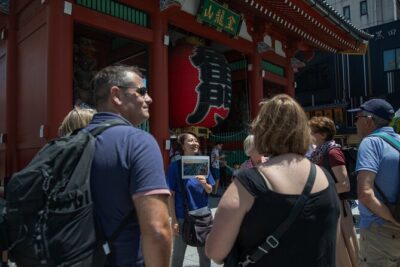
Asakusa Senso-ji Temple and Old Tokyo Walking Tour
Read our review →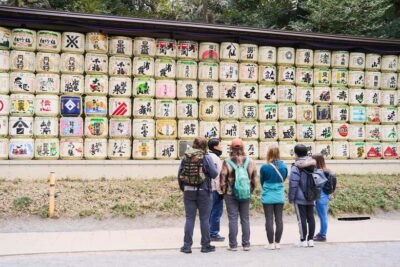
Meiji Shrine Walking Tour — Shinto & Imperial System
Read our review →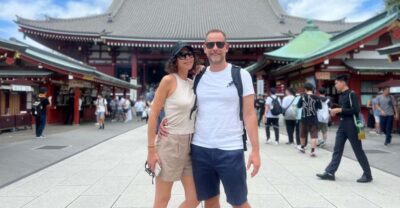
Meiji Jingu Shrine and Shinto Culture Walking Tour
Read our review →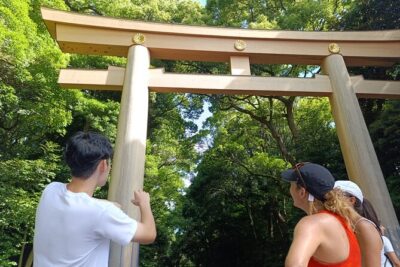
Meiji Shrine Walking Tour — Shintoism & Imperial System
Read our review →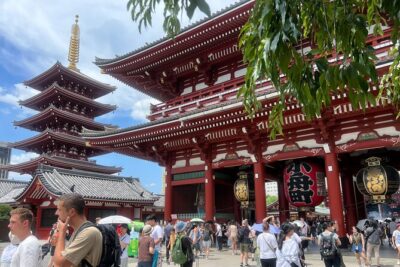
Tokyo Morning Tour: Asakusa, Meiji Shrine and Tsukiji Fish Market
Read our review →Browse the lists this tour appears in