
Review · TOKYO
Tokyo: Zen Meditation at a Private Temple with a Monk
Tokyo has a quiet room for noisy minds. This 90-minute visit brings you into a private Asakusa temple for Zazen meditation, a practice lesson with monk Namiki-san, and a calm cup of matcha afterward. I like the personal setting and the chance to ask direct questions about Zen, Japanese life, and the monk’s daily work.
I also like the thoughtful extras, especially the calligraphy exercise and tea ceremony, which give the visit more substance than a short meditation class. The main consideration is that the meditation itself may be fairly brief, with sessions often lasting about 10 minutes each, so this is an introduction to Zazen rather than a long retreat.
Key points to know before you book
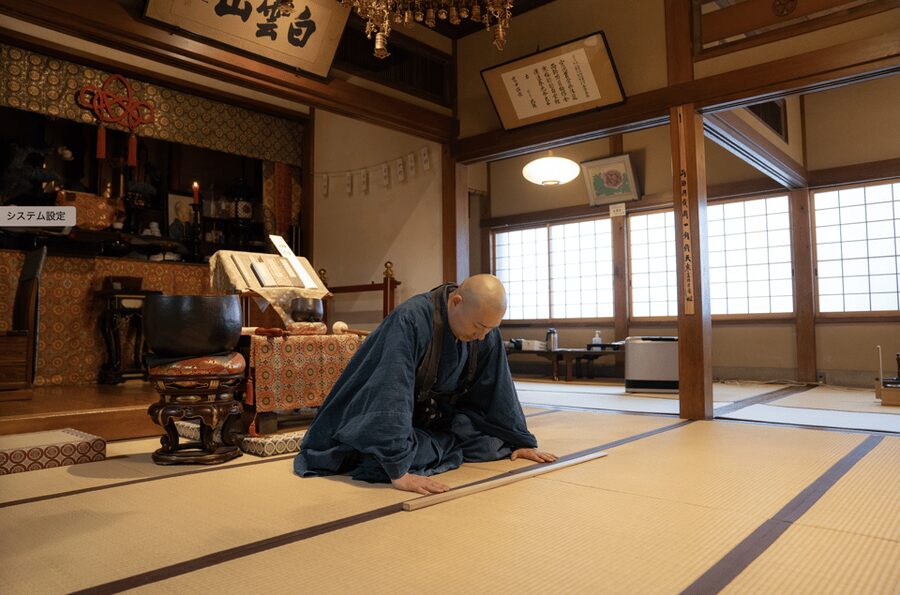
- The temple is private: You enter a small temple in Asakusa that is not open to the general public.
- Monk Namiki-san leads the teaching: He explains Zazen, answers questions, and may demonstrate the meditation stick.
- Meditation is only part of the visit: Calligraphy, chanting, matcha, sweets, and conversation add cultural context.
- Tamami Shigenobu is a standout guide: She has provided clear English translation and helped visitors feel at ease.
- The meeting point needs care: Meet at the correct Family Mart near Tawaramachi Station, since there are two branches in the area.
- The $55 price buys access, not just instruction: You are paying for a private temple visit, live translation, a monk-led session, and several hands-on activities.
Entering a 400-year-old temple in Asakusa
The experience begins near Tawaramachi Station on the Ginza Line, a short walk from the meeting point in front of Family Mart. Take care here: there are two Family Mart stores in the area, so confirm the exact branch before you set off. The guide contacts you through WhatsApp, which helps with the meeting but means you should install the app before the activity.
From this busy part of Tokyo, you move into a much quieter setting. The temple has a history of more than 400 years and is not normally open to the public. That private access is a major part of the appeal. You are not simply looking at a temple from a path or taking a quick photograph outside. You are invited into a working religious space for a small cultural program.
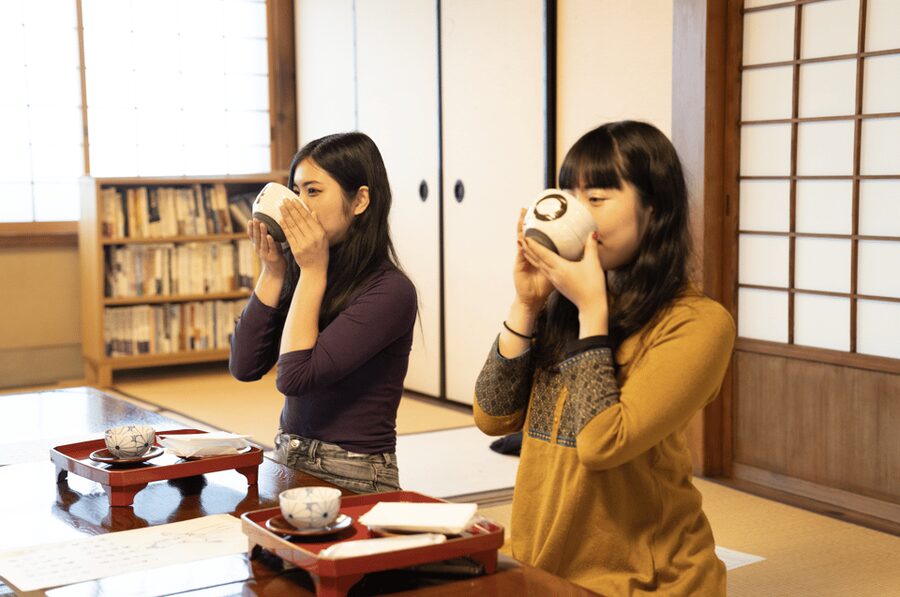
The setting is modest rather than grand. That is good news if you want a personal introduction to Zen instead of a polished stage show. The scent inside the temple, the tatami seating, the quiet, and the presence of the resident monk give the visit a sense of place that a hotel meditation room could not match.
Your English-speaking guide provides context about Japanese culture and Zen before the monk begins. Guides have included Tamami Shigenobu, Kazu, and Shota. Tamami has received especially warm praise for her clear translation, patience, and friendly manner, but the guide assigned to your session can vary.
A few more temple visits around Tokyo worth a look
- Tokyo: Asakusa Walking Tour with Sensoji Temple Visit
★ 4.8 · 1,583 reviews - Nikko: Kegon Falls, Lake Chuzenji & Toshogu Temple
★ 4.6 · 1,577 reviews - Tokyo: Nikko Toshogu Shrine and Kegon Waterfall Tour
★ 4.5 · 1,266 reviews
What Zazen feels like for a first-time visitor
Zazen means seated meditation. The basic task sounds simple: sit, breathe, and pay attention. In practice, your mind will probably wander. That is not a failure. It is part of seeing how the practice works.
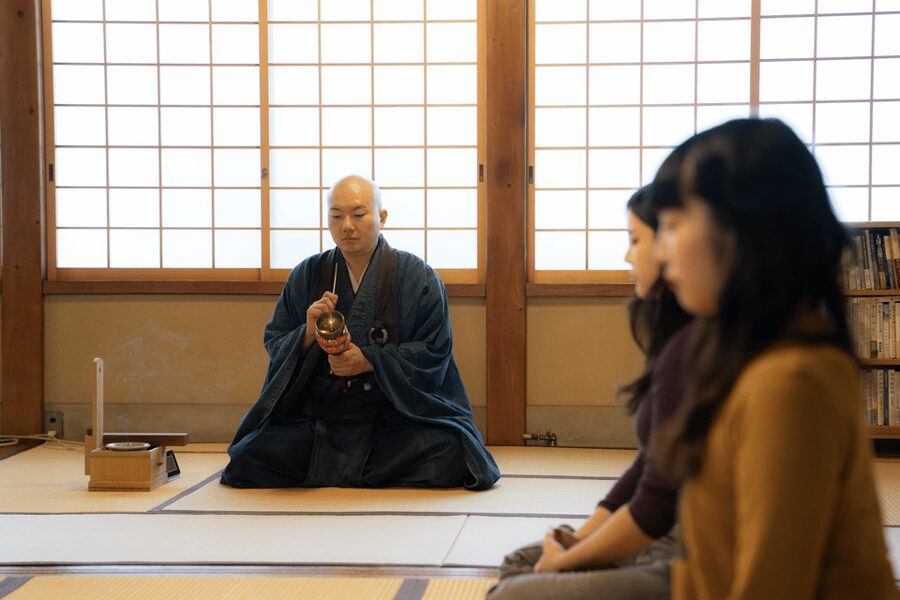
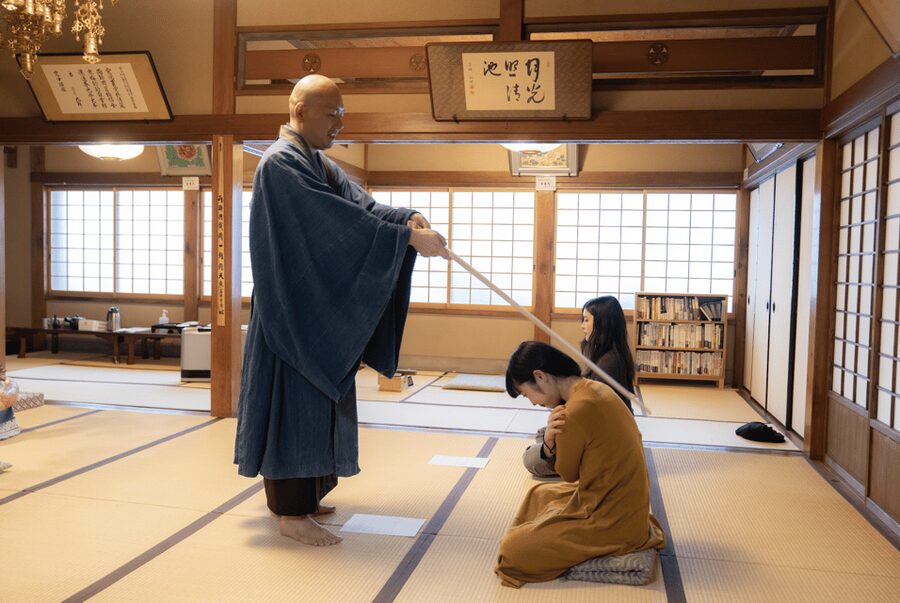
Namiki-san explains the principles and posture before you begin. The session focuses on rhythmic breathing, stillness, and turning your attention away from everyday concerns. You may sit on tatami mats, following the monk’s instructions in the quiet temple room.
The exact meditation pattern can vary. Some sessions have included two periods of about 10 minutes. Another account described roughly 25 minutes of silent sitting. The advertised experience lasts 90 minutes, but the time given to each activity may shift depending on the group and the monk’s teaching. If you hope for a long meditation, ask about the session length at the start.
This is a useful format for beginners because you are not expected to arrive with special knowledge. The guide explains what is happening, and the monk presents the practice in a friendly way. You do not need to treat the session as a test of spiritual discipline.
You may also be offered the option of using the meditation stick. One participant specifically recommended asking Namiki-san about it. The stick is traditionally used as a reminder to correct posture or attention, and some people find the demonstration memorable. If that possibility makes you nervous, simply ask the monk or guide how it works before agreeing.
The strongest benefit is not that you will master Zen in 20 minutes. You will not. The value is that the temple gives you a short, focused pause during a fast-moving Tokyo trip. It can help you notice your breathing and the habits of your mind without requiring a full day away from sightseeing.
Meeting Namiki-san, the resident monk
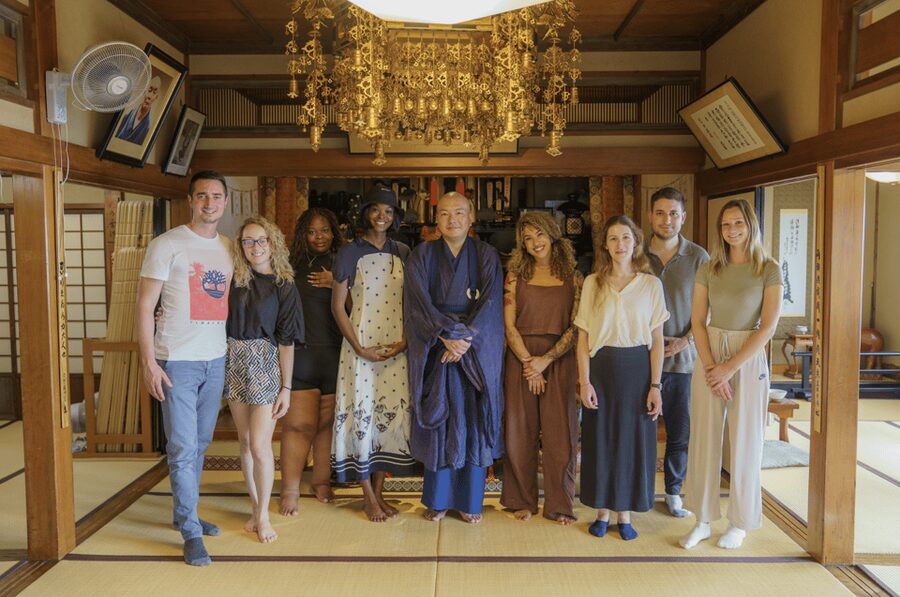
The human side of this visit is one of its best features. Namiki-san is described as warm, patient, funny at times, and open to questions. He is a third-generation monk from his family, and the temple has been connected with three generations of monks.
That personal history adds weight to the conversation, but the tone does not sound stiff or overly formal. You can ask about meditation, Zen Buddhism, temple life, Japanese customs, and practical ways to handle stress. The discussion has included advice about giving full attention to simple tasks, keeping your surroundings tidy, avoiding comparisons with other people, and looking closely at the roots of anger.
The English guide translates the monk’s comments. This matters because the discussion is not limited to memorized explanations. Tamami and the other guides help carry questions back and forth, clarify cultural points, and keep the conversation moving.
Language support is one reason I would recommend this activity to English speakers who want more than a silent sitting session. You can ask what you really want to know instead of nodding politely and hoping you understood the main idea.
You can also take photographs inside the temple and with the monk. Be respectful about when you use your camera, and let the guide manage the timing. The photographic opportunity is a pleasant extra, not the focus of the visit.
Calligraphy turns concentration into something you can keep
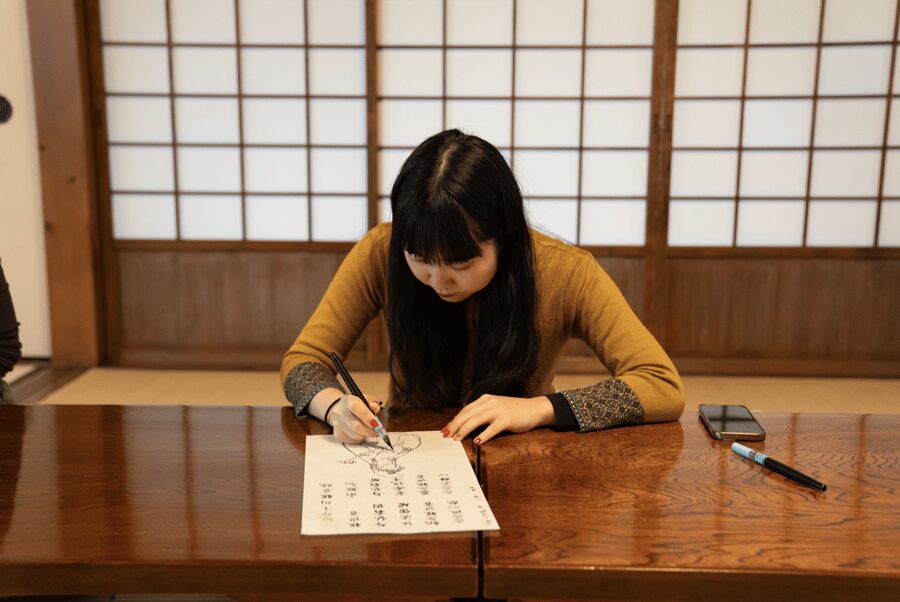
Calligraphy is not always listed as prominently as meditation and tea, but it has become an important part of the experience. You may practice writing while the monk chants, creating a second form of quiet concentration.
This activity works well after meditation. Instead of sitting still, you focus on the movement of the brush and the shape of each mark. The result may not look museum-ready, but that is not the point. The exercise gives you a physical reminder of the temple and a simple object to take home.
Several visitors found this an unexpected highlight. It also broadens the appeal of the experience for anyone who is curious about Japanese culture but unsure about meditation. You can engage with the visit through the brush, the chanting, and the careful pace of the activity.
Do not expect a full calligraphy workshop with extensive technical instruction. The activity is brief and connected to the wider Zen lesson. If you want detailed brush training, look for a specialist class instead.
Same place, a different morning at the gates:
- Tokyo Panoramic 1 Day: Meiji Shrine, Asakusa, Odaiba and SKYTREE®
★ 4.5 · 1,222 reviews - Mt. Fuji Heritage Tour: Traditional Villages, Lakes & Shrine
★ 4.5 · 509 reviews - Tokyo: Samurai Entertainment Night Show in Kanda Shrine
★ 4.6 · 417 reviews - Tokyo: Asakusa and Tokyo’s Oldest Temple Senso-ji Tour
★ 4.9 · 352 reviews
Matcha, sweets, and a useful final conversation
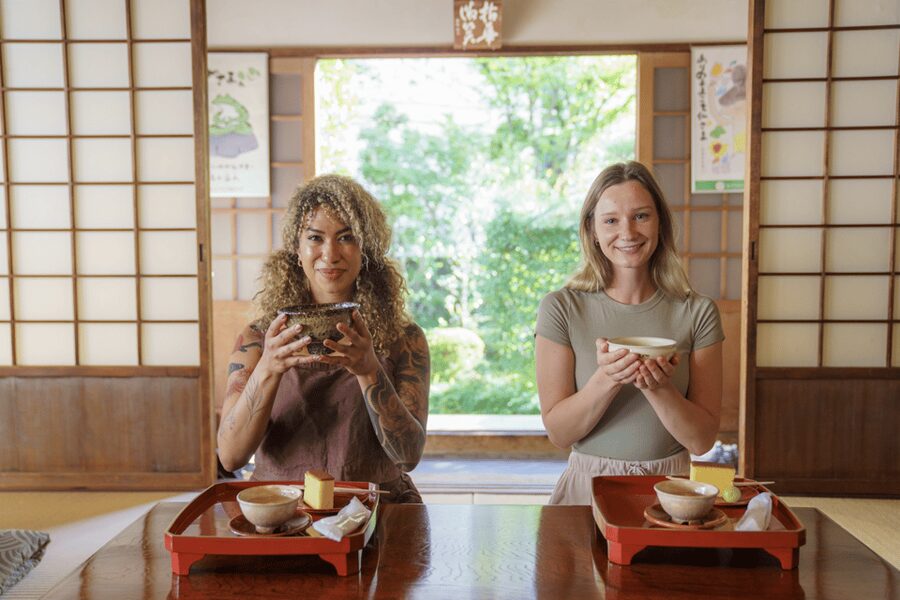
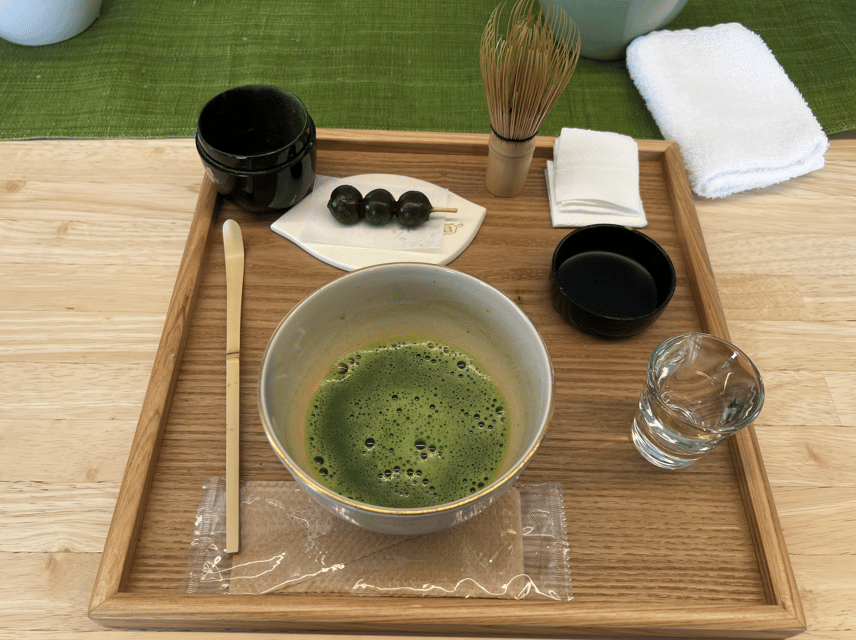
The visit ends with matcha tea, traditional sweets, and time for questions. This is more than a snack break. Japanese tea preparation reflects many of the same ideas introduced in meditation: attention, restraint, rhythm, and respect for the moment.
The ceremony here is short, so set your expectations accordingly. You are receiving an introduction rather than a formal, multi-hour tea-school performance. Still, the matcha gives the experience a satisfying finish and lets everyone settle into conversation.
The sweets are a small but welcome touch, especially after sitting quietly. You can ask the monk follow-up questions while drinking tea, which makes the final section feel relaxed rather than rushed.
I like this ending because it avoids a common problem with short cultural activities. You do not simply meditate, take a photograph, and leave. The tea and discussion help connect the ritual to ordinary life. You can ask how to continue meditation at home or clarify something that seemed puzzling during Zazen.
Why the $55 price can make sense
At $55 per person, this is not the cheapest way to spend 90 minutes in Tokyo. You can meditate alone for free, and many temples can be visited without an activity fee. The price makes sense because you are paying for several things together.
You receive entry to a temple normally closed to the public, an English-speaking guide, translation, direct time with a monk, meditation instruction, calligraphy, matcha, and sweets. Transportation is not included, but the meeting point is close to Tawaramachi Station, so reaching the area is straightforward if you are already in central Tokyo.
The value is strongest for someone who wants access and explanation. If you only want a quiet room for meditation, the price may feel high. If you want to understand what you are doing and ask questions in English, the private setting and translation make the cost easier to justify.
The activity also fits well into a busy Tokyo schedule. At 90 minutes, it does not consume a whole morning or afternoon. You can pair it with Asakusa sightseeing, though you should allow enough time to find the correct Family Mart and arrive without rushing.
Who will enjoy this temple visit most
I would choose this for a first-time meditator, a curious visitor interested in Buddhism, or anyone who wants a slower start to a day in Tokyo. You do not need prior meditation experience. The instruction is designed to make the practice approachable.
It also suits people who prefer conversation over a purely silent retreat. The monk’s answers and the translator’s help are central to the experience. Families with older children may find the calligraphy and tea more engaging than a meditation-only class, though the supplied information does not specify age requirements.
This may be less suitable if you want a long, serious meditation session. The meditation portions can be short, and the experience includes several activities. It is best understood as a cultural and spiritual introduction, not intensive Zen training.
You should also be comfortable sitting quietly on tatami mats and following temple etiquette. The provided details do not specify accessibility arrangements, so contact the provider if you need particular seating or mobility support.
Practical tips for a smooth morning
Install WhatsApp before you go, since the guide uses it to contact participants. Check the exact meeting point carefully, as two Family Mart branches are located in the area.
Wear clothing that lets you sit comfortably. The activity includes meditation on tatami mats, so restrictive clothing may make the sitting period less pleasant. Arrive ready to listen, and avoid treating the temple like a quick photo stop.
Ask questions. The final conversation is one of the most valuable parts, and the monk has been willing to discuss both Zen and everyday life. You can also ask about the meditation stick, the calligraphy, or how to continue the practice after returning home.
Keep your schedule flexible after the advertised 90 minutes. The standard duration is 90 minutes, but individual activities can vary, and some accounts describe a slightly longer visit. The provider offers free cancellation up to 24 hours before the start time, and you can reserve now and pay later if you need flexibility.
Should you book this Zen meditation experience?
Book it if you want a personal look at Japanese temple life, clear English support, and several gentle activities in one short visit. The private temple, kind guides, open conversation with Namiki-san, calligraphy, and matcha make this more useful than a generic meditation demonstration.
Skip it if your main goal is an extended silent retreat or advanced Zen instruction. The meditation is introductory, and the visit also includes cultural activities that may not suit someone seeking uninterrupted sitting.
For most visitors, I think the $55 is fair, especially because access to the temple and time with the monk are difficult to arrange on your own. Go with an open mind, ask direct questions, and treat the morning as a pause from Tokyo rather than a performance you need to perfect.
FAQ
Where does the Zen meditation experience meet?
Meet in front of the correct Family Mart in the Asakusa area, about two minutes from Tawaramachi Station on the Ginza Line. There are two Family Mart branches nearby, so confirm the exact location before you go.
How long does the experience last?
The advertised duration is 90 minutes. The amount of time spent on meditation, calligraphy, tea, and questions can vary, and some sessions have included longer or shorter meditation periods.
Is the experience conducted in English?
Yes. The activity includes an English-speaking live guide. The guide translates the monk’s explanations and helps with questions.
Is transportation included?
No. Transportation is not included. You make your own way to the meeting point near Tawaramachi Station.
Do I need previous meditation experience?
No previous experience is stated as a requirement. The monk explains the principles and techniques of Zazen before you practice, making the session suitable for beginners as well as people who already meditate.
What activities are included besides meditation?
The experience includes a guide, temple entry, the monk’s explanation, matcha tea, and Zen meditation. Sessions have also included calligraphy, chanting, traditional sweets, and a question-and-answer discussion with the monk.
Can I take photographs?
Yes. Photographs and videos are allowed, and you can take pictures inside the temple and with the monk. Follow the guide’s instructions about timing and respectful behavior.
Can I cancel for a refund?
You can cancel up to 24 hours in advance for a full refund. The activity also offers a reserve-now, pay-later option.
Just added around Tokyo
- :Tokyo,Shibuya /Meiji Shrine tour in KIMONO/English-friendly★ 5.0 · 4 reviews
- Tokyo: Snow Monkey and Zenkoji Temple Day Trip In Low Price★ 5.0 · 5 reviews
- Tokyo War History Tour: Yasukuni Shrine & War Museum★ 4.5 · 6 reviews
- Tokyo: Gotokuji Culture Walk & Lucky Cat Temple Experience★ 4.9 · 5 reviews
- Tokyo: Shibuya Sky, Harajuku & Meiji Shrine Highlights Tour★ 4.5 · 9 reviews
- Tokyo: Visit 5 Shrines & Collect Goshuin on Private Tour★ 5.0 · 3 reviews
- Tokyo: Sensoji Temple & Street Food: Private Tour with guide★ 4.6 · 8 reviews
- Tokyo’s Kitchen: Tsukiji Market Food & Culture Walk★ 4.7 · 74 reviews
Tokyo Temple Tours, compared.
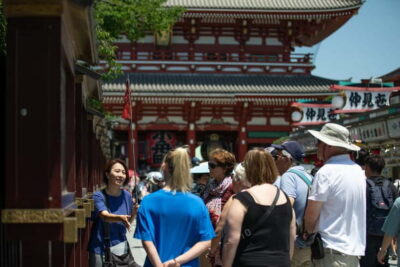
Asakusa Walking Tour with Sensoji Temple Visit
Read our review →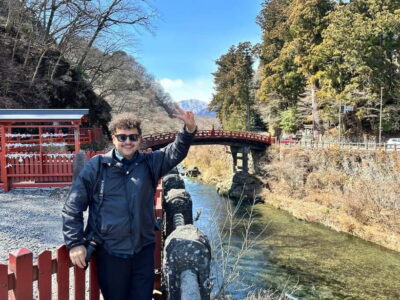

Nikko Toshogu Shrine and Kegon Waterfall Tour
Read our review →
Tokyo Panoramic 1 Day: Meiji Shrine, Asakusa, Odaiba and SKYTREE®
Read our review →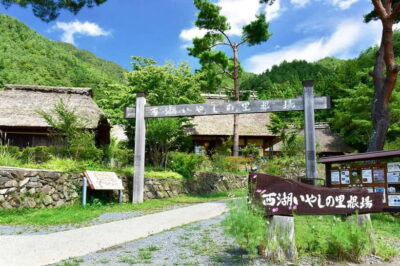
Mt. Fuji Heritage Tour: Traditional Villages, Lakes & Shrine
Read our review →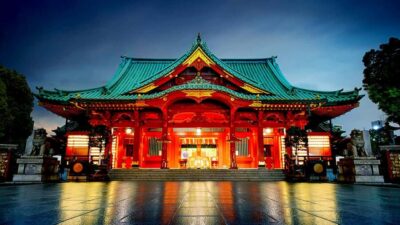
Samurai Entertainment Night Show in Kanda Shrine
Read our review →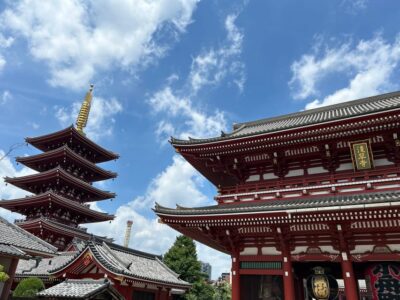
Asakusa and Tokyo’s Oldest Temple Senso-ji Tour
Read our review →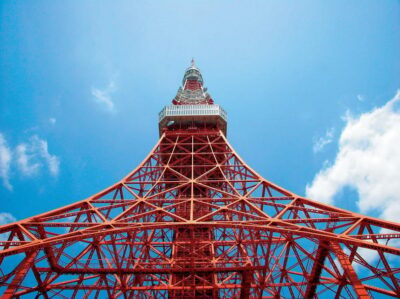
Imperial Palace, Sensō-ji Temple, & Tokyo Tower Tour
Read our review →Browse the lists this tour appears in