
Review · KYOTO
Kyoto: Zen Meditation at a Private Temple with a Monk
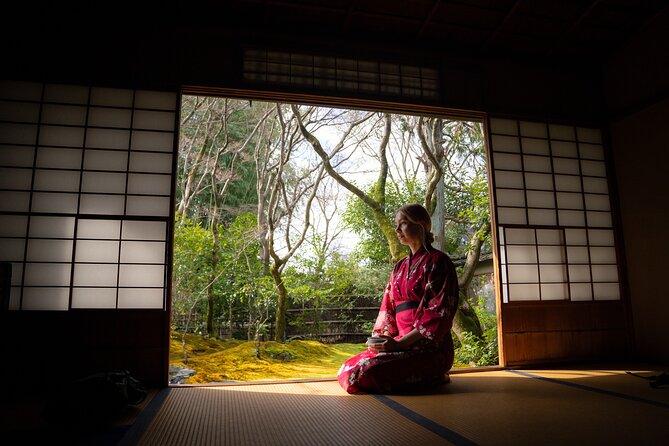
Quiet has a way of changing your pace. This 90-minute Kyoto experience takes you from Kodaiji Park to a private temple, where an English-speaking guide introduces you to Zazen meditation and a monk explains how the practice fits into Zen Buddhism. I especially like the chance to enter a temple not open to the general public, then sit down with the monk for tea and questions.
The other strong point is the calm, personal setting. The moss garden, gentle conversation, and guided breathing offer a welcome break from Kyoto’s crowded sightseeing routes. The main consideration is the $91 price, which is high for an hour and a half, particularly if you already meditate on your own or mainly want to see a temple garden.
The meeting point can also cause a little confusion. You meet at the toilet on the northern side of Kodaiji Park, not simply somewhere in the middle of the park, and a few people have found map directions unclear. Read the guide’s same-day message carefully and allow time to locate the correct side of the park.
Key points at a glance
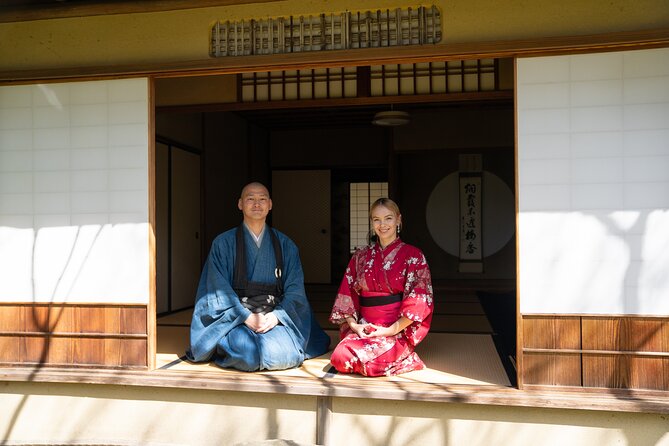
- A private temple near Kodaiji Park: Walk about 10 minutes from the meeting point to a temple normally closed to the general public.
- Zazen taught by a monk: Learn posture, breathing, focus, and the purpose of seated meditation before practicing.
- English guidance and translation: The guide explains Japanese culture and translates the monk’s teaching and answers.
- A calm garden setting: The session includes time to see the temple garden, including moss gardens described by several participants.
- Tea, sweets, and conversation: Matcha and small sweets provide a relaxed ending, with time to ask about Buddhism and monastic life.
- Private or small-group format: Group size can be limited, making the discussion more personal than a standard sightseeing tour.
From Kodaiji Park to a private Kyoto temple
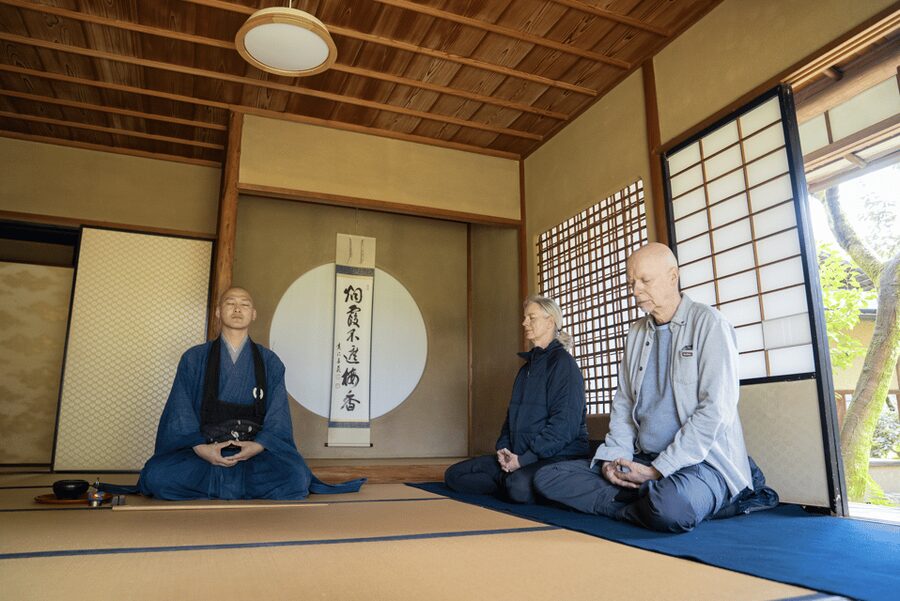
Your meeting point is at the toilet in Kodaiji Park, on its northern side. The guide waits there before walking with you for roughly 10 minutes to the temple. This short walk is part of the appeal: you leave the main sightseeing flow around Higashiyama and reach a quieter place without needing a taxi or train.
I would not rely on a generic map pin alone. The meeting point has caused confusion for some people because map directions can place you in an unhelpful part of the park. Check the guide’s message on the day of the experience and look for the northern side of the toilet building.
The temple is described as a private space, and several people found its limited public access to be one of the most meaningful parts of the visit. You are not simply passing through a famous temple with a large crowd. You are entering a working religious setting for a specific purpose, with a monk and guide there to explain what you are seeing.
The walking route is short, but the experience is not designed for people with mobility impairments. The activity also lists claustrophobia and fear of heights as reasons it may not be suitable. The information provided does not spell out every physical feature of the route, so contact the operator before booking if you have concerns.
A few more temple visits around Kyoto worth a look
- Kyoto: Tea Ceremony Ju-An at Jotokuji Temple
★ 4.9 · 3,207 reviews - Arashiyama Bamboo, Temple, Monkeys, or Secret Sake Brewery
★ 4.8 · 886 reviews - Kyoto: Arashiyama Bamboo Forest, Monkeys, Matcha & Temple Tour
★ 5.0 · 759 reviews
What the monk teaches about Zazen
The session begins with an introduction to Japanese culture and Zen, followed by a talk from the monk about Zazen. Zazen means seated meditation, and the lesson focuses on practical matters such as posture, breathing, attention, and the attitude needed for practice.
This makes the experience approachable if you have never meditated. You are not expected to arrive with religious knowledge or prior experience. One first-time participant described learning how to sit properly and maintain a longer period of silence, while another used the session as a first formal introduction to meditation.
The monk leads the meditation in Japanese, with the English-speaking guide translating. That arrangement is worth understanding before you arrive. You will not necessarily hear every instruction directly in English at the exact moment it is spoken, but the guide explains the content and helps the discussion flow.
The strongest part of this format is the chance to ask questions. The monk is not only presenting a set script and sending you away. After the sitting practice, you can ask about Zen, Buddhism, meditation, and life as a monk. The answers give the activity a human side that a recorded meditation class cannot provide.
A meditation session in a temple can also feel more formal than practicing in your hotel room. You have a quiet setting, a teacher, and a clear block of time. That structure may help you focus, though people looking for a long retreat or advanced Zen training should keep expectations realistic. This is an introduction, not a multi-day monastic program.
The meditation itself: calm, but not effortless
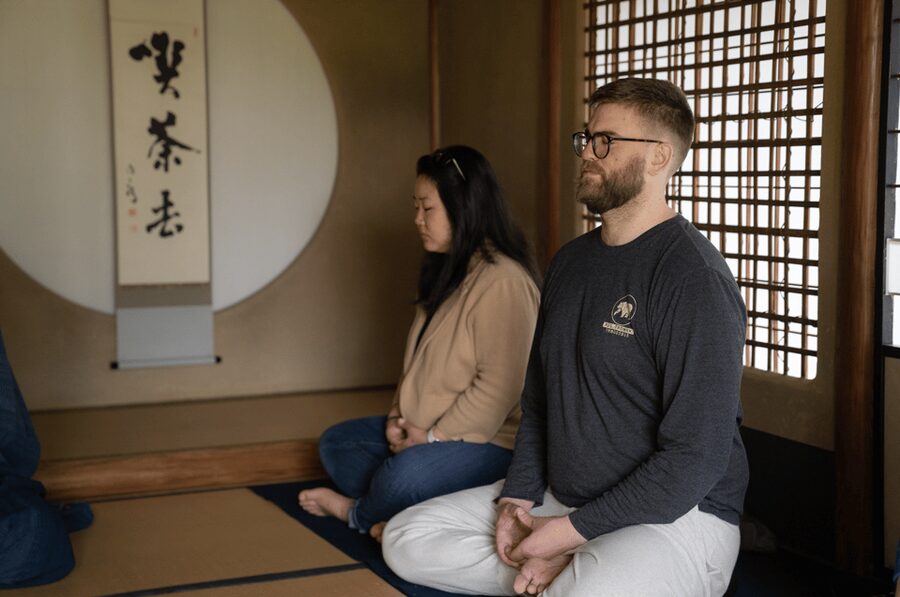
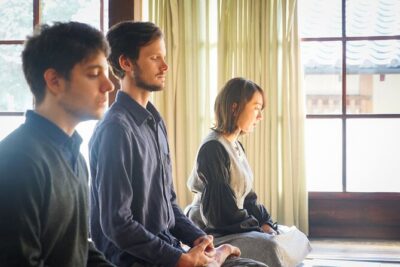
The actual Zazen practice is the heart of the experience. You sit quietly, breathe rhythmically, and work with the distractions that naturally appear. The stated aim is to unify the mind and step back from ego and everyday concerns, but you should not expect instant serenity. A short meditation can still feel restless, especially if you are new to sitting in silence.
That is not a flaw. The value is in learning how to begin. The monk explains techniques that you can take home, and several people left feeling more confident about making meditation part of daily life. One participant with prior experience had never before meditated for 20 minutes in complete silence and found the session especially useful.
I like that the activity does not treat meditation as a spectacle. The emphasis is on breathing, posture, attention, and presence. You do not need to perform for anyone. The guide and monk create a friendly atmosphere, which helps if you worry about doing something incorrectly.
The session may be particularly helpful at the start of a Kyoto stay. One person arrived after a long journey involving several planes and trains and found the quiet morning exactly what was needed. You can also book it later in the day, with some start times available in the evening. Check the schedule for your date rather than assuming it will always be a morning activity.
Tea, sweets, and a garden after the sitting
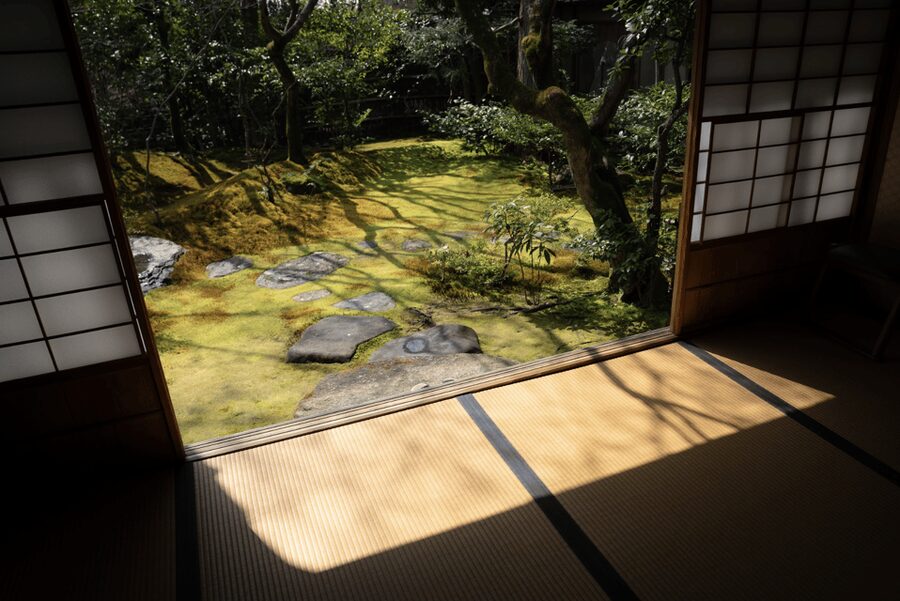
After meditation, you drink tea while looking toward the temple garden. The experience includes matcha and sweets, which give the session a traditional Japanese finish without turning it into a full tea ceremony lesson.
This part matters because it lets the mood change naturally. You move from silent concentration to conversation, and the monk becomes easier to approach. You can ask about his daily life, the meaning of Buddhism, or how to continue practicing at home.
The garden is a major reason to choose this activity over a basic meditation class. Descriptions from people who attended point to moss, quiet paths, and a peaceful private setting. The garden is not presented as a large sightseeing attraction, so do not book this expecting extensive grounds. Its appeal is atmosphere and access.
You may also be able to take photographs with the monk and inside the temple. Be respectful and follow the guide’s direction. Photography is a pleasant extra, but it should not become the main goal. The quiet setting and conversation are the real substance of the experience.
Same place, a different morning at the gates:
- Osaka/Kyoto:Kinkakuji,Arashiyama,FushimiInariShrine,NaraPark
★ 4.1 · 1,596 reviews - Kyoto Arashiyama Walking Tour: Bamboo, Monkeys, Gardens & Secrets
★ 5.0 · 1,216 reviews - Osaka/Kyoto: Arashiyama, Nara & Fushimi Inari Shrine w/Lunch
★ 4.4 · 754 reviews - Kyoto 1 Day Tour from Kyoto
★ 4.0 · 582 reviews
Why the guide matters
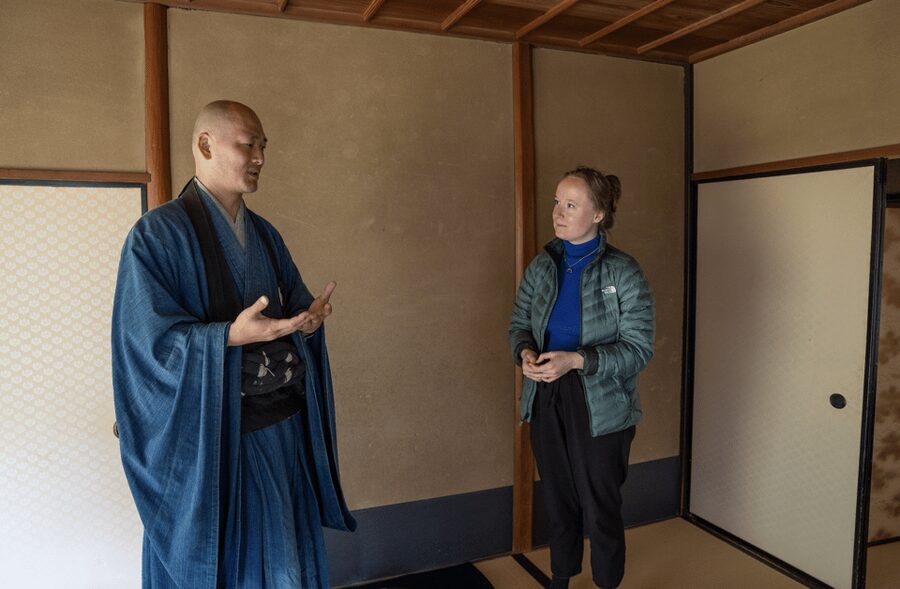
The guide is an important part of the experience because the monk’s teaching is translated into English. Guides named in feedback include Satoru, Soma, Kohtaro, Ruko, and others, so the person leading your session may vary.
Soma and Satoru were repeatedly praised for clear English, warm introductions, and careful translation. Ruko was also appreciated for interpreting and taking photographs. Kohtaro received praise for making the meditation and discussion easy to follow. These details suggest that the guide’s role goes beyond pointing out the temple.
A good guide helps you understand the setting without interrupting its quiet mood. The best version of this experience gives you enough cultural background to know what you are doing, then lets the monk remain the central voice. The guide also helps with questions, timing, and small practical matters.
If you are joining a small group, the guide helps everyone take part in the conversation. A few people had an especially personal session because only one or two participants were present. Larger small groups can still work well, but you may get less individual time with the monk.
Is $91 a fair price?
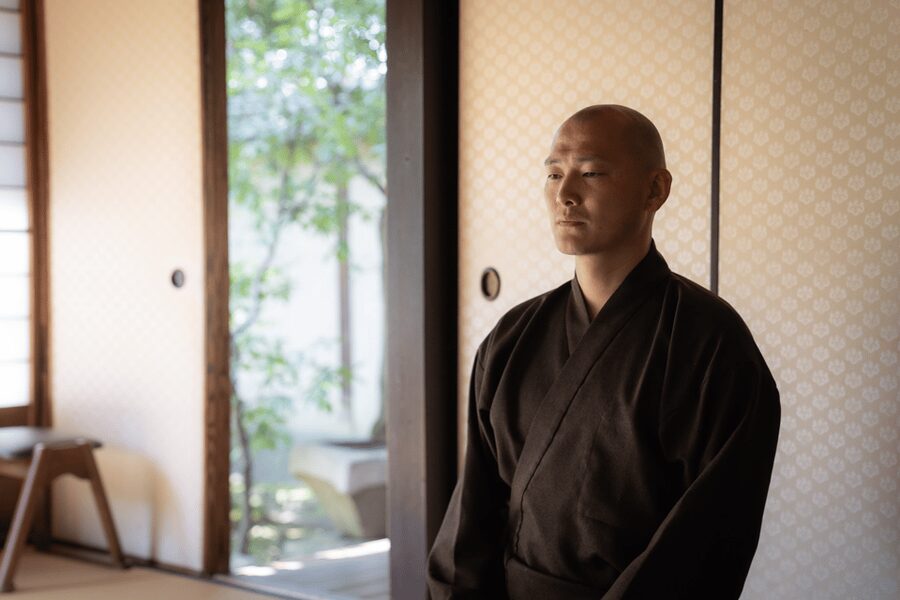
At $91 per person, this is not a bargain activity. The duration is only 90 minutes, transportation is not included, and you are paying more than you would for entry to a public temple.
The price makes more sense if you value access and instruction. It covers entry to a private temple, a lecture on Zazen, guided practice, English interpretation, tea, time in the garden, and a direct conversation with a monk. You are also paying for a small-scale cultural meeting rather than a self-guided visit.
I would consider it good value for three types of people:
- You want a structured introduction to meditation.
- You care about meeting a monk and asking questions.
- You have already seen Kyoto’s major temples and want a quieter cultural experience.
I would think twice if your main goal is photography, garden sightseeing, or a long meditation session. A public temple visit will usually cost less, and you may prefer a longer retreat if meditation is already an important part of your life.
The perfect value calculation depends on what you want from Kyoto. For a first-time visitor, the combination of private access, instruction, translation, and conversation gives the activity more substance than its short length suggests.
Who should book this experience?
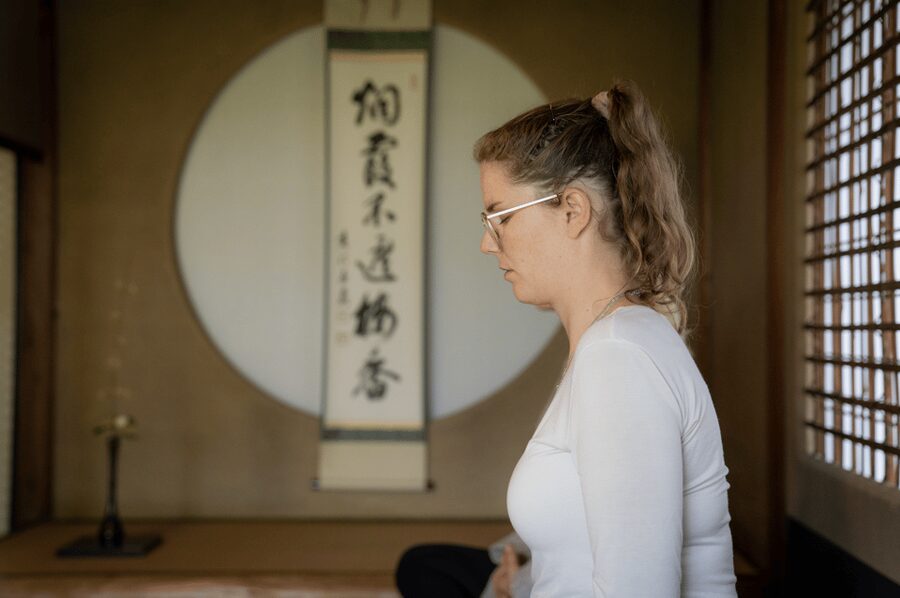
This activity suits adults and children aged 12 or older who can sit quietly and take part in a respectful temple visit. It works for complete beginners, people who already meditate, couples, solo visitors, and small groups of friends.
It is also a good choice if you want a cultural experience that does not feel like a lecture in a museum. The monk’s personal answers and the guide’s translation create room for real exchange. Several people valued learning about monastic life as much as learning the meditation technique.
The experience is less suitable if you dislike sitting still, feel uncomfortable in enclosed spaces, fear heights, or have mobility limitations. It is also not the right pick if you want a fast-paced morning packed with several attractions. The whole point is to slow down.
Families with younger children should note the minimum age of 12. Teenagers may enjoy the setting and the chance to try meditation, especially if they are curious about Japanese culture. The activity should be treated as a quiet class, not as a general family entertainment stop.
Practical timing and booking advice
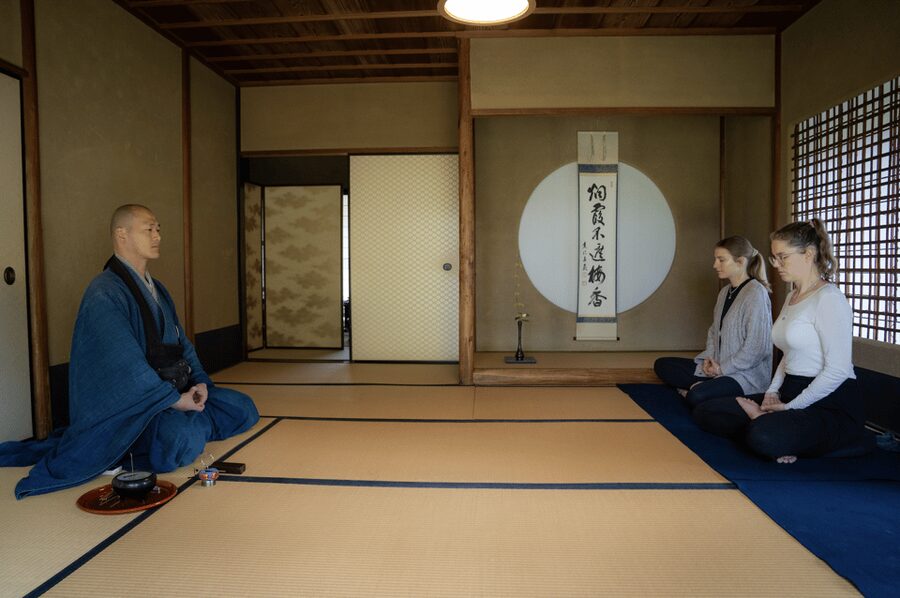
The experience lasts 90 minutes, including the walk to and from the temple area, the introduction, meditation lesson, practice, tea, garden time, and discussion. Starting times vary, so check availability for your chosen date.
Private and small-group options are available. If personal questions and quiet attention matter to you, choose the smallest format offered. A group can still be enjoyable, especially because everyone arrives with a shared interest in meditation, but individual conversation may be shorter.
Transportation is not included. You make your own way to Kodaiji Park, then walk with the guide. Wear clothing that allows you to sit comfortably, and avoid arriving rushed. The supplied information does not specify a dress code, but a respectful, modest approach is sensible for any temple visit.
Cancellation is flexible up to 24 hours before the start time for a full refund. You can also reserve and pay later, which helps if your Kyoto schedule is still changing.
What makes this different from a public temple visit?
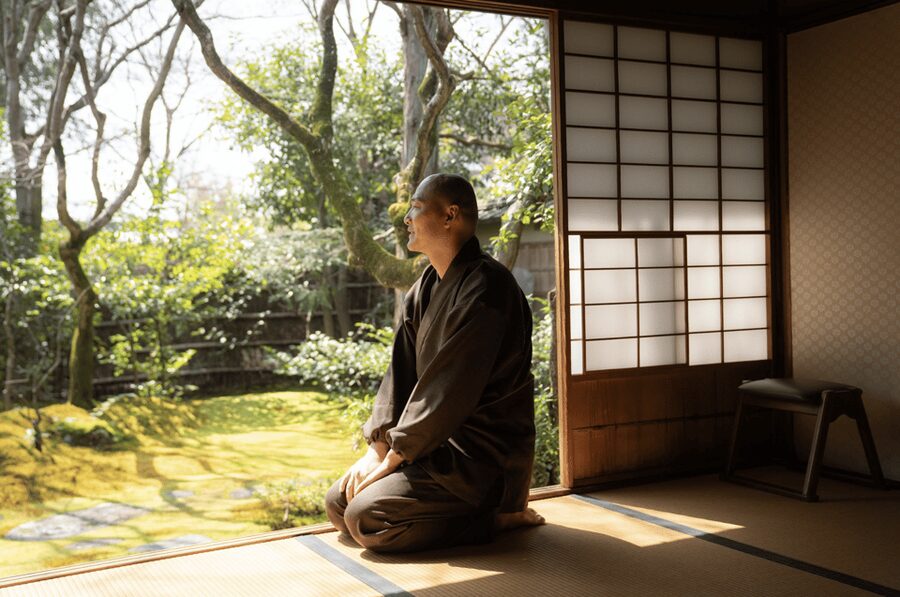
Kyoto has no shortage of beautiful temples, but a public visit usually leaves you observing from the outside. Here, the focus is participation. You listen to a monk explain Zazen, practice the method, share tea, and ask questions about religious life.
The private setting also changes the pace. You are not competing with a crowd for a photograph or moving along a marked visitor route. The garden becomes a place for quiet attention rather than just a backdrop.
That access should be handled with respect. You are entering a place that is not normally open to the public, so listen carefully to the guide and monk. Photography is allowed as part of the experience, but it is wise to keep your camera secondary to the visit itself.
Should you book Kyoto’s private Zen meditation?
Book it if you want a calm, personal introduction to Zazen and are willing to pay for access, guidance, translation, and conversation. The private temple, moss garden, tea, and friendly teaching make this one of Kyoto’s more distinctive cultural activities.
Skip it if $91 feels too high for 90 minutes, if you mainly want to see a garden, or if sitting quietly is not your idea of a holiday. For everyone else, especially first-time meditators and visitors tired of crowded sightseeing, this is a thoughtful way to spend part of a Kyoto morning or evening.
FAQ
Where does the experience begin?
Meet the guide at the toilet in Kodaiji Park. The guide waits on the northern side of the toilet.
How far is the temple from the meeting point?
The walk from Kodaiji Park to the temple takes about 10 minutes.
How long does the experience last?
The experience lasts 90 minutes.
Is the temple open to the general public?
The temple used for this experience is not open to the general public.
Is the experience offered in English?
Yes. An English-speaking guide leads the experience and translates the monk’s teaching when needed.
What is included?
The experience includes temple entry, the Zen session, a lecture on meditation principles and techniques, and practice of Zazen.
Is transportation included?
No. Transportation is not included. You make your own way to Kodaiji Park.
Are tea and sweets included?
The experience includes tea, and several descriptions of the session refer to matcha and sweets served afterward or at the beginning.
Can I take photographs?
You can take photographs with the monk and inside the temple and garden, following the guide’s instructions.
Is the experience suitable for children?
It is not suitable for children under 12. It is also not recommended for people with mobility impairments, claustrophobia, or a fear of heights.
Just added around Kyoto
- Kyoto: Kiyomizudera, Sanjusangendo, Ginkakuji and Higashiyama.★ 5.0 · 3 reviews
- Kyoto: Shakyo & Matcha in Historic Temple Garden★ 5.0 · 4 reviews
- Kyoto:Kiyomizu-dera Temple Rent a kimono and ride a rickshaw★ 4.8 · 7 reviews
- KYOTO: Tempio Kiyomizu Pagode Gion “Geisya” (Guida Italiana)★ 4.7 · 17 reviews
- Kyoto:Quiet Arashiyama and Sagano Temples★ 4.8 · 5 reviews
- KYOTO: Golden Pagoda, Bamboo Forest, Arashiyama (Italian)★ 4.9 · 5 reviews
- KYOTO: Tour guidato tra i tesori della città (in italiano)★ 5.0 · 5 reviews
- Kyoto: Kifune Shrine and the Sacred Kifune Valley Day Trip★ 4.4 · 4 reviews
Kyoto Temple Tours, compared.
Osaka/Kyoto:Kinkakuji,Arashiyama,FushimiInariShrine,NaraPark
Read our review →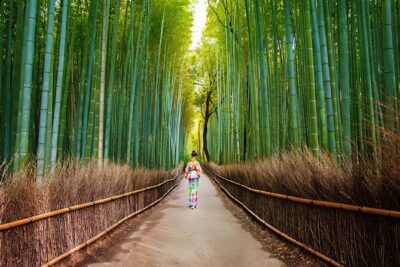
Kyoto Arashiyama Walking Tour: Bamboo, Monkeys, Gardens & Secrets
Read our review →
Arashiyama Bamboo, Temple, Monkeys, or Secret Sake Brewery
Read our review →
Arashiyama Bamboo Forest, Monkeys, Matcha & Temple Tour
Read our review →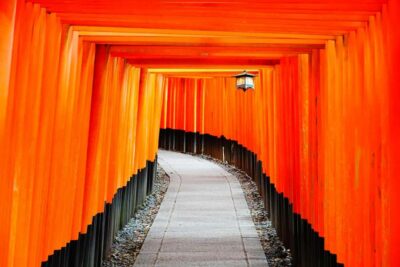
Osaka/Kyoto: Arashiyama, Nara & Fushimi Inari Shrine w/Lunch
Read our review →
Kyoto Zen Meditation & Garden Tour at a Zen Temple with Lunch
Read our review →Browse the lists this tour appears in