
Review · KYOTO
Kyoto:Quiet Arashiyama and Sagano Temples
Quiet Kyoto takes a little planning. This three-hour private walk through Arashiyama and Sagano trades the busiest streets for temple grounds, old homes, bamboo, and stories of people who lived centuries ago. I like the small-group format and the way guide Masa connects each stop to faith, loss, and daily life. The main caution is pace: the route covers a lot, so some visitors may want more time at each temple.
The tour also includes temple admissions, which helps the $38 price feel fair. I especially like the hands-on moments, such as learning about prayer and meditation customs, and the personal touch of meeting at JR Saga-Arashiyama Station. Wear good shoes, bring water, and expect a brisk walk rather than a slow afternoon stroll.
Key points at a glance
- A private walk with Masa: The English-speaking guide meets you outside JR Saga-Arashiyama Station with a sign bearing your name.
- Two temples with powerful stories: Giouji explores the sorrow of women connected to Taira no Kiyomori, while Adashino Nenbutsuji remembers the dead who had no family prayers.
- A quieter side of Arashiyama: The route reaches the Saga Toriimoto preserved street and the bamboo grove, not just the famous central sights.
- Admissions are included: The $38 fee covers entry to the temples visited, along with the guided tour and selected hands-on activities.
- A brisk three-hour route: You see many important places in one outing, but the schedule may feel tight if you prefer long pauses for photos or reflection.
- Best for active visitors: Comfortable shoes are essential, and the tour is not suitable for wheelchair users or people with mobility impairments.
Why this Arashiyama walk feels different
Arashiyama is famous for its bamboo grove, river views, and temple gates. It is also one of Kyoto’s easiest places to experience as a string of photographs. This tour tries to slow the story down, even while keeping the route moving.
The guide does not simply point out buildings and name dates. The focus is on the people connected with each place, the religious practices that shaped the area, and the feelings these sites can raise today. That approach gives the walk a clear purpose. You are not just collecting temple names. You are considering why people built memorials, became monks, prayed for the dead, or withdrew from public life.
The private-group setup matters here. Masa can adjust the conversation to your questions, and one review describes him arranging lunch when the group arrived hungry. That kind of flexibility is useful, though lunch is not part of the $38 price and should not be counted on as an included feature.
The tour has earned a 4.8 rating from five reviews, with especially warm praise for Masa’s friendliness, local connection, and ability to explain spiritual customs. One visitor appreciated being shown artisan shops that might otherwise have been missed. That is a good sign for anyone who wants more than the standard route, although the exact shops visited can vary.
A few more temple visits around Kyoto worth a look
- Kyoto: Tea Ceremony Ju-An at Jotokuji Temple
★ 4.9 · 3,207 reviews - Arashiyama Bamboo, Temple, Monkeys, or Secret Sake Brewery
★ 4.8 · 886 reviews - Kyoto: Arashiyama Bamboo Forest, Monkeys, Matcha & Temple Tour
★ 5.0 · 759 reviews
Meeting Masa at JR Saga-Arashiyama
The meeting point is JR Saga-Arashiyama Station, not Hankyu Arashiyama Station or Randen Arashiyama Station. This distinction matters because Kyoto has several stations with Arashiyama in the name, and they are not interchangeable.
Masa waits in the plaza just outside the station ticket gates, holding a sign with your name. Arrive 15 minutes early. That gives you time to find the correct exit and avoid starting the walk flustered.
Transportation to the station is not included. You also pay separately for food, drinks, and personal purchases. The tour is conducted in English and is arranged as a private group, so you do not have to keep up with a large crowd.
The route involves plenty of walking. Bring comfortable shoes, water, sunscreen, and a hat. A camera is useful, but do not let it become the main activity. Several of the stops make more sense when you listen quietly for a few minutes.
Adashino Nenbutsuji and the memorial stones
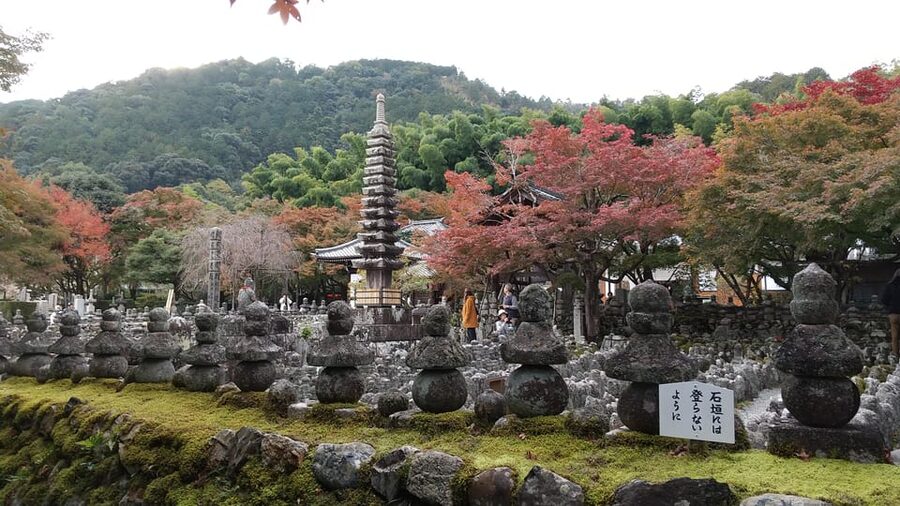
Adashino Nenbutsuji is one of the most meaningful stops on the route. Its name refers to a place of emptiness or a field without feeling. The area was once associated with bodies that had been left without proper family care or prayer.
The temple is linked with Honen, the monk who taught nenbutsu, a form of Buddhist practice involving the chanting of a sutra. The site gathered memorials for people who had no relatives to pray for them. That gives the temple a purpose beyond its buildings and garden. It is a place for remembering people who might otherwise have disappeared from public memory.
Almost 8,000 stone Buddha figures are gathered here. They were dug up and collected, then placed together as memorials. The sheer number changes the mood of the visit. A single statue can feel decorative. Thousands of figures suggest many separate lives, each with its own story, even when those stories are now unknown.
Masa’s narrative style is well suited to this stop. He can explain the religious idea behind the memorials and help you understand why the site feels quiet rather than theatrical. In August, the temple holds Sento Kuyo, when thousands of candles are lit and flowers are offered. The tour does not include that event, but knowing about it helps explain the continuing role of the temple.
This stop can be emotional. If you prefer temples mainly as architecture, the subject may feel heavier than expected. If you want to understand how Kyoto’s religious life dealt with death and forgotten people, it is one of the strongest parts of the walk.
Saga Toriimoto, where old Kyoto becomes residential
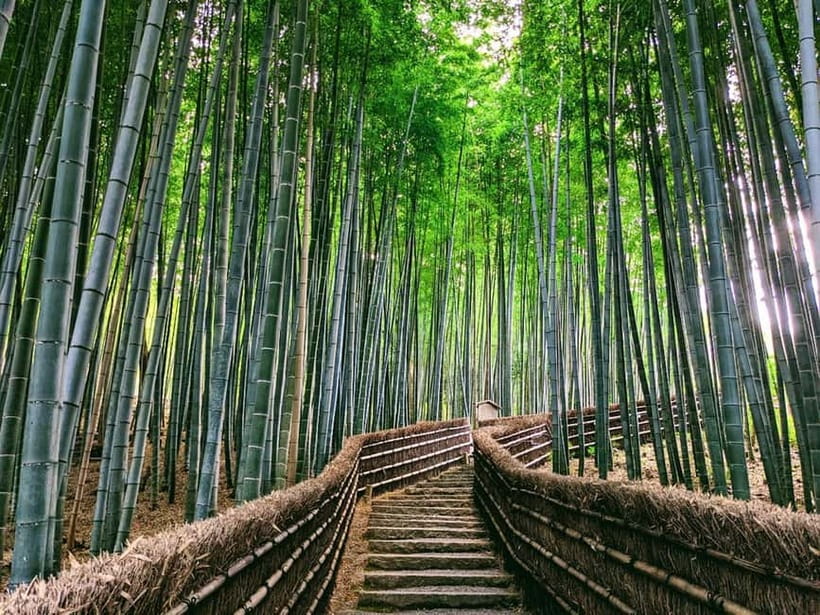
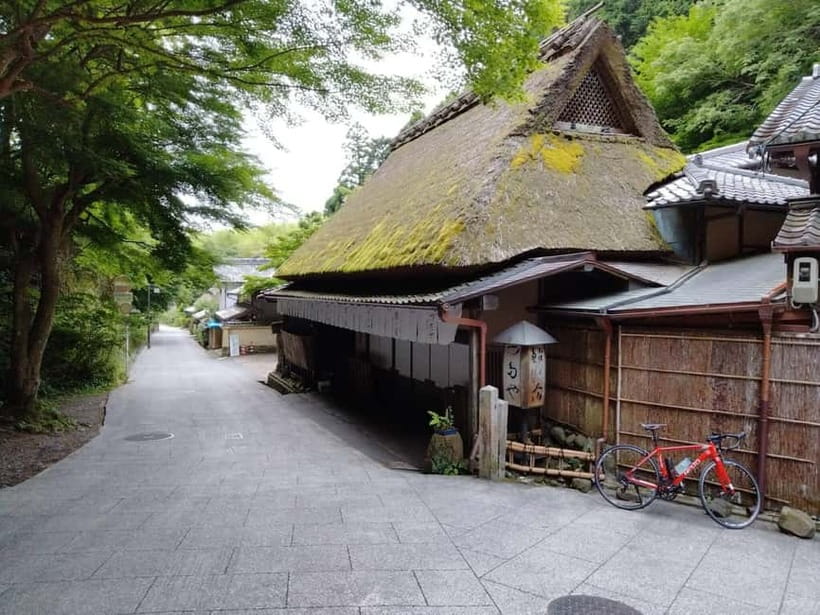
The route continues through Saga Toriimoto, a preserved street where farmhouses and machiya houses appear together. This is a useful change of scale after the temple grounds. Instead of focusing only on grand gates and religious monuments, you see how a suburban part of Kyoto was organized around homes, work, and local life.
The street is visited for about 15 minutes, so treat it as a passing section rather than a long stop. You will have time to admire the preserved buildings and take in the setting, but not necessarily to explore every detail.
I like this part because it gives the temple visit a human setting. Religious sites did not exist alone. They were connected to roads, houses, farming, crafts, and ordinary movement through the district.
Masa’s local knowledge can also be useful here. One review specifically praised his ability to point out artisan shops that could easily be missed. Do not assume shopping is a formal part of the route, but if you are interested in local crafts, ask about opportunities as you walk.
Same place, a different morning at the gates:
- Osaka/Kyoto:Kinkakuji,Arashiyama,FushimiInariShrine,NaraPark
★ 4.1 · 1,596 reviews - Kyoto Arashiyama Walking Tour: Bamboo, Monkeys, Gardens & Secrets
★ 5.0 · 1,216 reviews - Osaka/Kyoto: Arashiyama, Nara & Fushimi Inari Shrine w/Lunch
★ 4.4 · 754 reviews - Kyoto 1 Day Tour from Kyoto
★ 4.0 · 582 reviews
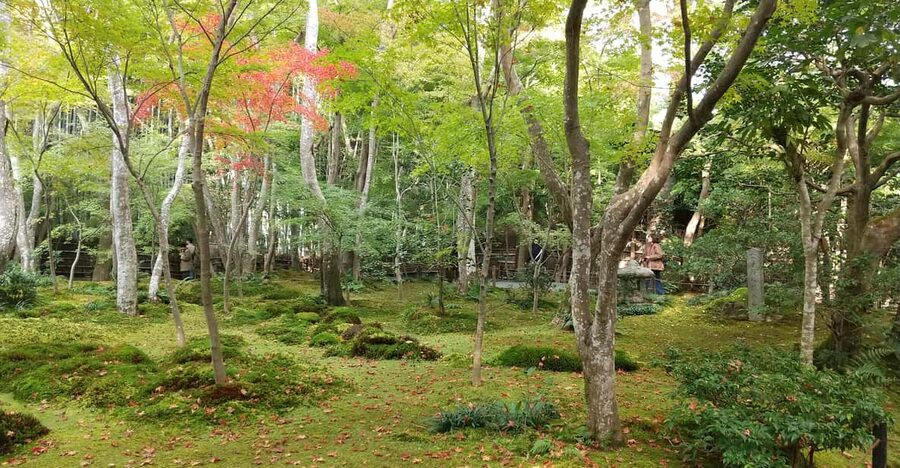
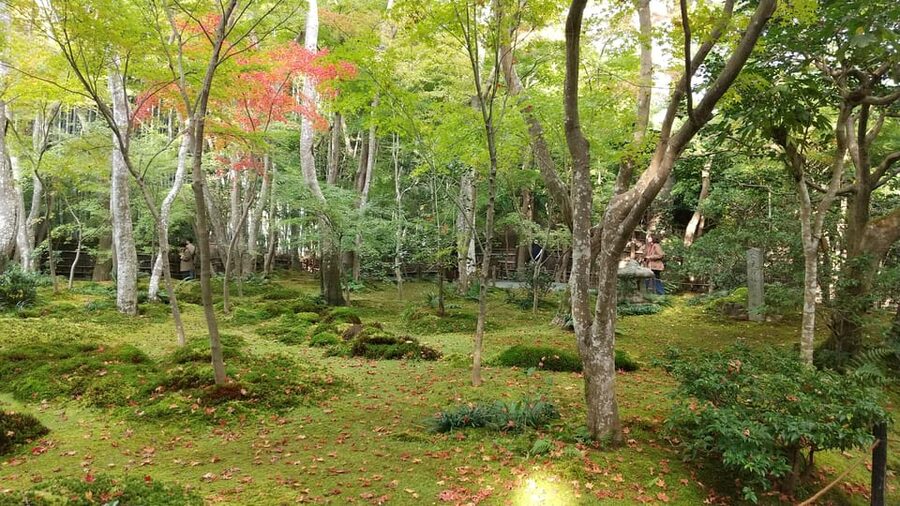
Giouji and the sorrow of four women
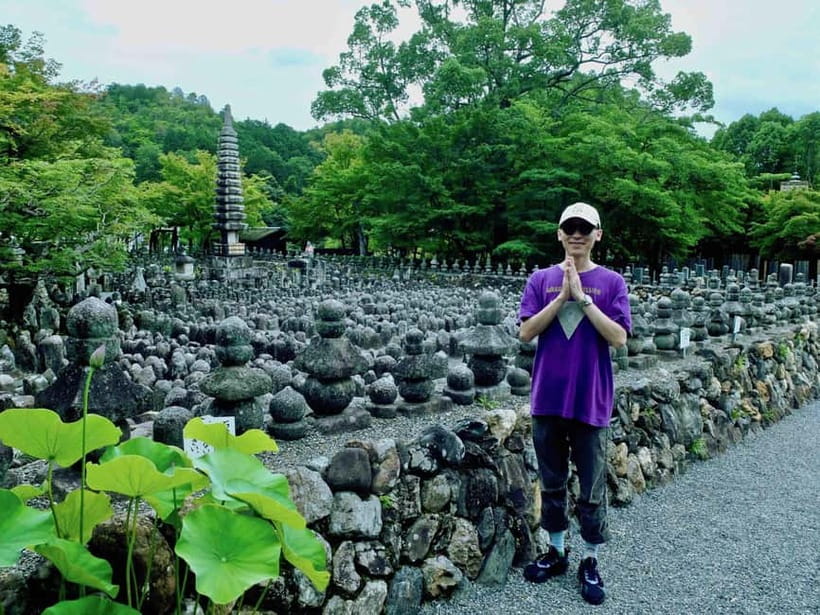
Giouji, also called Giou-an in the story connected with the site, is a small temple with a difficult human tale. It was established in the 12th century during the Heian period, and its story centers on Giou, a dancer favored by Taira no Kiyomori.
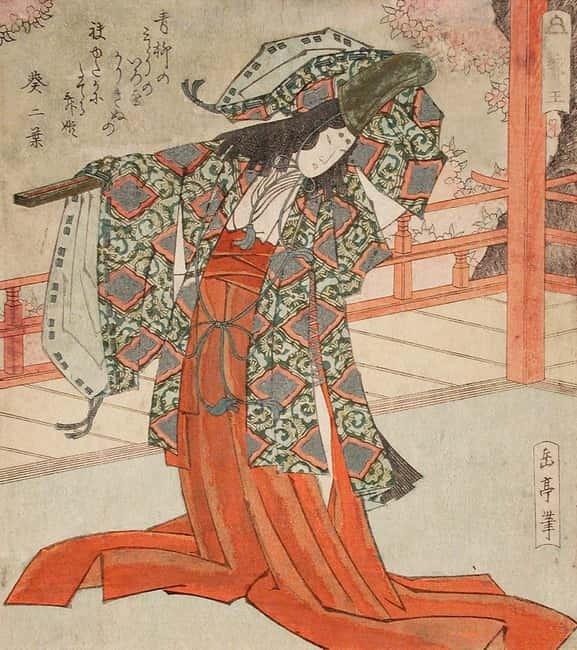
According to the account shared on the tour, Kiyomori first cared deeply for Giou, then turned his attention to another woman, Butsugozen. Giou was driven away and eventually became a nun. She lived there with her sister and mother.
The story does not end with a simple division between victim and rival. Butsugozen was later rejected by Kiyomori as well and became a nun. The women eventually lived together at the small house, practicing Buddhism. Four women shared a life shaped by heartbreak, withdrawal, and religious devotion.
That is what makes Giouji memorable. The site is modest, but its story gives the building emotional weight. You can think about the limited choices available to women tied to powerful men, and about the way religious life offered a different kind of refuge.
The temple is not presented as a dramatic historical attraction. Its strength is its quiet scale. You are asked to picture the women who lived there rather than simply admire the garden. This is also where the tour’s reflective tone becomes clear. The question is not only what happened to Giou, but how people respond when status, affection, and security disappear.
The bamboo grove without making it the whole day
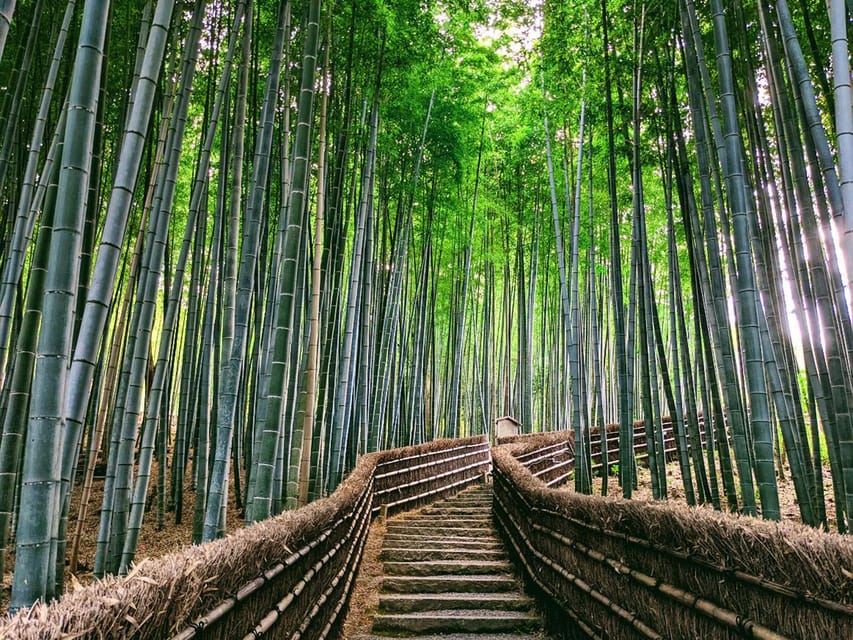
The Sagano Bamboo Grove is included as a scenic section of the walk for about 30 minutes. This is the part most familiar from photographs, with tall bamboo creating a narrow green corridor.
The grove can be crowded, and the tour does not promise an empty path. Its value is that it places the famous view inside a larger route. You are not spending the entire outing waiting for a clear photograph. You have already heard stories of death, devotion, and loss, and you are moving toward another major temple.
The bamboo is best treated as a visual pause. Look upward, listen to the stems move, and keep your expectations sensible. A private tour cannot control the number of people on public paths. If your priority is photography, ask Masa when you can pause, but remember that lingering here may reduce your time at the temples.
Tenryuji, the grand finish
Tenryuji receives the longest visit, listed at about 1.5 hours. It is the largest and most expansive stop on the route, giving the walk a different feel after the smaller temples and residential street.
Here, the guide can explain the temple’s religious and cultural importance while pointing out its distinctive atmosphere. The contrast matters. Giouji is intimate and personal. Adashino Nenbutsuji is focused on memorial stones and the forgotten dead. Tenryuji provides a broader setting in which temple buildings, gardens, and spiritual practice come together.
The tour includes admission, so you do not need to handle separate temple tickets during the visit. The long scheduled stop also gives you more room to ask questions and connect the earlier stories with the wider role of temples in Kyoto.
Still, check the timing carefully. The advertised duration is three hours, while the listed stop times add up to more than that. In practice, the tour may involve brisk walking, short transitions, or flexible timing. One visitor enjoyed seeing a lot in a short period but felt the group could have slowed down to absorb the surroundings. That is the key tradeoff: strong coverage, less unhurried silence.
What the $38 price really includes
At $38 per person, this is reasonably priced for a private guided walk that includes admissions to the temples visited. You are paying for more than directions between sights. The value comes from having an English-speaking guide explain religious ideas, local stories, and the human background of places that can otherwise blur together.
The private format is particularly useful if you want to ask about Buddhist customs or pause over a story. The hands-on activities at selected temples may include demonstrations and opportunities to practice prayer or meditation traditions, depending on the guide and setting. Masa received specific praise for making those customs approachable rather than treating them as something to observe from a distance.
The price does not cover transportation to JR Saga-Arashiyama, food, drinks, or personal purchases. Keep those costs separate. Also remember that the route is active, so the value drops if you dislike long walks or prefer a slow garden visit with plenty of free time.
Free cancellation is available up to 24 hours before the start, and you can reserve while paying later. Those terms help if your Kyoto schedule is still shifting, but the practical details should be checked at booking.
Who should book this walk?
I would choose this tour if you want context, conversation, and a personal guide rather than a self-guided photo route. It suits first-time visitors who want to understand why Arashiyama matters, as well as returning visitors who have already seen the bamboo grove and want a more thoughtful way through Sagano.
It is also a good match for anyone interested in Buddhism, local customs, women’s stories, memorial practices, or traditional homes. The stories at Giouji and Adashino Nenbutsuji give the outing more substance than a simple list of scenic stops.
You should think twice if mobility is limited. Wheelchair users and people with mobility impairments are not considered suitable for this activity. Even fit walkers should wear proper shoes and prepare for heat, sun, and a steady pace.
If you need lots of independent time for photographs, shopping, or quiet sitting, a self-guided day may serve you better. The tour covers several places efficiently, but it is not designed for lingering at every corner.
Final verdict: a thoughtful route with a brisk rhythm
This is a strong choice for seeing Arashiyama through people and stories, not just scenery. I especially value the combination of Adashino Nenbutsuji, Giouji, Saga Toriimoto, the bamboo grove, and Tenryuji. Together, they show several sides of the district: memorial practice, personal sorrow, residential life, famous nature, and major temple culture.
Book it if you want a friendly private guide, included admissions, and a chance to ask questions as you walk. Masa’s local connection and willingness to demonstrate prayer and meditation customs add real value. Just arrive early, wear comfortable shoes, and accept that the three-hour format may feel full. If you can handle that pace, the tour offers a thoughtful and fairly priced introduction to the quieter stories of Arashiyama.
FAQ
Where does the tour meet?
The meeting point is JR Saga-Arashiyama Station, outside the ticket gates in the plaza. It is not at Hankyu Arashiyama Station or Randen Arashiyama Station. The guide holds a sign with your name.
How long does the tour last?
The advertised duration is three hours. The route includes guided temple visits, walking through Saga Toriimoto, the bamboo grove, and Tenryuji.
Is the tour private?
Yes. The activity is arranged for a private group and includes an English-speaking live guide.
Are temple admissions included?
Yes. Admission to all temples visited is included in the price.
What should I bring?
Bring comfortable walking shoes, water, sunscreen, a hat, and a camera. Dress for the weather and check the forecast before setting out.
Is the tour suitable for wheelchair users?
No. The activity is not suitable for wheelchair users or people with mobility impairments.
Just added around Kyoto
- Kyoto: Kiyomizudera, Sanjusangendo, Ginkakuji and Higashiyama.★ 5.0 · 3 reviews
- Kyoto: Shakyo & Matcha in Historic Temple Garden★ 5.0 · 4 reviews
- Kyoto:Kiyomizu-dera Temple Rent a kimono and ride a rickshaw★ 4.8 · 7 reviews
- KYOTO: Tempio Kiyomizu Pagode Gion “Geisya” (Guida Italiana)★ 4.7 · 17 reviews
- Kyoto: Kifune Shrine and the Sacred Kifune Valley Day Trip★ 4.4 · 4 reviews
- KYOTO: Golden Pagoda, Bamboo Forest, Arashiyama (Italian)★ 4.9 · 5 reviews
- KYOTO: Tour guidato tra i tesori della città (in italiano)★ 5.0 · 5 reviews
- Kyoto : Kiyomizu-dera Temple : kimono and Indoor photo shoot★ 4.6 · 5 reviews
Kyoto Temple Tours, compared.
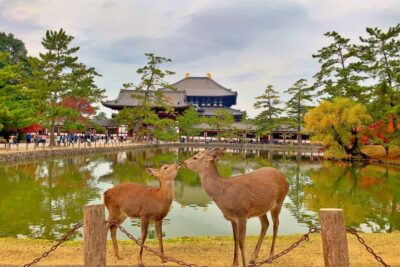
Osaka/Kyoto:Kinkakuji,Arashiyama,FushimiInariShrine,NaraPark
Read our review →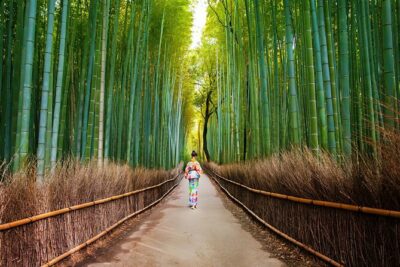
Kyoto Arashiyama Walking Tour: Bamboo, Monkeys, Gardens & Secrets
Read our review →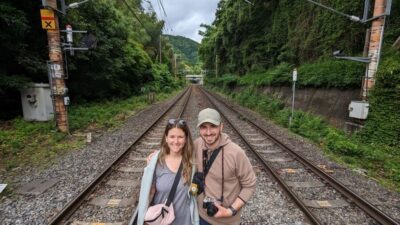
Arashiyama Bamboo, Temple, Monkeys, or Secret Sake Brewery
Read our review →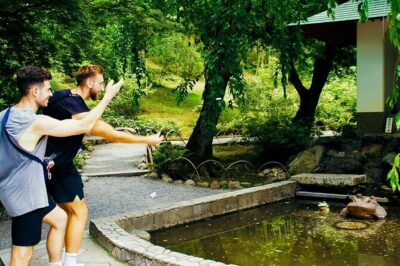
Arashiyama Bamboo Forest, Monkeys, Matcha & Temple Tour
Read our review →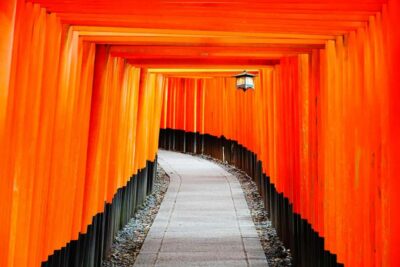
Osaka/Kyoto: Arashiyama, Nara & Fushimi Inari Shrine w/Lunch
Read our review →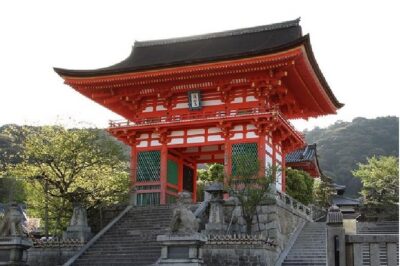
Kyoto Zen Meditation & Garden Tour at a Zen Temple with Lunch
Read our review →Browse the lists this tour appears in