
Review · TOKYO
Join a Unique Cultural Ceremony at Tokyo’s Meiji Shrine
Quiet Tokyo has a secret side. This Meiji Shrine experience pairs a peaceful forest walk with access to a gokito Shinto prayer ceremony, giving you far more than a quick look at the main shrine buildings. I especially like the chance to hear sacred chanting, flutes, and drums inside a wooden ceremonial hall, and the way guides such as Alex and Kohei connect shrine customs to everyday Japanese culture. The main consideration is the walking: Meiji Jingu covers a large area, and this is not the best pick if you have trouble walking.
You meet near JR Yoyogi Station and follow a guide in Japanese-style clothing into the shrine grounds. The tour costs $121 per person, which is a serious price for a Tokyo activity, but it includes the ritual fee and personal interpretation that you cannot get from a casual stroll. Bring cash for offerings, comfortable shoes, and a quiet attitude. This is a reflective cultural visit, not a fast sightseeing circuit.
Key points at a glance
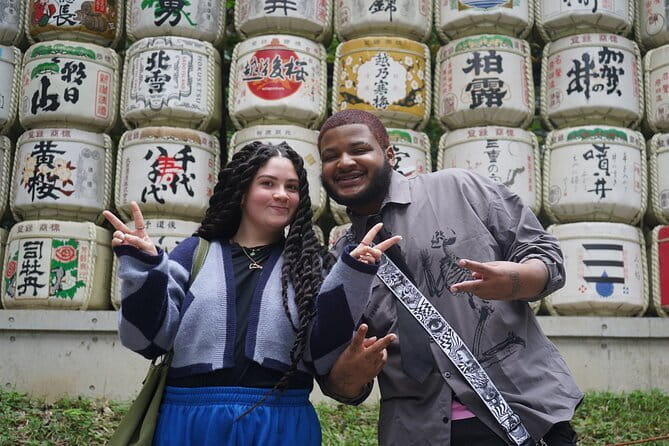
- A rare look inside a gokito ceremony: Watch priests perform a traditional Shinto prayer with chanting, flutes, and drums.
- A forest walk in central Tokyo: Follow quiet paths through Meiji Jingu’s wooded grounds before reaching the shrine buildings.
- English guidance with cultural context: Guides including Alex and Kohei explain customs in clear, friendly English.
- More than a photo stop: The ritual helps you understand later shrine visits in Tokyo and Kyoto.
- A sensory experience: Expect cypress wood, polished floors, high ceilings, forest sounds, and ceremonial music.
- A few practical limits: You need cash, comfortable footwear, and enough mobility for considerable walking.
Starting near JR Yoyogi Station
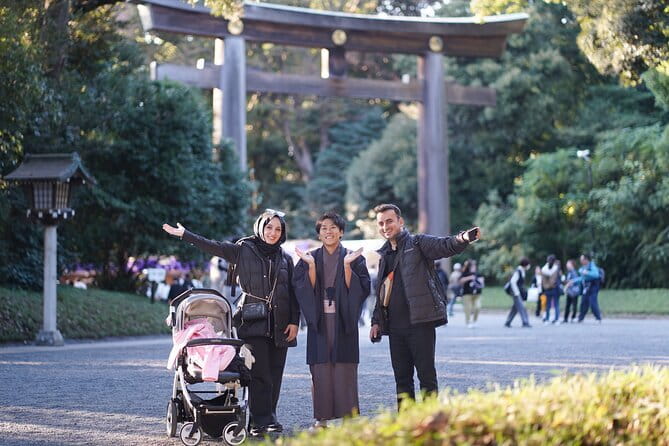
The meeting point is outside the west gate of JR Yoyogi Station, where a map is posted nearby. Look for the staff member wearing Japanese-style clothing. This makes the start easier than meeting at a huge shrine entrance, especially if Tokyo is still new to you.
Yoyogi Station is a useful launch point for Meiji Jingu, but give yourself enough time to find the correct west exit. Tokyo station names and exits can be confusing, and arriving late could mean beginning the walk in a flustered mood. The activity returns to this same meeting point at the end.
The guide speaks English and Japanese. The experience is led by local guides, and Alex and Kohei have received especially warm praise for their clear explanations, thoughtful manner, and ability to answer questions. One useful strength is that the guide has lived abroad, so cultural explanations can be framed in terms you already understand rather than left as a string of unfamiliar Japanese words.
More Meiji Shrine and Senso-ji Tours in Tokyo:
- Tokyo: Asakusa Walking Tour with Sensoji Temple Visit
★ 4.8 · 1,583 reviews - Tokyo Panoramic 1 Day: Meiji Shrine, Asakusa, Odaiba and SKYTREE®
★ 4.5 · 1,222 reviews - Tokyo: Asakusa and Tokyo’s Oldest Temple Senso-ji Tour
★ 4.9 · 352 reviews
Walking through Meiji Jingu’s forest
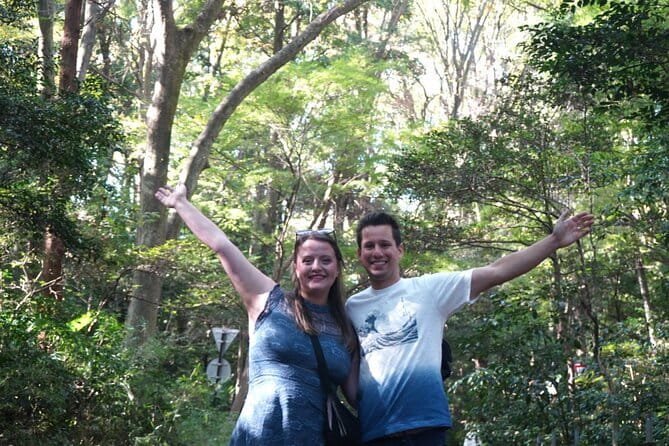
The first part takes you along the peaceful paths of Meiji Jingu, commonly written as Meiji Shrine. This is one of Tokyo’s best places to slow down. You are still in the middle of one of the world’s largest cities, but the shrine grounds offer shade, silence, and the steady sound of nature.
The forest is not simply scenery on the way to the main shrine. It helps set the mood for the ceremony. You leave behind traffic and station noise, then gradually pay attention to the gravel under your shoes, the trees around you, and the formal layout of the sacred grounds.
Your guide can explain how to behave at the shrine and help you notice details that are easy to miss alone. That matters because Meiji Jingu can look simple at first glance: a broad approach, large wooden gates, and a main shrine area. Without context, you might walk through, take a few photos, and leave. With guidance, the visit becomes an introduction to Shinto manners and ideas about sacred space.
The walking is also the first real drawback. Meiji Jingu requires a lot of movement, and the peaceful setting does not remove the physical effort. Wheelchair and pram access is available, but the activity may not suit you if walking is difficult. Wear shoes that are comfortable for an extended walk rather than stylish footwear chosen for dinner.
Entering the wooden ceremonial hall
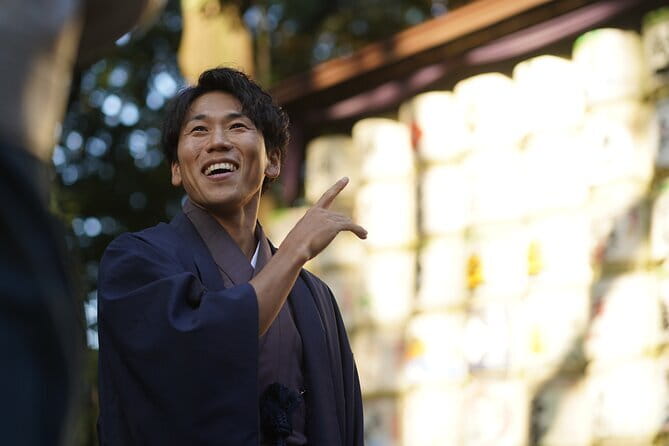
The special part of the experience is entry to a wooden hall where the gokito ceremony takes place. The building is described as having high ceilings, polished floors, and the scent of cypress. Those details matter because the ritual is not just something you watch from a distance in an outdoor courtyard.
Inside, priests in traditional robes perform an ancient prayer. You may not understand the words, but the ceremony communicates through sound, movement, space, and pauses. Chanting fills the hall, while flutes and drums add a measured musical layer. The result is quiet but not empty. It gives you time to listen instead of constantly taking pictures or trying to identify the next attraction.
The ceremony can also include traditional dance, adding movement to the prayer service. Since the visit is connected to an active Shinto ritual, the exact flow may not feel like a staged performance for tourists. That is part of its value, but it also means you should enter with patience and respect.
You do not need to be religious to appreciate this part. The tour presents the ceremony as a way to understand Japanese culture and sensibility, not as a requirement to adopt Shinto beliefs. Sit quietly, follow the guide’s instructions, and let the setting do some of the work. Some people find the atmosphere calming. Others feel a stronger emotional response to the chanting and drums.
Why the gokito ceremony changes the visit

A normal visit to Meiji Shrine gives you a chance to see the architecture and observe people making offerings. This experience adds the missing explanation: what happens when a prayer becomes a formal ceremony, how priests conduct it, and why sound and ritual actions matter.
That makes the tour useful beyond Meiji Jingu. After learning the basic customs here, you can approach other shrines with more understanding. One particularly strong benefit is that the ritual gives you a reference point for later visits in Kyoto or elsewhere in Japan. Instead of treating each shrine as another attractive entrance gate and prayer box, you can recognize that different spaces have their own forms and rhythms.
This is also why I would choose the activity early in a Japan trip. It offers a calm introduction before you get swept into crowded stations, shopping streets, and packed sightseeing days. It does not try to show you everything. Instead, it gives you a small set of cultural tools you can use for the rest of your trip.
The ceremony may not suit everyone. If you want a lively tour packed with historical dates, photo stops, and constant movement, you could find the quiet periods slow. The experience asks you to sit, listen, and watch. That is its strength, but only if that sounds appealing to you.
A few more temple visits around Tokyo worth a look
- Nikko: Kegon Falls, Lake Chuzenji & Toshogu Temple
★ 4.6 · 1,577 reviews - Tokyo: Nikko Toshogu Shrine and Kegon Waterfall Tour
★ 4.5 · 1,266 reviews - Tokyo: Zen Meditation at a Private Temple with a Monk
★ 5.0 · 510 reviews - Mt. Fuji Heritage Tour: Traditional Villages, Lakes & Shrine
★ 4.5 · 509 reviews
How the guides add value
The guide is not just there to lead you from the station to the shrine. The best part of the guiding is the bridge between formal ritual and ordinary life.
Alex has been praised for fluent English, engaging slide presentations, and a friendly manner. Kohei is also known for thoughtful explanations that give each stage more meaning. Those personal details are important because Shinto customs can be easy to misread. A short explanation about an offering, a bow, or the layout of the grounds can prevent you from treating a sacred action as a photo prop.
The guides also seem comfortable with questions. That is helpful if you are visiting Japan for the first or second time and want to ask basic things without feeling awkward. You can use the walk to discuss shrine etiquette, Japanese ideas about respect, or details you notice in the ceremonial hall.
A guide who has lived abroad can also explain where a Japanese custom differs from familiar Western religious or cultural practices. That does not make the ceremony less Japanese. It simply makes the meaning easier to grasp.
Small extras and sensory details
The strongest feature is the prayer ceremony, but the experience has included a Japanese snack at the end. A guide has even shared the recipe for the snack, which turns a brief refreshment into something you can remember and perhaps try again at home.
Professional photography has also been part of the experience on some occasions. That can be valuable if you want a few well-composed memories rather than spending the whole visit holding your phone. Still, confirm the current photography arrangement when booking, since the supplied information does not clearly define it as a standard inclusion.
The sensory side of the tour deserves attention. You may notice the smell of cypress in the hall, the feel of polished floors underfoot, the forest air, and the change from outdoor silence to the sound of chanting and instruments. These details help explain why this activity feels different from simply reading about Shinto or walking past a shrine gate.
Recording audio is not allowed. That rule is sensible in a sacred space, but it means you should plan to experience the ceremony directly rather than trying to capture the music for later.
Is $121 a fair price?

At $121 per person, this is not a budget way to see Meiji Shrine. You can walk through the shrine grounds independently for far less. If your only goal is to take a few photos at the main shrine, book this experience only if you want the added ceremony and guiding.
The price includes all fees and taxes, including the fee to take part in the traditional Japanese prayer ritual. That is the key value. You are paying for access, interpretation, and a structured cultural encounter, not just transportation to a public landmark.
I see the price as reasonable for a first or second visit to Japan if the ceremony is your main interest. It is less convincing for repeat visitors who already understand shrine etiquette or for people who prefer independent sightseeing. A personal guide can also make a major difference when you have questions, and the strong feedback about Alex and Kohei supports that part of the price.
You should still budget a little extra cash. Coins for the offering box and purchases at the shrine are not included. Drinks are also your responsibility, so carry water, especially if you are visiting during a warm period.
Who should book this experience?
This suits you if you want a quiet start to a Japan trip, enjoy cultural explanation, and are willing to spend time observing rather than rushing. It is particularly good for first-time visitors who want to understand what they are seeing at shrines across Japan.
It also works for someone who has already visited Meiji Jingu but only walked to the main shrine. The ceremony and guide-led interpretation offer a substantially different visit. You may leave with a better sense of how to approach other sacred sites.
Families can consider it if children can manage the walking and remain quiet during the ceremony. The supplied information says prams are available, but the amount of walking remains a concern. Anyone feeling unwell should skip it, and the activity is not suitable if you have a cold.
This is not the best fit for you if you dislike formal ceremonies, need a fast-paced schedule, or want to record everything. Alcohol and drugs are not permitted, and intoxication is not allowed. Those rules are especially important here because the ritual takes place in a sacred setting.
Practical advice before you go
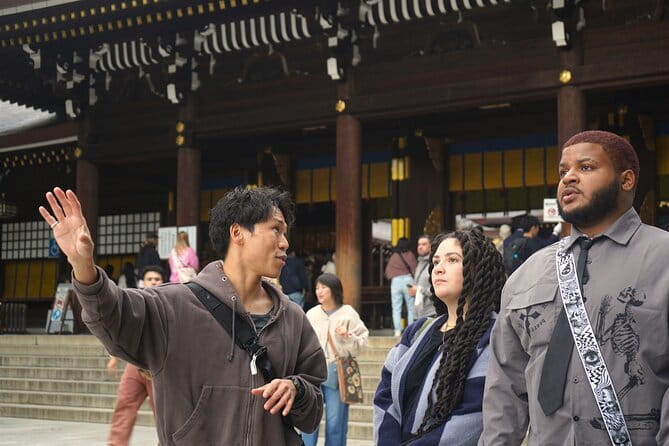
Wear comfortable shoes and bring water. You should also carry cash for offerings and any goods you want to buy at the shrine.
Arrive at the west gate of JR Yoyogi Station and look for the map outside. The staff member’s Japanese-style outfit should help you identify the meeting point, but do not rely on a last-second arrival.
Keep your phone quiet and do not record the ceremony. You can take in the music and movement without trying to preserve every second. The activity ends back at the meeting point, which makes it easy to continue exploring Tokyo afterward.
English and Japanese are available. You can reserve now and pay later, which helps if your route through Japan is still changing. Cancellation is allowed up to 24 hours before the activity for a full refund.
Should you book the Meiji Shrine ceremony?
Book it if you want meaning, not just a landmark. The walk through the forest is peaceful, but the gokito ceremony is the reason to choose this experience over a normal visit. The priests, music, wooden hall, and quiet instructions create a cultural memory that a quick stop at the main shrine cannot match.
The $121 cost is high for Meiji Jingu, so I would not recommend it to someone who only wants photos or a short walk. But if you are curious about Japanese customs, can manage the walking, and want a strong cultural beginning to your trip, this is a thoughtful choice. The clear English guidance from people such as Alex and Kohei adds real value, and the ritual can help you understand every shrine you visit afterward.
FAQ
Where does the Meiji Shrine tour meet?
It begins at JR Yoyogi Station. After leaving through the west gate, look for the map nearby and staff wearing Japanese-style clothing.
Where does the activity end?
The activity ends back at the original meeting point near JR Yoyogi Station.
What is included in the price?
All fees and taxes are included, along with the fee for experiencing the traditional Japanese prayer ritual.
Do I need to bring cash?
Yes. Bring cash for coins used at the offering box and for any goods you may want to purchase. Drinks are not included, so bring money or water as needed.
Is the tour offered in English?
Yes. The available languages are English and Japanese.
Is the activity suitable for people with walking difficulties?
Meiji Jingu requires a lot of walking, so it may not suit people who have difficulty walking. Wheelchair and pram access is available, but you should consider the amount of walking before booking.
Can I cancel for a full refund?
Yes. You can cancel up to 24 hours in advance for a full refund.
Just added around Tokyo
- :Tokyo,Shibuya /Meiji Shrine tour in KIMONO/English-friendly★ 5.0 · 4 reviews
- Tokyo: Snow Monkey and Zenkoji Temple Day Trip In Low Price★ 5.0 · 5 reviews
- Tokyo War History Tour: Yasukuni Shrine & War Museum★ 4.5 · 6 reviews
- Tokyo: Gotokuji Culture Walk & Lucky Cat Temple Experience★ 4.9 · 5 reviews
- Tokyo: Shibuya Sky, Harajuku & Meiji Shrine Highlights Tour★ 4.5 · 9 reviews
- Tokyo: Visit 5 Shrines & Collect Goshuin on Private Tour★ 5.0 · 3 reviews
- Tokyo’s Kitchen: Tsukiji Market Food & Culture Walk★ 4.7 · 74 reviews
- Tokyo: Sensoji Temple & Street Food: Private Tour with guide★ 4.6 · 8 reviews
Meiji Shrine & Senso-ji Tours, compared.
Asakusa Walking Tour with Sensoji Temple Visit
Read our review →
Tokyo Panoramic 1 Day: Meiji Shrine, Asakusa, Odaiba and SKYTREE®
Read our review →
Asakusa Senso-ji Temple and Old Tokyo Walking Tour
Read our review →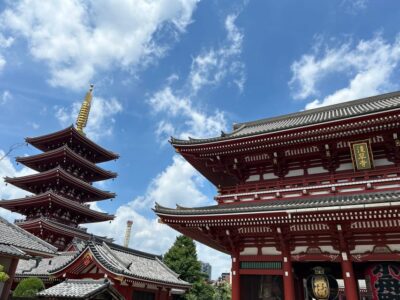
Asakusa and Tokyo’s Oldest Temple Senso-ji Tour
Read our review →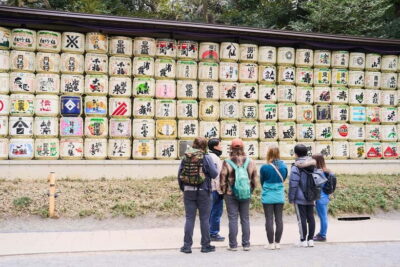
Meiji Shrine Walking Tour — Shinto & Imperial System
Read our review →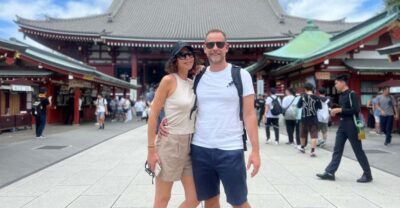
Meiji Jingu Shrine and Shinto Culture Walking Tour
Read our review →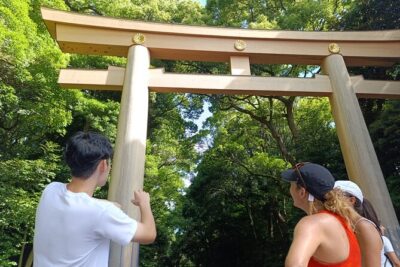
Meiji Shrine Walking Tour — Shintoism & Imperial System
Read our review →Browse the lists this tour appears in