
Review · NAGANO
1-Day Snow Monkeys, Zenko-ji Temple & Sake in Nagano
Snow monkeys are only part of the story. This 8-hour Nagano tour brings together Zenko-ji Temple, a local sake tasting, a traditional lunch, and the famous Jigokudani Snow Monkey Park. I like that it gives you more than a quick wildlife stop. You get a useful introduction to Nagano’s religious traditions, food, and mountain culture in one well-organized day.
I also like the thoughtful guiding. Guides such as Tom, Endo, Kieran, Nadine, Jens, and Sijung have been praised for keeping large groups moving while still explaining the places clearly. The main drawback is the walk to the monkeys, which takes roughly 30 to 45 minutes and can be steep, snowy, icy, or slippery, especially in winter.
Key points to know before booking
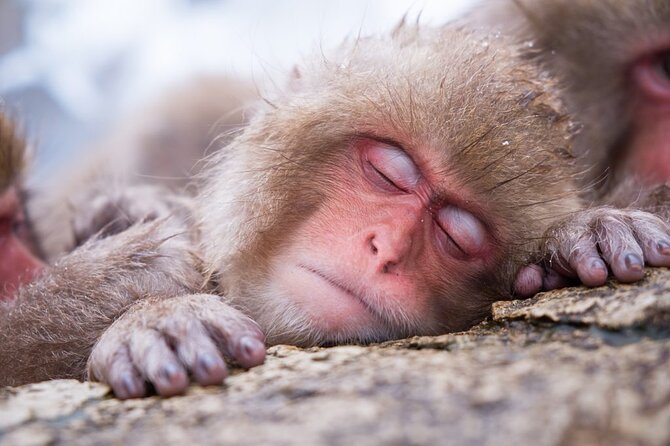
- The monkeys are wild: There are no barriers in the park, so you must stay at least 1 to 2 meters away and never touch, feed, hold, or bathe with them.
- The park walk takes effort: The forest trail can be icy and uphill. Bring shoes with strong grip, and consider renting snow boots or buying crampons in winter.
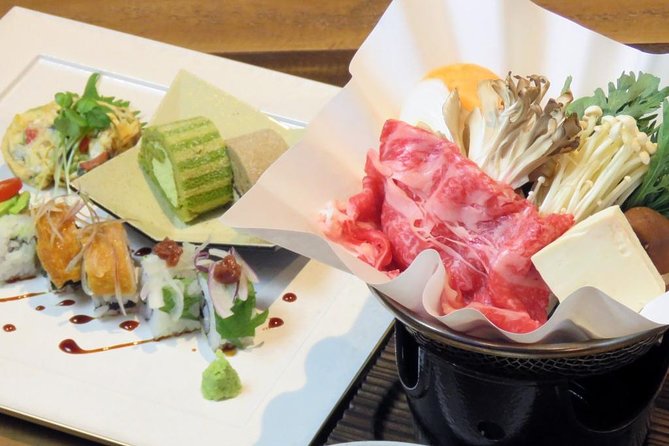
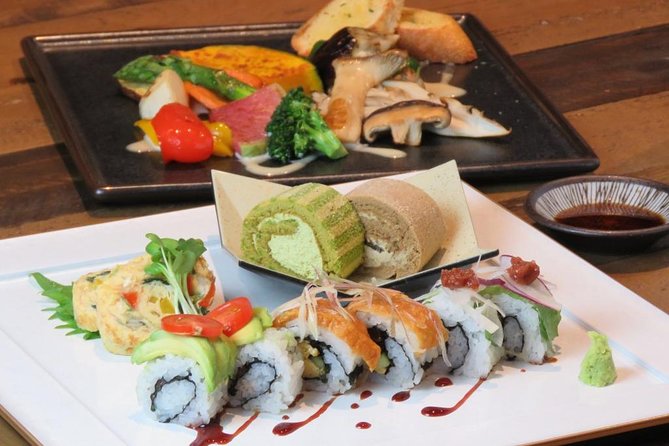
- Lunch is a real part of the experience: The included meal often features a warming Japanese hot pot in a traditional restaurant, with vegetarian and vegan options available if requested ahead of time.
- The temple visit has depth: Your guide can explain Zenko-ji’s legends and direct you to special features such as the dark passage beneath the main hall.
- The group may be large: The maximum is 45 people, though groups may be divided between guides.
- The timing works for a day from Tokyo: Morning shinkansen services can get you to Nagano in time, but winter road conditions can delay your return.
Why this Nagano day trip works so well
At $151.88 per person, this is not the cheapest way to visit the snow monkeys. It is a strong value if you want transportation, lunch, park admission, a guide, and two cultural stops handled in one day.
Going independently means arranging the train, local transportation, temple visit, monkey park admission, and lunch yourself. The tour removes much of that planning. It also gives you context at places where a quick photograph would otherwise be the whole experience.
The day is carefully packed, but it is not simply a race from one attraction to another. You have about 90 minutes at Zenko-ji, 30 minutes for sake, around an hour for the trip toward the monkey park, lunch, and three hours at Jigokudani. That balance is one reason I see this as a good first visit to Nagano.
The tradeoff is flexibility. A private day would let you linger longer at Zenko-ji or skip the sake tasting. Here, the schedule is shared, and the group needs to stay together.
A few more temple visits around Japan worth a look
- Arashiyama Bamboo, Temple, Monkeys, or Secret Sake Brewery
★ 4.8 · 886 reviews - Nagano: Snow Monkeys, Zenkoji Temple & Sake Day Trip
★ 4.9 · 833 reviews - Nagano: Snow Monkeys, Zenkoji Temple & Sake Day Trip
★ 5.0 · 4 reviews
Zenko-ji Temple gives the morning a spiritual start
Zenko-ji is the spiritual heart of Nagano, and its history reaches back nearly 1,400 years. The temple is large, important, and filled with stories, so a guide adds real value. Without explanation, you may see an impressive wooden temple and move on. With the right guide, the grounds become easier to understand.
You have about an hour and a half here. That is enough time to walk through the main grounds, listen to the history, take photographs, and explore some of the temple’s special features. Paid attractions inside Zenko-ji are not included, so bring extra money if you want to enter them.
One memorable feature is the dark passage beneath the main hall. It is associated with a spiritual search and requires you to feel your way through almost complete darkness. Nadine was singled out for directing a group through this passage, and it sounds like the kind of small detail that can make the temple visit far more meaningful.
Your guide can also point out local snacks and places around the temple. Tom was praised for recommending food near Nagano Station later in the day, which is useful if you plan to stay overnight or continue exploring after the tour.
The limitation is time. Zenko-ji has enough space and history for a much longer visit, and one person noted that the temple grounds and nearby shopping area could have used more time. If Zenko-ji is your main reason for coming to Nagano, plan a separate visit.
Nishimon Yoshinoya turns sake into a tasting lesson
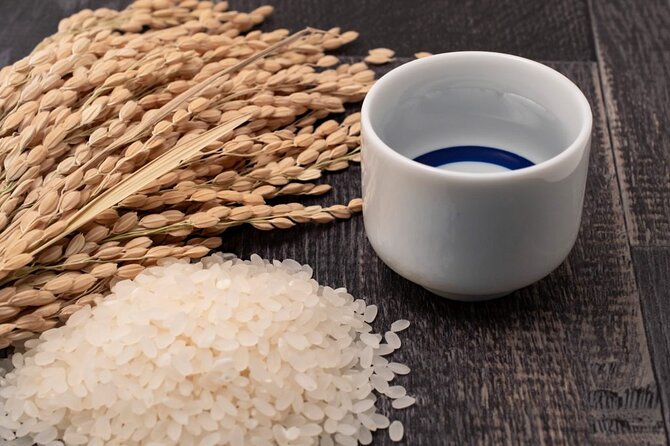
Nagano is closely linked with sake production, and the stop at Nishimon Yoshinoya gives you a quick introduction to the drink rather than just a sample at lunch. You receive a guided tasting and an explanation of how different sakes vary.
The stop lasts around 30 minutes, so expect a compact lesson. It is not a full brewery tour with hours of production detail. Instead, it works as a pleasant cultural pause between the temple and the monkey park.
I like this part because sake is easier to appreciate once someone explains what you are tasting. Several guides were praised for making the tasting approachable, including Sijung, Tom, and the guides who explained the differences among styles and production methods.
You must be at least 20 years old to drink alcohol in Japan. The tasting is included, but additional drinks and snacks are not. The information provided also notes that non-alcoholic options may be available for younger members of a family, though the alcohol rule still applies.
Some people may see this stop as optional. One family would have preferred more time at the temple and monkey park instead. If you have no interest in sake, this is the part of the day you may value least. If you enjoy food culture, it adds a useful local layer to the outing.
Lunch near the monkey park is more than a practical meal
After the temple and sake stop, the tour continues by road toward Jigokudani. The ride takes about an hour, depending on traffic and conditions. Lunch comes before the walk to the park, which is smart planning. You will want a proper meal before tackling the forest trail.
The restaurant may change its menu, but the experience often features a Japanese hot pot served in a traditional setting. Several people praised the food as one of the day’s surprises, with some calling the meal a highlight equal to the monkeys. The setting has also been described as elegant, with old Japanese touches.
The tour includes lunch, and vegetarian and vegan choices are available if you request them in advance. You should also report food allergies ahead of time because the restaurant menu can change.
Lunch matters here for another reason: it gives the day a slower middle section. The morning involves temple walking and tasting, while the afternoon requires a climb through the forest. A hot meal makes the change of pace feel natural.
The downside is that you cannot choose any restaurant you like. The meal is organized for the group, and menu changes are possible. Still, the food receives unusually strong praise for an included tour meal, making it an important part of the value.
Same place, a different morning at the gates:
- Kyoto: Tea Ceremony Ju-An at Jotokuji Temple
★ 4.9 · 3,207 reviews - Osaka/Kyoto:Kinkakuji,Arashiyama,FushimiInariShrine,NaraPark
★ 4.1 · 1,596 reviews - Tokyo: Asakusa Walking Tour with Sensoji Temple Visit
★ 4.8 · 1,583 reviews - Nikko: Kegon Falls, Lake Chuzenji & Toshogu Temple
★ 4.6 · 1,577 reviews
The forest trail to Jigokudani is the day’s physical challenge
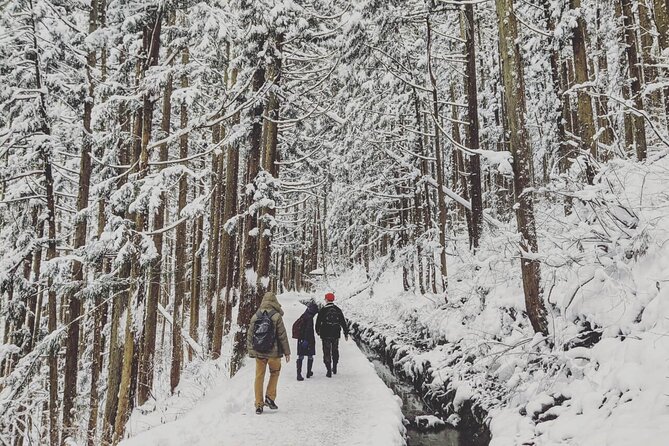
Jigokudani Snow Monkey Park was established in 1964 and is known for its Japanese macaques. The park has no barriers separating you from the animals, which makes the experience feel immediate but also requires discipline.
From the restaurant area, the walk to the park takes roughly 30 to 45 minutes, depending on conditions and walking speed. The path climbs through a forest and can become slick with packed snow and ice. In winter, temperatures may fall below freezing and can reach around minus 10 degrees Celsius.
This is not a flat stroll from a bus directly to a viewing platform. You should wear warm layers and shoes with solid traction. If the trail is icy, crampons that attach beneath your shoes can make a major difference. Rental boots are available near the park, and crampons can be purchased there.
A useful detail from the day’s practical advice: if you need traction equipment, use the official information desk farther up the hill, near the snow boot rental area. Buying the first pair offered at the bottom may not be your best choice.
The physical effort is worth considering honestly. Several people found the uphill walk difficult, especially in winter or rain, yet still felt the monkeys made it worthwhile. If you have limited mobility or dislike slippery paths, this may not be the right outing.
Seeing the snow monkeys depends on nature, not a schedule
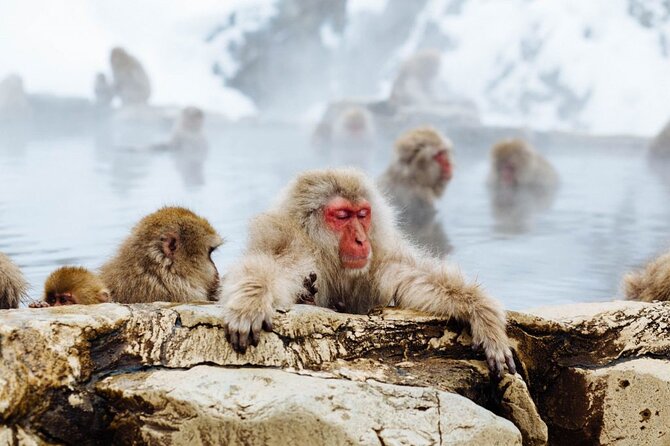
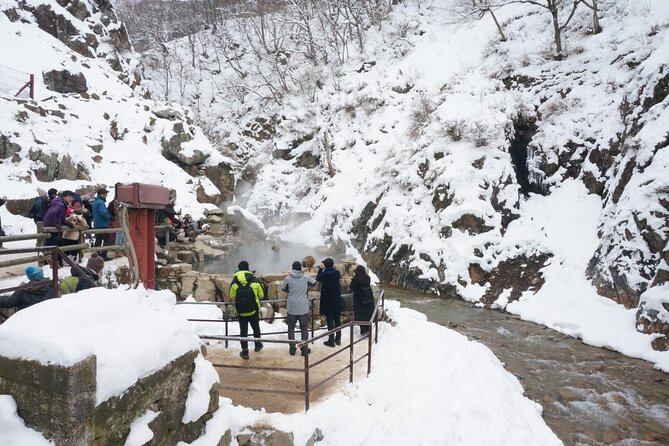
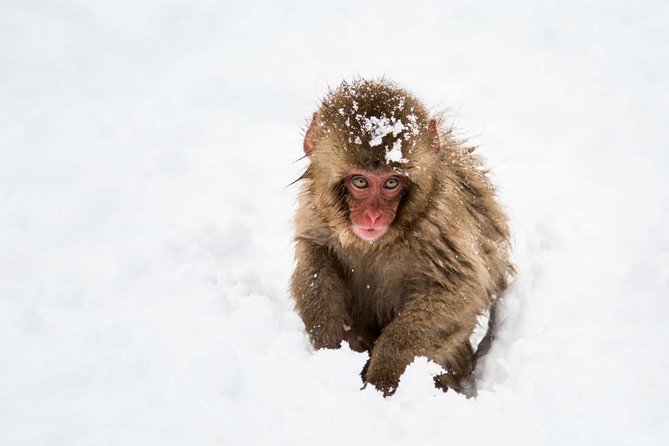
The macaques are famous for using the area’s hot springs during cold weather. In winter, you have a good chance of seeing monkeys sitting in the water, while others may groom one another, eat, play, or rest nearby.
From spring through autumn, the monkeys may still enter the water, but there is no guarantee that they will bathe. They are wild animals, and on a few days each year they may arrive late, leave early, or not come down to the park at all.
That uncertainty is part of the appeal, but you should not book this expecting a staged animal show. The guides can explain the monkeys and the park rules, but nobody can control the animals.
The tour allows about three hours at Jigokudani. That is generous enough to walk around, watch the troop, take photographs, and wait for activity to change. A patient approach works best. Find a safe viewing spot and give the monkeys time instead of constantly chasing the next picture.
You must keep at least 1 to 2 meters away. Never touch, hold, feed, or bathe with the macaques. Since there are no fences between you and them, your behavior matters. Follow the guide’s instructions and avoid sudden attempts to get close.
Many people book this tour for the monkeys, and they are likely to be the emotional high point. Yet the best version of the experience comes from accepting that you are observing wild animals, not visiting a guaranteed hot spring performance.
Guides keep a big day under control
The maximum group size is 45 people, and the tour may use a microbus or a larger bus depending on the season and group size. That is a meaningful consideration. You will not have the intimacy of a private guide, and gathering everyone after free time can take patience.
The guide quality is a major strength. Tom has been praised for combining humor, history, and practical tips. Endo and Kevin were noted for keeping the mood light. Kieran was credited with clear explanations and smooth timing, while Jens and his team managed a group of around 40 without trouble.
Large groups work best when the guide gives clear instructions. This tour appears to do that well, especially at the monkey park, where visitors need to know where to enter and how to follow the rules. Park tickets are included, which can also help you avoid waiting in the ticket line. Follow the guide’s directions rather than joining a queue automatically.
The guides also add value during the bus rides. The journey between stops is not dead time if you enjoy hearing about Nagano, sake, temple customs, and the monkeys.
Getting there from Tokyo and returning to Nagano
The tour begins in Nagano, not Tokyo. The morning shinkansen makes a same-day trip possible, but you need an early start. Suggested services include a 7:20 Kagayaki arriving at 8:43, a 7:24 Asama arriving at 9:14, and a 7:52 Hakutaka arriving at 9:30.
For the return, suggested trains include the 17:55 Kagayaki and the 18:22 Hakutaka. Reservations are required for the Kagayaki. The tour is scheduled to finish at Nagano Station around 17:30 in normal conditions.
Winter needs extra caution. Snow and road conditions can delay the finish, so you should not book a tight onward connection. The recommended winter departures are the 17:56 Kagayaki or the 18:23 Hakutaka, with later departures preferred for other destinations.
A winter shuttle is available for people staying in Hakuba, using pickup and drop-off points at Hakuba Tokyu Hotel in Wadano and Hakuba Happo Bus Terminal. This service operates only during the winter period, may not run every day, and does not drop you at individual hotels. You are responsible for reaching your specific accommodation from the designated drop-off point.
Who will get the most from this experience?
I would choose this tour if you have one full day in Nagano and want the major sights arranged for you. It suits first-time visitors, couples, families with older children, and anyone traveling without a car.
It is especially good for you if you want more than a wildlife photograph. The temple, sake, and lunch give the day a cultural shape, while the guide fills in details that are easy to miss alone.
I would think twice if you want a slow temple visit, a private itinerary, or a guaranteed view of monkeys in the hot spring. The walk can also be demanding for anyone uncomfortable with hills, ice, snow, or long periods on foot.
Free cancellation is available up to 24 hours before the start time. After that, refunds and changes are not accepted.
Should you book the Nagano snow monkey tour?
Book it if you want the easiest all-around way to combine Nagano’s temple, food, sake, and famous macaques. The strongest parts are the excellent guides, included lunch, park entry, and the generous time at Jigokudani.
Prepare properly. Wear warm clothes, use shoes with strong grip, and bring or buy crampons if the path is icy. Allow extra time for your return train in winter.
At $151.88, the price makes sense for the transportation, meal, admission, tasting, and guiding included. I would choose it for a first Nagano visit, especially if seeing the snow monkeys is high on your list. I would skip it only if you want to set your own pace or plan to spend most of the day at Zenko-ji alone.
FAQ
Where does the tour take place?
The tour takes place in Nagano, Japan. It visits Zenko-ji Temple, Nishimon Yoshinoya for sake tasting, and Jigokudani Snow Monkey Park.
How long does the experience last?
The tour lasts approximately 8 hours. It is scheduled to finish at Nagano Station around 17:30, though winter weather and road conditions can cause delays.
Is lunch included?
Yes. Lunch is included, and vegetarian and vegan options are available if requested in advance. You should also provide food allergy information before the tour.
Is the Snow Monkey Park entry fee included?
Yes. Admission to Jigokudani Snow Monkey Park is included.
Can I see the monkeys bathing in the hot spring?
You may see the monkeys bathing, especially in winter, but it is not guaranteed. From spring through autumn, the monkeys may play or eat in the water instead, and on rare days they may not come down to the park.
Is the walk to the Snow Monkey Park difficult?
The forest trail takes roughly 30 to 45 minutes and may include uphill sections. From mid-December to early April, snow and ice can make it slippery. Warm clothing, suitable boots, and crampons are recommended.
Can children or younger people take part in the sake tasting?
You must be at least 20 years old to consume alcohol in Japan. Non-alcoholic options may be available, but the alcohol tasting is limited to people who meet the legal drinking age.
More Winter Activities in Japan
- From Tokyo: Private Tour Snow Monkey Park & Zenko-ji Temple
★ 4.7 · 184 reviews - Tokyo: Snow Monkey Park and Zenkoji Temple Private Day Tour
★ 4.7 · 127 reviews - Nagano/Tokyo: Snow Monkey and Zenkoji Temple Private Tour
★ 4.8 · 54 reviews - From Tokyo: Snow Monkey Park & Zenko-ji Temple Private Tour
★ 4.9 · 42 reviews
More Day Trips in Japan
- Tokyo Panoramic 1 Day: Meiji Shrine, Asakusa, Odaiba and SKYTREE®
★ 4.5 · 1,222 reviews - Kyoto 1 Day Tour from Kyoto
★ 4.0 · 582 reviews - Hiroshima and Miyajima Day Trip with Itsukushima Shrine & Ferry
★ 5.0 · 378 reviews - Day Trip to Hiroshima & Miyajima with Itsukushima Shrine
★ 4.6 · 124 reviews
Just added around Japan
- Private guided tour: Mt. Aso volcano, grasslands, Aso Shrine★ 5.0 · 19 reviews
- Takayama Inari Shrine Tour with Private Transportation★ 5.0 · 5 reviews
- From Asakusa: Old Tokyo, Temples, Gardens and Pop Culture★ 5.0 · 47 reviews
- Goshuin Collecting tour at Asakusa Local Temples & Shrines, Tokyo★ 5.0 · 8 reviews
- :Tokyo,Shibuya /Meiji Shrine tour in KIMONO/English-friendly★ 5.0 · 4 reviews
- Tokyo: Snow Monkey and Zenkoji Temple Day Trip In Low Price★ 5.0 · 5 reviews
- Tokyo War History Tour: Yasukuni Shrine & War Museum★ 4.5 · 6 reviews
- Tokyo: Gotokuji Culture Walk & Lucky Cat Temple Experience★ 4.9 · 5 reviews
Drinking Tours, compared.
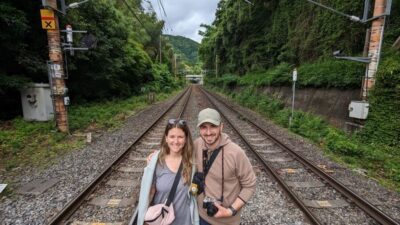
Arashiyama Bamboo, Temple, Monkeys, or Secret Sake Brewery
Read our review →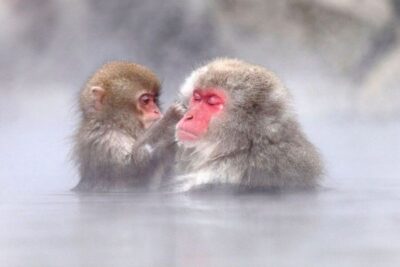
️ Segway Fun Tour of Prague to Castle and Strahov Monastery viewpoint & Brewery
Read our review →
Monastery – Ancient Olive tree & Museum-Cretan Brewery Private Tour from Chania
Read our review →Browse the lists this tour appears in