
Review · TOKYO
Tokyo: Shibuya Sky, Harajuku & Meiji Shrine Highlights Tour
Tokyo changes character every few blocks. This five-hour private walk links Shibuya Sky and Scramble Crossing with the calmer paths of Meiji Shrine, giving you a sharp look at both modern and traditional Tokyo. I like the easy route between Shibuya and Harajuku, and I like having a guide to explain local customs, shopping streets, and the city’s odd little details.
The tour also gives you time at Cat Street, Takeshita Street, Shibuya Parco, and Miyashita Park, rather than rushing from one famous photo stop to the next. The main caution is value: at $110 per person, or potentially more depending on the live price, you are paying mainly for private guiding and local help, not a long list of included admissions.
Key points to know before booking
- Shibuya Sky leads the tour with Tokyo views: Allow 45 minutes for the observation deck, though weather can affect the outdoor section.
- The route covers several districts on foot: You move from Hachiko and Shibuya Crossing through Cat Street to Harajuku Station.
- Private guiding is the main benefit: Guides such as Shun, Ren, Kosei, Konon, and Max have helped guests with food, shopping, family needs, and navigation.
- Meiji Shrine provides a needed pause: Its wooded approach and sacred setting feel very different from Shibuya’s screens and crowds.
- The tour is not just a photo circuit: Shibuya Parco, Miyashita Park, and Takeshita Street add fashion, food, youth culture, and everyday city life.
- Check the admission details carefully: The listed inclusions name a local guide, while admission fees for sights not covered by the highlights are excluded.
Starting at Hachiko, where Shibuya tells its story
The meeting point is the Hachiko Statue, one of Tokyo’s easiest landmarks to find and one of its busiest rendezvous spots. It is a practical place to begin, but it also gives your guide a chance to explain why this small statue matters so much to Shibuya.
From here, the tour begins with the district’s most famous sights. You will need to stay alert at the start because Shibuya is full of people moving in every direction, and the first part of the walk has a quick city rhythm. That is precisely where a private guide can help. You are not left trying to work out which exit, crossing, or street leads to the next stop.
The guides have received strong praise for adapting the experience. Shun helped one family with suggestions for food and shopping, while Max adjusted the route for someone who had already spent two days in Shibuya. That flexibility is useful on a private tour. You can ask about convenience-store products, restaurants, clothing, or places to return to later.
More Meiji Shrine and Senso-ji Tours in Tokyo:
- Tokyo: Asakusa Walking Tour with Sensoji Temple Visit
★ 4.8 · 1,583 reviews - Tokyo Panoramic 1 Day: Meiji Shrine, Asakusa, Odaiba and SKYTREE®
★ 4.5 · 1,222 reviews - Tokyo: Asakusa and Tokyo’s Oldest Temple Senso-ji Tour
★ 4.9 · 352 reviews
Shibuya Sky: the tour’s big visual moment
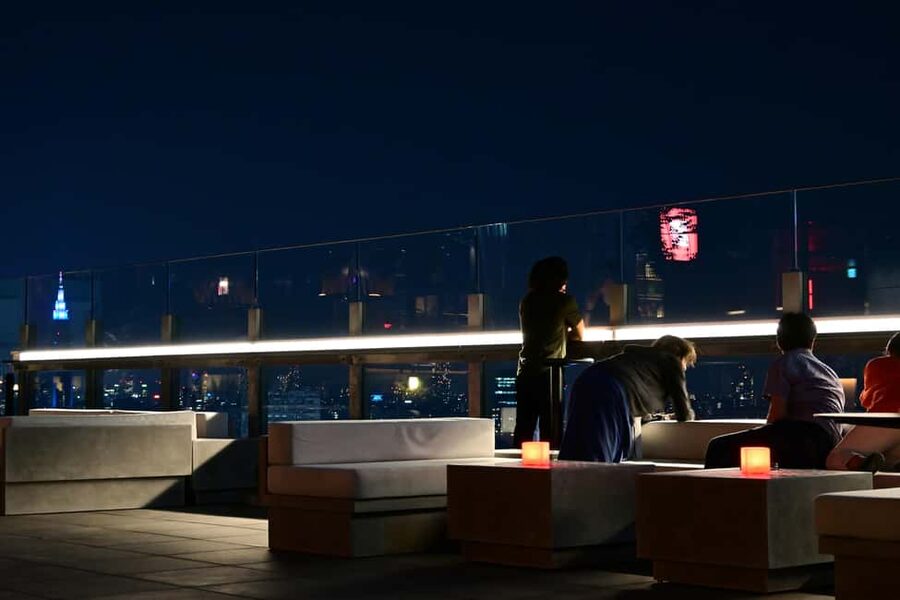
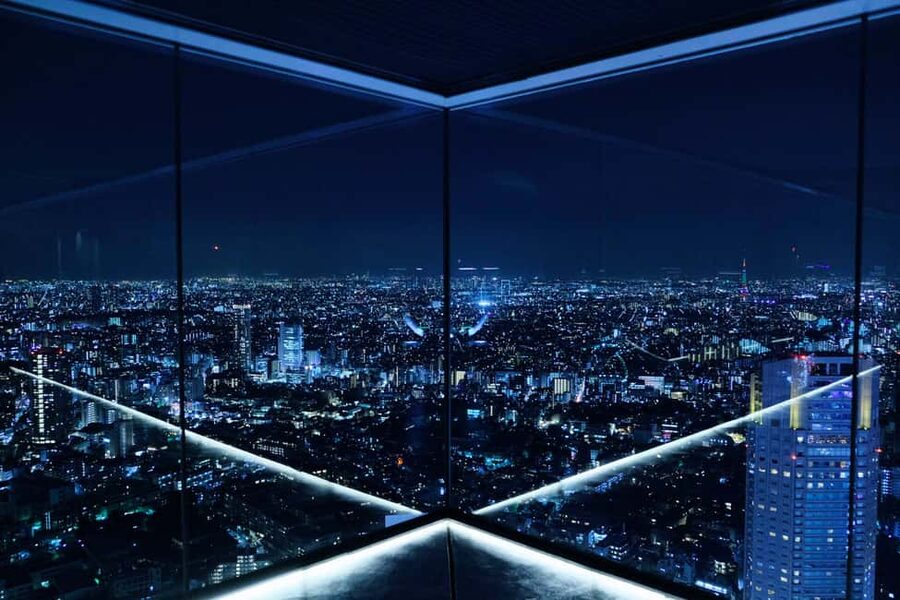
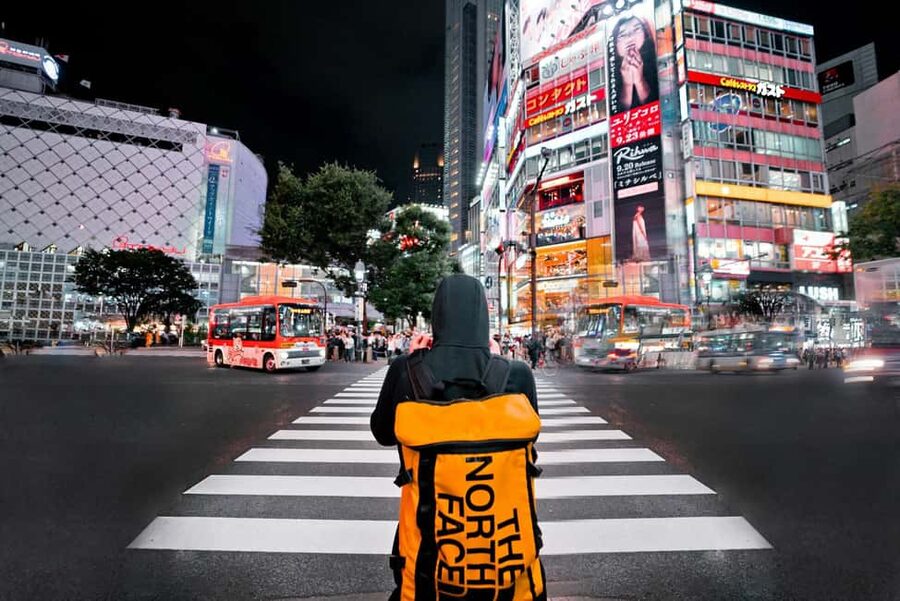
Shibuya Sky is the headline attraction. The planned visit lasts about 45 minutes, giving you time to see Tokyo from high above and take photographs of the city in every direction. The most memorable view is likely to be the bird’s-eye angle over Shibuya Scramble Crossing, where the ordered movement of people becomes almost abstract from above.
You should think of this stop as a weather-sensitive experience. Strong wind caused the outdoor viewing area to close during one visit. The city view was still worthwhile, but the experience was not quite the same. If the open-air section matters greatly to you, keep that limitation in mind. Tokyo weather can change the feel of an observation deck more than the brochure suggests.
The admission question deserves attention. The supplied tour details list a local guide as included and say admission for sights not listed in the highlights is excluded. Shibuya Sky is named as a highlight, but the inclusion wording is not perfectly clear. Check the current booking terms before paying, especially since one critical comment compared the tour price with a separate Shibuya Sky admission of about $34.
That uncertainty matters because the $110 price makes sense more easily if entry is included. If you must also pay the observation deck fee, the private guiding needs to be valuable to you for the package to feel worthwhile.
Scramble Crossing from above and below
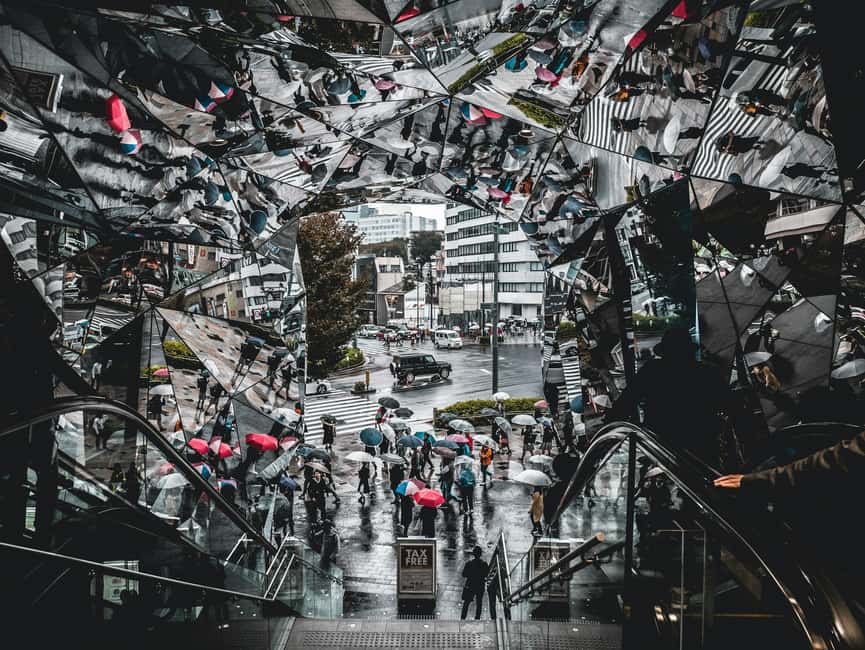
After Shibuya Sky, the group spends about 15 minutes at Shibuya Crossing. This is a short stop, but it works well after seeing the crossing from the observation deck. From street level, you experience the sound, movement, signs, and sheer number of people. From above, you saw the pattern. Together, the two viewpoints explain why this crossing has become one of Tokyo’s best-known urban scenes.
Do not expect a long guided lesson here. Fifteen minutes is enough for photos and a quick explanation, not a detailed exploration of every surrounding street. The guide can help you find useful viewpoints and keep the group moving, which is valuable in a place designed to pull your attention in ten directions.
I like this pairing because it avoids treating Shibuya Crossing as only a quick photograph. You see how the district works from the air, then feel its energy at ground level.
Shibuya Parco and Miyashita Park show modern Tokyo
The next two stops are Shibuya Parco and Miyashita Park, with about 45 minutes planned at each. These are not old Tokyo sights, and that is the point. They show the shopping, food, design, and social side of the city that many first-time visitors miss when they stick only to temples and observation decks.
Shibuya Parco is connected with fashion, shops, and current popular culture. Your guide can help make sense of the building’s appeal and point out areas that fit your interests. If you are not keen on shopping, the stop may feel long. Use that time to ask about Japanese brands, food options, or places to explore after the tour.
Miyashita Park gives the route another modern public space. Its shops and food choices offer a chance to pause and look at how Tokyo combines recreation, retail, and city living. Again, the value depends on your interests. A fashion fan or first-time visitor may enjoy the chance to browse. Someone focused only on shrines and historic buildings may find these stops less essential.
The useful feature here is not that these places are famous in their own right. It is that they give you a clearer picture of present-day Shibuya. Your guide can add context that you would not get by simply wandering through a shopping complex.
A few more temple visits around Tokyo worth a look
- Nikko: Kegon Falls, Lake Chuzenji & Toshogu Temple
★ 4.6 · 1,577 reviews - Tokyo: Nikko Toshogu Shrine and Kegon Waterfall Tour
★ 4.5 · 1,266 reviews - Tokyo: Zen Meditation at a Private Temple with a Monk
★ 5.0 · 510 reviews - Mt. Fuji Heritage Tour: Traditional Villages, Lakes & Shrine
★ 4.5 · 509 reviews
Cat Street connects Shibuya with Harajuku
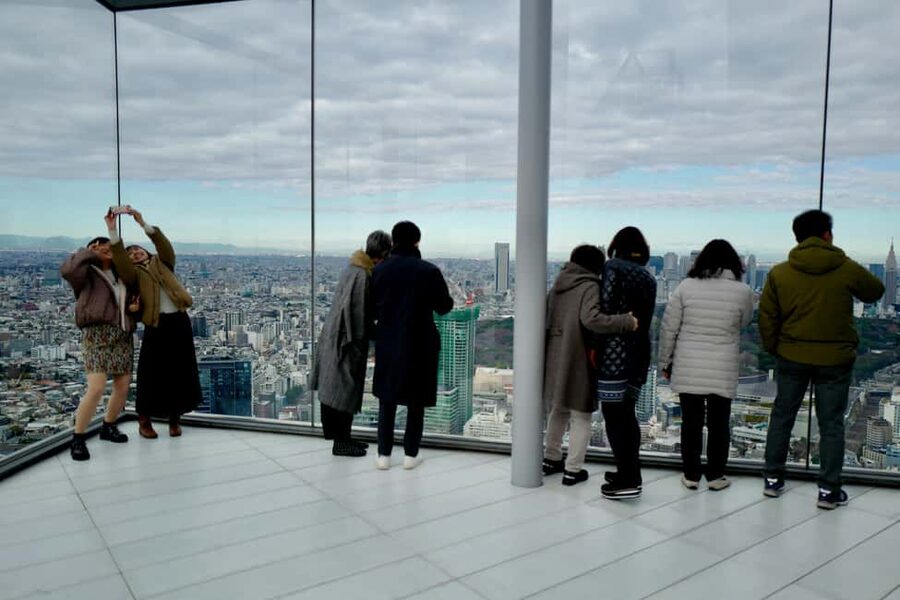
Cat Street is the route’s most natural transition. It links Shibuya and Harajuku through independent shops, streetwear, and a more relaxed shopping atmosphere than the major avenues. The planned 45 minutes gives you time to walk, browse, and notice how the style changes as you move between the districts.
This part of the tour is especially useful if you want shopping advice rather than a list of famous buildings. Ask your guide what suits your budget and taste. The path is also a good place to see how Tokyo’s fashion culture works at street level, with small shops and changing styles rather than only large department stores.
The drawback is simple: shop opening hours and your own interest will shape this stop. Cat Street is not a museum with a fixed program. Some people will want to linger, while others will be ready for the next cultural sight. On a private tour, that difference can usually be handled better than on a large group outing.
Takeshita Street and Harajuku’s playful side
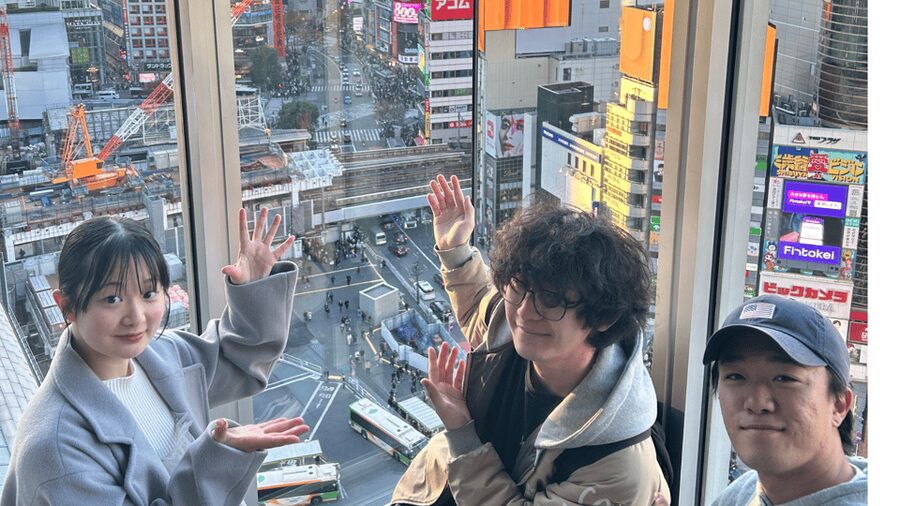
Takeshita Street brings a different kind of energy. The focus here is kawaii culture, youth fashion, colorful goods, and unusual snacks. The guided portion lasts about 45 minutes, so you get an introduction without giving the entire afternoon to one crowded shopping street.
This is a good place to ask questions. Harajuku can look chaotic if you do not know what you are seeing. Your guide can explain the role of youth fashion, point out food and shopping choices, and help you decide what is worth trying. One of the strongest guide comments described advice that suited the whole family, which is useful because Takeshita Street can appeal to children and adults in very different ways.
You should not expect a quiet stroll. The street is popular and can feel packed, especially around its best-known shops. It is also not a traditional Japan experience. That is not a flaw. It gives the tour a clear contrast with Meiji Shrine, which comes next.
If you prefer old neighborhoods, architecture, and museums, Takeshita Street may be the least important part for you. If you want to understand Tokyo’s pop culture and see the city’s playful side, it earns its place.
Meiji Shrine brings the volume down
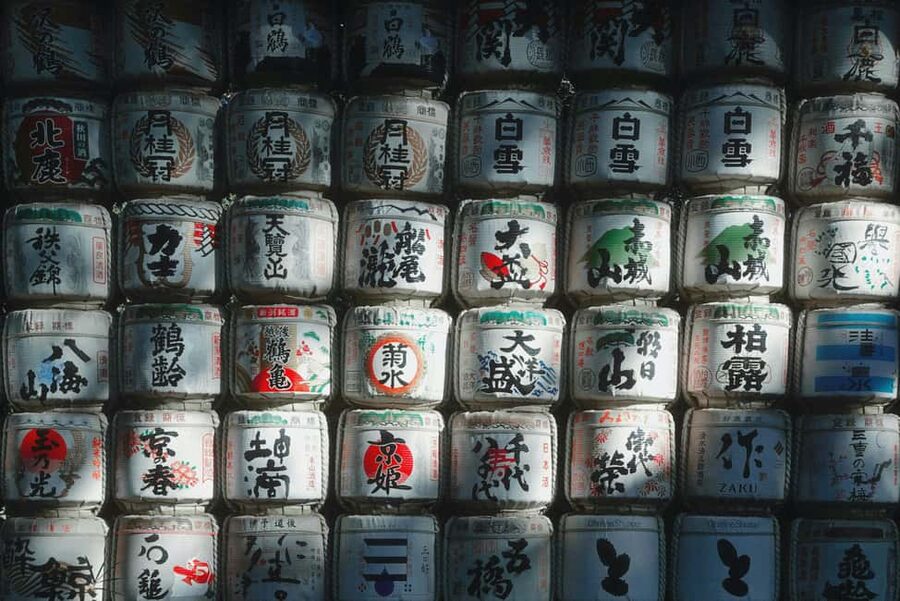
The final major stop is Meiji Shrine, with about 30 minutes for a visit and guided sightseeing. The change is immediate. After screens, shops, crossing signals, and fashion streets, you enter a wooded path leading toward a large torii gate and a sacred shrine dedicated to Emperor Meiji and Empress Shoken.
This is where the tour’s design works best. Meiji Shrine is not presented in isolation. You reach it after seeing several sides of modern Tokyo, so the quiet feels stronger. Even a short visit can reset your pace and give you time to notice the customs of a Shinto shrine.
Your guide can explain the basic meaning of the setting and help you behave respectfully. This matters because visitors often know the shrine is important but are less sure about how to approach a torii, where to walk, or how to act near the shrine buildings. The information is most useful when it stays practical.
Thirty minutes is enough for an introduction, but it is not enough for a slow, complete visit. If Meiji Shrine is a top priority, you may want to return later and spend more time there. The tour gives you a strong first look, not an exhaustive shrine visit.
A walking tour with real physical demands
The five-hour schedule includes several districts and many changes of scene. You should be comfortable walking for most of the experience, standing at busy crossings, and moving through shopping areas. The tour is listed as wheelchair accessible, but the route still involves city streets, crowded public areas, and major attractions, so it is sensible to discuss mobility needs when booking.
No private vehicle is provided. Transportation for both the client and guide is not included, and the tour is designed as a walking experience. That keeps the route close to the streets and makes it easier to notice small details, but it also means you do not get a rest period in a car.
Rain does not cancel the experience. The tour operates rain or shine, so bring suitable clothing and protect your phone or camera. Weather also matters at Shibuya Sky, where wind can close the outside viewing area.
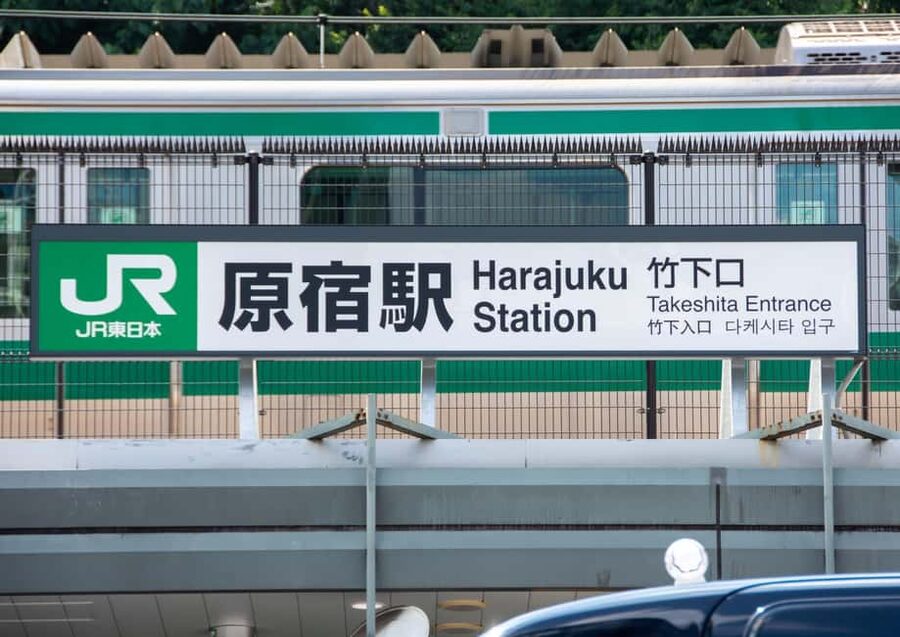
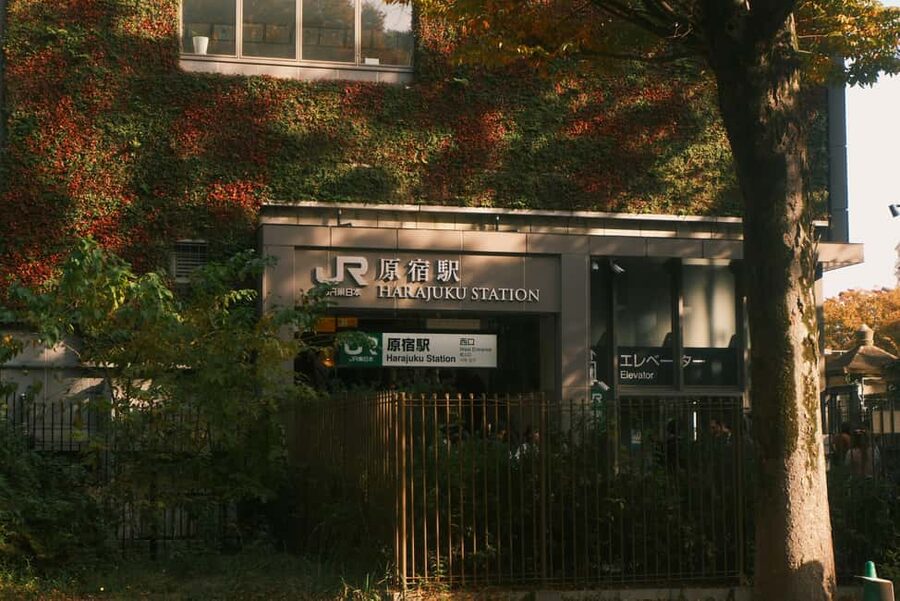
The ending at Harajuku Station is convenient. You finish near a major transport point rather than being left far from the action. It also gives you an easy choice: continue exploring Harajuku, return to your hotel, or use the train for your next stop.
What the guides add, and where the value is thin
The strongest part of this experience is the personal help. Ren was praised for going out of the way to make the day work, Shun offered practical food and shopping advice, Kosei was described as prepared and friendly, and Konon helped with questions about everyday products. Those details suggest that the best version of this tour feels like a local orientation, not a script read beside famous sights.
That benefit depends heavily on your individual guide. One person found the explanations too limited and felt the price was far too high for a route that could be walked independently. That is a fair concern. Every major stop is accessible without a private guide, and much of the route uses public streets.
At $110 per person, the tour is best value for you if you want help with navigation, cultural context, family-friendly choices, and a flexible private pace. It is weaker value if you mainly want the views and photographs. In that case, you could visit Shibuya Sky, Scramble Crossing, Cat Street, Takeshita Street, and Meiji Shrine on your own for less.
The listed rating is 4.5 from nine reviews, with most available comments praising the guides and the route. One comment referred to a $150 per-person cost, which does not match the stated $110 price here. Confirm the current total before booking and ask specifically about Shibuya Sky admission.
Who should book this Tokyo experience?
I would choose this tour for a first day in western Tokyo, especially if you want to understand how Shibuya and Harajuku fit together. Families may appreciate the private format and the chance to ask about food, shopping, and convenience stores without slowing down a large group.
It also suits you if Tokyo feels overwhelming. The route gives you a clear map of several major areas, then leaves you at Harajuku Station with enough orientation to return on your own.
I would skip it if you already know Shibuya and Harajuku well, dislike shopping districts, or prefer to set your own pace. The tour includes plenty of places you can visit independently, and the price rests on the quality of the guide more than on exclusive access.
Book it if you want a friendly local escort, strong first-day orientation, and a clean contrast between Tokyo’s modern streets and Meiji Shrine’s quiet forest. Skip it if you only need transportation between famous photo stops. Before booking, verify the final price, the Shibuya Sky admission, and the meeting arrangements.
FAQ
How long does the Tokyo tour last?
The tour lasts five hours. It begins at the Hachiko Statue and finishes at Harajuku Station.
What languages are available?
Live guiding is available in English and Japanese.
Is this a private tour?
Yes. It is offered as a private group activity.
Is transportation included?
No. Transportation for the client and guide is not included, and no private vehicle is provided. This is a walking tour.
Does the tour operate in bad weather?
Yes. The experience takes place rain or shine. Strong wind can affect access to the outdoor viewing area at Shibuya Sky.
Can I cancel for a full refund?
You can cancel up to 24 hours in advance for a full refund. The activity also offers a reserve now and pay later option.
Just added around Tokyo
- :Tokyo,Shibuya /Meiji Shrine tour in KIMONO/English-friendly★ 5.0 · 4 reviews
- Tokyo: Snow Monkey and Zenkoji Temple Day Trip In Low Price★ 5.0 · 5 reviews
- Tokyo War History Tour: Yasukuni Shrine & War Museum★ 4.5 · 6 reviews
- Tokyo: Gotokuji Culture Walk & Lucky Cat Temple Experience★ 4.9 · 5 reviews
- Tokyo: Visit 5 Shrines & Collect Goshuin on Private Tour★ 5.0 · 3 reviews
- Tokyo’s Kitchen: Tsukiji Market Food & Culture Walk★ 4.7 · 74 reviews
- Tokyo: Sensoji Temple & Street Food: Private Tour with guide★ 4.6 · 8 reviews
- Tokyo: Nikko Day Tour Shrines, Lake Chūzenji & Kegon Falls★ 4.9 · 26 reviews
Meiji Shrine & Senso-ji Tours, compared.
Asakusa Walking Tour with Sensoji Temple Visit
Read our review →
Tokyo Panoramic 1 Day: Meiji Shrine, Asakusa, Odaiba and SKYTREE®
Read our review →
Asakusa Senso-ji Temple and Old Tokyo Walking Tour
Read our review →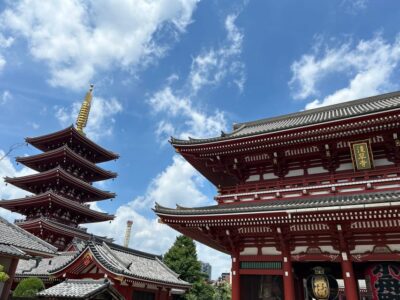
Asakusa and Tokyo’s Oldest Temple Senso-ji Tour
Read our review →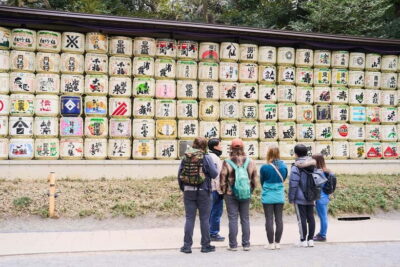
Meiji Shrine Walking Tour — Shinto & Imperial System
Read our review →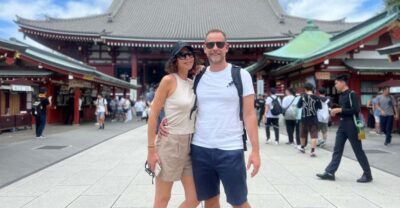
Meiji Jingu Shrine and Shinto Culture Walking Tour
Read our review →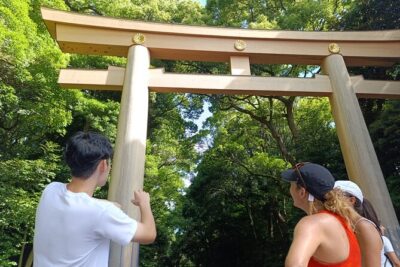
Meiji Shrine Walking Tour — Shintoism & Imperial System
Read our review →Browse the lists this tour appears in