

Review · JAPAN
E-Bike Nara Highlights – Todaiji, Knives, Deer, Shrine
Nara is easier on two wheels. This 210-minute tour links Todaiji Temple, Nara Park, and Kasuga Taisha with a local guide, letting you cover ground that would take much longer on foot. I especially like the mix of major sights and the visit to a traditional knife shop, plus the chance to learn the polite Nara method for feeding deer. The main drawback is price: at $90 per person, it costs more than simply walking through the park, and the cycling pace may feel brisk if you want a slow, casual ride.
I also like the practical setup. The bike base is less than five minutes from Kintetsu Nara Station, and the electric bikes make Wakakusa and the wider park easier for older riders or anyone coping with summer heat. Just arrive 15 minutes early, and remember that the tour needs at least two people to operate, so a solo booking can be cancelled or rescheduled.
Key points to know before booking

- Todaiji is the centerpiece: You get time to visit the temple and enter its famous Great Buddha hall.
- The route covers more than the deer park: Nandaimon Gate, Mt. Wakakusa, Kasuga Taisha, and Ukimido all make the cut.
- The knife stop is unusually useful: Kikuichimonjushirokanenaga offers an introduction to Japanese cutlery, history, and shopping help.
- E-bikes save both time and energy: The route includes enough distance and some hills to make electric assistance worthwhile.
- Guides add real value: Chris, Remi, Robert, Melody, Elodie, and others have been praised for history, local insight, patience, and help with photographs.
- It is not always a gentle cruise: One recent account described a forward pace, so confident bike handling matters.
Why an e-bike works well in Nara Park
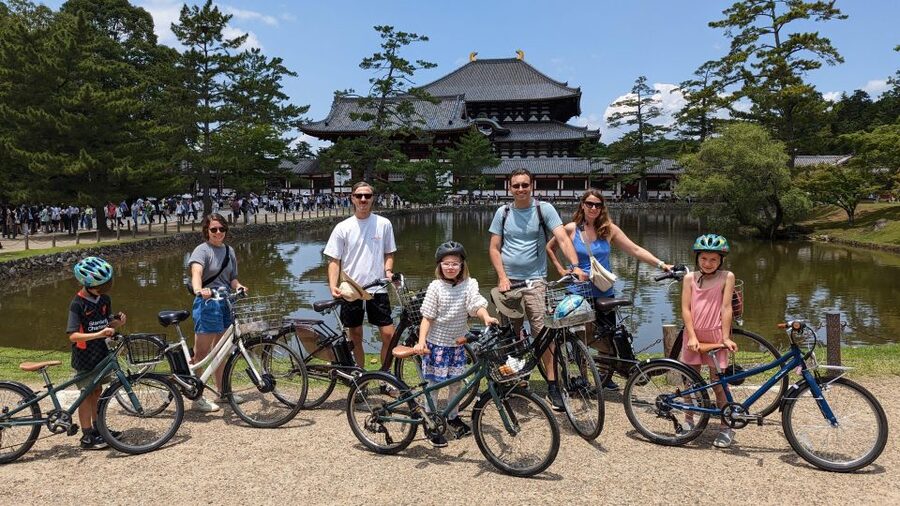
Nara’s famous sights are spread across a large park area. You can walk between them, but the distances add up quickly, especially after a morning in temples or during hot weather. The electric bikes let you move from the central park to Kasuga Taisha and Ukimido without turning the day into a long-distance hike.
You still pedal, but the motor takes much of the strain. One 60-year-old rider who described being out of shape still managed the route comfortably, while a parent traveling with children found the bikes a fun way to keep the family moving. The bikes also make sense if your time in Nara is limited to half a day.
This is not a technical cycling excursion. It is a sightseeing tour that uses bikes as transport. You need to ride properly, watch the route, and stay with the group, but you do not need to be a serious cyclist. Bicycle insurance is not included, so take that point seriously when deciding if the tour suits you.
The equipment has generally been praised as easy to use and in good condition. There is one important qualification: a recent rider found the bikes poorly maintained and not ideal for taller people. That appears to be the exception rather than the usual experience, but it is worth raising at the start if the fit feels wrong.
More Cycling Tours in Japan:
- Kyoto: Fushimi Inari Shrine and Tofukuji Temple E-Bike Tour
★ 5.0 · 75 reviews - Kyoto: Hidden Gems E-Bike Tour Through Backstreets & Temples
★ 4.9 · 54 reviews - Naha: Guided E-Bike Tour of the 12 Zodiac Temples
★ 4.9 · 50 reviews
Starting near Kintetsu Nara Station
The meeting point is at 16-1 Takamaichicho, in front of Building LIFE 21, at the bicycle base. It is a short walk from Kintetsu Nara Station, not JR Nara Station. That distinction matters because the two stations are not the same starting point.
Look for a guide in a navy cap and red polo shirt with the JTA uniform. Arrive 15 minutes before departure for registration, bike fitting, and basic instructions. You can request a helmet, but helmets are supplied only when available.
The tour is offered in English and French, with private and small-group options. French is not guaranteed on a shared departure, even though French-speaking guides are part of the operation. If French matters to you, contact the provider ahead of time rather than assuming it will be available.
The guide lineup has included Chris, Christian, Christoph, Remi, Robert, Melody, Elodie, Jean-Yves, and Mattheus. The strongest part of the guiding is not simply pointing out buildings. Guides such as Robert and Remi have been praised for explaining Buddhism, Shinto, Zen ideas, temple customs, and Japanese culture in a clear way. Several guides also help take photographs, and one rainy-day group received candid pictures after the tour.
Meeting Nara’s deer the right way
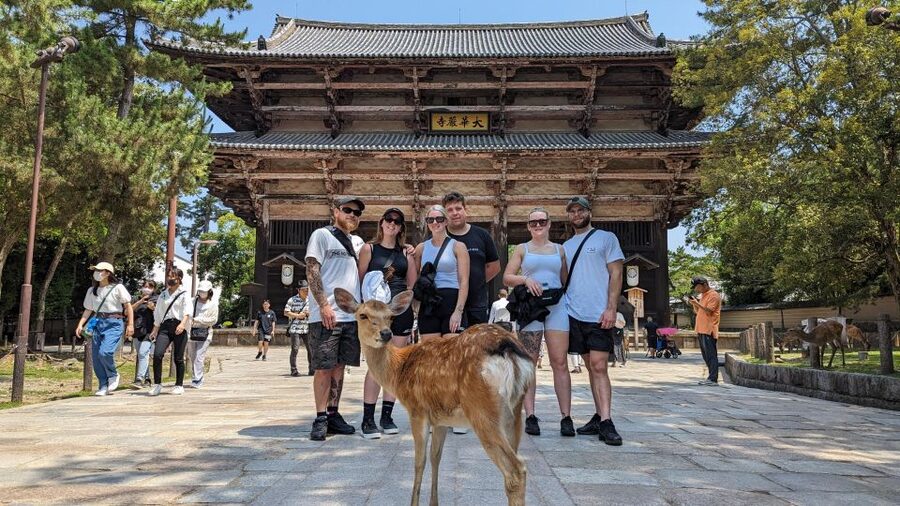
The first portion takes you through Nara Park, where deer move freely around the paths and temple grounds. Deer cookies are included, so you do not need to buy your first packet separately.
The guide teaches you how to feed the deer in the local style. That usually means showing the animal you have no more cookies before putting your hands down, but listen carefully to the guide’s directions. The deer are accustomed to people, yet they are still animals, and a respectful approach makes the encounter better for everyone.
You can buy extra deer cookies if you want to continue feeding, but those are not included. Food, drinks, and extra snacks are also your responsibility.
The deer are the obvious attraction, but the cycling route helps you see the park as more than a photo stop. You pass through open areas with scenic views, temple approaches, and wooded sections on the way to the larger sights. Depending on the time of day, deer may be calm, eager, or simply uninterested in your cookies.
Nandaimon Gate and Todaiji Temple
Nandaimon Gate is the first major architectural stop. The great gate gives you a strong sense of Todaiji’s scale before you enter the temple complex. The visit includes time for photographs, a guided explanation, and a chance to look around rather than simply pause for a quick snapshot.
From there, you visit Todaiji Temple itself. The schedule allows about 45 minutes, including the entrance fee. That is enough time to see the main hall and the Great Buddha, then have a little free time for photographs or nearby shopping.
Todaiji is the reason many people come to Nara, and the e-bike tour handles it sensibly. You are not forced to rush through the building, but the stop is also not long enough to become a full museum study. If you want extensive time at every temple, you may find the schedule tight. If you want to see the main hall while also reaching several other sites, the balance works well.
The temple portion is self-guided, although your guide can provide context before and after the visit. That arrangement gives you freedom inside the hall while keeping the wider day organized.
A few more temple visits around Japan worth a look
- Hiroshima: Peace Park, Castle, and Mitaki Temple E-Bike Tour
★ 4.8 · 11 reviews - Kanazawa Ninja Temple Half Day E-bike tour
★ 5.0 · 4 reviews - From Siem Reap: Angkor Wat Sunrise and Temples E-Bike Tour
★ 5.0 · 52 reviews - e-Bike Cycling Tour to Arkadi Monastery Full Lunch included
★ 5.0 · 26 reviews
Passing Mt. Wakakusa without a long climb
The route continues past Mt. Wakakusa, a grassy rise on the edge of the park. The tour allows roughly 15 minutes for photographs, views, and deer watching, rather than a full hike up the mountain.
This is one place where the e-bike earns its keep. Even if you are not climbing the mountain itself, the route around Nara is not entirely flat. Electric assistance makes the ride easier, particularly in warm weather or after walking through Todaiji.
The stop is brief, so treat it as a scenic pause rather than a mountain visit. You will have time to appreciate the setting and take pictures, but not a long period for exploring every trail.
The Kikuichimonjushirokanenaga knife stop
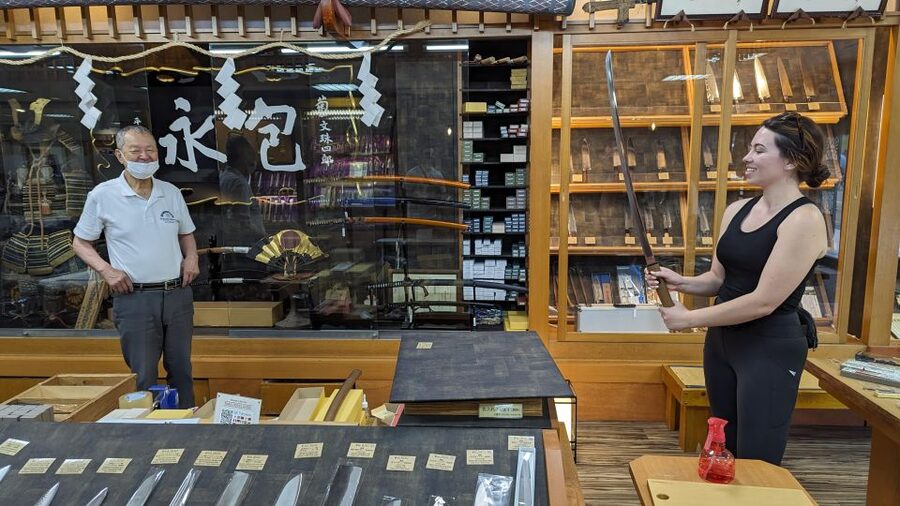
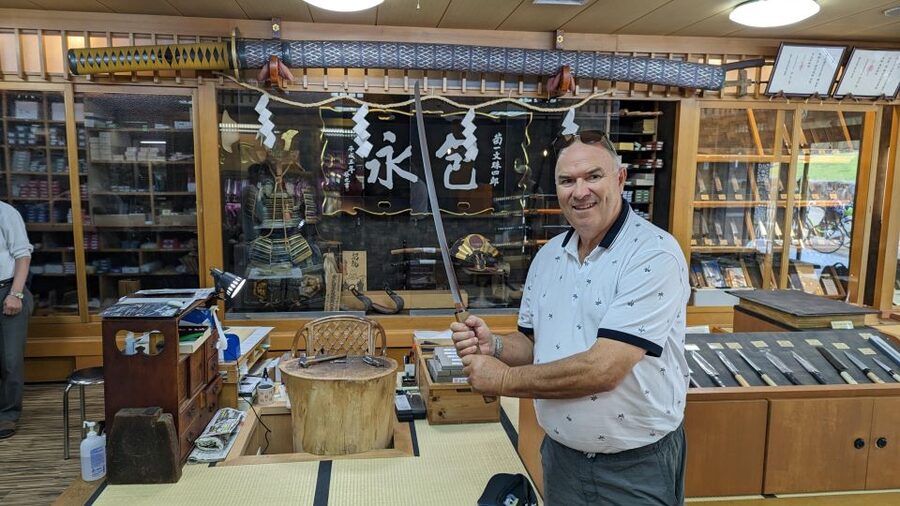
The knife visit adds something different to the day. At Kikuichimonjushirokanenaga, you get an introduction to Japanese cutlery and its background, followed by time to browse. The shop is connected with a family tradition of sword making, which gives the stop more substance than a generic souvenir store.
The guide can help explain the products and assist with shopping. That is useful because Japanese knives vary in shape, purpose, maintenance, and price. If you are considering a purchase, you can ask questions rather than trying to work out the differences alone.
This part of the tour is also where the $90 price becomes easier to assess. The temple admission, e-bike rental, deer cookies, local guide, Japanese snack, and shopping assistance are included. You are paying for a guided route and local access, not just a bicycle for three and a half hours.
Still, the stop is not compulsory shopping. You can look around without buying anything. One rider went in determined not to purchase a knife and changed their mind, while another later wished they had bought a set or several gifts. Set a budget before you enter if you are easily tempted by sharp, beautifully made souvenirs.
Each person also receives a Japanese snack called Kanoko. Extra food and drinks are not included, so carry cash for anything else you want during the afternoon.
Kasuga Taisha and its lanterns
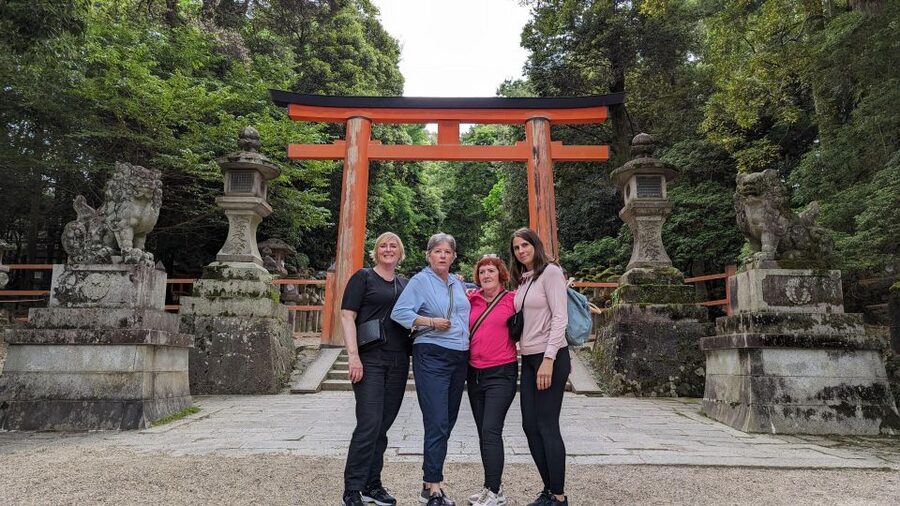
Kasuga Taisha is the most atmospheric religious stop on the route. The shrine is known for its lanterns, and the visit gives you time to walk, take photographs, and learn about the site.
The tour allows about 30 minutes here. That is enough to appreciate the shrine precinct and its approach, though a visitor who wants to study every lantern and building in detail may want to return later on foot.
The contrast with Todaiji is part of the appeal. Todaiji is monumental and strongly associated with Buddhism and the Great Buddha. Kasuga Taisha offers a different introduction to Shinto practice and shrine architecture. Guides have often been praised for explaining the distinctions between Shinto, Buddhism, Zen, and Japanese customs in an approachable way.
You also continue to see deer around the shrine grounds. The animals are part of the setting, but the shrine itself deserves your attention. Try not to reduce this stop to another deer photograph.
Ukimido and the final park ride
After Kasuga Taisha, the route returns through Nara Park and reaches Ukimido for a 15-minute photo stop and walk. Ukimido provides a change of pace from gates, halls, and shrine paths, with a scenic setting suited to quiet photographs.
The route then continues through the park before returning to the bicycle base. The final cycling sections help you see how broad the park area is and provide a pleasant way to finish without another long walk.
The full schedule adds up to 210 minutes, though the actual day can run longer. One rainy-day group reported that the tour extended beyond the planned time, and everyone in that group was comfortable with it. If you have a train reservation, lunch booking, or another fixed appointment immediately afterward, leave a buffer.
How the guides affect the experience

The guide is the difference between a useful tour and a basic bike rental. The strongest feedback has focused on friendly personalities, clear explanations, patience, and flexibility.
Chris has been praised for making the experience both fun and meaningful. Remi has helped groups understand Japanese culture and local history, while Robert has been especially valued for temple explanations and practical help. Melody has received praise for handling transport delays and difficult weather with calm good humor. Elodie and Jean-Yves have also been described as thoughtful and helpful.
The guide can adjust explanations to your interests, answer questions, and help with photographs. A private departure gives you more room for this, while a shared tour may put several nationalities together and use English as the main language.
Do not expect a silent, slow pedal through the park. One rider specifically noted that the biking sections moved at a forward pace. That is useful for covering the route, but it may not suit you if you want to stop whenever you see a deer or take a photograph.
Who gets the best value at $90?
At $90 per person, this is not the cheapest way to see Nara. You can walk through Nara Park and visit some areas independently for far less. The question is what your time and energy are worth.
I think the price is easiest to justify if you have only one day or part of a day in Nara. You get the bike, guide, Todaiji admission, deer cookies, a snack, the knife introduction, and a planned route connecting several areas. Walking the same circuit would take considerably longer and leave you responsible for navigation.
The tour is also a good choice in hot weather. One rider specifically said the e-bike was preferable to walking around all day in the heat. It can also suit an older rider, a family with children, or anyone who wants to see more without spending the whole day on foot.
The value is less convincing if you already know Nara well, prefer unstructured sightseeing, or are happy to walk at your own pace. A shared tour can also feel expensive if the knife shopping and guided history are not of interest to you.
Children under 10 can be accommodated with a child seat, up to one seat per e-bike. Ask about this before booking. The experience is best for people comfortable on a bicycle, and pets, alcohol, drugs, and audio recording are not allowed.
Practical tips for a smoother ride
Wear comfortable clothes and shoes. Bring your passport and cash, especially if you may buy extra deer cookies, food, drinks, or a knife.
Morning departures can help with crowds, especially around Todaiji and the deer feeding areas. Even so, the tour is offered at different starting times, so check availability for the date you want.
Bring weather protection suited to the season. The route operates in changing conditions, and one group enjoyed the tour despite rain while another found summer heat a concern. The bikes are helpful, but they do not remove the need for sensible clothing.
If you are booking alone, remember the two-person minimum. A solo reservation can be cancelled if no second participant joins, with rescheduling or a full refund offered. Cancellation is free up to 24 hours before departure, and reserve-now, pay-later booking is available.
Should you book the Nara e-bike tour?
Book it if you want a lot of Nara in three and a half hours, prefer riding to walking, and value a guide who can explain what you are seeing. The route covers the essential sights, but the knife stop and Ukimido keep it from feeling like a simple Todaiji and deer circuit.
I would choose this tour for a first visit, a short stay, a hot day, or a family group that needs help covering distance. I would skip it if you want a slow, independent day, dislike cycling in a group, or have a tight budget.
Overall, the combination of e-bikes, temple admission, deer cookies, Kasuga Taisha, and local shopping help makes the tour a strong time-saving option. Just arrive early, expect a steady pace, and leave extra time afterward.
FAQ
Where does the e-bike tour meet?
Meet at 16-1 Takamaichicho, in front of Building LIFE 21, at the bike base. It is less than a five-minute walk from Kintetsu Nara Station, not JR Nara Station.
How long does the Nara e-bike tour last?
The scheduled duration is 210 minutes, or three and a half hours. The tour can occasionally run longer, so leave extra time before your next appointment.
Are the e-bikes and Todaiji admission included?
Yes. E-bike rental and the Todaiji Temple entrance fee are included. A helmet can be requested, subject to availability.
Is feeding the deer included?
Each person receives deer cookies for feeding the deer in Nara Park. Extra cookies, food, and drinks cost extra.
Can children under 10 join?
Yes. Child seats can be provided for young riders, with up to one child seat per e-bike. Ask the provider about arrangements before booking.
Is a French-speaking guide guaranteed?
No. French-speaking guides are available, but French is not guaranteed on a shared tour. Contact the provider in advance if you need a French-speaking guide on a specific date.
Just added around Japan
- Private guided tour: Mt. Aso volcano, grasslands, Aso Shrine★ 5.0 · 19 reviews
- Takayama Inari Shrine Tour with Private Transportation★ 5.0 · 5 reviews
- From Asakusa: Old Tokyo, Temples, Gardens and Pop Culture★ 5.0 · 47 reviews
- Goshuin Collecting tour at Asakusa Local Temples & Shrines, Tokyo★ 5.0 · 8 reviews
- :Tokyo,Shibuya /Meiji Shrine tour in KIMONO/English-friendly★ 5.0 · 4 reviews
- Tokyo: Snow Monkey and Zenkoji Temple Day Trip In Low Price★ 5.0 · 5 reviews
- Tokyo War History Tour: Yasukuni Shrine & War Museum★ 4.5 · 6 reviews
- Tokyo: Gotokuji Culture Walk & Lucky Cat Temple Experience★ 4.9 · 5 reviews
E-Bikes, compared.
Fushimi Inari Shrine and Tofukuji Temple E-Bike Tour
Read our review →
Hidden Gems E-Bike Tour Through Backstreets & Temples
Read our review →
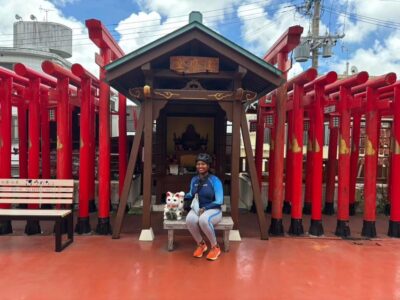
Naha: Guided E-Bike Tour of the 12 Zodiac Temples
Read our review →
e-Bike Cycling Tour to Arkadi Monastery Full Lunch included
Read our review →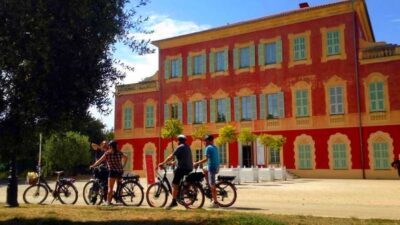
Nice: 7 Hills Monastery & Waterfall (EBike Tour Local Guide)
Read our review →
Hiroshima: Peace Park, Castle, and Mitaki Temple E-Bike Tour
Read our review →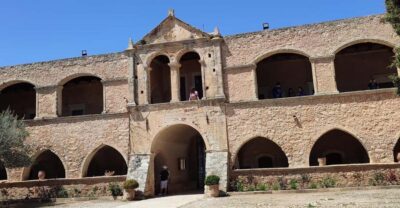
Browse the lists this tour appears in