
Review · JAPAN
Todaiji Temple, Kasuga Shrine and Nara Park Guided Full Tour
Ancient Nara rewards curious walkers. This 5.5-hour tour brings together the city’s biggest sights, from free-roaming Sika deer in Nara Park to Todaiji’s giant Buddha and Kasuga Taisha’s lantern-lined forest. I like the compact group of no more than eight people, and I like that admission to Todaiji and Kasuga Taisha is already covered.
The guide is another strong point. Artur has lived in Japan for years, and his explanations reach beyond temple dates and architectural labels into daily customs and Japanese culture. That personal angle earned especially warm praise, although you should know this is a walking tour with many stairs and is not suitable for people with mobility impairments.
Key points at a glance
- Feed Sika deer in Nara Park: Deer move freely around the historic park, creating one of Nara’s most memorable encounters.
- See Todaiji’s Great Buddha: The tour includes entry to the huge wooden temple and its famous 8th-century Buddha.
- Climb to Nigatsu-do: This hillside temple offers broad views over Nara after a stair-filled walk.
- Enter Kasuga Taisha’s forest setting: Vermilion buildings and rows of lanterns give the shrine a quiet, otherworldly feel.
- Travel in a group of eight or fewer: A small party makes it easier to ask Artur questions and keep the pace manageable.
- Budget separately for lunch: The meal is not included, so bring cash and allow room in your day’s spending.
Starting at Kintetsu Nara Station
The meeting point is Exit 2 at Kintetsu Nara Station, next to the fountain. That is a useful starting place because you can arrive by train, meet the guide without hunting through a large neighborhood, and finish back at the same point.
Starting here also puts you close to Nara Park. You do not lose time on a long bus transfer before the sightseeing begins. The route is done entirely on foot, so wear shoes that can handle several hours of walking and repeated stairs.
The tour lasts 5.5 hours, with starting times available according to the date you choose. It is best treated as a substantial half-day outing rather than a quick look at one or two temples. You will see a lot, but the pace requires a reasonable level of fitness.
The small-group format matters. With a maximum of eight participants, Artur can answer questions and add personal stories without trying to manage a large crowd. The guide can speak English, Russian, or Lithuanian, and the experience can accommodate multiple languages at the same time.
A few more temple visits around Japan worth a look
- Kyoto: Tea Ceremony Ju-An at Jotokuji Temple
★ 4.9 · 3,207 reviews - Tokyo: Asakusa Walking Tour with Sensoji Temple Visit
★ 4.8 · 1,583 reviews - Nikko: Kegon Falls, Lake Chuzenji & Toshogu Temple
★ 4.6 · 1,577 reviews
Meeting Nara’s famous deer
Nara Park is the most relaxed opening to the day. Sika deer roam freely among trees, temple grounds, and paths, rather than remaining behind fences. You can feed them and take photographs, though the deer are still animals, not tame pets, so keep your attention on their behavior.
The park is especially attractive during cherry blossom season, when flowers add a soft frame to the old temples and broad paths. Even outside blossom season, the combination of deer, wooded areas, and historic buildings gives Nara a mood unlike central Osaka or Kyoto.
This part of the tour is more than a photo stop. It introduces an important part of Nara’s identity: nature, religious sites, and city life sharing the same space. Artur can help explain the cultural setting and the customs connected with the deer.
Bring cash. It is listed among the recommended items, and you will also need to plan for lunch and any deer food or souvenirs you choose to buy. Comfortable shoes matter from the first step, since the walking begins here and continues all day.
Todaiji and the Great Buddha
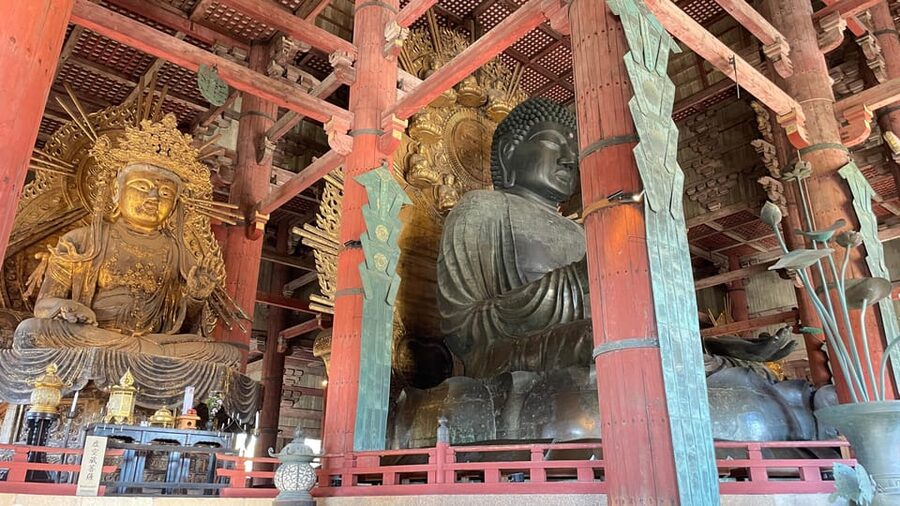
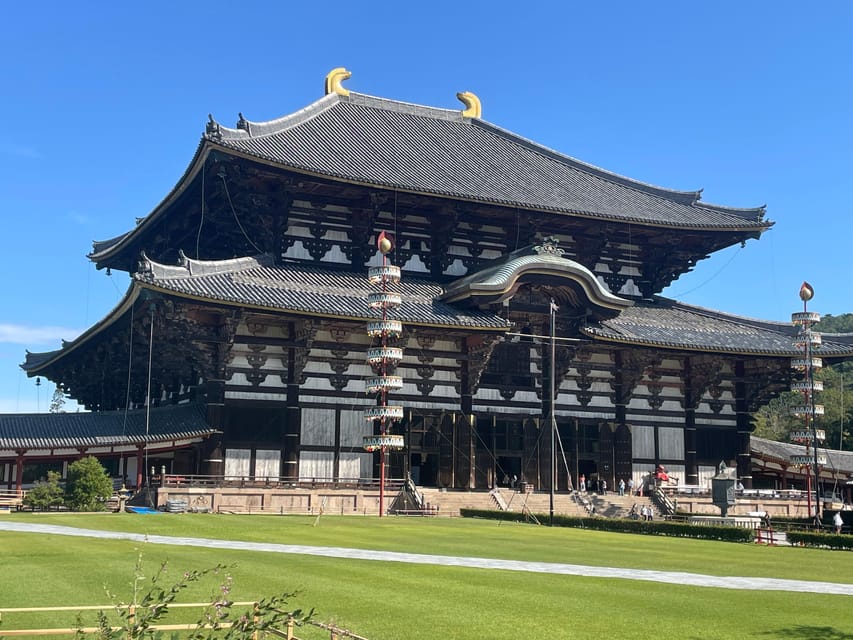
Todaiji is the tour’s grandest stop. The temple is home to the Great Buddha, known as the Daibutsu, an enormous bronze image created in the 8th century. You enter the temple as part of the tour, so the admission cost is included.
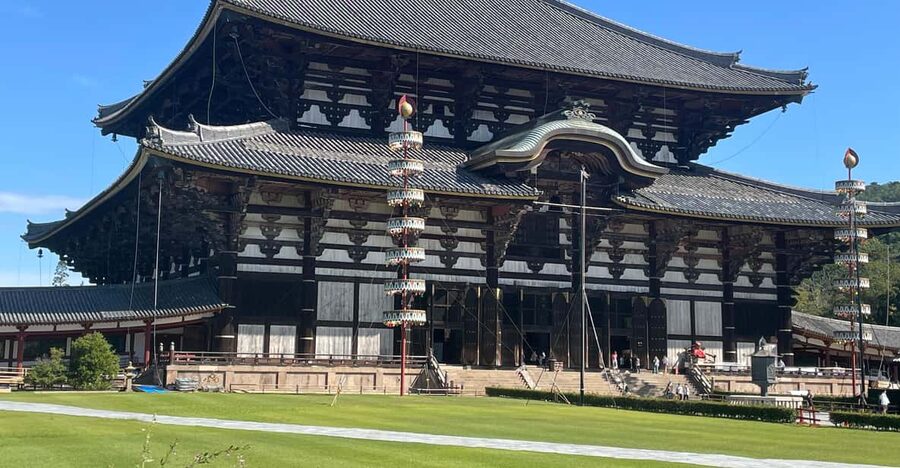
The scale is difficult to grasp from photographs. The Buddha sits inside one of Japan’s largest wooden buildings, and the architecture gives the visit a sense of ceremony before you even reach the statue. This is the place where a guide’s explanation adds real value, since the building, image, and religious purpose are closely linked.
Artur’s style appears particularly suited to this setting. His explanations include Japanese culture and everyday customs, not only the standard facts about construction dates. If you want to understand why Todaiji matters rather than simply check off a famous building, this is one of the tour’s strongest features.
Todaiji can also be busy, particularly at popular times of day. A guide cannot remove the crowds, but a small group helps you stay oriented and makes it easier to regroup after entering the temple. The visit is not only about standing before the Buddha. Give yourself time to look up at the timber structure and notice how its size shapes the entire experience.
The stairs and views at Nigatsu-do
Nearby Nigatsu-do changes the mood. Instead of the enclosed grandeur of Todaiji’s main hall, you walk toward a higher position on the grounds, passing in the direction of Mount Wakakusa. The route includes stairs, and this is one reason the tour is not suitable for people with mobility impairments.
The reward is a broad view over Nara. Nigatsu-do gives you a chance to pause, look back across the city, and understand how the temples sit within the surrounding hills and parkland. It is a fine contrast to the Great Buddha, shifting your attention from a massive interior to open air and distance.
Do not treat the stairs as a minor detail. The tour covers several major sites in one outing, and the route is entirely on foot. If you tire easily, you may find the full schedule demanding. For most active visitors, the climb helps break up the temple interiors and gives the morning some variety.
Same place, a different morning at the gates:
- Osaka/Kyoto:Kinkakuji,Arashiyama,FushimiInariShrine,NaraPark
★ 4.1 · 1,596 reviews - Tokyo: Nikko Toshogu Shrine and Kegon Waterfall Tour
★ 4.5 · 1,266 reviews - Tokyo Panoramic 1 Day: Meiji Shrine, Asakusa, Odaiba and SKYTREE®
★ 4.5 · 1,222 reviews - Kyoto Arashiyama Walking Tour: Bamboo, Monkeys, Gardens & Secrets
★ 5.0 · 1,216 reviews
A quieter walk to Kasuga Taisha
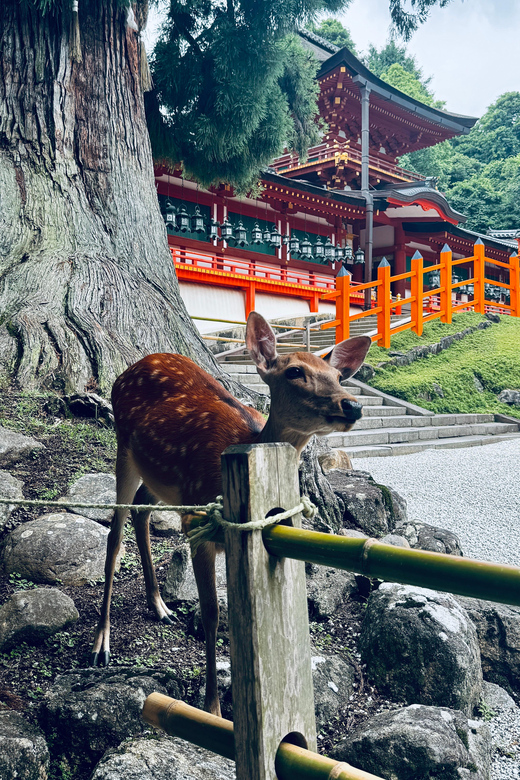
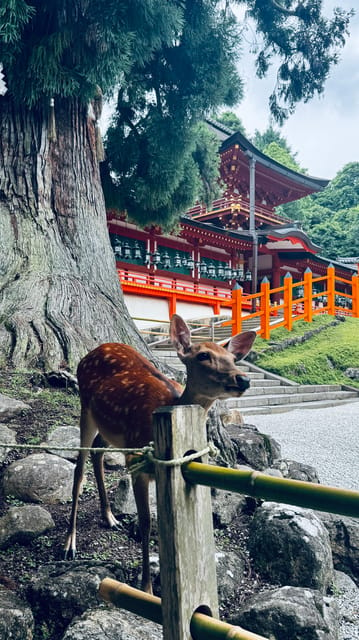
From the Todaiji area, the route passes by Mount Wakakusa toward Kasuga Taisha. The shrine is known for vermilion-lacquered buildings and thousands of hanging lanterns. Its setting in the forest gives it a darker, more mysterious character than the open spaces of Nara Park.
Kasuga Taisha is included with an admission ticket, which makes the $116 price easier to assess. You are not paying only for a guide to point out the exterior. The tour gives you access to two of Nara’s most important religious sites, along with guided visits to several other locations.
The lanterns are the visual signature here. Their repeated shapes create a strong sense of place, especially as the path moves through the trees. This is a good section for listening to Artur’s cultural explanations, since the shrine’s appearance can otherwise seem simply decorative.
The forest path also provides a calmer stretch after Todaiji and Nigatsu-do. Still, the route remains a walking route with stairs. Anyone booking this should be comfortable spending the whole morning or afternoon standing and moving between sites.
Ukimido Pavilion beside Sagi Pond
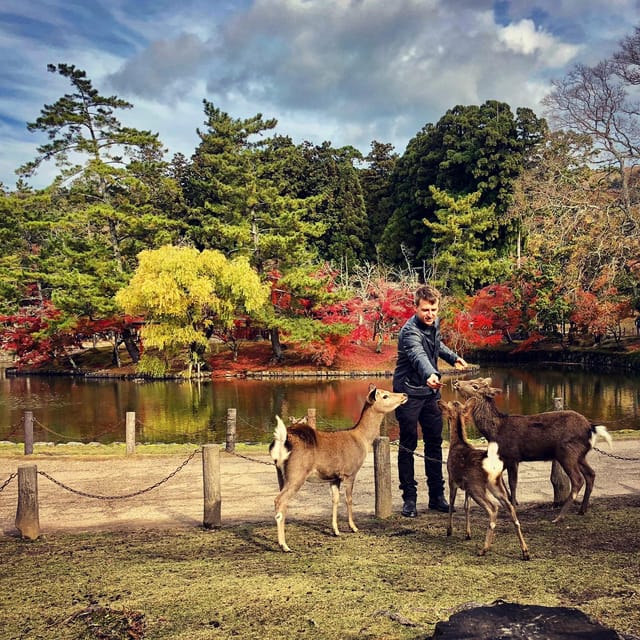
Ukimido Pavilion offers a quieter pause in the itinerary. The hall appears to float above Sagi Pond, giving you a chance to focus on Japanese architecture, reflections, and still water rather than crowded temple halls.
This stop is valuable because it slows the rhythm. Nara is full of major monuments, and it would be easy to rush from one famous building to the next. Ukimido creates a more reflective moment and gives you time to take photographs without the same sense of scale found at Todaiji.
The pavilion also shows how much variety fits into the tour. In a single outing, you move from deer and blossoms to a monumental Buddha, a hillside temple, a forest shrine, and a pond-side structure. That range makes the route feel like an introduction to Nara as a whole rather than a single temple visit.
Kofukuji and its tall pagoda
Kofukuji is the final major cultural stop before lunch and the return to Kintetsu Nara Station. The temple dates to the 7th century and is part of the historic Nara area recognized by UNESCO.
Its pagoda is the visual focus, but the wider complex also matters. You can look across the grounds, consider the long span of the temple’s history, and connect Kofukuji with the other religious sites visited earlier. The tour includes a guided visit, so Artur can place the temple within Nara’s broader story.
Kofukuji works well late in the route because it brings together several themes from the day: old Buddhist institutions, distinctive Japanese architecture, and the close relationship between temples and the surrounding city. By this point, you will have a better sense of how the different sites fit together.
The one caution is simple: you may be ready for a seat. Kofukuji comes after several hours of walking, stairs, and standing. If you need frequent rests, tell the guide early so you can manage your energy instead of saving all your strength for the final stretch.
Lunch is separate, so plan for it
Lunch takes place at a local restaurant, where you can try Nara cuisine. The meal is not included in the $116 price, so you should bring cash and keep some budget available.
This arrangement gives you flexibility. You are not paying in advance for a fixed meal that may not suit your appetite. At the same time, the final cost of the day will be higher than the advertised tour price once lunch, deer food, drinks, and souvenirs are added.
The lunch stop is also a useful chance to ask Artur for recommendations. His strongest quality, according to the available feedback, is the way he connects Nara’s sights with everyday life in Japan. You may get more practical cultural context here than you would from a guide who sticks only to dates and formal descriptions.
What the $116 price gets you
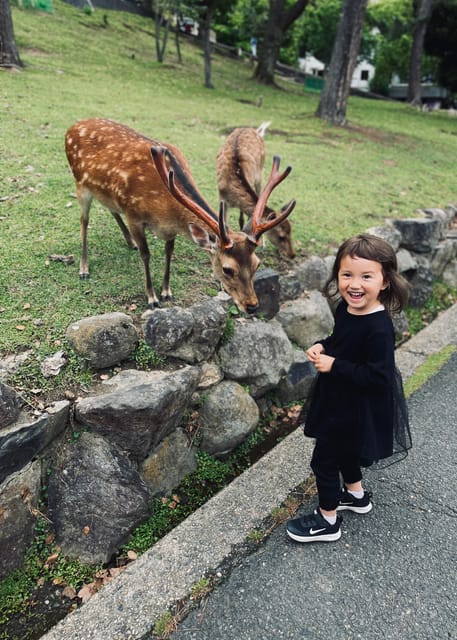
At $116 per person, this is not the cheapest way to see Nara. You could visit several sites independently for less, especially if you are comfortable reading signs, planning your own route, and handling the day without a guide.
The value comes from the structure and interpretation. The tour covers Nara Park, Todaiji, Nigatsu-do, Kasuga Taisha, Ukimido, and Kofukuji in 5.5 hours. Todaiji and Kasuga Taisha entrance fees are included, and you do not need to work out the walking order yourself.
The group limit of eight also improves the value. You are paying for access to a guide who can respond to questions and offer cultural context in a more personal setting. Artur’s years living in Japan add a perspective that goes beyond memorized temple information.
I would choose this tour if Nara is a first visit and you want the main sights explained in one focused outing. I would skip it if your priority is a slow, private day with long stops at only one or two places. You will see a great deal, but the itinerary is active and fairly full.
Who will enjoy this Nara walk
This tour suits you best if you:
- Want Nara’s major sights in one organized route
- Enjoy walking and can manage stairs
- Prefer a small group over a large coach tour
- Want cultural explanations as well as sightseeing
- Appreciate a guide who can discuss life in Japan from personal experience
- Need English, Russian, or Lithuanian language support
It is less suitable if you use a wheelchair, have significant mobility limits, or need a stroller. Baby strollers are not allowed, and the route contains many stairs.
Families with older children may appreciate the deer and the Great Buddha, but the walking time could test younger children. The same is true for anyone who expects a gentle sightseeing schedule. This is a full route on foot, not a short park stroll.
Practical advice before you go
Wear comfortable walking shoes. This is the most important preparation, since every stop connects by foot and the itinerary includes stairs.
Bring a camera, but leave room to enjoy the sites without viewing everything through a screen. The deer, lanterns, Great Buddha, pagoda, and Ukimido Pavilion all offer strong photo opportunities.
Bring cash for lunch and optional purchases. Lunch and souvenirs are not included, and the tour information specifically recommends carrying cash.
You can cancel up to 24 hours before the activity for a full refund, and you can reserve now while paying later. Check the available starting times for your chosen date, since the schedule is not fixed in the tour details.
Should you book this Nara tour?
Book it if you want a well-organized introduction to Nara with the major sights covered, admission handled at the two key sites, and a small group led by a guide who can explain Japanese culture in personal terms. Artur’s background and thoughtful approach are the main reasons this feels more useful than a simple walking route.
Think twice if you dislike stairs, need a slow pace, or want lunch included in the price. For active visitors who have only limited time in Nara, though, the combination of deer, Todaiji, Kasuga Taisha, Ukimido, Kofukuji, and Nigatsu-do makes the $116 fee reasonable.
FAQ
Where does the tour start?
The tour starts at Exit 2 of Kintetsu Nara Station, next to the fountain.
Where does the tour end?
The activity ends back at the meeting point at Kintetsu Nara Station.
How long does the tour last?
The tour lasts 5.5 hours. Starting times depend on availability for your chosen date.
Which languages are available?
The live guide can provide the tour in English, Russian, or Lithuanian. Multiple languages can be accommodated at the same time.
Is lunch included?
No. Lunch at a local restaurant is part of the itinerary, but the cost of lunch is not included in the tour price.
Are entrance tickets included?
Admission to Todaiji and Kasuga Taisha is included. The tour also provides guided visits to Nara Park, Nigatsu-do, Ukimido, and Kofukuji.
Is the tour suitable for people with mobility impairments or baby strollers?
No. The route is entirely on foot and includes many stairs. Baby strollers are not allowed, and the activity is not suitable for people with mobility impairments.
Just added around Japan
- Private guided tour: Mt. Aso volcano, grasslands, Aso Shrine★ 5.0 · 19 reviews
- Takayama Inari Shrine Tour with Private Transportation★ 5.0 · 5 reviews
- From Asakusa: Old Tokyo, Temples, Gardens and Pop Culture★ 5.0 · 47 reviews
- Goshuin Collecting tour at Asakusa Local Temples & Shrines, Tokyo★ 5.0 · 8 reviews
- :Tokyo,Shibuya /Meiji Shrine tour in KIMONO/English-friendly★ 5.0 · 4 reviews
- Tokyo: Snow Monkey and Zenkoji Temple Day Trip In Low Price★ 5.0 · 5 reviews
- Tokyo War History Tour: Yasukuni Shrine & War Museum★ 4.5 · 6 reviews
- Tokyo: Gotokuji Culture Walk & Lucky Cat Temple Experience★ 4.9 · 5 reviews
Japan Temple Tours, compared.
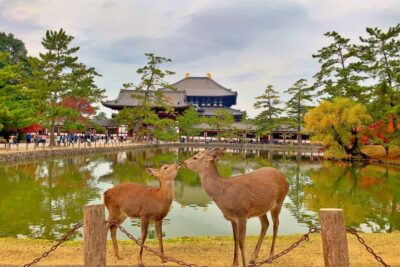
Osaka/Kyoto:Kinkakuji,Arashiyama,FushimiInariShrine,NaraPark
Read our review →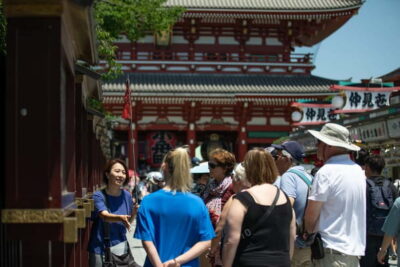
Asakusa Walking Tour with Sensoji Temple Visit
Read our review →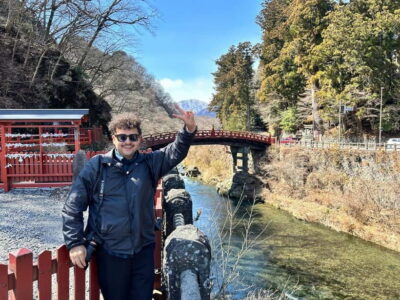

Nikko Toshogu Shrine and Kegon Waterfall Tour
Read our review →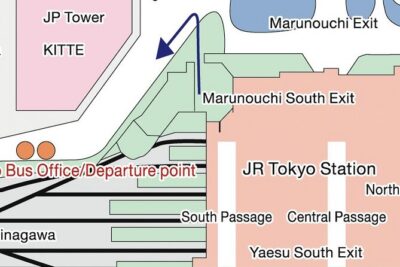
Tokyo Panoramic 1 Day: Meiji Shrine, Asakusa, Odaiba and SKYTREE®
Read our review →
Kyoto Arashiyama Walking Tour: Bamboo, Monkeys, Gardens & Secrets
Read our review →
1-Day Snow Monkeys, Zenko-ji Temple & Sake in Nagano
Read our review →Browse the lists this tour appears in