
Review · JAPAN
Itsukushima Shrine: Guided Tour with a Local
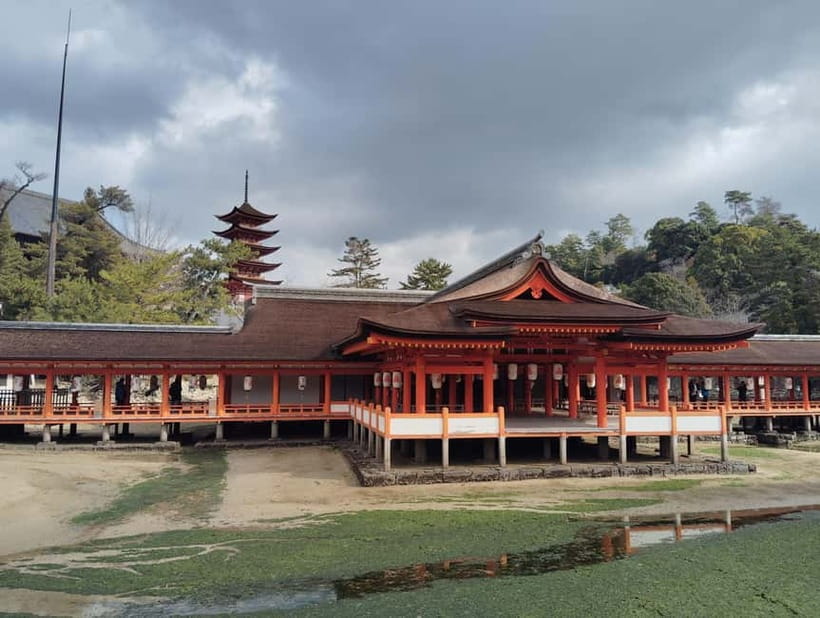
Miyajima’s famous shrine deserves more than a quick photo. This 90-minute private tour helps you understand why Itsukushima Shrine was built above the sea, and I like that the visit connects its architecture to the sea goddesses worshipped here. I also like the efficient route, which includes the shrine, Senjokaku Pavilion, and the five-story pagoda. The main drawback is that 90 minutes can feel short if you want a slow visit or many photographs, and the experience is not suitable for wheelchair users.
You meet in front of the Taira no Kiyomori statue, where the guide holds a yellow DeepExperience sign. Guides such as Gordon and Jochy have earned especially warm praise for their clear English, patience, and willingness to answer questions. One guide even adjusted the pace so older members of a group could rest during a hot day, a small service that can make a big difference.
Key Points Before You Book
- The tour begins at the Taira no Kiyomori statue: This is the fixed meeting point on Miyajima, with a yellow DeepExperience sign to help you find the guide.
- Itsukushima Shrine receives about 50 minutes: Most of the tour time is spent inside the main shrine complex, where the guide explains its history, religious purpose, and floating design.
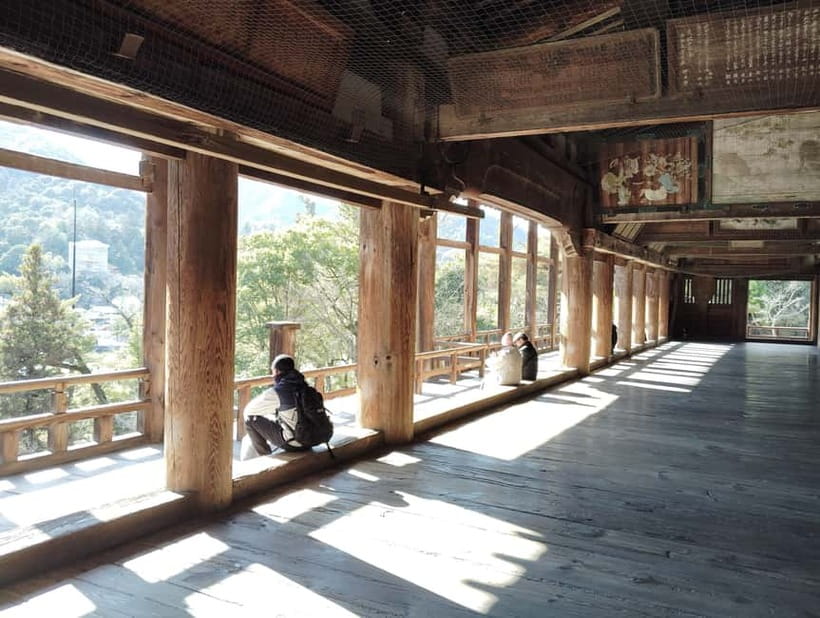
- Senjokaku Pavilion adds a broader Miyajima view: The 20-minute stop shows a different side of the island’s sacred architecture.
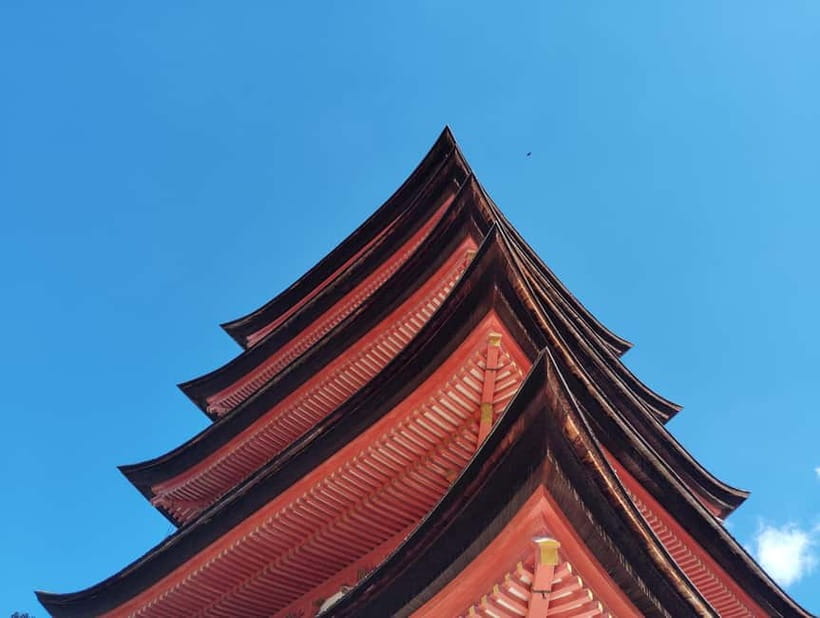
- The five-story pagoda is a brief final stop: You get about five minutes at Itsukushima Jinja Gojunoto before the tour ends there.
- This is a private tour in English or Japanese: A private group gives you room to ask questions and set a comfortable pace within the fixed schedule.
- The price is $59 per person: Admission to Itsukushima Shrine is included, making the fee reasonable if you want context rather than only a walk through the buildings.
Why Itsukushima Shrine Makes a Strong Guided Visit
Itsukushima Shrine is not simply a red shrine beside the water. Its design was created to appear as if it floats above the sea, with the island behind it protected from direct disturbance. That unusual plan is the heart of the visit.
Without explanation, you may notice the bright color, long corridors, and open views but miss the ideas behind them. Your guide explains the shrine’s connection to the goddesses of the sea, along with the religious thinking and construction choices that shaped the site.
I like this focus because it turns the visit into a lesson in how belief can shape a building. The shrine’s layout is not just decorative. It reflects the island’s connection to the gods and the sea.
The site’s World Heritage status also makes more sense when you hear about its architectural design. You are not only looking at an old religious building. You are seeing a carefully planned place whose setting and structure work together.
A few more temple visits around Japan worth a look
- Kyoto: Tea Ceremony Ju-An at Jotokuji Temple
★ 4.9 · 3,207 reviews - Tokyo: Asakusa Walking Tour with Sensoji Temple Visit
★ 4.8 · 1,583 reviews - Nikko: Kegon Falls, Lake Chuzenji & Toshogu Temple
★ 4.6 · 1,577 reviews
Meeting at the Taira no Kiyomori Statue
The tour starts in front of the Taira no Kiyomori statue on Miyajima. Look for a guide holding a yellow sign marked DeepExperience.
That clear meeting point is useful because Miyajima has plenty to see before the tour even begins. You do not need to search through a large building or find a particular shop. Still, arrive with enough time to get your bearings, especially if you are unfamiliar with the area.
The guide may be Gordon or Jochy, among the guides praised for making the experience friendly and easy to follow. Gordon’s English was described as especially comfortable for American visitors, while Jochy was praised for enthusiasm, patience, and answering questions throughout the visit.
The tour is offered in English or Japanese. Since it is a private group, you can ask about details that interest you instead of listening to a fixed speech meant for a large crowd.
Fifty Minutes Inside Itsukushima Shrine
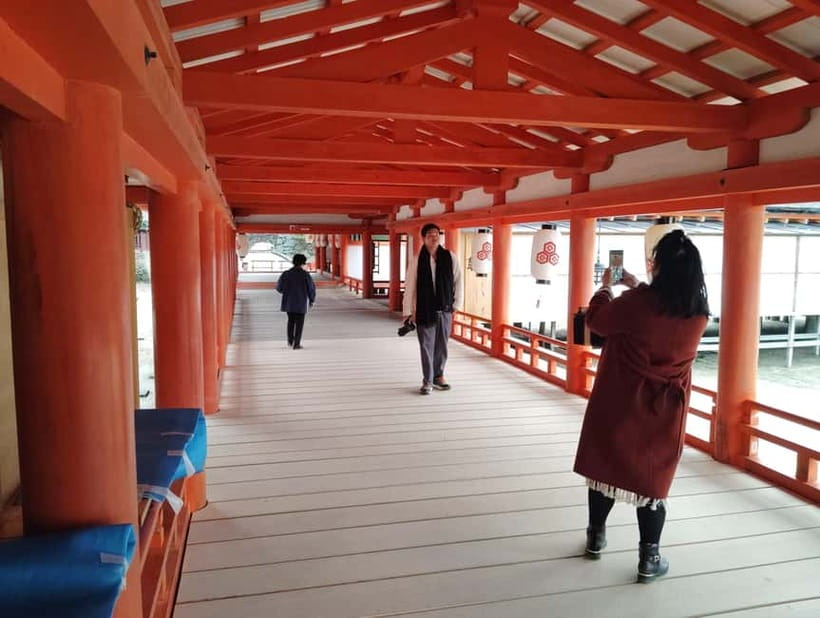
The main shrine visit takes about 50 minutes, making it the center of the experience. You can expect a guided walk through the shrine complex with attention to its history, religious roots, and architectural innovations.
The most important idea is the shrine’s position above the sea. The design is intended to make the complex appear to float, rather than sit heavily on the island. Your guide explains why this arrangement matters and how it relates to the sacred nature of the site.
The shrine is dedicated to the goddesses of the sea. That connection gives the open water and unusual building plan a religious meaning. You are not just seeing a scenic structure with red wooden details. You are visiting a place built around a relationship between the sea, the island, and the gods.
I would pay close attention to the architectural explanations here. Small features can be easy to overlook when you are taking photographs, and the guide’s role is to point out the choices that make the shrine unusual.
The stop also covers the shrine’s World Heritage recognition. That is useful context for anyone who wants to understand why Itsukushima is important beyond its fame as a picture-taking spot.
The schedule gives you enough time for a proper introduction, but not unlimited wandering. If you like to pause at every angle, take many photographs, or read every sign, you may feel rushed. The benefit is that the tour keeps moving and fits several important sites into one short visit.
Senjokaku Pavilion in Twenty Minutes
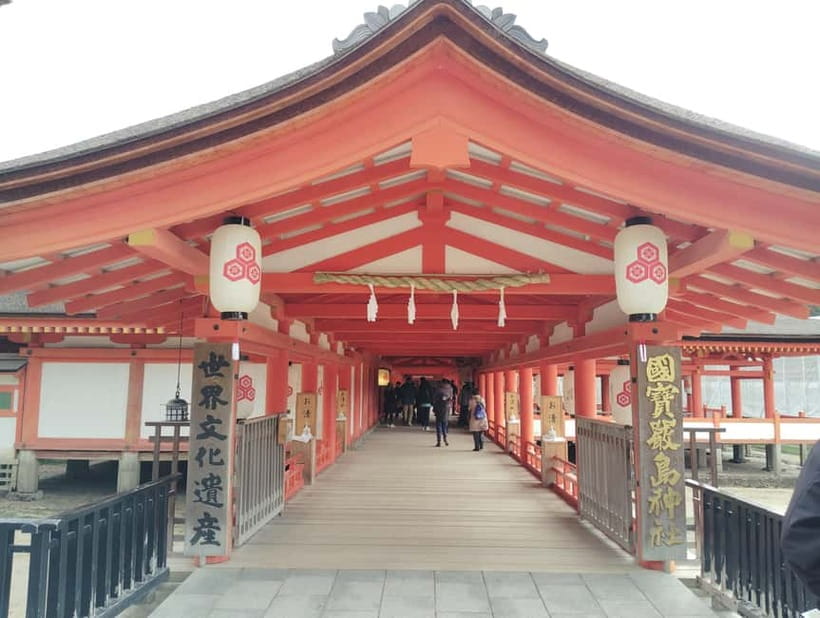
The next stop is Senjokaku Pavilion, with about 20 minutes for a guided visit and sightseeing. This gives the tour a change of mood after the concentrated focus on the main shrine.
The pavilion helps broaden your understanding of Miyajima’s sacred architecture. Your guide continues the explanation rather than treating it as a quick photo stop, so you can connect the building to the wider religious setting of the island.
Twenty minutes is a useful amount of time for an introduction, a look around, and photographs. It is not enough for a slow, unhurried stay, so keep your expectations realistic. This tour is designed to show you the important pieces of the area in a clear order, not to give you a full afternoon at every building.
I especially like this part for visitors who want more than the single famous shrine view. Senjokaku keeps the experience from feeling too narrow and gives you another architectural point of reference.
Same place, a different morning at the gates:
- Osaka/Kyoto:Kinkakuji,Arashiyama,FushimiInariShrine,NaraPark
★ 4.1 · 1,596 reviews - Tokyo: Nikko Toshogu Shrine and Kegon Waterfall Tour
★ 4.5 · 1,266 reviews - Tokyo Panoramic 1 Day: Meiji Shrine, Asakusa, Odaiba and SKYTREE®
★ 4.5 · 1,222 reviews - Kyoto Arashiyama Walking Tour: Bamboo, Monkeys, Gardens & Secrets
★ 5.0 · 1,216 reviews
Five Minutes at the Five-Story Pagoda
The final sightseeing stop is Itsukushima Jinja Gojunoto, the five-story pagoda. The listed time is about five minutes, and the tour ends here.
That is a short visit, so think of it as a focused look rather than a full guided exploration. You can see the pagoda, hear the key point from your guide, and take a few photographs before the experience finishes.
The pagoda adds a strong vertical element to the route after the low, open forms of the shrine complex. It also makes a practical final stop because you know exactly where the tour ends.
If the pagoda is especially important to you, you may want to ask your guide about it during the visit. The private format makes that easier than it would be in a large group.
What the Guides Add
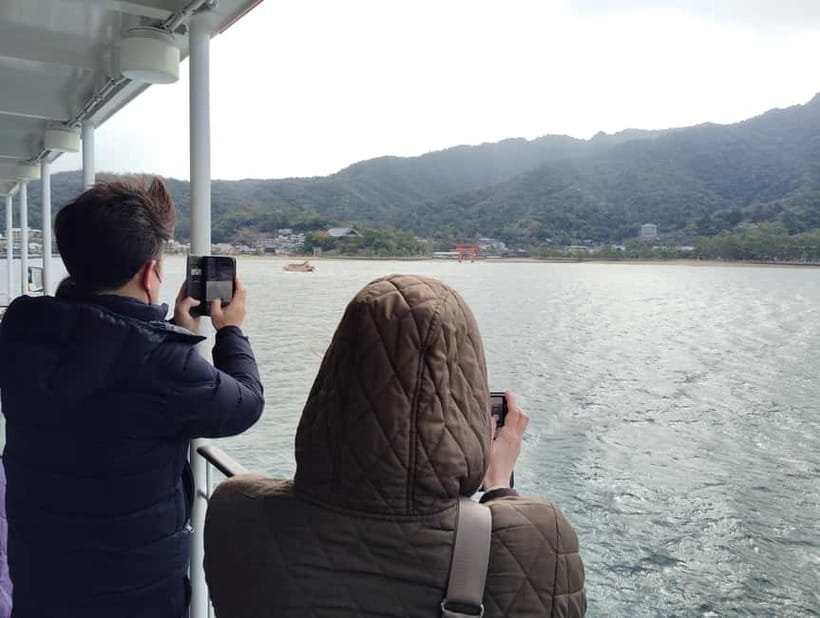
A guide matters here because Itsukushima Shrine can be visually impressive but conceptually easy to miss. The tour explains why the buildings were arranged above the sea, who the shrine honors, and how the religious purpose shaped the architecture.
The strongest feedback centers on the guides’ personal approach. Gordon is praised for making history and culture fascinating, including the shrine, torii gate, and Miyajima. Jochy is described as enthusiastic, patient, and enjoyable company.
The guides also seem willing to make the tour human rather than stiff. One guide took time for photographs involving a personal character stand, while another made sure older group members had breaks during hot weather.
That flexibility is one of the better reasons to choose a private group. You can ask questions, request a pause, or spend a little more attention on a detail that interests you. The total schedule remains fixed, but the experience need not feel like a lecture.
Is $59 Per Person Good Value?
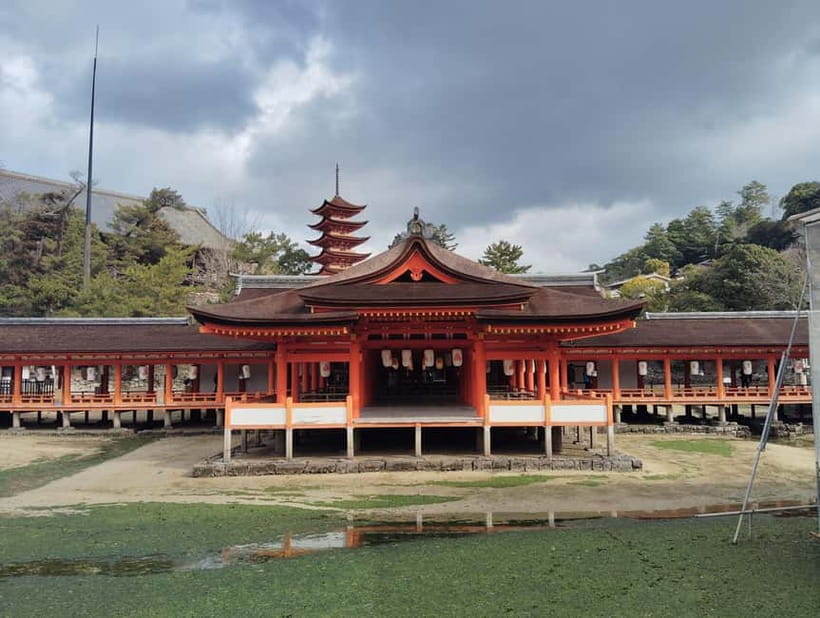
At $59 per person, this tour is not the cheapest way to see Itsukushima Shrine. You are paying for the guide, the private format, the structured route, and admission to the shrine.
The value depends on how you like to visit cultural sites. If you prefer to walk independently and read whatever information is available, you may not need this experience. If you want the religious and architectural meaning explained in plain English or Japanese, the price is easier to justify.
Admission to Itsukushima Shrine is included. You also visit two additional landmarks, Senjokaku Pavilion and the five-story pagoda, within 90 minutes.
A private tour can be particularly useful for families, couples, and small groups with different interests. You can ask questions without worrying about slowing down a large crowd. The guide can also keep an eye on the group’s comfort, as shown by the care given to older participants during a hot visit.
The main limit is the short duration. You are buying a focused introduction, not a full-day Miyajima program. The tour does not include a broad island tour or extra free time at each stop.
Who Will Enjoy This Miyajima Tour?
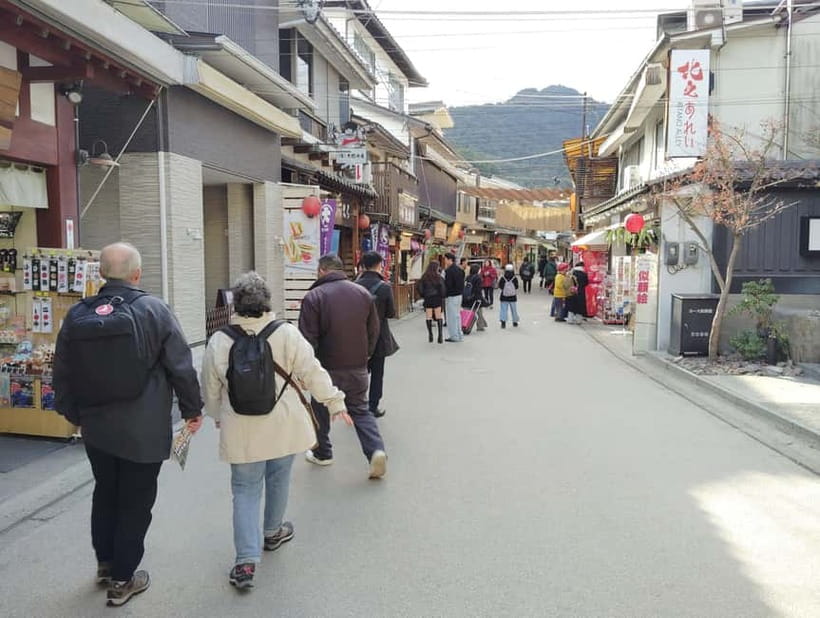
I would recommend this experience to first-time visitors who want to understand Itsukushima Shrine instead of simply photographing it. It also suits anyone interested in Japanese religious architecture, sacred sites, or the way buildings respond to their setting.
Families may appreciate the private group and the chance to ask simple questions. Older participants can benefit from a guide who is willing to include breaks, although the activity is not suitable for wheelchair users.
This tour also works well for visitors on a tight schedule. In 90 minutes, you see the main shrine and two nearby landmarks without having to plan the route yourself.
It may be less suitable for photographers who want long, quiet stretches to work. The schedule moves from stop to stop, and the pagoda receives only about five minutes. You should also wear comfortable shoes and bring sunscreen, particularly in warm weather. A camera is useful, but flash photography is not allowed, and smoking is prohibited.
Practical Details That Matter
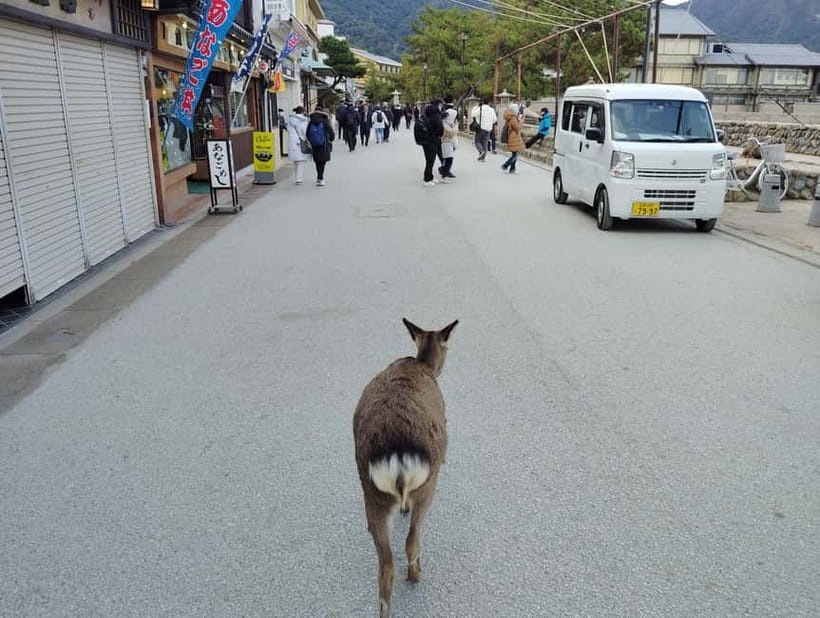
The tour is available in English and Japanese and operates as a private group. Check the available starting times when booking, since the total visit lasts 90 minutes.
You can cancel up to 24 hours in advance for a full refund. The reserve-now, pay-later option also gives you some flexibility if your Miyajima plans are still shifting.
The meeting point is in front of the Taira no Kiyomori statue. Your guide should be holding the yellow DeepExperience sign, so keep an eye out for that rather than relying only on the statue.
Since the tour ends at the five-story pagoda, note the finishing point before you begin. That is especially useful if you have another appointment or want to continue sightseeing afterward.
Should You Book It?
Book this tour if you want the meaning behind Itsukushima Shrine explained by a local guide, especially in English or Japanese. The private format, included admission, and careful attention to questions make $59 a fair price for a focused introduction.
Skip it if you prefer complete independence, need wheelchair access, or want a long, leisurely photography session. For most first-time visitors with 90 minutes to spare, the tour offers a smart way to see the main sacred sites and understand why Itsukushima’s floating design matters.
FAQ
How long does the Itsukushima Shrine tour last?
The tour lasts 90 minutes.
Where does the tour meet?
You meet in front of the Taira no Kiyomori statue on Miyajima. The guide holds a yellow sign marked DeepExperience.
Which sites are included?
The route includes Itsukushima Shrine, Senjokaku Pavilion, and Itsukushima Jinja Gojunoto, the five-story pagoda.
Is admission to Itsukushima Shrine included?
Yes. Admission to Itsukushima Shrine is included in the tour price.
What languages are available?
The tour is available in English and Japanese.
Is this a private tour?
Yes. The activity is arranged for a private group.
Can wheelchair users join?
No. The experience is not suitable for wheelchair users.
Just added around Japan
- Private guided tour: Mt. Aso volcano, grasslands, Aso Shrine★ 5.0 · 19 reviews
- Takayama Inari Shrine Tour with Private Transportation★ 5.0 · 5 reviews
- From Asakusa: Old Tokyo, Temples, Gardens and Pop Culture★ 5.0 · 47 reviews
- Goshuin Collecting tour at Asakusa Local Temples & Shrines, Tokyo★ 5.0 · 8 reviews
- :Tokyo,Shibuya /Meiji Shrine tour in KIMONO/English-friendly★ 5.0 · 4 reviews
- Tokyo: Snow Monkey and Zenkoji Temple Day Trip In Low Price★ 5.0 · 5 reviews
- Tokyo War History Tour: Yasukuni Shrine & War Museum★ 4.5 · 6 reviews
- Tokyo: Gotokuji Culture Walk & Lucky Cat Temple Experience★ 4.9 · 5 reviews
Japan Temple Tours, compared.
Osaka/Kyoto:Kinkakuji,Arashiyama,FushimiInariShrine,NaraPark
Read our review →
Asakusa Walking Tour with Sensoji Temple Visit
Read our review →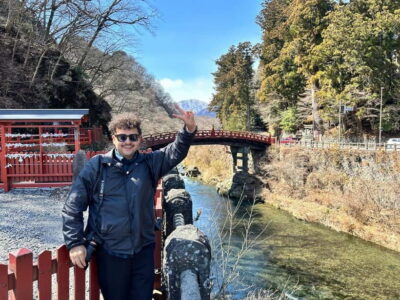

Nikko Toshogu Shrine and Kegon Waterfall Tour
Read our review →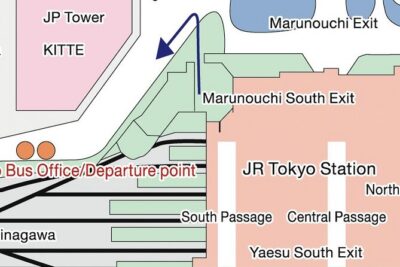
Tokyo Panoramic 1 Day: Meiji Shrine, Asakusa, Odaiba and SKYTREE®
Read our review →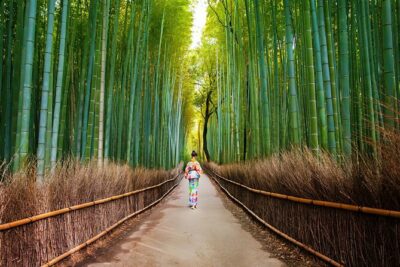
Kyoto Arashiyama Walking Tour: Bamboo, Monkeys, Gardens & Secrets
Read our review →
1-Day Snow Monkeys, Zenko-ji Temple & Sake in Nagano
Read our review →Browse the lists this tour appears in