
Review · JAPAN
Fukuoka: Nanzoin Temple and Reclining Buddha Guided Tour
The reclining Buddha is only part of the story. This private tour takes you from Fukuoka to Nanzoin Temple by train, then guides you through a peaceful hillside temple complex filled with statues, forest paths, a waterfall, and quiet places for prayer. I especially like the chance to learn how to wash your hands, bow, and pray correctly, and I like that the tour includes the admission fee for the reclining Buddha.
The strongest guides, including Chiyako, Erika, and Morry, add warmth and useful local context. Morry even shares knowledge about Shingon Buddhism, Fukuoka’s food stalls, and a few magic tricks. The main drawback is value for money: at $65 per person, the price is reasonable for a private guided visit, but one family reported paying about $120 per person and still buying train tickets, so you should check the exact booking option and total before paying.
Key points at a glance
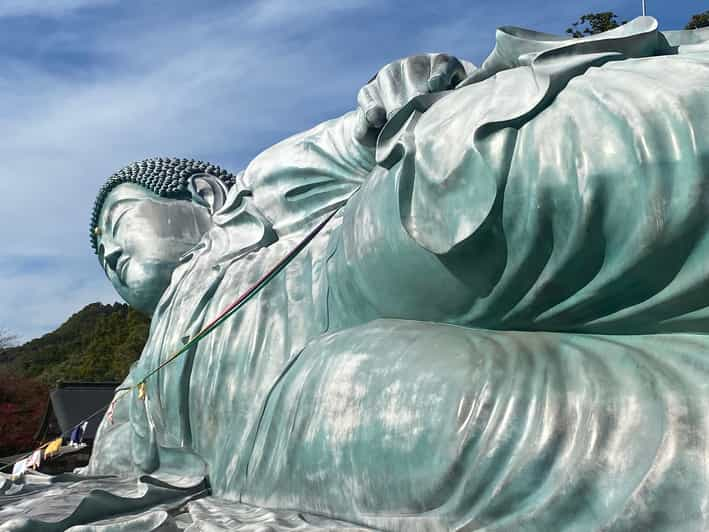
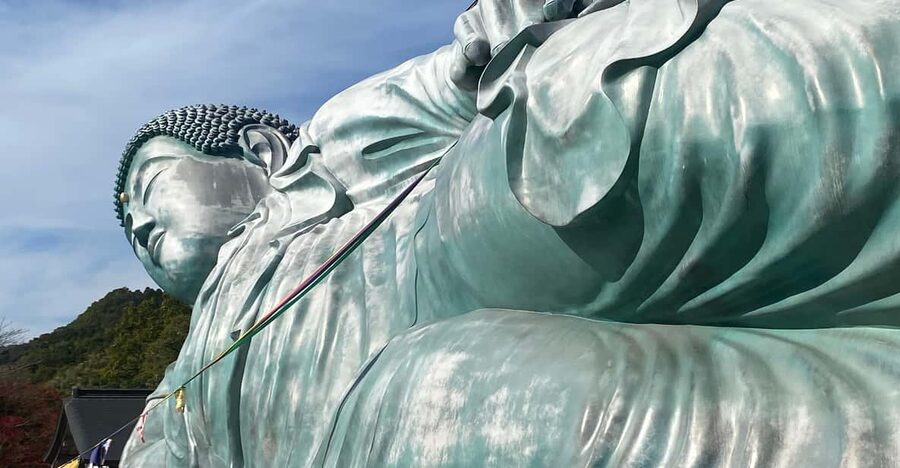
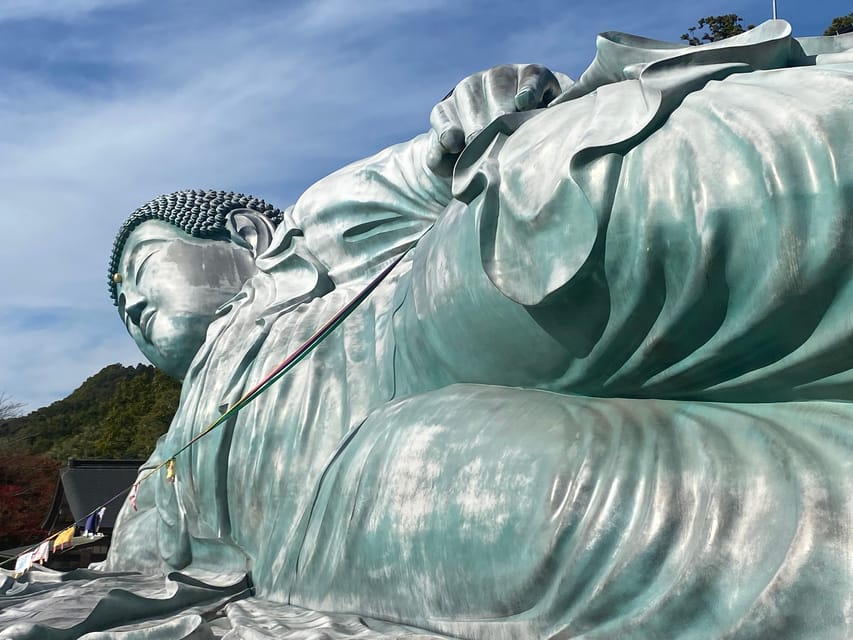
- The 41-meter reclining Buddha is the main attraction, with detailed decoration and access to its interior.
- Morry, Chiyako, and Erika received especially warm praise for their personal approach and clear cultural guidance.
- Hakata Station pickup includes the train fare to and from JR Kidonanzoinmae Station, while the station meeting option does not.
- The route includes more than the Buddha, with Fudo Myo-o, Okunoin, a waterfall, and Mizuko Jizo statues.
- The temple path is uneven, with walking and steps that make this unsuitable for wheelchair users and people with mobility impairments.
- A private group format gives you more room to ask questions and set the pace than a large coach tour.
Why Nanzoin Temple makes a good half-day escape
Nanzoin Temple offers a different side of the Fukuoka area. Instead of staying among city streets, shopping arcades, and food stalls, you head toward a quieter temple setting where the visit unfolds on foot. The appeal is not just one huge statue. It is the change of pace, the mountain air, the religious customs, and the small sacred sites along the route.
The temple belongs to the Shingon Buddhist tradition, and a guide can help you understand the gestures and rituals that might otherwise seem unclear. Morry was praised for explaining how to wash your hands, bow, and pray properly. That kind of help matters because it lets you take part respectfully rather than simply walk around taking pictures.
I like that the tour combines cultural explanation and outdoor walking. You are not left to guess why a statue matters or what a particular sanctuary represents. At the same time, the guide does not turn the visit into a lecture hall experience. The route includes time to pause, look, take photographs, and enjoy the quiet.
The private format is another plus. You can ask about Shingon Buddhism, temple customs, Fukuoka, or even local food. Morry’s knowledge of the Hakata area and its food stalls gives the visit a useful local connection, while his magic tricks add an unexpected touch for families and small groups.
A few more temple visits around Japan worth a look
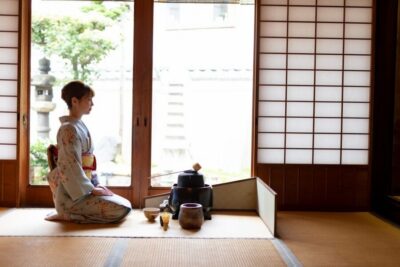
- Kyoto: Tea Ceremony Ju-An at Jotokuji Temple
★ 4.9 · 3,207 reviews - Tokyo: Asakusa Walking Tour with Sensoji Temple Visit
★ 4.8 · 1,583 reviews - Nikko: Kegon Falls, Lake Chuzenji & Toshogu Temple
★ 4.6 · 1,577 reviews
From Hakata or Kidonanzoinmae by train
You have two starting choices. You can meet at JR Hakata Station, near the Fukuoka Tourist Information Center, or you can meet at JR Kidonanzoinmae Station, the stop closest to the temple.
From Hakata, the train ride takes about 25 minutes each way. This option is the simpler choice if you are already in central Fukuoka and do not want to plan the rail connection yourself. The train fare to and from JR Kidonanzoinmae Station is included when you choose the Hakata meeting point.
If you choose to meet at JR Kidonanzoinmae Station, you are responsible for getting there and paying for that transportation. This can reduce the amount of guided time spent on the city-to-temple connection, but it requires more planning. The return drop-off options match the two meeting choices: JR Kidonanzoinmae Station or the Fukuoka Tourist Information Center near Hakata Station.
Pay close attention here. The wording about transportation has caused confusion for at least one family, who expected a private car or coach and had to pay for train tickets. This is a train-based tour, not a private vehicle transfer. If you choose the Hakata option, confirm that the train fare is included in your selected booking. If you choose the temple-area station option, budget for your own rail transportation.
The listed duration ranges from two hours to 210 minutes. The basic schedule includes about 25 minutes by train each way and around 90 minutes at Nanzoin. Start times vary, so check the available departure before booking.
Entering the temple grounds and reaching the main hall
The guided visit begins at the temple entrance and continues toward the main hall. This first section helps you settle into the setting before reaching the main attraction. You can expect temple architecture, views from the grounds, and an introduction to the religious character of the site.
The main hall is a good place to slow down. The views help you see how the temple sits among the surrounding hills, while the building itself gives you a first look at the design and atmosphere that shape the visit. Your guide can explain what you are seeing and show you how to behave around prayer areas.
This is also where the walking conditions become important. The grounds are uneven, and you need comfortable shoes with a secure grip. The tour is not suitable for wheelchair users or people with mobility impairments. Even if you walk comfortably in the city, temple paths can require more care, especially when your attention is on statues and scenery.
Bring water, particularly if you are visiting on a warm day. You may want a camera, but keep it ready for quiet, respectful use. Photography is allowed, yet flash photography, smoking, and littering are not permitted.
Meeting the giant Nehanzō reclining Buddha
The reclining Buddha, known as the Nehanzō, is the emotional center of the tour. It is described as one of the largest reclining Buddha statues in the world, and its size is impressive even before you begin looking at the details.
A guide can point out the statue’s intricate features and explain its religious meaning. You also have time to take photographs. The admission fee for the reclining Buddha is included, which is an important part of the tour’s value.
The experience goes beyond viewing the statue from outside. You can explore its interior, giving the visit a more personal and reflective quality. That feature is especially useful if you want something more than a quick photo stop. It gives the statue a sense of presence and invites you to think about why it was created, rather than treating it as a large object on a sightseeing checklist.
Still, the Buddha alone may not justify a high price for every visitor. Independent visitors can see the temple, and one family felt that much of the guide’s commentary repeated information available online. At $65, the tour makes the most sense if you value personal guidance, help with temple customs, and a private pace. If you only want a photograph of the reclining Buddha, going independently may offer better value.
Same place, a different morning at the gates:
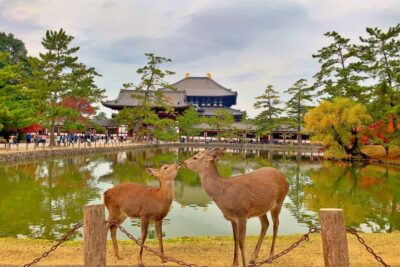
- Osaka/Kyoto:Kinkakuji,Arashiyama,FushimiInariShrine,NaraPark
★ 4.1 · 1,596 reviews - Tokyo: Nikko Toshogu Shrine and Kegon Waterfall Tour
★ 4.5 · 1,266 reviews - Tokyo Panoramic 1 Day: Meiji Shrine, Asakusa, Odaiba and SKYTREE®
★ 4.5 · 1,222 reviews - Kyoto Arashiyama Walking Tour: Bamboo, Monkeys, Gardens & Secrets
★ 5.0 · 1,216 reviews
Fudo Myo-o and the Okunoin sanctuary
After the reclining Buddha, the route continues to other sacred places. The Fudo Myo-o statue brings a different mood. Rather than the calm, horizontal form of the Buddha, Fudo Myo-o is associated with a more forceful protective presence. Your guide can help explain the contrast and show why this figure has an important role in Buddhist practice.
The Okunoin sanctuary offers another pause. Here, the attraction is less about one huge visual feature and more about the quiet setting and religious atmosphere. I would treat this portion of the tour as a chance to lower your pace. Listen to the guide, notice the architecture, and leave room for silence.
That balance is one reason the private format works well. You can ask questions without worrying about holding up a large group. If you prefer a fast list of sights, the 90-minute temple visit may feel short. If you like a slower visit with explanation and time for reflection, the route is better suited to you.
Guide quality makes a real difference here. Chiyako received repeated praise for making the temple visit special, while Erika was appreciated for her warmth and understanding of the temple grounds. English ability may vary by guide. One English-speaking participant felt the language level reduced the experience, so anyone needing detailed historical or religious discussion should consider this point.
The waterfall and rows of Mizuko Jizō
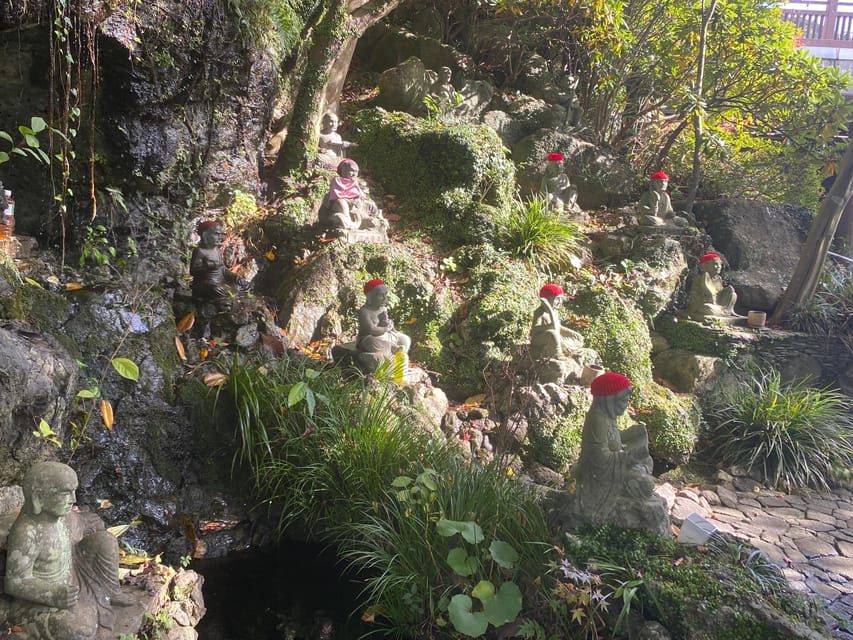
The temple grounds include a waterfall, a welcome natural feature within the sacred route. It gives you a quiet place to stop and listen to moving water. This is not a separate adventure activity, but it adds variety to the visit and helps break up the statue and sanctuary stops.
On the return route, you pass rows of Mizuko Jizō statues. Mizuko Jizō is connected with the protection of children, and the repeated figures create a powerful, solemn sight. Your guide can provide context, but this is also a place where you should allow the setting to speak for itself.
The return path completes the visit in a thoughtful way. You begin with the scale and detail of the reclining Buddha, then move through protective figures, a sanctuary, water, and statues connected with children. The route feels more meaningful when you pay attention to those changes rather than rushing back to the station.
Photography is permitted, but be careful around worshippers and sacred areas. Ask your guide if you are unsure about a particular spot. A respectful photo is fine; treating the temple like a stage set is not.
What the $65 price really buys you
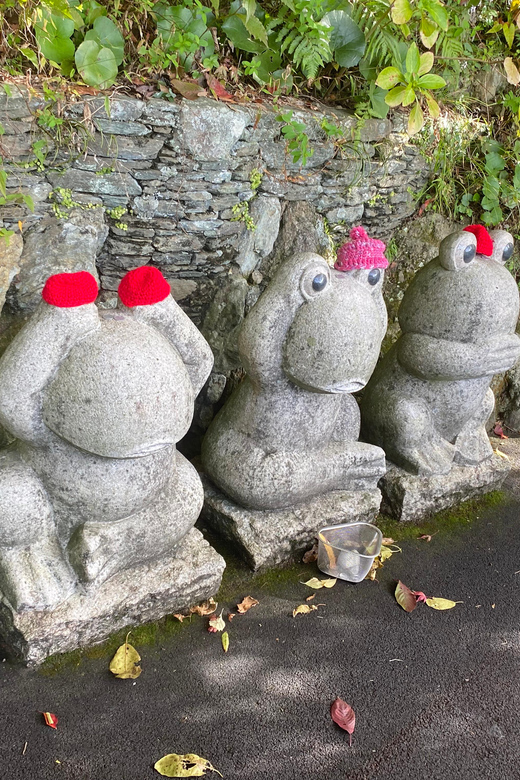
The advertised price is $65 per person. For that amount, you receive a private guided visit, the reclining Buddha admission, and, when you select Hakata Station as your meeting point, train transportation to and from JR Kidonanzoinmae Station.
The best value comes from the guide rather than from admission alone. There is no general entrance fee to enter the temple grounds, according to the practical information provided about the experience. The Buddha admission is included, but the main reason to book is having someone explain rituals, point out sacred sites, and manage the route.
I would compare the cost with the kind of day you want. A do-it-yourself visit may suit you if you are comfortable finding the train, navigating the temple, and reading about the statues beforehand. The tour is better suited to you if you want a private guide, have limited time in Fukuoka, or care about understanding the customs rather than simply seeing the main statue.
The family who paid approximately $120 per person for four adults and two children felt the cost was far too high, especially after buying train tickets. That experience is a useful warning. Prices can vary by option, group details, and booking conditions, so confirm the final amount and exactly what transportation is included before you commit.
Who will enjoy this tour most
I would recommend this tour to couples, families with older children, and small groups who want a calm cultural outing outside central Fukuoka. Children may enjoy the giant Buddha and Morry’s magic tricks, but the uneven paths and religious setting require respectful behavior.
It suits people who want a guide to explain prayer customs and Buddhist images. It is also a good match for photographers who want time around the statue, waterfall, and rows of Mizuko Jizō, provided they are willing to follow the rules about flash and sacred areas.
You should think twice if you have mobility limitations, use a wheelchair, or dislike walking on uneven ground. You may also prefer an independent visit if your main goal is a low-cost stop at the reclining Buddha.
The English-language experience depends partly on the guide assigned. Chiyako, Erika, and Morry received the strongest praise, but one participant found the English insufficient. Ask about the guide language and communication level if detailed explanations are important to you.
Practical details before you book
Wear comfortable shoes. This advice is not filler: the grounds are uneven, and the tour involves walking between several sites.
Bring water and a camera. Keep flash turned off, and remember that photography should not disturb worshippers. Smoking and littering are not allowed.
The tour is available in Japanese and English. It is a private group experience, with a live guide. You can cancel up to 24 hours in advance for a full refund, and the reserve-now, pay-later option gives you some flexibility while arranging your Fukuoka schedule.
Check the meeting point carefully. The choices are the Fukuoka Tourist Information Center near Hakata Station or JR Kidonanzoinmae Station. The meeting point affects both your transportation costs and how much of the trip is handled for you.
Should you book Nanzoin Temple with a guide?
Book it if you want the meaning behind the statues and rituals, not just the largest Buddha photo. The strongest part of the experience is the human guidance, especially when a warm guide such as Chiyako, Erika, or Morry explains how to behave and adds local knowledge.
At $65, it can be a fair buy for a private outing that includes the Buddha admission and, from Hakata, the train fare. Confirm the exact price and inclusions first, since one family’s much higher bill and extra train costs caused serious disappointment.
Choose the tour if you have limited time, enjoy guided cultural visits, and can manage uneven walking. Skip it and go independently if you are confident with trains, want the lowest possible cost, or only need a quick look at the reclining Buddha.
FAQ
How long does the Nanzoin Temple tour last?
The experience lasts between two hours and 210 minutes, depending on the selected start time and option. The planned schedule includes about 25 minutes by train each way and around 1.5 hours at Nanzoin Temple.
Where can I meet the guide?
You can choose to meet at JR Kidonanzoinmae Station or at the Fukuoka Tourist Information Center near JR Hakata Station. The meeting point depends on the option you book.
Is train transportation included?
Train transportation to and from JR Kidonanzoinmae Station is included when you choose the Hakata Station meeting option. If you meet at JR Kidonanzoinmae Station, transportation to and from that station is not included.
Is admission to the reclining Buddha included?
Yes. Admission to the reclining Buddha is included in the tour price.
Is there an entrance fee for the temple grounds?
The provided information states that there is no entrance fee to get inside the temple grounds. The included admission applies to the reclining Buddha.
What languages are available?
The live tour guide service is available in Japanese and English.
Is this a private tour?
Yes. The experience is arranged for a private group rather than a large shared group.
Is the tour suitable for wheelchair users?
No. The tour is not suitable for wheelchair users or people with mobility impairments. The temple grounds can be uneven.
What should I bring?
Bring comfortable shoes, water, and a camera. Flash photography, smoking, and littering are not allowed.
Just added around Japan
- Private guided tour: Mt. Aso volcano, grasslands, Aso Shrine★ 5.0 · 19 reviews
- Takayama Inari Shrine Tour with Private Transportation★ 5.0 · 5 reviews
- From Asakusa: Old Tokyo, Temples, Gardens and Pop Culture★ 5.0 · 47 reviews
- Goshuin Collecting tour at Asakusa Local Temples & Shrines, Tokyo★ 5.0 · 8 reviews
- :Tokyo,Shibuya /Meiji Shrine tour in KIMONO/English-friendly★ 5.0 · 4 reviews
- Tokyo: Snow Monkey and Zenkoji Temple Day Trip In Low Price★ 5.0 · 5 reviews
- Tokyo: Gotokuji Culture Walk & Lucky Cat Temple Experience★ 4.9 · 5 reviews
- Tokyo War History Tour: Yasukuni Shrine & War Museum★ 4.5 · 6 reviews
Japan Temple Tours, compared.
Osaka/Kyoto:Kinkakuji,Arashiyama,FushimiInariShrine,NaraPark
Read our review →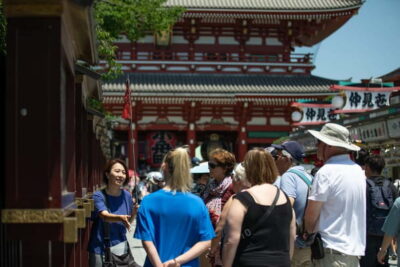
Asakusa Walking Tour with Sensoji Temple Visit
Read our review →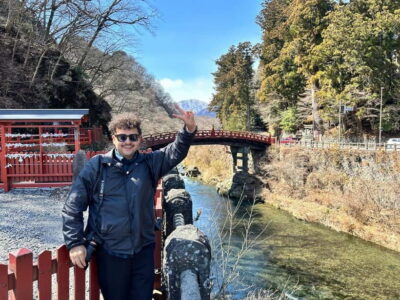

Nikko Toshogu Shrine and Kegon Waterfall Tour
Read our review →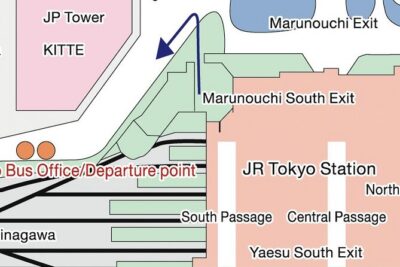
Tokyo Panoramic 1 Day: Meiji Shrine, Asakusa, Odaiba and SKYTREE®
Read our review →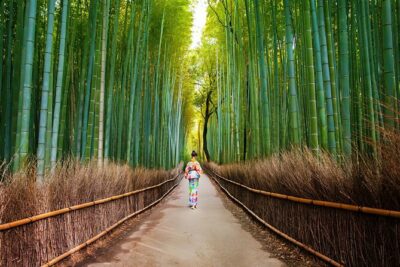
Kyoto Arashiyama Walking Tour: Bamboo, Monkeys, Gardens & Secrets
Read our review →
1-Day Snow Monkeys, Zenko-ji Temple & Sake in Nagano
Read our review →Browse the lists this tour appears in