
Review · JAPAN
From Nagoya: Ise’s Sacred Shrines and Captivating Coastlines
Japan’s holiest shrine rewards a slower day. This nine-hour trip from Nagoya pairs Ise Grand Shrine with the coastal Wedded Rocks, making it a strong choice if you want sacred Japan, local food, and scenery without planning several train connections yourself. I like the small group limit of 14, and I especially like the guides’ careful explanations of Shinto customs. Kim, Camille, and Shoko received particularly warm praise for making the sites easier to understand.
The trade-off is time. You spend about four hours riding to and from Nagoya, and lunch is not included. Still, the comfortable transport, entry fees, local guide, and tightly arranged route make this a practical day out for anyone who finds Ise difficult to organize alone.
Key points at a glance
- Ise Grand Shrine takes center stage: Spend about 90 minutes exploring Japan’s most sacred Shinto site with a guide.
- Okage Yokocho adds food and atmosphere: You get two hours to browse, eat, and buy souvenirs near the shrine.
- Meoto Iwa brings the coast into the day: The Wedded Rocks and Futami-Okitama Shrine provide a short but memorable seaside stop.
- Small groups improve the experience: The maximum of 14 people can make questions, photos, and walking stops easier.
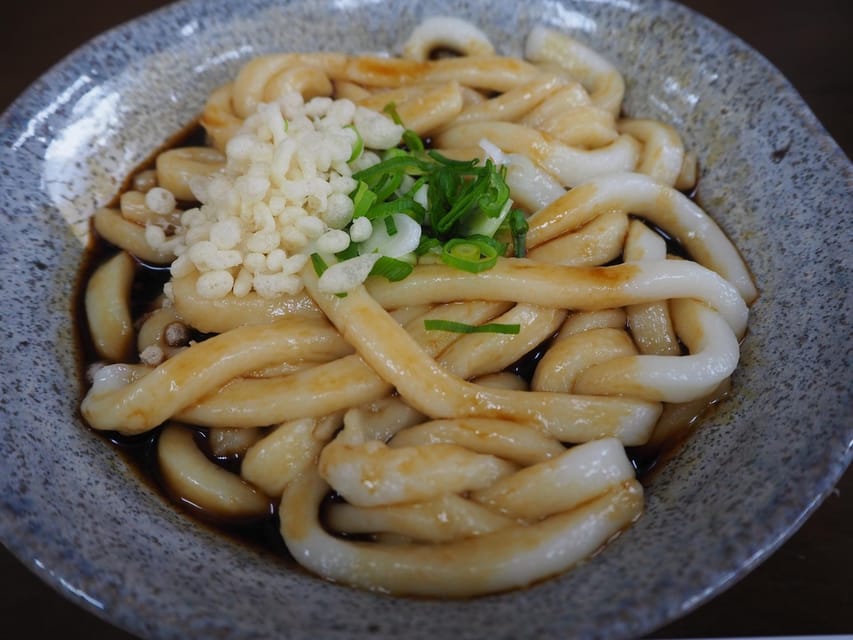
- Food is your responsibility: Plan to buy lunch, with Ise Udon, fried oysters, and spiny lobster among the local specialties to look for.
- The meeting point needs care: Meet at the silver clock tower near Nagoya Station’s Taiko-Dori side by 9:00 a.m.
Why this Ise day trip works from Nagoya
Ise is close enough to visit from Nagoya, yet it is not the sort of place I would casually add to a busy city day. The journey takes about two hours each way by coach, and the main sacred sites are spread across the Ise area. Having round-trip transport removes the need to compare train routes, local buses, and walking connections.
That convenience matters most if you are staying in Nagoya and want a full day beyond the city. You can leave the route planning to the guide and use the long rides to rest. The drawback is clear: a substantial part of your day is spent in transit. If you dislike long coach rides, an overnight stay in Ise may suit you better.
The group limit is 14 people, though the actual number can be smaller. One reported departure had only two participants, which allowed the guide to give extra help and translate explanations when needed. A separate group of four found the size calm and manageable. You should not assume every departure will be this small, but the cap is still far more personal than a large bus excursion.
The tour costs $189 per person. That is not a bargain basement day trip, especially since you buy your own lunch and arrange your own travel to and from Nagoya Station. I see the price as reasonable if you value a guide at Ise Grand Shrine, included site fees, a small group, and door-to-door transport between the key stops. It is less attractive if you are comfortable arranging public transportation and exploring without interpretation.
A few more temple visits around Japan worth a look
- Kyoto: Tea Ceremony Ju-An at Jotokuji Temple
★ 4.9 · 3,207 reviews - Tokyo: Asakusa Walking Tour with Sensoji Temple Visit
★ 4.8 · 1,583 reviews - Nikko: Kegon Falls, Lake Chuzenji & Toshogu Temple
★ 4.6 · 1,577 reviews
Meeting at Nagoya Station without a scramble
The meeting point is the silver clock tower outside the Shinkansen gates, near the Taiko-Dori exit. If you arrive by Shinkansen, the clock should be directly in front of you as you leave the gates.
Coming from a regular JR line takes a little more attention. Follow signs toward Taiko-Dori Gate, then look for the silver clock inside the station just before the exit. If you enter through Sakura-Dori Gate, the side marked by the gold clock, walk straight through the station toward Taiko-Dori.
Nagoya Station can be confusing and crowded, so I would arrive early rather than cutting it close. Look for the guide holding a SNOW MONKEY RESORTS tour sign. The scheduled meeting time is 9:00 a.m., and you may wait near the clock until the guide arrives.
Your transport begins with roughly two hours on the road. Bring water, especially in warm weather, and consider using the ride to save energy for the shrine grounds and coastal walk. The vehicle was described as comfortable, and the driver Asano was praised for a calm, helpful approach. Drivers and guides can change, but that gives you a useful idea of the service standard to hope for.
Entering Ise Grand Shrine and Shinto practice
The first major stop is Ise Grand Shrine, also called Ise-Jingu. This is the spiritual heart of the day and the reason to choose this tour over a simple coastal outing.
The shrine is associated with Amaterasu, the sun goddess and one of the central deities of Shinto. The tour focuses on helping you understand why the site matters, not just pointing out buildings and taking photos. Camille was praised for explaining the shrine’s history and religious meaning in a lively, easy-to-follow way. Shoko was also singled out for answering questions about Shinto practice.
You have about 90 minutes for the guided visit. That is enough for an introduction and a measured walk, but it is not a full day for every corner of the shrine complex. The route is likely to feel more rewarding if you listen closely to the guide’s explanations, since many of the most important details concern customs, purification, worship, and the role of the shrine rather than dramatic architecture.
Do not expect a conventional temple sightseeing stop. Ise-Jingu is a place of active religious importance, and the atmosphere depends partly on quiet observation and respectful behavior. The cypress groves, foliage, and Isuzu River setting add to the sense of calm. You are seeing a sacred place in use, not a museum display.
Walking shoes matter here. The tour involves several hours outdoors, and the surfaces around the shrine can require steady footing. Wear clothing that makes walking easy, and check the forecast before leaving. Rain gear is sensible in wet weather.
Two hours around Okage Yokocho
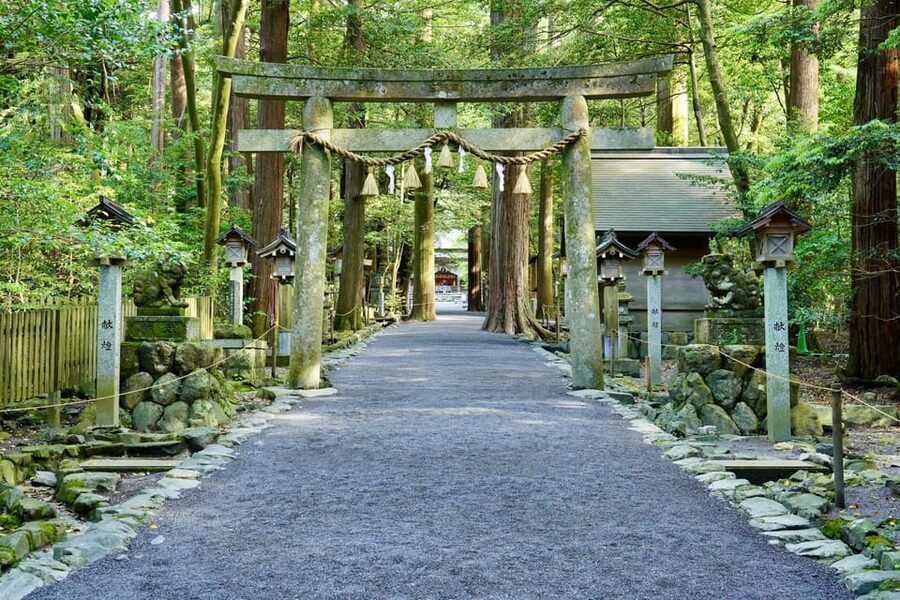
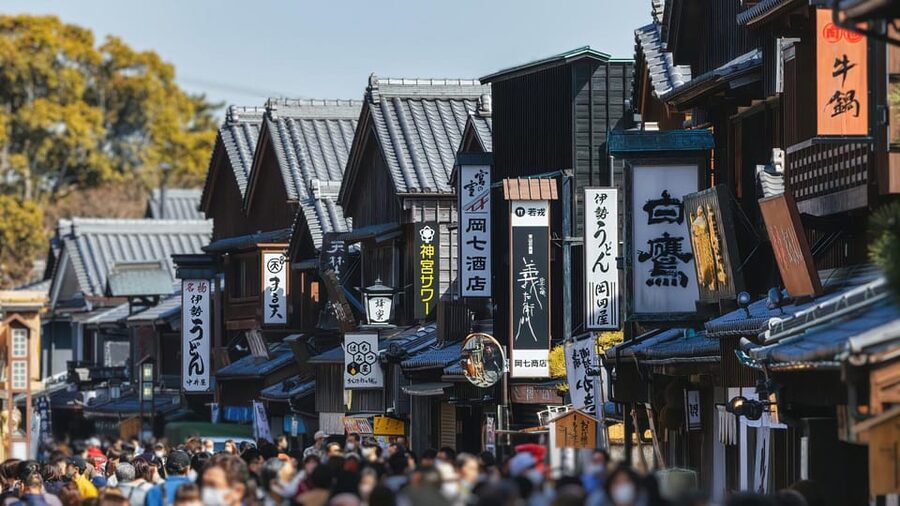
After the shrine, you get about two hours at Okage Yokocho. This is where the day becomes more relaxed and food-focused. The area gives you time to browse, eat, and shop rather than follow a guide every minute.
I like this pause because it prevents the shrine visit from becoming one long sequence of explanations. You can revisit a detail that caught your attention, buy a souvenir, or simply enjoy the traditional streets near Ise-Jingu. The guide can also point you toward local specialties and help you decide how to spend the break.
Lunch is not included, so use these two hours wisely. Ise Udon is an obvious choice if you want a local noodle dish. Fried oysters and spiny lobster are also listed among the regional options. Prices and availability can vary, so do not build your budget around one particular dish. If you have dietary needs, the supplied information does not promise specific alternatives, so asking the guide early is sensible.
The free time is also useful for souvenirs. You are not rushed straight from the shrine to the coach, and you can choose something connected to the visit rather than grabbing the first item you see. If shopping is not your priority, the break still gives your feet a rest before the coastal stop.
One practical point: two hours can pass quickly when you are eating and browsing. Keep track of the meeting time and return to the agreed point promptly. A late departure would affect the final stop and the return to Nagoya.
Same place, a different morning at the gates:
- Osaka/Kyoto:Kinkakuji,Arashiyama,FushimiInariShrine,NaraPark
★ 4.1 · 1,596 reviews - Tokyo: Nikko Toshogu Shrine and Kegon Waterfall Tour
★ 4.5 · 1,266 reviews - Tokyo Panoramic 1 Day: Meiji Shrine, Asakusa, Odaiba and SKYTREE®
★ 4.5 · 1,222 reviews - Kyoto Arashiyama Walking Tour: Bamboo, Monkeys, Gardens & Secrets
★ 5.0 · 1,216 reviews
Meoto Iwa and the coastal edge of Ise
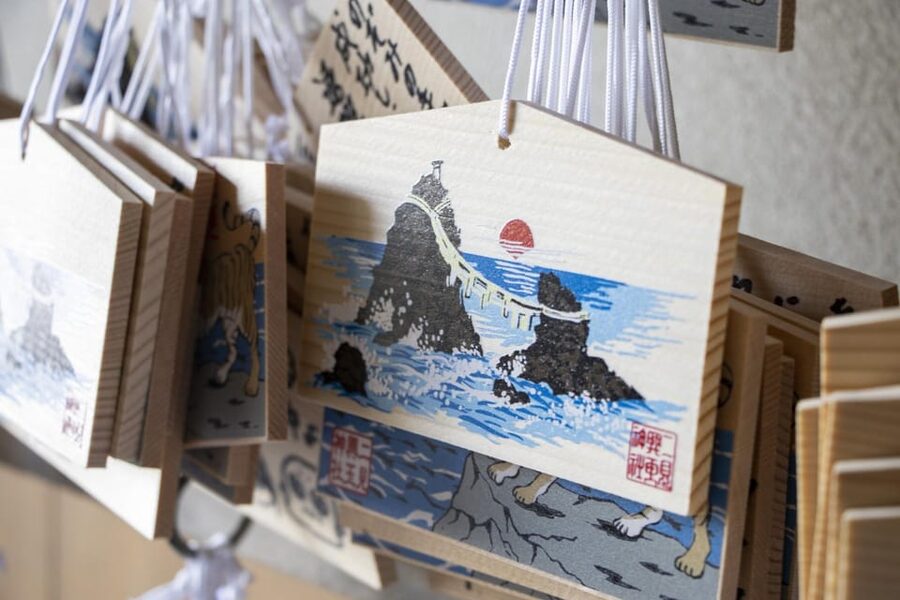
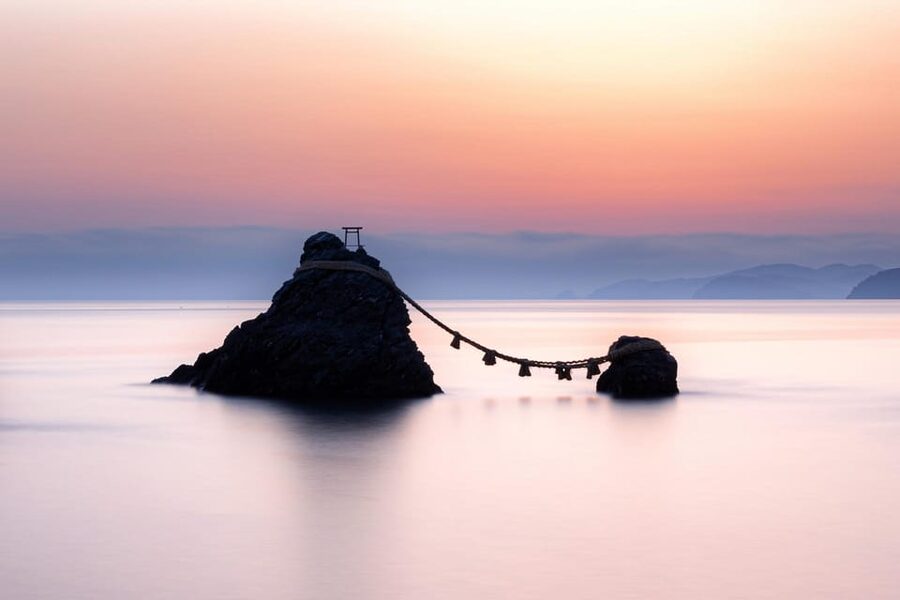
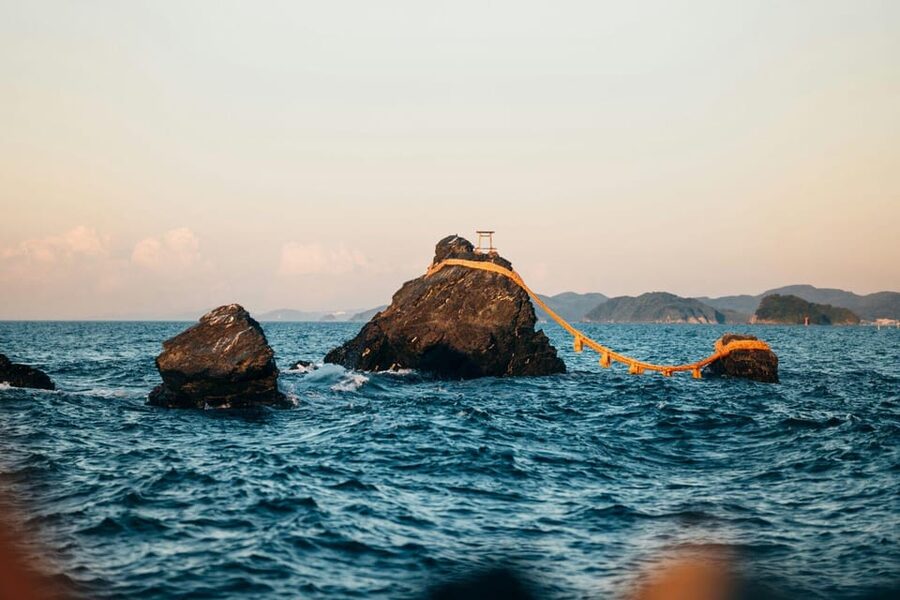
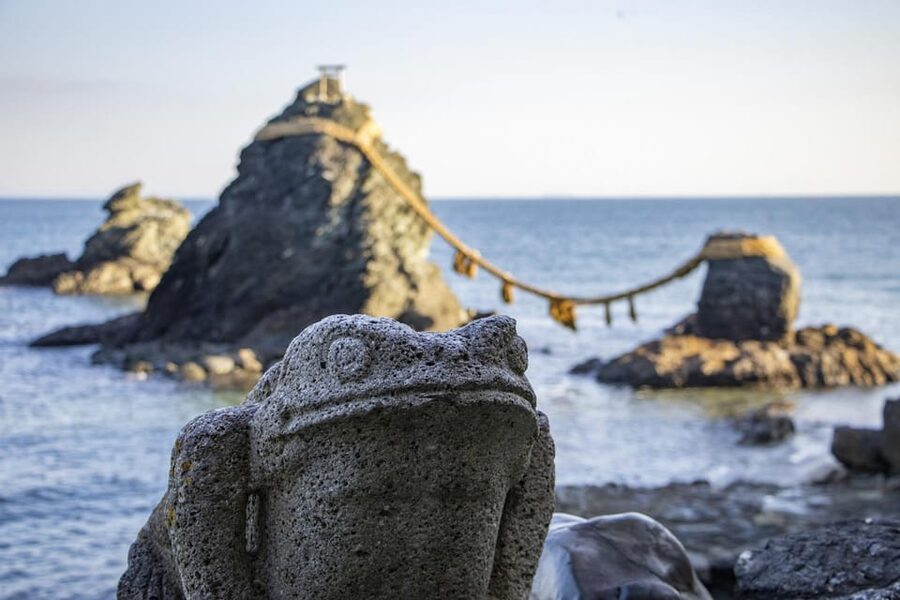
A short 15-minute coach ride takes you to Meoto Iwa, the Wedded Rocks. These two rocks in Ise Bay are linked by a sacred rope and are associated with the union of husband and wife. The view brings a different mood to the day: after the tall trees and solemn shrine grounds, you get open water and a compact coastal visit.
The stop lasts about 45 minutes and includes Futami-Okitama Shrine. An omikuji, or lucky fortune, is included here. That small detail gives you a simple way to take part in a Japanese shrine custom rather than only looking at the scenery.
Meoto Iwa is not a long beach excursion. You should think of it as a focused viewpoint and shrine visit. The weather can shape the experience, particularly if the sea is rough or the sky is overcast. On a clear day, the rocks and bay provide a strong closing image. In poor weather, the stop may feel brief, but the shrine and fortune still give it purpose.
The coastal setting also makes this a good place for photos. Be respectful around the shrine and avoid treating the site as only a backdrop. The guide can explain the meaning of the rocks and the customs connected with the area, which adds more value than a quick independent photo stop.
How much help does the guide add?
The guide is the main reason to choose this organized trip instead of going alone. Ise-Jingu has layers of religious and cultural meaning that are easy to miss if you are focused only on directions and picture-taking.
The strongest feedback centers on guides who explain in short sections, pause for questions, and allow time to look around. Kim was praised for making stops easy to follow while leaving enough room to examine things more closely. Camille received strong marks for both historical explanation and attention to individual needs. One guide, Kim, even used a translation tool to help Italian-speaking participants understand more fully.
The available guide languages are English, Chinese, French, and Spanish. You select a language when booking, but the exact guide is not guaranteed. The names associated with especially positive visits include Camille, Kim, Shoko, and Tomito, while Asano was praised as a friendly and careful driver.
A live guide also helps with the practical side of the day. You can ask where to eat at Okage Yokocho, clarify shrine customs, and get help with photos. That said, a guide cannot remove every limitation of a fixed schedule. If you want to linger for hours at one spot, this trip may feel too structured.
Weather, walking, and what to pack
This is an outdoor day, not a coach-only sightseeing circuit. You walk around shrine grounds, along the Isuzu River area, through the shopping district, and at the coastal shrine.
Summer deserves special planning. Temperatures around Nagoya and Ise can reach 35°C and higher, with heavy humidity. Wear light, airy clothes, protect yourself from the sun, and carry water. A parasol is specifically encouraged, and you should take heat and sunburn seriously.
Winter temperatures average about 0°C to 10°C. Warm clothing and suitable footwear will make the shrine and coastal stops much more pleasant. Spring, autumn, and cooler sunny days may offer the easiest walking conditions, but the forecast matters more than the calendar.
I would pack:
- Comfortable walking shoes
- Water
- Sun protection and a parasol in summer
- A raincoat or umbrella when rain is possible
- Warm layers in winter
- Some spending money for lunch and souvenirs
The tour does not list a special accessibility plan, so you should ask the provider directly if you have mobility concerns or need specific assistance. Several hours of walking outdoors are part of the experience.
What is included, and what is not
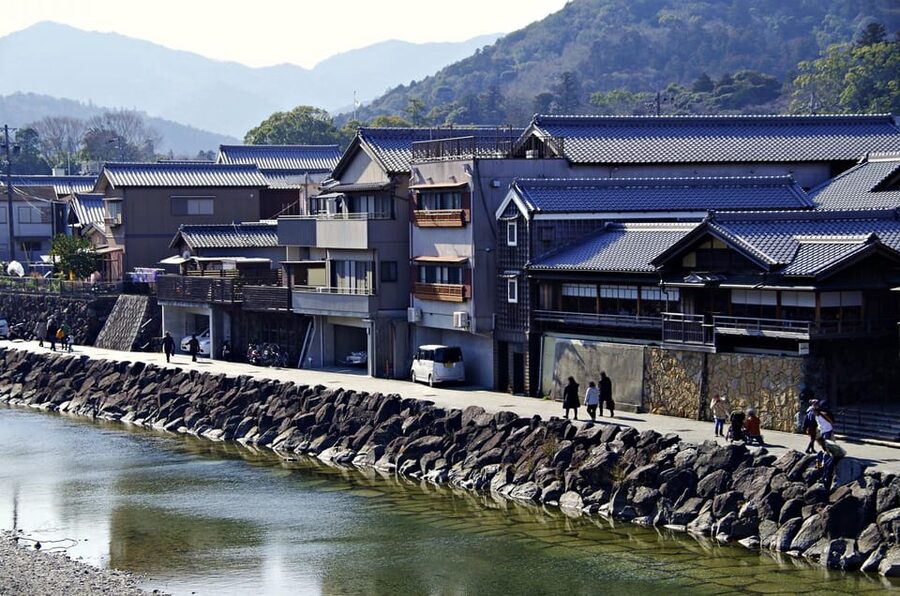
The price includes transport during the tour, a live guide in English, Chinese, French, or Spanish, entry fees at the tour locations, and an omikuji at Futami-Okitama Shrine. You do not pay separately for the main site admissions listed in the schedule.
Lunch is not included. Accommodation is also not included, and the tour does not cover your transport to or from Nagoya Station before or after the day. If you are staying elsewhere in Nagoya, add local train, subway, or taxi costs to your budget.
Free cancellation is available up to 24 hours before departure for a full refund. You can also reserve now and pay later, which helps if your Nagoya plans are still changing. Check the available departure time when booking, since the activity lasts about nine hours and the stated meeting time is 9:00 a.m.
Who should book this Ise experience?
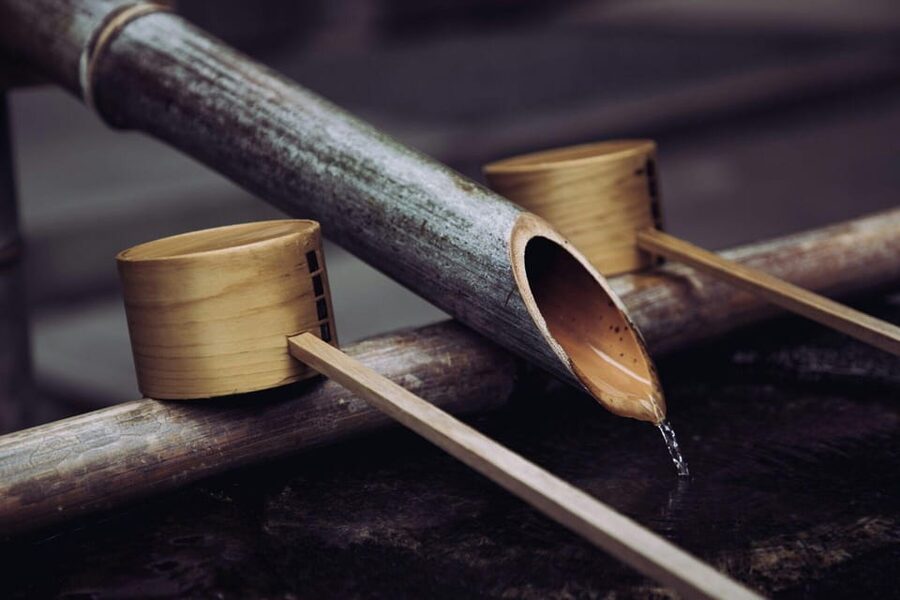
I would recommend it most strongly to first-time visitors who want cultural context rather than a quick photo stop. It suits you if you are staying in Nagoya, want to see Ise in one day, and prefer a guide to explain Shinto customs at the shrine.
It is also a good fit for couples, solo visitors, and small families who appreciate a limited group. The reported small departures show how personal the day can feel, though you should plan for as many as 14 participants.
Food lovers get a useful two-hour window at Okage Yokocho, but this is not a dedicated food tour. You choose and pay for your meal, so the food element is flexible rather than fully organized.
I would think twice if you dislike early starts, long coach journeys, outdoor walking, or fixed schedules. Independent visitors who are comfortable arranging the route may spend less, but they will need to handle transport and provide their own cultural explanations.
FAQ
How long is the tour from Nagoya?
The experience lasts about nine hours, including the return to Nagoya Station.
Where does the tour meet?
Meet at the base of the silver clock tower inside Nagoya Station, outside the Shinkansen gates and near the Taiko-Dori exit.
What time should I arrive?
The tour begins at 9:00 a.m. Arriving early is recommended because Nagoya Station can be crowded.
How long is the ride from Nagoya to Ise?
The coach ride to Ise takes about two hours. The return ride to Nagoya also takes about two hours.
How much time is spent at Ise Grand Shrine?
The guided visit at Ise Grand Shrine lasts about 1.5 hours.
Is lunch included?
No. Lunch is not included, but you have about two hours at Okage Yokocho to buy food and explore.
What local foods can I try?
Possible local specialties include Ise Udon, fried oysters, and spiny lobster.
How long is the Meoto Iwa stop?
The visit to Meoto Iwa and Futami-Okitama Shrine lasts about 45 minutes.
Which languages are available?
Live guides are available in English, Chinese, French, and Spanish.
Is the omikuji included?
Yes. An omikuji, or lucky fortune, at Futami-Okitama Shrine is included.
Should you book this tour?
Book it if you want Ise-Jingu explained well, prefer a small group, and value simple round-trip transport from Nagoya. The combination of sacred woods, local food time, and the Meoto Iwa coast gives you a fuller picture of Ise than a single shrine visit.
Skip it if you want a slow overnight stay, a dedicated food tour, or the freedom to set your own pace. For most visitors with one free day in Nagoya, though, the $189 price is defensible: you are paying for transport, site admissions, local interpretation, and a carefully connected route. Pack good shoes, plan to buy lunch, and arrive early at the silver clock.
Just added around Japan
- Private guided tour: Mt. Aso volcano, grasslands, Aso Shrine★ 5.0 · 19 reviews
- Takayama Inari Shrine Tour with Private Transportation★ 5.0 · 5 reviews
- From Asakusa: Old Tokyo, Temples, Gardens and Pop Culture★ 5.0 · 47 reviews
- Goshuin Collecting tour at Asakusa Local Temples & Shrines, Tokyo★ 5.0 · 8 reviews
- :Tokyo,Shibuya /Meiji Shrine tour in KIMONO/English-friendly★ 5.0 · 4 reviews
- Tokyo: Snow Monkey and Zenkoji Temple Day Trip In Low Price★ 5.0 · 5 reviews
- Tokyo War History Tour: Yasukuni Shrine & War Museum★ 4.5 · 6 reviews
- Tokyo: Gotokuji Culture Walk & Lucky Cat Temple Experience★ 4.9 · 5 reviews
Japan Temple Tours, compared.
Osaka/Kyoto:Kinkakuji,Arashiyama,FushimiInariShrine,NaraPark
Read our review →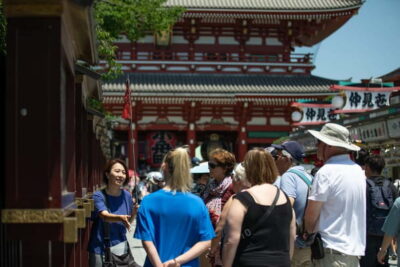
Asakusa Walking Tour with Sensoji Temple Visit
Read our review →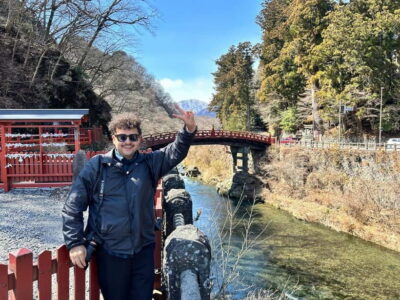

Nikko Toshogu Shrine and Kegon Waterfall Tour
Read our review →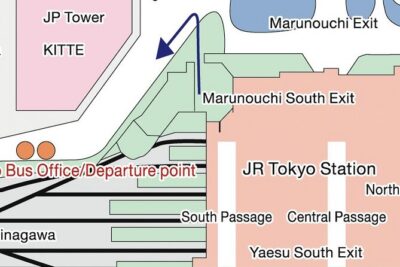
Tokyo Panoramic 1 Day: Meiji Shrine, Asakusa, Odaiba and SKYTREE®
Read our review →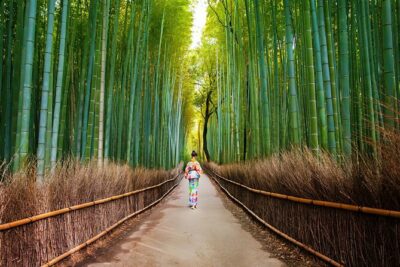
Kyoto Arashiyama Walking Tour: Bamboo, Monkeys, Gardens & Secrets
Read our review →
1-Day Snow Monkeys, Zenko-ji Temple & Sake in Nagano
Read our review →Browse the lists this tour appears in