
Review · JAPAN
From Kanazawa: Eiheiji Buddhist Temple & Fukui Castle Town
Fukui rewards the curious. I like the way this $143 day tour pairs little-known Fukui sights with the grand Eiheiji Temple, and I like the chance to meet a Buddhist monk at Zuigenji. The main drawback is the packed schedule: Eiheiji deserves more time than the roughly 110 minutes provided, and early buses can limit your freedom there.
You travel by train and local bus, so you see more than a single temple reached by taxi. Guides such as Garret and Mike have been praised for their warmth, clear explanations, and care with older guests. Bring good walking shoes, though, because castle grounds, temple paths, and the Atagozaka steps make this a full day on foot.
Key things to know before booking
- Fukui begins with dinosaurs: Dinosaur Square outside Fukui Station has playful statues linked to the prefecture’s major fossil discoveries.
- The castle survives without a keep: Fukui Castle’s original walls, moat, and reinforced gates tell a different story from Japan’s famous tower castles.
- A monk adds a personal voice: At Zuigenji, you enter two rooms moved from Fukui Castle and may hear directly about the temple from its resident monk.
- Atagozaka gives you the city view: The short climb reaches one of the best overlooks of modern Fukui.
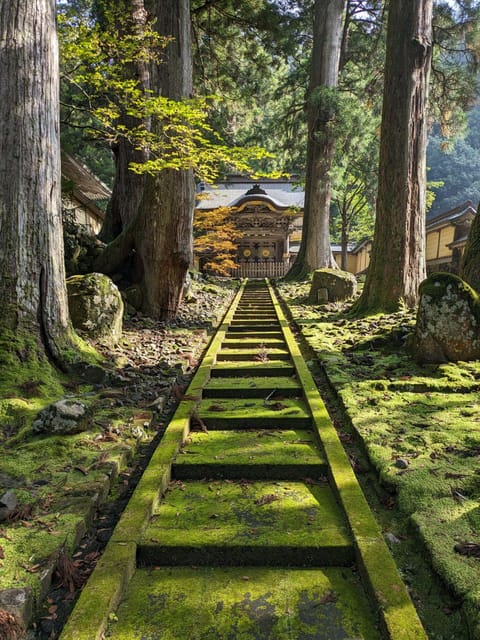
- Eiheiji is a working Zen center: You may see novice monks carrying out daily duties and praying among old cedar trees.
- Lunch is your responsibility: The tour includes transportation and temple admissions, but not your midday meal.
Why this Fukui day trip is worth your time
Kanazawa is famous for gardens, samurai districts, and preserved merchant streets. Fukui offers a different kind of day. You get castle remains in the middle of a modern city, a small temple with a surprising link to the local daimyo, and one of Japan’s major Zen temples in a mountain setting.
The route also has a useful rhythm. The morning is urban and historical, with short walks between several sights. After lunch, you trade city streets for the quiet cedar-lined grounds of Eiheiji. I like that contrast. It keeps the day from feeling like a string of similar temples.
The tour costs $143 per person. That is not a bargain-priced local outing, but the price includes the train and bus connections from Kanazawa, the Fukui local bus, an English-speaking guide, and admission to Zuigenji and Eiheiji. If you are not comfortable handling Japanese transport or piecing together the connections yourself, the price is reasonable.
You should still know what you are buying. Lunch is not included, accommodation is not included, and the tour does not give you a long free afternoon in Eiheiji. You pay mainly for the guide’s explanations, transport planning, and access to places that are easy to miss on your own.
A few more temple visits around Japan worth a look
- Kyoto: Tea Ceremony Ju-An at Jotokuji Temple
★ 4.9 · 3,207 reviews - Tokyo: Asakusa Walking Tour with Sensoji Temple Visit
★ 4.8 · 1,583 reviews - Nikko: Kegon Falls, Lake Chuzenji & Toshogu Temple
★ 4.6 · 1,577 reviews
Starting at Kanazawa Station and riding to Fukui
The Kanazawa departure begins at 8:30 a.m. in front of the Information Center near the Shinkansen Ticket Gates. That meeting point matters, since Kanazawa Station has several busy levels and ticket areas. Give yourself time to find the correct spot.
The train ride takes roughly 30 to 40 minutes. As you leave Kanazawa, look toward the mountains to the west. This is not a long scenic railway journey, but it gives you a quick change from Kanazawa’s city center to Fukui’s quieter setting.
A Fukui departure option is also available. If you start in Fukui, the order of the day and meeting details can differ, so check the selected option carefully when booking.
Dinosaur Square gives Fukui a playful welcome
Fukui Station is hard to miss. Dinosaur statues gather outside in Dinosaur Square, a cheerful nod to the prefecture’s major archaeological discoveries. Fukui is home to Japan’s largest archaeological dig, and several dinosaurs have been named for the area.
You get about ten minutes to look around. That is enough for photographs and a quick look at the more humorous statues, but not enough for a museum visit. Think of this as a fun introduction to Fukui rather than a major stop.
I appreciate this opening because it avoids a stiff start. The statues give you an easy conversation point with the guide and remind you that Fukui is not only about temples and old buildings. Families may especially enjoy this short pause, though anyone expecting a full dinosaur attraction should adjust expectations.
Fukui Castle shows how defense worked without a keep
From the station, you walk toward Fukui Castle. The remaining walls and moat are original to the castle’s construction, while the bridge has been rebuilt to reflect its Edo-period appearance.
There is no grand central keep here. For many years, the castle’s gates were reinforced to serve as the final defensive line. That makes Fukui useful for understanding how castles could work without the familiar tall tower seen at Himeji or Matsumoto.
The setting is also unusual. The prefectural office and police headquarters now sit inside the former castle area. That mix of old stonework and ordinary government buildings may seem less picturesque than a fully preserved castle town, but it shows how historic places continue to function in modern Japan.
Your guide can help you read the site. Without context, a moat and wall can look like isolated fragments. With an explanation of the gates, defenses, and castle layout, the remains become much easier to picture.
Expect about an hour here, including the walk and guided discussion. The ground is not presented as a restored feudal complex, so visitors who want complete interiors or a reconstructed keep may find the stop modest. I think its value is in the details and the unusual defensive design.
Same place, a different morning at the gates:
- Osaka/Kyoto:Kinkakuji,Arashiyama,FushimiInariShrine,NaraPark
★ 4.1 · 1,596 reviews - Tokyo: Nikko Toshogu Shrine and Kegon Waterfall Tour
★ 4.5 · 1,266 reviews - Tokyo Panoramic 1 Day: Meiji Shrine, Asakusa, Odaiba and SKYTREE®
★ 4.5 · 1,222 reviews - Kyoto Arashiyama Walking Tour: Bamboo, Monkeys, Gardens & Secrets
★ 5.0 · 1,216 reviews
The origami crane shrine brings a hopeful pause
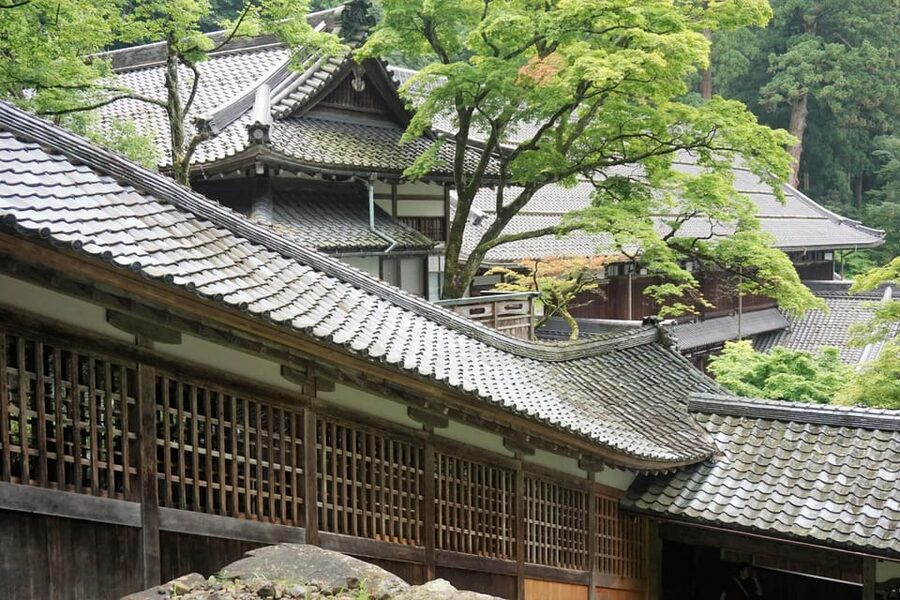
A short walk from the castle is a shrine known for the origami cranes hanging at its entrance. The colorful paper birds create a striking sight, and their message of hope gives this stop a different mood from the hard stone of the castle walls.
The visit is brief, but it is not filler. You see how a contemporary expression of hope can sit beside older religious and political sites. The cranes also make this an easy place for photographs, though remember that it remains a sacred setting rather than a decorated photo set.
The supplied description calls it a recently popular shrine, but the wider area has much older roots. Historical records place settlement and activity here before the 700s. Your guide helps connect that long timeline with what you see today.
Zuigenji’s castle rooms are the morning’s special surprise
Zuigenji is the stop that gives this tour its strongest local character. The temple contains two rooms moved from Fukui Castle. They were used by the daimyo for private business and sleep, so you are not simply viewing generic temple architecture.
One room has been preserved as it was, including its detailed colors and decoration. This offers a rare look at upper-class life from the castle itself. The contrast is striking: you leave the large defensive walls and enter small rooms connected to the private life of the ruling family.
The temple visit lasts about 30 minutes, but the explanation matters more than the clock. A monk may speak with you about the temple, its care, and its connection to Fukui Castle. That direct conversation has been one of the strongest parts of the day for many people, and it gives the visit a human touch that a signboard cannot match.
You should keep an open mind about the format. A conversation with a monk can vary by day and availability, and the tour information makes clear that scheduled activities may sometimes need adjustment. Still, the possibility of hearing from a practicing Zen monk is a strong reason to choose this tour over a simple castle photo stop.
Climb Atagozaka for the best view of Fukui
Atagozaka is a series of stairways leading up a large hill. The walk takes around 30 minutes and includes one of the prefecture’s oldest shrines.
The climb is short, but it is still a climb. If your knees dislike stairs, take it slowly and tell the guide. The reward is a broad view over Fukui’s modern skyline, a useful reminder that this is a living city rather than an open-air museum.
This is also a good place to understand the city’s layout. From above, the castle area, city blocks, and surrounding hills make more sense. I like the stop because it adds a physical change to the morning: after looking closely at walls and rooms, you step back and see Fukui as a whole.
Lunch is flexible, but plan it carefully
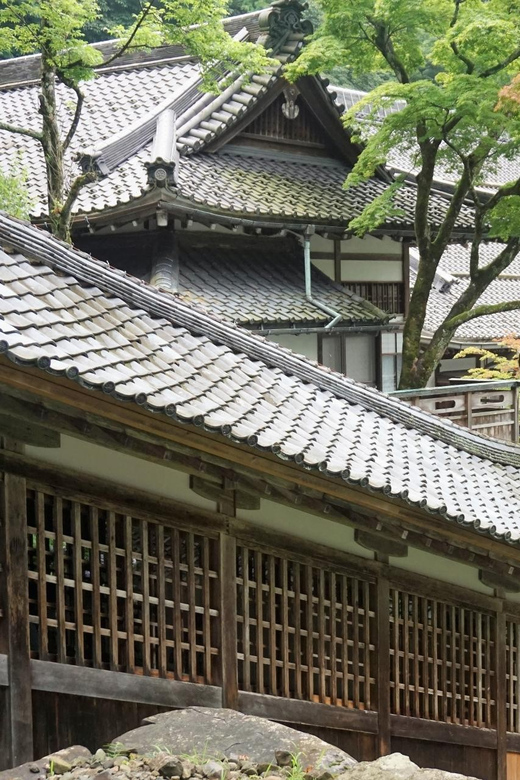
The schedule allows about an hour for lunch and free time in Fukui. Your meal is not included, so you pay for it separately.
The information provided does not specify a restaurant or fixed menu. That gives the guide some flexibility, but it also means you should not expect a reserved meal or a guaranteed specialty dish. Ask your guide for help choosing where to eat and watch the clock, since the afternoon bus to Eiheiji is part of the planned transport.
An hour is enough for a practical lunch, but not for a slow, elaborate meal. If food is a major reason for your trip, this tour does not build in much time for culinary exploration.
Eiheiji changes the pace of the day
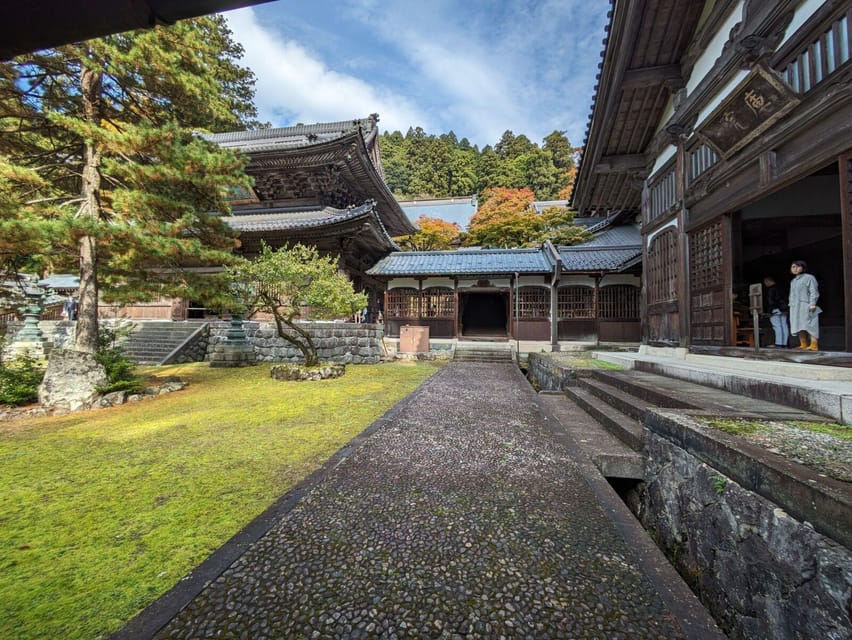
After lunch, you take a direct bus to Eiheiji. The ride takes about 30 minutes, and the temple visit lasts roughly 110 minutes.
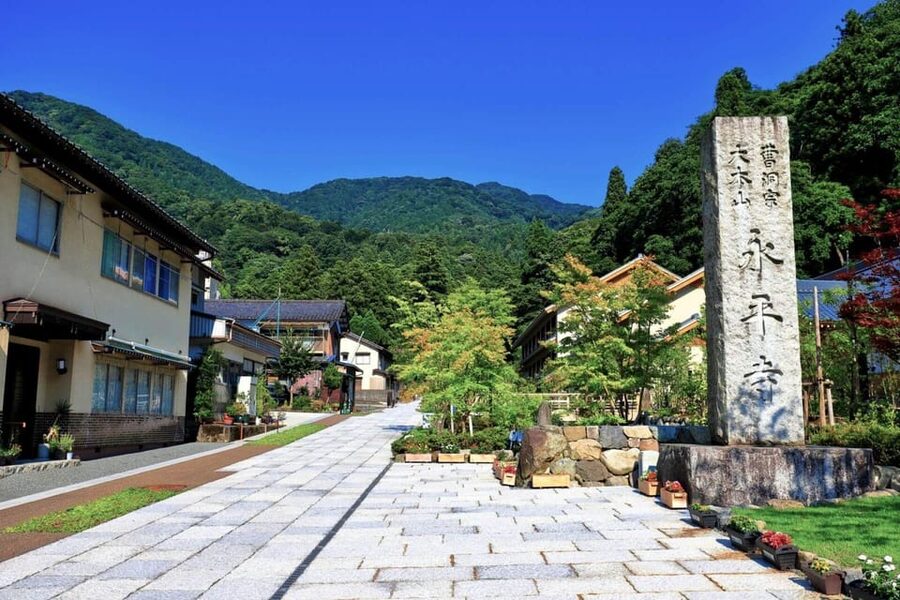
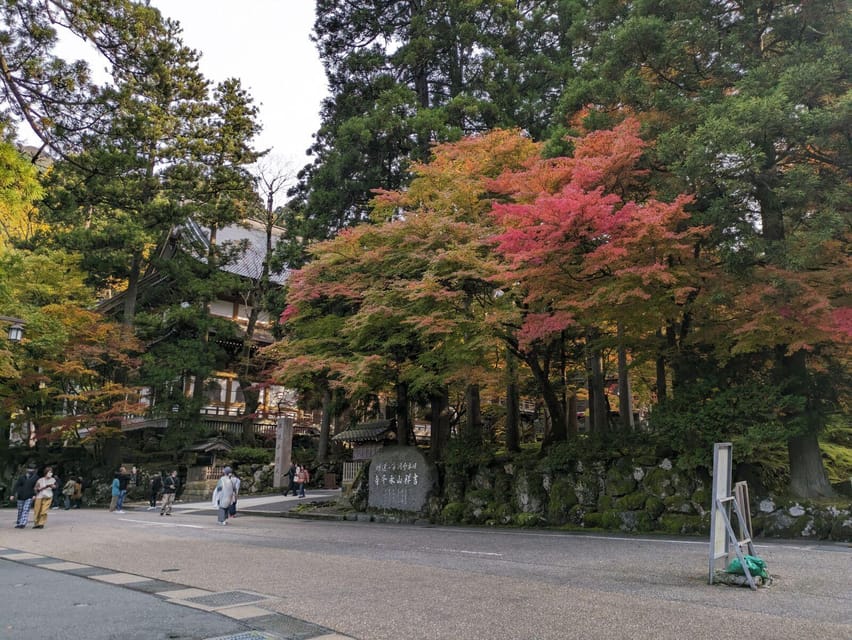
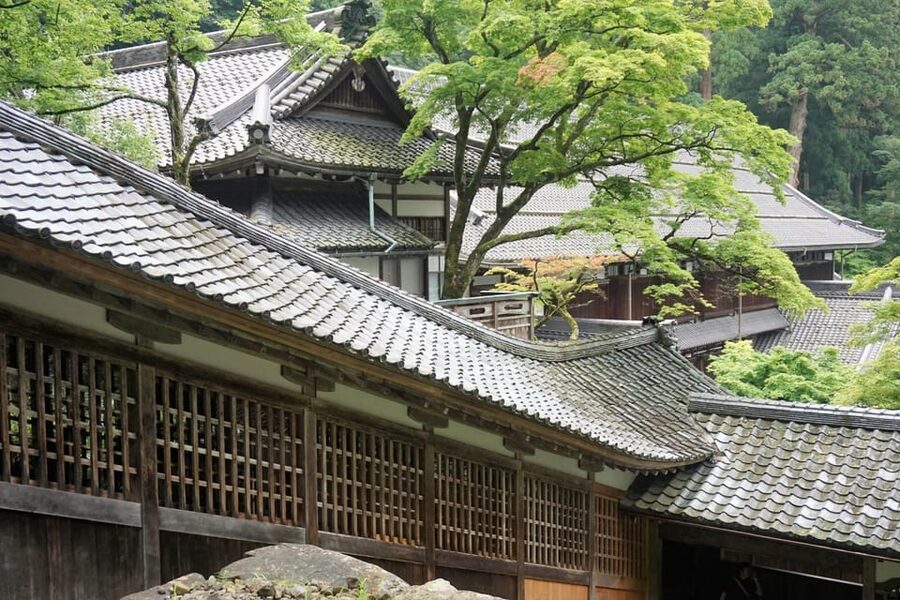
Eiheiji is one of the head temples of the Zen Buddhist sect and has existed since the 1200s. The buildings and cedar trees create the feeling of an old religious center set apart from city life. Some of the trees and structures are described as dating back around 680 years, though the complex has also changed and been maintained over time.
You move slowly through the temple grounds while the guide explains Zen Buddhism, Eiheiji, and their place in Japanese history. This guidance is valuable because the complex can feel overwhelming at first. There are many buildings, corridors, stairs, and views where architecture meets nature. A good guide helps you notice why the spaces are arranged as they are.
You may see novice monks at prayer or carrying out daily duties. That is an important distinction: Eiheiji is not only a historic monument. It remains a place of practice. The quiet routines make the visit feel more grounded than a quick stop at a decorative temple.
Snow can make Eiheiji especially atmospheric, as one February visit showed, but each season changes the look of the cedar trees and buildings. No season is guaranteed by the tour, so choose your clothing for the date and expect outdoor walking.
The main limitation is time. Eiheiji is large, and 110 minutes can pass quickly. One schedule allows the direct buses to leave relatively early, so you may wish you had another hour to explore. The fixed transport is convenient, but it keeps you from setting your own pace.
Returning to Kanazawa by early evening
The direct bus returns you to Fukui Station in just under 30 minutes. From there, the train to Kanazawa should bring you back around 6 p.m.
This timing makes the tour practical for a Kanazawa base. You get a full day out without needing a hotel in Fukui. People staying in Fukui can leave the group at the station, which makes the route useful for both bases.
The return is also why you should keep an eye on the schedule. The day has several moving parts: train, walking sections, local bus, lunch, Eiheiji, another bus, and the return train. Your guide handles the transport plan, but you still need to arrive on time at meeting points.
Guides, group care, and the value of explanation
The strongest guide reports name Garret and Mike. Garret is described as warm, friendly, and full of useful information about Fukui and Buddhist traditions. Mike is praised for his passion, relaxed manner, and careful attention to older guests.
Those details matter because this is not a tour where transport alone creates the value. The train and buses are straightforward enough to use independently. The benefit comes from knowing what you are looking at, hearing the story behind the castle rooms, and having someone explain the customs and daily life at Eiheiji.
The guide also helps with the pace. This is a full day with walking and stairs, so a patient escort can make a real difference. The positive accounts describe the day as full but enjoyable, rather than rushed from start to finish.
Who should book this tour?
I would choose this tour if you are staying in Kanazawa and want to see a less familiar part of Honshu without arranging several connections yourself. It suits people interested in Buddhist practice, castle history, local city life, and guided cultural context.
It is also a good fit if you value personal contact. The monk at Zuigenji and the chance to see working religious life at Eiheiji add more depth than a sightseeing bus loop.
I would hesitate if you want a slow temple day, a long lunch, or plenty of independent time. Eiheiji is the star, but the schedule gives you a strong introduction rather than an exhaustive visit. People with difficulty on stairs should also consider Atagozaka and the amount of walking.
For $143, I think the tour offers solid value when you factor in transport, two admissions, and an English-speaking guide. Book it for the combination of places, not for one isolated attraction. The small Fukui stops make Eiheiji feel more meaningful, and Eiheiji gives the day a powerful finish.
FAQ
Where does the tour start?
The Kanazawa option starts at 8:30 a.m. at Kanazawa Station, in front of the Information Center near the Shinkansen Ticket Gates. A Fukui Station starting option is also available.
How long does the tour last?
It is a one-day tour. The Kanazawa route is expected to return to Kanazawa Station around 6 p.m.
Is lunch included?
No. Lunch is not included, and the schedule provides about one hour for lunch and free time in Fukui.
Are temple admission fees included?
Yes. Entry to Eiheiji Temple and Zuigenji Temple is included.
Is transportation included?
Yes. Transportation includes the train connection from Kanazawa to Fukui and back, the local Fukui bus, and buses between Fukui and Eiheiji for the Kanazawa-start option.
Is the tour conducted in English?
Yes. The tour includes a live English-speaking guide.
Can the tour be canceled for a full refund?
Yes. You can cancel up to 24 hours in advance for a full refund. Availability for specific activities can vary, and the itinerary may need adjustment if a venue cannot confirm a planned visit.
Just added around Japan
- Private guided tour: Mt. Aso volcano, grasslands, Aso Shrine★ 5.0 · 19 reviews
- Takayama Inari Shrine Tour with Private Transportation★ 5.0 · 5 reviews
- From Asakusa: Old Tokyo, Temples, Gardens and Pop Culture★ 5.0 · 47 reviews
- Goshuin Collecting tour at Asakusa Local Temples & Shrines, Tokyo★ 5.0 · 8 reviews
- :Tokyo,Shibuya /Meiji Shrine tour in KIMONO/English-friendly★ 5.0 · 4 reviews
- Tokyo: Snow Monkey and Zenkoji Temple Day Trip In Low Price★ 5.0 · 5 reviews
- Tokyo War History Tour: Yasukuni Shrine & War Museum★ 4.5 · 6 reviews
- Tokyo: Gotokuji Culture Walk & Lucky Cat Temple Experience★ 4.9 · 5 reviews
Japan Temple Tours, compared.
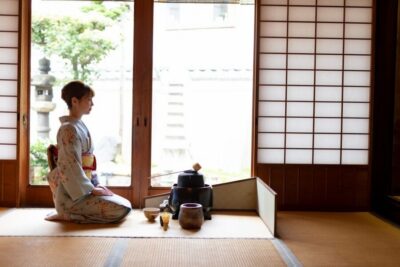
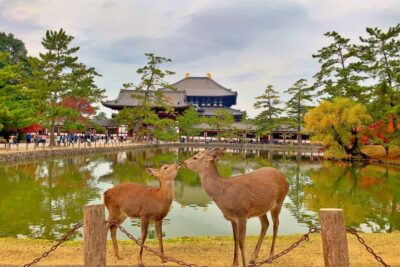
Osaka/Kyoto:Kinkakuji,Arashiyama,FushimiInariShrine,NaraPark
Read our review →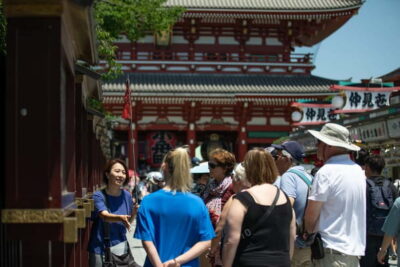
Asakusa Walking Tour with Sensoji Temple Visit
Read our review →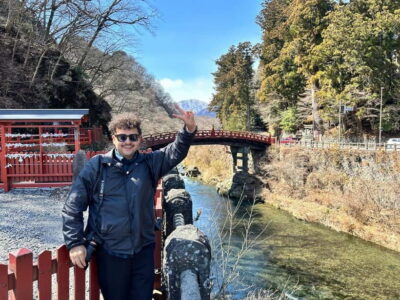

Nikko Toshogu Shrine and Kegon Waterfall Tour
Read our review →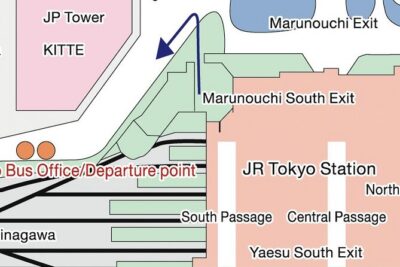
Tokyo Panoramic 1 Day: Meiji Shrine, Asakusa, Odaiba and SKYTREE®
Read our review →
Kyoto Arashiyama Walking Tour: Bamboo, Monkeys, Gardens & Secrets
Read our review →
1-Day Snow Monkeys, Zenko-ji Temple & Sake in Nagano
Read our review →Browse the lists this tour appears in