
Review · JAPAN
A trip to visit Ise Grand Shrine and experience Ama culture
Sacred shrines meet working coastal traditions. I like the way this private day combines Ise Jingu with a seafood meal connected to Ama culture, rather than treating the shrine as the whole story. I also like having a local guide and private car, especially since the stops are spread across Ise, Toba, and Shima. The main concern is that food, admissions, and transport fees are extra, and the Ama demonstration can be affected by closures or seasonal changes.
The day also depends heavily on your guide. Kyohei earned praise for being punctual, funny, attentive, and flexible, while Emiko provided clear explanations of Shinto customs in English and German. Still, communication may be harder with some guides, and you should confirm the pickup and drop-off arrangements before setting out.
Key points to know before booking
- Ise Jingu is the spiritual center of the day: You visit Japan’s most famous shrine with a local guide who can explain Shinto customs and rituals.
- Okage Yokocho adds old-town atmosphere: Shops, food, and traditional streets give you time to wander beyond the shrine grounds.
- Lunch connects directly to Ama life: At Hachiman Kamado, you eat local seafood while hearing stories about women who have worked the sea for generations.
- The private car saves time: Pickup is available from hotels and stations in Ise, Toba, or Shima, though extra charges may apply outside Ise City.
- Mikimoto Pearl Island is not guaranteed as planned: The Ama show may change or be cancelled if the island is closed or local seasonal work takes priority.
- Costs need careful checking: Food, admission, tour transport, and some pickup services are not included in the tour price.
Why this private Ise day works well
This is an eight-hour regional tour, generally running from 9:00 in the morning until about 17:00. The schedule brings together three different sides of the Ise-Shima area: sacred Japan at Ise Jingu, old-town shopping and food at Okage Yokocho, and the coastal world of Ama women and pearl culture.
I like that the day is private rather than built around a large coach. You can ask questions, slow down at the shrine, or adjust the pace if the heat becomes difficult. One family with toddlers received extra help from Kyohei and his colleagues, and the day was adjusted for a seasonal activity. That kind of flexibility is a real advantage when you are traveling with children or a mixed-age group.
The car matters, too. Ise Jingu, Toba, and Shima are not one compact sightseeing zone. Having transport arranged allows you to see more without trying to piece together regional train and bus connections. You pay separately for tour transport, however, so ask exactly what is included before you commit.
The tour’s current rating is 3.9 out of 5 from six ratings. That middle-ground score makes sense. The best days seem to come from strong guides, while the weak points involve communication, unclear extra costs, and changes to the Ama portion.
A few more temple visits around Japan worth a look
- Kyoto: Tea Ceremony Ju-An at Jotokuji Temple
★ 4.9 · 3,207 reviews - Tokyo: Asakusa Walking Tour with Sensoji Temple Visit
★ 4.8 · 1,583 reviews - Nikko: Kegon Falls, Lake Chuzenji & Toshogu Temple
★ 4.6 · 1,577 reviews
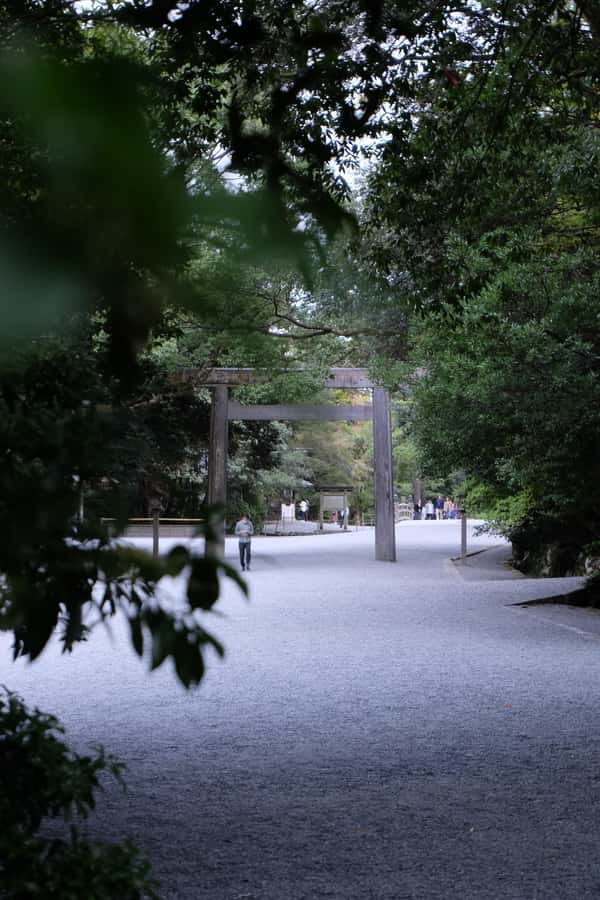
Starting at Ise Jingu, Japan’s best-known shrine
Ise Jingu is the anchor of the trip. It is not simply another attractive shrine for a quick photograph. For many Japanese visitors, Ise is the country’s most important Shinto pilgrimage site, and the atmosphere is quiet, formal, and respectful.
Your guide can explain the basic customs as you walk. That matters because Shinto shrine visits are easier to appreciate when you understand how people approach the entrance, purify themselves, and offer prayers. Emiko was praised for explaining Shinto religion and customs clearly in English and German, while Kyohei also provided useful local context.
You should expect walking here. The tour description lists a walking tour, and the shrine visit is not a drive-up attraction where you step out, take a picture, and return to the car. Wear comfortable shoes and bring protection from the sun, particularly in summer. One August outing took place in intense heat, although the guide kept the mood cheerful and made the day manageable.
The spiritual side of Ise is a good reason to choose a guide instead of visiting alone. You can certainly walk through the shrine grounds independently, but a guide helps explain why the space feels different from a standard sightseeing stop. If you prefer a fast list of landmarks, the shrine may feel slower than expected. If you enjoy customs, quiet spaces, and local explanations, it gives the day its strongest sense of purpose.
Okage Yokocho for old streets and small purchases
After or around the shrine visit, the tour takes you to Okage Yokocho. This traditional Japanese town area is designed for strolling, eating, and shopping, so it gives the day a change of rhythm after the formal shrine grounds.
I like this stop because it lets you experience Ise as a place where people spend time, not just as a religious site. You can browse shops, sample food, and walk through streets built to evoke an older style of Japanese town. The information provided does not specify particular shops or dishes, so your exact experience will depend on what is open and what catches your eye.
This is also a useful place to tell your guide what you want from the day. The private format makes it easier to linger over food or shorten the shopping if you would rather reach the coast sooner. One couple found the schedule full but not rushed, and their guide checked several times about changing the plan.
Do not mistake flexible pacing for unlimited time. The whole outing finishes around 17:00, and the coastal stops still need their share of the day. If shopping is important to you, say so early. If the shrine and Ama culture are your priorities, you may want to keep Okage Yokocho as a pleasant walk rather than a long buying stop.
Seafood at Hachiman Kamado and the Ama connection
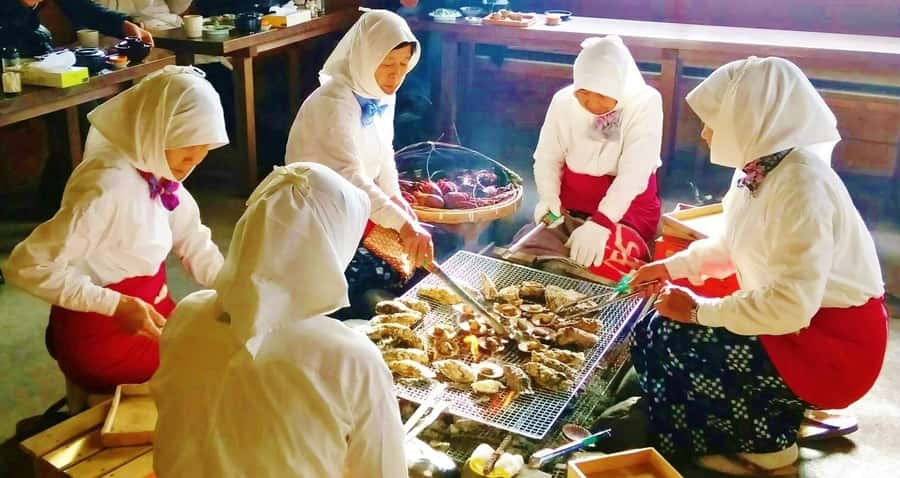
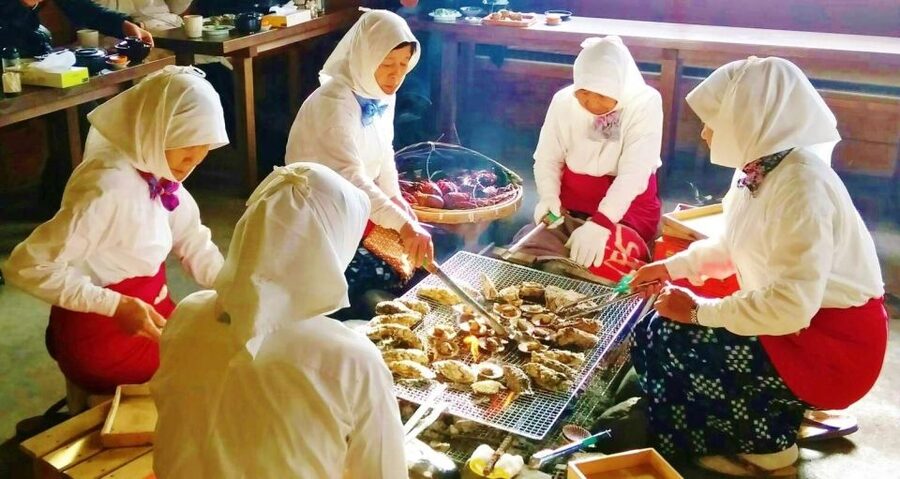
Lunch at Hachiman Kamado is meant to be one of the day’s most personal stops. You eat local seafood in a traditional Ama hut setting while hearing stories about the women who have made their living from the sea.
The most memorable part is not simply the barbecue. It is the chance to connect a meal with a living coastal tradition. One couple described the women as the last generation of Ama, with some still working at close to 80 years old. That detail gives the experience weight. You are not watching a costume performance invented for tourists. You are hearing about a difficult occupation that is nearing its end.
The setting needs clarification before booking. One account describes lunch at a real Ama hut, while another says the meal took place at a restaurant operated by an Ama woman rather than inside a traditional hut. Both can provide a meaningful connection, but they are not the same experience. Ask the operator to confirm the exact restaurant, the meal format, and whether the seafood is cooked at your table.
Food and drinks are not included in the tour price. You should also ask whether the guide’s meal is covered or charged separately. One guest was surprised to pay for both their own lunch and the guide’s lunch. That is the kind of small cost that can sour an otherwise excellent day, so settle it in writing before departure.
This stop may be especially good for you if food is part of your interest in Japan. It is less suitable if you need a tightly controlled menu or dislike seafood. The supplied information does not provide a full menu or details about dietary substitutions, so ask ahead if you have allergies or restrictions.
Same place, a different morning at the gates:
- Osaka/Kyoto:Kinkakuji,Arashiyama,FushimiInariShrine,NaraPark
★ 4.1 · 1,596 reviews - Tokyo: Nikko Toshogu Shrine and Kegon Waterfall Tour
★ 4.5 · 1,266 reviews - Tokyo Panoramic 1 Day: Meiji Shrine, Asakusa, Odaiba and SKYTREE®
★ 4.5 · 1,222 reviews - Kyoto Arashiyama Walking Tour: Bamboo, Monkeys, Gardens & Secrets
★ 5.0 · 1,216 reviews
Mikimoto Pearl Island and the changing Ama program
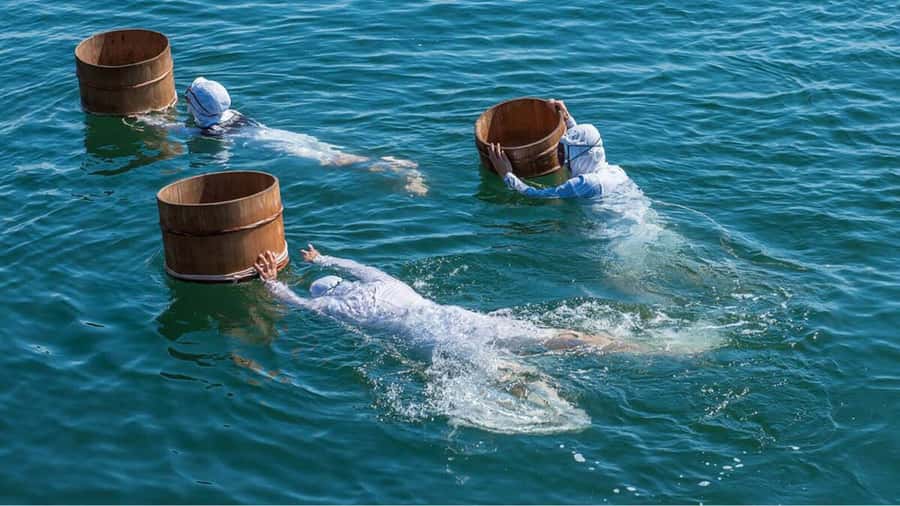
The final major attraction is Mikimoto Pearl Island in Toba. The planned visit includes an Ama demonstration, along with an introduction to pearl culture and the working traditions of Ama women.
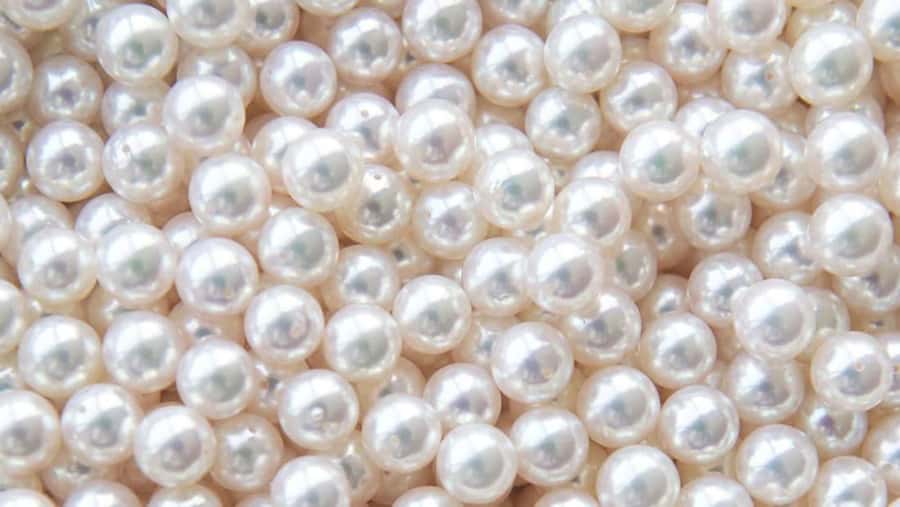
This can be the tour’s most distinctive stop. The Ama show puts a human face on a coastal practice that is easy to reduce to a postcard image. Pearl culture adds another layer, linking the sea to one of Japan’s best-known luxury products.
But you need to treat this part as changeable, not guaranteed in every circumstance. On one December visit, the island was closed, and the planned Ama demonstration could not take place. The guide had not confirmed the closure in advance, which created a serious disappointment because the demonstration was one of the main reasons for booking the tour.
A separate March visit replaced the Ama show with a chance to watch local fishermen process wakame seaweed. The group spoke with people in the village and took part in the processing. That is not the same as the scheduled performance, but it shows how a seasonal change can produce a more direct encounter with local work.
Ask two questions before your tour:
- Is Mikimoto Pearl Island open on your date?
- If the Ama show is unavailable, what replacement activity will be offered?
The best guides appear willing to adapt. The private format also makes a change easier to manage than it would be with a large group. Still, you should not assume that a substitute will always be available or equal in value to the planned show.
Guides make or break the day
The strongest praise centers on Kyohei. He was described as reliable, punctual, funny, and good company, including during punishing summer heat. He also works as a local diver for abalone and sea cucumber, according to one account. That background can add useful first-hand context to the coastal portion of the day.
Emiko received praise for her fluent English and German and for explaining Shinto beliefs and customs at Ise. Large family groups also appreciated the care provided by Kyohei and his colleagues.
The picture is not entirely consistent. One guest found the guide pleasant and hardworking but had trouble communicating because his English was limited. Since this is a private tour, communication matters more than it would on a simple transfer. You should send your main interests and any questions in advance, and confirm which guide will lead your day.
The tour is offered in English, but the level of spoken English may vary. If detailed religious explanations, food questions, or schedule changes are important to you, ask the company about the guide’s language level before paying.
Transport, timing, and extra charges
Pickup is available from accommodation in Ise, Toba, or Shima. Pickup outside Ise City costs extra, and transportation used during the tour is not included in the basic inclusions. The meeting and ending points can be arranged somewhere in the three cities, but do not assume you will finish at the same station or hotel unless this is confirmed.
One person was dropped at a distant train station instead of the original pickup point and needed about 90 minutes to return to the starting station. That is a major practical issue, especially if you have an evening train or hotel reservation. Confirm the final drop-off location at the start of the day, then confirm it again before leaving the last stop.
The schedule is described as eight hours, from 9:00 to 17:00, while the inclusions also refer to a nine-hour private tour. Treat the stated timetable as the practical guide and ask the operator to explain the difference. It may relate to pickup time, driving, or the way the tour is counted.
The value depends on your group size and priorities. A private guide, car, and flexible schedule can be worthwhile for a family or small group that wants to connect several scattered sights in one day. It is less attractive if you only want Ise Jingu, since you could spend less by visiting the shrine and Okage Yokocho independently.
Remember to budget for:
- Food and drinks
- Admission fees
- Transportation used during the tour
- Pickup charges outside Ise City
- Any extra cost connected with the guide’s meal
Who should book this experience?
I would recommend it to you if you want more than a shrine visit and are curious about the people who work along the Ise-Shima coast. The mix of religion, food, village life, pearls, and Ama culture gives the day a useful range.
It suits families and small private groups particularly well. You can adjust the pace, ask for breaks, and change the plan if heat or tired children become a problem. It also works well if you are staying in Ise, Toba, or Shima and want local transport without organizing every connection yourself.
I would hesitate if your main goal is a guaranteed Ama performance. The Mikimoto stop can be affected by closures and seasonal work, and that risk should be clear before you book. I would also hesitate if you need a wheelchair-accessible tour, since the experience is not suitable for wheelchair users.
Book it if the day’s value lies in personal guidance and local context. Skip it if you want fixed inclusions, exact cost certainty, or a guaranteed performance. Before booking, confirm the guide, lunch venue, guide meal policy, Mikimoto opening status, and final drop-off point. Those five checks can make the difference between a fine day and a frustrating one.
FAQ
How long does the tour last?
The practical schedule runs from 9:00 until 17:00, or about eight hours. The tour information also refers to a nine-hour private tour, so confirm the exact duration with the operator.
Where can pickup take place?
Pickup can be arranged from accommodation or a station in Ise City, Toba City, or Shima City. Extra charges may apply for pickup outside Ise City.
Is transportation included?
The tour uses a car, but transportation fees are not included in the listed inclusions. Ask for the transport cost before booking.
Are lunch and drinks included?
No. Food and drink prices are separate. Confirm whether the guide’s meal is covered, since an additional charge for the guide’s lunch has occurred.
Is the Ama hut lunch guaranteed to take place inside a traditional hut?
The lunch is described as dining at Hachiman Kamado and hearing Ama stories, but the exact setting may vary. Confirm whether your meal will be inside a traditional Ama hut or at a restaurant operated by an Ama woman.
Is the Ama demonstration at Mikimoto Pearl Island guaranteed?
No. The program can change if the island is closed or if seasonal local activities replace the show. Confirm the island’s opening status and the backup plan for your date.
Is the tour suitable for wheelchair users?
No. The tour is listed as unsuitable for wheelchair users.
What language is the tour offered in?
The tour includes a live English-speaking guide. Guide language ability may vary, so ask about the assigned guide if detailed conversation is important to you.
Just added around Japan
- Private guided tour: Mt. Aso volcano, grasslands, Aso Shrine★ 5.0 · 19 reviews
- Takayama Inari Shrine Tour with Private Transportation★ 5.0 · 5 reviews
- From Asakusa: Old Tokyo, Temples, Gardens and Pop Culture★ 5.0 · 47 reviews
- Goshuin Collecting tour at Asakusa Local Temples & Shrines, Tokyo★ 5.0 · 8 reviews
- :Tokyo,Shibuya /Meiji Shrine tour in KIMONO/English-friendly★ 5.0 · 4 reviews
- Tokyo: Snow Monkey and Zenkoji Temple Day Trip In Low Price★ 5.0 · 5 reviews
- Tokyo War History Tour: Yasukuni Shrine & War Museum★ 4.5 · 6 reviews
- Tokyo: Gotokuji Culture Walk & Lucky Cat Temple Experience★ 4.9 · 5 reviews
Japan Temple Tours, compared.
Osaka/Kyoto:Kinkakuji,Arashiyama,FushimiInariShrine,NaraPark
Read our review →
Asakusa Walking Tour with Sensoji Temple Visit
Read our review →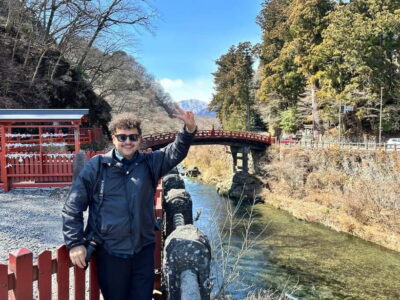

Nikko Toshogu Shrine and Kegon Waterfall Tour
Read our review →
Tokyo Panoramic 1 Day: Meiji Shrine, Asakusa, Odaiba and SKYTREE®
Read our review →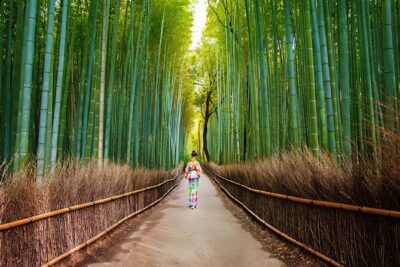
Kyoto Arashiyama Walking Tour: Bamboo, Monkeys, Gardens & Secrets
Read our review →
1-Day Snow Monkeys, Zenko-ji Temple & Sake in Nagano
Read our review →Browse the lists this tour appears in