
Review · TOKYO
Tokyo: Nikko Kegon Falls Lake Chuzenji Toshogu Temple & More
Nikko packs shrines, waterfalls, and mountain views into one long day. This private outing is appealing because you can travel from Tokyo in a luxury vehicle with a private driver, then adjust the pace when a temple, viewpoint, or lakeside stop deserves more time. I also like the broad choice of pickup points, including Tokyo’s 23 wards, Yokohama, Saitama, and Kanagawa.
The strongest parts are the contrast between Toshogu Shrine and the natural sights around Lake Chuzenji. You can study elaborate carvings in the morning, then ride toward Kegon Falls and the highland lake later in the day. Drivers such as Cheema, Baba, and Malik Ali have earned especially warm praise for safe driving, helpful advice, and taking photographs.
The main drawback is the schedule. Ten hours includes the round trip from Tokyo, and traffic can stretch that further. Trying to fit every listed stop, plus Edo Wonderland, can turn this into a quick look at each place rather than a relaxed day. Attraction tickets and lunch also cost extra.
Key points to know before booking
- Private transport for up to six people: A group can share one vehicle and avoid managing several train and bus connections.
- The mountain section is the highlight: Akechidaira, Lake Chuzenji, and Kegon Falls bring fresh air and dramatic views after the city.
- Toshogu Shrine needs real time: Its carvings, gates, forest setting, and Tokugawa connection are too good to rush.
- Edo Wonderland changes the tone: Expect a historical theme park with period buildings, performances, and traditional craft activities.
- The price works best for a full group: At $361 per group, the per-person cost drops sharply when six people share.
- You must budget for extras: Lunch and entrance fees are not included, and airport or port pickup is unavailable.
Why a private Nikko day from Tokyo makes sense
Nikko is a natural match for a private vehicle. The area combines several separate sights, and the route climbs from the temple district toward mountain roads, Lake Chuzenji, and Kegon Falls. Public transport can work, but a driver gives you a simpler way to connect these places in one day.
You can book for up to six people, making the $361 group price far more attractive for a family or small party than for one or two people. Split six ways, the base price is about $60 per person before meals and entry tickets. For two people, the same ride costs about $181 each, so the value depends heavily on group size.
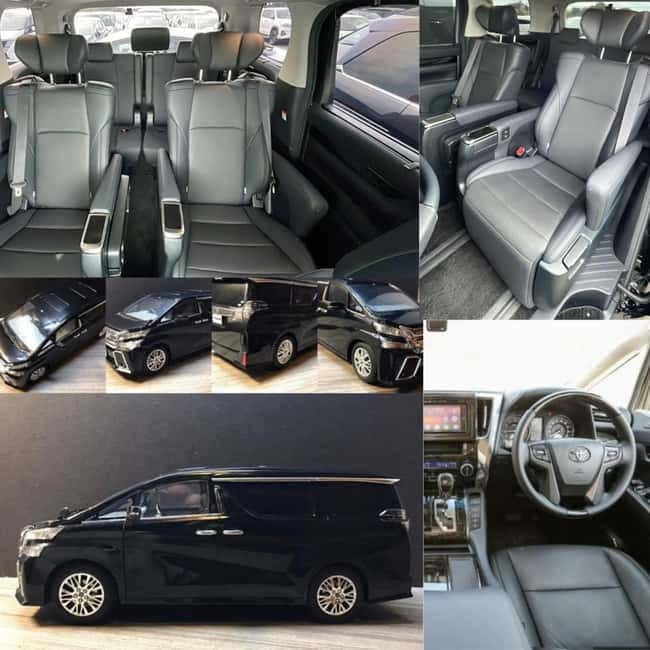
The vehicle is air-conditioned and includes a Wi-Fi hotspot. The fleet may include a Land Cruiser or Prado, Crown, Alphard, or Vellfire, depending on the arrangement. That matters on a ten-hour outing, especially when you need a place to rest between walks.
Pickup is available from accommodation within Tokyo’s 23 wards, as well as listed areas such as Yokohama, Saitama, and Kanagawa. Airport and port pickup is not offered. You should wait in your hotel lobby ten minutes before the agreed time, and the driver may wait up to 60 minutes after that, but do not treat the grace period as extra sightseeing time.
More Nikko and Kamakura Day Trips in Tokyo:
- Nikko: Kegon Falls, Lake Chuzenji & Toshogu Temple
★ 4.6 · 1,577 reviews - Tokyo: Nikko Toshogu Shrine and Kegon Waterfall Tour
★ 4.5 · 1,266 reviews - From Tokyo: Nikko Toshogu Shrine and Kegon Waterfall Tour
★ 4.0 · 42 reviews
Nikko National Park and the mountain road
The day typically begins with the drive from Tokyo toward Nikko National Park. The transfer time is part of the experience, but it also limits how much time you have on foot. Heavy Japanese traffic can make the journey longer, so I would avoid planning an important evening reservation too close to the estimated return.
Once you reach the Nikko area, the setting changes quickly. Forest, mountain slopes, river sounds, and cooler air replace Tokyo’s dense streets. The route includes photo stops and walks, so comfortable shoes and a small daypack are sensible choices.
The highland section can look very different by season. Autumn brings strong color around Lake Chuzenji, while winter may freeze parts of Kegon Falls. Weather can affect the schedule, and the outing may be rescheduled in poor conditions.
Shinkyo Bridge, a short stop with a big view
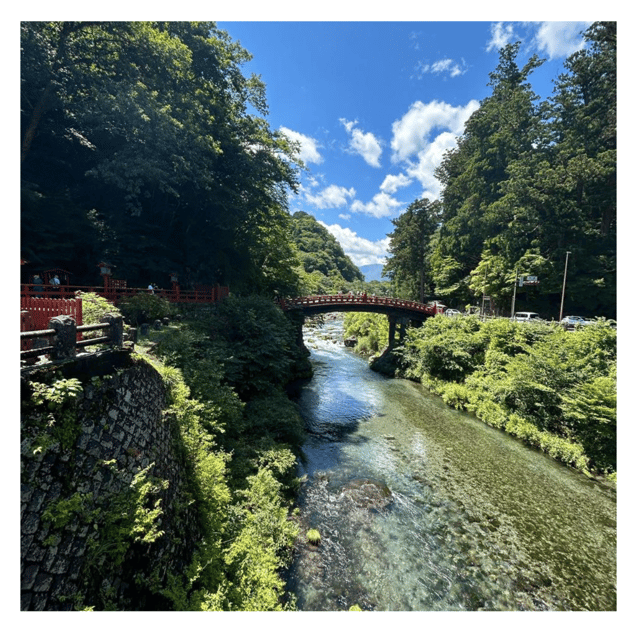
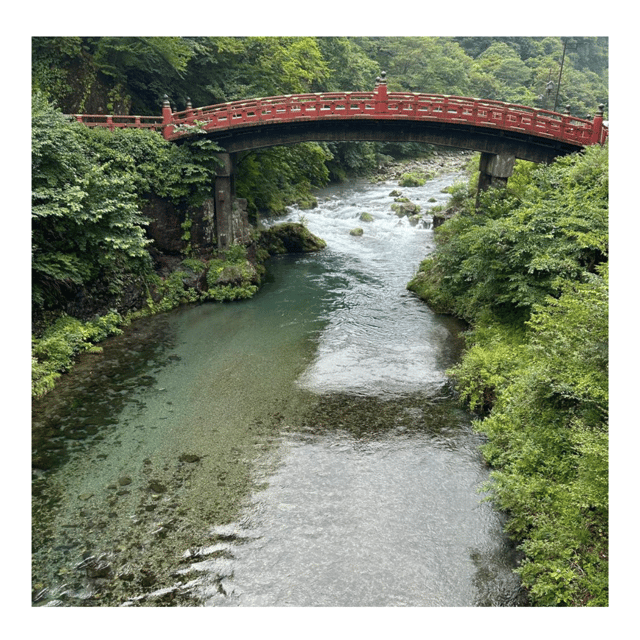
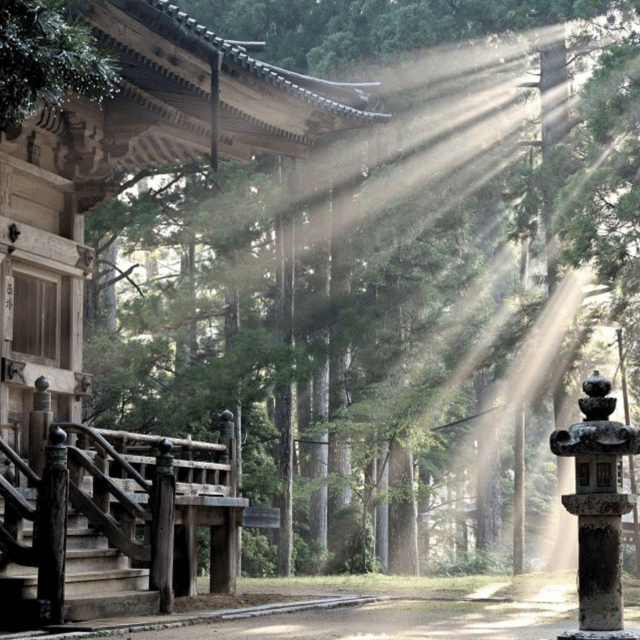
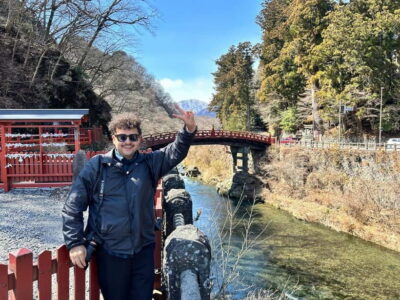
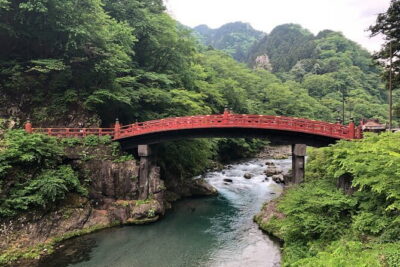
Shinkyo Bridge is one of Nikko’s signature sights. The wooden bridge crosses the Daiya River near the entrance to the shrine area, with greenery and the river creating a classic photograph.
You may only need a short time here, but it helps explain Nikko’s layout. The bridge has long served as a symbolic gateway to the sacred sites. From the surrounding area, you can see why Nikko’s religious buildings were placed among forests and running water rather than in an ordinary town setting.
The practical catch is that a photo stop is not the same as a long riverside walk. If this bridge matters to you, tell the driver early that you would prefer time for photographs instead of treating it as a quick pause between larger attractions.
Toshogu Shrine and Futarasan Shrine
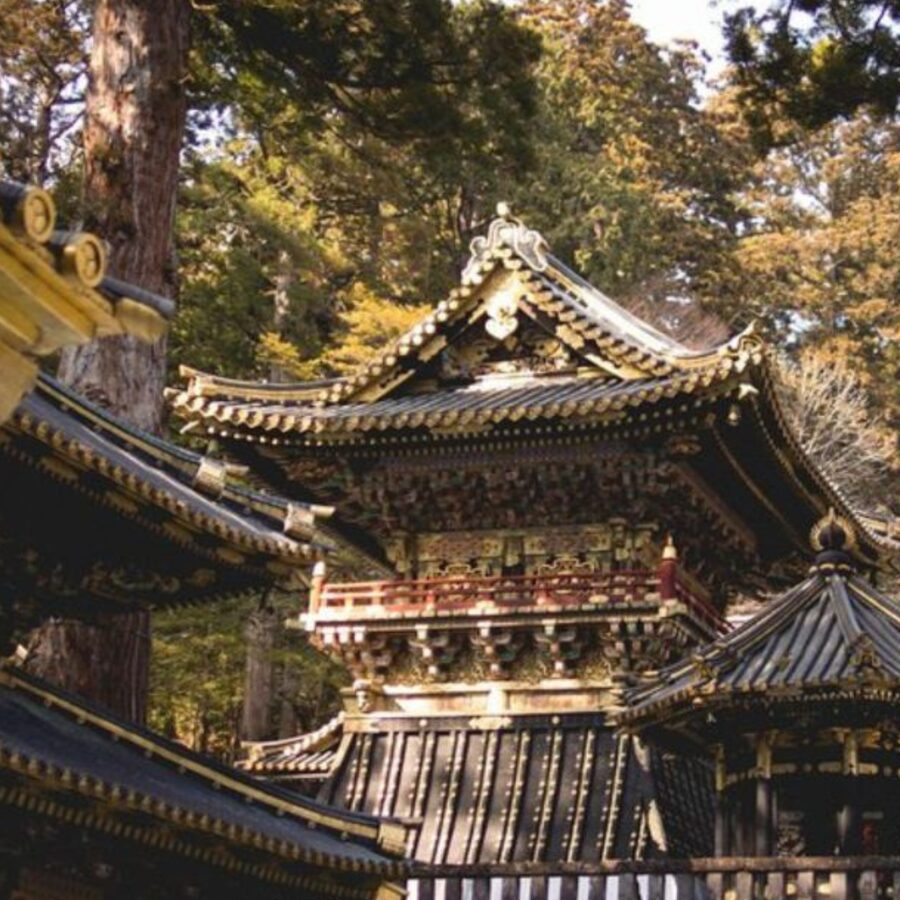
Toshogu Shrine is the cultural center of the day. It honors Tokugawa Ieyasu, founder of the Tokugawa shogunate, and its buildings are known for detailed carvings, strong colors, and careful woodwork.
The Yomeimon Gate deserves patient attention. So does the famous sleeping cat carving. These are small details that can be missed if you simply follow the crowd from one building to the next, so I would ask your guide to point out the key features.
The shrine sits in a forest, which gives the visit a calm feel despite its fame. You will walk through gates, courtyards, and paths, and some surfaces may be uneven. People with back problems should think carefully about the amount of walking and the long drive.
Futarasan Shrine is also included as a stop. It offers another look at Nikko’s sacred side and helps place Toshogu within a wider group of religious sites. You should not expect a full guided lesson at every shrine, but the driver can provide cultural and historical context in the languages offered: English, Hindi, Japanese, Urdu, Arabic, and Punjabi.
Entry fees are not included. Set aside money for the shrine and other paid attractions before you leave Tokyo, since the base price covers transport rather than admission.
A few more temple visits around Tokyo worth a look
- Tokyo: Asakusa Walking Tour with Sensoji Temple Visit
★ 4.8 · 1,583 reviews - Tokyo Panoramic 1 Day: Meiji Shrine, Asakusa, Odaiba and SKYTREE®
★ 4.5 · 1,222 reviews - Tokyo: Zen Meditation at a Private Temple with a Monk
★ 5.0 · 510 reviews - Mt. Fuji Heritage Tour: Traditional Villages, Lakes & Shrine
★ 4.5 · 509 reviews
Kanmangafuchi Abyss and Narabi Jizo
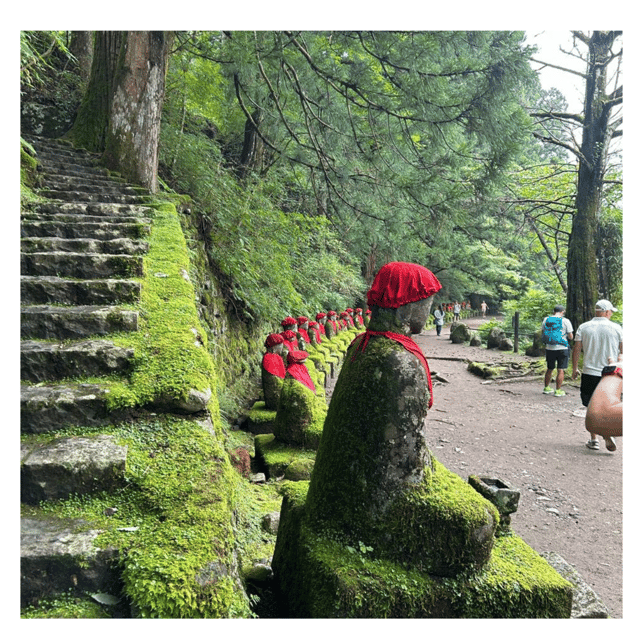
Kanmangafuchi Abyss provides one of the quieter walks of the day. The path follows the river and is lined with more than 70 Jizo statues, often called Narabi Jizo because they appear in a row.
These figures are linked with the spirits of children and people who travel. The setting is more reflective than the grand shrine complex, with trees, water, and a narrow walking route. Jiunji Hondo Temple adds a small place of calm along the path.
This stop is valuable because it slows the day down. Toshogu can feel visually busy, while Kanmangafuchi gives you room to notice the sound of the river and the shape of the forest. The tradeoff is time. If you give every one-hour stop its full hour, there may be little time left for Edo Wonderland.
Akechidaira Ropeway and views over the mountains
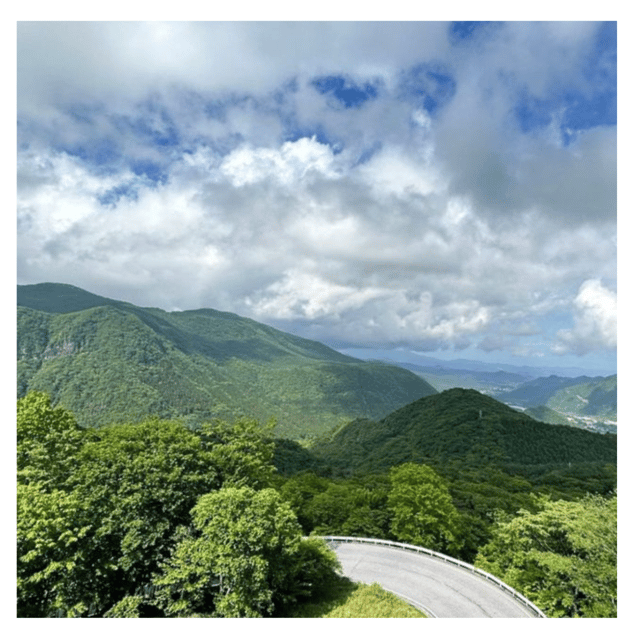
The Akechidaira Ropeway is one of the best scenic parts of the route. The ride climbs to an observation area where you can look toward Mount Nantai, Lake Chuzenji, and Kegon Falls.
This is the place to keep your camera ready. The view brings several parts of the day together, allowing you to see the lake and waterfall from above before approaching them at ground level.
The ropeway depends on operating conditions and timing, so it should not be treated as guaranteed in every kind of weather. Your driver can help adjust the order of stops if conditions change, but the overall ten-hour limit still applies.
Lake Chuzenji and Kegon Falls
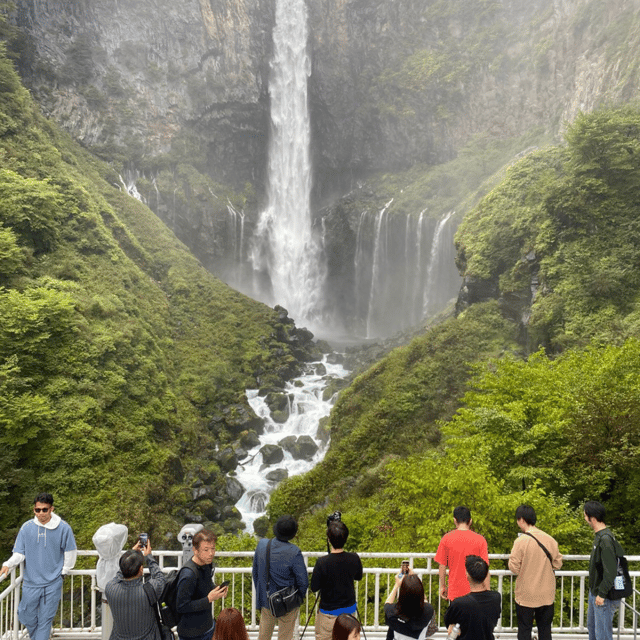
Lake Chuzenji was formed by volcanic activity and sits at the foot of Mount Nantai. The lake’s open water and mountain setting make it a welcome change from the enclosed forest around the shrines.
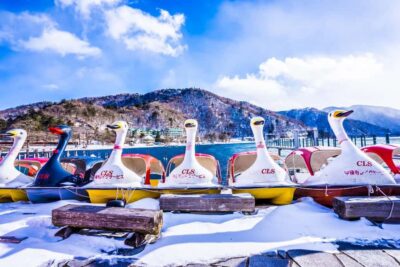
You have time here for a walk, photographs, or a simple pause beside the water. Boating, hiking, and picnicking are listed as possible activities, but the tour may not leave enough time for a long lake activity if you also plan to visit Edo Wonderland and several shrines.
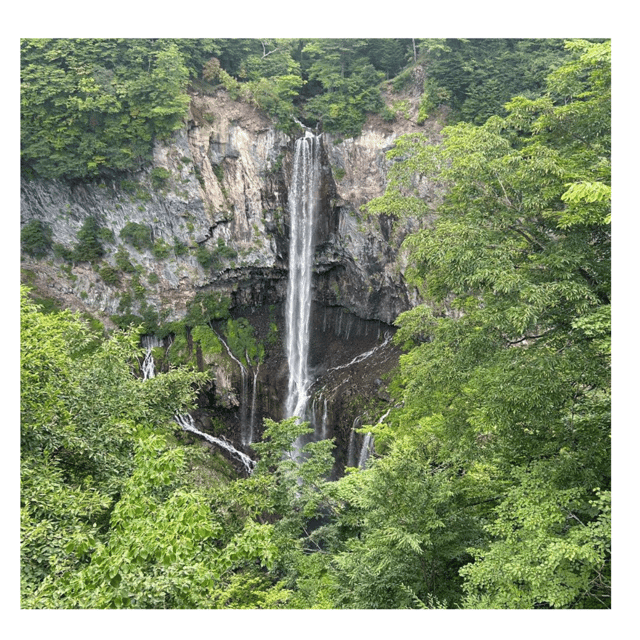
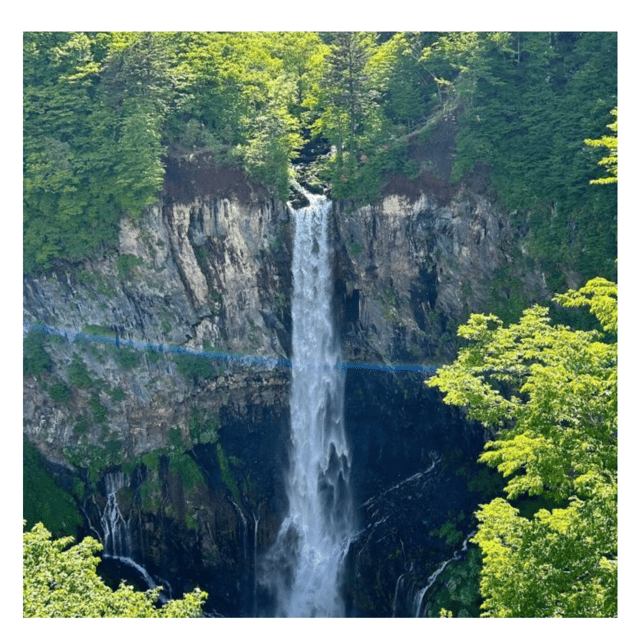
Kegon Falls is the natural headline. Water drops about 97 meters into a rocky gorge, and the main viewing area offers a direct look at the fall. In winter, ice can form around the cascade, creating a very different scene from the warmer months.
The falls are close to Lake Chuzenji, but you should still think of them as separate stops. A short walk leads to the observation area, and nearby trails and viewpoints can add more time. If you want a relaxed nature day, I would prioritize Lake Chuzenji and Kegon Falls over trying to linger at every other location.
Edo Wonderland adds a playful history lesson
Edo Wonderland is a historical theme park designed around Japan’s Edo period. Instead of examining old buildings in their original setting, you encounter period-style architecture, performances, traditional crafts, and activities built for participation.
That makes it a good choice for families and for anyone who wants a lighter finish after the solemn shrine visits. The park gives children a more active way to connect with the past, while adults can enjoy the costumes, demonstrations, and staged atmosphere.
Only about 45 minutes is listed for this stop. That is enough for a taste, not a full park day. If Edo Wonderland is your main reason for booking, ask about the planned timing before departure. If Toshogu, the waterfall, and the lake matter more, the park may work best as a brief final stop.
What the guides add to the day
The driver is more than a person behind the wheel, but the depth of guiding may vary by driver and language. Cheema received especially strong praise for safe driving, good advice, and keeping the day relaxed. Baba was also praised for a friendly manner and for helping a group add Shibuya Crossing and Tokyo Tower after the Nikko portion.
That last example also shows the flexibility of a private service, but you should not assume extra Tokyo sightseeing will fit every schedule. Nikko alone can fill the day, and traffic can reduce the time available.
The driver may help with photographs, choose less crowded viewpoints, and suggest how to use limited time. Malik Ali was specifically appreciated for finding a good spot with fewer people. Still, this is not the same as having a specialist historian at each shrine. If detailed academic commentary is your top priority, ask in advance how much guided explanation your chosen language and driver can provide.
Food, fees, and what to bring
Lunch is not included, although a Japanese meal at a local Nikko restaurant is part of the planned experience. That gives you some freedom, but it also means the final cost will be higher than the advertised group price.
You will also pay attraction fees separately. The exact total depends on which places you enter and how many people are in your group. Bring a camera, comfortable shoes, and a daypack. Coffee and tea are included, along with photography help and vehicle Wi-Fi.
Alcohol, drugs, fireworks, and making fires are not allowed. Wheelchair access and child seats can be arranged on request, but the tour is not suitable for babies under one year, and people with back problems should consider both the curving mountain road and the walking required.
Who should book this Nikko outing?
I would choose this tour for a group of four to six people that values door-to-door transport and wants to combine culture and nature in one day. It is also useful if your party includes someone who does not want to manage trains, buses, and transfers.
Families may like the mix of shrine carvings, waterfalls, a ropeway, and Edo Wonderland. Couples who prefer slow temple visits and long lakeside walks may find the schedule too packed unless they agree in advance on which stops to shorten.
Solo visitors and pairs should compare the group price with other options. At $361 before tickets and food, the private vehicle becomes much better value as the group grows.
The free cancellation window of 24 hours and the reserve-now, pay-later option add useful flexibility. Still, the most important decision is not the payment policy. It is deciding if you want breadth or depth. This outing gives you a wide look at Nikko, but you may only get a brief taste of some places.
Should you book it?
Book this experience if you want one private vehicle, flexible pickup, and a broad Nikko route without organizing the transport yourself. The strongest plan is to make Toshogu Shrine, Lake Chuzenji, and Kegon Falls your priorities, then treat Shinkyo Bridge, Kanmangafuchi, Futarasan, the ropeway, and Edo Wonderland according to the time left.
I would be cautious if your ideal day means lingering at every temple, taking a long lake walk, and spending hours at Edo Wonderland. For a small group, the price is high, and for any group, ten hours is a tight frame for Tokyo traffic plus Nikko’s many sights.
For six people who want comfort and variety, this is a practical way to see the area. For a slower, more focused Nikko visit, choose fewer stops and make that preference clear before the car leaves Tokyo.
FAQ
How long does the Nikko tour last?
The tour lasts approximately 10 hours, including commuting time between Tokyo and Nikko. Heavy traffic in Japan may make the day longer.
How many people can join the private tour?
The private vehicle can accommodate a group of up to six people.
What is included in the $361 price?
The price includes private luxury transportation, hotel pickup and drop-off within the service area, highway tax, Wi-Fi hotspot service, air conditioning, coffee and tea, photography help, and guided cultural and historical information.
Are meals included?
No. Meals are not included, although the experience includes the opportunity to have lunch at a local restaurant in Nikko.
Are attraction tickets included?
No. Entrance fees for attractions are paid separately.
Can I be picked up at an airport or port?
No. Airport and port pickup and drop-off are not available. Pickup can be arranged from accommodation within Tokyo’s 23 wards and from listed areas such as Yokohama, Saitama, and Kanagawa.
Which languages are available for the driver?
Driver languages include English, Hindi, Japanese, Urdu, Arabic, and Punjabi.
Is the tour wheelchair accessible?
Yes. Wheelchair access is available on request. Child seats can also be arranged if requested in advance.
What happens if the weather is poor?
The tour may be rescheduled because of bad weather or other unforeseen conditions. The Akechidaira Ropeway and mountain views can also be affected by weather conditions.
Just added around Tokyo
- :Tokyo,Shibuya /Meiji Shrine tour in KIMONO/English-friendly★ 5.0 · 4 reviews
- Tokyo: Snow Monkey and Zenkoji Temple Day Trip In Low Price★ 5.0 · 5 reviews
- Tokyo War History Tour: Yasukuni Shrine & War Museum★ 4.5 · 6 reviews
- Tokyo: Gotokuji Culture Walk & Lucky Cat Temple Experience★ 4.9 · 5 reviews
- Tokyo: Shibuya Sky, Harajuku & Meiji Shrine Highlights Tour★ 4.5 · 9 reviews
- Tokyo: Visit 5 Shrines & Collect Goshuin on Private Tour★ 5.0 · 3 reviews
- Tokyo: Sensoji Temple & Street Food: Private Tour with guide★ 4.6 · 8 reviews
- Tokyo’s Kitchen: Tsukiji Market Food & Culture Walk★ 4.7 · 74 reviews
Nikko & Kamakura Day Trips, compared.

Nikko Toshogu Shrine and Kegon Waterfall Tour
Read our review →
Kamakura Temples Private Guided Tour from Tokyo
Read our review →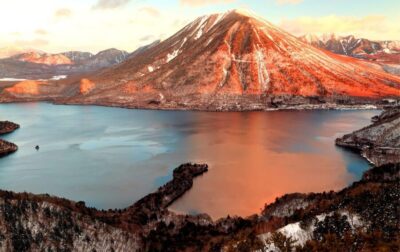
Tokyo Nikko Toshogu Shrine Iroha-zaka Lake Chuzenji Day Tour
Read our review →
Sopporo: Hokkaido Shrine and Atama Daibutsu Full-Day Tour
Read our review →Browse the lists this tour appears in