
Review · JAPAN
Miyajima: Cultural Experience in Zen Temple
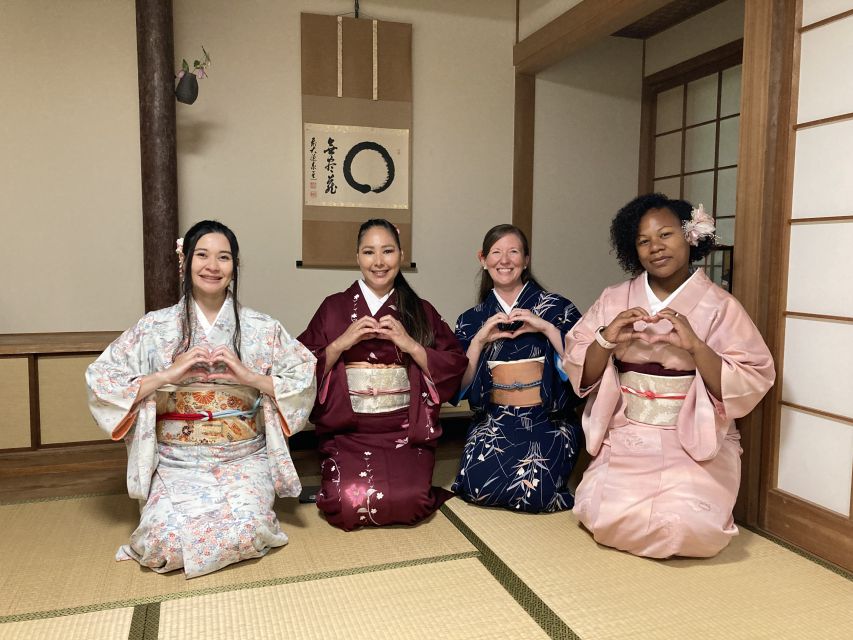
Traditional Japan comes to life here. At Tokujuji Temple on Miyajima, you can choose a kimono, learn the careful steps of a matcha tea ceremony, practice Japanese calligraphy, and make a personal amulet. I especially like the calm temple setting and the chance to leave with something you made yourself. The main consideration is mobility, since you must remove your shoes and the activity is not suitable for people with limited mobility.
This is a good way to step away from Miyajima’s busiest sights for one to two hours. I also like that the staff take photographs in the garden and send them by email or AirDrop, so you can focus on the ceremony instead of managing your phone. Check your chosen option carefully, since the meeting point and combination of activities can vary.
Key details before you book
- Kimono choice and dressing: Select from traditional Japanese clothing, then receive help putting it on and arranging the obi.
- Tea ceremony in Ryurei style: The ceremony uses a table and chairs, making it easier to follow than a floor-based format.
- Calligraphy souvenir: Practice Kanji, Hiragana, or Katakana before creating a finished piece to take home.
- Handmade amulets: Choose from more than 300 fabric bags made from kimono material, then add a Kumihimo cord and written wish.
- Garden photography: Staff take photographs in the temple garden and send the images digitally afterward.
- Small-group atmosphere: English and Japanese instruction is available, with small groups offered.
Leaving Miyajima’s Main Crowd Behind
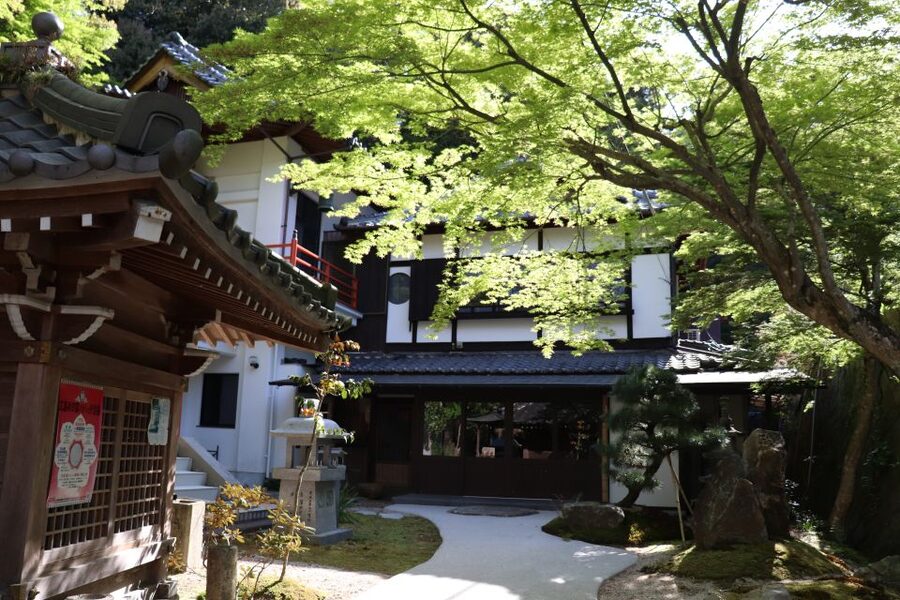
Tokujuji Temple offers a quieter setting than the central parts of Miyajima, especially the area around the famous torii gate. Several activities take place inside the temple, while the garden gives you room for photographs and a pause from sightseeing.
That change of pace matters. Miyajima can feel busy during the middle of the day, and this experience gives you a scheduled reason to slow down. You are not simply posing in a costume for five minutes. The clothing, tea, writing, and amulet work are connected to Japanese customs, with staff explaining what you are doing as you go.
The setting also helps the experience feel less like a photo studio. You enter a temple, remove your shoes, and take part in activities traditionally linked with Japanese daily life and religious practice. The experience is designed for international visitors, but it still keeps the pace and manners of the setting.
Allow one to two hours, depending on the option you select and how many activities are included. Some sessions have lasted longer than the planned 90 minutes when the group wanted more time for photographs and additional activities, but you should not build a tight connection around that possibility.
A few more temple visits around Japan worth a look
- Kyoto: Tea Ceremony Ju-An at Jotokuji Temple
★ 4.9 · 3,207 reviews - Tokyo: Asakusa Walking Tour with Sensoji Temple Visit
★ 4.8 · 1,583 reviews - Nikko: Kegon Falls, Lake Chuzenji & Toshogu Temple
★ 4.6 · 1,577 reviews
Choosing and Wearing Your Kimono
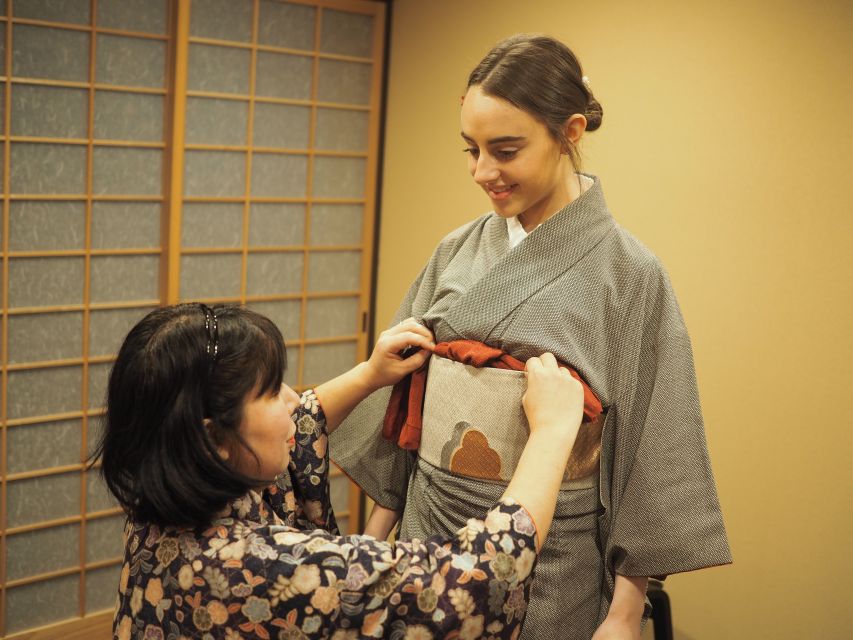
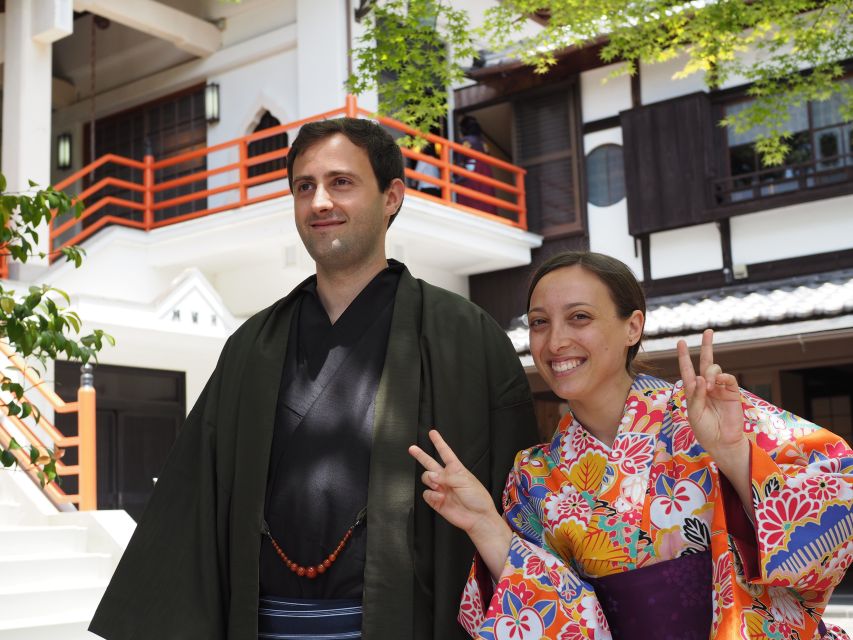
The kimono portion is one of the strongest reasons to book this experience. You choose your own garment from the available selection, then staff help you coordinate the obi and other pieces. The dressing process is part of the activity, not just a quick change before the photographs.
Expect the kimono to be fitted carefully. Staff arrange the layers, tie the obi, and make sure the final outfit looks balanced. The process can feel special because someone else handles the detailed work, allowing you to notice how much structure goes into wearing traditional clothing.
The choice is not only about color. You can ask for help selecting an obi or scarf that works with the kimono design. The staff are patient, and the experience is suitable for couples, families, and solo visitors who want a keepsake portrait from Miyajima.
Comfort is worth considering. You must remove your shoes to enter, and traditional clothing can restrict your movement. The activity is not recommended for people with limited mobility. Children under six cannot take part in the activities, although older children have enjoyed the calligraphy, tea, and dressing portions.
Photographing the Kimono in the Temple Garden
Once dressed, you have time for photographs in the Japanese garden. Staff take pictures for you and can suggest poses or locations. That help is useful, especially if you are traveling alone or want pictures of the whole group rather than another round of arm’s-length phone shots.
The garden gives the photographs a more natural setting than a plain indoor backdrop. You might pose near plants, temple details, or quiet corners of the grounds. The staff have also taken large numbers of pictures during the tea ceremony and dressing process, then shared them digitally by email or AirDrop.
Lighting can be uneven in a garden. Check your face on the screen when possible, particularly on bright days or when you are standing under shade. Some areas may photograph better than others, so do not hesitate to ask the staff for another position.
The photo session is not rushed, which is a real advantage. Still, the amount of time available can depend on your activity package and group size. If photographs are your main goal, tell the staff early so they understand what you want.
Following the Matcha Tea Ceremony
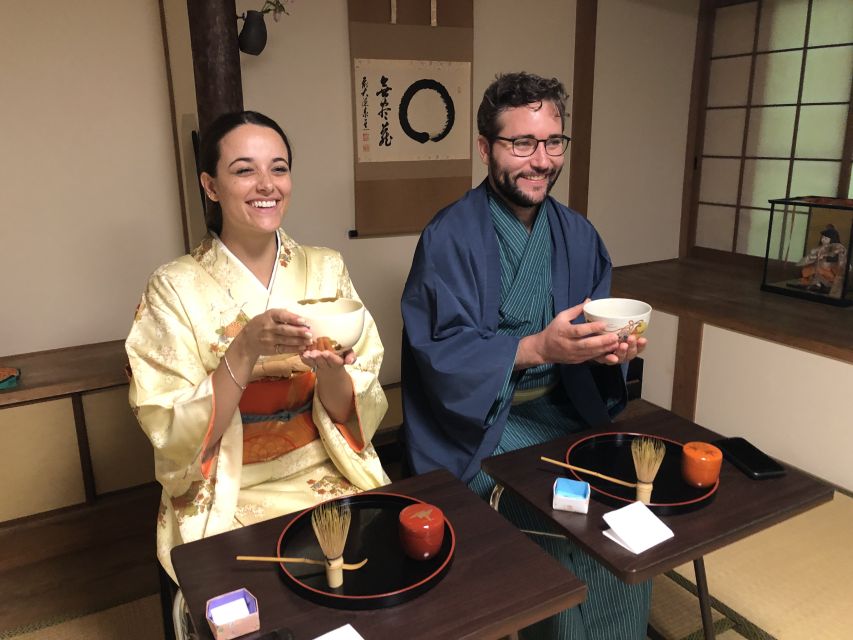
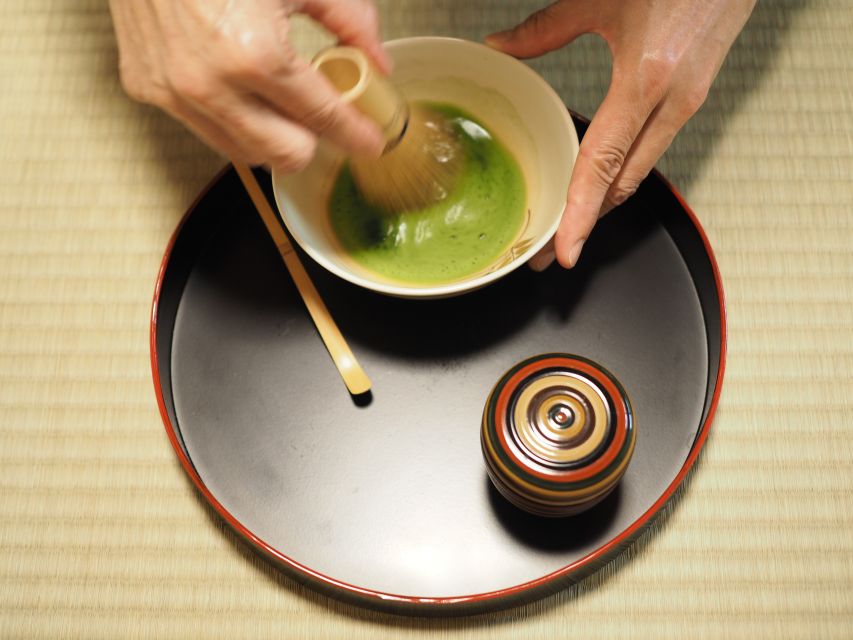
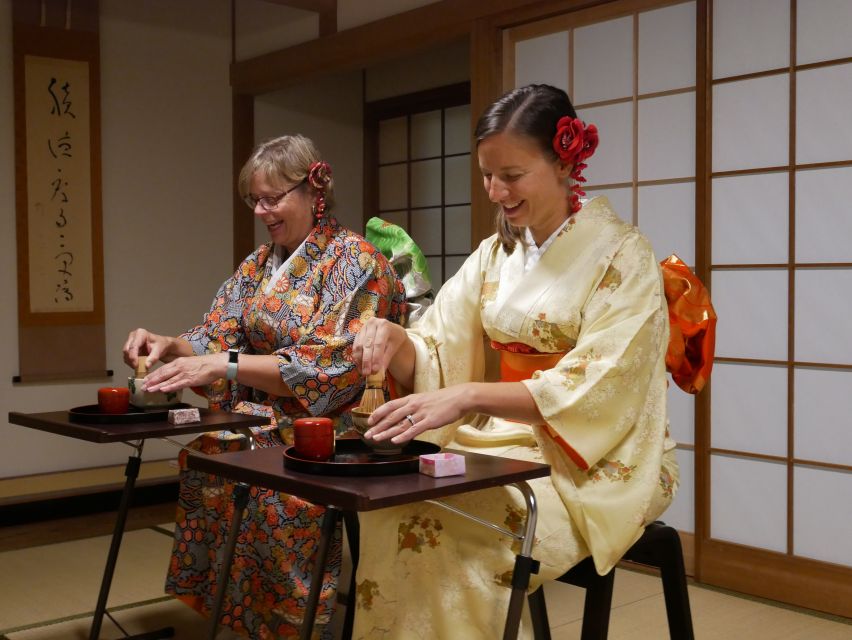
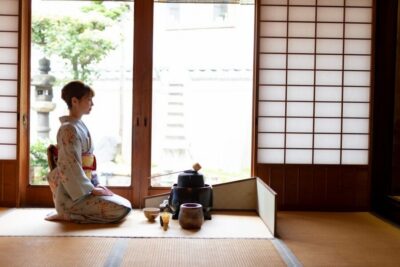
The tea ceremony is performed in Ryurei style, using a table and chairs rather than requiring you to sit on the floor. That makes the format more approachable, especially if you are unfamiliar with Japanese tea customs or find floor seating difficult.
The ceremony follows a set order. It begins with a greeting, then the tea master purifies the tools, prepares the matcha, cleans the utensils, and closes the ceremony. Each movement has a purpose, and the quiet sequence gives you a better sense of why Japanese tea preparation is about manners and attention, not only about drinking tea.
You receive two bowls of matcha tea and two types of sweets. The sweets balance the bitter taste of the tea and give you something to enjoy as you learn the correct way to drink it. You also get instruction in preparing matcha yourself, so the activity is not only a demonstration.
The tea ceremony is formal, but the English instruction keeps it understandable. English and Japanese are offered, and the staff explain the actions without making you feel that you need prior knowledge.
If you are looking for a full-length tea-school lesson, this is not that. It is a compact cultural introduction designed to fit into a Miyajima sightseeing day. Its value comes from seeing the entire sequence, trying the tea, and understanding the care behind each step.
Same place, a different morning at the gates:
- Osaka/Kyoto:Kinkakuji,Arashiyama,FushimiInariShrine,NaraPark
★ 4.1 · 1,596 reviews - Tokyo: Nikko Toshogu Shrine and Kegon Waterfall Tour
★ 4.5 · 1,266 reviews - Tokyo Panoramic 1 Day: Meiji Shrine, Asakusa, Odaiba and SKYTREE®
★ 4.5 · 1,222 reviews - Kyoto Arashiyama Walking Tour: Bamboo, Monkeys, Gardens & Secrets
★ 5.0 · 1,216 reviews
Practicing Japanese Calligraphy Step by Step
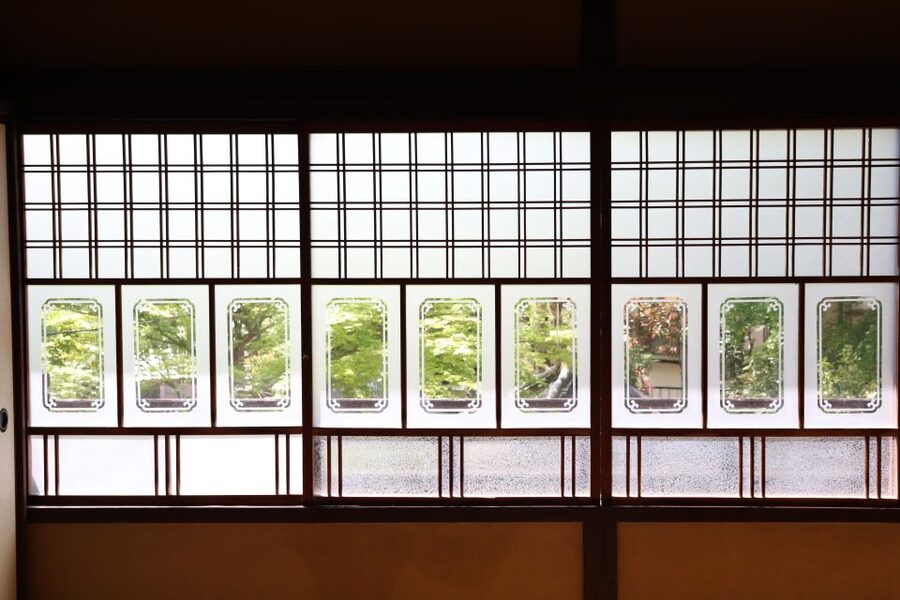
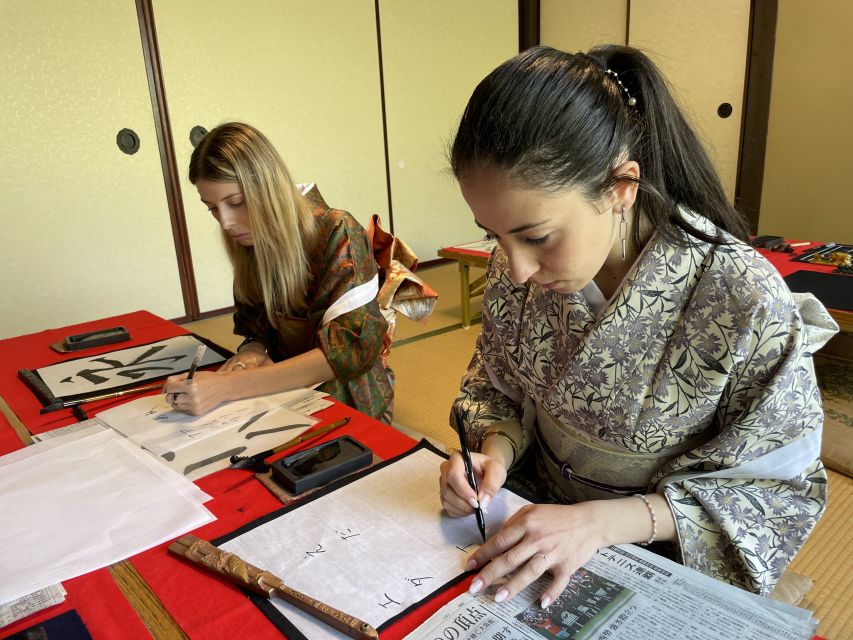
The calligraphy class gives you a practical souvenir rather than a mass-produced trinket. Your instructor first shows you how to draw the lines, then guides you through practice with one or more Kanji, the Chinese characters used in Japanese writing.
You have time to practice before working on your finished piece. The instructor can prepare a sample of your name, then help you write your name in Hiragana or Katakana. You sign the work in Japanese and wrap it so you can take it home safely.
This structure works well for beginners. You do not need to know Japanese, and you are not expected to produce perfect brushwork immediately. The process gives you a feel for pressure, line direction, and spacing. Calligraphy also provides a quiet contrast to the more social kimono and photo portion.
Families can find this especially rewarding. Children old enough to participate can practice on draft paper before creating their final work. The instructors are patient and offer step-by-step help, which takes pressure off anyone worried about making a mistake.
The finished piece is personal because you created it during the lesson. It may not look like professional calligraphy, and that is part of the charm. You take home evidence of the process, not just a souvenir purchased in a shop.
Making a One-of-a-Kind Temple Amulet
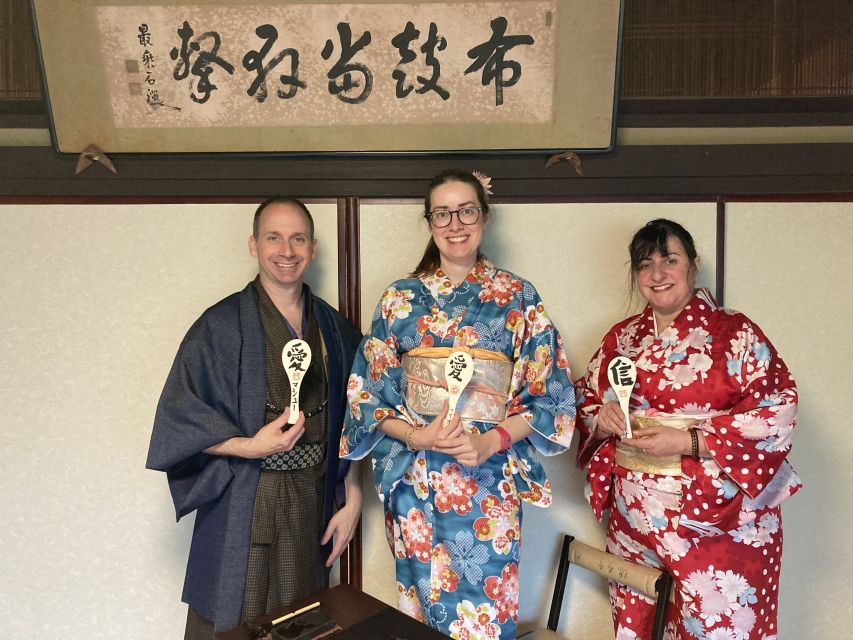
The amulet-making option offers a different kind of souvenir. You can choose from more than 300 amulet bags, each handmade from kimono fabric. After selecting the bag, you choose a Kumihimo cord, a braided cord tied in a special way.
You then choose a wish and write or stamp it onto a small rice scoop. The scoop, cord, and fabric bag are assembled into your own amulet. The activity ends with a greeting to Kinseki Jizou, the Buddha at the temple, to report that you have come to make a wish.
This option has more personal meaning than simply choosing a charm from a display. You make decisions about the fabric, cord, and wish, so the finished object belongs to your own visit. The kimono material also links the amulet to the larger clothing experience.
Amulet making takes place in the temple’s main hall. It can suit anyone who prefers a hands-on craft to writing practice. If your group has different interests, one person might prefer calligraphy while another chooses the amulet activity, depending on the package available.
Because the experience offers several combinations, confirm exactly what your booking includes. Some sessions combine kimono dressing, tea, calligraphy, and amulet making, while others focus on fewer activities.
What the $90 Price Gets You
At about $90 per person, this is not a bargain activity in the simple sense. You are paying more than the cost of a quick tea tasting or a rented kimono photograph. The price makes more sense if you plan to use the full experience, including dressing, instruction, photographs, and a handmade souvenir.
Two bowls of matcha, two types of sweets, calligraphy tools, staff assistance, and digital photographs are included. The value improves for couples and families who would otherwise pay separately for professional photographs, costume rental, and several small cultural activities.
The staff attention is another part of the cost. The kimono is chosen and arranged with help, the tea ceremony is explained, the calligraphy is corrected as you practice, and the amulet is assembled step by step. You are paying for instruction and care, not just materials.
I would be more cautious if you want only a quick photo opportunity. In that case, the one to two hours and $90 price may feel high. But if you want a calm cultural activity with tangible keepsakes, the package offers a good use of time on Miyajima.
Planning the Visit Around Miyajima
The experience lasts one to two hours, and starting times depend on availability. The meeting point may change according to the option booked, so check your confirmation carefully rather than assuming every session begins in the same place.
Plan to arrive with enough time to find the location and settle in. The activity involves changing clothes, receiving instructions, taking photographs, and completing one or more crafts. Arriving late may reduce your time for the garden or calligraphy, even though the staff have accommodated delayed arrivals in some cases.
Wear something that allows you to change without difficulty. You must remove your shoes inside the temple. Since mobility is limited by both the setting and the traditional clothing, this is not a good choice for anyone who needs step-free access or finds standing and changing difficult.
The lesson is available in English or Japanese. English ability has been praised by many people who took part, including visitors who needed detailed help with calligraphy and tea etiquette. Small groups are available, but group size depends on the selected booking.
Free cancellation is available up to 24 hours before the activity for a full refund. You can also reserve now and pay later, which helps if your Miyajima plans depend on weather or ferry timing.
Who Will Enjoy This Most
I would recommend this experience to first-time visitors who want more than sightseeing photographs. It gives you a clear introduction to several Japanese traditions without requiring a full day or specialist knowledge.
It works particularly well for:
- Couples who want shared photographs and a quiet cultural activity
- Families with children aged six and older
- Solo visitors who want staff-taken photographs
- Anyone interested in Japanese writing, tea, clothing, or handmade crafts
- Visitors spending only a few hours on Miyajima who want a structured activity
It may not suit you if you dislike formal procedures, do not want to change clothes, or have limited mobility. The tea ceremony requires attention and respect, while the kimono takes time to put on and wear.
The experience is also less suitable for very young children. Children under six cannot participate, and older children will enjoy it most if they can sit still, listen to instructions, and take care with the calligraphy tools.
Should You Book the Tokujuji Temple Experience?
Yes, if you want a friendly, well-guided introduction to Japanese culture with real keepsakes at the end. The combination of kimono dressing, garden photographs, matcha, calligraphy, and amulet making gives you plenty to remember without taking over your Miyajima day.
I especially recommend it for families and first-time visitors. The staff make each activity approachable, and the calm temple setting is a welcome change from the island’s busiest sights.
Book with two checks in mind: confirm which activities are included in your chosen option, and allow enough time around the one to two-hour session. If you can manage the shoes-off setting and have no mobility concerns, this is one of the more personal cultural experiences available on Miyajima.
FAQ
Where does the cultural experience take place?
The experience takes place at Tokujuji Temple on Miyajima in Japan’s Chugoku Region.
How long does the experience last?
The activity lasts about one to two hours. Starting times depend on availability.
How much does the experience cost?
The listed price is $90 per person.
Can I wear a kimono during the activities?
Yes. You can choose a kimono and receive help dressing in it. The exact activities included depend on the option you book.
Is the tea ceremony conducted in English?
The lesson is available in English or Japanese. English instruction is provided for the tea ceremony, calligraphy, and related activities.
What is included with the tea ceremony?
You receive two bowls of matcha tea and two types of sweets. You also learn how to drink the tea correctly and how to prepare it.
Can I take photographs during the experience?
Yes. You can take photographs in the Japanese garden, and staff also take pictures for you. The images are sent by email or AirDrop on site.
Can children participate?
Children under six cannot participate in the activities. The experience is also not suitable for people with limited mobility, and shoes must be removed before entering.
Just added around Japan
- Private guided tour: Mt. Aso volcano, grasslands, Aso Shrine★ 5.0 · 19 reviews
- Takayama Inari Shrine Tour with Private Transportation★ 5.0 · 5 reviews
- From Asakusa: Old Tokyo, Temples, Gardens and Pop Culture★ 5.0 · 47 reviews
- Goshuin Collecting tour at Asakusa Local Temples & Shrines, Tokyo★ 5.0 · 8 reviews
- :Tokyo,Shibuya /Meiji Shrine tour in KIMONO/English-friendly★ 5.0 · 4 reviews
- Tokyo: Snow Monkey and Zenkoji Temple Day Trip In Low Price★ 5.0 · 5 reviews
- Tokyo War History Tour: Yasukuni Shrine & War Museum★ 4.5 · 6 reviews
- Tokyo: Gotokuji Culture Walk & Lucky Cat Temple Experience★ 4.9 · 5 reviews
Japan Temple Tours, compared.
Osaka/Kyoto:Kinkakuji,Arashiyama,FushimiInariShrine,NaraPark
Read our review →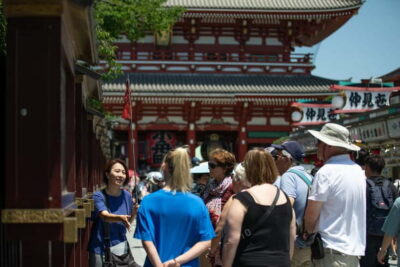
Asakusa Walking Tour with Sensoji Temple Visit
Read our review →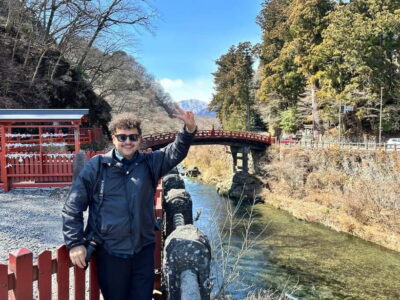

Nikko Toshogu Shrine and Kegon Waterfall Tour
Read our review →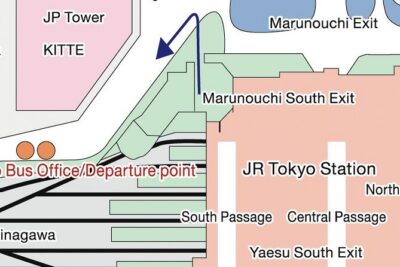
Tokyo Panoramic 1 Day: Meiji Shrine, Asakusa, Odaiba and SKYTREE®
Read our review →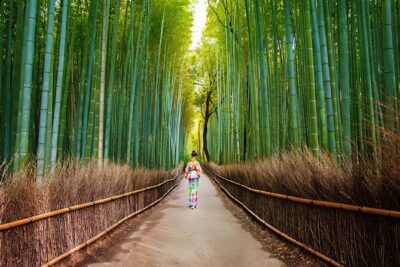
Kyoto Arashiyama Walking Tour: Bamboo, Monkeys, Gardens & Secrets
Read our review →
1-Day Snow Monkeys, Zenko-ji Temple & Sake in Nagano
Read our review →Browse the lists this tour appears in