
Review · TOKYO
Kamakura Temples Private Guided Tour from Tokyo
Kamakura packs centuries into one day. This private tour gives you a clear route from Tokyo to Hase Temple, the Great Buddha, and Tsurugaoka Hachimangu Shrine, with an English-speaking national government licensed guide to explain what you are seeing. I like the personal format and the chance to travel by train with a local guide rather than follow a large coach group. I also like that lunch and free time on Komachi Street are built into the day.
The main drawback is price. At $145 per person, you still pay separately for trains, temple entrances, lunch, and drinks. The tour can be good value for a first visit, especially if you want history explained and do not want to plan the route yourself, but it is not the cheapest way to see Kamakura.
Key points to know before booking
- Three major sights in one day: Hase Temple, Kotokuin Temple and its Great Buddha, plus Tsurugaoka Hachimangu Shrine.
- Private guiding: You travel with your own group and an English-speaking national government licensed guide.
- Train travel from Tokyo: The journey takes about 70 minutes each way, with additional local train travel in Kamakura.
- Real walking required: Expect about 3 to 4 kilometers on foot, plus station access and temple paths.
- Extra costs matter: Allow for public transport, 700 yen in listed temple admissions, lunch, and drinks.
- Guide quality shapes the day: Strong feedback has singled out guides including Steve, Mizuma-san, and Take for good organization and explanations.
Why Kamakura makes a fine day trip from Tokyo
Kamakura is close enough to reach by train, yet it feels removed from central Tokyo’s constant motion. The town brings together Buddhist temples, a major Shinto shrine, old religious symbols, and a lively shopping street. You get several important sights without spending the night away from Tokyo.
The route also gives you a useful contrast. Hase Temple offers gardens and devotional sculpture. Kotokuin gives you the famous outdoor Buddha. Tsurugaoka Hachimangu shifts the mood from Buddhism to Shinto and opens onto the center of Kamakura.
That mix is the real strength of the day. You are not visiting three similar religious sites. You are seeing different parts of Japan’s spiritual and political past, with a guide there to connect them.
The tour lasts about eight hours. Pickup can be arranged from your hotel, but the pickup and return are on foot. That detail matters. You are not getting a private car from your door to every temple. You meet the guide, walk to the station, ride public trains, and continue on foot between nearby sights.
More Nikko and Kamakura Day Trips in Tokyo:
- Nikko: Kegon Falls, Lake Chuzenji & Toshogu Temple
★ 4.6 · 1,577 reviews - Tokyo: Nikko Toshogu Shrine and Kegon Waterfall Tour
★ 4.5 · 1,266 reviews - From Tokyo: Nikko Toshogu Shrine and Kegon Waterfall Tour
★ 4.0 · 42 reviews
The train from Tokyo sets the pace
The trip begins at one of four listed pickup areas: Tokyo Station, Shinjuku Station, Tokyo, or Shinjuku City. The exact meeting point depends on your booking and hotel arrangements, so give the provider your hotel details if you want hotel pickup.
The train ride to Kamakura takes about 70 minutes. You should see this as part of the experience, not wasted time. A guide can help you understand the day’s route, answer questions, and keep the journey simple. The return trip takes about an hour.
Train costs are not included. The supplied information gives two figures: about 2,000 yen per person for public transport used by you and the guide, and about 1,200 yen for a one-way train ticket. Because those figures are not perfectly clear together, confirm the expected transport budget before you go.
This is also a public transport tour, so timing can shift with crowds and train connections. A private group gives you more flexibility than a large scheduled party, but it does not remove the realities of Japanese trains, station walking, or busy temple approaches.
Hase Temple and the eleven-faced Kannon
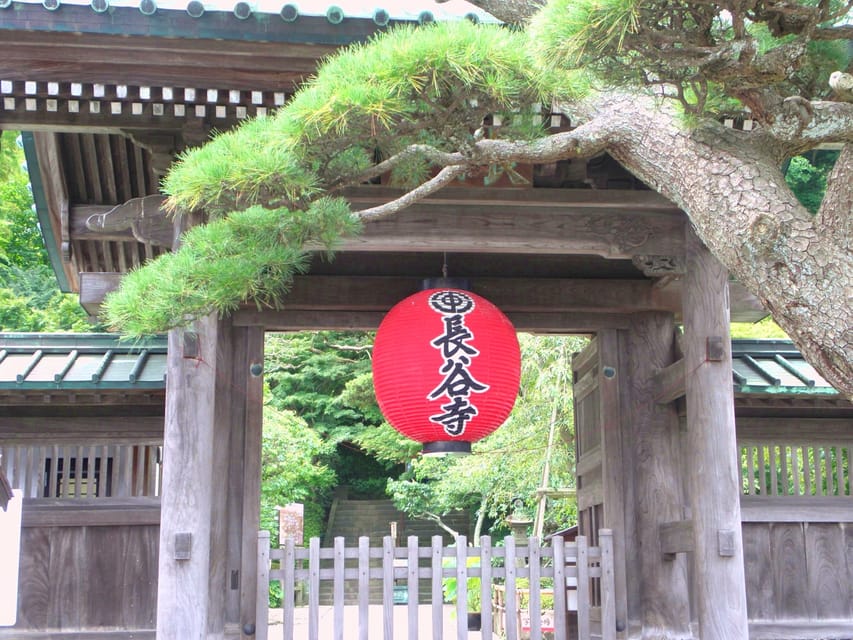
Hase Temple, or Hase-dera, is the first major stop. The planned visit lasts about 30 minutes, which is enough for an introduction and a quick look around, but not enough for a slow exploration of every corner.
The central focus is Hase Kannon, the Buddhist statue of Kannon, the Goddess of Mercy. The statue is described as eleven-faced, with the faces representing different stages in the search for enlightenment. That detail gives your guide a strong starting point for explaining Buddhist ideas in plain language.
Outside, the grounds include gardens and the Jizo-do Hall, where you can see hundreds of small Jizo Bodhisattva statues. These small figures create a very different mood from the large Kannon image. The gardens also give you a break from the formal interior setting.
I would pay close attention here if religious art interests you. The value is not only in taking a photo. It is in hearing why Kannon has multiple faces and how Jizo figures fit into Japanese Buddhist practice.
The admission fee for Hase Temple is 400 yen per person, not included in the tour price. Wear shoes that are comfortable for walking and standing. The day includes several stops, and temple grounds may include steps or uneven surfaces, though the supplied information does not give a detailed accessibility description.
Walking to Kotokuin and the Great Buddha
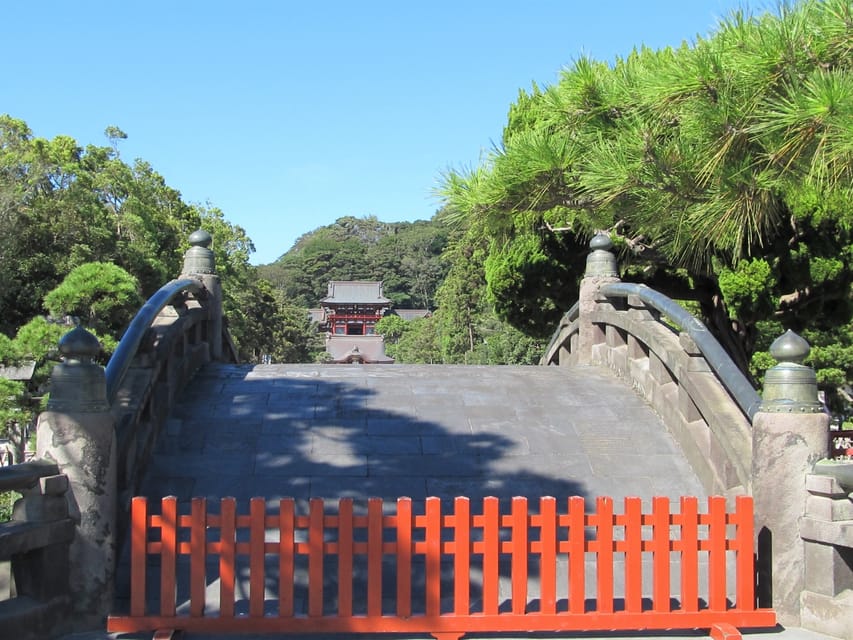
From Hase Temple, you walk about 10 minutes to Kotokuin Temple. This short connection is easy to understand on a map, but it adds to the day’s total walking. It is also one reason comfortable shoes belong at the top of your packing list.
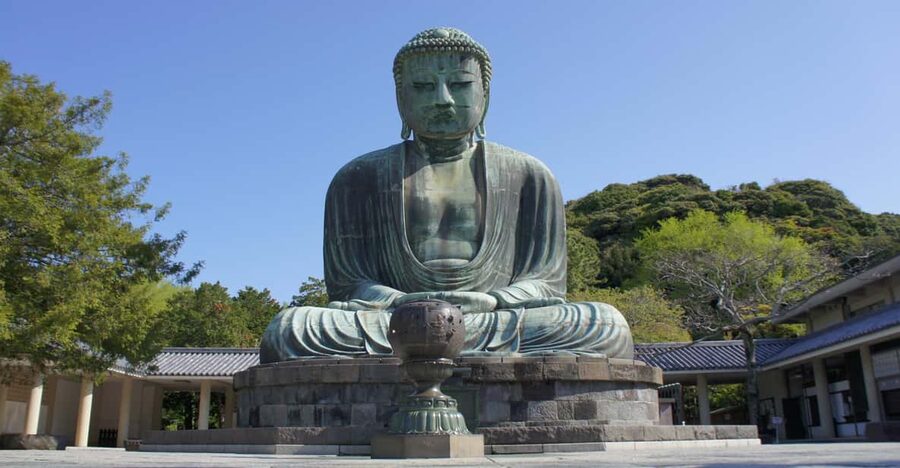
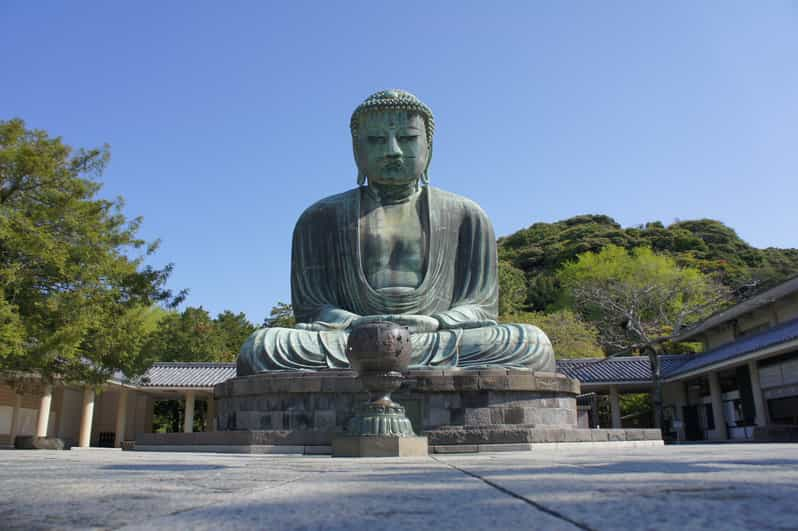
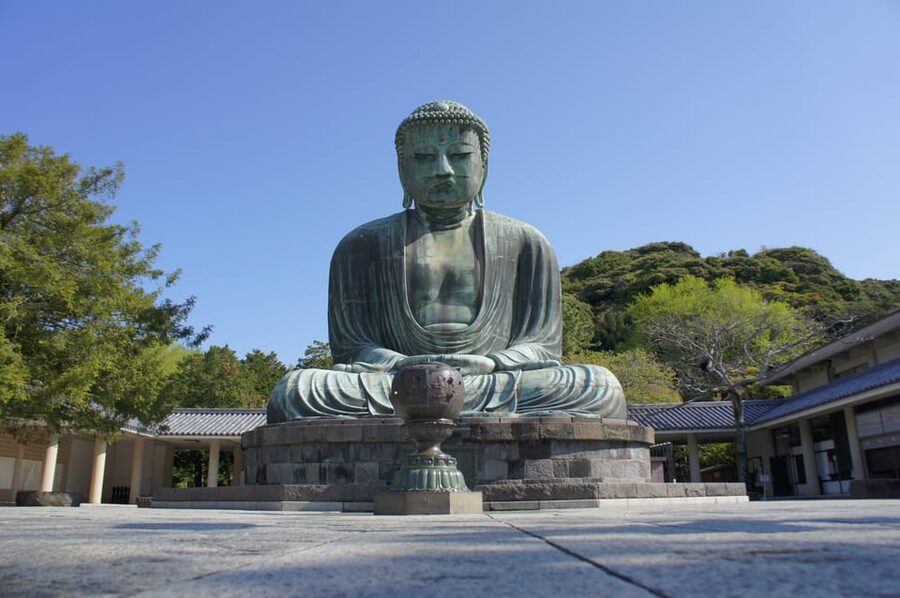
Kotokuin is home to Kamakura’s famous Great Buddha, an outdoor bronze figure about 13 meters high. The statue dates back to 1292 and is the visual centerpiece of the tour.
The Great Buddha works well as a stop because it is direct and easy to appreciate. You do not need a long lecture to understand its scale. Still, a good guide can add useful context about its age, religious role, and place in Kamakura’s story.
The scheduled visit is about 30 minutes. That allows time for photos, a guided explanation, and a little space to take in the statue. If you want a very slow visit or extensive photography, the fixed schedule may feel short.
Admission to Kotokuin is 300 yen per person. This is another small cost, but it is worth adding up before booking. The two listed temple entrances total 700 yen per person, before transport, food, and drinks.
A few more temple visits around Tokyo worth a look
- Tokyo: Asakusa Walking Tour with Sensoji Temple Visit
★ 4.8 · 1,583 reviews - Tokyo Panoramic 1 Day: Meiji Shrine, Asakusa, Odaiba and SKYTREE®
★ 4.5 · 1,222 reviews - Tokyo: Zen Meditation at a Private Temple with a Monk
★ 5.0 · 510 reviews - Mt. Fuji Heritage Tour: Traditional Villages, Lakes & Shrine
★ 4.5 · 509 reviews
Lunch and Komachi Street
After the religious sites, the tour moves by train and heads toward Tsurugaoka Hachimangu Shrine, followed by about 1.5 hours around Komachi Street for lunch, shopping, and free time. The order described for the day places the shrine before the longer Komachi Street break.
Lunch is at a Japanese restaurant in Kamakura, but the specific restaurant and menu are not fixed in the supplied details. Lunch and drinks are not included, and you also pay for the guide’s food if the guide eats with you. Ask how that arrangement works before ordering so there are no surprises.
The Komachi Street stop is useful because it gives you a change of pace. After temples and shrine buildings, you have time to eat, browse, and choose how to spend part of the afternoon. One booking praised the lunch and green tea, which suggests that the food break can become a pleasant part of the day when the guide chooses well.
Still, this is not a dedicated food tour. You should think of lunch as a practical and enjoyable pause, not a carefully planned tasting menu. The free time also gives the day some breathing room, which is welcome after several guided stops.
Tsurugaoka Hachimangu and Kamakura’s center
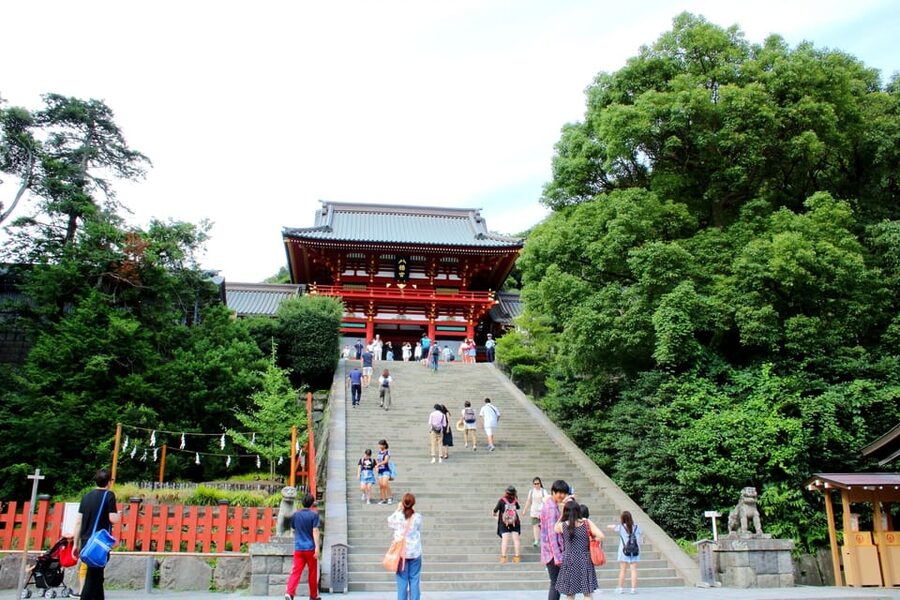
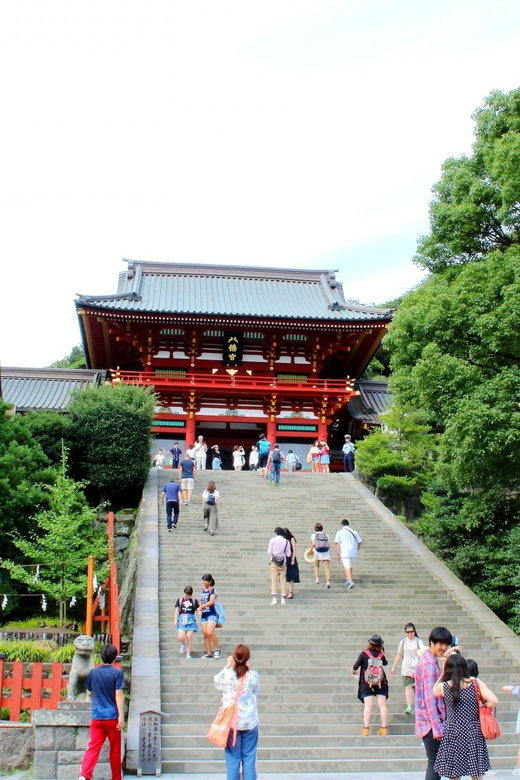
Tsurugaoka Hachimangu is Kamakura’s most important Shinto shrine and sits at the city’s geographical center. It was built in 1063 and is dedicated to Emperor Ojin, also known as the God of War.
The visit is scheduled for about 30 minutes. That is enough to see the main complex and hear the basic story, but the site deserves your attention. Notice the difference between this shrine and the Buddhist temples earlier in the day. The setting, symbols, and religious traditions are not the same, and a guide can help you avoid treating all Japanese sacred places as interchangeable.
This is where the guide’s skill matters most. One highly praised guide, Take, used maps and pictures to explain Kamakura’s past. Another guide, Mizuma-san, received strong praise for explaining Japanese history and culture to a family. Steve was praised for organizing the day well and adding green tea to the experience.
Those names do not guarantee who will lead your tour. The guide assigned to you may be different. They do show the kind of service you should hope for: not just walking from gate to gate, but explaining what the buildings, figures, and ceremonies mean.
How much walking and time should you expect?
The stated walking distance is 3 to 4 kilometers. That figure does not include every step inside stations, along platforms, through temple grounds, or around Komachi Street. You should treat the day as an active sightseeing outing.
The schedule includes:
- About 70 minutes by train from Tokyo to Kamakura
- Around 30 minutes at Hase Temple
- About 10 minutes on foot to Kotokuin
- Around 30 minutes at Kotokuin
- About 10 minutes by local train
- Around 30 minutes at Tsurugaoka Hachimangu
- About 1.5 hours for lunch, shopping, and free time on Komachi Street
- About one hour by train back to Tokyo
The tour returns to Tokyo around 4 or 5 pm. Exact timing depends on the start time and transport conditions.
The short temple visits keep the route moving, but they also limit your freedom. If you prefer to sit quietly in gardens, study every architectural detail, or take many photos, you may want a slower independent day. If you want the key sights and useful explanations in one outing, the pace is more suitable.
Is $145 per person good value?
The answer depends on what you want to buy. You are paying for a private group, an English-speaking licensed guide, route planning, train coordination, and a full day focused on Kamakura. You are not paying for an all-inclusive package.
At $145 per person, add these listed costs:
- Public transport for you and the guide, around 2,000 yen per person as stated
- Hase Temple admission, 400 yen
- Kotokuin admission, 300 yen
- Lunch and drinks
- The guide’s meal, if your group is expected to cover it
That means the final cost is noticeably higher than the headline price. One low-scoring booking felt the price was excessive because nearly every direct expense remained separate and the explanations were not detailed enough. That is the central value warning here.
On the other hand, a strong guide can save you time and add meaning that an audio guide or quick solo visit may not provide. Families and first-time visitors may find that useful. A private setup also makes it easier to ask questions, adjust the conversation, and move through crowded areas.
The best value comes when your guide is active and informative. Before the day begins, tell the guide what interests you most: Buddhist art, Shinto practice, military history, architecture, food, or photography. That gives the paid guiding time a clear purpose.
Crowds, guide quality, and what can change the day
Kamakura can be crowded. One booking took place on a very busy day, yet the guide managed to move the group between the important sights. That is a real benefit of having someone who knows the route.
Crowds can also reduce the calm that you hope to find at famous temples. Do not expect every moment to feel quiet or private simply because your group is private. The private format means your party is small, not that the sites belong to you.
Guide quality is the biggest variable. Several guides connected with high praise were described as experienced, well organized, and good at explaining history and culture. One low-scoring experience felt that the guide was kind and accommodating but did not provide enough information.
That split tells you what to clarify. Ask at the start whether you want detailed explanations at each site. If the guide knows your interests, the day is more likely to feel like a guided cultural visit rather than a paid escort service.
Who should book this Kamakura tour?
I would recommend it to first-time visitors staying in Tokyo who want to see the three best-known Kamakura sights without building a route from scratch. It also suits families or private groups that value a flexible conversation and help with trains.
You may also like it if you want a broad introduction rather than a specialist temple study. The route gives you Buddhist sculpture, an outdoor Buddha, Shinto worship, local food time, and a shopping street in one day.
I would think twice if you are watching every yen, dislike paying separate entrance fees, or prefer a slow pace. Independent visitors can reach these places by train and pay only for transport and admissions. You would lose the guide’s explanations and route support, but you would gain control over timing.
Bring comfortable shoes. Plan for 3 to 4 kilometers of walking, plus station movement. Keep extra money ready for transport, entrances, lunch, and drinks. Free cancellation is available up to 24 hours before the tour, and you can reserve now and pay later, which helps if your Tokyo plans are still shifting.
Final verdict: book it for guidance, not for low cost
This is a well-shaped Kamakura day trip with three meaningful stops and enough free time for lunch and Komachi Street. I especially like the contrast between Hase Kannon, the Great Buddha, and Tsurugaoka Hachimangu. The train ride also keeps the outing tied to ordinary Japanese travel rather than placing you behind a coach window.
I would book it if you want a private guide to explain the religious sites and manage the route. I would skip it if the $145 price feels high before extra costs, or if you are happy navigating trains and temples yourself. Ask for a guide who will give detailed cultural explanations, then the fee has a better chance of feeling worthwhile.
FAQ
How long does the tour last?
The tour lasts about eight hours. Return to Tokyo is expected around 4 or 5 pm, depending on the starting time and transport.
Where can pickup take place?
The listed pickup areas are Tokyo Station, Tokyo, Shinjuku Station, and Shinjuku City. Hotel pickup may be arranged if you provide your hotel details.
Is hotel pickup included?
Hotel pickup and drop-off are included on foot. The guide does not provide private vehicle transport.
How do you travel from Tokyo to Kamakura?
You travel by train. The journey to Kamakura takes about 70 minutes, and the return journey takes about one hour.
Are train fares included?
No. Public transportation costs for you and the guide are separate. The provided information estimates around 2,000 yen per person and also notes that one-way train tickets cost around 1,200 yen.
Which temples and shrine are included?
The tour visits Hase Temple, Kotokuin Temple, and Tsurugaoka Hachimangu Shrine.
How much are the temple entrance fees?
Hase Temple costs 400 yen per person, and Kotokuin Temple costs 300 yen per person. These fees are not included.
Is lunch included?
No. Lunch and drinks are separate. The tour includes about 1.5 hours for lunch, shopping, and free time on Komachi Street.
How much walking is involved?
The tour includes about 3 to 4 kilometers of walking. Comfortable shoes are recommended.
Is the tour private and what language is offered?
Yes. It is a private group tour with a live English-speaking guide. The guide is described as a national government licensed guide interpreter.
Just added around Tokyo
- :Tokyo,Shibuya /Meiji Shrine tour in KIMONO/English-friendly★ 5.0 · 4 reviews
- Tokyo: Snow Monkey and Zenkoji Temple Day Trip In Low Price★ 5.0 · 5 reviews
- Tokyo War History Tour: Yasukuni Shrine & War Museum★ 4.5 · 6 reviews
- Tokyo: Gotokuji Culture Walk & Lucky Cat Temple Experience★ 4.9 · 5 reviews
- Tokyo: Shibuya Sky, Harajuku & Meiji Shrine Highlights Tour★ 4.5 · 9 reviews
- Tokyo: Visit 5 Shrines & Collect Goshuin on Private Tour★ 5.0 · 3 reviews
- Tokyo: Sensoji Temple & Street Food: Private Tour with guide★ 4.6 · 8 reviews
- Tokyo’s Kitchen: Tsukiji Market Food & Culture Walk★ 4.7 · 74 reviews
Nikko & Kamakura Day Trips, compared.

Nikko Toshogu Shrine and Kegon Waterfall Tour
Read our review →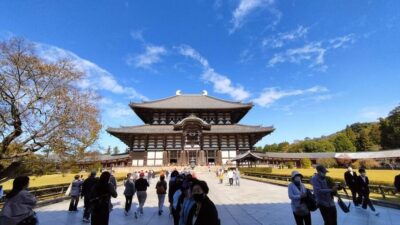
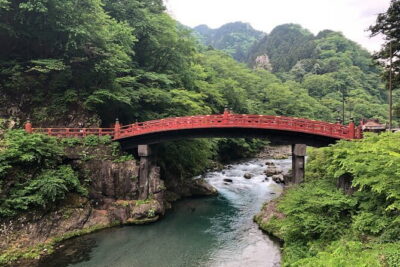
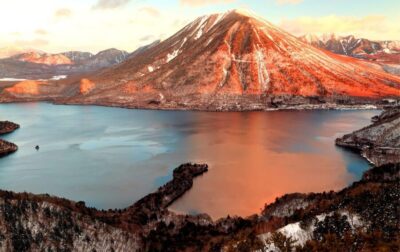
Tokyo Nikko Toshogu Shrine Iroha-zaka Lake Chuzenji Day Tour
Read our review →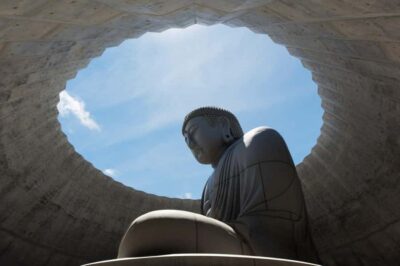
Sopporo: Hokkaido Shrine and Atama Daibutsu Full-Day Tour
Read our review →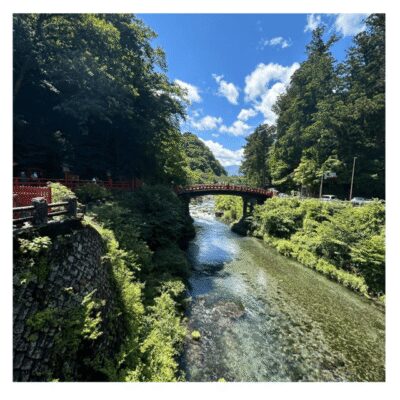
Browse the lists this tour appears in