
Review · JAPAN
From Myoko Kogen: Snow Monkey Park and Zenkoji Temple Tour
Snow monkeys steal the show. This full-day outing combines Jigokudani Snow Monkey Park with Zenkoji Temple, a local hotpot lunch, and sake tasting, giving you a useful mix of wildlife, food, religion, and regional culture. I especially like the small group size and the guides, including Endo, Dillon, and Kieron, who are praised for their local insight and friendly care. The main drawback is the forest walk: snow and ice are common, and the route is not suitable for wheelchair users or anyone with serious mobility limits.
I also like that transport, park entry, lunch, and the guided sake tasting are bundled into the $153 price. You get a lot in eight hours, but it is a packed day, with early pickups, a 1.6-kilometre unpaved trail, and a return to Myoko Kogen or Madarao Kogen around 19:05.
Key points at a glance
- Snow monkeys in a natural hot spring: See wild Japanese macaques close up, with no barrier separating you from them.
- A winter walk with real conditions: The 1.6-kilometre forest trail can be snowy or icy from mid-December through early April.
- Nagano-style hotpot lunch: The menu changes by season, with vegetarian and gluten-free choices available.
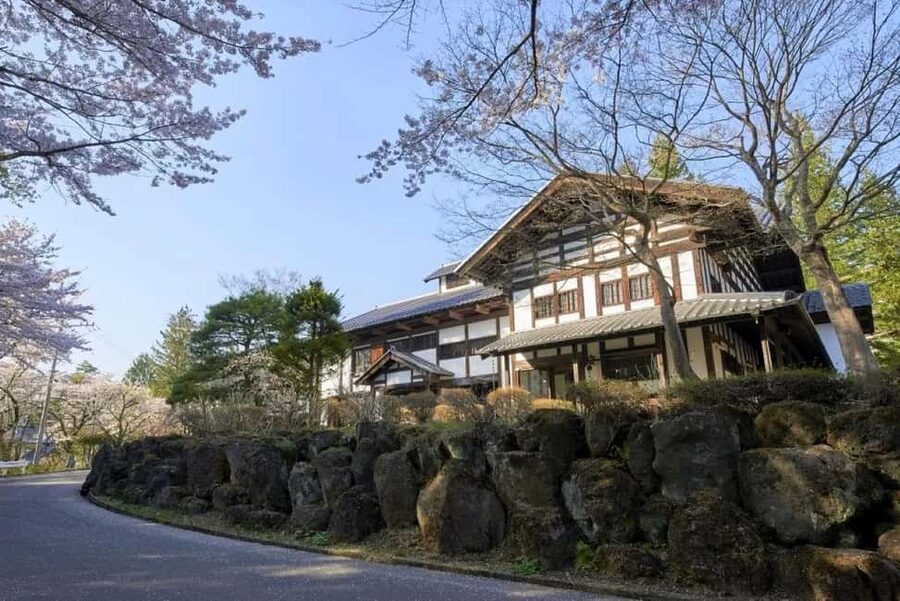
- Zenkoji Temple at a useful pace: Hear the temple’s story, then enjoy free time for shops and local food nearby.
- Small groups and strong guiding: The tour is limited to 10 people and runs in English.
- Sake tasting with a non-alcoholic option: The final stop is at Yoshinoya Sake Brewery, and alcohol is only for people aged 20 or older in Japan.
Why this makes a good Nagano day trip
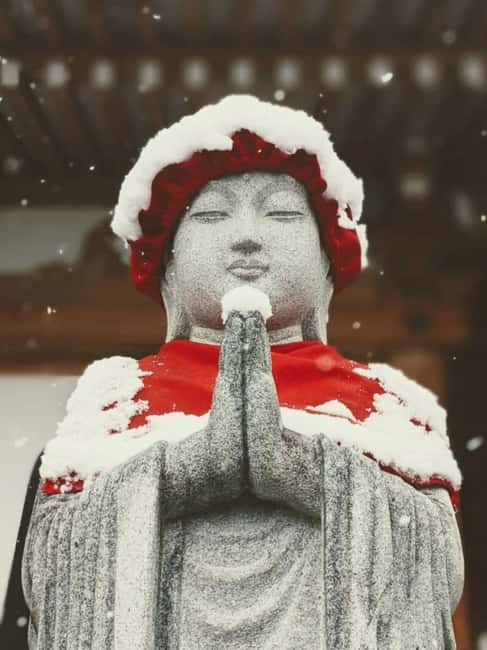
Myoko Kogen is a fine base for snow activities, but it is not the easiest place from which to arrange a full day in Nagano on your own. This tour removes the transport puzzle and joins three very different experiences: wild monkeys, a substantial regional meal, and one of Japan’s best-known Buddhist temples.
The $153 price is not cheap, but it covers round-trip transport from several Myoko and Madarao pickup points, park admission, lunch, a live English-speaking guide, and sake tasting. If you had to arrange the same day with separate transport and entry fees, you would also spend time managing connections and finding your way around.
The strongest reason to book is the guide. Endo is praised for being friendly, flexible, and full of local information. Dillon is noted for explaining Japanese culture and traditions clearly, while Kieron is described as especially helpful and well informed. That matters here because both Jigokudani and Zenkoji Temple reward context. Without it, you see monkeys in a pool and a large temple. With it, the day has a much clearer story.
The group limit of 10 is another plus. You should find it easier to hear the guide, ask questions, and move through the day than you would with a large coach party. Still, this is not a lazy sightseeing day. You leave in the morning, walk on an uneven trail, eat on a set schedule, visit the temple, and return after sunset in winter.
A few more temple visits around Japan worth a look
- 1-Day Snow Monkeys, Zenko-ji Temple & Sake in Nagano
★ 5.0 · 1,020 reviews - Nagano: Snow Monkeys, Zenkoji Temple & Sake Day Trip
★ 4.9 · 833 reviews - From Tokyo: Private Tour Snow Monkey Park & Zenko-ji Temple
★ 4.7 · 184 reviews
Morning pickups from Myoko Kogen and Madarao
The first pickup is at 08:40 from the Akakura Hot Spring Sightseeing Information Center. A second stop follows at 08:50 at the Akakura Kanko Resort bus stop, with Hotel Madarao also included among the pickup points.
Your exact meeting place depends on the option you book, so check that detail carefully before setting out. The tour then heads toward the Snow Monkey Park, arriving at about 10:30. The schedule gives you a practical morning start, though you should be ready before the stated pickup time and dressed for winter conditions.
Round-trip transport is one of the tour’s most useful features. You do not need to worry about finding the park entrance, locating the temple district, or arranging a return from Nagano. The tradeoff is that you follow the group’s timetable rather than choosing how long to spend at each stop.
Walking the forest trail into Jigokudani
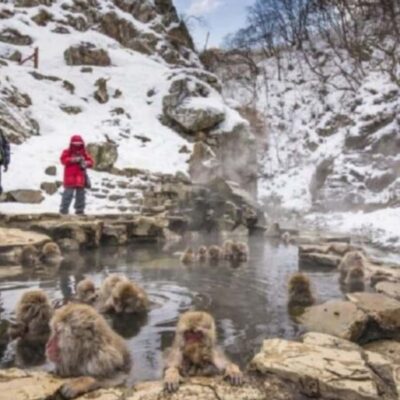
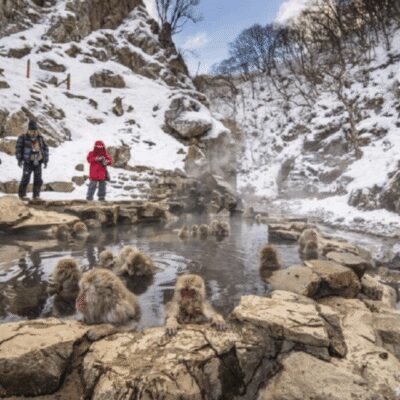
The name Jigokudani means Hell’s Valley, a reference to the area’s volcanic steam and hot springs. From the arrival point, you walk about 1.6 kilometres, or one mile, along an unpaved forest trail before reaching the monkey park.
This is the part of the day where sensible clothing matters most. From mid-December to early April, snow and ice are likely. Rental boots and shoe spikes are available, which can make the route more manageable, but you should still expect a proper winter walk rather than a smooth paved promenade.
I would wear warm layers, waterproof footwear, and gloves that still let you handle a camera. Take care on slippery sections and avoid carrying more than you need. The walk is not suitable for wheelchair users, and the tour is a poor fit if you have difficulty walking on uneven ground.
The route itself is part of the appeal. You move from the ordinary resort setting into a wooded volcanic valley, with steam helping explain why this place became famous. The setting feels much more memorable than a wildlife enclosure because the monkeys live in their own habitat.
Meeting the wild snow monkeys
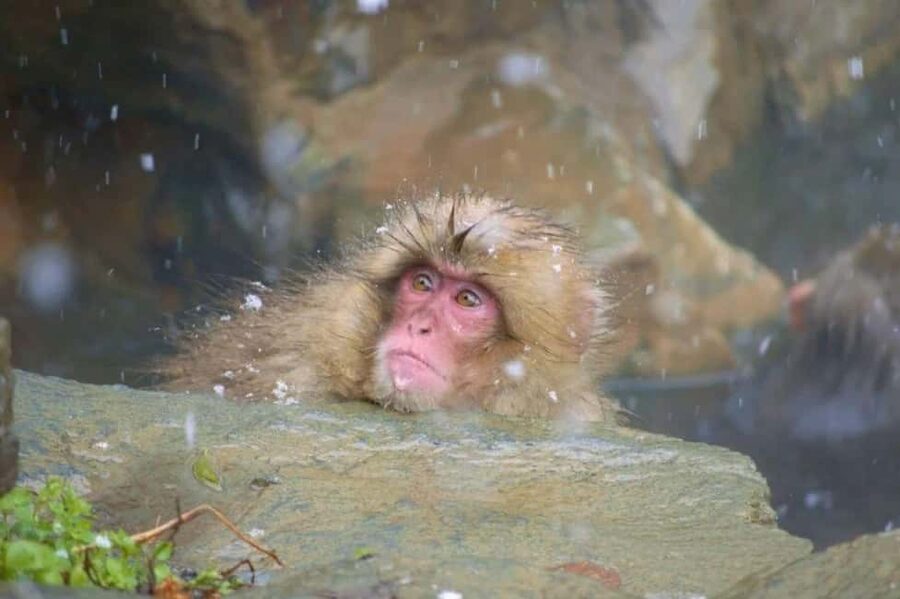
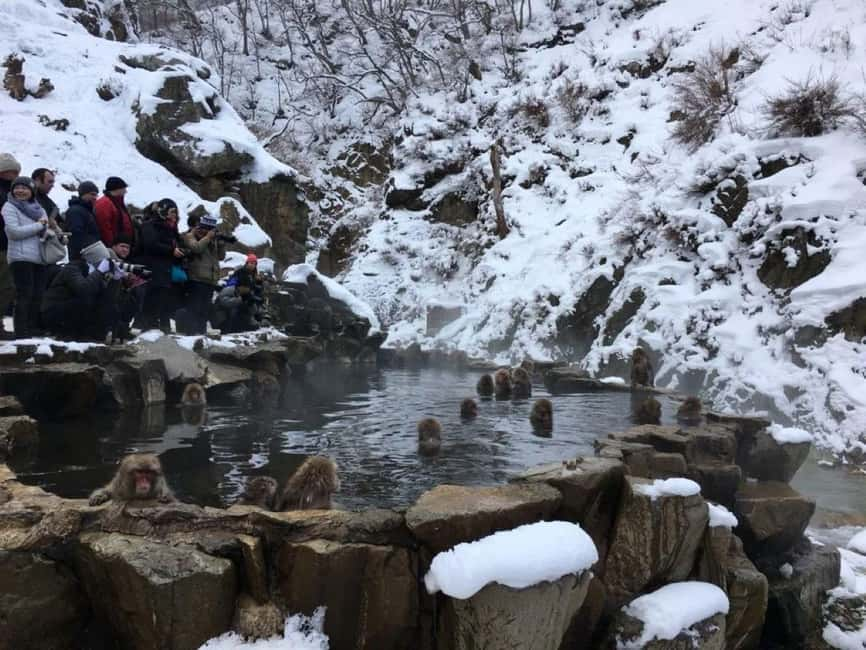
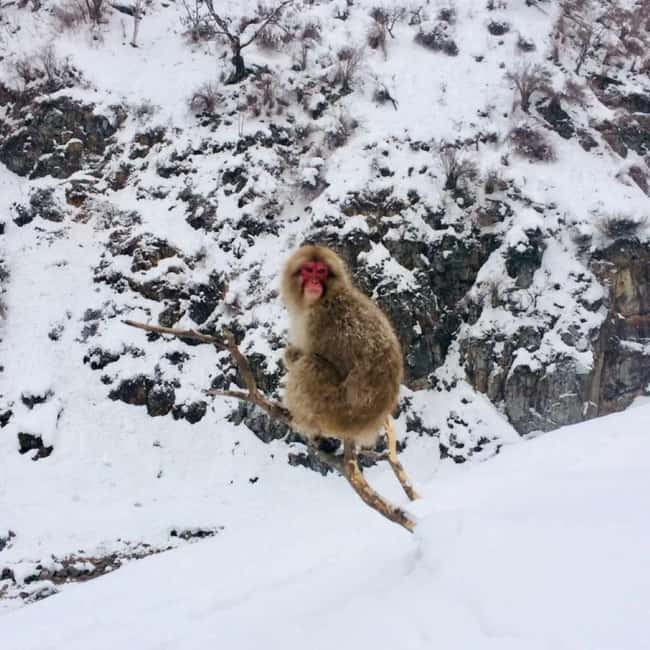
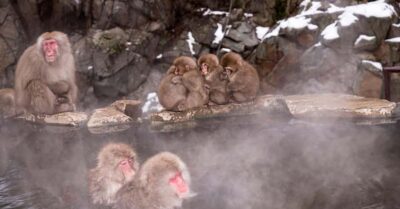
Jigokudani is known for Japanese macaques that warm themselves in natural hot springs during winter. The park allows you to see them up close, with no barrier between you and the animals.
That closeness is special, but it also requires restraint. These are wild monkeys, not trained performers. You must follow the park’s rules, keep your distance as required, and avoid treating the animals like pets. The guide helps you understand how to watch without getting in the way.
Winter is the best season for the classic hot spring scene, but a bath is never guaranteed. The monkeys may be nearby without sitting in the water, and nature does not follow a photo schedule. The tour information is clear about this, so you should arrive ready for a wildlife encounter rather than a guaranteed postcard image.
If the monkeys are bathing, you may see them sit quietly in the steam, groom one another, or move around the pool. If they are not in the water, the park can still offer close views of their behavior in the surrounding area. Bring a camera, but keep your attention on the animals instead of spending the whole visit looking at a screen.
After the park, you walk back along the same general route before continuing to lunch. Allow extra energy for the return walk. The distance may sound modest, but snow, ice, and winter clothing can make it feel longer.
Same place, a different morning at the gates:
- Kyoto: Tea Ceremony Ju-An at Jotokuji Temple
★ 4.9 · 3,207 reviews - Osaka/Kyoto:Kinkakuji,Arashiyama,FushimiInariShrine,NaraPark
★ 4.1 · 1,596 reviews - Tokyo: Asakusa Walking Tour with Sensoji Temple Visit
★ 4.8 · 1,583 reviews - Nikko: Kegon Falls, Lake Chuzenji & Toshogu Temple
★ 4.6 · 1,577 reviews
A hotpot lunch with Nagano flavors
Lunch is built around a comforting winter hotpot made with fresh local ingredients. The restaurant and menu change by season, so you should not assume the exact dish shown in promotional photographs will be served.
That flexibility is a good sign for a regional meal. Nagano’s cold climate makes a hot, filling lunch especially welcome after the forest walk, and the meal gives you a taste of local cooking rather than a generic stop designed only to keep the schedule moving.
Vegetarian and gluten-free options are available. If you have dietary needs, make sure they are recorded when booking and confirm them with the guide or restaurant. Infants aged 0 to 5 may join free, but they do not receive a tour lunch. You can order food for an infant directly at the restaurant.
Additional food, snacks, and drinks are not included. Local wine, sake, and beer can be ordered and paid for directly at the counter. I would treat these as extras rather than part of the core value, since the day already includes a later sake tasting.
Zenkoji Temple and Nagano’s old religious center
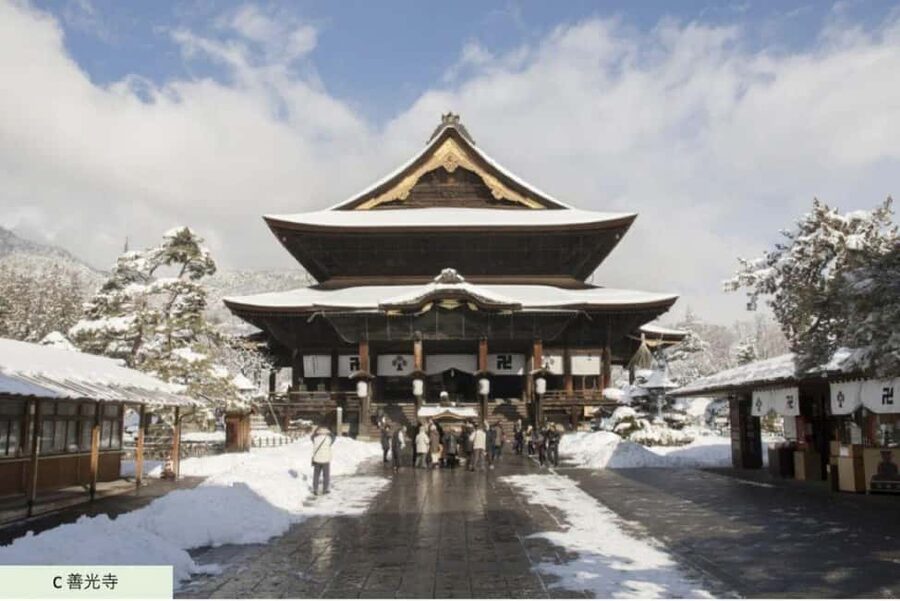
After lunch, the tour continues to Zenkoji Temple, one of Japan’s most important Buddhist sites. Its origins date to 642, and it is traditionally associated with Japan’s first Buddha statue.
The guide explains the temple’s history and legends before giving you free time to explore. This balance works well. You get enough background to understand what you are seeing, but you are not kept in a tight guided line for every minute of the visit.
Zenkoji is more than one building. The surrounding district includes small shops and places to sample local food, giving you time to wander at your own pace. You can use this break to browse, take photographs, or simply slow down after the active monkey park visit.
Entry to the temple’s inner sanctuary is optional and is not included. If that particular religious experience matters to you, budget for the extra fee. If not, the temple grounds and surrounding area still give you a meaningful stop without forcing another charge into the tour price.
The temple visit also gives the day a useful change of mood. Jigokudani is about animals and volcanic nature. Zenkoji turns your attention to faith, legends, architecture, and the long religious life of Nagano.
Sake tasting at Yoshinoya Sake Brewery
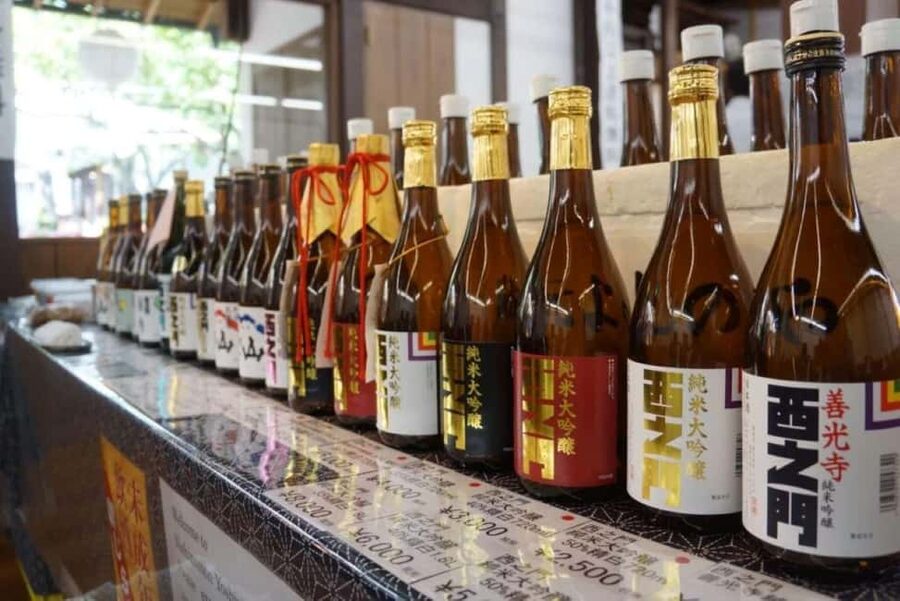
The final planned stop is a guided sake tasting at Yoshinoya Sake Brewery near Zenkoji Temple. This is a small but worthwhile way to connect the temple visit with local food culture.
The tasting is included, and you do not need to be a sake expert. The guide can help explain what you are sampling and place it in the context of Nagano’s regional drinks. If you do not drink alcohol, non-alcoholic options are available.
Japanese law sets the drinking age at 20, so only people aged 20 or older may consume alcohol during the tasting. Remember that the tasting is not a license to overdo it. You still have a bus ride back to the resorts, and the day has already included a winter walk and a full meal.
The location near the temple is convenient because it avoids sending you across the city for a separate activity. It also gives the afternoon a clear finish before the return journey.
The return to Myoko Kogen and Madarao
You rejoin the group at about 16:45 and board the bus back to the original pickup areas. Drop-offs happen in reverse order, with arrival expected around 19:05.
That timing makes this a full eight-hour commitment. You will lose most of the daylight in winter, but the schedule allows you to fit the monkey park and Zenkoji into one day without changing hotels or handling public transport connections.
The ride back is also why I would keep the evening simple. After the early start and cold-weather walking, you may prefer a quiet dinner near your accommodation rather than another major activity.
What to bring and who should book
Bring warm layers, waterproof shoes, gloves, and a camera. Shoe spikes or rental boots may help if the trail is icy. You should also carry any small snacks or drinks you want between the included meal and the return trip.
This tour suits you best if you want a guided introduction to Nagano from a Myoko or Madarao base. It is especially useful for first-time visitors who want nature and culture in the same day, without sorting out several transport links.
It may not suit you if you want a slow temple visit, dislike fixed schedules, or have mobility problems. The forest trail is unpaved, and the tour specifically excludes wheelchair access. Families can bring young children, but infants do not receive lunch, and the winter trail still requires care.
Free cancellation up to 24 hours before departure and the option to reserve now and pay later make the booking less risky when weather or ski plans are uncertain. The booking deadline is one hour before the first pickup, so last-minute planning is limited.
Should you book this $153 tour?
I would book this tour if you are staying in Myoko Kogen or Madarao Kogen and want a well-organized day beyond the ski slopes. The best value comes from the combination of transport, admission, lunch, guiding, and tasting, not from any single stop alone.
You should book with realistic expectations: the monkeys may not be bathing, the trail may be snowy, the lunch menu may change, and the day will feel busy. If you are comfortable with those limits, this is a strong small-group outing, particularly because guides such as Endo, Dillon, and Kieron bring useful local explanation to places that can otherwise seem disconnected.
Skip it if you need step-free access or prefer to explore at your own pace. For most active visitors who want a practical taste of Nagano’s wildlife, temple culture, and local food, this tour packs a lot into one winter day.
FAQ
Where does the tour depart from?
Pickup points include the Akakura Hot Spring Sightseeing Information Center at 08:40, the Akakura Kanko Resort bus stop at 08:50, and Hotel Madarao. The meeting point can vary by booking option.
How long does the tour last?
The experience lasts about eight hours. Pickups begin in the morning, and the return to Myoko Kogen and Madarao Kogen is expected around 19:05.
Is transportation included?
Yes. Round-trip transportation from Myoko Kogen and Madarao Kogen is included.
Is lunch included?
Yes. Lunch is included and features a seasonal winter hotpot made with local ingredients. Vegetarian and gluten-free options are available.
Are the monkeys guaranteed to be bathing?
No. The monkeys are wild, so seeing them in the hot springs is not guaranteed, even though winter is a common bathing season.
How far is the walk to the Snow Monkey Park?
The walk to and from the park covers about 1.6 kilometres along an unpaved forest trail. Snow and ice are likely from mid-December to early April.
Is the tour suitable for wheelchair users?
No. The tour is not suitable for wheelchair users or people with significant mobility issues because of the uneven forest trail.
Is the sake tasting suitable for non-drinkers?
Yes. Non-alcoholic options are available. You must be at least 20 years old to consume alcohol in Japan.
Just added around Japan
- Private guided tour: Mt. Aso volcano, grasslands, Aso Shrine★ 5.0 · 19 reviews
- Takayama Inari Shrine Tour with Private Transportation★ 5.0 · 5 reviews
- From Asakusa: Old Tokyo, Temples, Gardens and Pop Culture★ 5.0 · 47 reviews
- Goshuin Collecting tour at Asakusa Local Temples & Shrines, Tokyo★ 5.0 · 8 reviews
- :Tokyo,Shibuya /Meiji Shrine tour in KIMONO/English-friendly★ 5.0 · 4 reviews
- Tokyo: Snow Monkey and Zenkoji Temple Day Trip In Low Price★ 5.0 · 5 reviews
- Tokyo War History Tour: Yasukuni Shrine & War Museum★ 4.5 · 6 reviews
- Tokyo: Gotokuji Culture Walk & Lucky Cat Temple Experience★ 4.9 · 5 reviews
Winter Activities, compared.

1-Day Snow Monkeys, Zenko-ji Temple & Sake in Nagano
Read our review →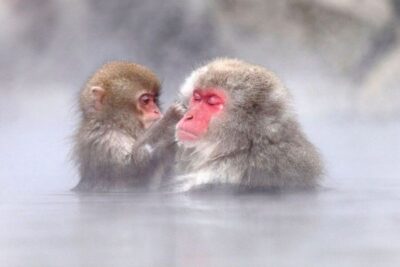

Snow Monkeys & Togakushi Shrine Two-Spot in-One Day
Read our review →
Browse the lists this tour appears in