
Review · NAGANO
1-Day Togakushi: Soba making, Ninja Town and Hidden Shrines
Togakushi rewards the curious. This 8-hour day trip from Nagano mixes a hands-on soba lesson, ninja folklore, and a quiet walk to one of Japan’s most secluded shrines. I like the personal feel of making your own lunch, and I like that the day reaches beyond the usual city sights into rural Shinshu. The main consideration is stamina: the Okusha shrine walk takes about 90 minutes, with stone steps and uneven paths.
The English-speaking guide keeps the day moving while explaining the food, legends, and religious sites. At $150 per person, the price is fair if you value included transport, lunch, admission fees, and guided visits. It is less appealing if you prefer to explore slowly on your own or dislike fixed schedules.
Key points to know before you book
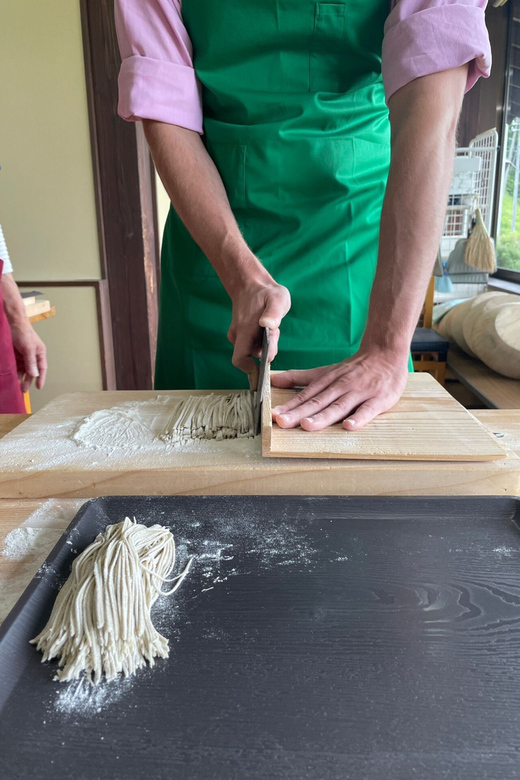
- Make your own Togakushi soba: You knead, roll, and cut buckwheat noodles, then eat the results for lunch.
- Try the Ninja Trick House: The puzzle-like building is part museum, part escape maze, with optional activities such as shuriken throwing.
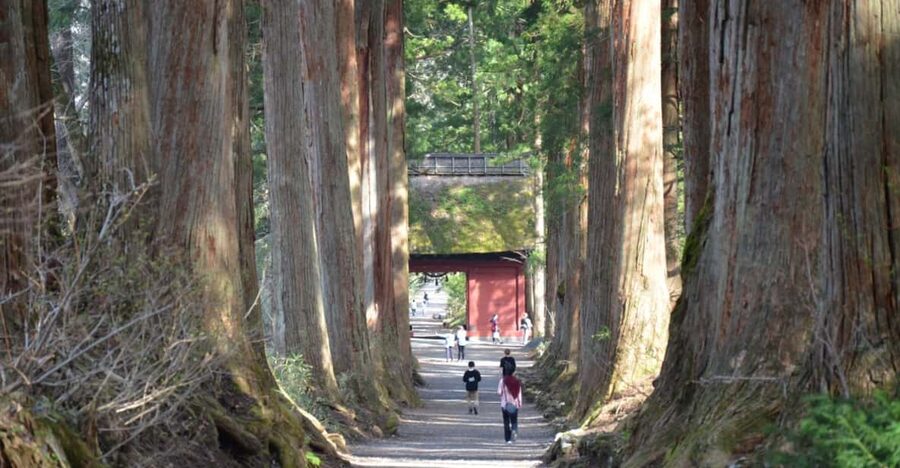
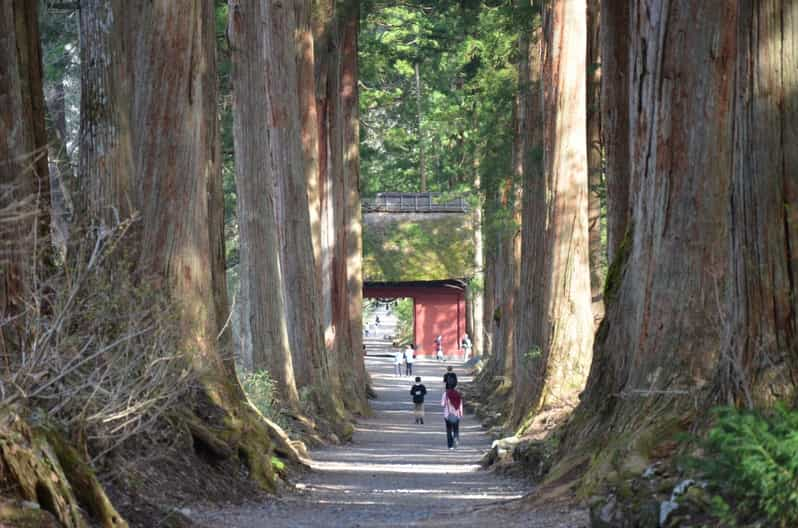
- Walk under giant cedars: The route to Okusha follows a famous avenue where modern distractions quickly fade away.
- Meet inside Nagano Station: Find the guide at the Information Board across from the Shinkansen ticket gates by 9:35.
- Plan for real walking: Proper shoes matter, especially for the 45-minute approach to the shrine and the stone steps near Zuishinmon.
- Strong value for a full day: Transport, the soba workshop, lunch, museum entry, and guiding are included for $150.
Why Togakushi makes a fine day outside Nagano
Nagano is known for mountain scenery, temples, and winter sports, but Togakushi gives you a closer look at the region’s local character. The area sits in the Shinshu mountains, where cool weather and rough terrain suit buckwheat farming. Clean natural water also plays an important role in the quality of the noodles.
This tour works because its three main themes fit together. Soba tells you something about daily life and local food. The ninja sites introduce the area’s reputation for secrecy and difficult access. The shrines bring you into the forest, where the pace slows and the setting feels far removed from Nagano Station.
You leave Nagano at about 9:40, so the morning meeting is not especially early by Japanese sightseeing standards. Still, you should arrive before the meeting time. The guide waits inside the station near the Information Board directly across from the Shinkansen ticket gates, wearing a Snow Monkey Resorts tour tag. That clear meeting point is useful in a busy station, but you should not cut it close.
The ride into Togakushi takes about 45 minutes. This is not a hop-on, hop-off day. You travel with the group between stops, which saves time and removes the need to work out rural bus connections. The tradeoff is a fixed rhythm, so keep personal shopping and long café stops for another day.
More Day Trips in Japan:
- Tokyo Panoramic 1 Day: Meiji Shrine, Asakusa, Odaiba and SKYTREE®
★ 4.5 · 1,222 reviews - 1-Day Snow Monkeys, Zenko-ji Temple & Sake in Nagano
★ 5.0 · 1,020 reviews - Nagano: Snow Monkeys, Zenkoji Temple & Sake Day Trip
★ 4.9 · 833 reviews
Rolling, cutting, and eating your own soba
The first major stop is a local soba restaurant for a 100-minute workshop and lunch. Here, an instructor guides you through the basic process: kneading the buckwheat dough, rolling it flat, and cutting it into noodles.
You do not need cooking experience. The instruction is designed to take you through each stage, so the point is participation rather than culinary perfection. Your noodles become your lunch, served either hot or cold with dipping sauce according to your taste. That makes this more satisfying than simply sitting down to a famous regional dish. You get to understand how much work sits behind a bowl of soba.
I especially like this part for visitors who want a cultural activity with a clear result. You handle the ingredients, make something with your own hands, and then eat it. It is also a good fit for families, couples, and anyone who wants a break from shrine viewing.
There are limits. The workshop takes place in a group setting, and the meal is built into the scheduled lesson. You will not have unlimited time to experiment or order additional dishes. Extra food, snacks, and drinks are not included, so bring money if you expect to want more than the provided lunch.
Tell the operator about dietary requirements when you book. Do not wait until the restaurant portion begins, since the meal and workshop need advance coordination.
Soba is more than a regional souvenir here. Buckwheat suits the cool climate and mountain soil around Togakushi, while the area’s water helps support noodle production. Even if you are already familiar with soba, making it in the place where it is a local staple gives the meal more meaning.
Finding your way through the Togakushi Ninja Museum
After lunch, the tour turns from food to folklore at the Togakushi Ninja Museum and Ninja Trick Mansion. The Togakure school of ninja was established in the mountains in the 12th century. The area’s hard-to-reach terrain and natural defenses helped shape its association with covert movement and secrecy.
The museum visit lasts about an hour, including a guided tour and entry to the Ninja House. The most playful part is the trick house itself. It works like an old-fashioned escape room, with confusing routes and concealed solutions that require you to look closely and keep testing doors and passages.
This is not only a children’s stop. Adults can enjoy the puzzle, particularly if you approach it with a little competitive spirit. You may find yourself spending less time admiring the architecture because you are trying to work out how to get back outside.
If you finish the Ninja House quickly, free time may be available for other activities at the museum. Optional attractions can include shuriken throwing and obstacle courses, but these are not included in the tour price. The exact availability of those activities can vary, so treat them as extras rather than promised parts of the day.
The museum also gives you a chance to look at historic architecture and artifacts. The guide helps place the ninja story within Togakushi’s broader past, rather than leaving you with only theatrical tricks. That balance matters. The site is entertaining, but it also explains why these mountains were linked with shinobi, the Japanese term often used for ninja.
The drawback is that the museum section may feel brief if you want a long, detailed study of ninja history. One hour is enough for the guided visit and the main trick house, but not for a slow examination of every display plus every optional activity.
A short shrine stop before the main forest walk
The tour then visits Togakushi Shrine, with about 30 minutes for a guided stop. This works as a transition between the lively museum and the longer walk to Okusha.
Togakushi’s name means hidden door. The local sacred story connects the area with Amaterasu, the Sun Goddess. After a conflict with her brother Susanoo, she hid in a cave and brought darkness to the world. Other gods drew her out by creating a commotion, and the boulder blocking the cave was cast away. According to the legend, it fell to earth and formed Togakushi.
You do not need to know every part of the story to appreciate the shrine, but the myth adds a useful layer. The area is not simply scenic woodland. Its identity is tied to concealment, divine power, and the idea of a door opening into a different world.
Thirty minutes is enough for an introduction and a look around, but it is not a full, unhurried shrine study. If you are passionate about religious architecture or photography, you may wish you had more independent time. The benefit is that the day reserves its longest stretch for the most atmospheric part of Togakushi.
A few more temple visits around Japan worth a look
- Kyoto: Tea Ceremony Ju-An at Jotokuji Temple
★ 4.9 · 3,207 reviews - Tokyo: Asakusa Walking Tour with Sensoji Temple Visit
★ 4.8 · 1,583 reviews - Nikko: Kegon Falls, Lake Chuzenji & Toshogu Temple
★ 4.6 · 1,577 reviews - Tokyo: Nikko Toshogu Shrine and Kegon Waterfall Tour
★ 4.5 · 1,266 reviews
Walking the cedar avenue to Okusha
The highlight for many people will be the route toward Togakushi Shrine Okusha, the most secluded of the shrines visited during the day. The walk takes about 45 minutes in one direction, and the total shrine visit lasts about 90 minutes.
The famous cedar avenue changes the mood at once. Tall trees line the path, and the forest reduces the sense of modern Japan to a distant memory. This is the section where you should put away your phone for a while and pay attention to the sound of your steps, the scale of the trees, and the changing feel of the path.
The route passes through the Zuishinmon gate before continuing toward Okusha. From there, you ascend stone steps toward the main shrine. The combination of the gate, the cedar avenue, and the uphill approach gives the visit a processional quality. You are not simply arriving at a building by bus. You are walking toward it through a series of natural and built thresholds.
This section requires sensible preparation. Wear proper walking shoes, not smooth-soled fashion shoes. The tour data does not give an accessibility rating, so anyone concerned about uneven ground, stairs, or the length of the walk should ask the operator before booking.
The forest walk is also weather-sensitive in practical terms. The activities are subject to availability, and schedules can change if a partner venue cannot accommodate the planned visit. If an activity needs adjustment, the operator says it will contact you about alternatives. That flexibility is useful, but it also means you should not treat every detail as immovable.
After reaching Okusha, you return along the cedar avenue and board transport back toward Nagano. The return ride takes about 50 minutes. The full day finishes at Nagano Station, making this an easy addition to a Nagano base without arranging a separate overnight stay in Togakushi.
What $150 includes, and where the value sits
The $150 price covers more than admission. You receive transport from Nagano to Togakushi and between the activity sites, English-language guiding, the soba workshop, lunch made from your noodles, and entry to the Togakushi Ninja Museum and Ninja House.
That package has practical value. Rural transport can be awkward to arrange, and the tour removes the need to match several buses with fixed shrine and restaurant times. The guide also connects the food, ninja traditions, and sacred sites into one readable day rather than leaving you to research each stop separately.
The strongest value comes if you want active participation. The soba lesson is not just a demonstration, and the Ninja House is not just a display case. You do things, then move into the forest for the shrine walk.
The price does not cover Shinkansen tickets to Nagano, accommodation, extra food, drinks, or optional Ninja Museum activities. If you are already staying in Nagano, the cost is easier to justify. If you must also buy an expensive bullet train ticket solely for this outing, calculate the full transport budget before booking.
The tour has a published rating of 5 from eight reviews, with praise focused on the variety of activities, the soba making, the shrine visit, and the personal attention from the guide. That matches the structure of the day: you get food, play, history, and walking rather than eight hours of one type of sightseeing.
Who will enjoy this day most
I would choose this tour if you want a guided introduction to rural Nagano but have only one free day. It suits people who enjoy local food, light adventure, Japanese folklore, and shrine walks.
It is particularly good for:
- First-time visitors to Nagano who want to see beyond the station area
- Families with older children who can manage the shrine walk
- Couples looking for a day with both hands-on activities and quiet scenery
- Visitors who prefer English guidance and organized transport
- Anyone curious about soba and willing to try making it
I would think twice if you dislike group schedules, have difficulty with stone steps, or want extensive free time at each site. The itinerary is full, and the shrine walk is not a short photo stop.
The Ninja House can entertain children and adults, but very young children may need help with the puzzle-like passages. Since optional museum activities cost extra, families should budget for those if they are likely to appeal.
Practical tips for a smoother day
Arrive inside Nagano Station before 9:35 and find the Information Board across from the Shinkansen gates. Look for the guide’s Snow Monkey Resorts tour tag. The vehicle needs to leave by about 9:40, so arriving at the last minute is a poor plan.
Wear shoes made for walking. The final shrine route includes a long forest approach and stone steps, and proper footwear will make the day much more pleasant.
Tell the operator about dietary needs at booking. Lunch is part of the workshop, so advance notice matters.
Carry some extra money for drinks, snacks, and optional Ninja Museum activities. These costs are separate from the $150 tour price.
Keep your schedule flexible. Activities depend on availability, and the operator may need to adjust part of the day after checking with local venues. The tour offers free cancellation up to 24 hours in advance and allows you to reserve now and pay later, which helps if your Nagano plans are still taking shape.
Should you book the Togakushi day trip?
Book it if you want a well-balanced day with a real local meal, an entertaining ninja stop, and a memorable forest pilgrimage. The combination is the tour’s biggest strength. Few day trips ask you to make noodles in the morning and then walk through towering cedars toward a remote shrine.
Skip it if you want a slow, self-directed day or if the Okusha walk would be uncomfortable. The schedule is active and the transport is shared, but the $150 fee buys useful coverage: transport, lunch, admissions, and an English-speaking guide.
For most visitors with one open day in Nagano, I find the balance convincing. The soba workshop gives the day a personal touch, the Ninja House adds fun, and the cedar avenue provides the quiet finish that makes Togakushi worth the trip.
FAQ
Where does the tour begin?
It begins inside Nagano Station, at the Information Board directly across from the Shinkansen ticket gates.
What time should I meet the guide?
The guide meets you at 9:35, and the tour needs to depart by about 9:40.
How long does the tour last?
The full experience lasts about eight hours and returns to Nagano Station.
Is transportation included?
Yes. Transportation from Nagano to Togakushi and between the listed activities and attractions is included.
Is lunch included?
Yes. Lunch includes the soba noodles you make during the workshop.
Is the Ninja House included?
Yes. Admission to the Togakushi Ninja Museum and Ninja House is included. Optional activities within the museum may cost extra.
Is the tour offered in English?
Yes. It includes an English-speaking guide.
What should I wear?
Wear proper walking shoes. The route to Okusha includes a forest walk and stone steps.
Just added around Japan
- Private guided tour: Mt. Aso volcano, grasslands, Aso Shrine★ 5.0 · 19 reviews
- Takayama Inari Shrine Tour with Private Transportation★ 5.0 · 5 reviews
- From Asakusa: Old Tokyo, Temples, Gardens and Pop Culture★ 5.0 · 47 reviews
- Goshuin Collecting tour at Asakusa Local Temples & Shrines, Tokyo★ 5.0 · 8 reviews
- :Tokyo,Shibuya /Meiji Shrine tour in KIMONO/English-friendly★ 5.0 · 4 reviews
- Tokyo: Snow Monkey and Zenkoji Temple Day Trip In Low Price★ 5.0 · 5 reviews
- Tokyo War History Tour: Yasukuni Shrine & War Museum★ 4.5 · 6 reviews
- Tokyo: Gotokuji Culture Walk & Lucky Cat Temple Experience★ 4.9 · 5 reviews
Nagano Temple Tours, compared.

1-Day Snow Monkeys, Zenko-ji Temple & Sake in Nagano
Read our review →
Food & Cultural Walking Tour around Zenkoji temple in Nagano
Read our review →

Snow Monkeys & Togakushi Shrine Two-Spot in-One Day
Read our review →Food & Cultural Walking Tour around Zenkoji temple in Nagano
Read our review →
Browse the lists this tour appears in