
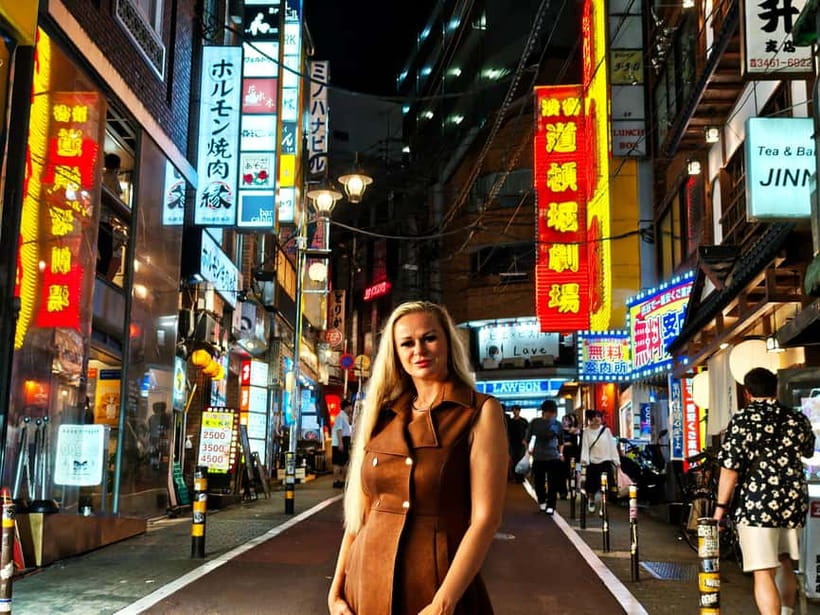
Review · TOKYO
Tokyo: Evening Tour – Temples, Neon Streets & Culture
Tokyo changes after sunset.
This private evening walk pairs temple quiet with neon energy, moving from places such as Asakusa to Shibuya, Shinjuku, or Akihabara by public transit. I like the cooler timing and the freedom to shape the route around your interests, mobility, and appetite for walking. Guides Deen and Sofia received especially warm praise for adapting plans on the spot and helping visitors see more than they could manage alone.
The main catch is cost: at $83 per person, public transit, food, entrance fees, and other personal spending come extra. The exact route is also flexible, so you should book this for a tailored introduction to Tokyo rather than a fixed checklist of sights.
Key points to know before booking
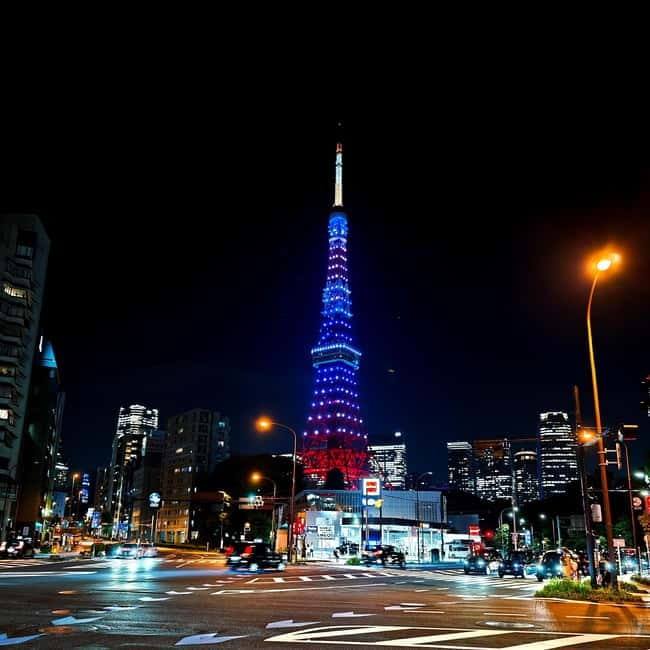
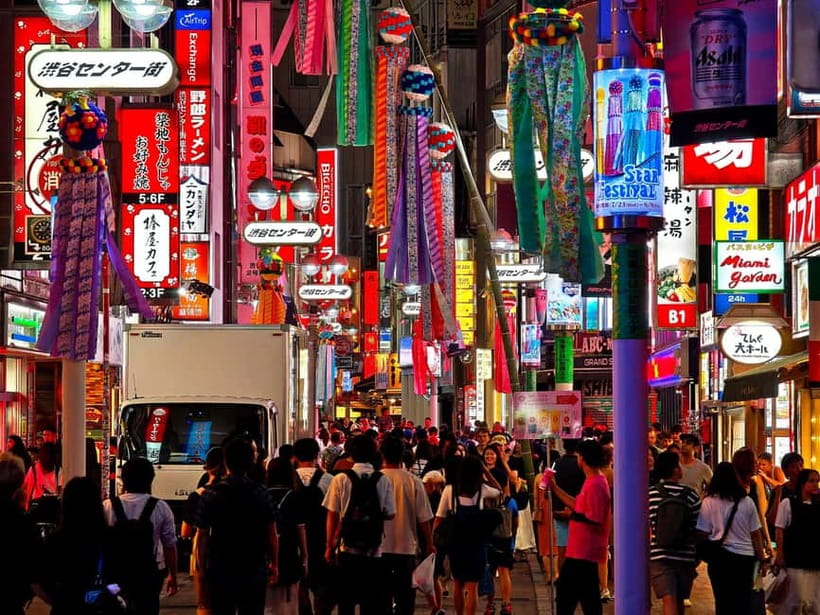
- Tokyo after dark: See lantern-lit temples, glowing signs, arcades, bars, and famous crossings when the city takes on a different mood.
- Private and adjustable: Your guide can alter the pace, neighborhoods, and interests instead of leading a large set route.
- Three to four hours: Tours can start after 4:00 PM and may continue as late as 11:00 PM.
- Public transit included in the plan, not the price: You use trains or other local transport between districts, but fares are extra.
- Strong guide feedback: Deen and Sofia were praised for tailoring routes to interests, shopping goals, and limited mobility.
- Best for night owls: This suits you if you want photos, food districts, anime culture, and city lights more than museums and daytime sightseeing.
Why Tokyo is better after sunset
Tokyo is enormous, and the middle of the day can be hard work. Heat, crowds, long station corridors, and bright summer sun can drain your energy before the evening has even started.
This tour begins any time after 4:00 PM, giving you a useful change of pace. You can start in the late afternoon, catch a temple before full darkness, then continue into districts that come alive under signs and streetlights. In summer, that timing may be the difference between enjoying the walk and counting the minutes until you find air conditioning.
I also like the photographic advantage. A temple lantern, a narrow alley, or a major crossing looks different at night than it does at noon. Your guide may take photos during the walk, if available, and a professional photographer may be available as well. That is helpful if you want to stay present instead of spending the entire evening behind your phone.
The tradeoff is that Tokyo after dark is not always quiet. Shibuya and Shinjuku can be loud and crowded, even when the temperature feels better. This is a city-light tour, not a peaceful evening stroll from start to finish.
A few more temple visits around Tokyo worth a look
- Tokyo: Asakusa Walking Tour with Sensoji Temple Visit
★ 4.8 · 1,583 reviews - Nikko: Kegon Falls, Lake Chuzenji & Toshogu Temple
★ 4.6 · 1,577 reviews - Tokyo: Nikko Toshogu Shrine and Kegon Waterfall Tour
★ 4.5 · 1,266 reviews
Asakusa after the lanterns come on
Asakusa offers the traditional opening act. The district is home to Tokyo’s oldest temple, and the mood changes as the daylight fades. Lanterns glow, the crowds thin in some areas, and the temple grounds take on a calmer feel than they usually have in the middle of the day.
This stop is valuable because it gives you cultural context before the tour turns toward Tokyo’s modern side. You can see how old religious spaces remain part of daily city life, rather than treating tradition as something kept apart from the rest of Tokyo.
It is also one of the stronger photo stops. Soft light around the temple can produce more atmosphere than harsh daylight. Your guide can explain what you are seeing and point out details you might pass without noticing.
The exact time spent here depends on your start time and chosen route. If you are particularly interested in temples, tell your guide early. If your priority is nightlife, shopping, or anime culture, Asakusa may be a shorter stop.
Shibuya Crossing under the billboards
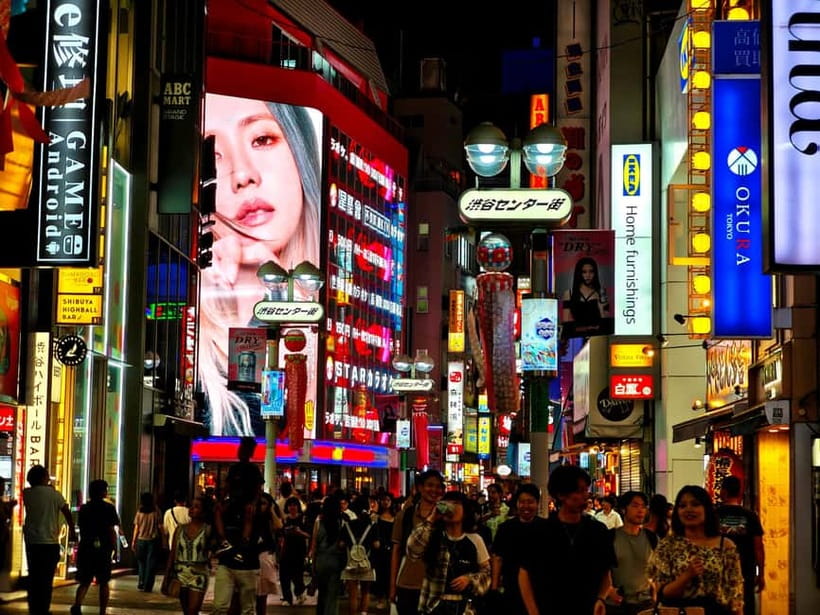
Shibuya Crossing is Tokyo’s big visual jolt. At street level, people move in every direction as the traffic stops. Above you, giant screens and signs turn the surrounding buildings into a wall of light.
Seeing the crossing at night gives you the full effect. The area feels theatrical, but it is also a working part of the city. This is not simply a photo backdrop. It is one of the clearest places to watch Tokyo’s scale, speed, and order all operating at once.
A guide adds value here by helping you approach the crossing without wasting time. The area can be confusing, especially when you are trying to find the best angle, cross at the right moment, or connect to the next train.
The drawback is simple: Shibuya is busy. If you dislike crowds, noise, or large commercial districts, this may be the least relaxing section. You can ask for more backstreets or a slower route, but do not expect the famous crossing to feel remote.
Shinjuku from Omoide Yokocho to Kabukicho
Shinjuku gives the tour its strongest night-time character. The nightlife district is packed with izakayas, karaoke bars, arcades, restaurants, and glowing signs. Two areas mentioned for the route are Omoide Yokocho and Kabukicho, each offering a different look at the district.
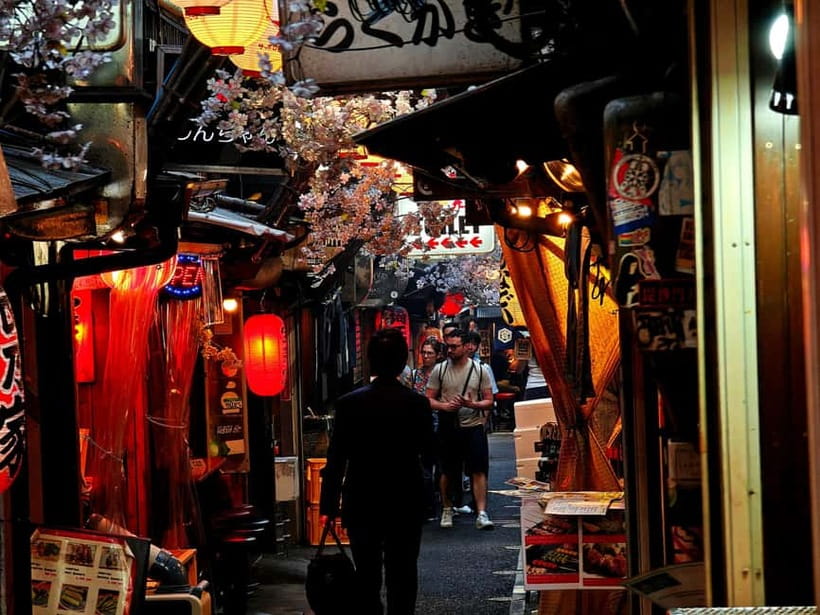
Omoide Yokocho is known for its narrow lanes and small eating places. It is the sort of setting where Tokyo feels close-up rather than enormous. You might find compact bars, tight passages, and plenty of atmosphere, though the tour price does not include meals or drinks.
Kabukicho is larger, louder, and more visually intense. Neon signs rise over the streets, and the district remains active late into the evening. A local guide matters here because the streets can feel like a maze. You can spend less time orienting yourself and more time noticing the signs, shops, and side streets.
This section is best if you want to understand Tokyo’s nightlife without committing to a full evening out. Your guide can help you see the district and then decide if you want to stop for food, karaoke, or another activity afterward.
You should also keep your energy in mind. A tour that continues until 11:00 PM may be ideal for night owls, but it will not suit everyone. Tell your guide if you want to finish earlier or reduce the walking distance.
Same place, a different morning at the gates:
- Tokyo Panoramic 1 Day: Meiji Shrine, Asakusa, Odaiba and SKYTREE®
★ 4.5 · 1,222 reviews - Tokyo: Zen Meditation at a Private Temple with a Monk
★ 5.0 · 510 reviews - Mt. Fuji Heritage Tour: Traditional Villages, Lakes & Shrine
★ 4.5 · 509 reviews - Tokyo: Samurai Entertainment Night Show in Kanda Shrine
★ 4.6 · 417 reviews
Akihabara when the signs start glowing
Akihabara is the choice for anime, gaming, electronics, and Japanese pop culture. During the day, the district can already feel intense. At night, illuminated signs and themed storefronts give it a sharper, more electric look.
This stop works for dedicated fans, but it is not limited to them. If you are curious about how anime and gaming shape modern Japanese culture, a guide can give the area more meaning than a quick walk past colorful signs.
You may find game arcades and shops that are easy to miss if you are simply following a map. The route can also be adjusted depending on your interests. Someone who wants shopping advice may need a different visit from someone who wants photos or a broad introduction to the district.
Akihabara is not the right pick if your ideal Tokyo evening means temples and quiet lanes. It is bright, commercial, and highly specific in character. That is exactly why some people will love it and others will prefer more time in Asakusa or Shinjuku.
A route shaped around your interests
The strongest feature here is not the number of districts. It is the ability to choose what matters most to you.
You can ask for a route built around:
- Temple and cultural sights
- Night photography
- Food neighborhoods and izakayas
- Anime and gaming
- Shopping advice
- Famous Tokyo landmarks
- Quieter alleys and backstreets
- A gentler pace with fewer stairs or less walking
The experience is a private group, so you are not forced to match the speed or interests of a large crowd. That matters in Tokyo, where a short distance on a map can involve a major station, several flights of stairs, and a long walk between platforms.
The feedback about Deen and Sofia is especially useful here. Deen adapted the route for a person recovering from knee surgery, while Sofia adjusted the experience to suit both personal interests and physical ability. Sofia also helped with gift shopping, including practical advice for finding items to take home.
That does not mean every guide will provide the same shopping help or photography service. Still, it shows what you should request when booking: state your interests, walking limits, and must-see districts clearly.
Getting between neighborhoods like a local
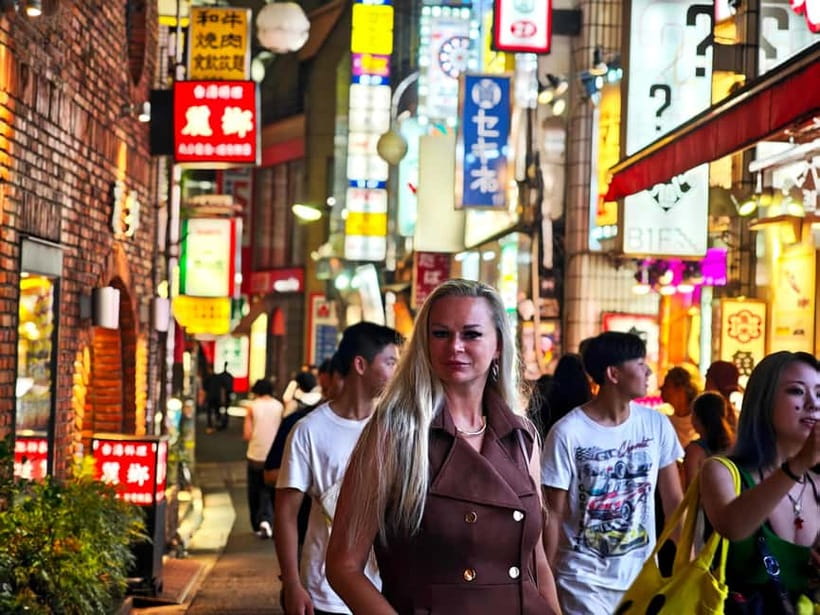
You do not stay in one neighborhood for the entire evening. The tour uses Tokyo’s public transit system to connect areas, which is the sensible way to cover a city this large.
Public transportation fees are not included, so keep money available for trains and other local transit. The tour also does not include a private car or bus. That may sound less comfortable, but using the trains gives you a more realistic sense of how Tokyo works.
Station transfers can take time. Your three-hour tour is not three hours of continuous sightseeing. Some of that time will go toward moving between districts, especially if you choose far-apart areas such as Asakusa and Shibuya.
This is why route planning matters. A focused evening in two neighborhoods may feel more rewarding than trying to squeeze in every possible stop. I would rather spend meaningful time in Asakusa and Shinjuku than rush through four districts just to collect names.
The total walking distance varies with your pace and preferences. Wear comfortable shoes and comfortable clothes, and bring a charged smartphone. If you have knee, hip, or stamina concerns, mention them before the tour begins.
What $83 per person really buys
At $83 per person, this is not a cheap way to get from one Tokyo sight to another. You still pay for public transit, food, drinks, shopping, and any entrance tickets. If you are happy exploring independently, you can visit many of these neighborhoods for far less.
The value comes from private guidance and flexible planning. Tokyo can be easy to reach but hard to read. A local guide can reduce the time spent getting lost, explain what you are seeing, and adjust the route when your energy or interests change.
The price makes more sense for a first evening in Tokyo, a short stay, families with mixed interests, or anyone who wants help navigating after dark. It is also useful if you want to combine cultural sights with nightlife but do not know how to connect them efficiently.
For repeat visitors, the value depends on customization. Ask for backstreets, shopping help, photography, or a district you have not seen. If you only want to visit Shibuya Crossing and take a few pictures, the cost may be harder to justify.
Children under 12 can join free, but you still need to include them in the booking. For a family, that can improve the price comparison, especially when a private route prevents the adults and children from being pulled in different directions.
Comfort, timing, and practical limits
The advertised duration is three hours, though tours typically last three to four hours and can run until 11:00 PM. Confirm the starting time and meeting location after booking. Hotel or location pickup on foot is available as an optional add-on, not something to assume is included.
The tour is listed as wheelchair accessible. Still, you should discuss the planned neighborhoods and transit connections in advance, since a walking route through large stations and busy districts may require careful planning.
English and Spanish are listed as tour languages. Additional information also notes Italian availability, so confirm the language you need before finalizing your plans.
Free cancellation is available up to 24 hours in advance for a full refund. You can also reserve now and pay later, which helps if your Tokyo schedule is still changing.
Bring a camera if photos matter to you, but keep your phone charged as well. Your guide may take photos during the tour when available, yet you should not book this solely as a professional photo session. Photography support is an extra possibility, not a guaranteed service.
Who will get the most from this Tokyo evening?
I would recommend this tour to first-time visitors who want a clear introduction to Tokyo after dark. It is also a good fit for couples, families, and small private groups with different interests.
You will get the most from it if you:
- Prefer a private experience to a large group
- Want to combine temples and modern city life
- Need help choosing between Tokyo neighborhoods
- Like photography and atmospheric streets
- Want to avoid the hottest part of the day
- Appreciate a guide who can adjust pace and route
- Need support with shopping or local orientation
I would be more cautious if you want a fixed schedule with guaranteed time at every listed district. The route can change, and the guide may choose fewer stops so the evening does not become a race.
I would also consider the extra costs. Train fares, food, shopping, and entrance tickets can add up quickly. The $83 fee pays for the guide and private planning, not an all-inclusive night out.
Should you book this evening tour?
Book it if you want Tokyo explained as you move through it, with the freedom to trade a crowded landmark for a quieter lane or adjust the pace when your feet have had enough.
The best reason to choose this experience is its human flexibility. Deen adapted a route for someone with a knee injury, and Sofia shaped an evening around personal interests and gift shopping. Those details suggest a service that can respond to real needs, not just follow a script.
Skip it if you are comfortable with Tokyo’s trains, already know which neighborhoods you want, and prefer to explore alone. But if you have one free evening and want temples, neon, nightlife, or anime culture tied together by a local guide, $83 can be fair value, especially for a private group.
FAQ
How long does the evening tour last?
The stated duration is three hours. Tours typically last three to four hours, and some may continue until 11:00 PM.
What time can the tour start?
You can start any time after 4:00 PM. The exact starting time is confirmed after booking.
Which Tokyo neighborhoods can the tour visit?
Possible areas include Asakusa, Shibuya, Shinjuku, and Akihabara. The exact route can change based on your interests, pace, and preferences.
Is transportation included?
Private transportation is not included. The tour uses Tokyo’s public transit system between neighborhoods, but public transportation fees are extra.
Are meals, shopping, and entrance tickets included?
No. Personal expenses, meals, snacks, shopping, and entrance tickets are not included in the price.
What languages are available?
The tour is listed in English and Spanish. Additional information also notes Italian availability, so confirm the language before booking.
Can children join the tour?
Children under 12 can join free, but you must include them in the booking.
Is the tour wheelchair accessible?
The activity is listed as wheelchair accessible. Because the tour includes walking and public transit, confirm the planned route and any mobility needs in advance.
Just added around Tokyo
- :Tokyo,Shibuya /Meiji Shrine tour in KIMONO/English-friendly★ 5.0 · 4 reviews
- Tokyo: Snow Monkey and Zenkoji Temple Day Trip In Low Price★ 5.0 · 5 reviews
- Tokyo War History Tour: Yasukuni Shrine & War Museum★ 4.5 · 6 reviews
- Tokyo: Gotokuji Culture Walk & Lucky Cat Temple Experience★ 4.9 · 5 reviews
- Tokyo: Shibuya Sky, Harajuku & Meiji Shrine Highlights Tour★ 4.5 · 9 reviews
- Tokyo: Visit 5 Shrines & Collect Goshuin on Private Tour★ 5.0 · 3 reviews
- Tokyo: Sensoji Temple & Street Food: Private Tour with guide★ 4.6 · 8 reviews
- Tokyo’s Kitchen: Tsukiji Market Food & Culture Walk★ 4.7 · 74 reviews
Tokyo Temple Tours, compared.
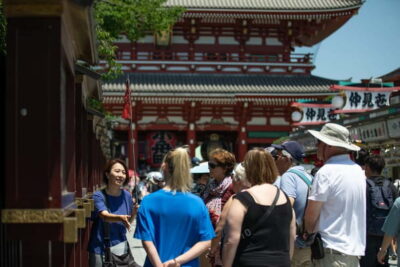
Asakusa Walking Tour with Sensoji Temple Visit
Read our review →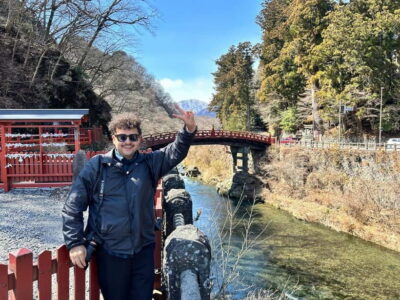

Nikko Toshogu Shrine and Kegon Waterfall Tour
Read our review →
Tokyo Panoramic 1 Day: Meiji Shrine, Asakusa, Odaiba and SKYTREE®
Read our review →
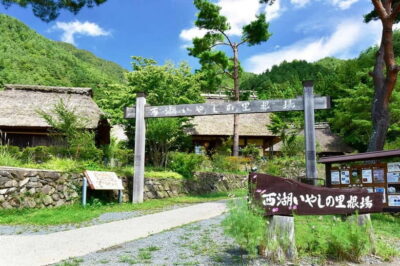
Mt. Fuji Heritage Tour: Traditional Villages, Lakes & Shrine
Read our review →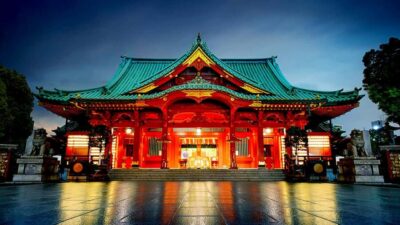
Samurai Entertainment Night Show in Kanda Shrine
Read our review →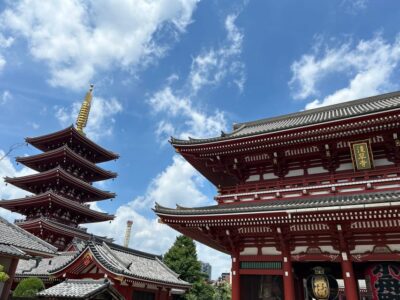
Asakusa and Tokyo’s Oldest Temple Senso-ji Tour
Read our review →Browse the lists this tour appears in