
Review · TOKYO
Tokyo Zen Meditation at Private Temple with Monk
Slow down in the middle of Tokyo. This 90-minute Zen experience takes you into Kinryu-ji Temple, a 400-year-old temple in Asakusa that is not normally open to the public. I like the rare chance to speak directly with a monk, and I like that an English-speaking guide helps explain the customs, meditation, and questions that might otherwise be hard to follow. The main consideration is that the meeting point needs careful checking, since one visitor found the address led to the wrong Family Mart.
This is not a grand temple tour with a long list of sights. It is a small, quiet visit built around seated meditation, a matcha tea ceremony, and conversation. I also like the personal touches, including photographs with the monk and, in some sessions, calligraphy or sutra tracing. The group can reach 15 people, so it may feel intimate without being completely private.
Key points to know before booking
- A rare look inside Kinryu-ji Temple: This 400-year-old temple is not open to the general public, making the visit feel different from a standard Asakusa sightseeing stop.
- Direct conversation with a monk: You can ask questions about Zen, Buddhism, meditation, temple customs, or daily practice through English support.
- Three calm activities in 90 minutes: The experience combines seated meditation, a matcha tea ceremony, and often calligraphy or sutra tracing.
- A useful choice for first-time meditators: The monk explains posture, breathing, and technique before you practice, so no previous experience is required.
- Good value for a cultural experience: At $56.16 per person, the price includes admission, the Zen session, matcha and snacks, an English-speaking guide, and photographs with the monk.
- Check the meeting point twice: The stated starting point is at Kairaku Building in Kotobuki, near public transportation, but contacting the provider before arrival is wise.
Why this small temple visit feels different
Asakusa is one of Tokyo’s best areas for old temples, street food, and traditional culture. It can also be crowded and noisy. This experience takes you away from the usual stream of sightseeing and into a temple setting where the focus is on sitting still, listening, and asking questions.
Kinryu-ji Temple has a history spanning more than 400 years. That does not mean you should expect a large complex filled with major monuments. The appeal is more personal. You are visiting a working religious place through a connection with the temple, rather than simply viewing it from a public walkway.
The fact that the temple is not open to the general public matters. You are not just fitting a meditation lesson into a rented studio. The setting gives the conversation and rituals a clear cultural context, even if your visit lasts only an hour and a half.
The experience is also designed for people who do not speak Japanese. An English-speaking guide supports the conversation and helps explain what the monk is saying. That makes a difference during meditation instruction, prayer, tea preparation, and questions about Buddhist customs.
A few more temple visits around Tokyo worth a look
- Tokyo: Asakusa Walking Tour with Sensoji Temple Visit
★ 4.8 · 1,583 reviews - Nikko: Kegon Falls, Lake Chuzenji & Toshogu Temple
★ 4.6 · 1,577 reviews - Tokyo: Nikko Toshogu Shrine and Kegon Waterfall Tour
★ 4.5 · 1,266 reviews
Meeting the guide and entering Kinryu-ji
The tour begins at the listed meeting point in Tokyo’s Taito City, at Kairaku Building in Kotobuki. The area is near public transportation, and the activity returns to the same meeting point at the end.
I would arrive early and confirm the exact location before setting out. One person reported that the original directions pointed to the wrong Family Mart. That is the kind of small problem that can make you late for a short tour, so a quick message to Travel Japan Together Tokyo is a sensible step.
Once the group is together, the guide introduces the temple and gives some background on Zen Buddhism and Japanese customs. Guides named in the feedback include Kazu and Tamami. Both were praised for being warm, clear, and helpful, and several people found the guides especially good at making the monk’s explanations easy to follow.
The group size can reach 15 people. That is small enough for a personal feel in comparison with a large bus tour, but you should not assume you will have the temple entirely to yourself. The monk may need to divide attention among several questions and participants.
Seated meditation with the monk
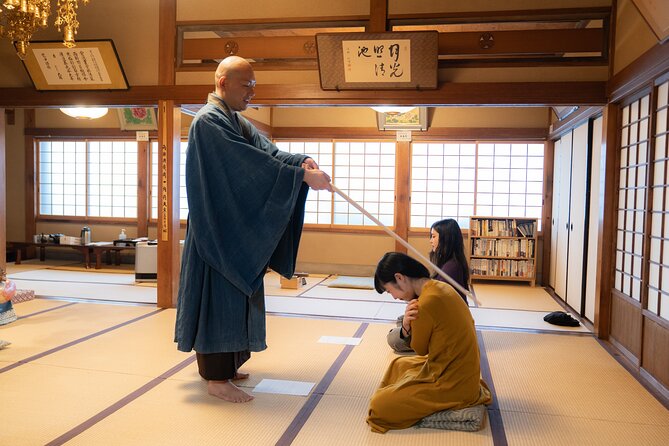
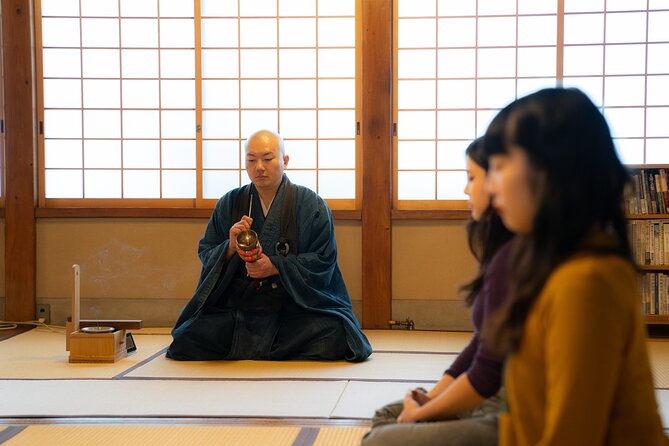
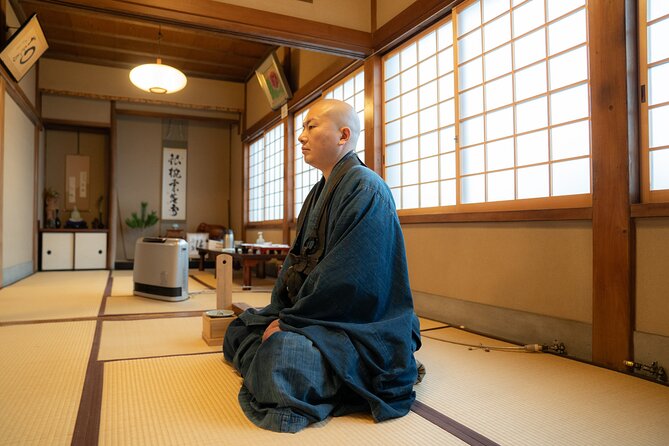
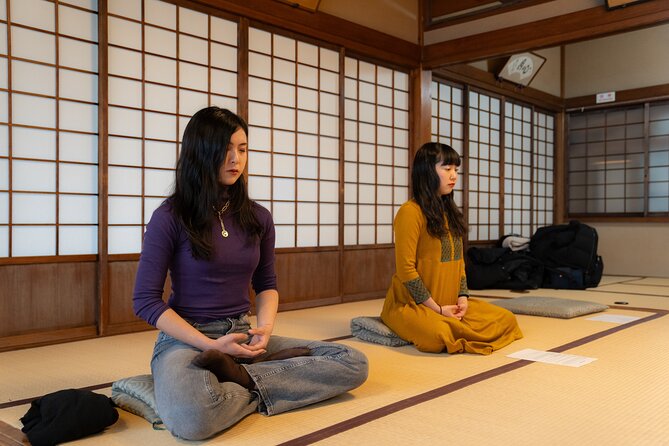
The central activity is zazen, or seated meditation. Before you sit, the monk explains the basic principles and techniques. This can include posture, breathing, and the purpose of keeping the mind steady.
For a beginner, the instruction is the point. You do not need to arrive with meditation experience, and you do not need to know Buddhist terminology. The session gives you a practical introduction instead of asking you to copy a ritual without understanding it.
Meditation is often presented as simple, but sitting quietly can feel surprisingly demanding. You may notice your knees, your breathing, the sounds around you, or the steady movement of your own thoughts. The value here is not trying to achieve some dramatic moment of enlightenment. It is having time to practice a traditional method with guidance from someone who follows it.
Some feedback also describes a formal prayer and a traditional moment in which the monk lightly strikes a participant with a meditation stick. This practice can be part of Zen meditation, but it should not be treated as a required performance or a dramatic stunt. If that element matters to you, ask the guide how it will be handled during your session.
The monk is described as friendly, open, and willing to answer questions. That warmth helps keep the meditation from feeling too solemn or intimidating. You can approach the practice with respect without pretending to understand everything at once.
Calligraphy and sutra tracing
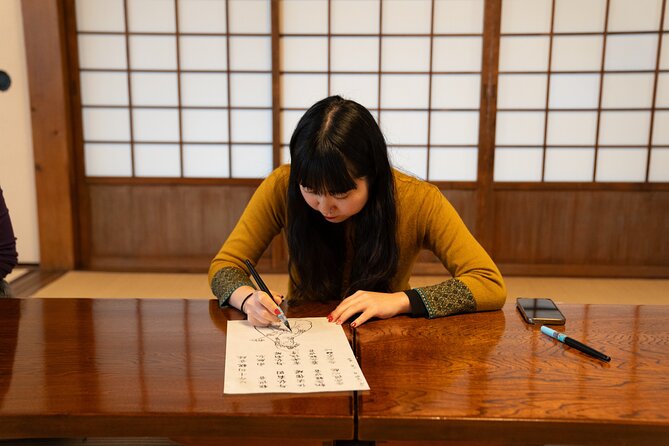
Several accounts describe calligraphy or copying Buddhist sutras as part of the experience. These activities turn quiet concentration into something physical. Instead of only listening to an explanation, you use your hands and slow down your movements.
Sutra tracing can work like a second form of meditation. You focus on the brush, the characters, and the order of each stroke. You are not expected to produce a museum-quality piece. The value is in paying attention and learning why writing can be used as a religious or reflective practice.
Calligraphy also gives families and couples a shared activity after the seated meditation. If sitting still feels difficult, this part may be easier to connect with. It offers a gentle change of pace without breaking the calm mood of the visit.
The supplied details do not promise calligraphy in every booking, so I would treat it as an activity that may be included rather than a guaranteed feature. The main confirmed elements are the Zen experience, the monk interaction, matcha, and the temple visit.
Same place, a different morning at the gates:
- Tokyo Panoramic 1 Day: Meiji Shrine, Asakusa, Odaiba and SKYTREE®
★ 4.5 · 1,222 reviews - Tokyo: Zen Meditation at a Private Temple with a Monk
★ 5.0 · 510 reviews - Mt. Fuji Heritage Tour: Traditional Villages, Lakes & Shrine
★ 4.5 · 509 reviews - Tokyo: Samurai Entertainment Night Show in Kanda Shrine
★ 4.6 · 417 reviews
Matcha, sweets, and an open conversation
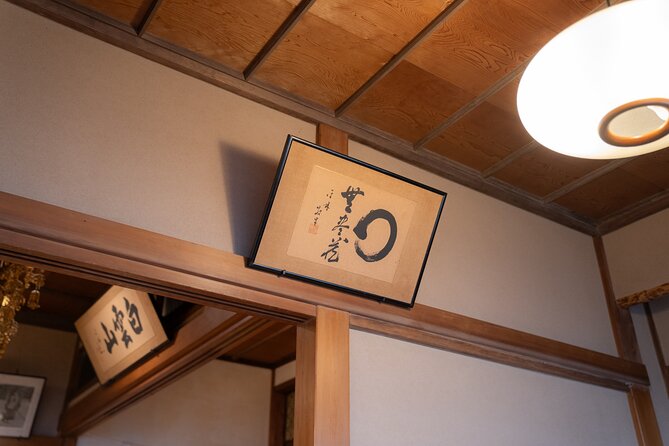
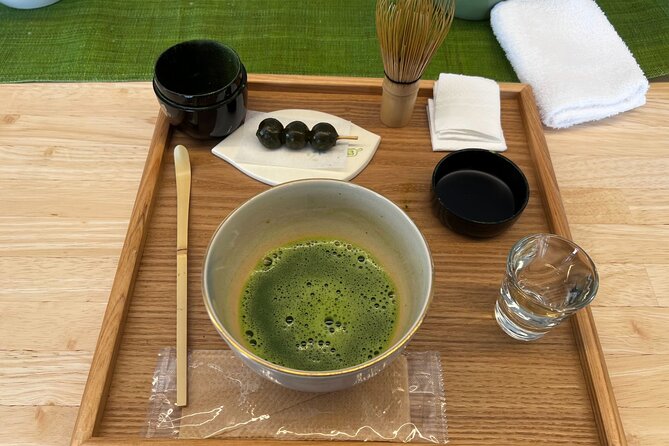
The session ends with a matcha tea ceremony and snacks. This is not presented as a long formal tea-school lesson. Instead, it gives you a chance to experience the care and quiet attention associated with Japanese tea customs.
You will have matcha and sweets, then time for an open conversation with the monk. This may be the most useful part for curious visitors. You can ask about Zen meditation, Buddhist customs, temple life, prayer, or other questions that come to mind.
Several people valued the fact that the monk welcomed questions beyond meditation. That makes the activity more than a guided breathing class. You get a chance to hear how religious practice connects with everyday life, at least through the limited time available.
The tea is also a practical way to close the session. After sitting quietly and concentrating on meditation or calligraphy, a cup of matcha gives everyone a relaxed moment to talk. If you do not usually enjoy formal cultural activities, the friendly conversation helps keep the experience approachable.
Photos with the monk and inside the temple
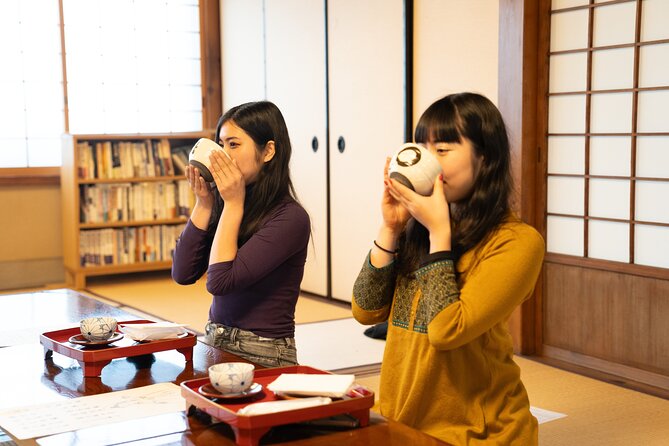
Photography is allowed during the visit, including photographs with the monk and within the temple. The guide can help take pictures, which is useful when you are traveling as a couple or family and want everyone in the frame.
The best photos here are likely to be personal mementos rather than landmark shots. You are recording a quiet encounter in a place that most people cannot enter casually. Still, remember that this is a religious setting. Follow the guide’s instructions about when and where to take pictures, and avoid treating the monk or the ceremony as a photo prop.
This part has special value for families. Children may not remember every explanation of Zen, but a photograph beside the monk and a piece of calligraphy can help the visit remain meaningful after the trip.
What the $56.16 price includes
At $56.16 per person, this is not the cheapest activity in Tokyo. You are paying more than the cost of visiting a public temple on your own. The comparison is not quite fair, though, because the fee covers access that is normally unavailable, a guided meditation session, English support, the monk’s time, matcha and snacks, admission, and photographs.
The price makes the most sense if you want personal contact rather than simply another temple view. A public temple visit can show you architecture and ritual from the outside. This experience gives you structured time to ask questions and practice meditation inside a private setting.
It is also good value for couples and families who want one cultural activity that everyone can share. The experience does not require a full day, so you can fit it around other Asakusa plans. At 90 minutes, it is long enough to feel substantial but short enough for most sightseeing schedules.
The value is lower if you already have regular Zen instruction or mainly want an impressive temple complex. This is a quiet introduction, not a full retreat and not a specialist course in Buddhist philosophy.
Who will enjoy this experience most
I would recommend it to you if you want a calm break from Tokyo’s fast pace and prefer conversation to passive sightseeing. It works especially well for first-time visitors who want a simple introduction to Zen without needing to prepare in advance.
It also suits:
- Couples looking for a shared cultural activity
- Families who want a gentle, structured experience
- Visitors interested in Japanese religion and customs
- People who have never tried meditation
- Anyone who wants to ask a monk direct questions
- Photographers looking for personal temple memories
You should think twice if you dislike sitting quietly, formal settings, or activities where the exact rhythm depends on a religious host. The session is calm, but it is not entertainment in the usual Tokyo-tour sense. The monk’s personality helps, yet the visit still asks you to listen and take part respectfully.
People with limited time should also note the meeting arrangements. There is no private transportation included, and the activity begins and ends at the meeting point. That is easy enough if you are already in central Tokyo, but you should allow time to find the building.
A few practical ways to prepare
Wear something that allows you to sit comfortably. The activity centers on seated meditation, and tight or restrictive clothing may make the experience less pleasant.
Bring an open mind rather than a set goal. You do not need to become a Buddhist practitioner or master meditation in one session. Listen carefully, try the technique, and use the question period to clear up anything you do not understand.
If you have mobility concerns, contact the provider before booking. The supplied information says most people can participate, but it does not give detailed information about seating arrangements or accessibility.
The tour offers free cancellation when you cancel at least 24 hours before the local start time. Changes or cancellations made inside that period are not accepted for a refund, so keep the deadline in mind when planning your Tokyo schedule.
Should you book Tokyo Zen Meditation at a Private Temple?
I would book this experience if you want a personal, quiet introduction to Zen and value access to a monk more than a long list of sights. The private temple setting, English support, meditation practice, tea, and open questions create a useful cultural encounter in a short amount of time.
I would skip it if you want a large temple with major architecture, extensive free time, or a full-day spiritual retreat. For everyone else, the $56.16 price is reasonable for the access and guidance provided. Confirm the meeting point in advance, arrive early, and treat the visit as a respectful conversation rather than a photo stop. That is the best way to get its real value.
FAQ
Where does the Tokyo Zen meditation experience take place?
The activity takes place at Kinryu-ji Temple in Asakusa, Tokyo. The temple has a history spanning more than 400 years and is not normally open to the general public.
How long does the experience last?
The experience lasts approximately 1 hour and 30 minutes.
Is the experience available in English?
Yes. An English-speaking guide supports the activity and helps explain Japanese culture, Zen meditation, and the monk’s discussion.
What activities are included?
The experience includes a Zen session with seated meditation, a visit to the temple, matcha tea and snacks, an entrance ticket, photographs with the monk, and an English-speaking guide. Calligraphy or sutra tracing has also been part of some sessions.
Is transportation included?
Private transportation is not included. The meeting point is in Tokyo’s Taito City, near public transportation, and the activity ends back at the meeting point.
How many people can join?
The activity can have a maximum of 15 participants.
Can I cancel for a refund?
Yes. You can receive a full refund if you cancel at least 24 hours before the experience starts. Cancellations or changes made less than 24 hours before the start time are not accepted for a refund.
Just added around Tokyo
- :Tokyo,Shibuya /Meiji Shrine tour in KIMONO/English-friendly★ 5.0 · 4 reviews
- Tokyo: Snow Monkey and Zenkoji Temple Day Trip In Low Price★ 5.0 · 5 reviews
- Tokyo: Gotokuji Culture Walk & Lucky Cat Temple Experience★ 4.9 · 5 reviews
- Tokyo War History Tour: Yasukuni Shrine & War Museum★ 4.5 · 6 reviews
- Tokyo: Shibuya Sky, Harajuku & Meiji Shrine Highlights Tour★ 4.5 · 9 reviews
- Tokyo: Visit 5 Shrines & Collect Goshuin on Private Tour★ 5.0 · 3 reviews
- Tokyo: Sensoji Temple & Street Food: Private Tour with guide★ 4.6 · 8 reviews
- Tokyo’s Kitchen: Tsukiji Market Food & Culture Walk★ 4.7 · 74 reviews
Tokyo Temple Tours, compared.
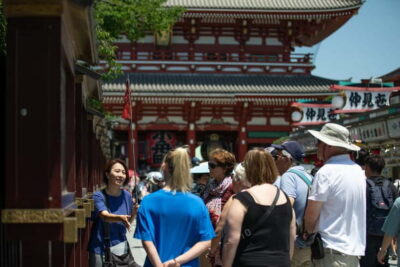
Asakusa Walking Tour with Sensoji Temple Visit
Read our review →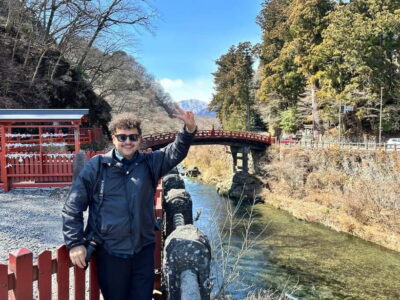

Nikko Toshogu Shrine and Kegon Waterfall Tour
Read our review →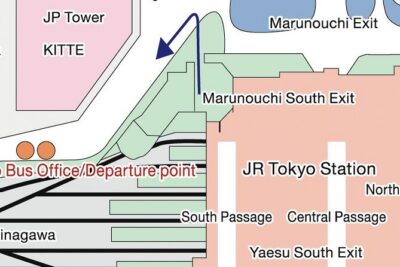
Tokyo Panoramic 1 Day: Meiji Shrine, Asakusa, Odaiba and SKYTREE®
Read our review →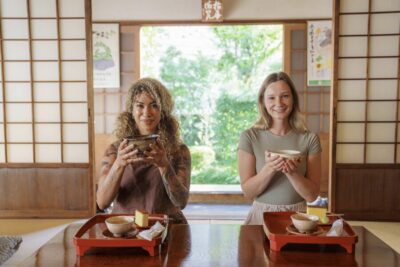
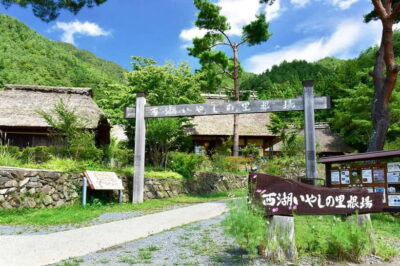
Mt. Fuji Heritage Tour: Traditional Villages, Lakes & Shrine
Read our review →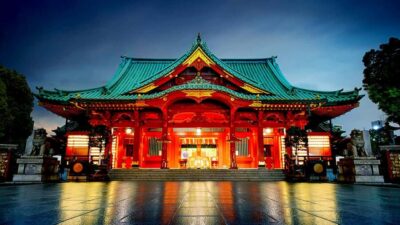
Samurai Entertainment Night Show in Kanda Shrine
Read our review →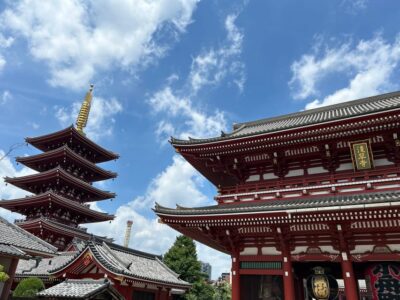
Asakusa and Tokyo’s Oldest Temple Senso-ji Tour
Read our review →Browse the lists this tour appears in