
Review · TOKYO
Tokyo: Samurai Entertainment Night Show in Kanda Shrine
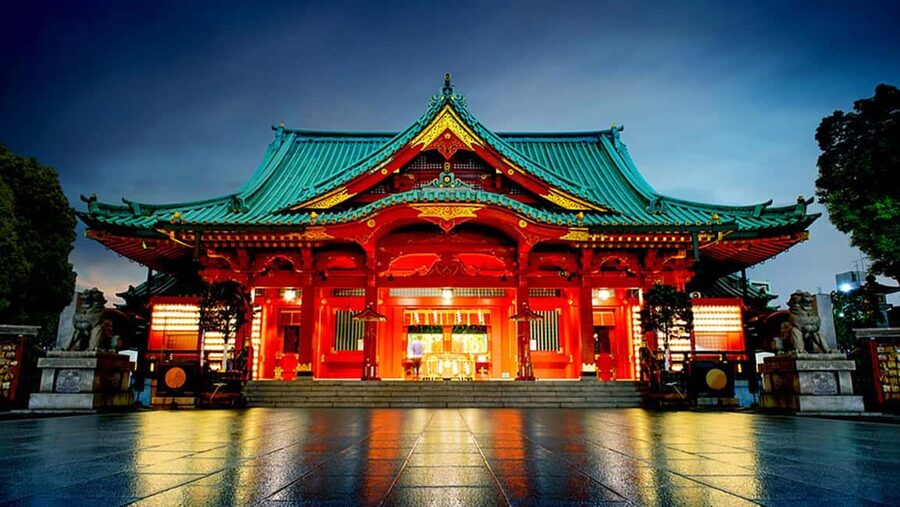
The shrine glows after dark. At Kanda Myojin, a $41 evening combines a dramatic samurai performance, Japanese food and drinks, and a chance to meet the cast. I especially like the intimate venue, where the action feels close enough to catch every gesture, and the friendly cast interaction after the show. The main drawback is that the story can feel hazy if you know little about Taira no Masakado, and you cannot take photos or video during the performance.
Plan on two to three hours, with doors opening at 7 PM and the main show running from 8:15 to 9:15 PM. Food is available separately, and drink choices range from one included drink to an unlimited package. Arrive early, order everything you want before the curtain, and save your camera for the final photo session.
Key points to know before you book
- The setting is Kanda Myojin Shrine: You enter through the historic shrine grounds before heading downstairs to the show restaurant.
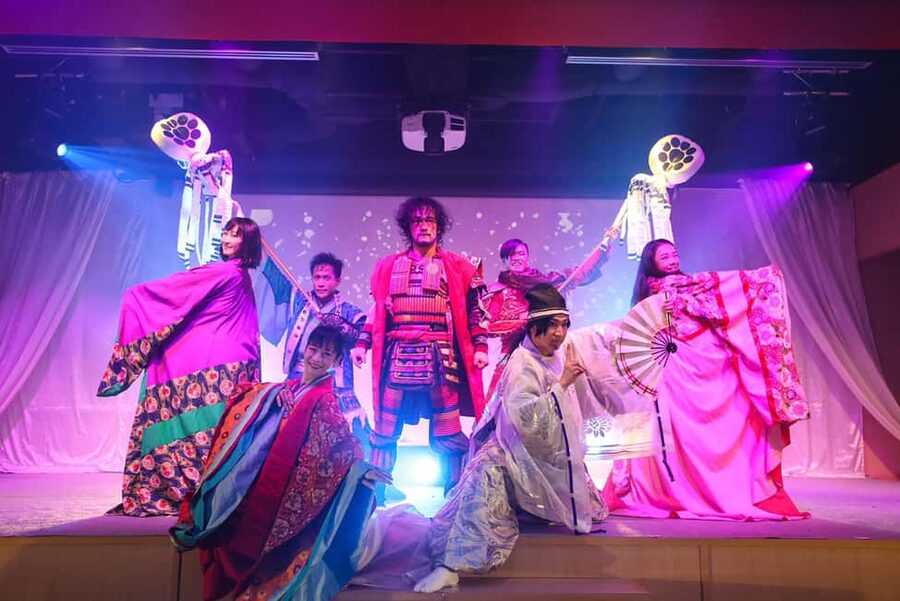
- Taira no Masakado anchors the story: The performance mixes samurai legend, folklore, dance, music, swordplay, lights, and modern stage effects.
- The show is highly visual: There is not much spoken dialogue, so a printed outline helps you follow each act.
- Food and drinks come first: The 7 PM to 8:15 PM period is for eating and drinking, and orders must be placed before the show begins.
- Photos happen after the performance: From 9:15 to 10 PM, you can photograph the performers and pose with them.
- The $41 price is a fair starting point: It covers the show and a drink, but food and some drink packages cost extra.
Arriving at Kanda Myojin after dark
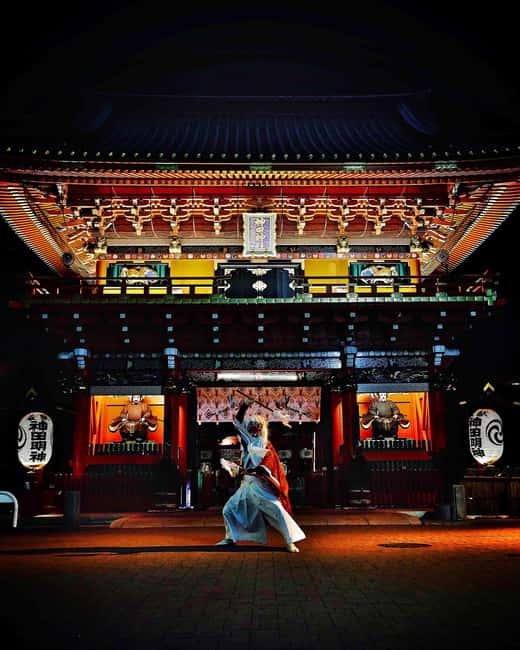
Kanda Myojin is one of Tokyo’s best-known shrines, associated with prosperity in business and love. In daylight, it is a busy cultural sight. At night, the atmosphere changes. The illuminated shrine gives your evening a sense of place before you even enter the theater.
The meeting point is the Show restaurant inside Kanda-Myojin Bunka-Koryu-kan, on the basement level. This is not a street-side theater that you can spot from a distance, so allow extra time to find the correct entrance. One visitor specifically found the location difficult to identify, and that is useful advice. Do not cut it close.
Doors open at 7 PM. You should be inside well before 8 PM, since entry is not allowed after 8:15 PM. Staff welcome you at the restaurant, and the cast may mingle with the audience before the performance. That early contact helps make the evening feel less formal and more personal.
Seating is assigned by the restaurant. You cannot request a particular table or row. The front section includes rows one through four, but there is no promise that you will sit there. If being close to the action matters greatly, book a front-seat option if one is available, rather than assuming regular admission will put you near the stage.
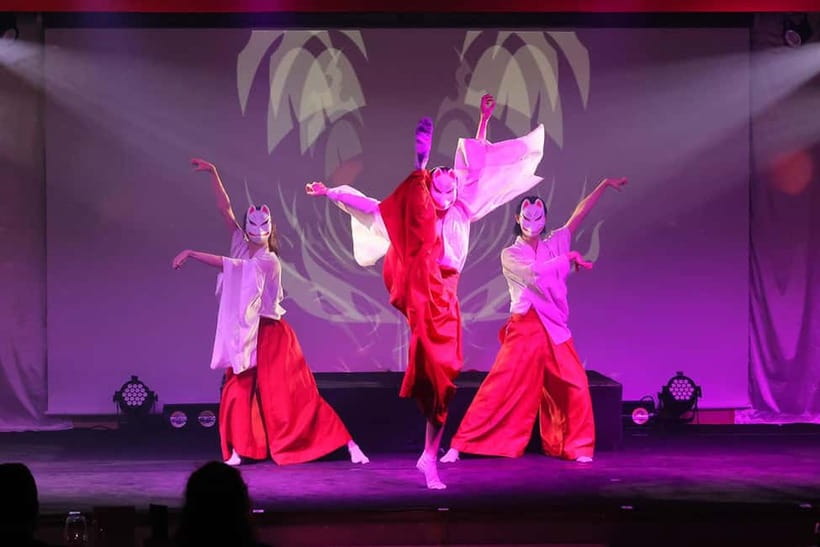
The space is small, which works in your favor. You are not watching a distant stage through binoculars. The compact room keeps the performers close and gives the swordplay, dance, costumes, and facial expressions more impact.
A few more temple visits around Tokyo worth a look
- Tokyo: Asakusa Walking Tour with Sensoji Temple Visit
★ 4.8 · 1,583 reviews - Nikko: Kegon Falls, Lake Chuzenji & Toshogu Temple
★ 4.6 · 1,577 reviews - Tokyo: Nikko Toshogu Shrine and Kegon Waterfall Tour
★ 4.5 · 1,266 reviews
The 7 PM dinner and drinks period
The first hour and fifteen minutes is set aside for food and drinks. The show package includes either one drink or unlimited drinks, depending on the option you select. Food is not included in the basic price, though an a la carte menu is available. Some bookings also include a chicken hot pot option, so check the exact package before paying.
The hot pot is prepared as an individual serving. It comes with seasonal vegetables and broth, and you add the chicken yourself. Once the meat changes color, you dip it into the sauce and eat it. Udon noodles can be added at the end, which keeps them from becoming soft while you are still enjoying the first part of the meal.
This is a pleasant format for dinner theater because the meal gives you time to settle in. You can read the printed show outline, chat with people at your table, and get a little background on Masakado before the stage lights come up.
The food seems to be better viewed as a convenient theater meal than as a destination restaurant. Several menu items have been enjoyed, including hot pot, fried chicken, fries, gyoza, soup, udon, and dessert. One person found the menu less appealing but still enjoyed the fries and dessert. That is a fair warning if you have strong food preferences.
Food portions can be filling, and additional a la carte orders are possible. If you want another drink or a final dish, order before showtime. Once the performance starts, the focus shifts completely to the stage, and you may not have another chance to order.
The unlimited drink option can add value, especially if you plan to spend the full pre-show hour at the restaurant. Still, do not mistake unlimited drinks for table service throughout the performance. The important rule is simple: eat and order early, then watch the show without expecting to pause it.
The story of Taira no Masakado
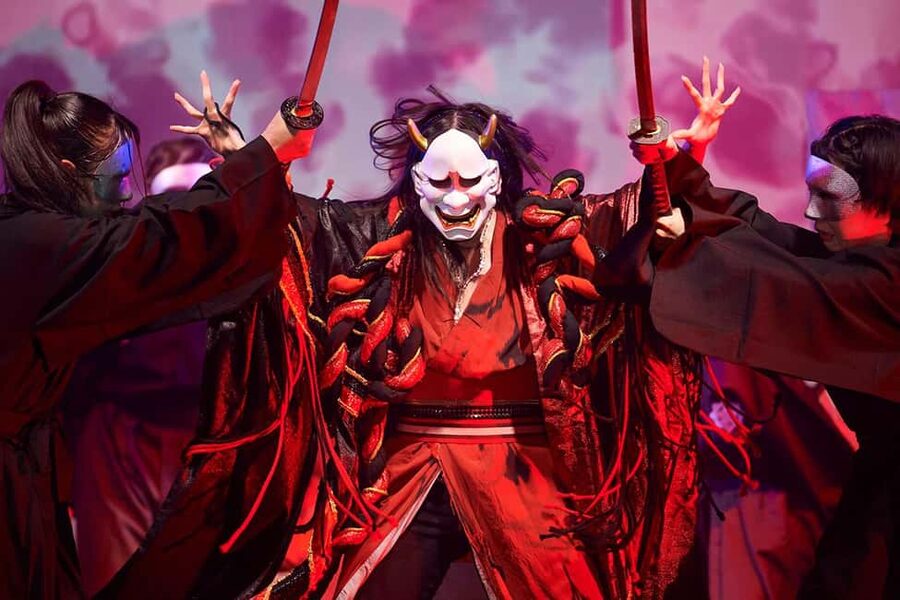
The central figure is Taira no Masakado, a legendary rebel from Japanese history and folklore. The story presented here is not a straightforward museum lecture. It uses Masakado as a starting point for a theatrical blend of history, myth, fantasy, and spiritual themes.
You receive a short written guide explaining what happens in each section. Read it while you eat. The performance uses limited spoken dialogue, so this outline is useful, especially if you are unfamiliar with Masakado or Japanese folklore.
The story may not land with perfect clarity for everyone. One audience member found the plot confusing but still felt the energy and spectacle carried the evening. That seems like the right way to approach it. You are not attending a quiet historical reenactment with every date and political detail explained. You are seeing a stylized stage work built from legends.
The show includes characters and stories beyond Masakado. Past performances have featured figures such as the Spiderwoman, the Butterfly, and the Black Fox. The mix of traditional stories with modern music, lighting, and theatrical movement gives the production a live-action fantasy feel.
If you enjoy Japanese mythology, samurai imagery, or stage combat, you will have plenty to watch. If you mainly want a historically precise account of Masakado, this may feel too theatrical. The value here is the mood, movement, and performance rather than a detailed history lesson.
The 8:15 PM samurai performance
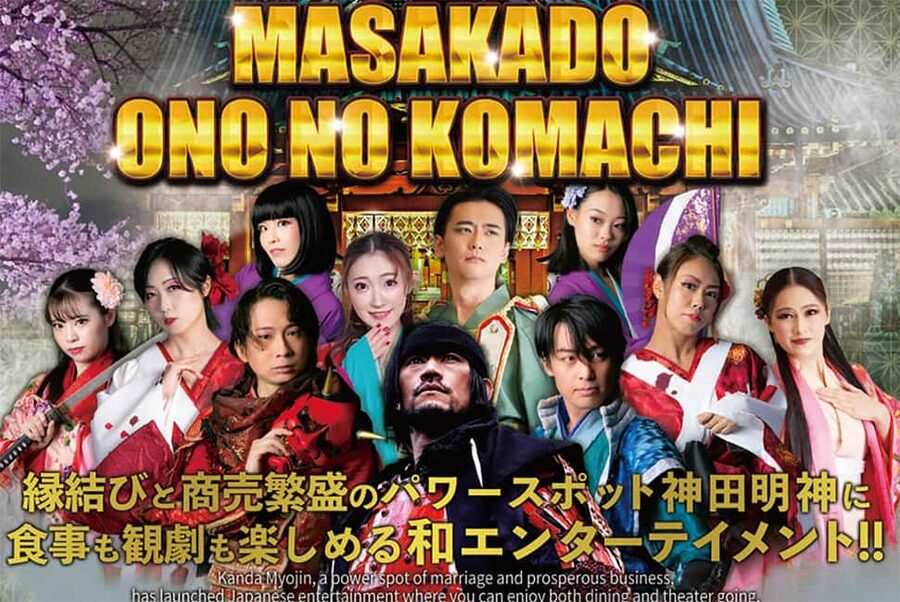
The main performance lasts about an hour, from 8:15 to 9:15 PM. It combines swordplay, dance, music, sound effects, costumes, storytelling, lighting, and visual effects.
The cast brings a lot of physical energy to the stage. Their movements are quick and highly controlled, and the small room lets you see the expressions and gestures that can disappear in a large theater. The production has been praised for its choreography, music, costumes, and careful timing.
Do not expect nonstop sword fighting. The show is a visual dance theater piece as much as a samurai action show. One useful criticism is that some people would prefer more swordplay or a clearer demonstration of fighting skills. The performance spends plenty of time on character, atmosphere, movement, and legend.
That balance is important. If you want a martial arts demonstration, you may find the theatrical sections longer than expected. If you enjoy stage drama with Japanese themes, the combination works well.
The music and sound effects help fill in the story when dialogue is limited. Lights and costume changes add a modern edge, while the subject matter reaches back to older legends. The result feels more like a stylized fantasy production than a traditional play.
The cast does not remain locked onstage in every moment. Some action and movement may happen outside the main performance area, which makes it worth watching the whole room rather than staring at one spot. You should also respect the no-camera rule. Photos and video are not allowed during the show, and staff take that rule seriously.
This restriction is sensible. Phone screens would damage the atmosphere, and the production depends on darkness, timing, and concentration. You will get your chance to take pictures later.
Same place, a different morning at the gates:
- Tokyo Panoramic 1 Day: Meiji Shrine, Asakusa, Odaiba and SKYTREE®
★ 4.5 · 1,222 reviews - Tokyo: Zen Meditation at a Private Temple with a Monk
★ 5.0 · 510 reviews - Mt. Fuji Heritage Tour: Traditional Villages, Lakes & Shrine
★ 4.5 · 509 reviews - Tokyo: Asakusa and Tokyo’s Oldest Temple Senso-ji Tour
★ 4.9 · 352 reviews
Meeting the performers from 9:15 to 10 PM
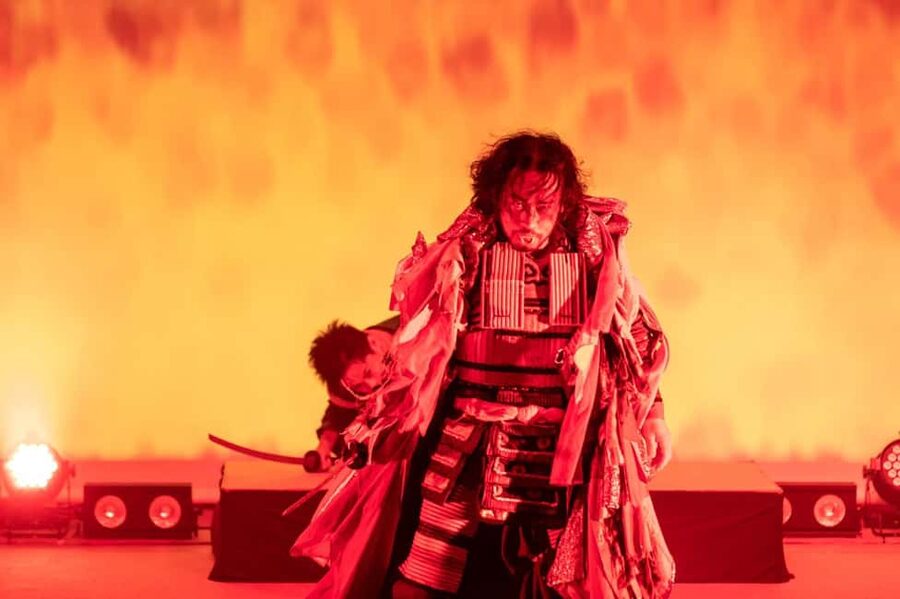
After the final act, the evening changes from theater to personal encounter. The performers come out to meet the audience, chat, and pose for photos. This is included and does not cost extra.
The cast is known for being warm and approachable. English interaction is possible, and several people have appreciated being able to speak with the performers after the show. If you are traveling alone, this part helps the evening feel social rather than like a show where you simply enter, watch, and leave.
The photo period runs from 9:15 to 10 PM. You can take pictures with the dancers and actors, and the performers generally make themselves available. Have your phone or camera ready once the photo period begins, since the process can move quickly.
Tipping is not a standard part of everyday service in Japan, so you should not feel required to tip. Some people choose to offer money to individual performers as a personal thank-you. If you want to do that, carry a few small bills and understand that the moment may move fast. A friendly word and a photo are perfectly appropriate if you prefer not to tip.
The show closes at 10 PM. That gives you time to enjoy the photo session, but not an endless amount of time to linger. If you have a late dinner reservation or a train connection, plan carefully.
Is $41 good value?
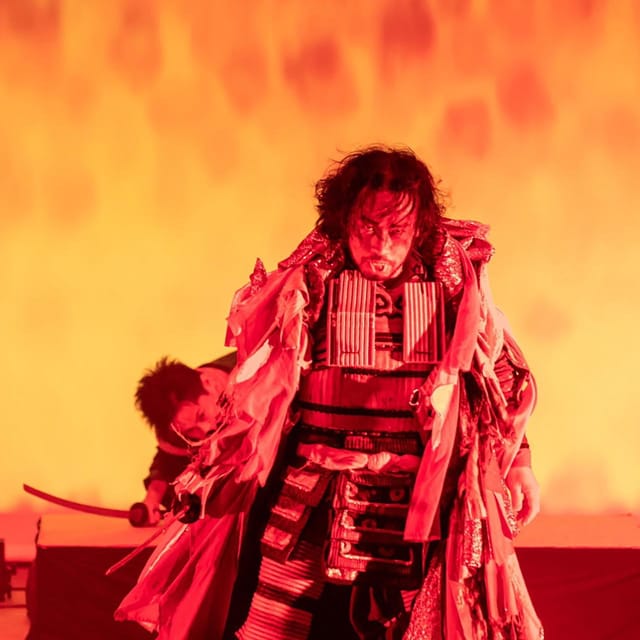
At about $41 per person, the entry price is reasonable for a Tokyo evening that includes a live show and one drink. You are also paying for a distinctive setting, a small theater, and post-show access to the cast. That combination makes the price stronger than a basic stage ticket.
Food is extra, so your final cost depends on how you book. The unlimited drink package can make sense if you plan to arrive at 7 PM and use the full pre-show period. If you only want the performance, choose the least expensive drink option and treat the meal as optional.
The food itself is convenient and, in many cases, satisfying. The chicken hot pot is a fun format, and udon at the end makes it filling. Still, I would not book this mainly for fine dining. Book it for the show, then consider the meal a useful part of the evening.
The strongest value comes from the complete rhythm: shrine visit, dinner, performance, and photos. You get a cultural evening without moving between several parts of Tokyo. That matters on a busy trip, especially when you want something to do after the usual daytime sights close.
Who should choose this evening
I would recommend it to adults, older children, solo visitors, couples, and families who enjoy live performance. Children around ten and twelve have enjoyed it, though very young children may find the loud music, darkness, or dramatic action intense.
You do not need to be a samurai expert. The show is accessible through movement, music, costumes, and visual storytelling. The printed outline helps, and the cast’s energy carries the performance even when the plot becomes complicated.
It is also a good choice if you have already visited Tokyo’s major temples and museums and want something active at night. The shrine setting gives the evening a cultural anchor, while the stage production keeps it lively.
I would hesitate if you dislike theatrical fantasy, cannot sit through an hour without taking photos, or want a strictly factual account of samurai history. I would also think twice if your priority is a gourmet meal. The menu is useful and generally well received, but the performance is the real reason to go.
Practical advice for a smoother night
Arrive early. The setting can be tricky to locate, and the entry cutoff is firm. Being there around 7 PM gives you time to find the restaurant, settle into your assigned seat, and order food and drinks.
Read the show guide before the curtain. A few minutes with the outline will make the character shifts and folklore easier to follow.
Do not order a drink at 8:10 PM expecting to sip it during the performance. All food and drink orders should be placed before showtime, and one audience member found that a last-minute drink simply became impractical once the action began.
Keep your camera away during the show. Use the pre-show period for pictures of the setting if permitted, then use the official photo time after the performance for cast photos.
If you use a wheelchair, the activity is listed as wheelchair accessible. One person traveling with a wheelchair found the staff helpful, including assistance with getting back to a hotel. For any specific mobility concern, confirm the arrangements when booking.
Should you book the Kanda Shrine samurai show?
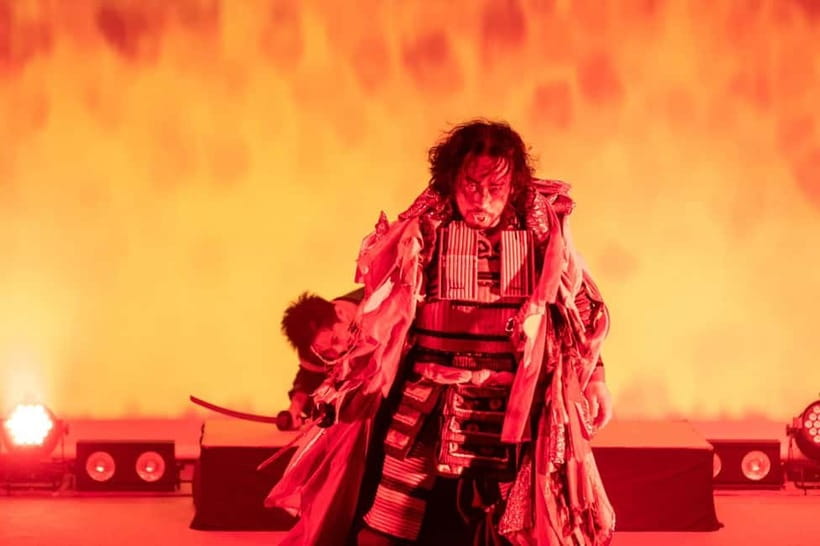
Yes, if you want an entertaining Tokyo night that combines a historic shrine setting with energetic live theater. The strongest parts are the talented cast, close-up venue, beautiful costumes, music, and the friendly photo session afterward.
Book with realistic expectations. This is not a formal lesson in samurai history, and it is not a pure sword-fighting exhibition. It is a stylized performance built from Masakado’s legend, Japanese folklore, dance, sound, and stage effects.
For about $41 before optional food and drink upgrades, I think it offers good value. Arrive early, read the story outline, eat before the show begins, and keep your camera ready for the final hour. If that sounds like your kind of evening, Kanda Myojin offers a memorable way to spend a night in Tokyo.
FAQ
Where does the samurai show take place?
It takes place at the Show restaurant inside Kanda-Myojin Bunka-Koryu-kan, on the B1 level of Kanda Myojin Shrine.
What time should I arrive?
Doors open at 7 PM. You should arrive at the restaurant by 8 PM, since entry is not allowed after 8:15 PM.
How long does the experience last?
The full evening runs from 7 PM to 10 PM, making the total experience about three hours. The performance itself runs from 8:15 to 9:15 PM.
Is food included in the ticket?
Food is not included in the basic activity. An a la carte menu is available, and some options include an individual chicken hot pot, so check your selected package.
Are drinks included?
Yes. The activity includes either one drink or unlimited drinks, depending on the option selected.
Can I take photos or videos during the show?
No. Cameras, video recording, and audio recording are not allowed during the performance. You can take photos with the performers from 9:15 to 10 PM.
Can I choose my seat?
No. Seat assignments are decided by the restaurant. The front section includes rows one through four.
Is the experience wheelchair accessible?
Yes, the activity is listed as wheelchair accessible. The provided information also notes that staff have helped a wheelchair user with the return journey after the show.
Just added around Tokyo
- :Tokyo,Shibuya /Meiji Shrine tour in KIMONO/English-friendly★ 5.0 · 4 reviews
- Tokyo: Snow Monkey and Zenkoji Temple Day Trip In Low Price★ 5.0 · 5 reviews
- Tokyo War History Tour: Yasukuni Shrine & War Museum★ 4.5 · 6 reviews
- Tokyo: Gotokuji Culture Walk & Lucky Cat Temple Experience★ 4.9 · 5 reviews
- Tokyo: Shibuya Sky, Harajuku & Meiji Shrine Highlights Tour★ 4.5 · 9 reviews
- Tokyo: Visit 5 Shrines & Collect Goshuin on Private Tour★ 5.0 · 3 reviews
- Tokyo: Sensoji Temple & Street Food: Private Tour with guide★ 4.6 · 8 reviews
- Tokyo’s Kitchen: Tsukiji Market Food & Culture Walk★ 4.7 · 74 reviews
Tokyo Temple Tours, compared.
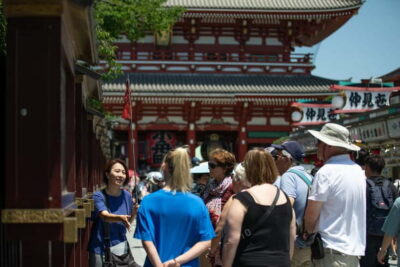
Asakusa Walking Tour with Sensoji Temple Visit
Read our review →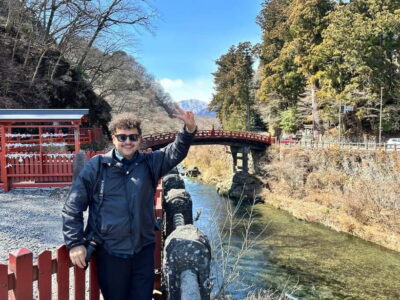
Nikko Toshogu Shrine and Kegon Waterfall Tour
Read our review →
Tokyo Panoramic 1 Day: Meiji Shrine, Asakusa, Odaiba and SKYTREE®
Read our review →
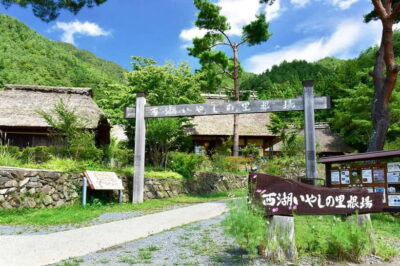
Mt. Fuji Heritage Tour: Traditional Villages, Lakes & Shrine
Read our review →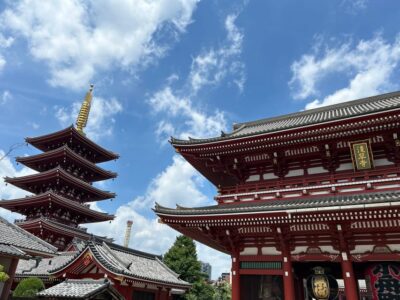
Asakusa and Tokyo’s Oldest Temple Senso-ji Tour
Read our review →
Imperial Palace, Sensō-ji Temple, & Tokyo Tower Tour
Read our review →Browse the lists this tour appears in