
Review · TOKYO
Make a temple stamp book with artist
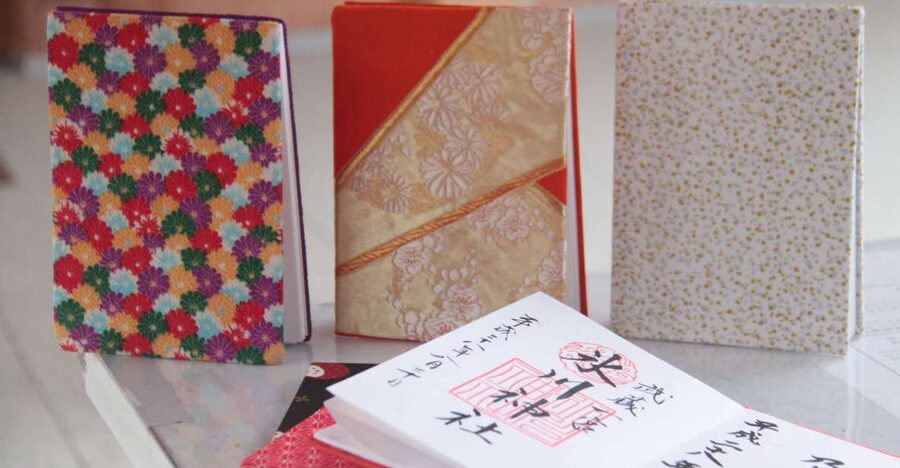
A small book can hold a whole visit. This two-hour workshop near Shibuya lets you choose from more than 100 kimono fabrics, fold and glue your own goshuin notebook, then take it to a local shrine for its first stamp. I like the hands-on craft, and I like that the activity connects your finished book to a real Japanese custom instead of leaving you with a souvenir made by someone else. The main drawback is practical: you will climb about 10 steps to reach the classroom and shrine, and the shrine stamp costs extra.
The English-speaking instructor, Chikako Oshiro, keeps the group small, with no more than eight people. That gives you room to ask questions and make careful choices, though travelers looking for a major temple tour or a long sightseeing walk should know this is a focused workshop, not a full city excursion.
Key points to know before you book
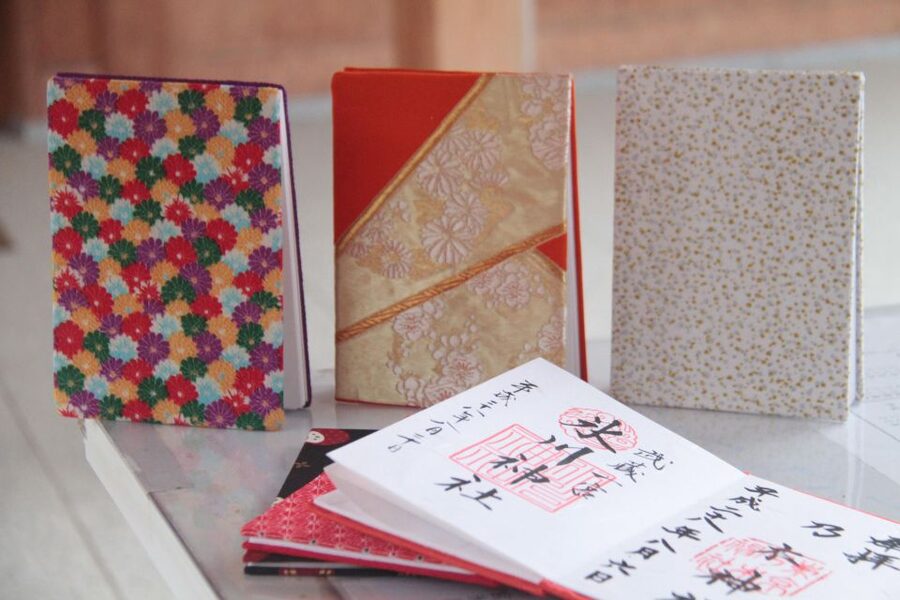
- Choose from over 100 kimono fabrics: Your cover can be bright, traditional, subtle, or playful, depending on the pattern you pick.
- Make a real goshuin notebook: You fold and glue the pages yourself, so the finished book has a personal connection to your trip.
- Collect your first stamp at a local shrine: The workshop continues outside, where you use the new book right away.
- Learn formal shrine etiquette: Chikako explains how to visit respectfully, which is useful if Japanese shrine customs are new to you.
- Small English-speaking group: The class is limited to eight people and lasts two hours.
- Good location near Shibuya: You can fit this cultural stop around popular sightseeing areas, though the meeting point requires careful attention.
What a goshuin book means in Japan
A goshuin notebook is made for collecting goshuin, the calligraphic stamps and seals available at temples and shrines across Japan. Each religious site has its own design and inscription, so the book becomes a record of places you visited rather than a standard paper souvenir.
The value here is that you learn the purpose of the book before collecting anything. Instead of buying a finished notebook in a shop and wondering what to do with it, you make one, hear how goshuin collecting works, and then receive your first entry at a local shrine.
I especially like this order. Craft first, visit second. The shrine stop gives the handmade book an immediate use, and your first stamp becomes part of the memory from the same morning or afternoon.
It is also worth treating a goshuin as a religious memento, not just a tourist sticker. The activity teaches you how to visit the shrine formally, so you get some guidance before asking for your stamp. Specific steps are not listed in advance, but the instructor explains the proper approach during the experience.
A few more temple visits around Tokyo worth a look
- Tokyo: Asakusa Walking Tour with Sensoji Temple Visit
★ 4.8 · 1,583 reviews - Nikko: Kegon Falls, Lake Chuzenji & Toshogu Temple
★ 4.6 · 1,577 reviews - Tokyo: Nikko Toshogu Shrine and Kegon Waterfall Tour
★ 4.5 · 1,266 reviews
Choosing your fabric from more than 100 options
The workshop begins with Chikako’s wide selection of fabrics. You choose the material for the cover of your book, with more than 100 kimono fabrics available. That is a lot of choice for a two-hour activity, and it is one reason the workshop feels personal rather than mass-produced.
Traditional kimono fabric can carry strong color and pattern, so take a moment before picking the first design that catches your eye. You might prefer a bold pattern that is easy to spot on a shelf, or a quieter fabric that lets the calligraphy inside take the lead.
The fabric choice is not just decoration. It gives you a practical way to make the notebook feel like yours, especially if you plan to keep collecting goshuin during your Japan trip. If you are buying gifts, the handmade aspect also makes the book more meaningful than a generic souvenir.
The timing matters. You are not simply selecting fabric and leaving it with an artist. You use your chosen material as part of the notebook-making process, so the decision becomes part of the activity.
Folding and gluing the notebook by hand
Once you choose your fabric, Chikako teaches you how to make the notebook properly by folding and gluing the pages together. The materials are provided, and the instructions are designed to be easy to follow.
This is a good fit if you enjoy calm, practical crafts. You do not need to arrive with specialist skills. The process has enough structure to keep you moving, but your fabric choice gives the finished item a personal touch.
A small warning: glue and paper work reward patience. The goal is not to rush through the craft so you can reach the shrine. Listen closely to the instructions and take care with the folds. The finished book will be used again and again, so neat construction matters more than speed.
One useful detail is that extra glue may be available if you need it later for adding pages or keeping the notebook in good shape. That is not a promise of unlimited supplies, but it suggests the activity is intended to leave you with a usable book, not a fragile one-time craft.
The workshop also includes explanations about goshuin and shrine traditions. That cultural context makes the craft more than a paper project. You learn why people collect the stamps and how the notebook fits into a wider visit to religious sites in Japan.
Taking the new book to a local shrine
After the notebook is finished, you walk to a local shrine nearby. This is the part that turns the workshop into a cultural outing. You do not make a book in isolation. You take it to a real place and collect your first goshuin.
The shrine visit is also where the formal etiquette lesson becomes useful. Chikako teaches you how to visit properly, giving you a clearer sense of what to do when you enter a shrine. If you have felt unsure about shrine customs before, this guidance can make your next visit less awkward.
The stamp itself is not included in the workshop fee, so bring money for that separate charge. The supplied details do not give the exact amount, so you should be ready for a small additional payment at the shrine rather than assuming everything is covered by the $38 price.
You should also remember that the stamp is not the same as a quick attraction ticket. Goshuin are tied to temples and shrines, and the workshop presents them as part of a respectful visit. The instructor’s guidance helps you understand that distinction.
The shrine is described as local, rather than one of Tokyo’s major headline sights. That is a benefit if you want a quieter cultural stop close to Shibuya, but it also means you should not book this expecting a grand temple complex or a long guided tour of famous landmarks.
Same place, a different morning at the gates:
- Tokyo Panoramic 1 Day: Meiji Shrine, Asakusa, Odaiba and SKYTREE®
★ 4.5 · 1,222 reviews - Tokyo: Zen Meditation at a Private Temple with a Monk
★ 5.0 · 510 reviews - Mt. Fuji Heritage Tour: Traditional Villages, Lakes & Shrine
★ 4.5 · 509 reviews - Tokyo: Samurai Entertainment Night Show in Kanda Shrine
★ 4.6 · 417 reviews
Why the small group matters
The group is limited to eight people, with instruction in English. For a craft class, that size is useful. You can see the demonstrations, ask for help with folding or gluing, and take time choosing your fabric without competing with a large crowd.
A small group also makes the shrine lesson easier to follow. You are part of a shared visit, but the experience still has room for questions about goshuin, fabrics, and formal shrine behavior.
Chikako’s teaching receives especially strong praise for being kind, helpful, and informative. One useful detail from the feedback is that she provided extra glue for continuing the notebook collection. That kind of small practical help matters in a workshop, particularly if you are worried about making a mistake.
The class is not aimed at people who want complete privacy. You will be crafting alongside other participants, and the group may include people with different levels of interest in Japanese culture. Still, eight is a manageable number for this type of activity.
Location, meeting point, and timing
The experience takes place on Honshu, near popular tourist areas in Shibuya. That makes it easy to pair with other Tokyo plans, especially if you want to add a traditional activity to a day otherwise spent in shops, cafés, or major city sights.
The meeting point is in front of an entrance located between a drug store and Cozy Corner, the cake shop. This is specific enough to help, but you should still allow time to identify the correct entrance. The meeting point is not described as a hotel, station gate, or large landmark, so checking the location before setting out is sensible.
The activity lasts two hours. That is long enough for fabric selection, notebook construction, cultural explanation, and the shrine visit. It is short enough to fit into a packed Tokyo schedule, but you should avoid scheduling a tight reservation immediately afterward.
Because the outing takes place rain or shine, bring weather protection when needed. The craft portion and the shrine portion are different settings, so comfortable clothing and shoes make sense. You will encounter about 10 steps to the classroom and shrine, and the activity is not suitable for people with mobility impairments.
Children under three are not allowed. The material and the formal shrine lesson are likely to suit older children, teenagers, and adults better than toddlers, though the supplied information does not set a wider age range.
Is $38 a fair price?
At $38 per person, the cost includes the workshop fee but not the shrine stamp. I see the price as reasonable if you value instruction and a personal souvenir, not just a quick craft object.
You receive more than a fabric-covered notebook. The fee covers the materials, teaching, explanations about goshuin, and the guided shrine visit. You also leave with a book you can continue using at other temples and shrines in Japan.
The value depends on your plans. If you only want a cheap souvenir, you may find a ready-made goshuin book elsewhere for less. If you want to understand the custom and make your own version with a fabric you selected, the workshop offers more substance.
The first stamp is an extra expense, so include that in your budget. The exact stamp fee is not provided, and it is paid separately at the shrine.
Flexible booking also helps. You can cancel up to 24 hours before the activity for a full refund, and you can reserve now and pay later. Those terms are useful when your Tokyo schedule is still changing.
Who will enjoy this experience most?
I would recommend this to you if you like making things, want a souvenir with a story, or feel curious about Japanese religious customs. It also suits repeat visitors who have already seen major Tokyo sights and want a smaller local activity near Shibuya.
It is a strong choice for couples, friends, solo visitors, and families with older children. The small group gives the class a personal feel, while the English instruction removes much of the worry about following the craft steps.
You may want to skip it if your main goal is a grand temple visit, a long walking tour, or a packed sightseeing schedule. The shrine is local, the class takes two hours, and the activity includes stairs. It is also not a good match if you need step-free access.
The experience has earned a 4.9 rating from 10 reviews, with praise focused on the friendly instruction, fabric choice, clear guidance, and the mix of craft and culture. Those are exactly the elements that give this workshop its value.
Should you book the goshuin workshop?
Book it if you want a useful handmade souvenir and a gentle introduction to shrine etiquette. The combination of over 100 kimono fabrics, hands-on construction, English instruction, and a first shrine stamp gives you a clear sense of Japanese custom in only two hours.
Skip it if you want a major landmark or cannot manage about 10 steps. Also remember to budget separately for the shrine stamp.
For most visitors who enjoy crafts and want something more personal than a shop purchase, I think $38 is a fair price. You leave with a notebook, a new collecting tradition, and a better idea of how to approach shrines respectfully.
FAQ
How long does the goshuin notebook workshop last?
The activity lasts two hours, including the notebook-making workshop and the visit to a local shrine.
How many fabrics can I choose from?
You can choose from more than 100 different kimono fabrics for your original goshuin notebook.
Is the shrine stamp included in the price?
No. The workshop fee is included, but the stamp fee at the shrine is not included.
Is the instruction offered in English?
Yes. The instructor provides the activity in English.
How large is the group?
The experience is limited to eight participants, making it a small-group activity.
Where do I meet the instructor?
Meet in front of the entrance located between a drug store and Cozy Corner, which is a cake shop.
Is the activity suitable in bad weather?
Yes. The activity takes place rain or shine.
Is the workshop accessible for people with mobility impairments?
No. There are about 10 steps leading to the classroom and shrine, and the activity is not suitable for people with mobility impairments. Children under three are also not permitted.
Just added around Tokyo
- :Tokyo,Shibuya /Meiji Shrine tour in KIMONO/English-friendly★ 5.0 · 4 reviews
- Tokyo: Snow Monkey and Zenkoji Temple Day Trip In Low Price★ 5.0 · 5 reviews
- Tokyo War History Tour: Yasukuni Shrine & War Museum★ 4.5 · 6 reviews
- Tokyo: Gotokuji Culture Walk & Lucky Cat Temple Experience★ 4.9 · 5 reviews
- Tokyo: Shibuya Sky, Harajuku & Meiji Shrine Highlights Tour★ 4.5 · 9 reviews
- Tokyo: Visit 5 Shrines & Collect Goshuin on Private Tour★ 5.0 · 3 reviews
- Tokyo: Sensoji Temple & Street Food: Private Tour with guide★ 4.6 · 8 reviews
- Tokyo’s Kitchen: Tsukiji Market Food & Culture Walk★ 4.7 · 74 reviews
Tokyo Temple Tours, compared.
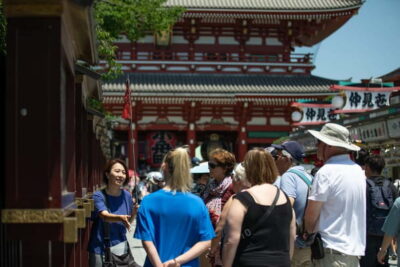
Asakusa Walking Tour with Sensoji Temple Visit
Read our review →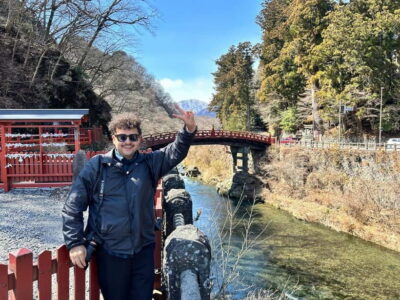

Nikko Toshogu Shrine and Kegon Waterfall Tour
Read our review →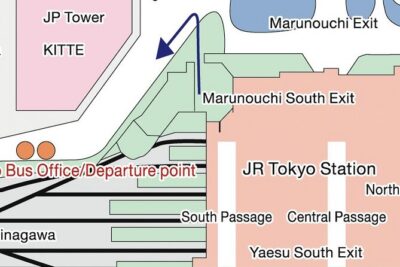
Tokyo Panoramic 1 Day: Meiji Shrine, Asakusa, Odaiba and SKYTREE®
Read our review →
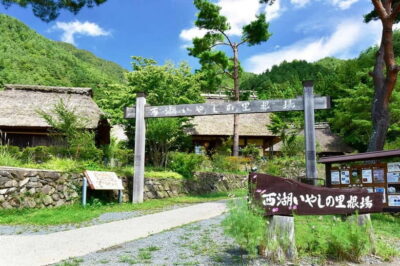
Mt. Fuji Heritage Tour: Traditional Villages, Lakes & Shrine
Read our review →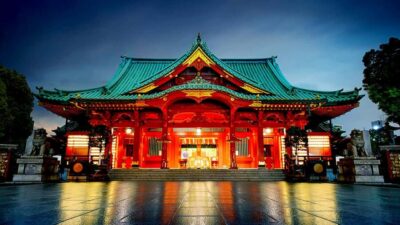
Samurai Entertainment Night Show in Kanda Shrine
Read our review →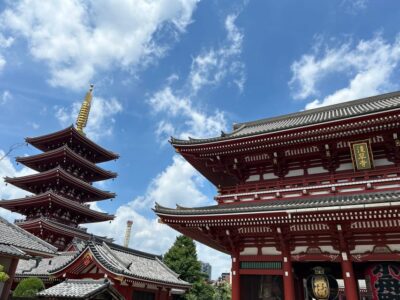
Asakusa and Tokyo’s Oldest Temple Senso-ji Tour
Read our review →Browse the lists this tour appears in